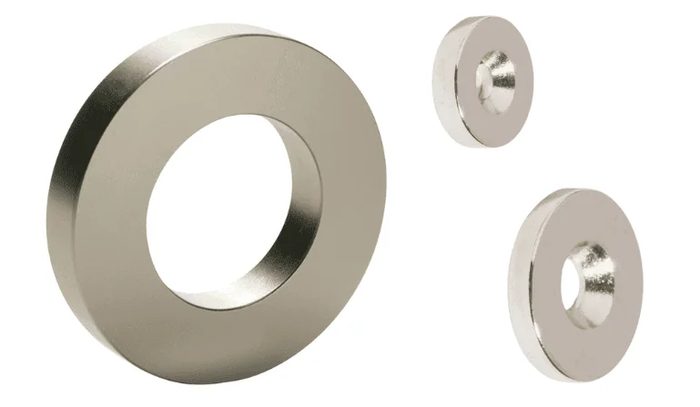
Magnets
Neodymium, ceramic, pot, and magnetic assemblies for holding and sensing.
Also searched as: neodymium magnetsrare earth magnetspot magnetsmagnetic assemblies
-
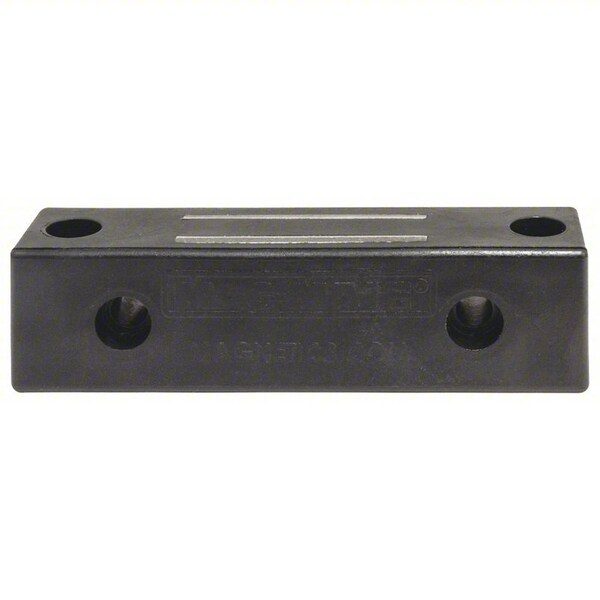 from $23.89Zoro $23.89
 -
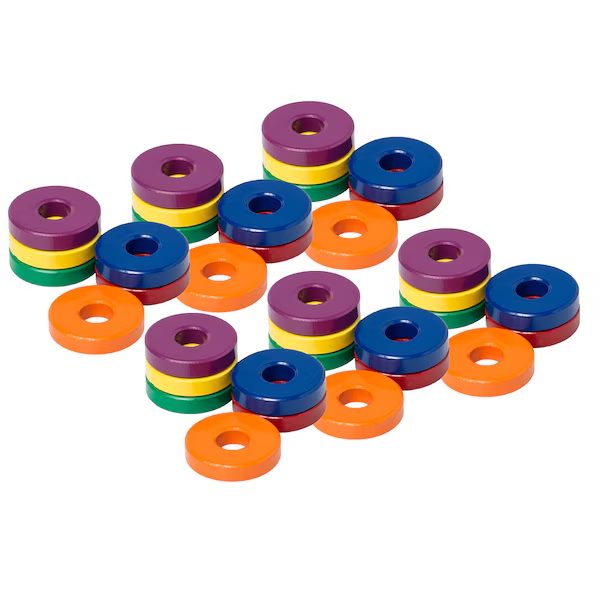
Ceramic Ring Magnets, 1.14"D x .26"T, 6 Per Pack
Diameter: 1.14 inThickness: 0.26 in
from $31.85Zoro $31.85 -
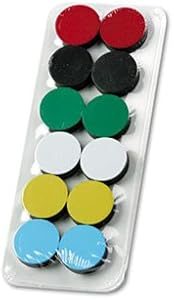
High Strength Magnets
Height: 0.125 inWidth: 0.75 in
-

Kaleidoscope Magnets, Small
Length: 0.75 inch
-
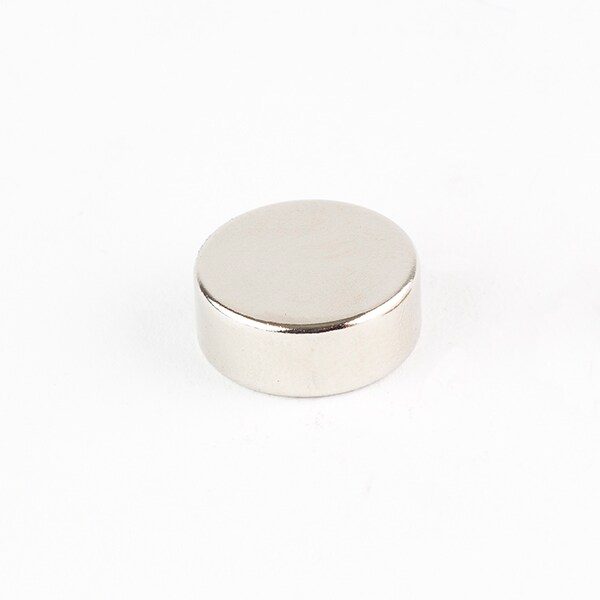
N52 Neodymium Disc Magnets, 0.625" D, 18.9 lb Pull
Diameter: 0.625 inGrade: N52Pull: 18.9 lb
-
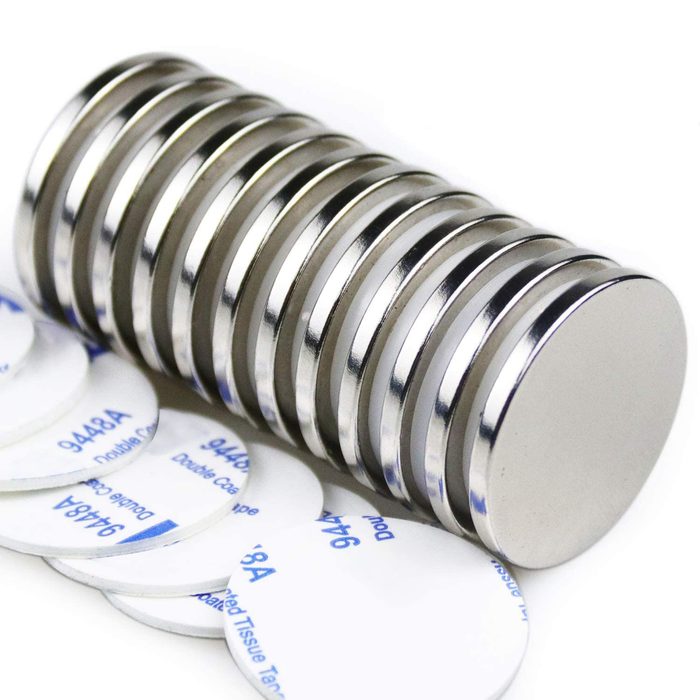
Neodymium Disc Magnets with Adhesive
Length: 0.75 inWidth: 0.75 in
-
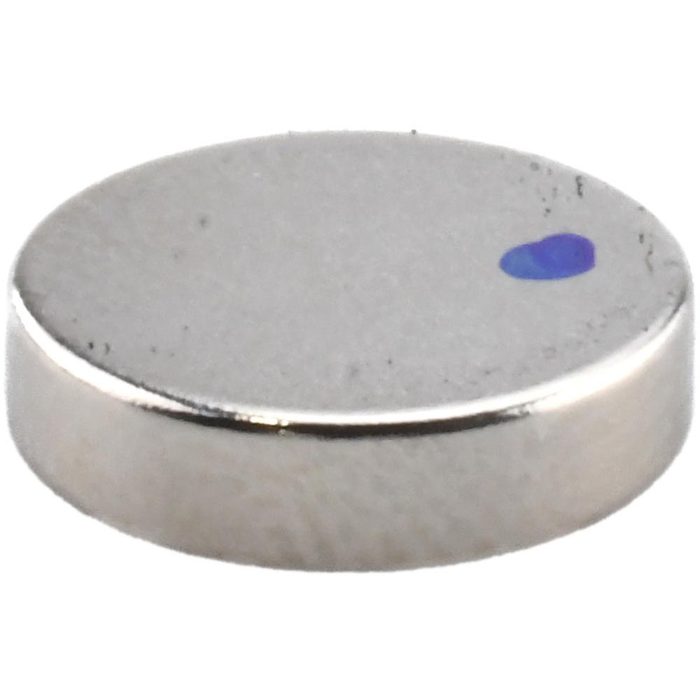
Rare Earth Magnet Material, 10.5 lb.
Diameter: 0.5 inPull: 10.5 lbStability Temperature: 180 Degrees FThickness: 0.125 in
-
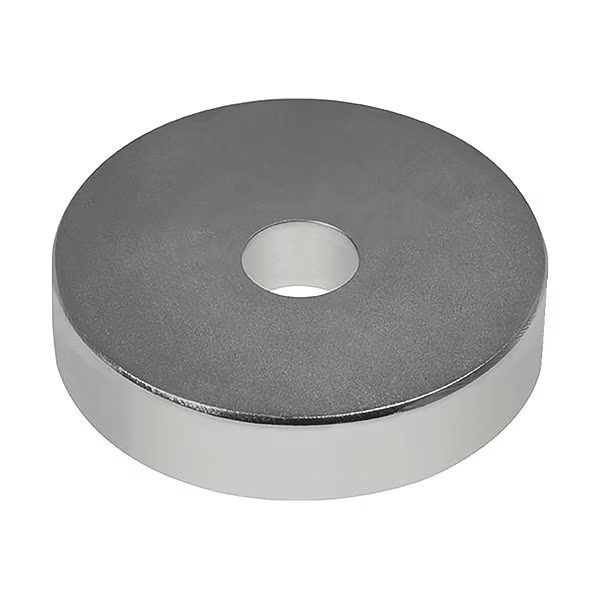
Rare Earth Magnet Material, 18.15 lb.
Pull: 18.15 lbThickness: 0.125 in
-
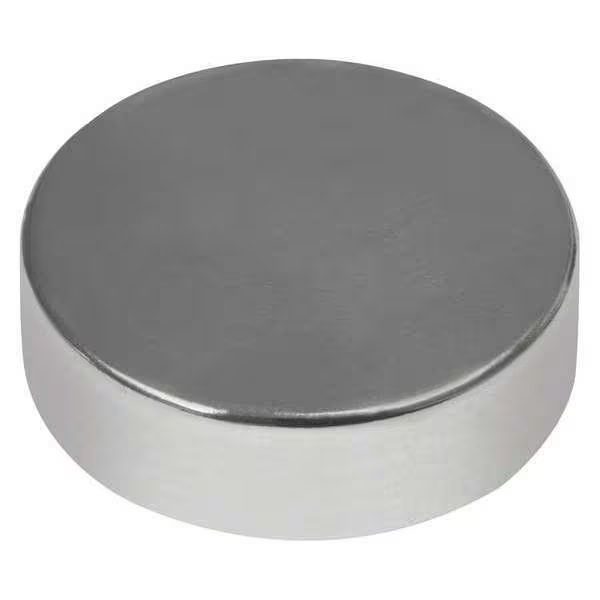
Rare Earth Magnet Material, 6.08 lb.
Diameter: 0.5 inPull: 6.08 lbThickness: 0.125 in
-
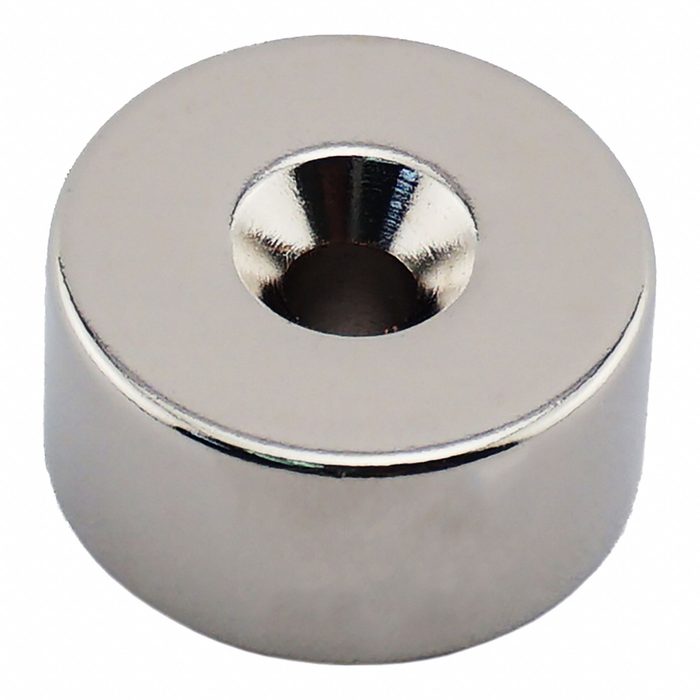
Rare Earth Magnet, Silver
Diameter: 1 inGrade: 45Maximum: 7/32 inThickness: 0.5 in
-
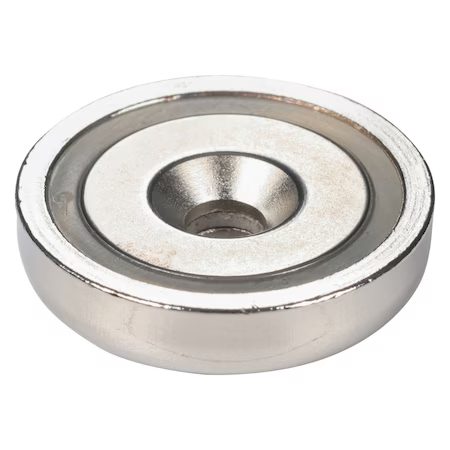
Rare Earth Magnet, Steel
Grade: 42Pull Force - Maximum: 29.5 lbf
-
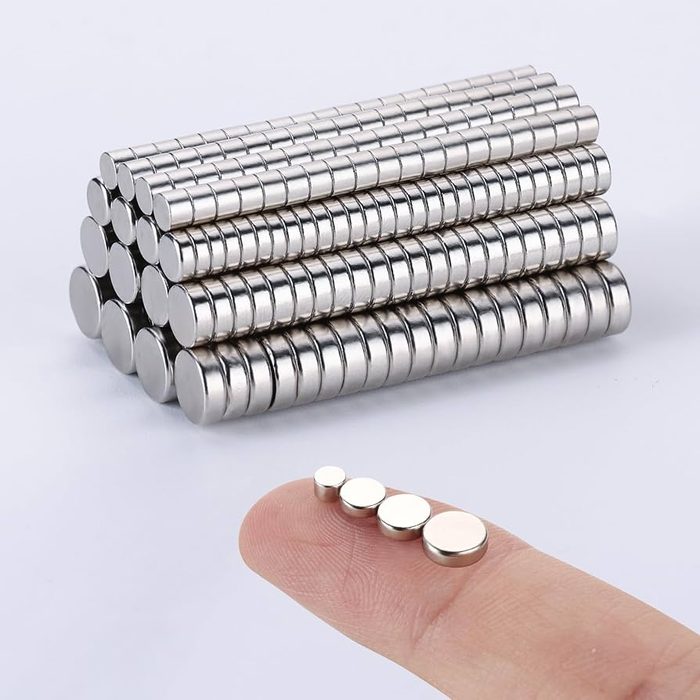
Rare Earth Magnets, 12-Count
Count: 12
-
-
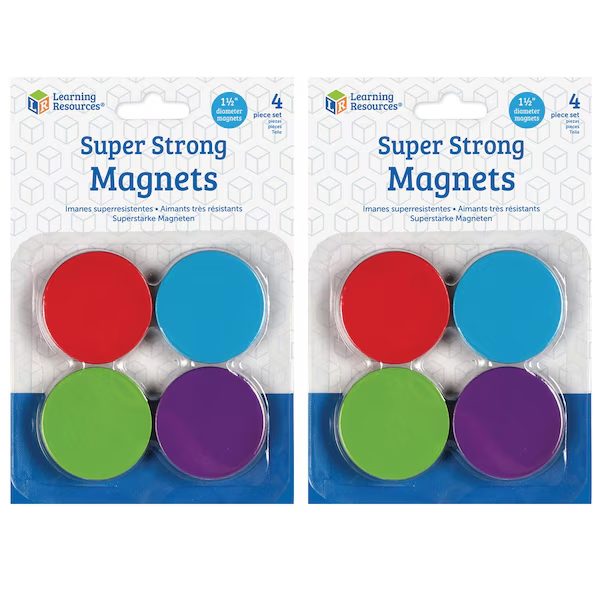
Super Strong Magnets, 8PK
Diameter: 1.5 inch
from $30.29Zoro $30.29
About magnets
Magnets are components that produce a magnetic field, used for holding, sensing, and actuation in various mechanical and automation applications. The primary types include permanent magnets, such as Neodymium (NdFeB) and Ceramic (Ferrite) magnets, and magnetic assemblies. Neodymium magnets offer high magnetic strength (e.g., N35, N42, N52 grades) and are commonly used in compact designs, often with nickel, zinc, or epoxy coatings for corrosion resistance. Ceramic magnets are more cost-effective, exhibit good temperature stability, and are typically unplated. Pot magnets, a common assembly type, integrate a permanent magnet within a steel casing to direct and amplify the magnetic field, often featuring threaded studs, internal threads, or through-holes for mounting. Key selection parameters include pull force (in pounds or kilograms), operating temperature range, dimensions (diameter, thickness, height), and mounting configuration. Magnetic assemblies can also incorporate reed switches or Hall effect sensors for sensing applications, with specifications including switching voltage, current, and contact form.
How to choose
When selecting magnets, first determine the required pull force or holding strength for the application. Next, consider the operating temperature range; Neodymium magnets have lower maximum temperatures than Ceramic magnets. Third, evaluate the physical constraints and desired mounting method, which will dictate the magnet's dimensions and whether a pot magnet or a custom assembly is needed. Finally, assess environmental factors such as moisture or corrosive agents to choose an appropriate coating or material. Trade-offs exist between magnetic strength, temperature resistance, and cost.