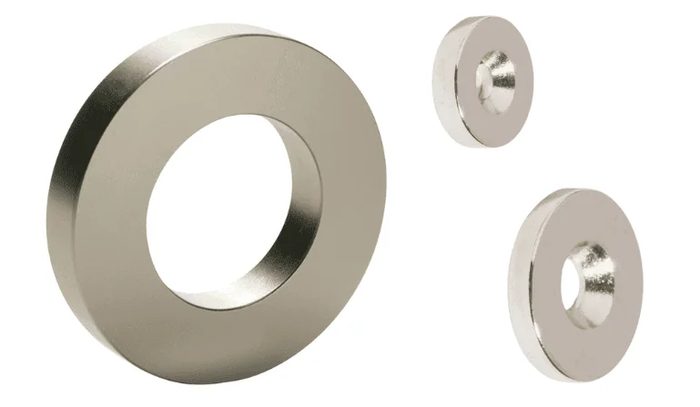
Magnets
Neodymium, ceramic, pot, and magnetic assemblies for holding and sensing.
Also searched as: neodymium magnetsrare earth magnetspot magnetsmagnetic assemblies
-
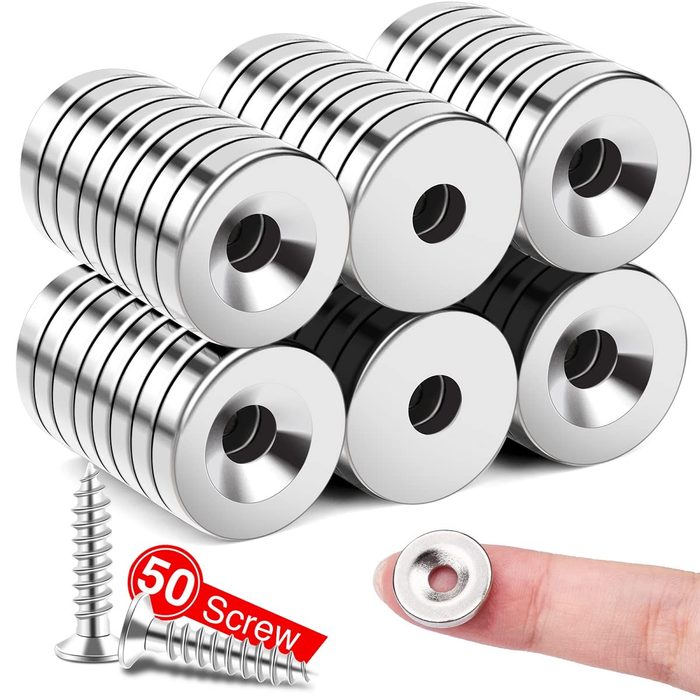
Round Rare Earth Neodymium Magnet
Diameter: 2 mmShape: RoundThickness: 2 mm
-
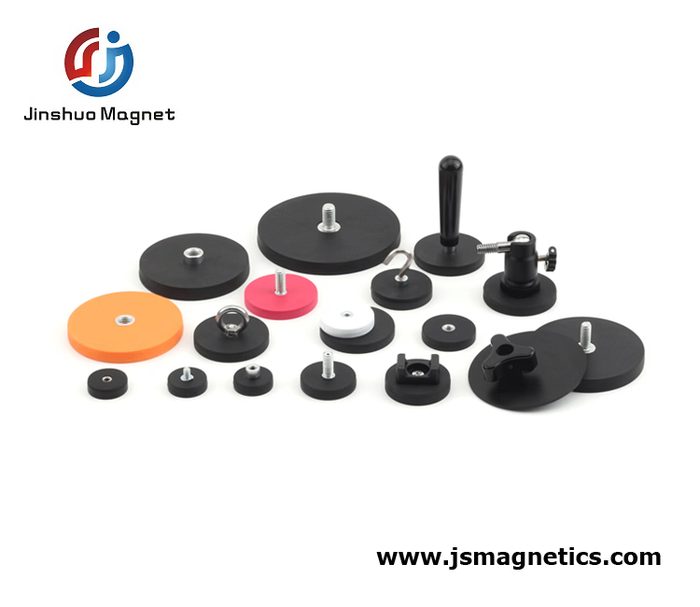
Rubber Coated Neodymium Magnet
Diameter: 30.51 inchPull Force: 105 lbThickness: 0.335 inch
-
Rubber Coated Neodymium Pot Magnet
Outside Diameter: 88/66mm
-
Rubber Coated Neodymium Pot Magnet
Outside Diameter: 135/88/66/43mm
-
Rubber Coated Neodymium Pot Magnets
Size: 1/4
-
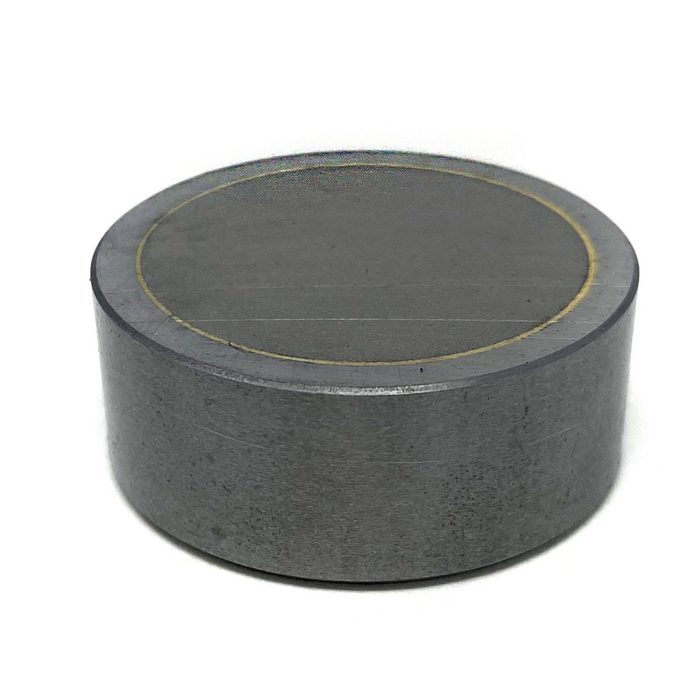
Samarium Cobalt Cylindrical Holding Magnet, 1 inch Overall Width/Diameter, 90.0 lb Pull Force
Average Pull Force: 90.0 lbNumber of Poles: 2Overall Diameter: 1.2500 in
-
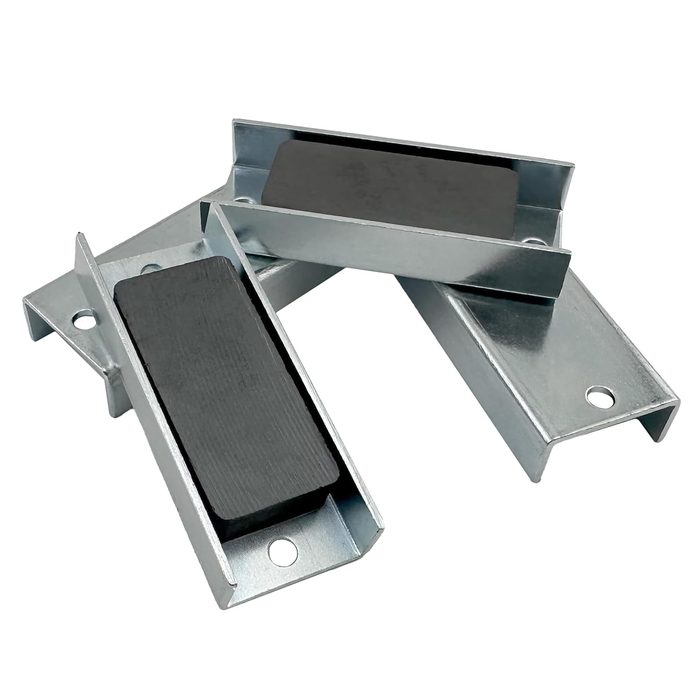
-
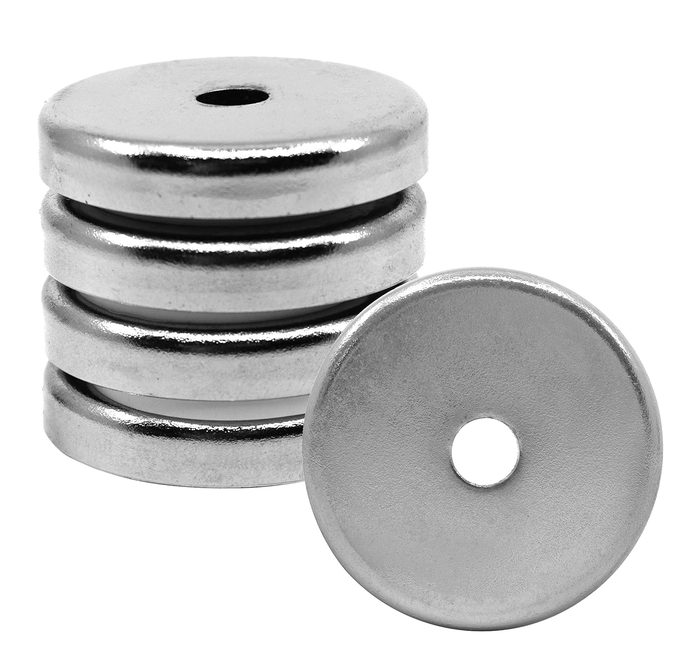
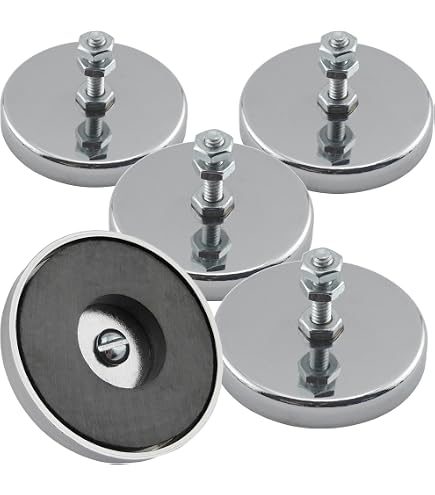
Set of 5 Round Base Magnetic Assemblies
Diameter: 1.375"Thickness: 0.25"
from $21.89Amazon $21.89 -
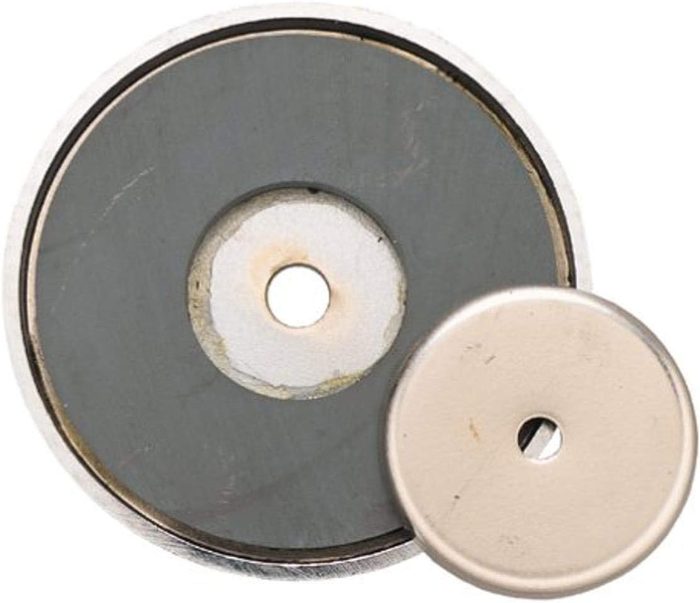
Shallow Pot Ceramic Magnets, 20-Pound Pull
Pull: 20-Pound
from $9.78Amazon $9.78 -
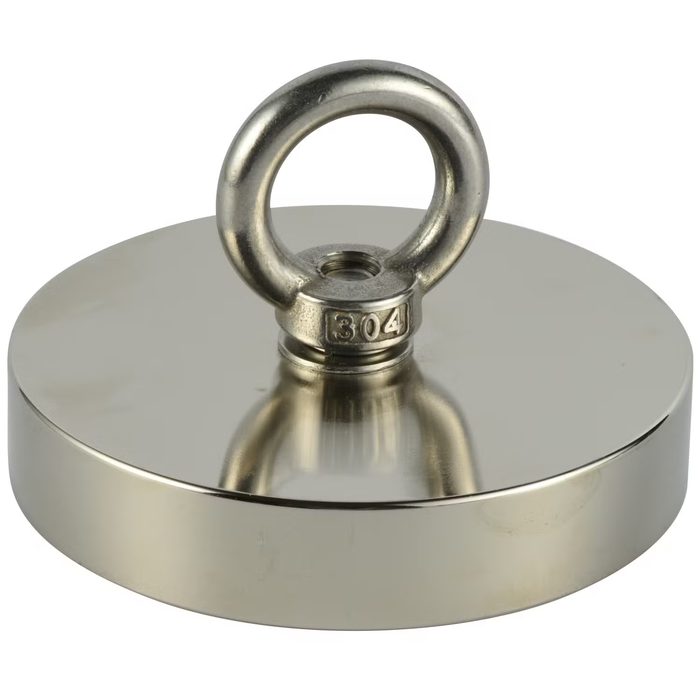
Single Side Strong Fishing Magnet
Grade: N35Magnetization Direction: AxialPlating: Ni-Cu-NiPull Strength: 1300 lbs
-
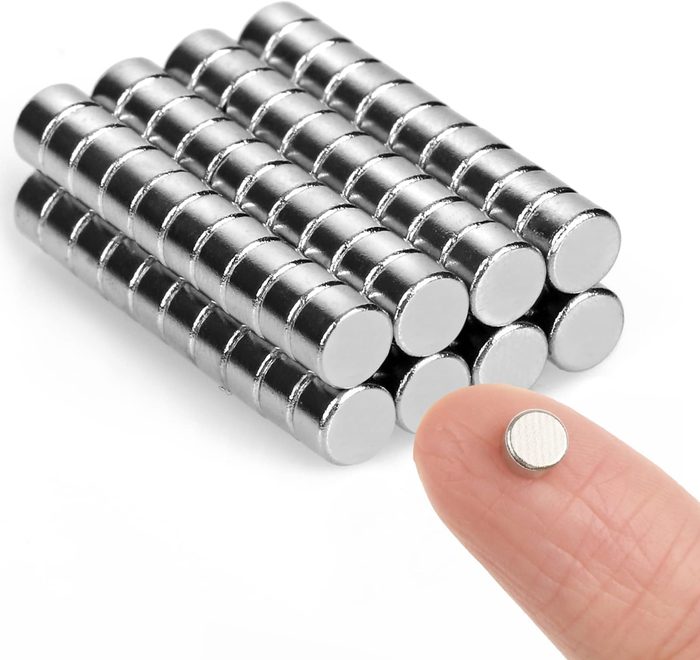
Small Magnets for Crafts
Shape: RoundSize: 5x2 mm
-
-
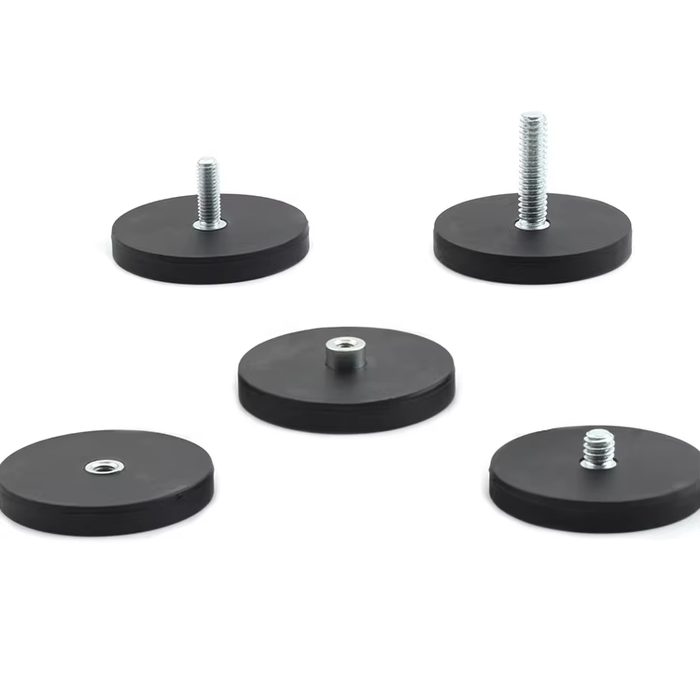
Soft Rubber Coated Neodymium Magnet With External Thread
Coating: Soft RubberThread: External
-
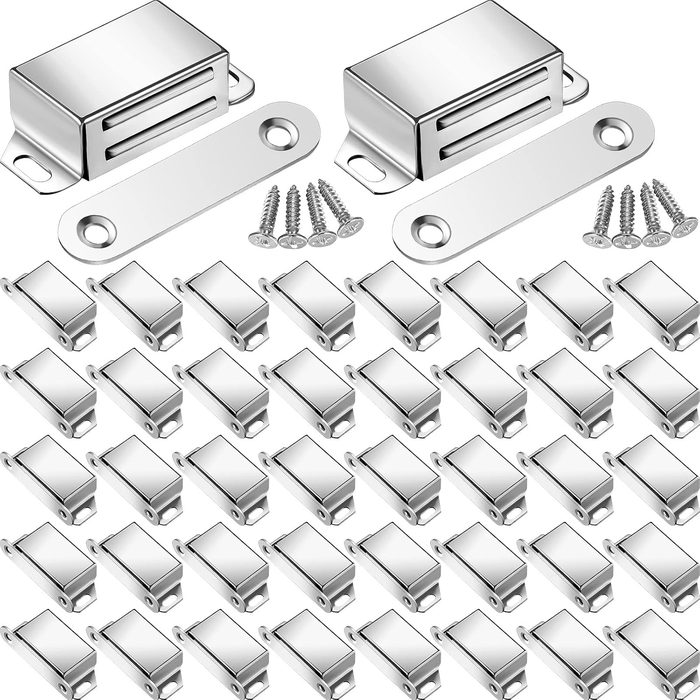
Stainless Steel Drawer Magnets for Plastic Injection
Application: Plastic Injection
-
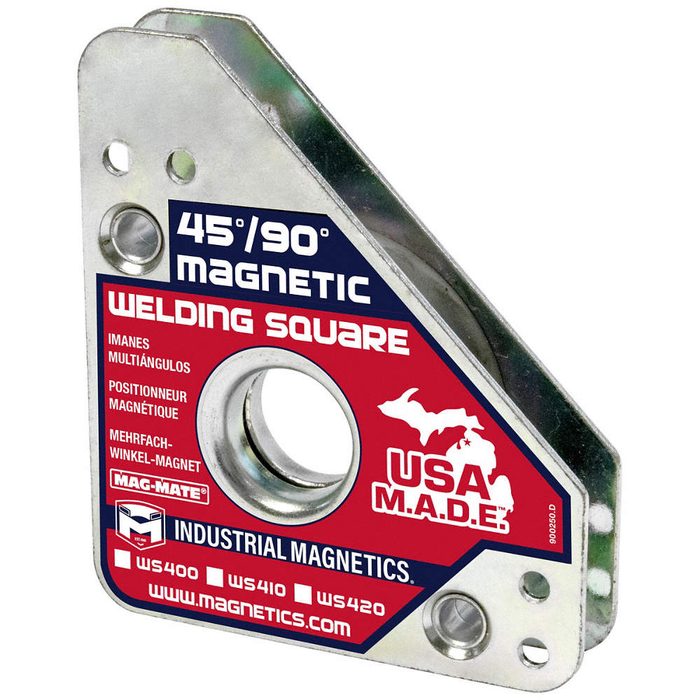
Standard 3-Axis Hold MidSize Magnetic Welding Square, 75 lbs. Holding Capacity
Holding Capacity: 75 lbs
from $35.99Amazon $35.99 -
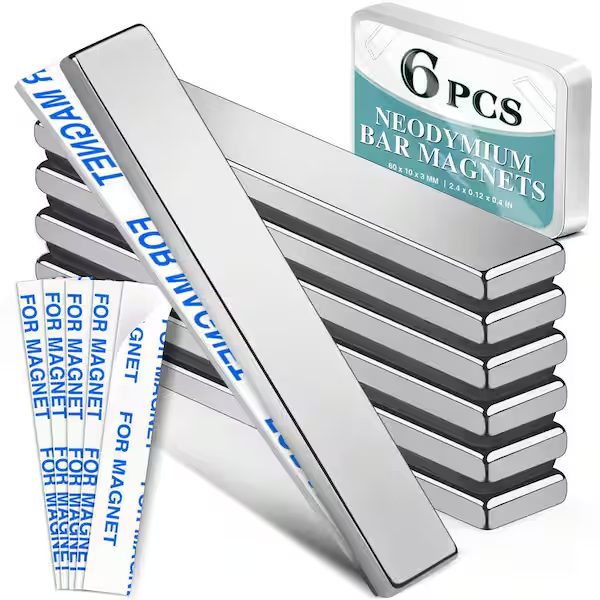
Strong Neodymium Bar Magnets
Grade: N40
-
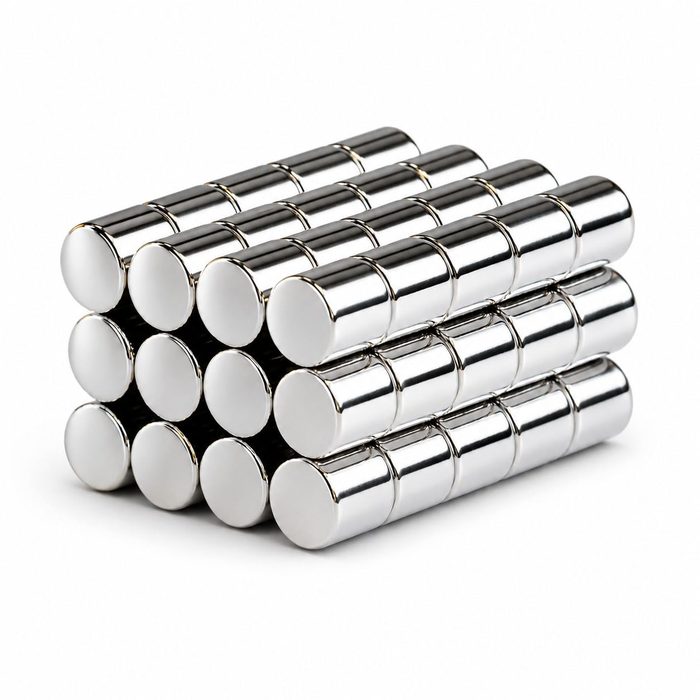
Strong Neodymium Cylinder Magnets N48
Diameter: 0.5 inchGrade: N48Length: 0.5 inchPull Force: 16.7 lbs
-
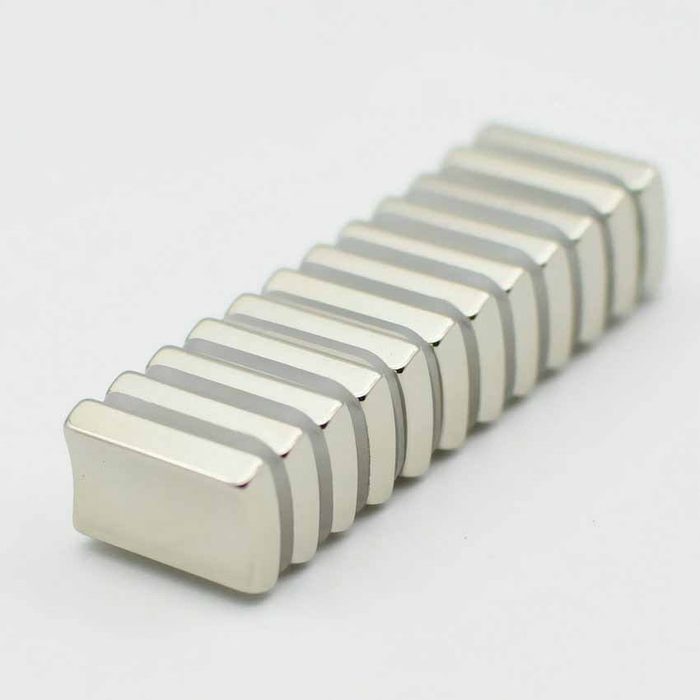
Strong Neodymium Magnets Bar Small Rectangular Rare Earth Magnets
Dimensions: Small RectangularShape: Bar
from $0.37Made-in-China $0.37 -
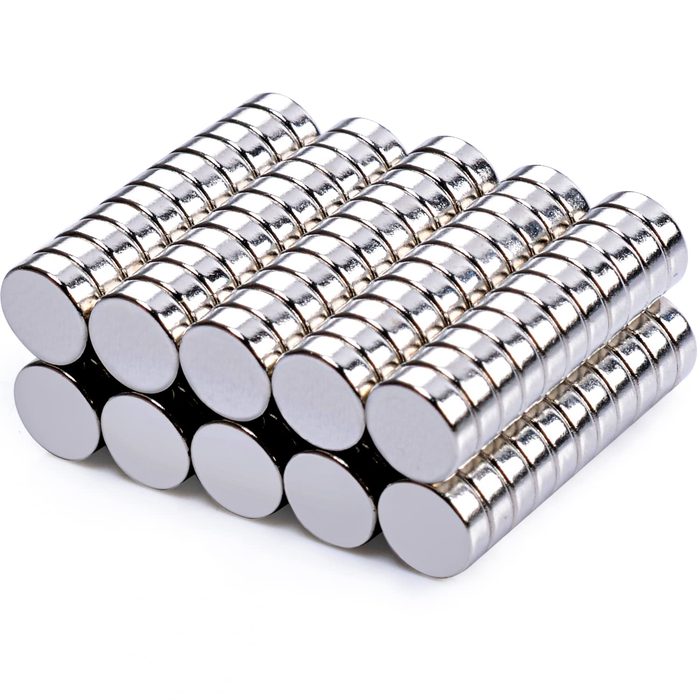
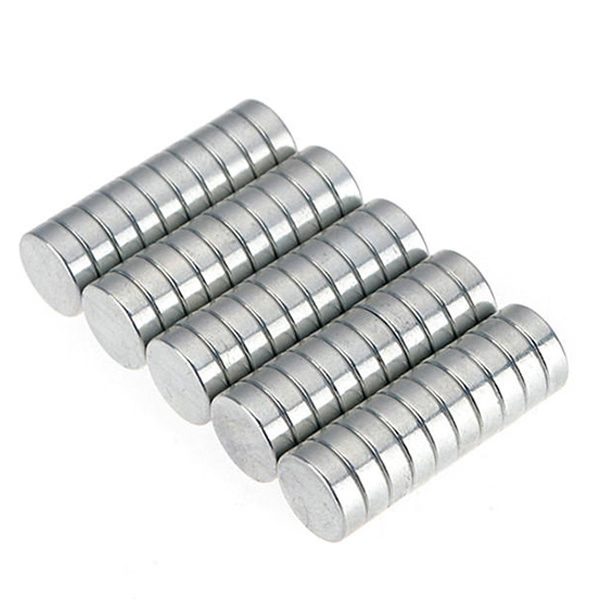
Strong Neodymium Rare Earth Round Small Magnets
Diameter: 0.47 inchThickness: 0.12 inch
-
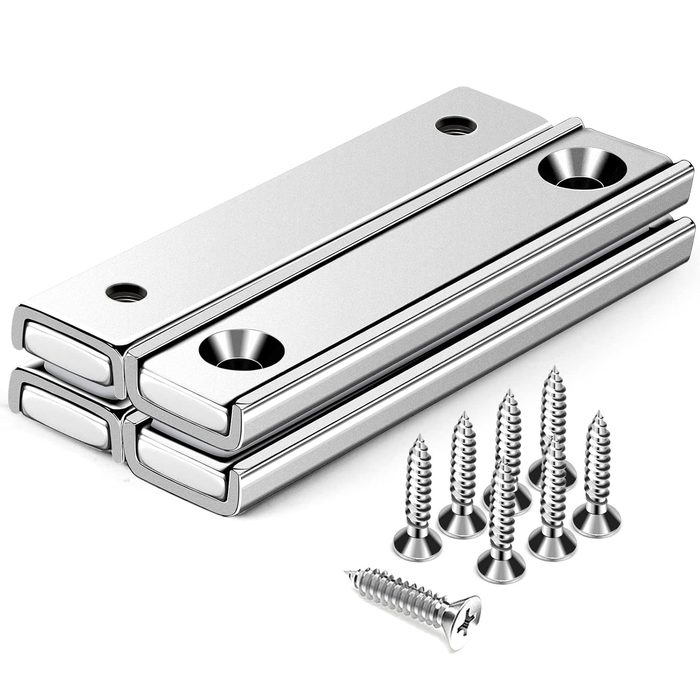
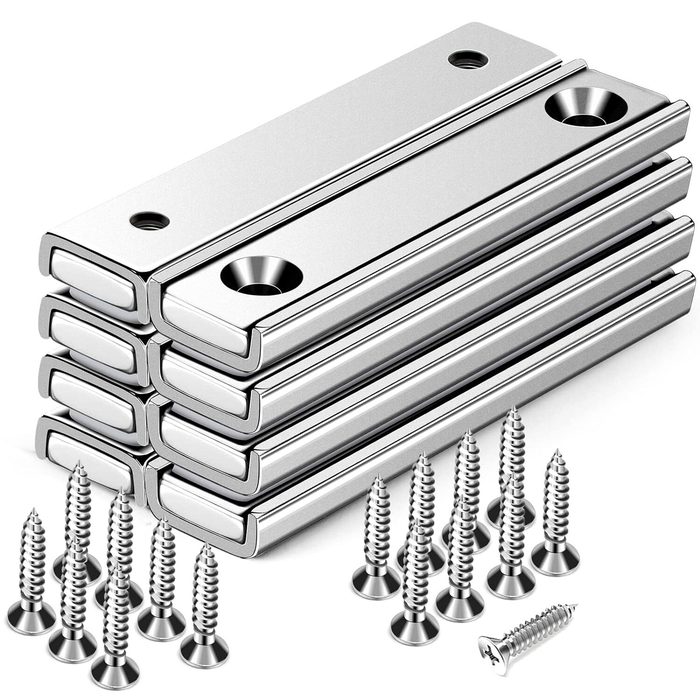
Strong Neodymium Rectangular Pot Magnets with Counter Bore, Countersunk Hole
Features: Counter Bore, Countersunk HoleShape: Rectangular
from $16.99eBay $16.99 -
-
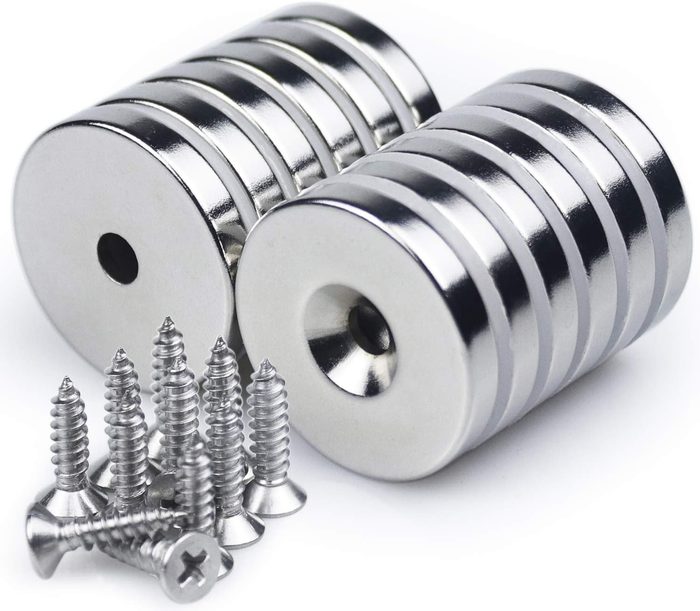
Strong Rare Earth Magnets
Dimensions: 20x3 mm (0.79x0.12 inch)
-
 from $0.04Made-in-China $0.04
 -
-
-
 from $23.80eBay $23.80
 -
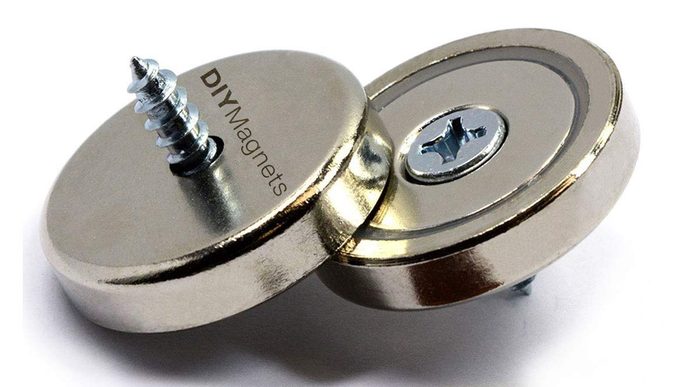 from $11.99Amazon $11.99
 -
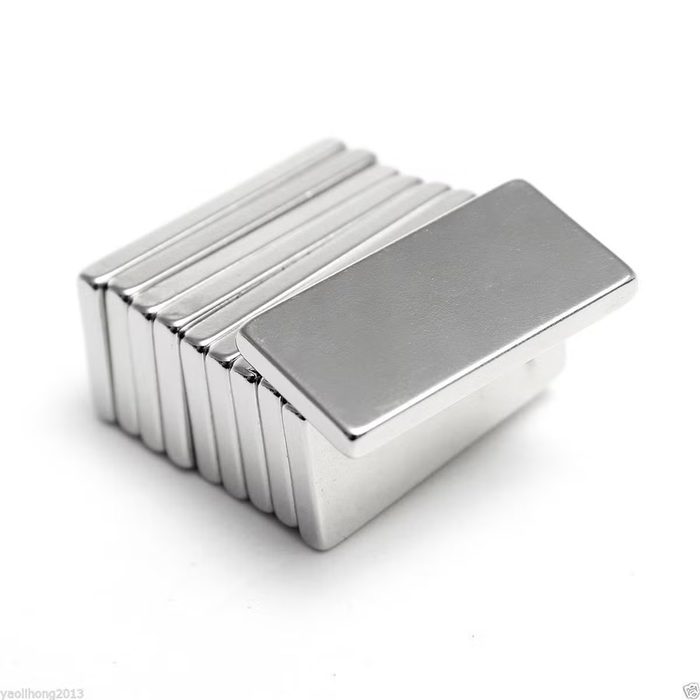
Strongest Block Rare Earth Magnets
Shape: Block
from $0.05Made-in-China $0.05 -
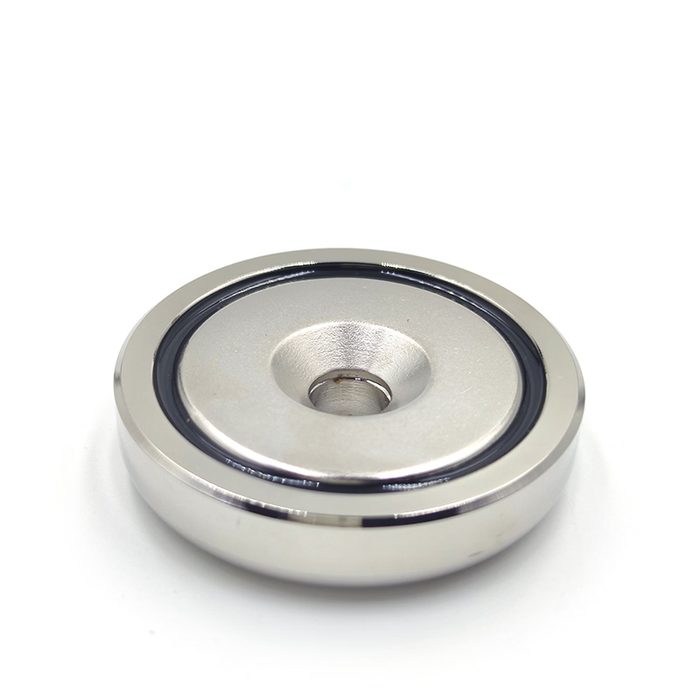
Super Blue Round Base Neodymium Magnet
Diameter: 20.65 inchPull Force: 220 lbShape: Round BaseThickness: 0.40 inch
-
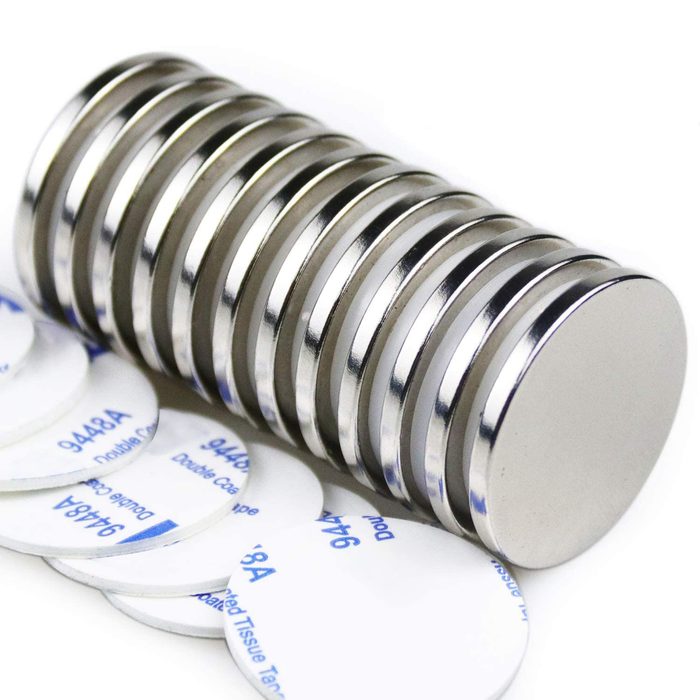
Super Neodymium Disc Magnet
Diameter: 0.125 inchHeight: 0.125 inchPull: 1.2 lb
-
Super Neodymium Disc Magnet
Diameter: 0.25 inchHeight: 0.25 inchPull Force: 4.9 lbShape: Disc
-
Super Neodymium Disc Magnet
Diameter: 1 inchHeight: 0.5 inchPull Force: 38.9 lbShape: Disc
-
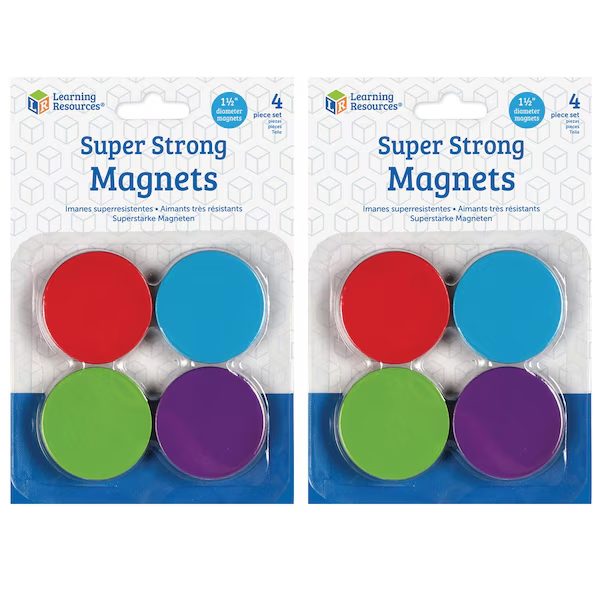
Super Strong Magnets, 8PK
Diameter: 1.5 inch
from $30.29Zoro $30.29 -
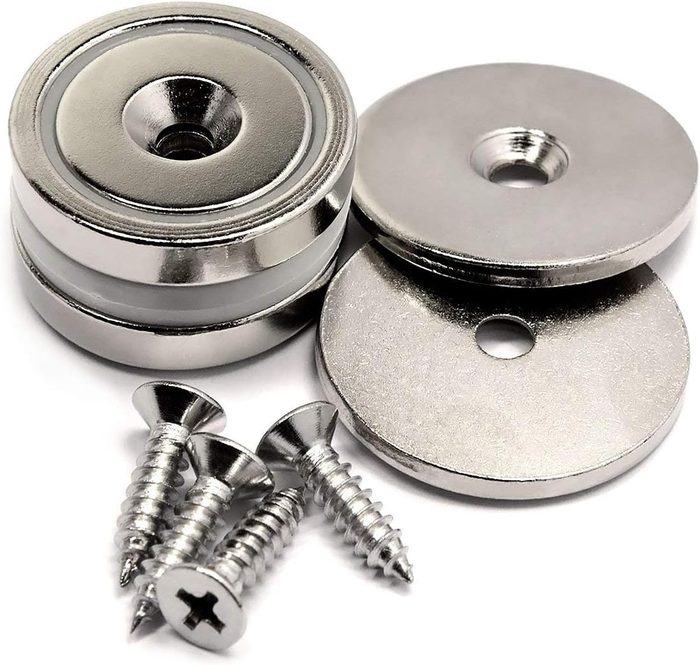
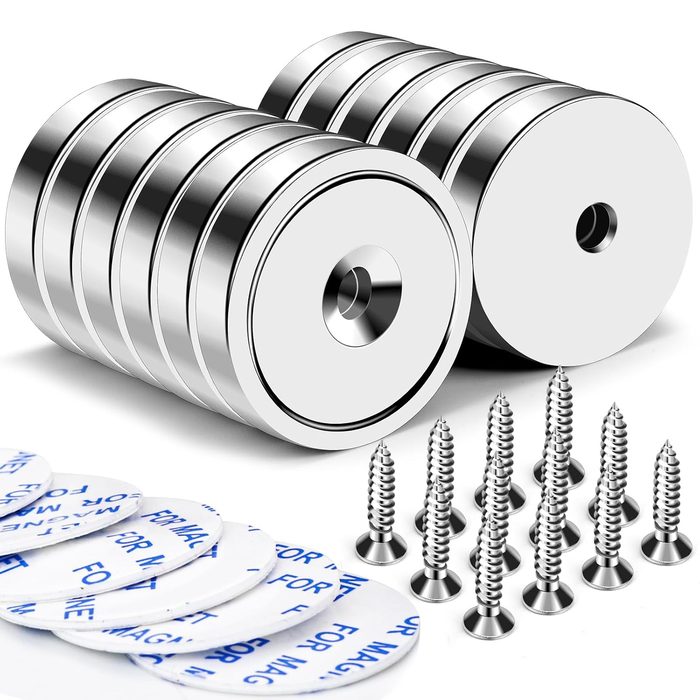
Super Strong Neodymium Cup Magnets
Diameter: 1.26”Holding Power: 88 lbHole Size: #10Mounting Hole: 0.21"Total Thickness: 0.28"
from $19.95Amazon $19.95 -
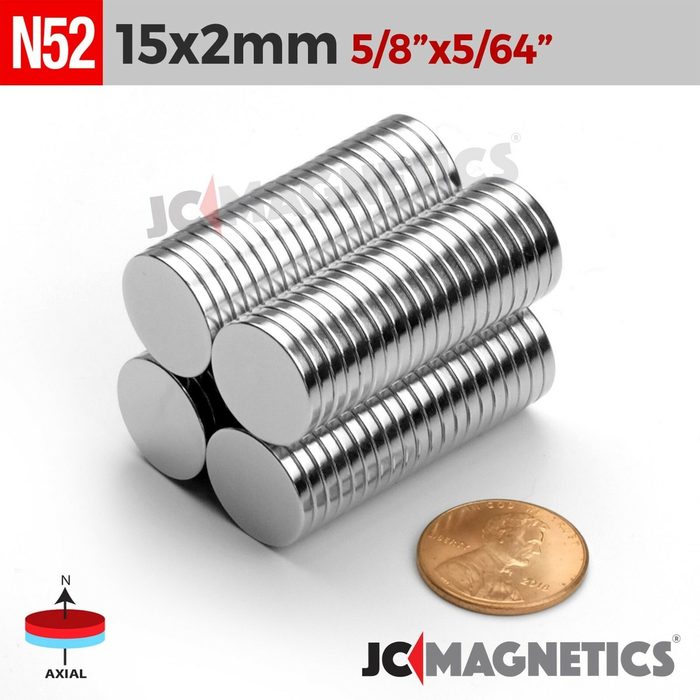
Super Strong Neodymium Magnet Grade N52
Dimensions: 3 x 1 x 0.5"Grade: N52Holding Power: 103 lbs
-
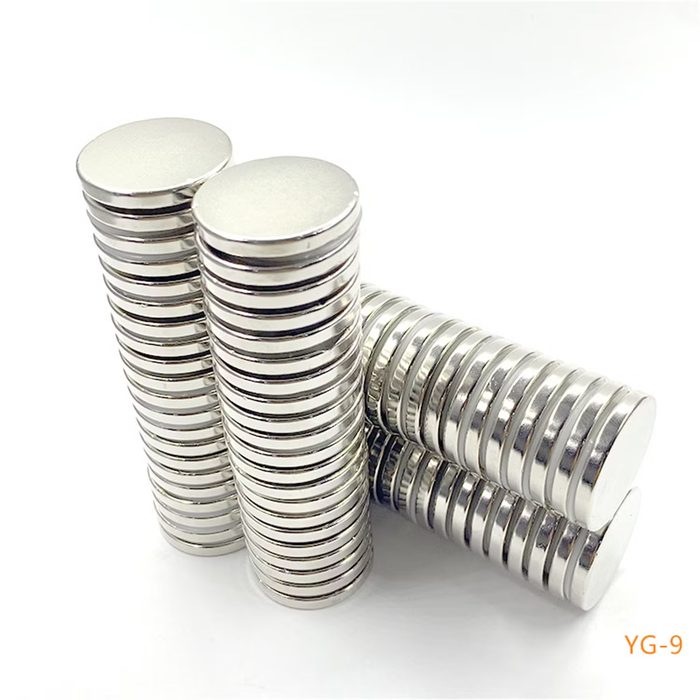
Super Strong Neodymium Permanent Magnet
Diameter: 1.5"
About magnets
Magnets are components that produce a magnetic field, used for holding, sensing, and actuation in various mechanical and automation applications. The primary types include permanent magnets, such as Neodymium (NdFeB) and Ceramic (Ferrite) magnets, and magnetic assemblies. Neodymium magnets offer high magnetic strength (e.g., N35, N42, N52 grades) and are commonly used in compact designs, often with nickel, zinc, or epoxy coatings for corrosion resistance. Ceramic magnets are more cost-effective, exhibit good temperature stability, and are typically unplated. Pot magnets, a common assembly type, integrate a permanent magnet within a steel casing to direct and amplify the magnetic field, often featuring threaded studs, internal threads, or through-holes for mounting. Key selection parameters include pull force (in pounds or kilograms), operating temperature range, dimensions (diameter, thickness, height), and mounting configuration. Magnetic assemblies can also incorporate reed switches or Hall effect sensors for sensing applications, with specifications including switching voltage, current, and contact form.
How to choose
When selecting magnets, first determine the required pull force or holding strength for the application. Next, consider the operating temperature range; Neodymium magnets have lower maximum temperatures than Ceramic magnets. Third, evaluate the physical constraints and desired mounting method, which will dictate the magnet's dimensions and whether a pot magnet or a custom assembly is needed. Finally, assess environmental factors such as moisture or corrosive agents to choose an appropriate coating or material. Trade-offs exist between magnetic strength, temperature resistance, and cost.