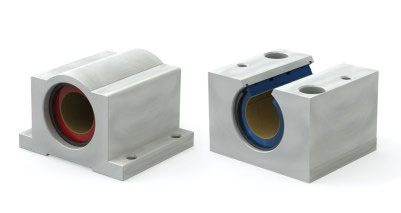
Linear Bearings & Blocks
Ball bushings, carriage blocks and plain linear bearings.
Also searched as: lm8uuball bushinglinear blockcarriageigus bearing
-
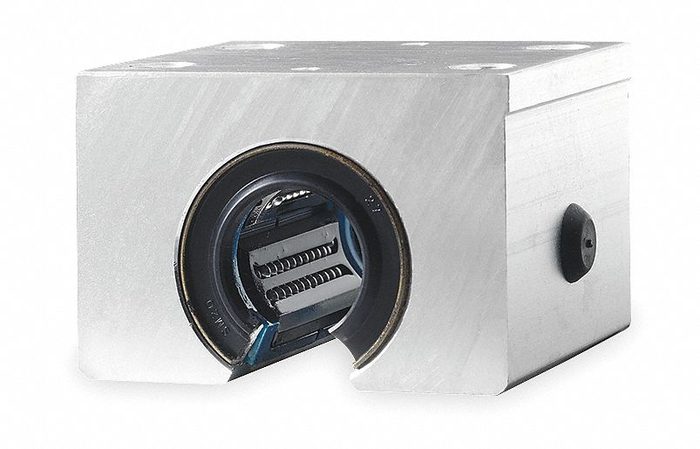
Ball Bushing
Bushing Type: Ball BushingClearance Alignment Type: Self-AligningOverall Width: 67 mmShaft Diameter: 25 mm
-
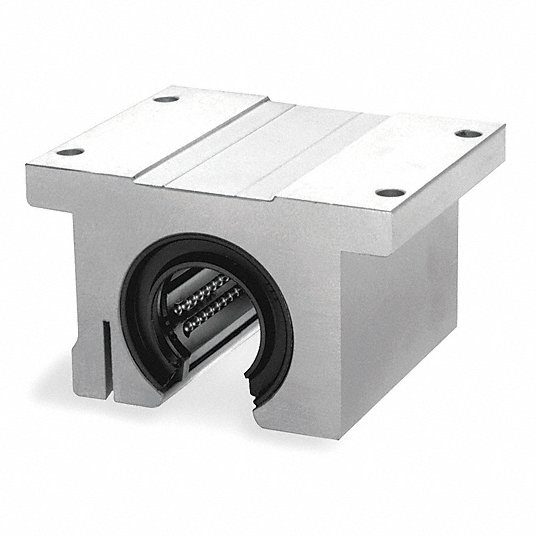
Linear Guide Round Shaft Pillow Block
Overall Length: 2.500 inShaft Diameter: 0.6250 in
-
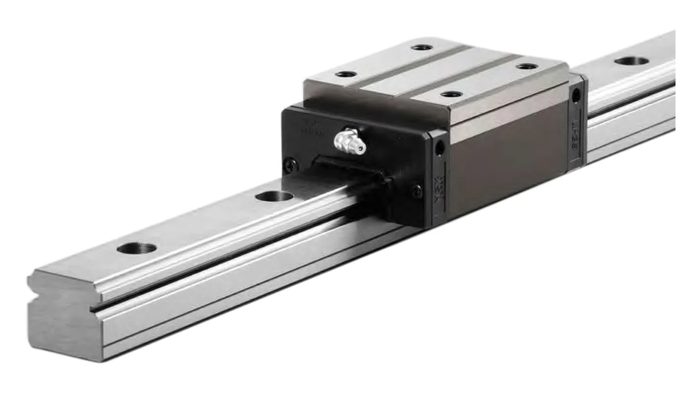
Linear Guide Standard Ball Carriage Profile Rail - Standard Block
Rail Size: 30 mm
-
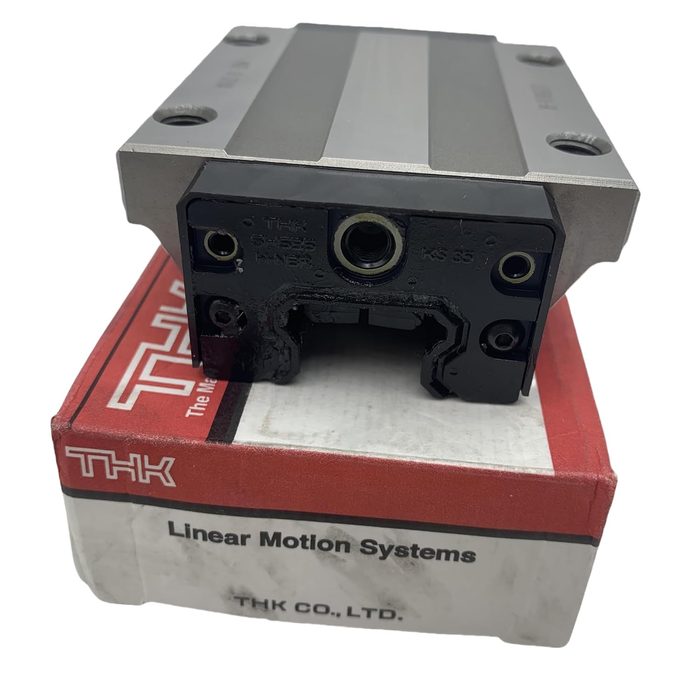
Linear Motion Guide Block
Hardness: 58 to 64 HRCMax Length: 220 mmSize: SHS25
-
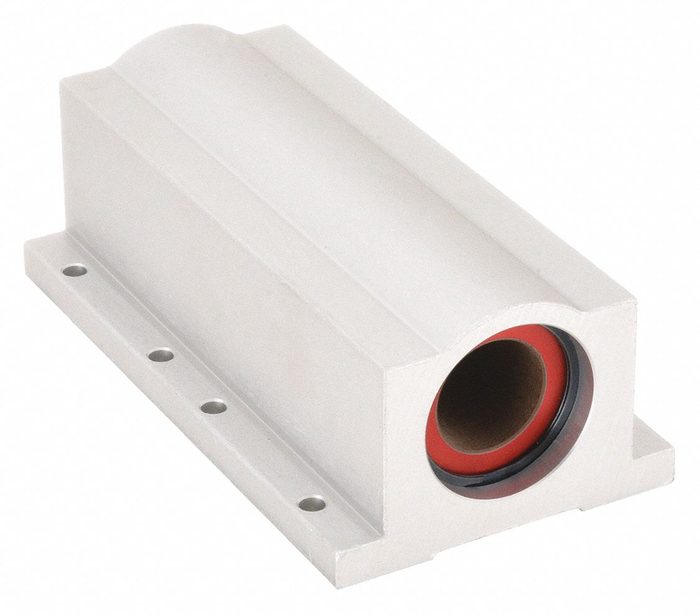
Pillow Block PW16
Overall Width: 3.625 inShaft Diameter: 1.2500 in
About linear bearings & blocks
Linear bearings and blocks facilitate smooth, low-friction linear motion. This category encompasses ball bushings, linear plain bearings, and carriage blocks, each suited for different applications based on load, speed, and environmental factors. Ball bushings, often identified by designations like LM8UU or LME16UU, utilize recirculating balls to achieve precise linear guidance, typically on hardened and ground shafts. They are available in open, closed, flanged, and adjustable clearance types, with dynamic load ratings (C) and static load ratings (C0) being critical selection parameters. Carriage blocks, such as those found in profile rail systems, integrate a bearing assembly with a mounting platform, providing high rigidity and load capacity, often specified by their size, series (e.g., HGH, HGW), and preload class. Linear plain bearings, including those made from self-lubricating polymers like Igus iglide materials or bronze alloys, offer quiet, maintenance-free operation for lighter loads or contaminated environments, with selection based on shaft diameter, length, and PV limits. Common materials include hardened steel for ball bushings, aluminum or steel for carriage blocks, and various polymers or sintered bronze for plain bearings. Finishes like chrome plating or corrosion-resistant coatings are available for specific environmental demands.
How to choose
Selecting the appropriate linear bearing begins with defining the motion requirements. First, determine the load capacity: is it light, moderate, or heavy? This dictates whether plain bearings, ball bushings, or profile rail blocks are suitable. Second, consider the required precision and rigidity: profile rail blocks offer the highest, while plain bearings offer the least. Third, evaluate the operating environment: high temperatures, contamination, or washdown conditions may necessitate plain bearings or corrosion-resistant variants. Fourth, specify the shaft diameter or rail size, which directly influences bearing dimensions and load ratings. Finally, assess speed and acceleration demands, as these impact bearing life and heat generation, particularly for ball-based systems, and help in selecting appropriate preload or clearance.