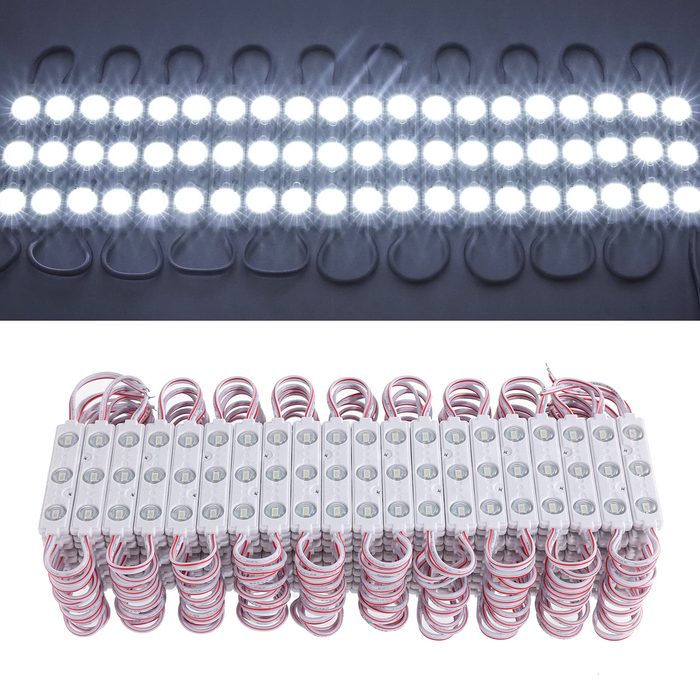
Industrial Lighting
Machine lights, LED strips, work lamps and indicator lights.
Also searched as: machine lightled stripwork lightindicator lightbeacon
-
207K Light 200 Series Bearing
Series: Light 200 Series
-
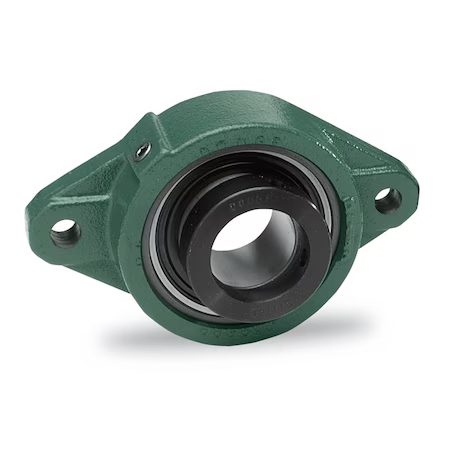
F2B-SC-100 Flange (Light Duty)
Duty: Light
About industrial lighting
Industrial lighting encompasses a range of illumination solutions designed for demanding operational environments. Machine lights provide focused illumination directly onto workpieces or machinery, often featuring robust housings and coolant-resistant designs. LED strips offer versatile, energy-efficient linear lighting for enclosures, workstations, and general area illumination, available in various lengths, power densities, and IP ratings. Work lamps are portable or mountable fixtures providing broad, localized lighting for maintenance, assembly, or inspection tasks, frequently incorporating magnetic bases, clamps, or articulating arms. Indicator lights, including beacons and stack lights, provide visual status feedback, utilizing incandescent, LED, or xenon strobes in various colors and flash patterns. Key selection parameters include luminous flux (lumens), power consumption (watts), input voltage (AC/DC, specific voltage range), color temperature (Kelvin), beam angle, and environmental protection (IP ratings like IP67 or IP69K). Materials often include anodized aluminum, stainless steel, polycarbonate, or borosilicate glass for lenses, ensuring durability and chemical resistance in industrial settings. Mounting options vary widely, from M12 or M18 threaded bodies for indicators to bracket-mounts, magnetic bases, and direct surface mounting for machine lights and LED strips. Specific form factors include compact puck lights, linear bar lights, and traditional dome or tower designs.
How to choose
When selecting industrial lighting, first determine the application: task, area, or indication. For task lighting, consider required luminous flux and beam angle to illuminate the target area effectively. Next, assess the operating environment: ambient temperature, presence of coolants, oils, or dust, which dictates the necessary IP rating (e.g., IP67 for washdown, IP69K for high-pressure spray). Third, establish the available power supply and voltage (e.g., 24VDC, 120VAC). For indicator lights, specify the required color, flash pattern (steady, flashing, strobe), and audible alarm if needed. Finally, evaluate mounting constraints and preferred form factor (e.g., linear, compact, tower) to ensure physical compatibility and optimal light placement.