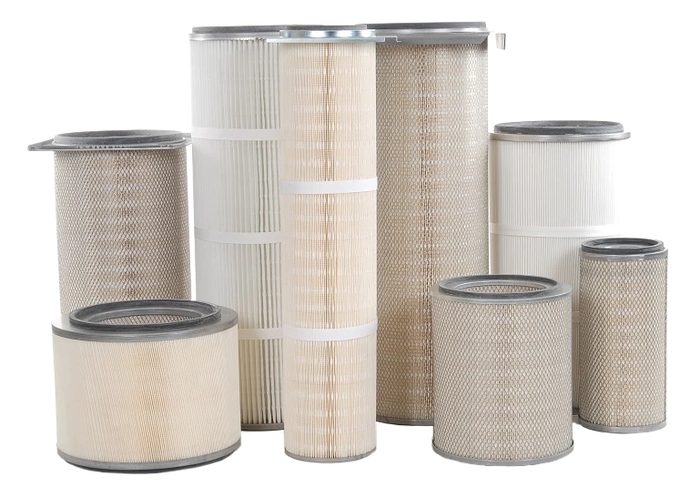
HVAC & Filtration
Air filters, ducting, blowers, dust collection and extraction.
Also searched as: air filterhepadust collectionductingfume extractor
-
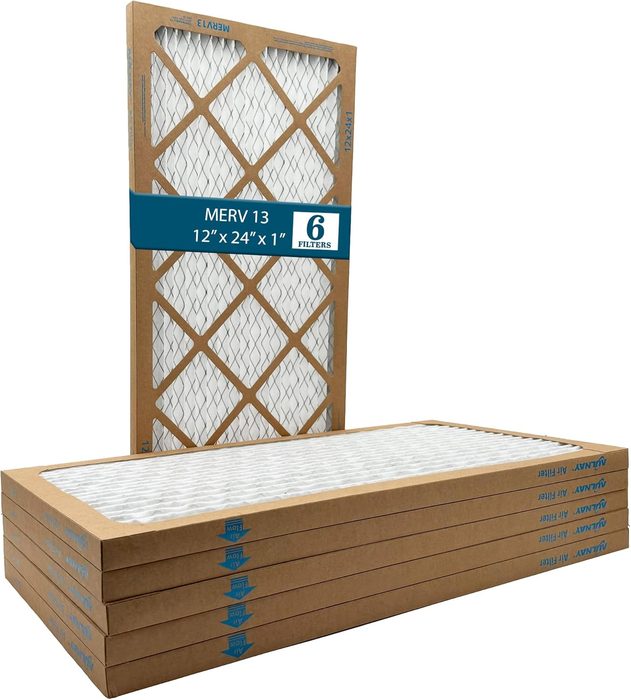
Air Filter MERV 13 Pleated HVAC AC 24x36x1
Dimensions: 24x36x1 inchMERV Rating: 13
-
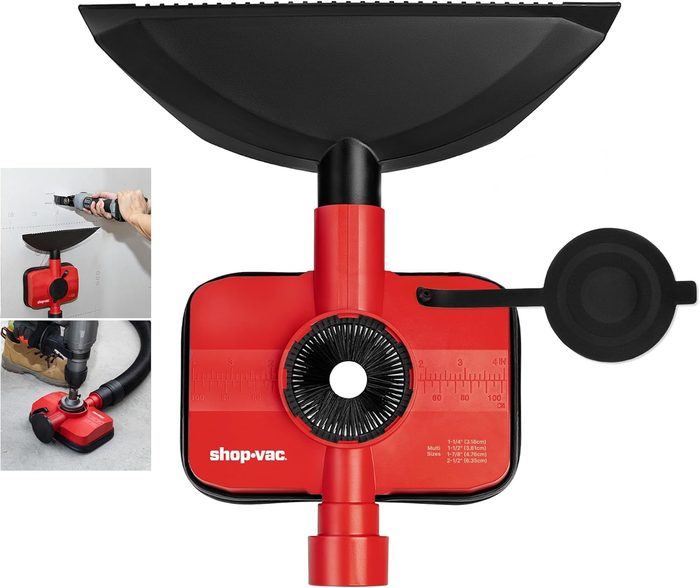
Dust Collection Attachment, 2-in-1 Vacuum
Hose Size: 1-1/4", 1-1/2", 1-7/8", 2-1/2"
-
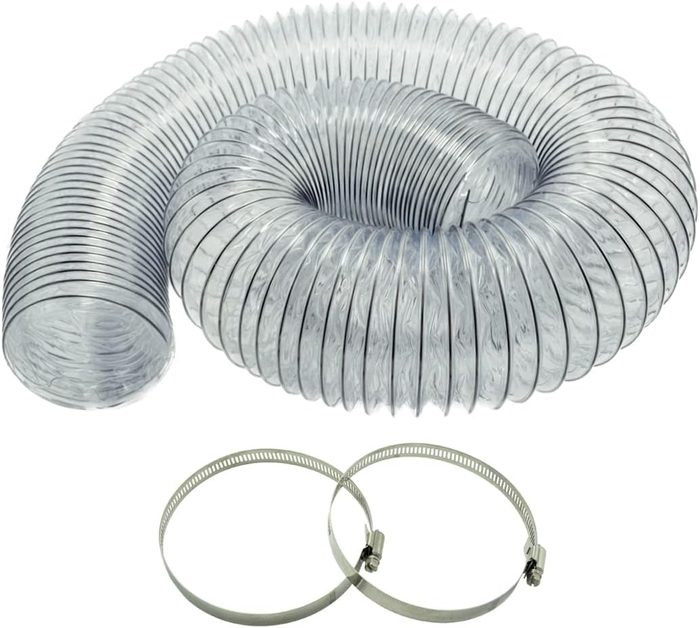
Dust Collection Hose
Diameter: 2.5 inLength: 5 ft
-
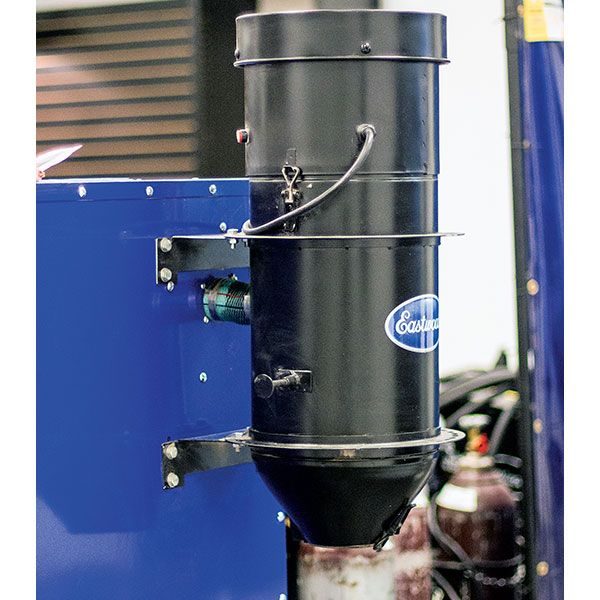
Dust Collection System
Motor: 12 amp 120 volt
-
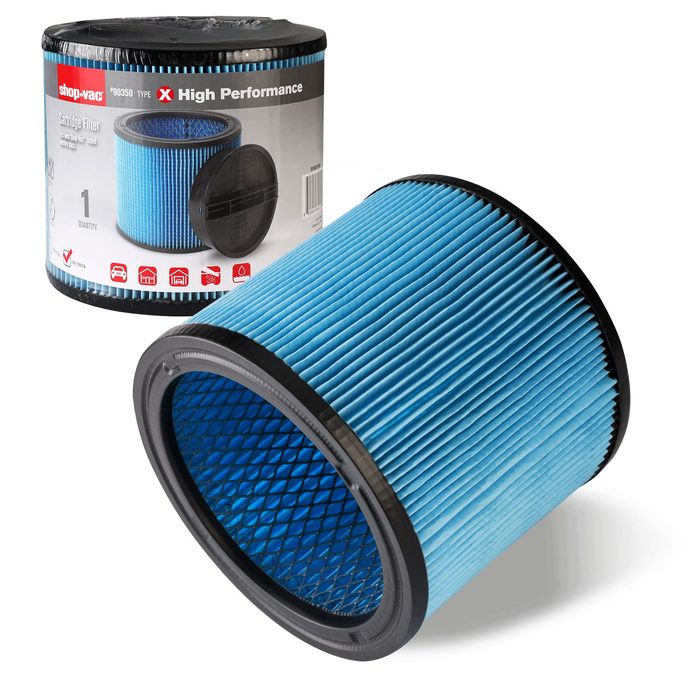
Dust Collector
Capacity: 5 Gallon
-
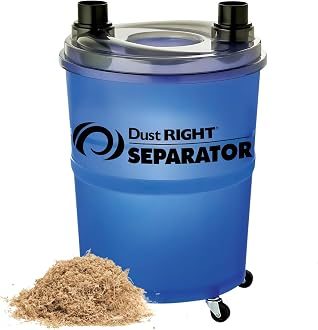
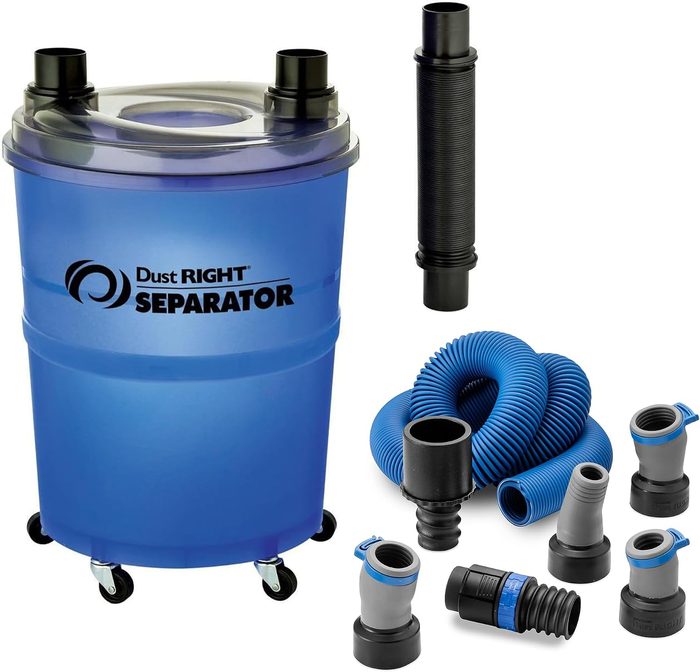
Dust Right Dust Separator
Hose Length: 36 in
-
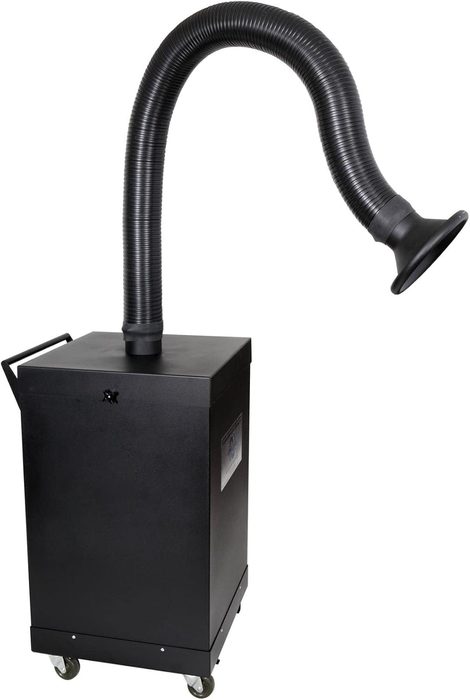
-
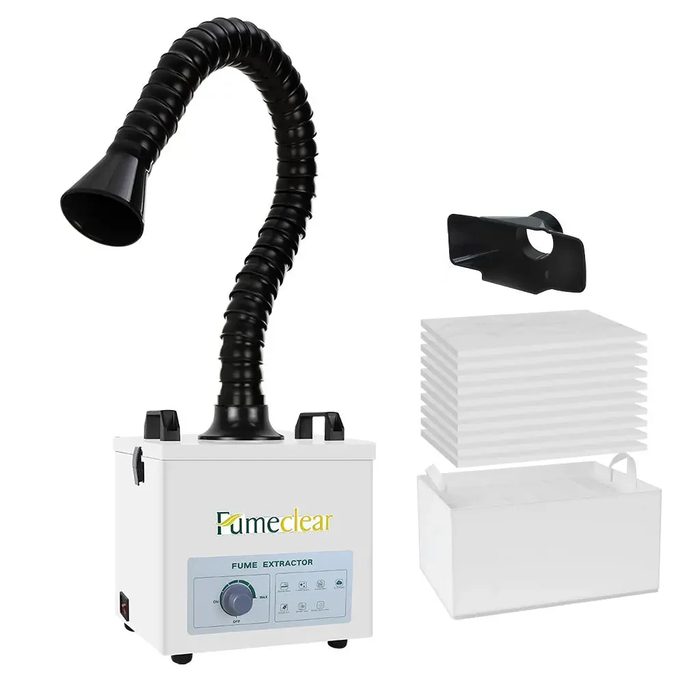
FC-100A Solder Fume Extractor
Power: 100W
-
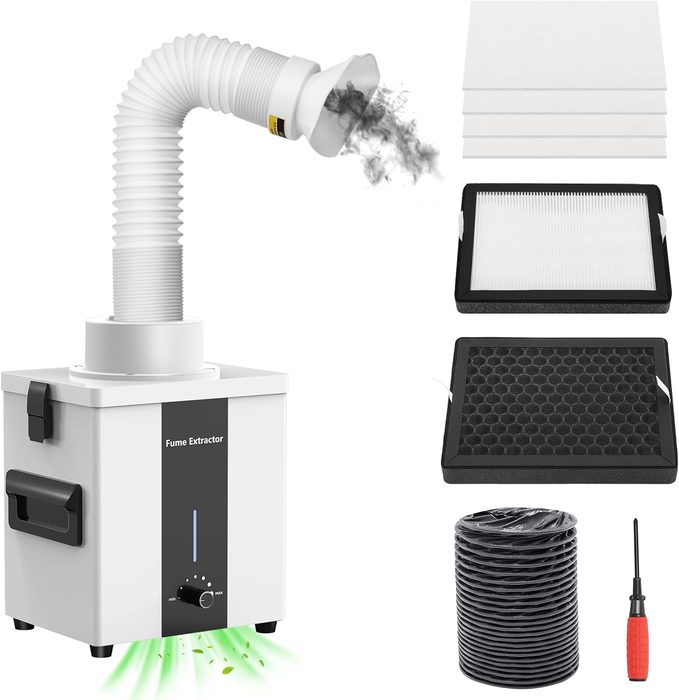
Fume Extractor with 3-Stage Filtration System
Efficiency: 99.97%
-
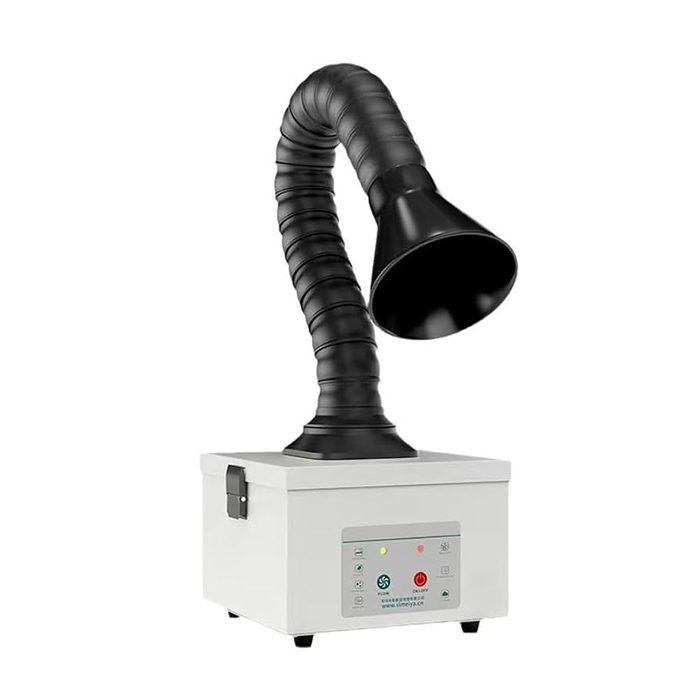
Fume Extractor with Adjustable Suction Power
Hose Length: 10-foot
-
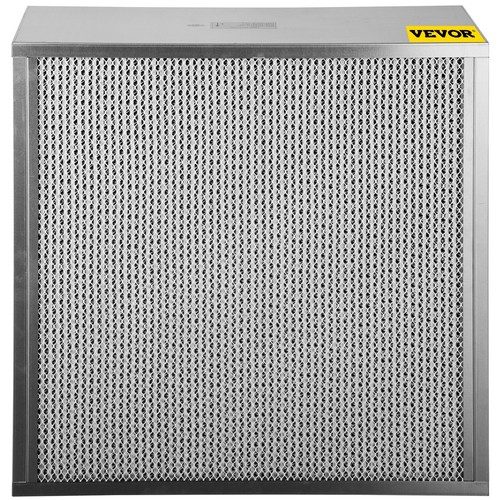
HEPA High Capacity Filter, 24" X 24" X 11.5" Actual Size
Depth: 11.5"Filter Type: HEPA High Capacity FilterLength: 24"Width: 24"
-
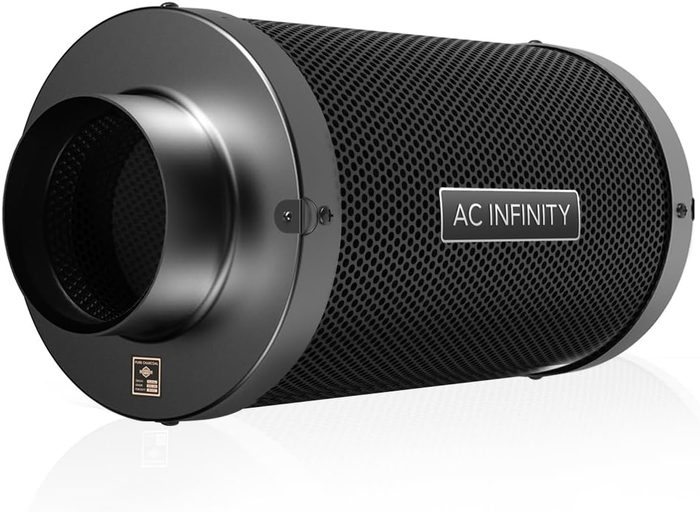
Inline Filter Box 4"
Duct Size: 4 inch
-
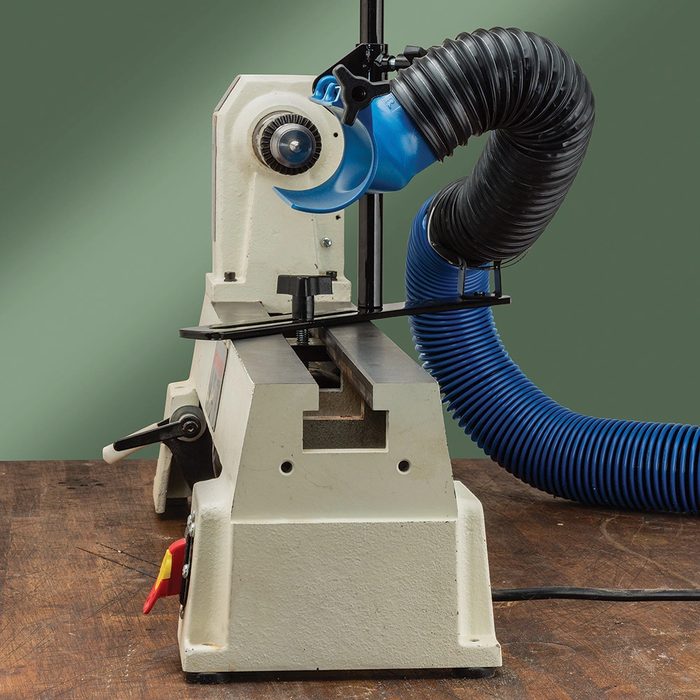
Lathe Dust Collection System
Includes: 9 inch dust scoop, port boom arm, hose clamp
-
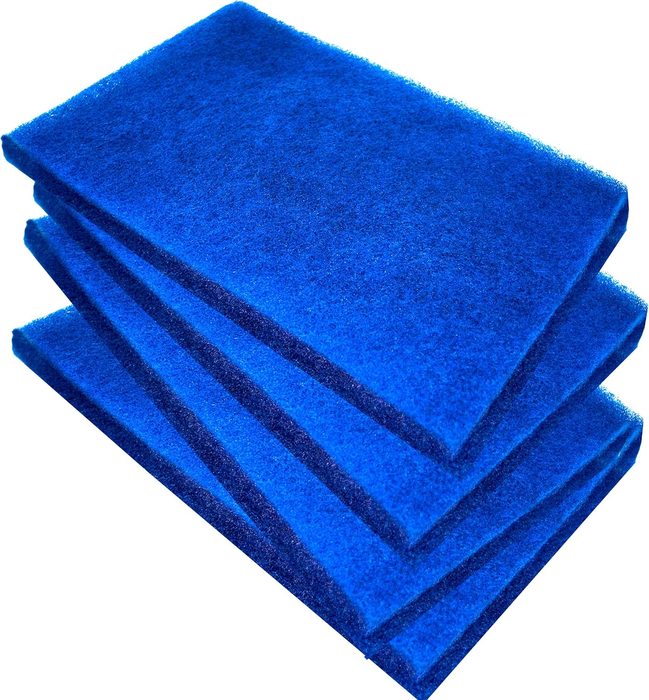
Reusable HVAC Air Filter
Dimensions: 16-3/8 x 21-1/2 x 1 inch
-
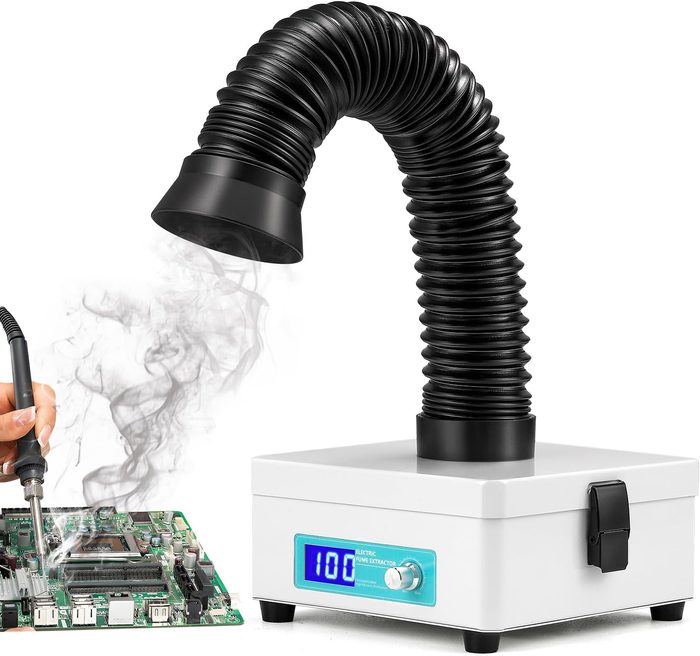
Solder Fume Extractor
Airflow: 168m³/hPower: 80W
-
Solder Fume Extractor for Laser Cutter
Airflow: 310 m³/hFilters: 8Power: 200 W
-
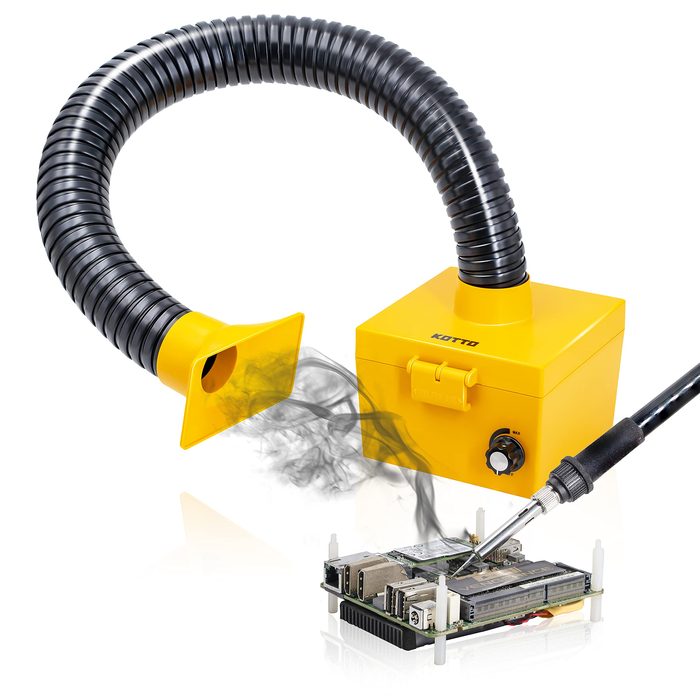
Solder Smoke Absorber Remover Fume Extractor
Thickness: 0.4 inch
-
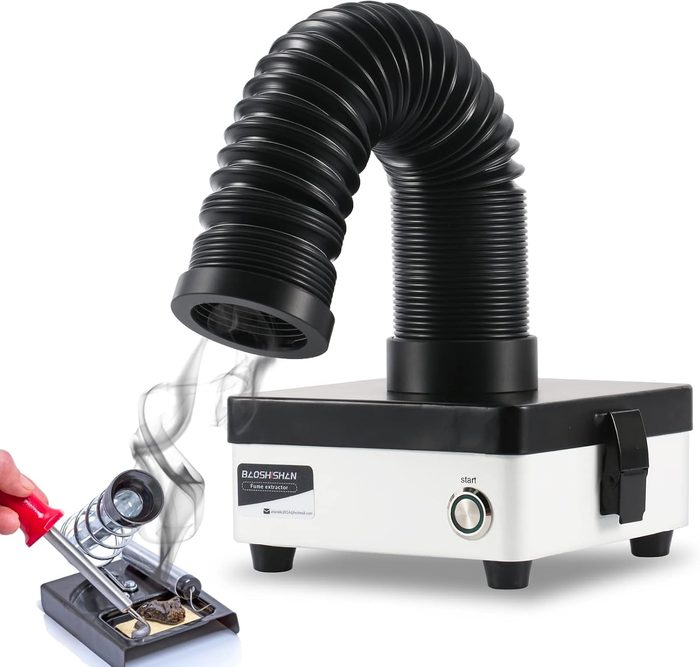
-
-
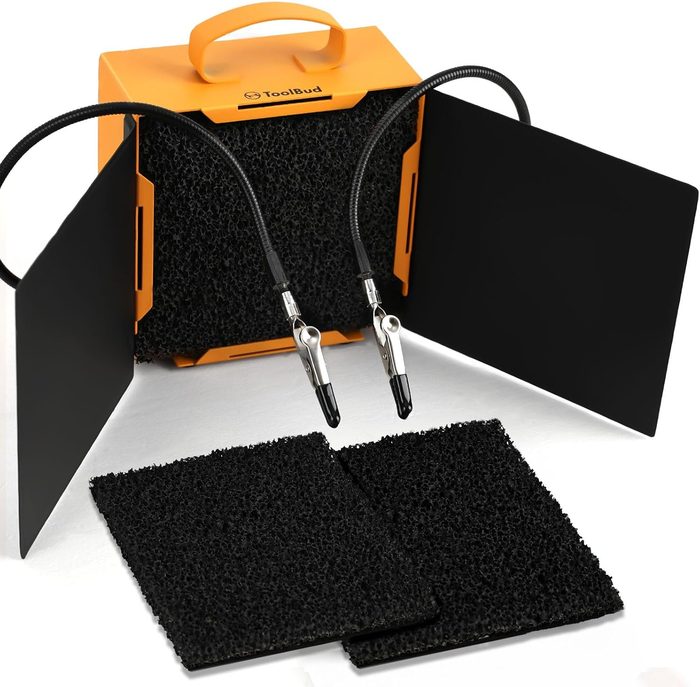
About hvac & filtration
HVAC & Filtration encompasses components used for air quality control and movement within industrial, commercial, and residential settings. Key components include air filters, which range from MERV 8 pleated filters for general ventilation to HEPA (High-Efficiency Particulate Air) filters for critical environments, rated for 99.97% efficiency at 0.3 microns. Ducting, available in rigid spiral-wound galvanized steel, flexible aluminum foil, or insulated polyester, is specified by diameter (e.g., 6-inch, 12-inch) and static pressure rating. Blowers and fans, such as centrifugal or axial types, are selected based on airflow (CFM - cubic feet per minute) and static pressure requirements, often detailed on fan curves. Dust collection systems integrate hoods, ductwork, cyclonic separators, and baghouses to capture airborne particulates. Fume extractors, often localized, utilize activated carbon filters or HEPA filters to remove gaseous contaminants and fine particulates. Material selection for filters includes fiberglass, synthetic media, and activated carbon, while ducting materials are chosen for corrosion resistance, temperature tolerance, and fire ratings. System design considers air change rates, contaminant types, and regulatory compliance.
How to choose
When selecting HVAC & Filtration components, first define the application's air quality requirements: particulate size and concentration, or gaseous contaminants. This determines the necessary filtration efficiency (e.g., MERV rating, HEPA, activated carbon). Second, calculate the required airflow (CFM) based on room volume and desired air changes per hour. This dictates blower size and ducting dimensions. Third, assess static pressure losses across the system, including filters, duct runs, and bends, to ensure the selected blower can overcome system resistance. Finally, consider material compatibility for temperature, chemical exposure, and fire safety ratings, particularly for ducting and filter media.