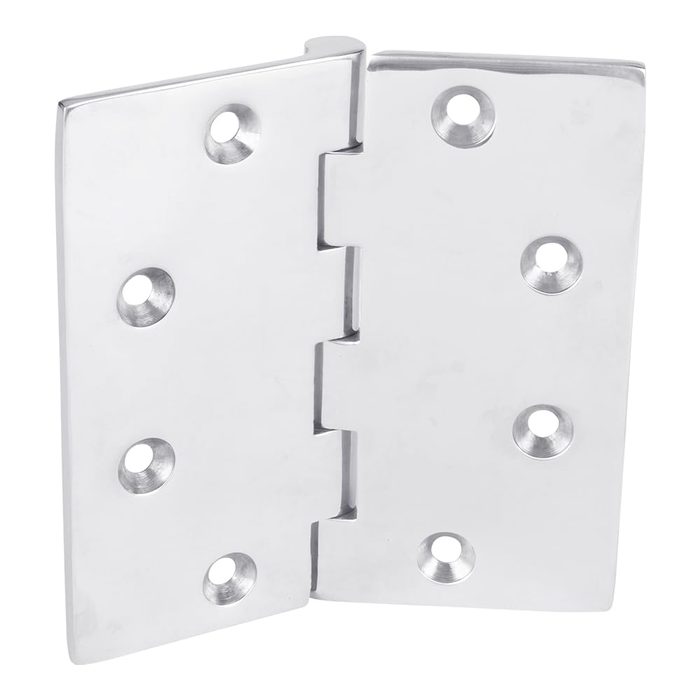
Hinges
Butt, piano, concealed, weld-on and heavy-duty industrial hinges.
Also searched as: butt hingespiano hingecontinuous hingeconcealed hingesweld on hinge
-
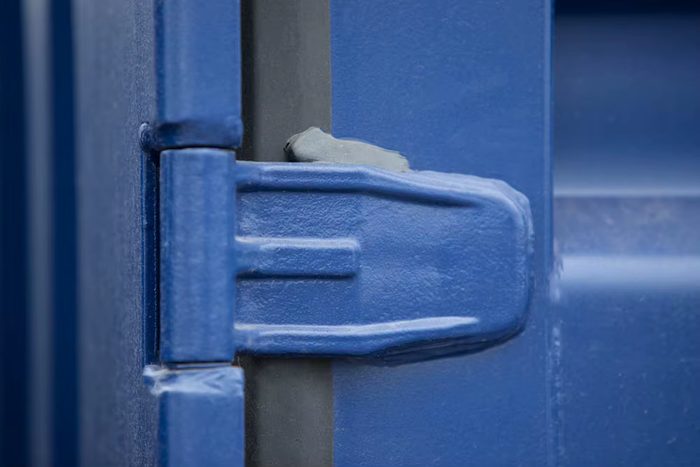
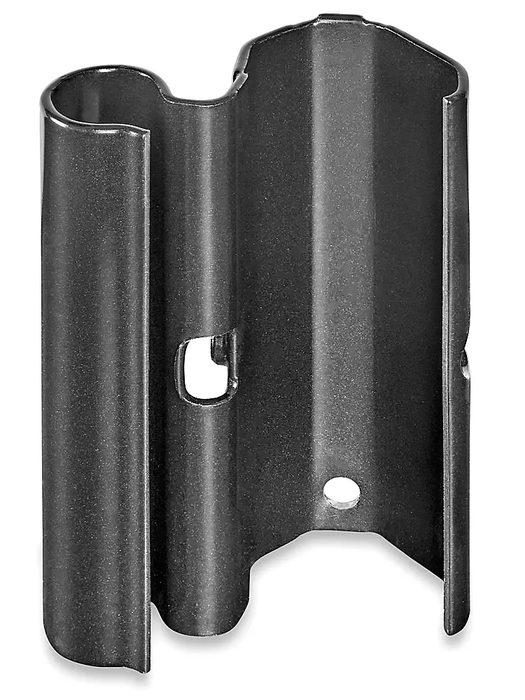
Access Door Hinge for Collapsible Bulk Containers
Application: Collapsible Bulk Containers
-
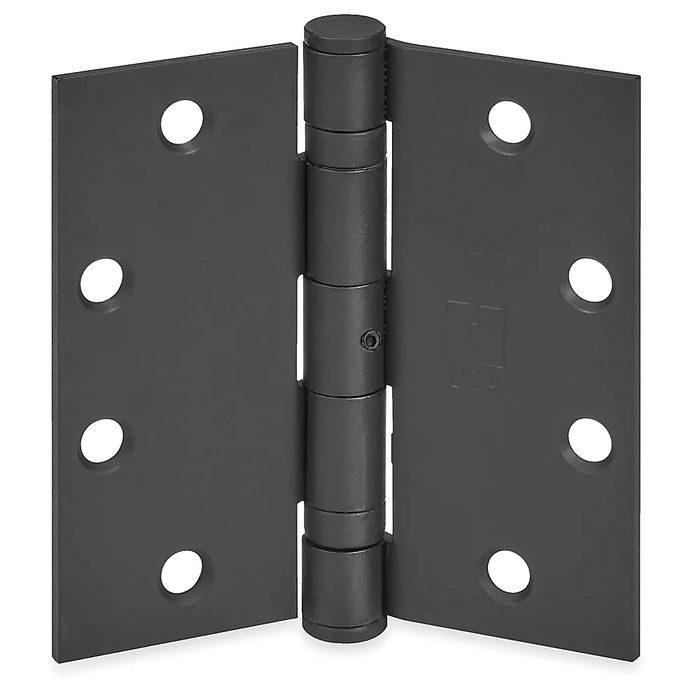
Door Hinge - Flat Black H-12846
Color: Flat Black
-
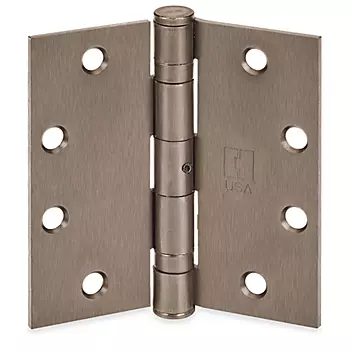
Door Hinge - Oil-Rubbed Bronze H-12847
Finish: Oil-Rubbed Bronze
-
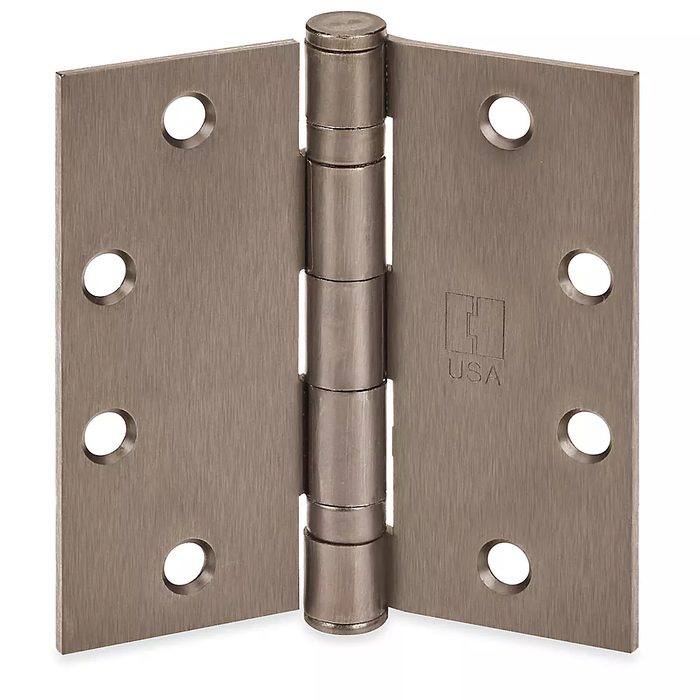
Door Hinge - Removable Pin
Pin: Removable
-
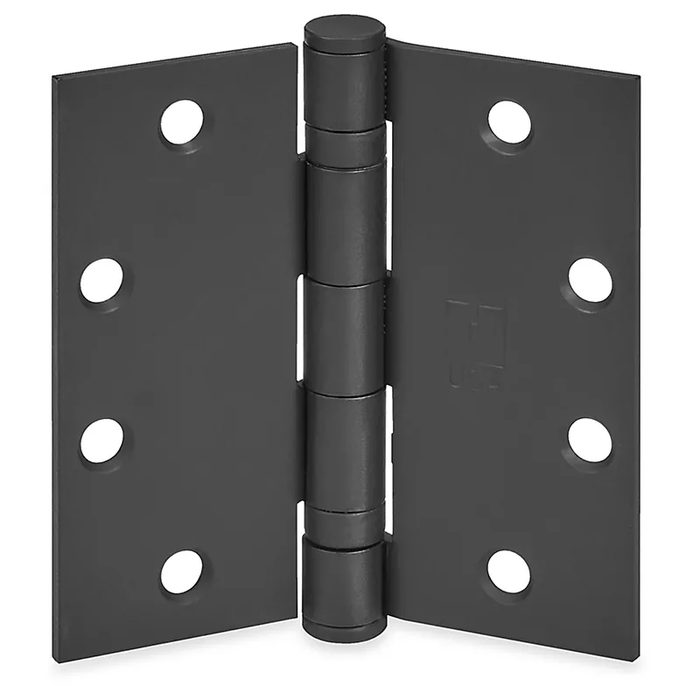
Door Hinge - Removable Pin, Flat Black H-12846RP
Color: Flat Black
-
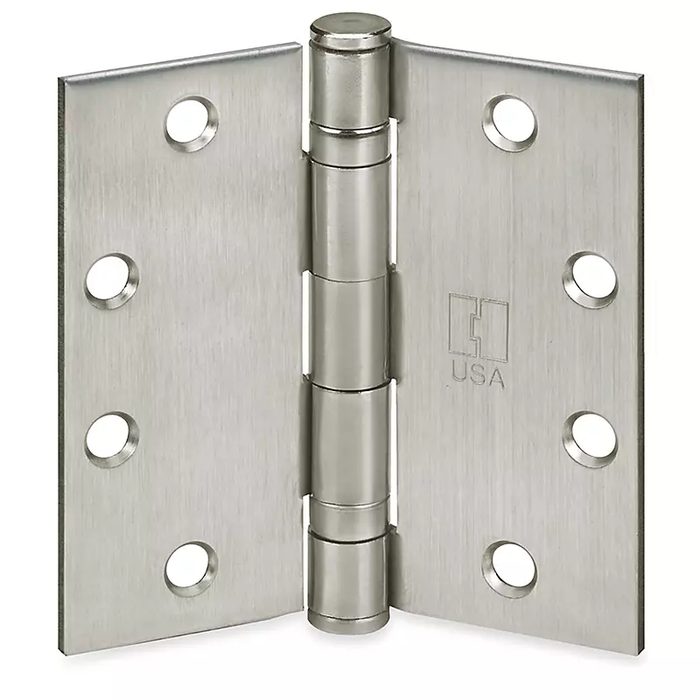
Door Hinge - Removable Pin, Stainless Steel
Pin Type: Removable
-
-
-
About hinges
Hinges are mechanical bearings that connect two solid objects, typically allowing only a limited angle of rotation between them. The primary function is to facilitate the opening and closing of doors, panels, or lids. Common types include butt hinges, which are characterized by two leaves joined by a pin and knuckle, and piano hinges (also known as continuous hinges), which are extended butt hinges providing support along the entire length of a panel. Concealed hinges, such as European-style cup hinges, offer a clean aesthetic by hiding the hinge mechanism when the door is closed. Weld-on hinges are designed for heavy-duty applications where direct welding to metal structures is required, often found in industrial enclosures or gates. Heavy-duty industrial hinges are engineered for high load capacities and frequent use, often featuring robust materials and larger pin diameters. Selection criteria typically involve load capacity (static and dynamic), required angle of opening, mounting configuration (e.g., surface mount, mortise, weld-on), and environmental resistance. Dimensions such as leaf length, width, thickness, pin diameter, and knuckle length are critical for fitment. Common materials include steel (carbon, stainless), brass, aluminum, and various plastics, with finishes such as zinc plating, powder coating, or polished chrome for corrosion resistance and aesthetics.
How to choose
When selecting hinges, first determine the application's load requirements, including both static weight and any dynamic forces during operation. Next, consider the desired opening angle and the required mounting configuration: will it be surface-mounted, mortised, or welded? Evaluate the environmental conditions, such as exposure to moisture, chemicals, or extreme temperatures, to choose appropriate materials and finishes for corrosion resistance. Finally, specify the critical dimensions, including leaf length, width, thickness, and pin diameter, to ensure proper fit and function within the assembly. Trade-offs often involve load capacity versus cost, aesthetic concealment versus ease of installation, and material durability versus weight.