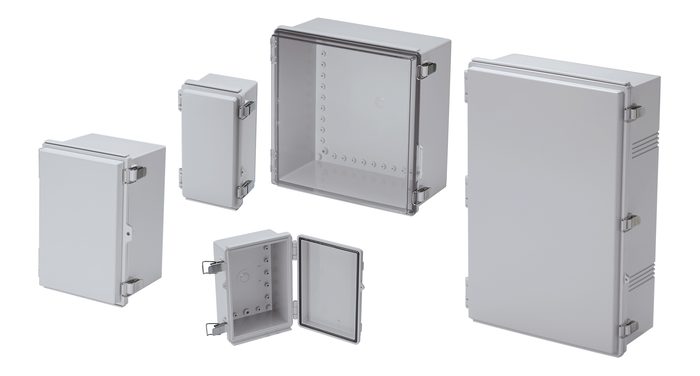
Enclosures & Cabinets
NEMA and IP-rated boxes, DIN racks, junction boxes and panels.
Also searched as: nema enclosurejunction boxelectrical enclosureip65 boxdin rail cabinet
-
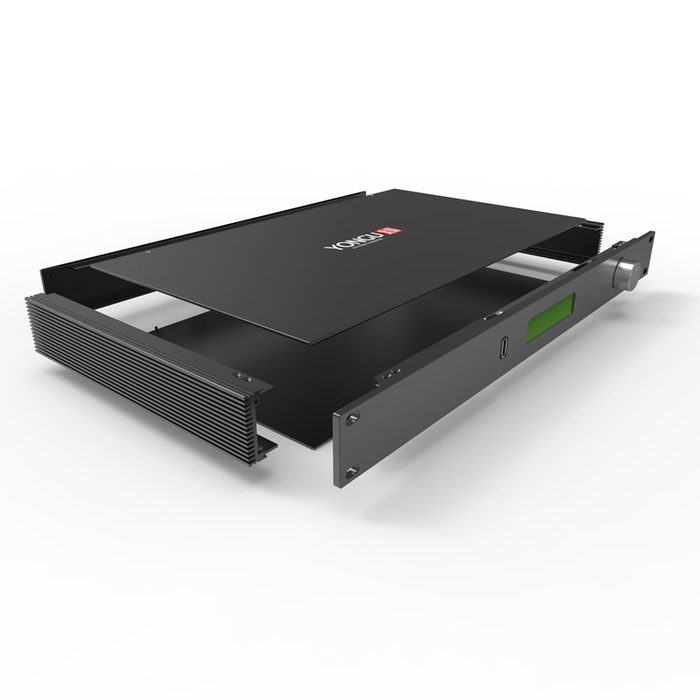
19 inch Rack Mount Chassis Electronic Enclosure, 482 x 66.7 x 250 mm
Size: 482*66.7*250mm
-
-
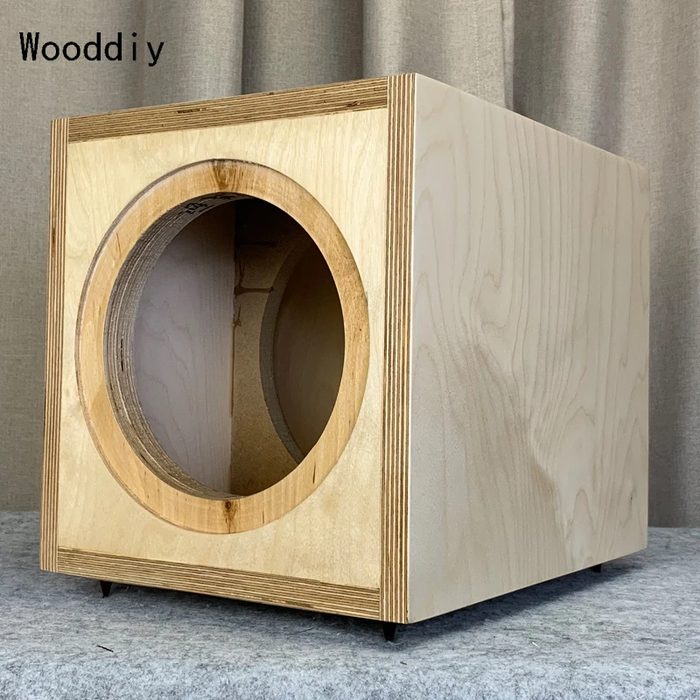
Custom Speaker Enclosures
Quantity: One PairSize: 8 Inch 10 Inch 12 Inch
-
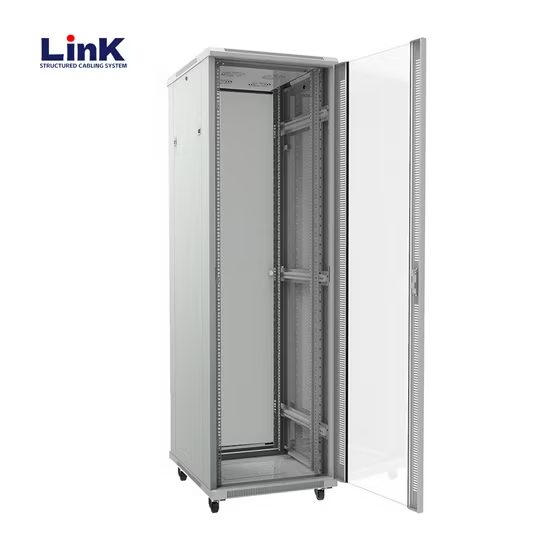
DIN Rail Enclosure Box, LK-DR04A
Height: 59 mmLength: 107 mmWidth: 88 mm
-
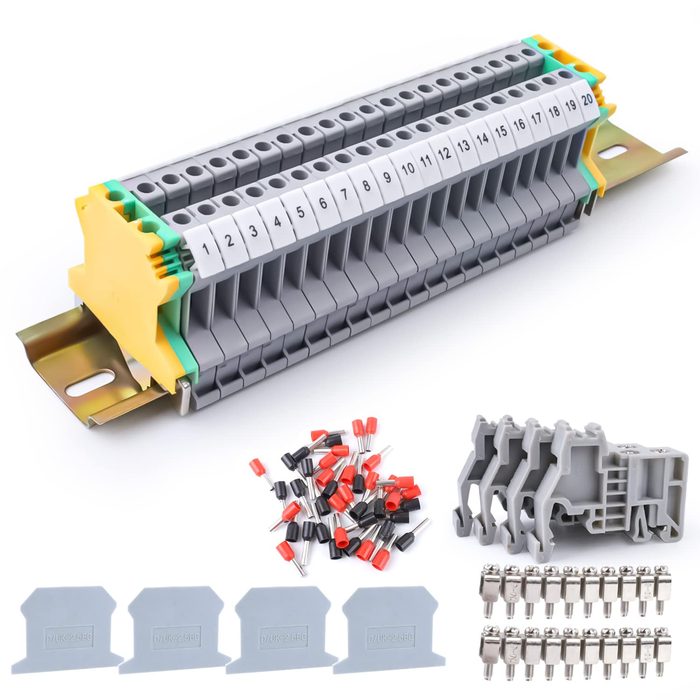
DIN Rail Terminal Block
Length: 10 cmThickness: 0.8 mm
-
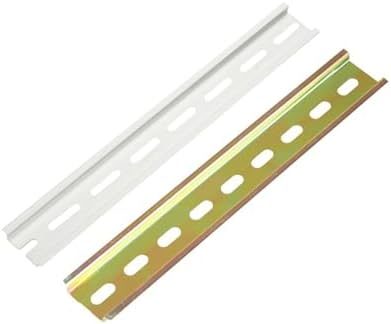
DIN Rail Terminal Block, NS35-AL-1.5
Thickness: 1.5 mm
-
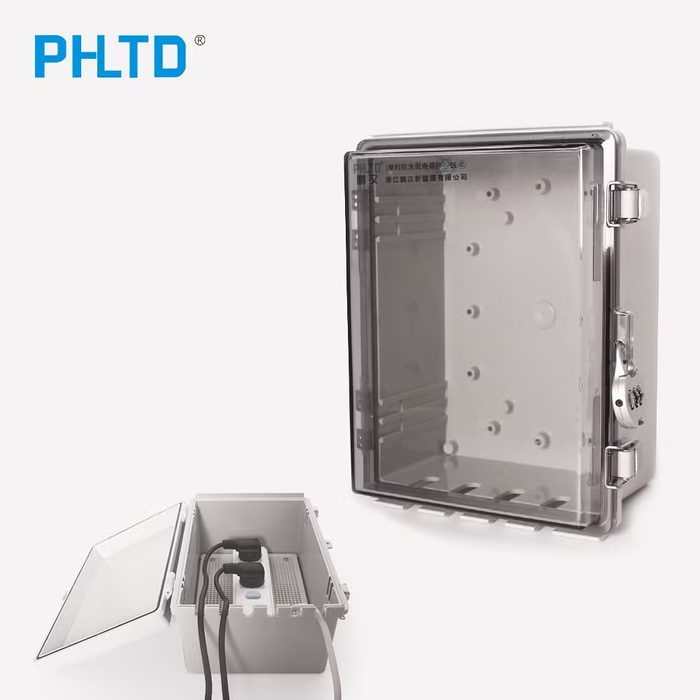
Electrical Enclosure IP65 IP66
IP Rating: IP65 IP66
-
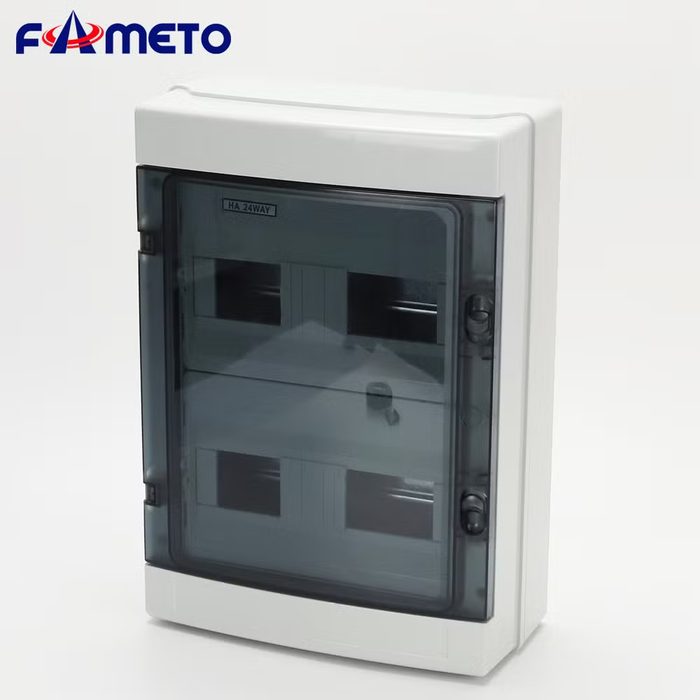
HA Series IP65 Waterproof Junction Box 2-24 Ways
IP Rating: IP65Ways: 2-24
-
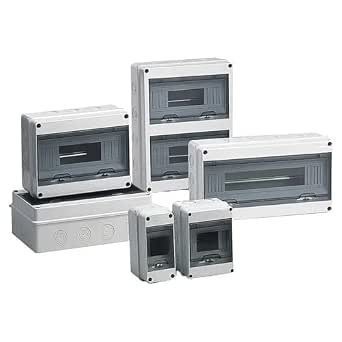
HL Series Distribution Box Outdoor Electrical IP65
IP Rating: IP65
-
-
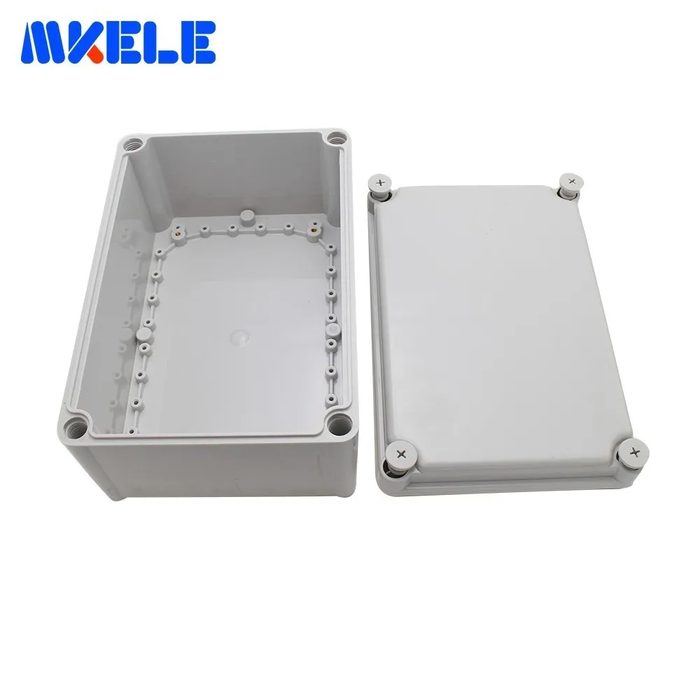
IP65 Waterproof ABS Electrical Box 300x400mm
Dimensions: 300x400mmIP Rating: IP65
-
IP65 Waterproof Electrical Junction Box ABS Plastic
IP Rating: IP65Ways: 2, 3, 5, 8
-
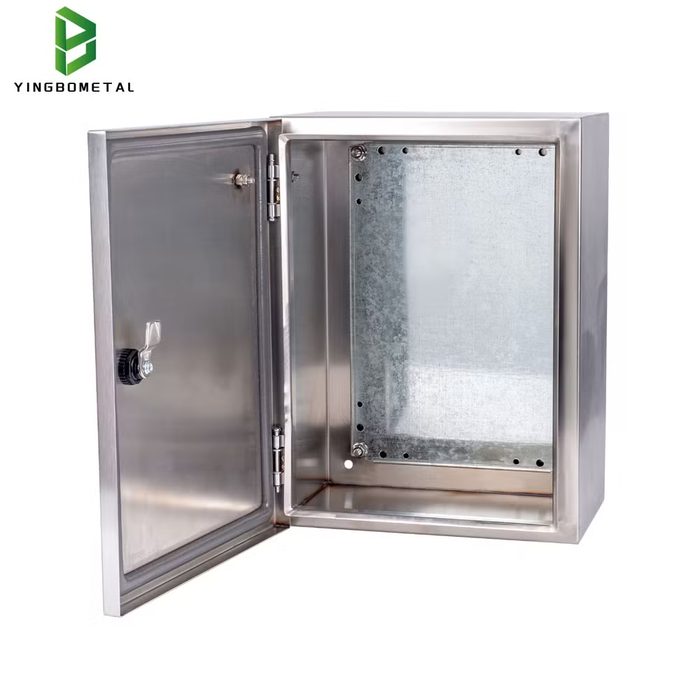
IP65 Waterproof Junction Box 300x400x200mm Steel
Dimensions: 300x400x200mmIP Rating: IP65Mounting: Wall mount
-
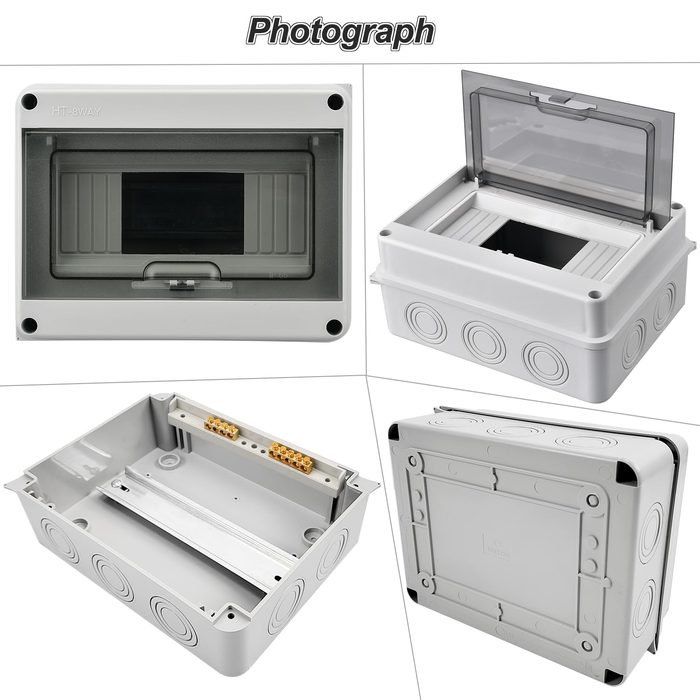
IP65 Waterproof Outdoor Electrical Box 220-240V
IP Rating: IP65Mounting: Surface or flushVoltage: 220-240V
-
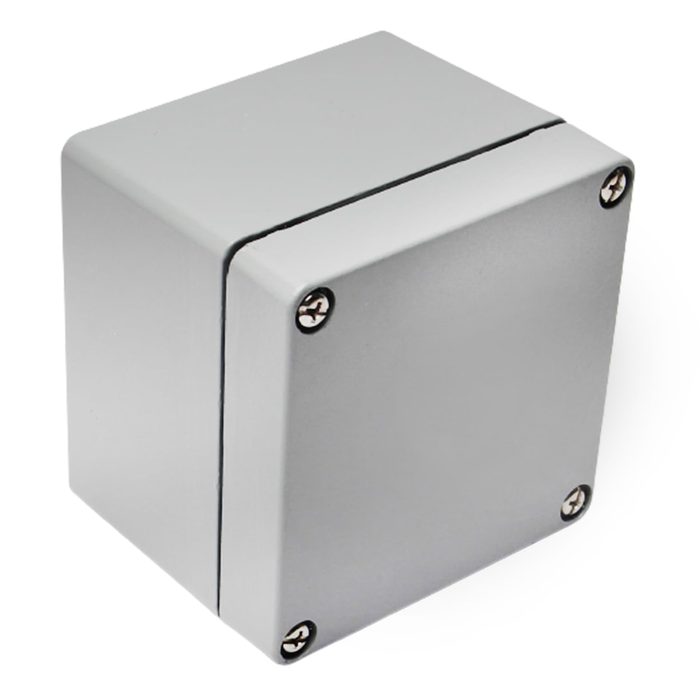
Industry IP65 Waterproof Cast Aluminum Junction Box 100x100x80mm
Dimensions: 100x100x80mm to 240x160x100mmIP Rating: IP65
-
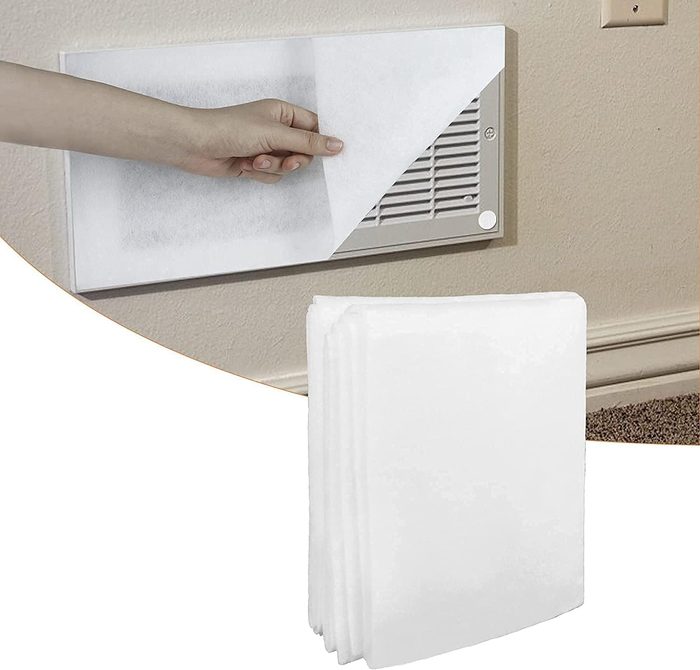
Ventilation Filter Kit
Size: 116x116x52mmVoltage: 115V/230V
About enclosures & cabinets
Enclosures and cabinets provide physical protection for electrical and electronic components, ranging from small terminal blocks to complex control systems. Key types include NEMA-rated enclosures for industrial applications, IP-rated enclosures for ingress protection, DIN rail cabinets for modular component mounting, and various junction boxes and panels for wiring and distribution. Selection is primarily driven by environmental conditions, defined by NEMA ratings (e.g., NEMA 1, 4, 4X, 12) or IP codes (e.g., IP65, IP67, IP69K), which specify protection against dust, water, and corrosion. Physical dimensions, including height, width, depth, and internal mounting space, are critical for component fitment. Material choices typically include painted steel, stainless steel (304, 316), aluminum, and various plastics like ABS or polycarbonate, each offering different corrosion resistance, strength-to-weight ratios, and EMI/RFI shielding properties. Features such as hinged doors, quarter-turn latches, knockouts, gland plates, and integrated ventilation systems are also important considerations for accessibility, cable management, and thermal dissipation. Surface finishes, such as powder coating or brushed stainless steel, contribute to durability and aesthetic integration.
How to choose
When selecting an enclosure, first determine the required environmental protection. Will it be indoors, outdoors, exposed to washdowns, or hazardous locations? This dictates the necessary NEMA or IP rating. Second, identify the internal components and their layout to establish the minimum required dimensions, including depth for door clearance. Third, consider the material: stainless steel for corrosive environments, painted steel for general industrial use, aluminum for lightweight applications, or plastic for cost-effectiveness and non-metallic requirements. Finally, evaluate specific features such as mounting options (wall, floor, pole), door type (solid, transparent), and cable entry methods (knockouts, gland plates) to ensure functional integration and ease of maintenance.