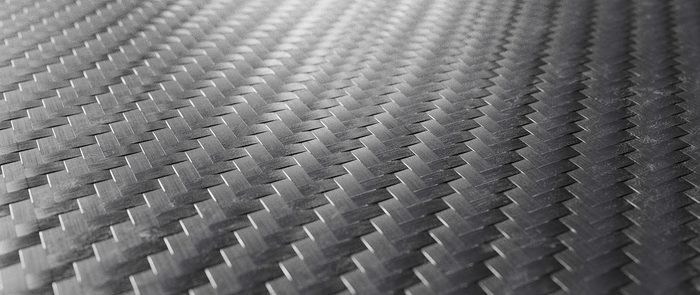
Composites & Laminates
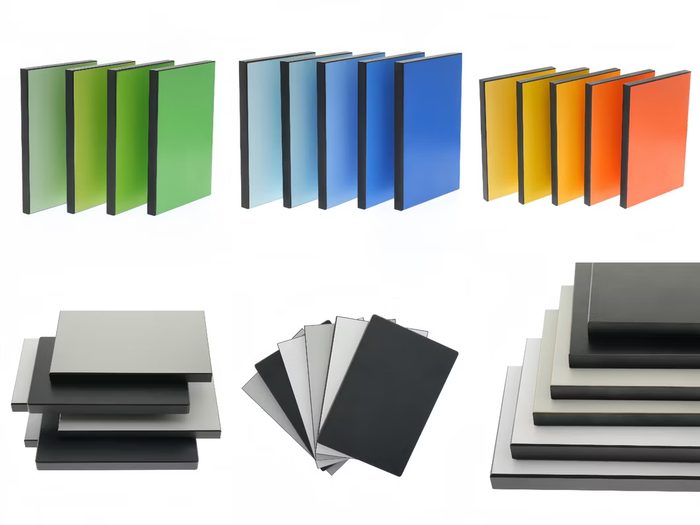
Carbon fiber, fiberglass, G10, phenolic sheet and tube.
Also searched as: carbon fiberg10fiberglassphenolicfr4
-
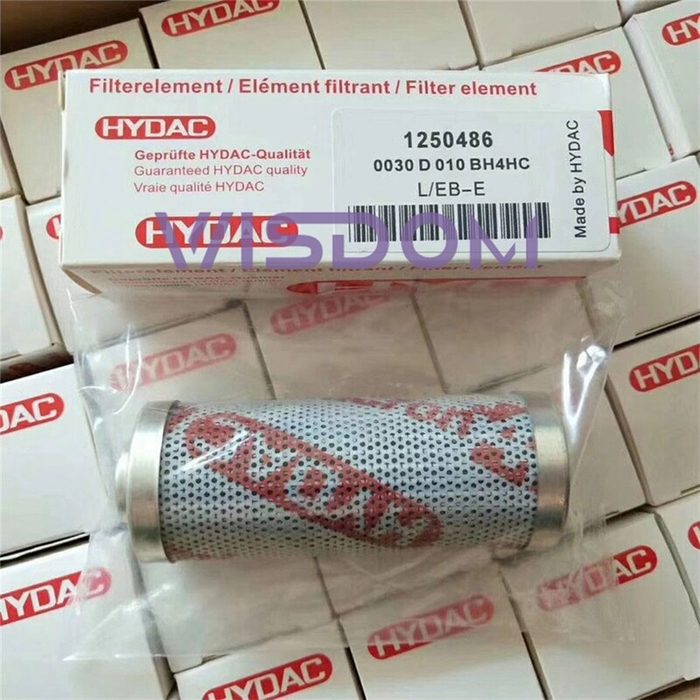
0030 D 010 BN4HC /-V Filter Element
Filtration Rating: 1, 3, 5, 10, & 20 micron
-
102HCDUL O-11 P2PF 22129 Single Sealed Bearing
Closure Type: Single SealedFinish Coating: UncoatedInternal Clearance: C0Max Rpm: 70000 rpm
-
-
-
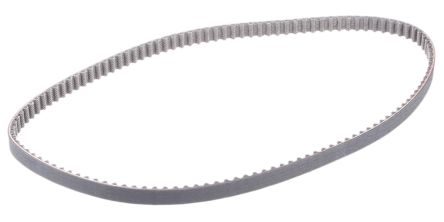
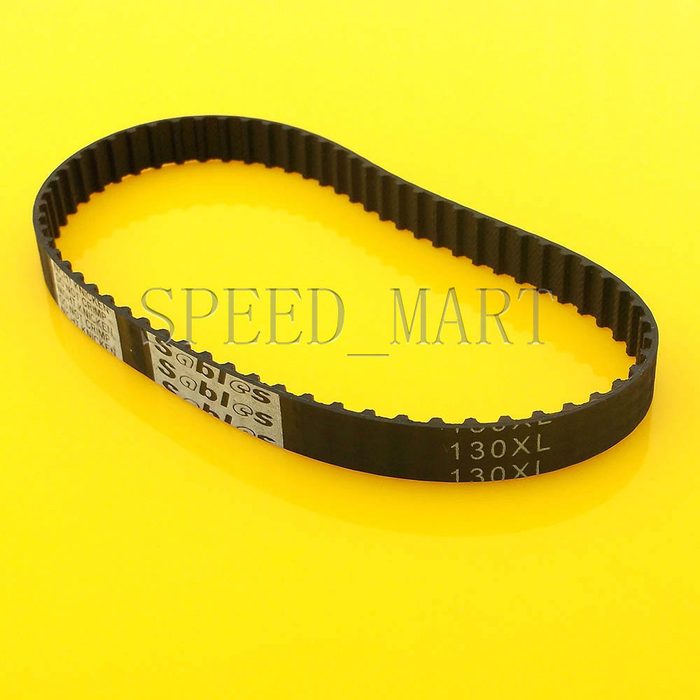
600-5M-09 Timing Belt
Length: 600 mmPitch: 5MWidth: 9 mm
-
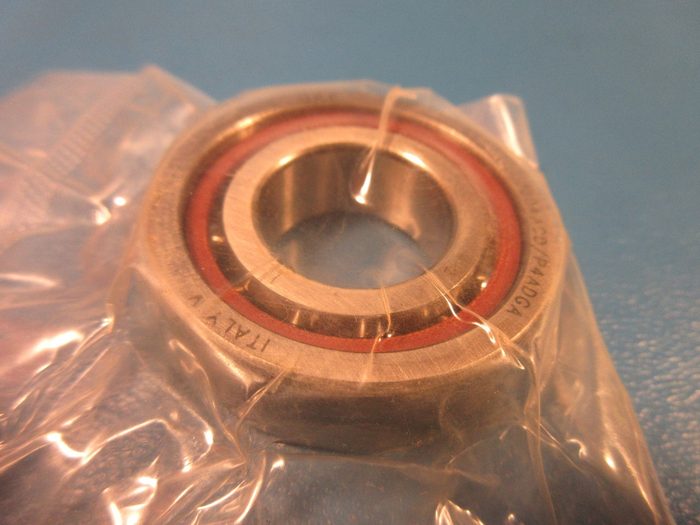
7004 CD/P4A Spindle & Precision Machine Tool Bearing
Element Material: Bearing steelInner Ring Width: 12 mmProduct Type: Spindle & Precision Machine ToolSeries: 70
-
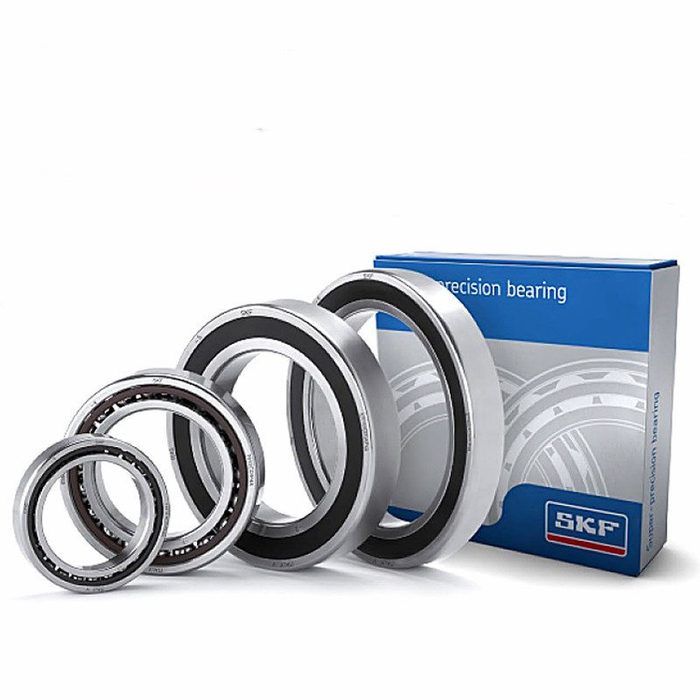
7008 CD/P4A Spindle & Precision Machine Tool Bearing
Element Material: Bearing steelInner Ring Width: 15 mmProduct Type: Spindle & Precision Machine ToolSeries: 70
-
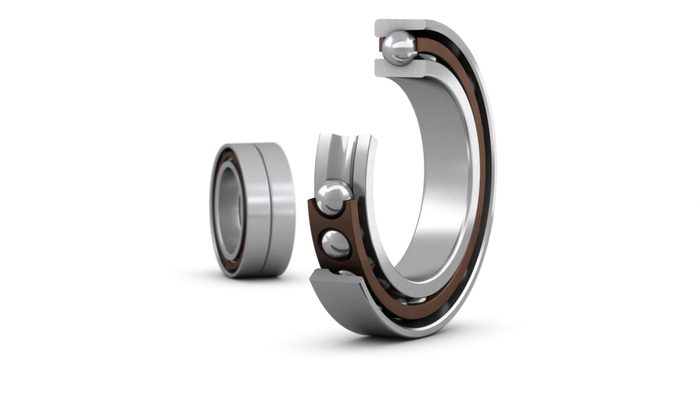
7012 CD/P4A Spindle & Precision Machine Tool Bearing
Angle: 15 °Element Material: Bearing steelInner Ring Width: 18 mmProduct Type: Spindle & Precision Machine ToolSeries: 70
-
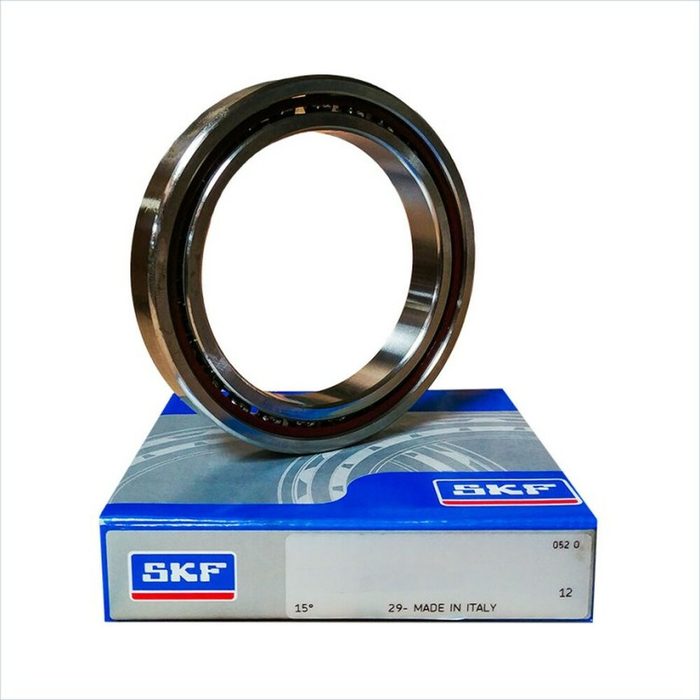
7036 CD/P4A Unmounted Ball Bearing
Element Material: Bearing steelInner Ring Width: 46 mmSeries: 70Type Of Bearing: Unmounted ball bearing
-
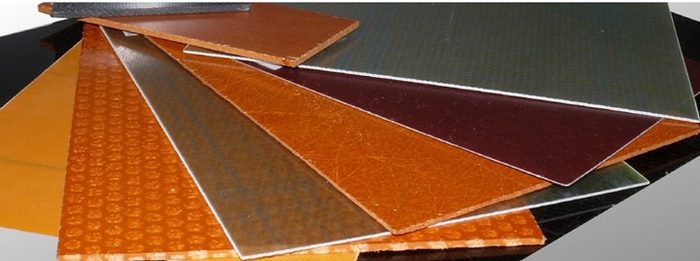
71903HVDUJ84 Bearing
Cage Type: StratifiedFillet Radius: 0.3Finish Coating: UncoatedInner Ring Width: 7 mmOuter Ring Width: 7 mm
-
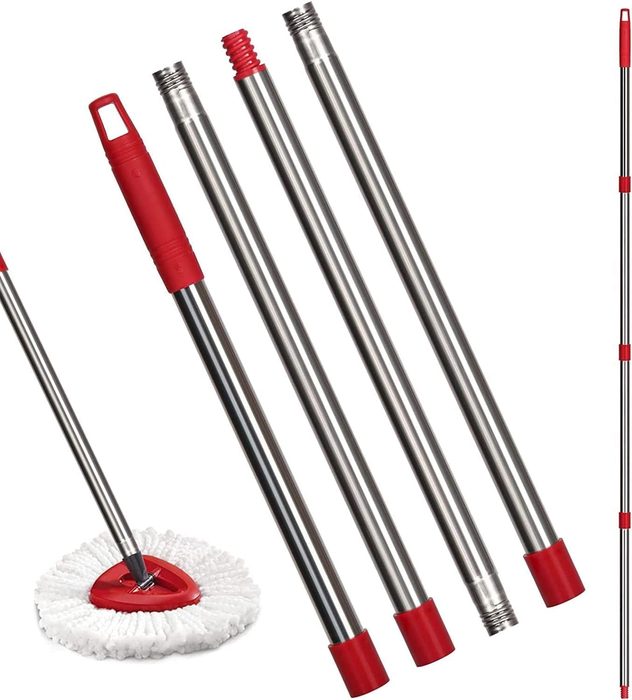
Broom or Mop Handle
Handle Length: 60 in
-
-
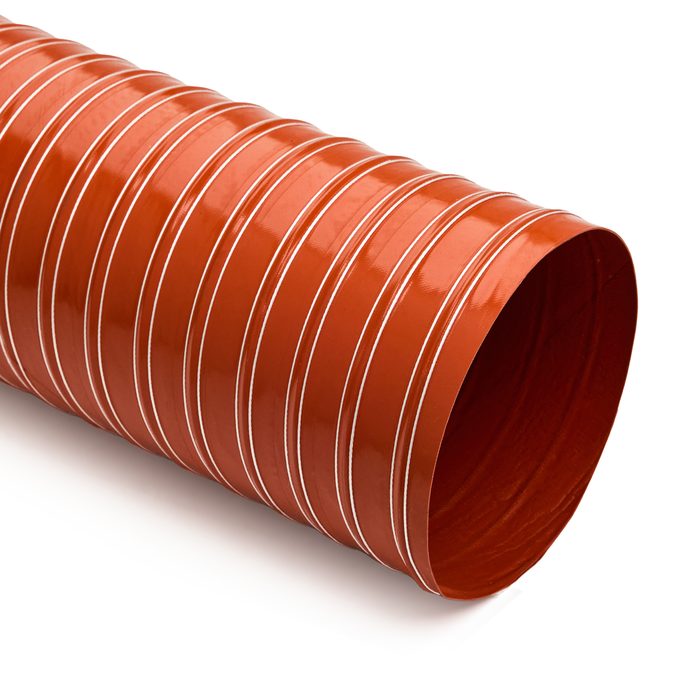
Heat-Flex® GS Ducting Hose
ID: 3.000 inLength: 12 ft
-
-
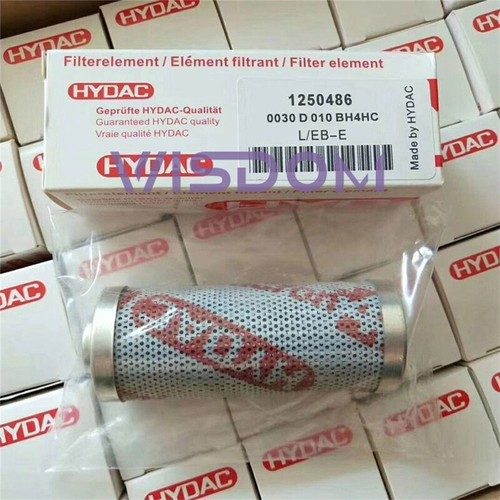
Hydraulic Filter Element
Filtration Rating: 1, 3, 5, 10, & 20 micron
-
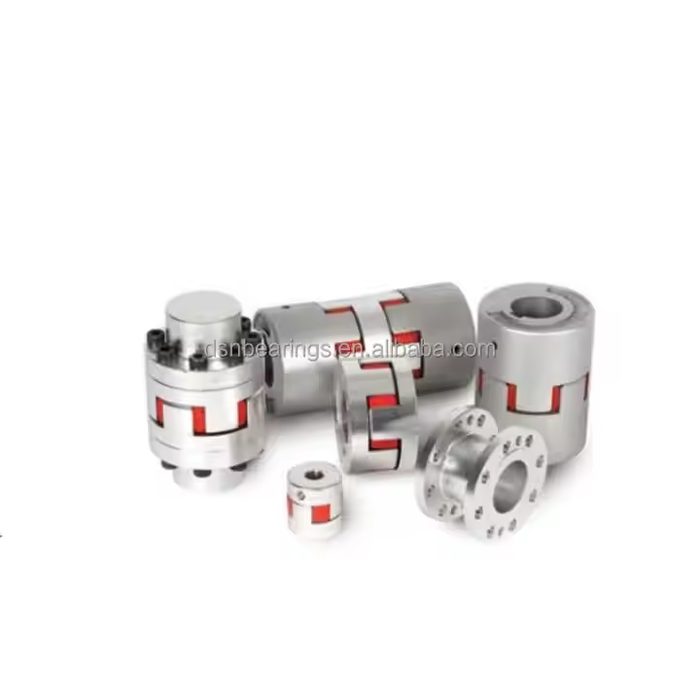
RRS099
Capacity: 318 inMax Rpm: 3600 rpm
-
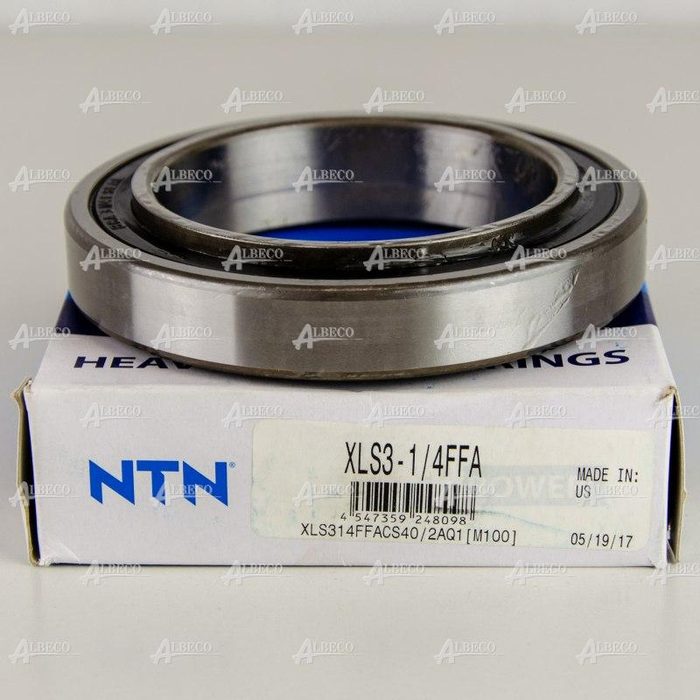
XLS3-1/4 Angular Contact Bearing
Closure Type: Duplex Type SingleElement Material: Bearing steelMax Rpm: 6200 rpm
About composites & laminates
Composites and laminates are engineered materials formed from two or more constituent materials with significantly different physical or chemical properties which remain separate and distinct at the macroscopic or microscopic level within the finished structure. These materials are primarily utilized for their high strength-to-weight ratios, stiffness, and chemical resistance. Common types include carbon fiber, known for its exceptional tensile strength and low weight, often used in aerospace and high-performance sporting goods. Fiberglass, or glass-reinforced plastic (GRP), offers good strength, impact resistance, and electrical insulation, widely applied in marine, automotive, and construction industries. G10, a glass-reinforced epoxy laminate, is characterized by its extremely high strength, low moisture absorption, and excellent electrical insulating properties, making it suitable for structural components, electrical insulation, and knife handles. Phenolic sheets and tubes, made from paper or cloth reinforcements impregnated with phenolic resin, provide good mechanical strength, heat resistance, and electrical insulation, frequently used in jigs, fixtures, and electrical switchgear. Selection criteria typically involve the required mechanical properties (tensile strength, flexural strength, modulus of elasticity), operating temperature range, chemical exposure, electrical insulation needs, and environmental considerations. Dimensions are specified by sheet thickness, panel size (length x width), or tube diameter and wall thickness. Finishes can vary from raw material to polished or coated surfaces, impacting aesthetic and functional properties.
How to choose
When selecting composites and laminates, first determine the primary functional requirement: structural support, electrical insulation, or chemical resistance. For structural applications, evaluate the required tensile and flexural strength; carbon fiber offers the highest, followed by G10 and fiberglass. Next, consider environmental factors such as operating temperature and chemical exposure. Phenolic and G10 laminates provide good heat and chemical resistance. For electrical insulation, G10 and fiberglass are superior choices. Finally, specify the required dimensions: sheet thickness, panel size, or tube diameter and wall thickness. Trade-offs involve balancing mechanical performance with cost, weight, and specific environmental tolerances.