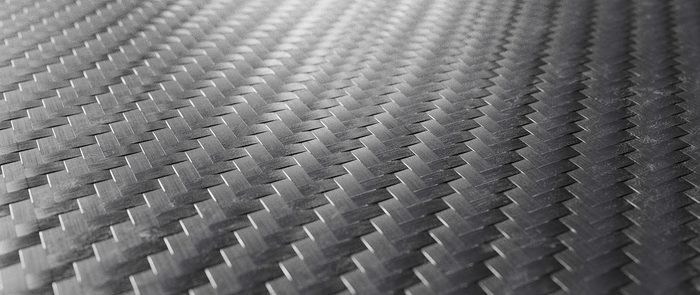
Composites & Laminates
Carbon fiber, fiberglass, G10, phenolic sheet and tube.
Also searched as: carbon fiberg10fiberglassphenolicfr4
-
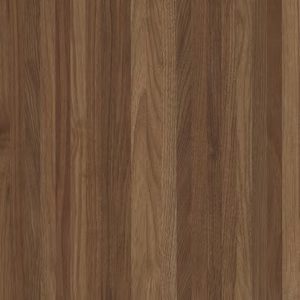
Laminate Sheet in Planked Raw Oak
Finish: Premiumfx Pure GrainLength: 8 ftWidth: 4 ft
-
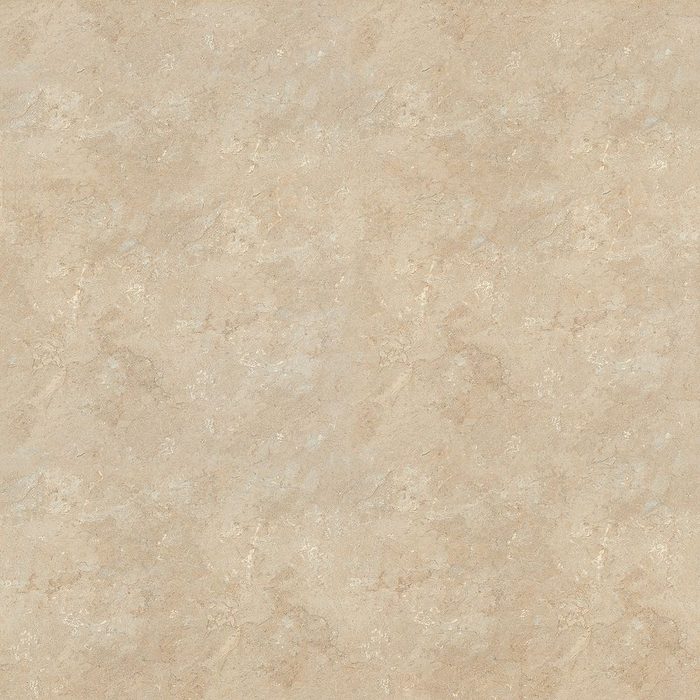
Laminate Sheet in Travertine with Matte Finish
Finish: MatteLength: 8 ft.Pattern: TravertineWidth: 4 ft.
-
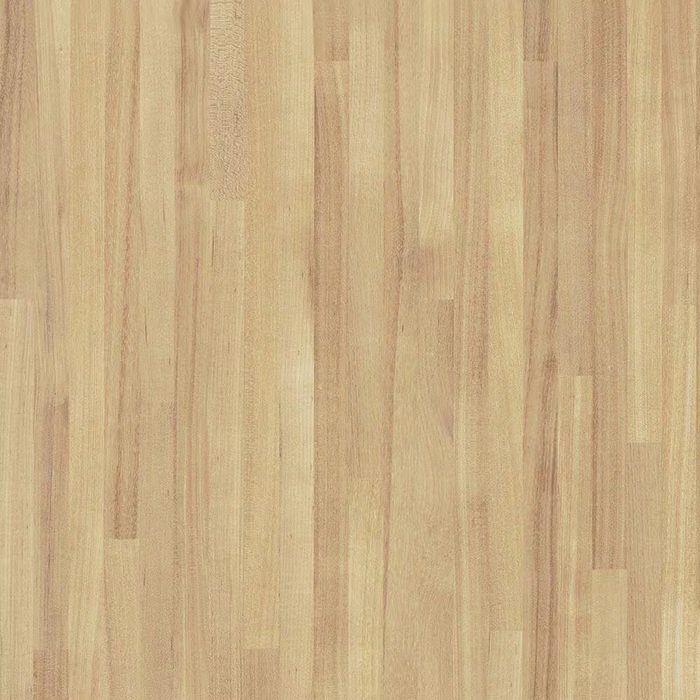
Laminate Sheet in Truss Maple
Finish: PremiumLength: 8 ftWidth: 4 ft
-
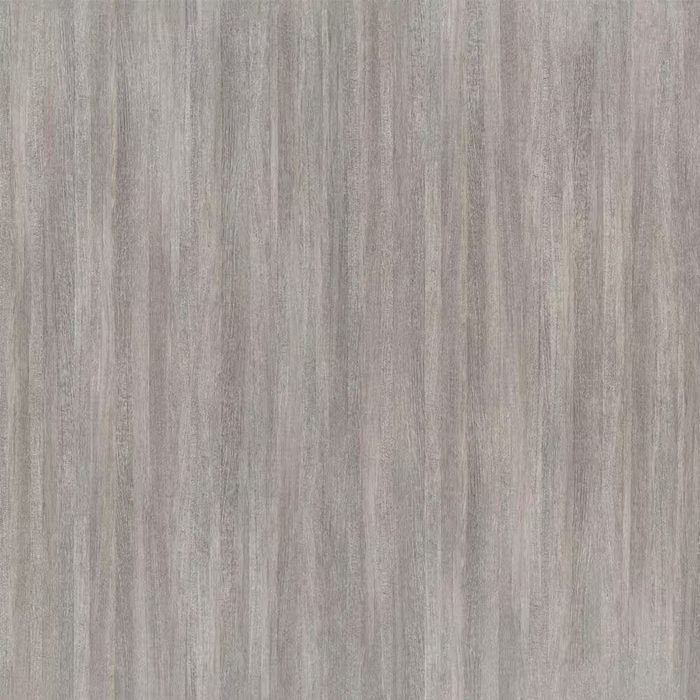
Laminate Sheet in Weathered Fiberwood with Natural Grain Finish
Finish: Natural GrainLength: 12 ft.Pattern: Weathered FiberwoodWidth: 5 ft.
-
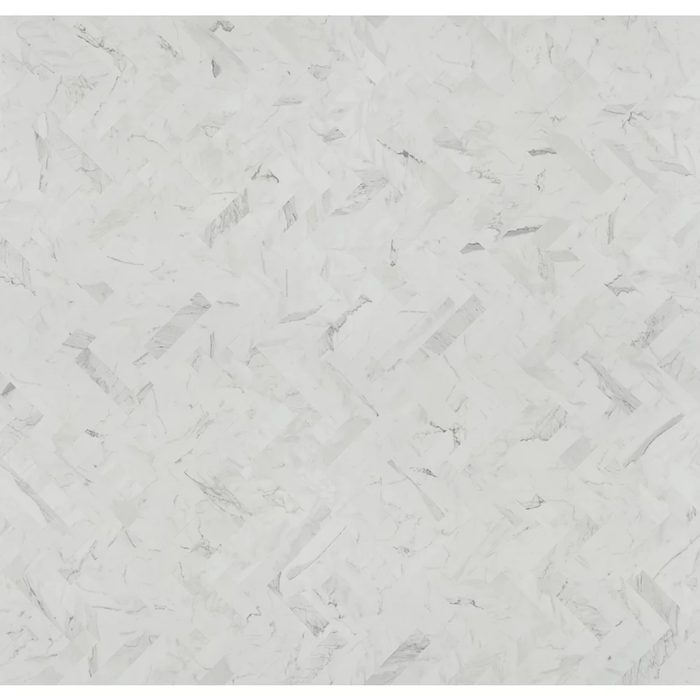
Laminate Sheet in White Marble Herringbone Matte
Finish: MatteLength: 12 ftPattern: White Marble HerringboneWidth: 5 ft
-
-
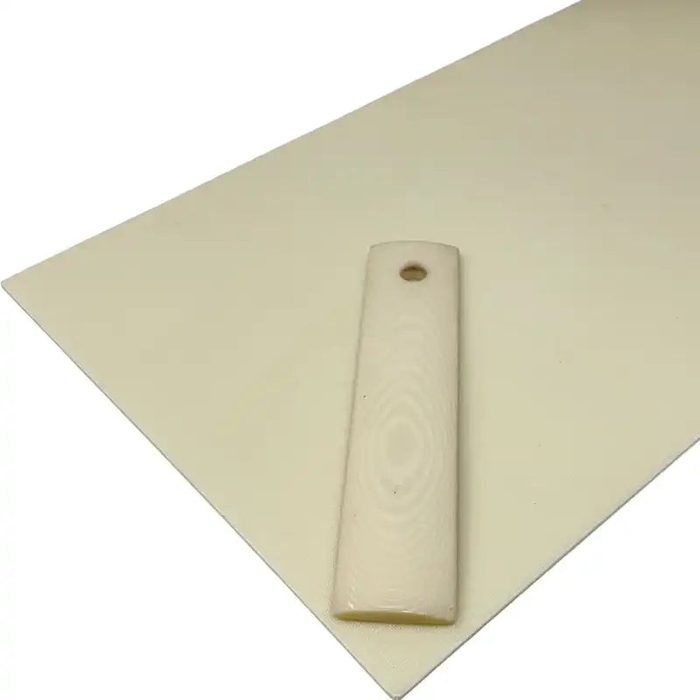
Linen Micarta Scales & Sheets, Ivory
Color: Ivory
from $2.99eBay $2.99 -
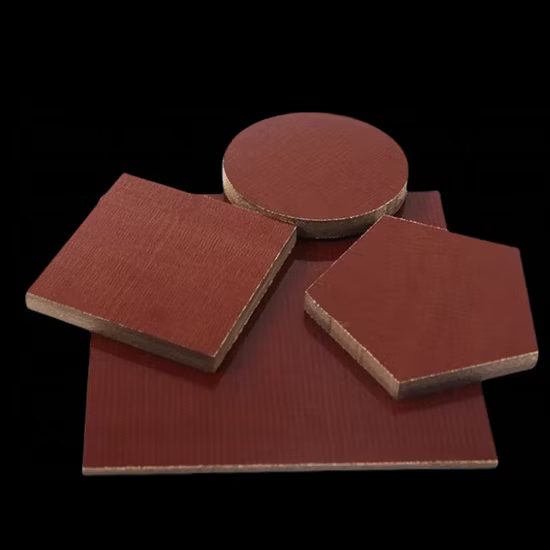
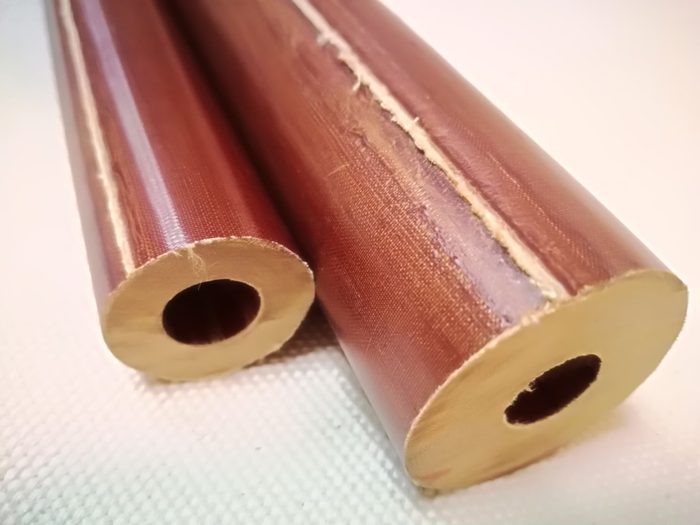
Natural Brown Phenolic
Diameter: 1.375 inchHole Diameter: .750 inch
-
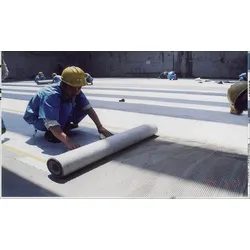
Non Woven Fiberglass Fabric
Weave Type: Non Woven
-
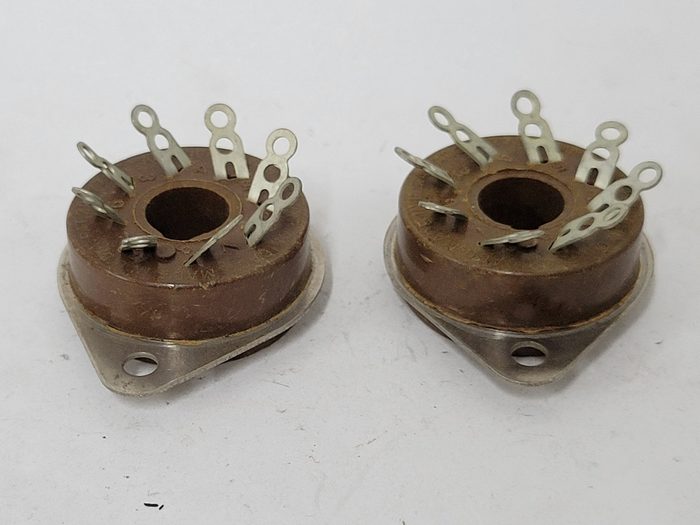
Octal Tube Sockets
Quantity: 5
-
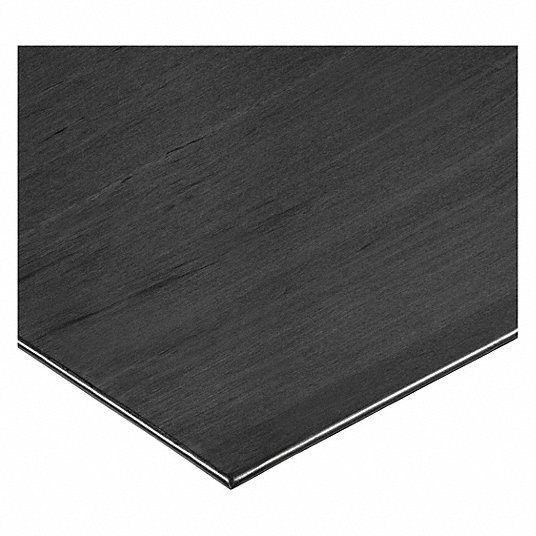
Opaque, Black, Carbon Fiber Sheet
Clarity: OpaqueColor: Black
-
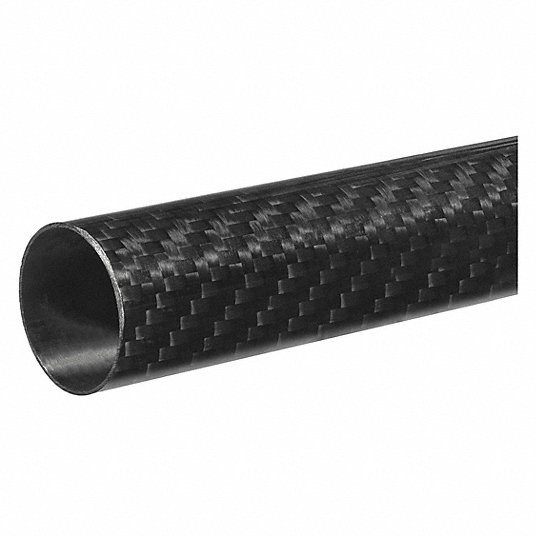
Opaque, Black, Standard Carbon Fiber Round Tube
Clarity: OpaqueColor: Black
-
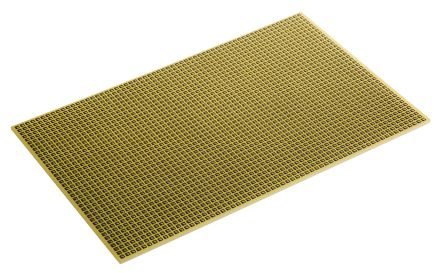
PCB, Raw, FR4, Single Sided
Size: 100mm x 160mm
-
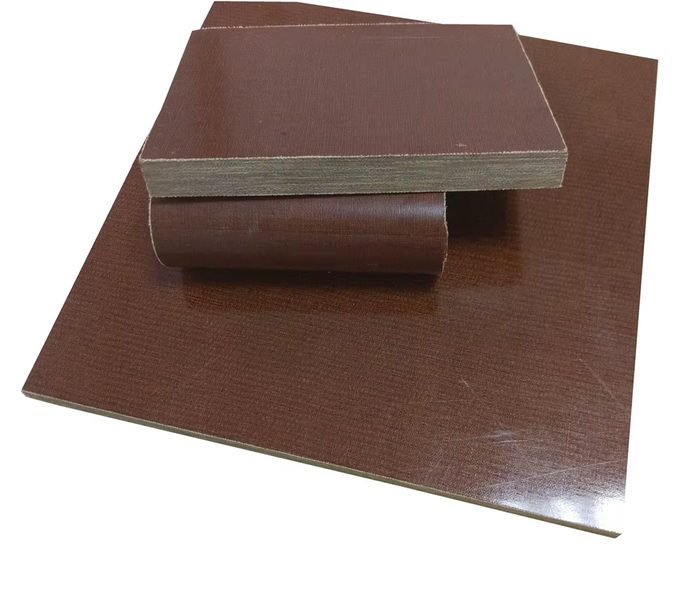
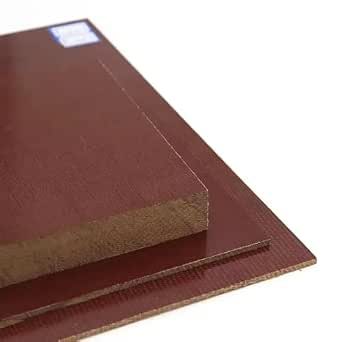
PF Phenolic Cloths Board
Thickness: 10mm, 12mm, 15mm, 20mm
-
-
POWER BOARD VER 0.9. DCT FR4 PCB
Copper Weight: 1ozThickness: 1.6T
-
-
-
-
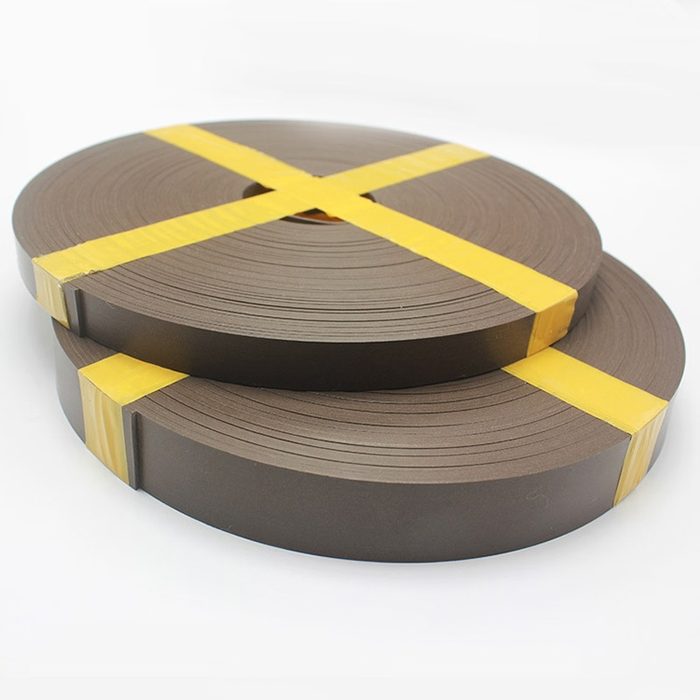
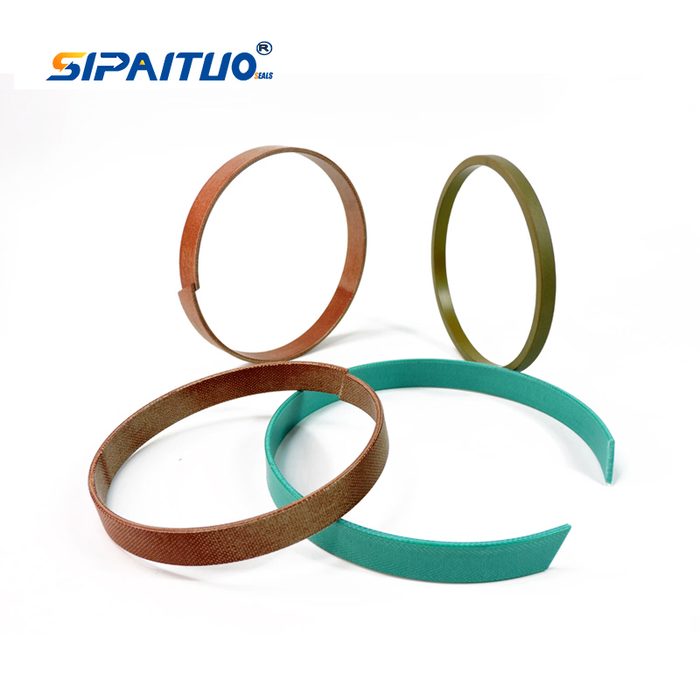
Phenolic Fabric Guide Strip High Strength Non-Metallic Wear
Characteristic: High Strength Non-Metallic Wear
-
-
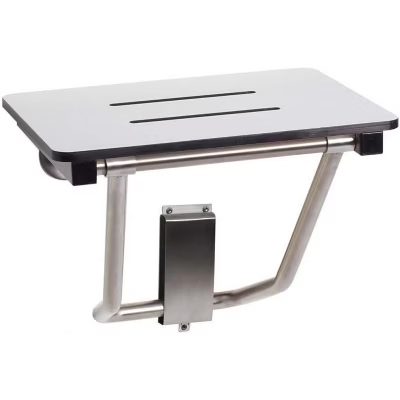
Phenolic Folding Wall Mount Shower Seat
Color: BlackDimensions: 28 in. x 15 in.
-
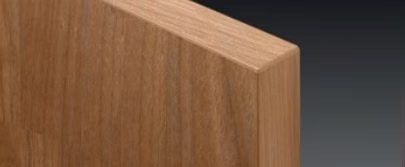
Phenolic Partition Panel
Color: Dove GrayFinish: MatteHeight: 58 inThickness: 0.5 inWidth: 34 in
-
-
-
-
-
-
-
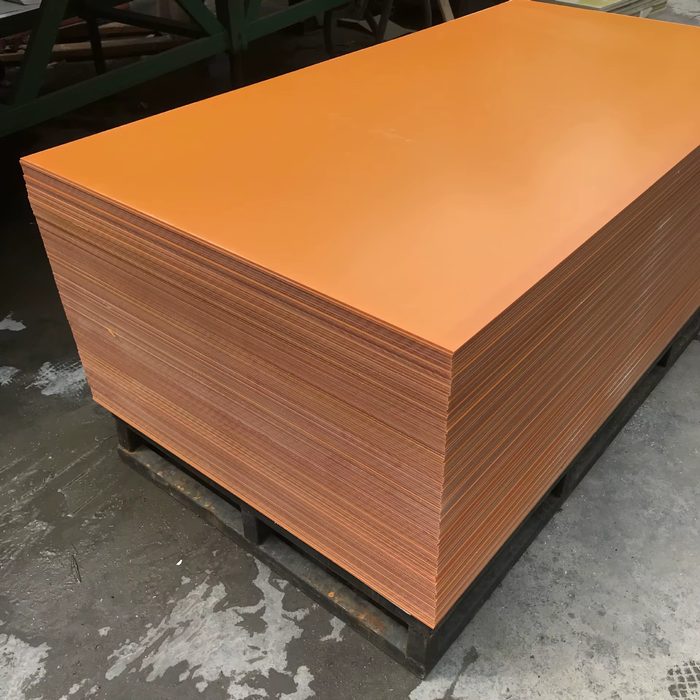
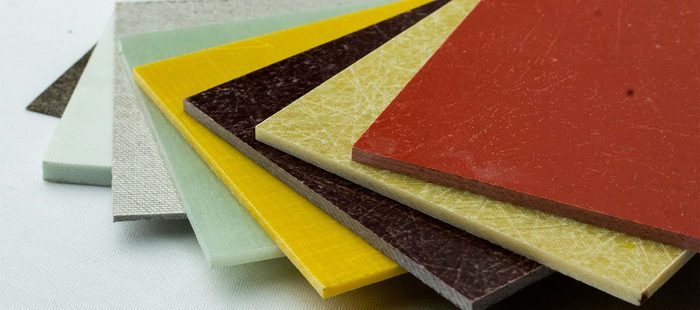
Phenolic Sheet
Grade: G-10 FR-4Length: 4'Thickness: .062"Width: 3'
-
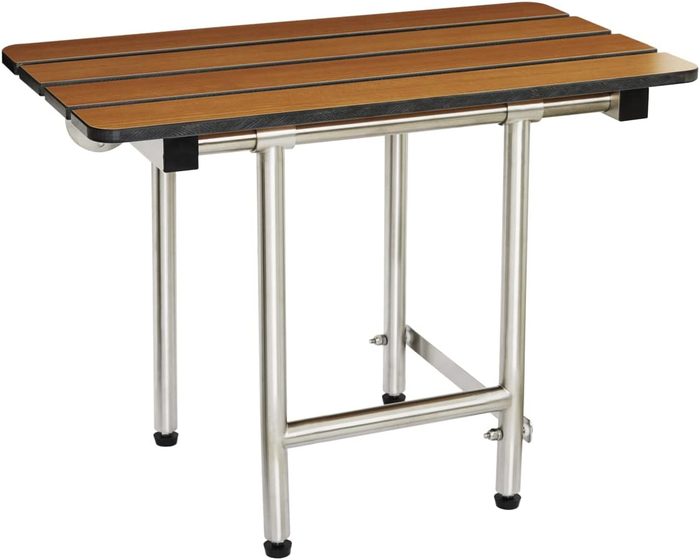
Phenolic Slats Shower Seat
Color: WhiteDimensions: 24 in. x 15 in.Slat Size: 3 in.
-
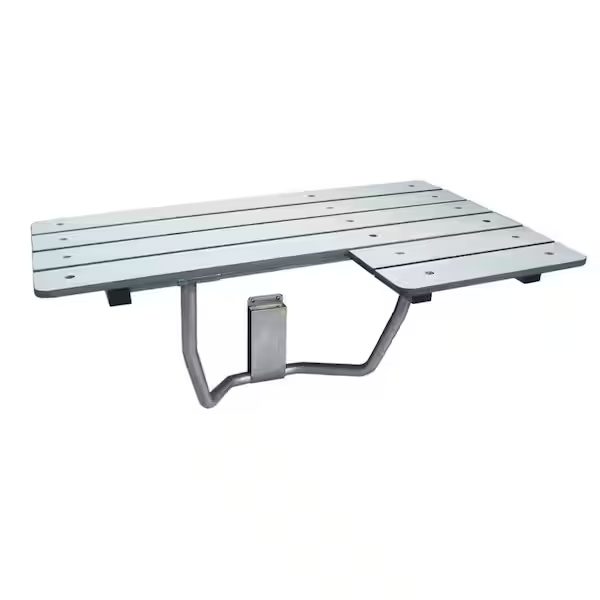
Phenolic Slotted Folding Shower Seat with Wall Bracket Mount
Color: WhiteDimensions: 22 in W x 15 in DLoad Capacity: 750 lbs.Shape: Rectangle
-
-
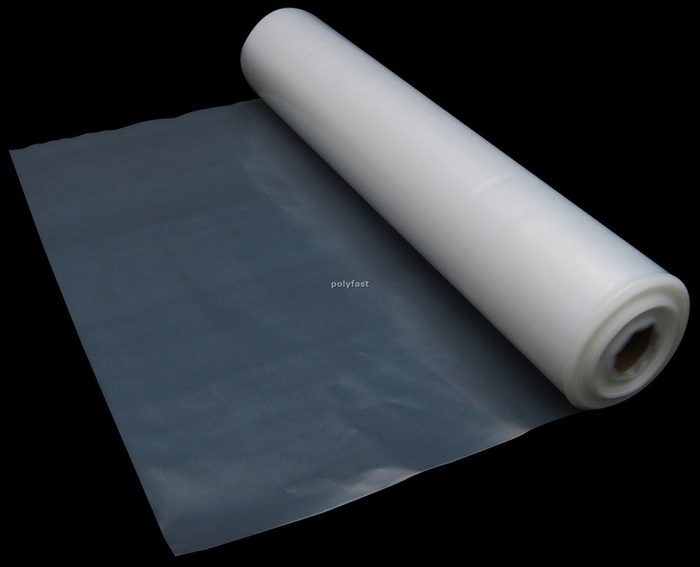
Plastic Sheet
Color: BlackLength: 48"Thickness: 1/8"
-
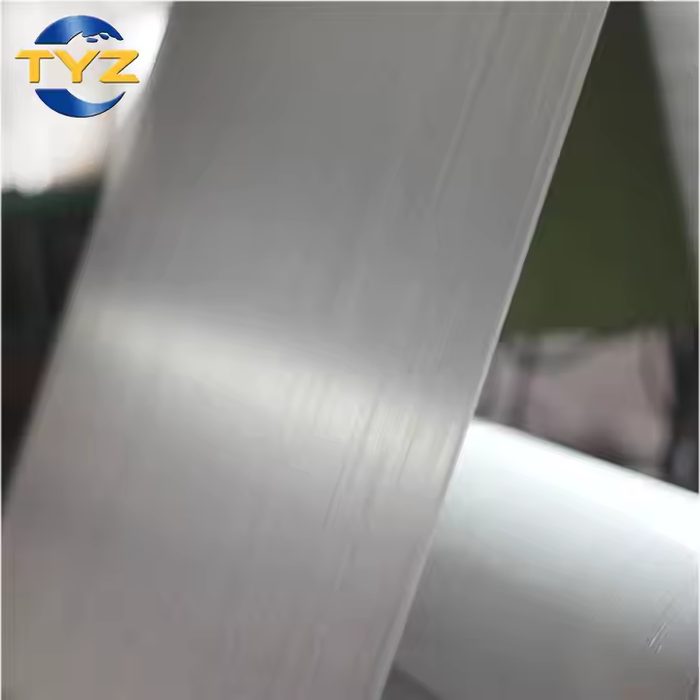
Plastic Sheet (Unidirectional)
Color: BlackLength: 2'Tensile: 120,000 psiThickness: 1/16"Width: 12"
-
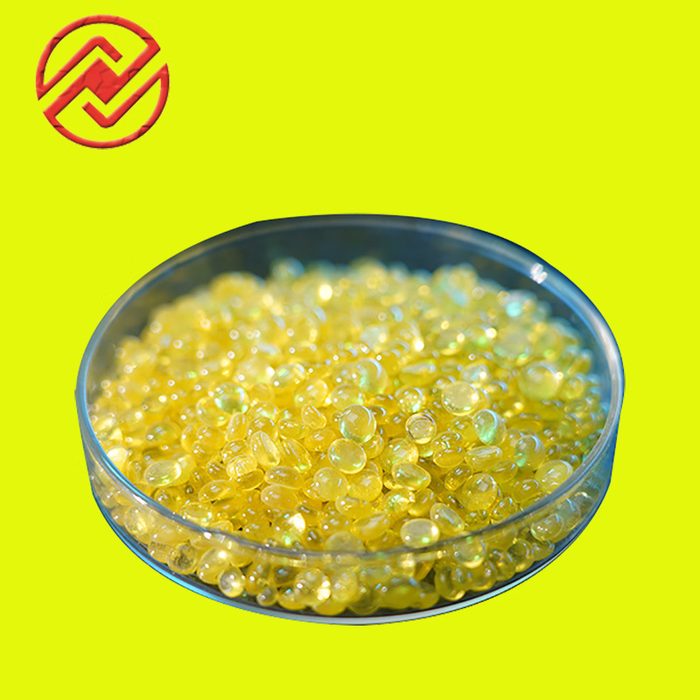
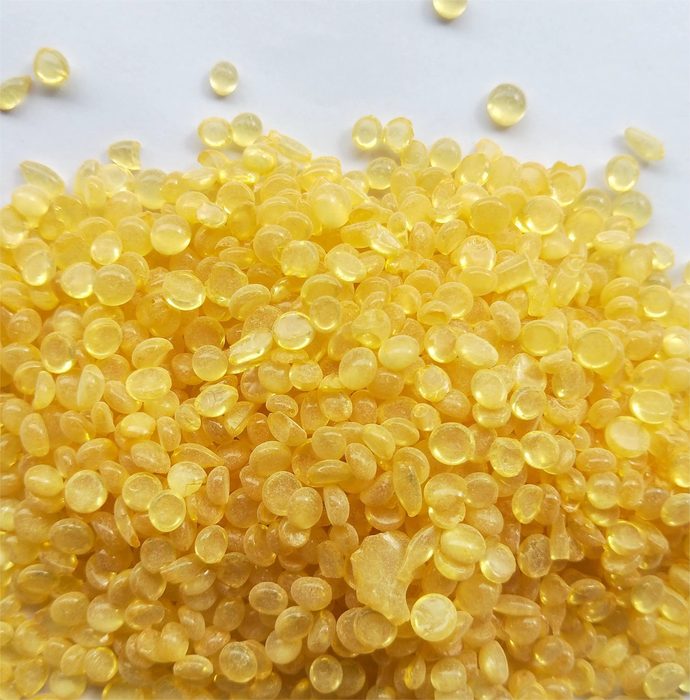
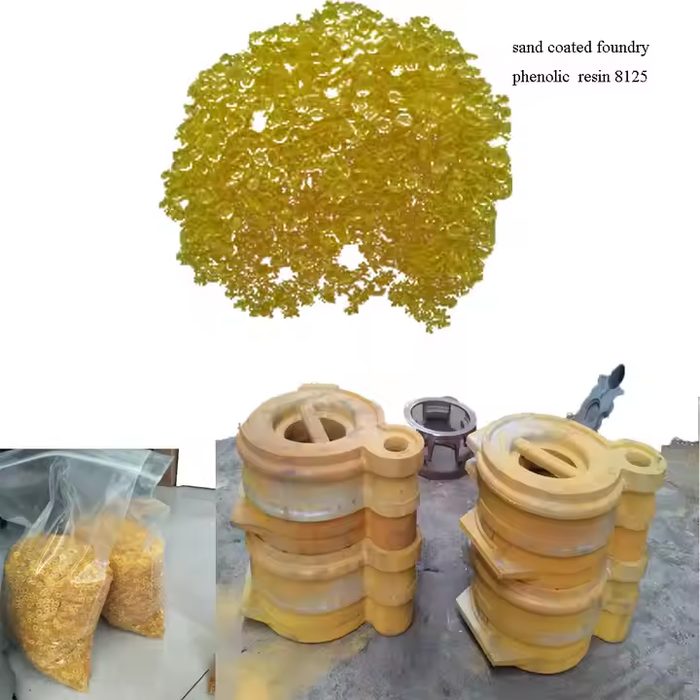
Precoated Sand Phenolic Resin CAS 9003-35-4
CAS: 9003-35-4
About composites & laminates
Composites and laminates are engineered materials formed from two or more constituent materials with significantly different physical or chemical properties which remain separate and distinct at the macroscopic or microscopic level within the finished structure. These materials are primarily utilized for their high strength-to-weight ratios, stiffness, and chemical resistance. Common types include carbon fiber, known for its exceptional tensile strength and low weight, often used in aerospace and high-performance sporting goods. Fiberglass, or glass-reinforced plastic (GRP), offers good strength, impact resistance, and electrical insulation, widely applied in marine, automotive, and construction industries. G10, a glass-reinforced epoxy laminate, is characterized by its extremely high strength, low moisture absorption, and excellent electrical insulating properties, making it suitable for structural components, electrical insulation, and knife handles. Phenolic sheets and tubes, made from paper or cloth reinforcements impregnated with phenolic resin, provide good mechanical strength, heat resistance, and electrical insulation, frequently used in jigs, fixtures, and electrical switchgear. Selection criteria typically involve the required mechanical properties (tensile strength, flexural strength, modulus of elasticity), operating temperature range, chemical exposure, electrical insulation needs, and environmental considerations. Dimensions are specified by sheet thickness, panel size (length x width), or tube diameter and wall thickness. Finishes can vary from raw material to polished or coated surfaces, impacting aesthetic and functional properties.
How to choose
When selecting composites and laminates, first determine the primary functional requirement: structural support, electrical insulation, or chemical resistance. For structural applications, evaluate the required tensile and flexural strength; carbon fiber offers the highest, followed by G10 and fiberglass. Next, consider environmental factors such as operating temperature and chemical exposure. Phenolic and G10 laminates provide good heat and chemical resistance. For electrical insulation, G10 and fiberglass are superior choices. Finally, specify the required dimensions: sheet thickness, panel size, or tube diameter and wall thickness. Trade-offs involve balancing mechanical performance with cost, weight, and specific environmental tolerances.