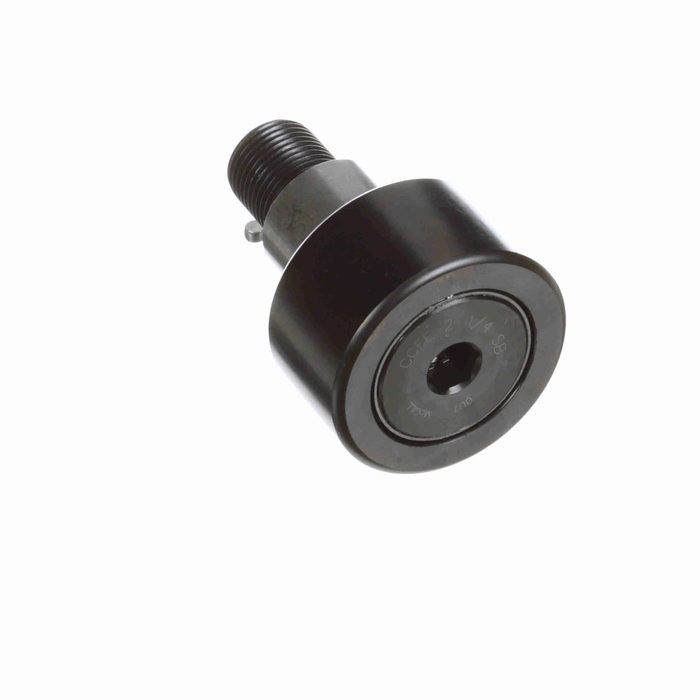
Cams & Cam Followers
Cam followers, track rollers, yoke rollers and cam plates.
Also searched as: cam followertrack rolleryoke rollerstud roller
-
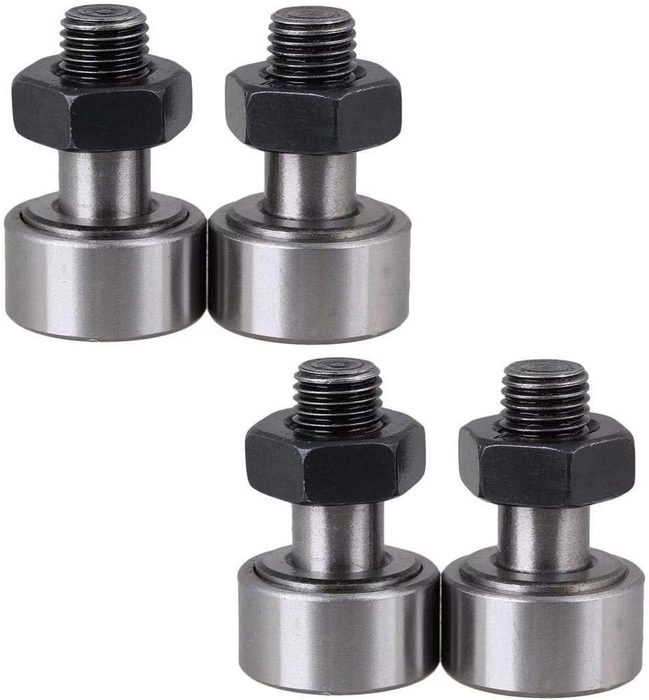
Cam Follower Bolt-type Needle Roller Bearing CF12/KR30
Bearing Number: KR30Bearing Type: Ball Bearing
-
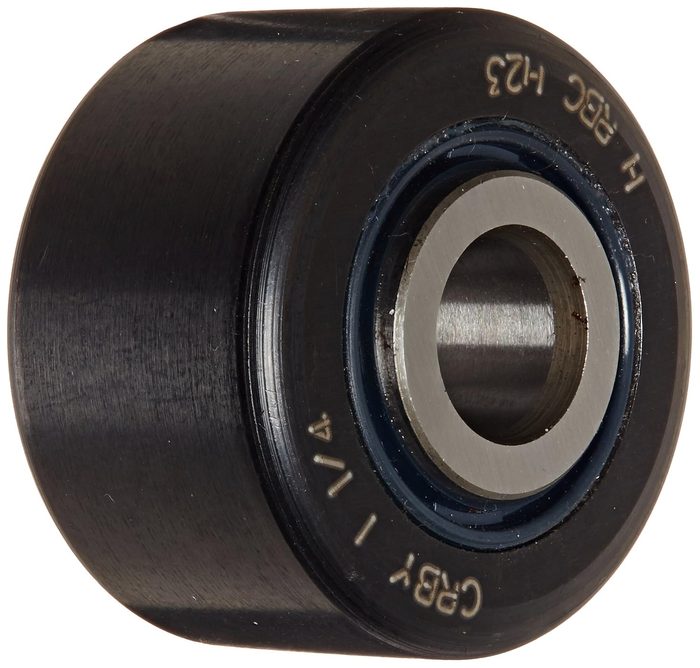
Cam Follower CRBY11/4, 1.250" OD x 0.3750" ID, Crowned Outer Ring
Inside Diameter: 0.3750 inOuter Ring: CrownedOutside Diameter: 1.250 in
-
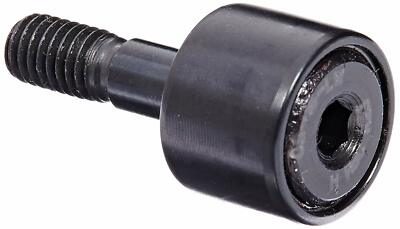
Cam Follower CS16LW, 0.500" Outside Diameter, Threaded Stud, Black Oxide Finish
Outside Diameter: 0.500 inStud Type: Threaded
-
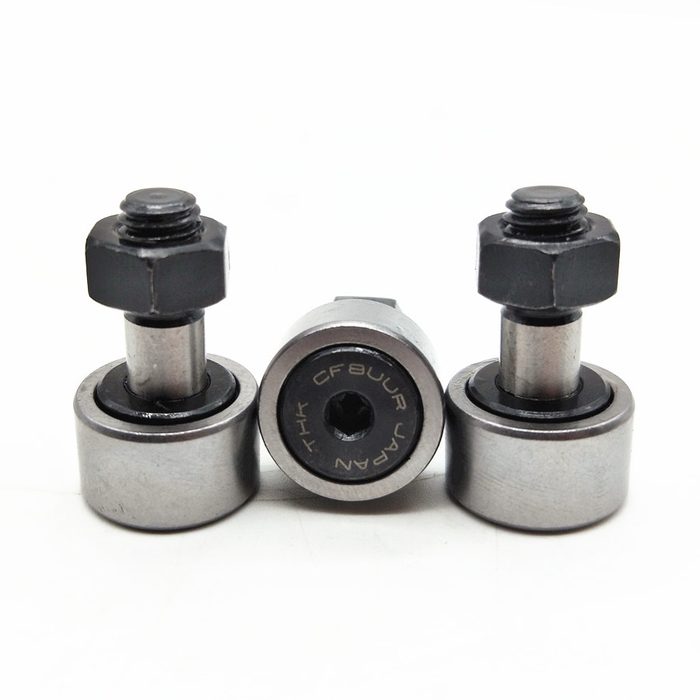
Cam Follower Needle Bearings CF8, 8x19x32.2 mm
Dimensions: 8x19x32.2 mm
-
-
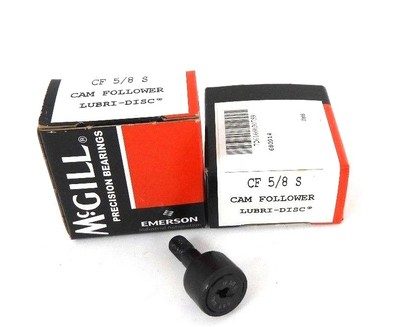
Cam Follower, Standard Stud, Sealed
Seal: SealedStud Type: Standard
-
Cam Follower, Stud, Hex Socket, Sealed
Item Weight: 0.09 PoundsItem dimensions L x W x H: 2 x 2 x 2 inches
-
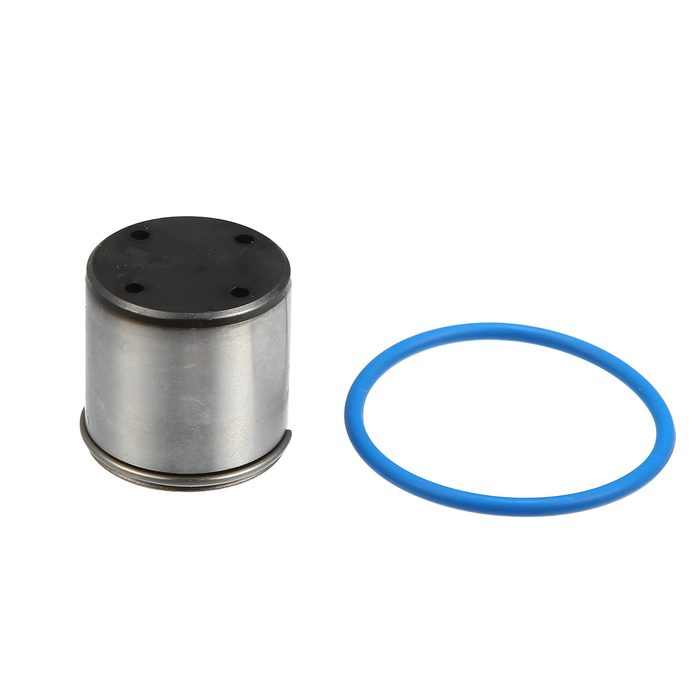
-
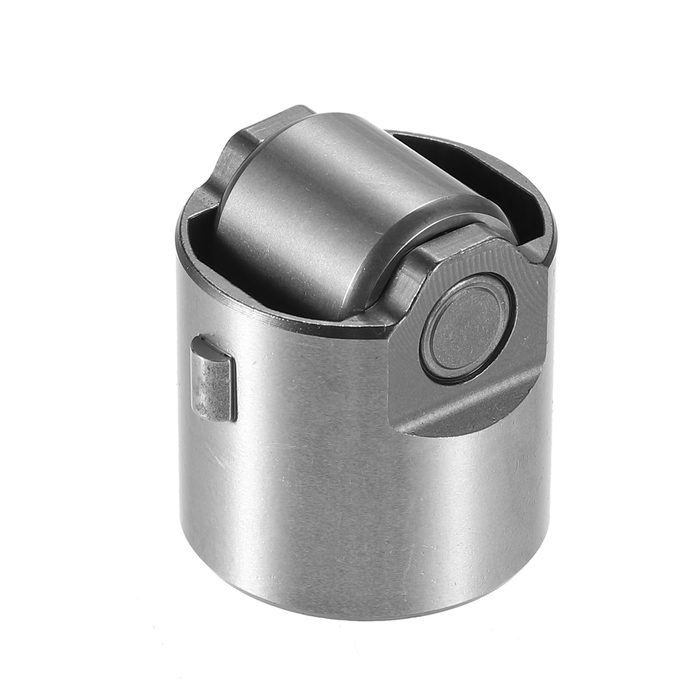
-
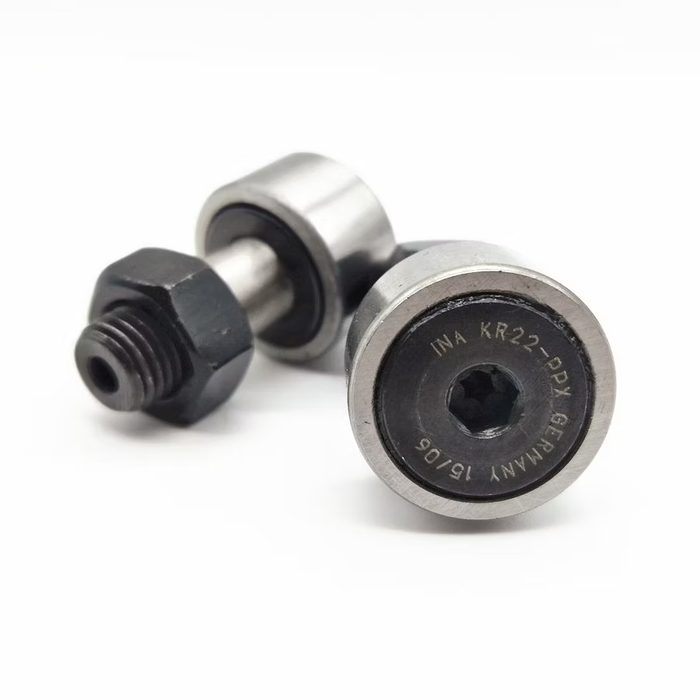
KR22 Stud Type Track Cam Follower Roller
Diameter: 22 mm
-
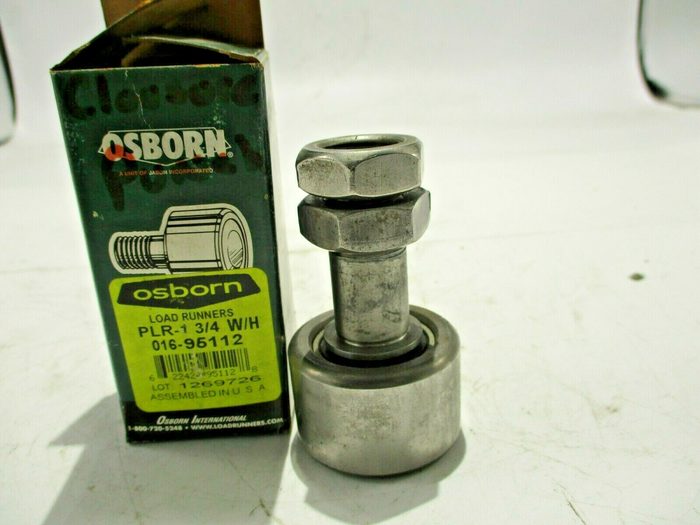
Load Runner, Plain, Concentric Stud
Roller Diameter: 1.75"Roller Width: 1.19"Stud Diameter: 0.75"Stud Length: 1.75"
-
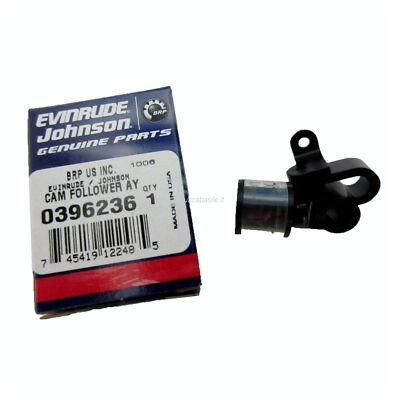
-
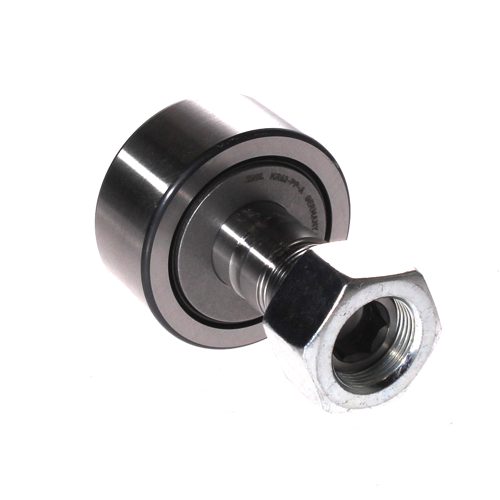
Stud Type Track Roller
Dimensions: 24x62x29mm
-
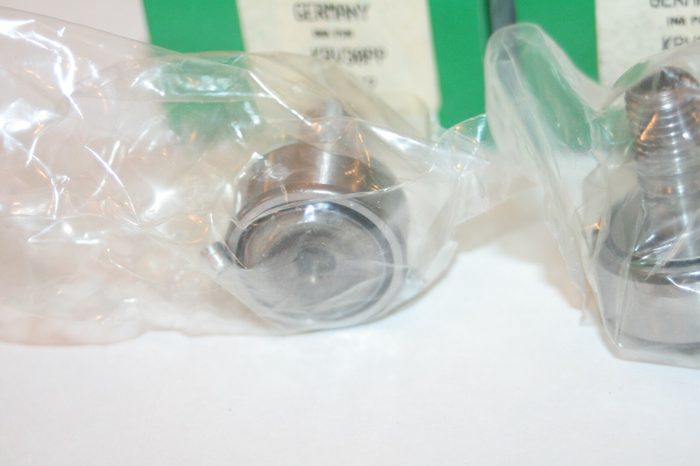
Stud type track roller
Dimensions: 12x30x14 mm
-
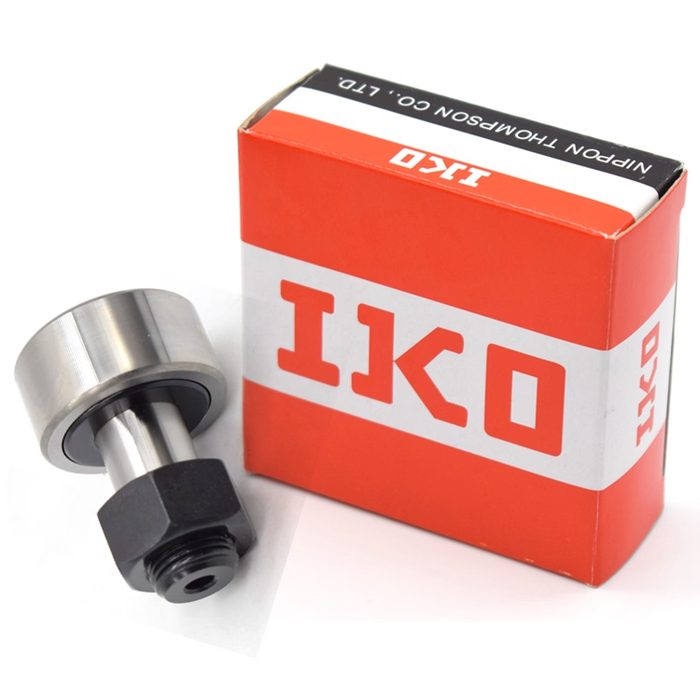
Track Roller, Standard Stud, Unsealed/Slotted
Roller Diameter: 1-3/8"
-
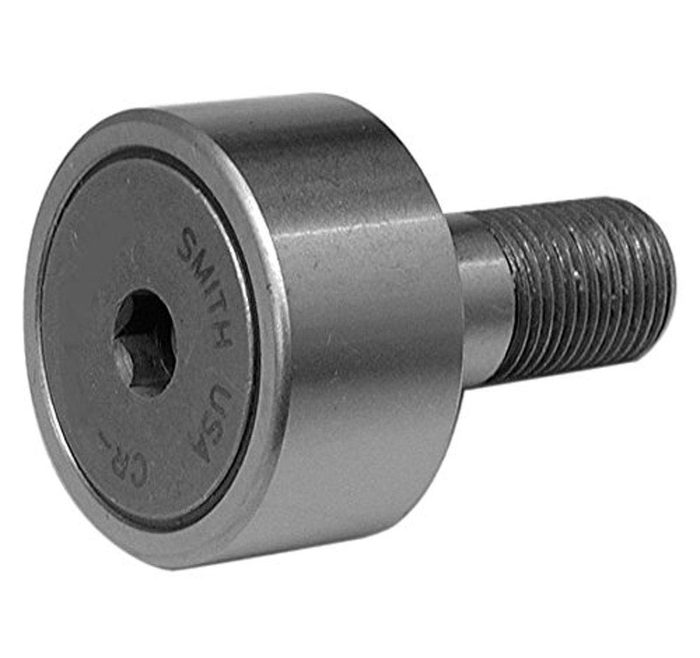
Track Roller, Stud
Roller Diameter: 4 in
-
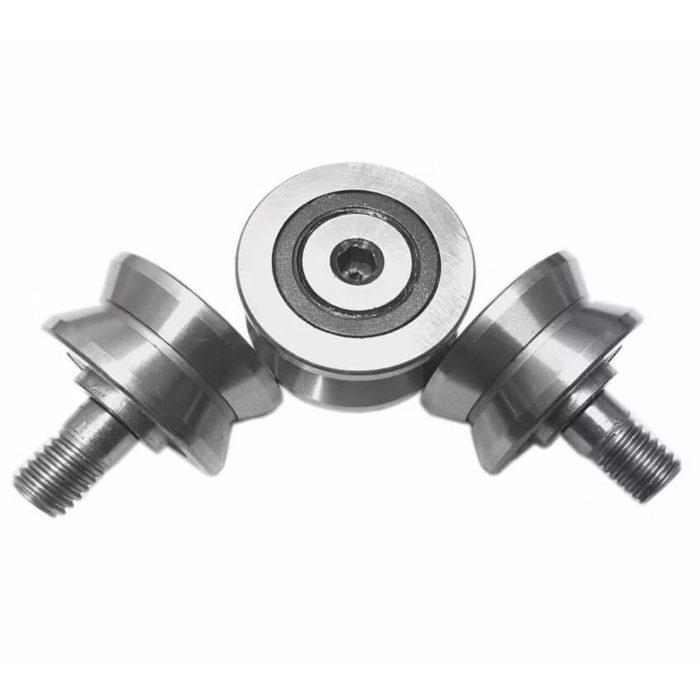
Track Roller, Stud, Plain Roller Type
Roller Diameter: 1.000 In.Roller Width: 0.7813 In.Stud Diameter: 0.437 In.Stud Length: 1.000 In.Thread Size: 7/16-20
About cams & cam followers
Cams and cam followers translate rotary motion into linear motion or provide intermittent motion control. This category encompasses cam followers, track rollers, yoke rollers, and cam plates. Cam followers, often referred to as stud-type cam followers, integrate a stud for mounting, with common series including inch-dimensioned (e.g., CF, CYR) and metric-dimensioned (e.g., KR, NUKR) variants. They are characterized by bore diameter, overall length, stud diameter, and dynamic/static load ratings. Track rollers (e.g., LR, LFR series) and yoke rollers (e.g., NUTR, PWTR series) are bearing assemblies designed for linear guidance, typically mounted on an external shaft or stud. Key selection parameters for these include outer diameter, inner diameter, width, and load capacity. Cam plates, or cam profiles, are the active components that interact with followers to generate specific motion profiles. Materials commonly include hardened bearing steel (e.g., 100Cr6, SAE 52100) for rollers and studs, with options for corrosion-resistant stainless steel or surface treatments like black oxide or zinc plating. Seals, such as contact or non-contact types, are crucial for retaining lubrication and excluding contaminants, impacting operating temperature and service life.
How to choose
Selecting the appropriate cam or cam follower involves a sequential decision process. First, define the motion profile and load requirements: Does the application require intermittent indexing, linear guidance, or precise motion translation? This determines whether a cam plate with a specific profile or a linear track roller is needed. Second, consider mounting constraints: Is a stud-type (cam follower) or yoke-type (yoke roller) mounting preferred, or is an external shaft used (track roller)? This dictates the basic component type. Third, determine the required load capacity and operating speed, which influences the roller diameter, bearing type, and lubrication. Fourth, specify environmental conditions, such as temperature, moisture, or chemical exposure, to select appropriate materials (e.g., stainless steel), seals, and lubrication. Finally, verify dimensional compatibility with existing components and available space.