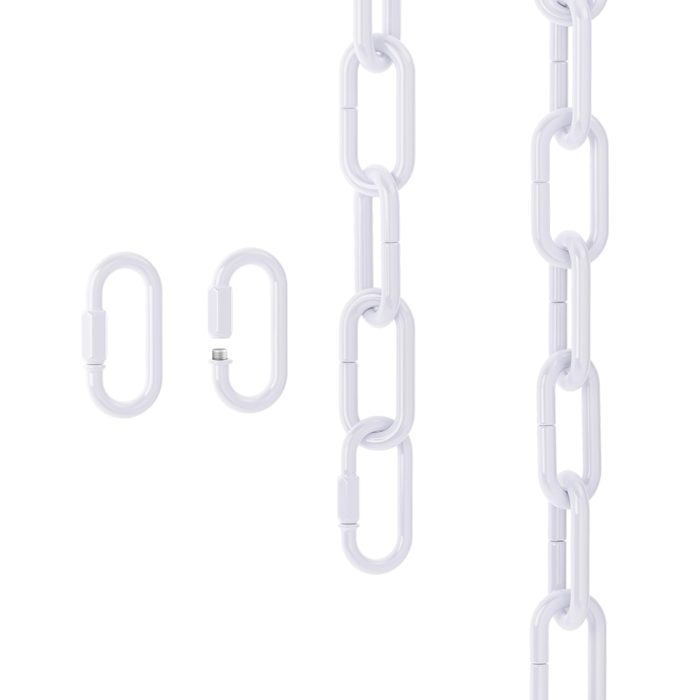
Cable Management
Drag chain, glands, conduit, sleeving, ties and strain relief.
Also searched as: cable chaindrag chaincable glandconduitcable tiesspiral wrap
-
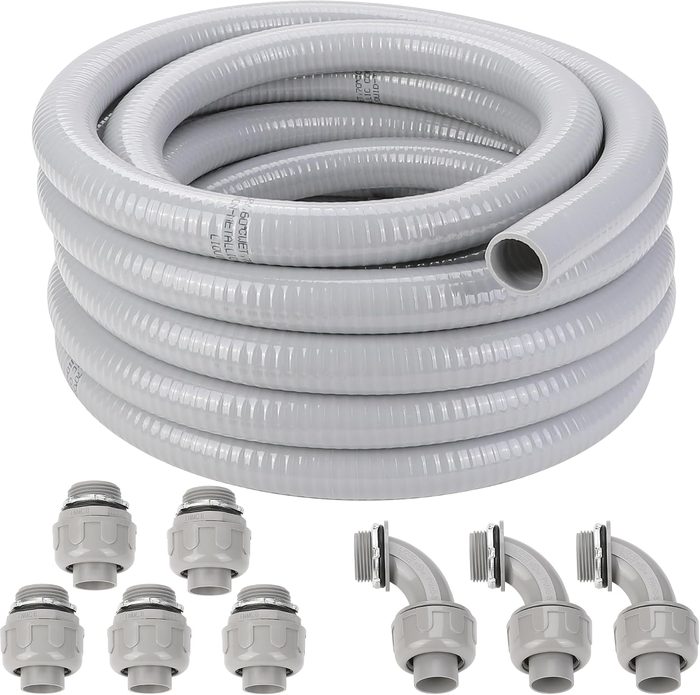
1 Inch Flexible Liquid Tight Conduit 25FT, Non Metallic
Diameter: 1 InchLength: 25 FT
-
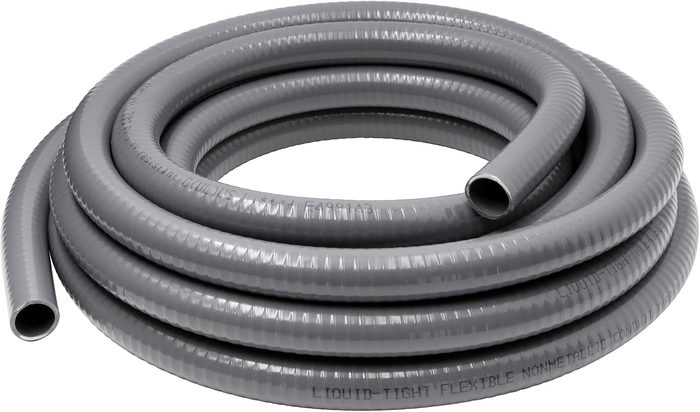
1/2Inch 25 Foot Flexible Non Metallic Liquid Tight Electrical Conduit
Diameter: 1/2 InchLength: 25 Foot
-
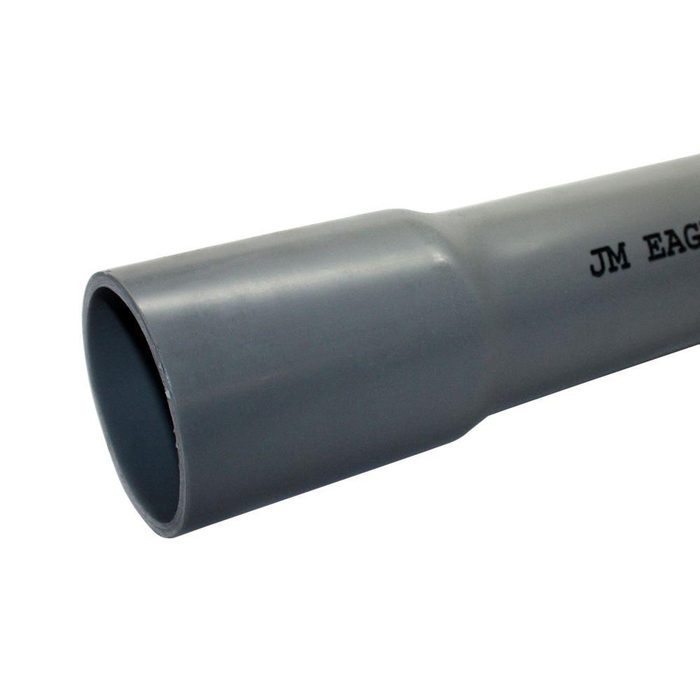
2" x 10' Sch40 Electrical PVC Pipe Conduit
Diameter: 2"Length: 10'Schedule: 40
-
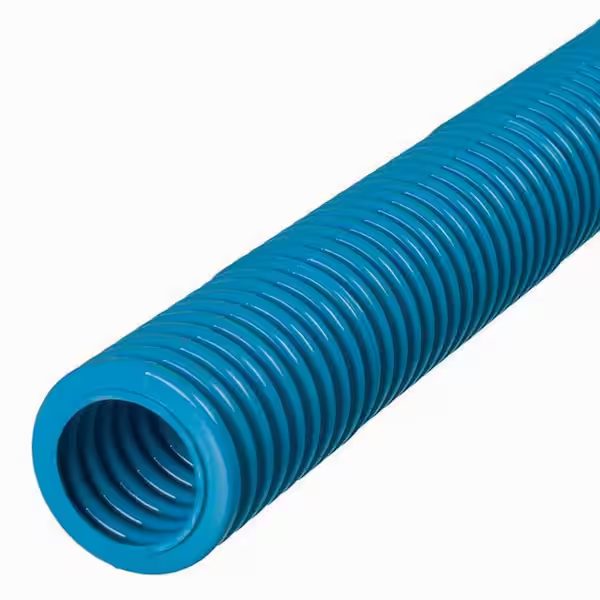
200Ft Electrical Nonmetallic Tubing Conduit Coil 1/2in
Diameter: 1/2 inLength: 200 ft
-
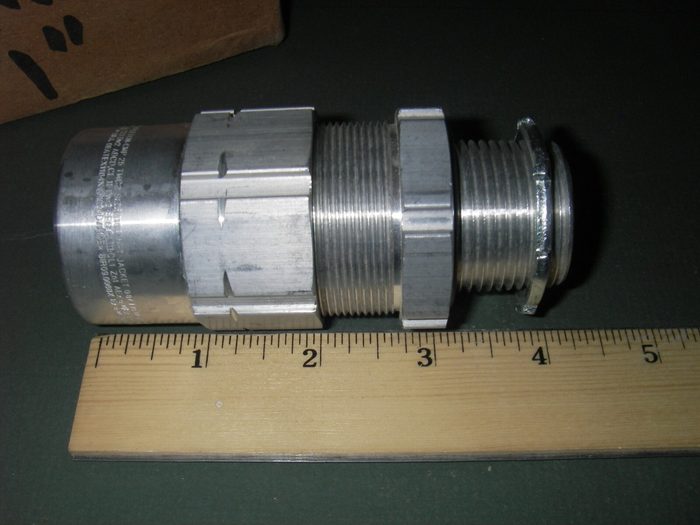
3 inch Cable Gland
Size: 3 inch
-
-
-
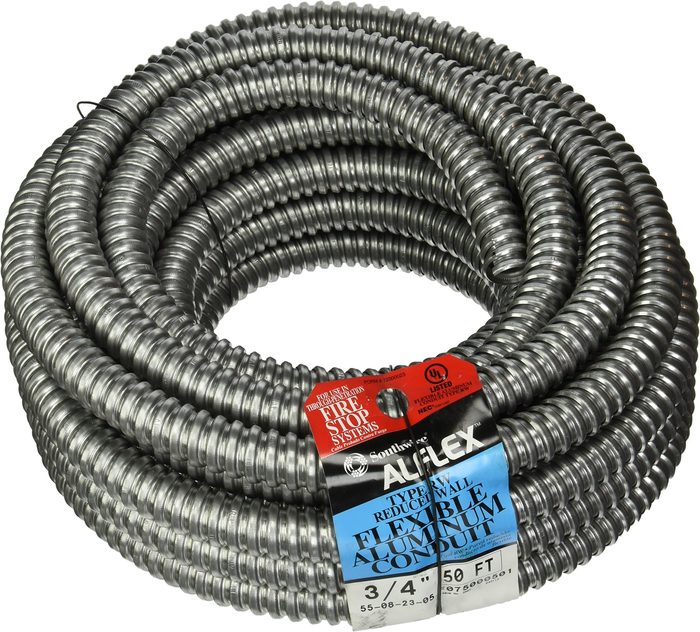
Conduit Standard 50' Roll, 0.188" Wire
Length: 50 ftWire Size: 0.188 in
-
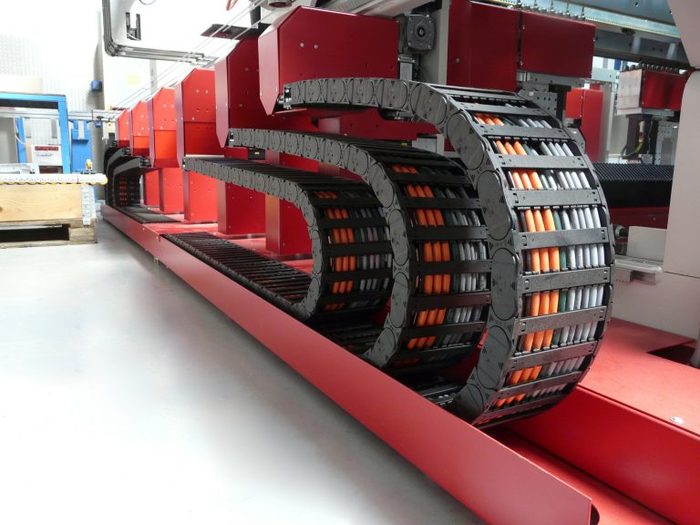
Energy chain
Dimensions: 15x20R28Length: 1 meter
-
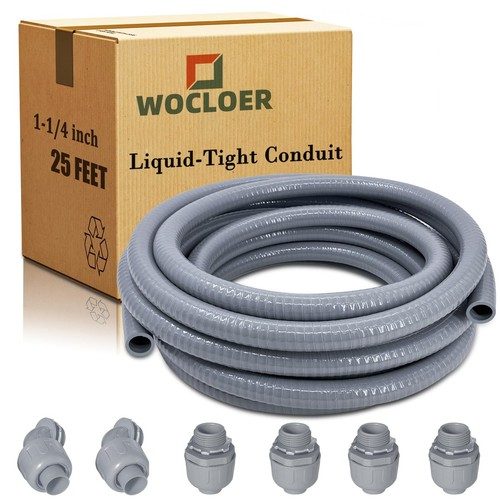
Liquid-Tight Conduit, 1-1/4 inch 25 Foot Flexible Non Metallic
Diameter: 1-1/4 inchLength: 25 foot
-
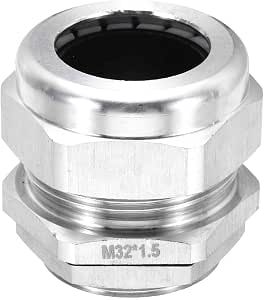
M32 Cable Gland
Cable Diameter: 6-7mmWires: 4
-
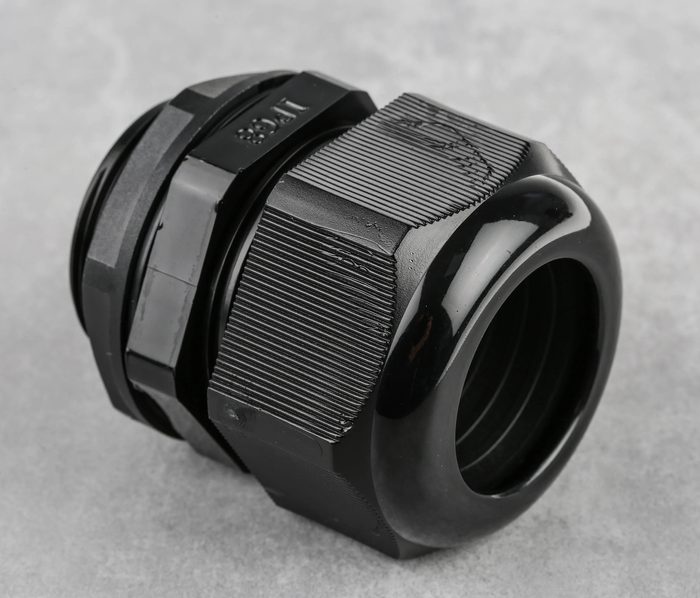
M40 Cable Gland
Cable Diameter: 7-8mmWires: 3
-
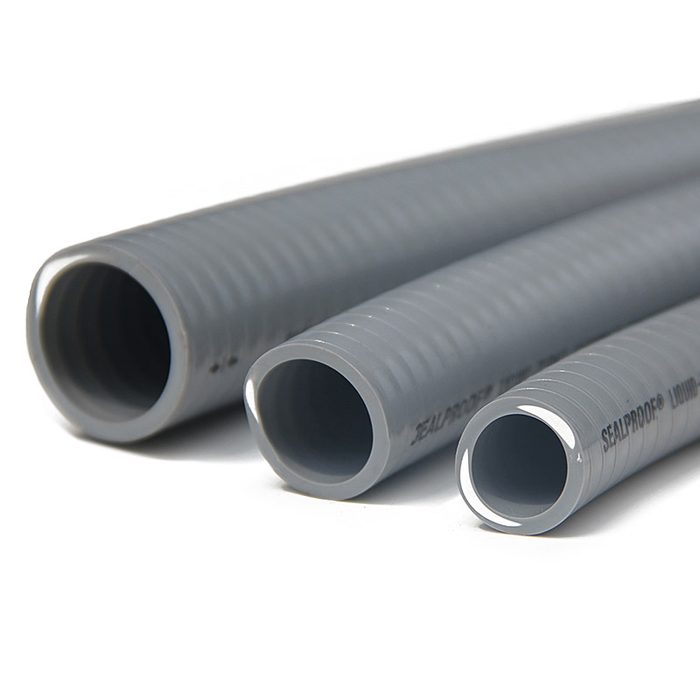
Non-Metallic Conduit
Length: 50 Foot
-
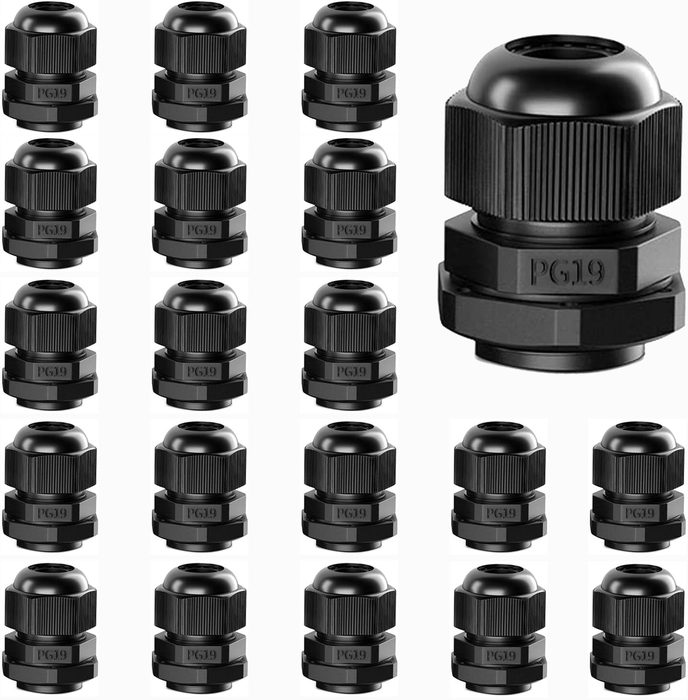
PG19 Cable Gland
Size: PG19
-
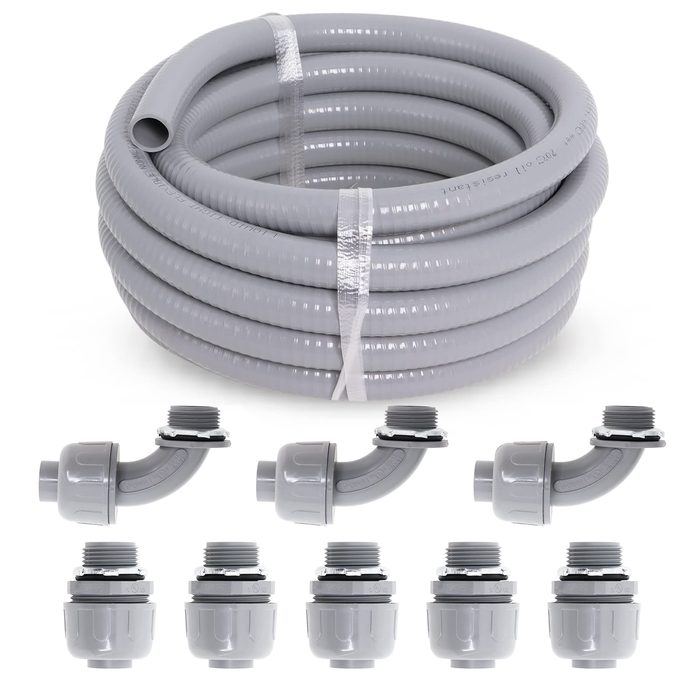
PVC Conduit Kit with Straight & Angle Fittings
Fittings: 6 straight, 5 90-degree
-
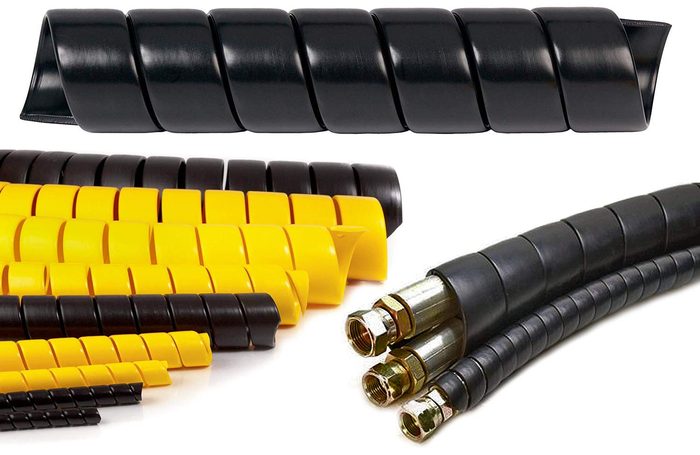
Plastic Spiral Wrap
Length: 6 foot
-
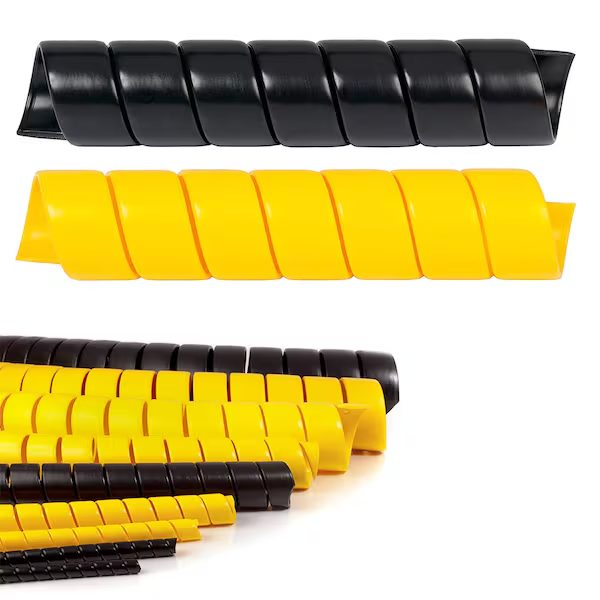
Polyethylene Spiral Wrap
Length: 300'Outside Diameter: 1/2"Wall: 0.062
-
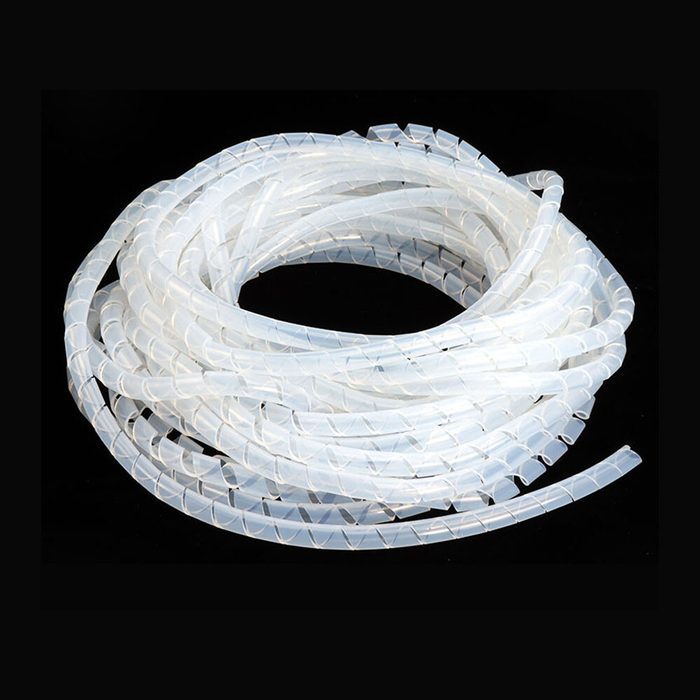
-
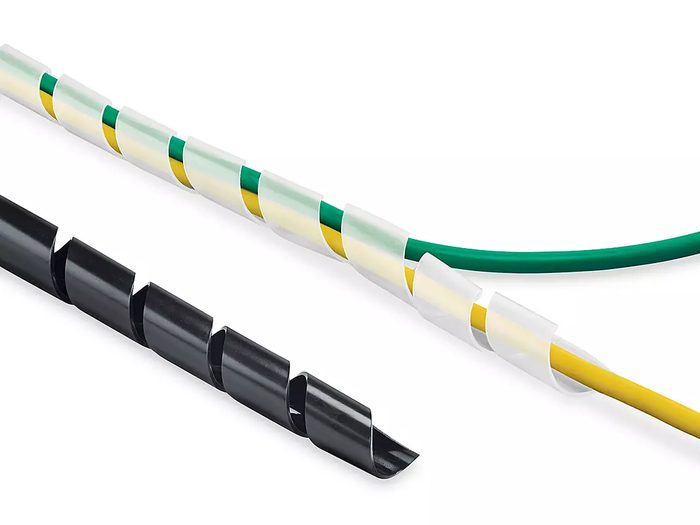
Spiral Wrap
Diameter: 1"Length: 100' Roll
-
-
Spiral Wrap Hose Cable Protector
Inner Diameter: 1.7-inchLength: 10-footOuter Diameter: 2.0-inch
About cable management
Cable management components organize, protect, and secure electrical and data cabling in industrial and commercial applications. Drag chains, also known as cable chains, guide and protect flexible cables and hoses in motion, with variants including open, enclosed, and cleanroom-compatible designs. Selection is based on inner height and width, bend radius, unsupported length, and acceleration/speed ratings. Cable glands provide strain relief and environmental sealing at enclosure entry points, specified by thread type (e.g., M, PG, NPT), cable diameter range, and IP/NEMA ratings. Conduit, available in flexible (e.g., corrugated, liquid-tight) and rigid forms, protects cables from mechanical damage and environmental ingress. Sleeving, such as braided, heat shrink, or spiral wrap, offers abrasion protection, insulation, and bundling. Cable ties, including releasable, UV-resistant, and high-temperature versions, secure bundles, selected by tensile strength, length, and material. Strain relief components prevent tension from being transmitted to electrical connections, with types like cord grips and clamp-style reliefs chosen by cable diameter and mounting method. Common materials include polyamide, polypropylene, PVC, steel, aluminum, and nickel-plated brass.
How to choose
When selecting cable management components, first define the application's environmental conditions: indoor/outdoor, temperature range, chemical exposure, and required IP/NEMA rating. For moving applications, determine cable/hose count, outer diameters, and minimum bend radius to size drag chains or flexible conduit. Next, consider mechanical protection needs: abrasion, impact, or crush resistance will dictate conduit type (e.g., corrugated vs. liquid-tight) or sleeving material. For enclosure entries, match cable gland thread type (M, PG, NPT) and size to the enclosure opening and cable diameter range, ensuring adequate strain relief. Finally, for bundling and securing, select cable ties based on tensile strength, length, and material (e.g., nylon 6/6, stainless steel) appropriate for the load and environment.