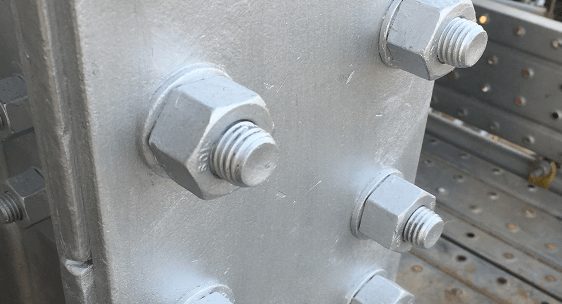
Bolts
Hex, carriage, structural, eye and U-bolts across grades and finishes.
Also searched as: hex boltscarriage boltsstructural boltsgrade 8 boltseye bolts
-
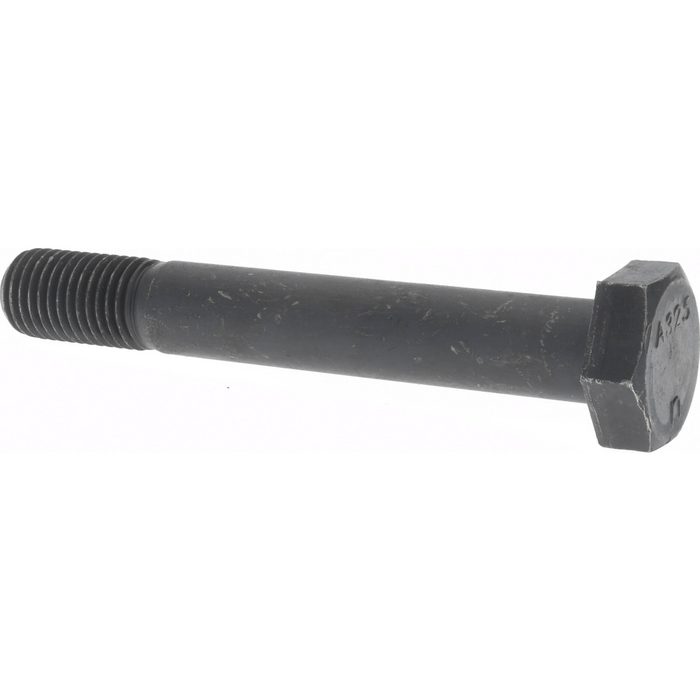
1-8X7 Structural Bolt
Diameter: 1 inchLength: 7 inchPack Quantity: 5Thread Pitch: 8
-
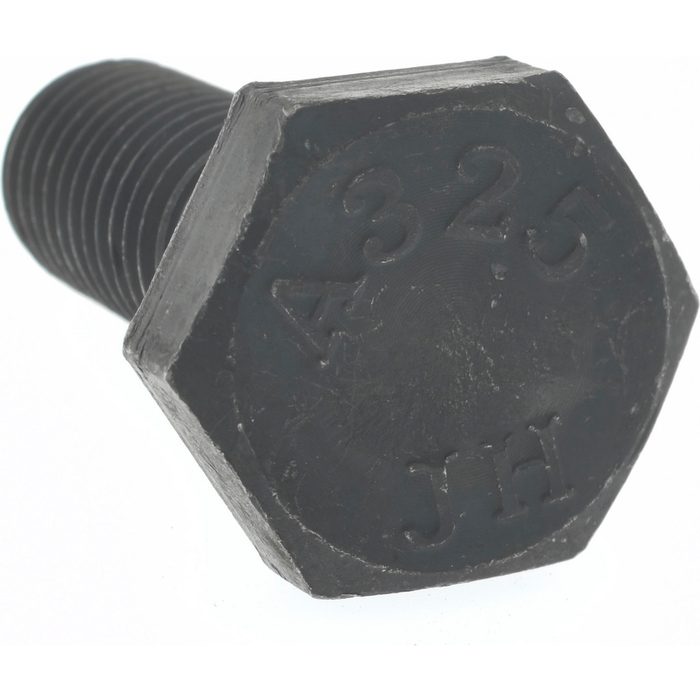
1/2-13X1-1/2 Structural Bolt
Diameter: 1/2 inchLength: 1-1/2 inchPack Quantity: 100Thread Pitch: 13
-
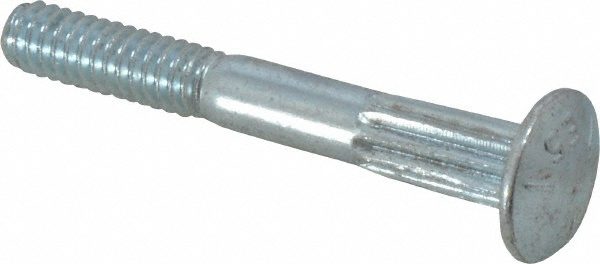
Carriage Bolt: 1/4-20, 2" Length Under Head, Ribbed Neck, Grade 5, Partially Threaded
Diameter: 1/4 inchGrade: 5Length Under Head: 2 inchNeck Type: RibbedStandards: SAE J429
-
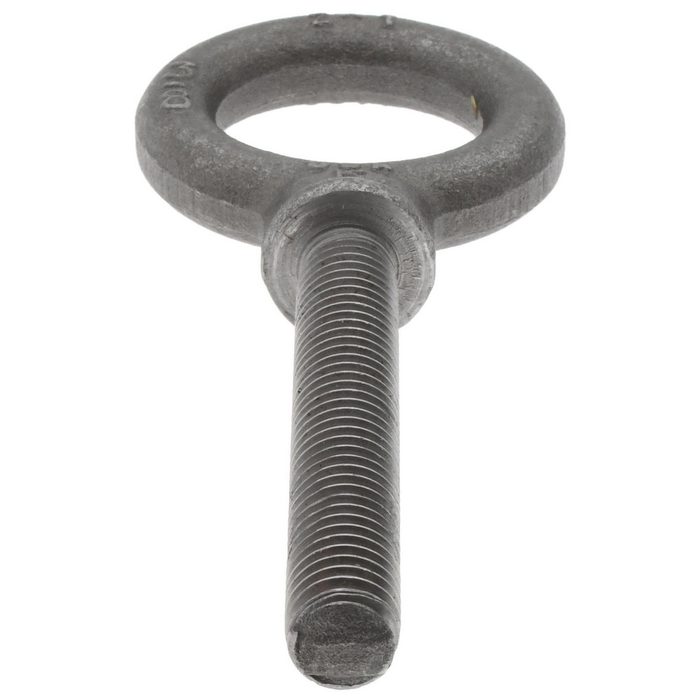
Fixed Lifting Eye Bolt, With Shoulder, 3/8-16 Thread, Grade 1030 Steel
Capacity: 1300 lbThread Size: 3/8-16
-
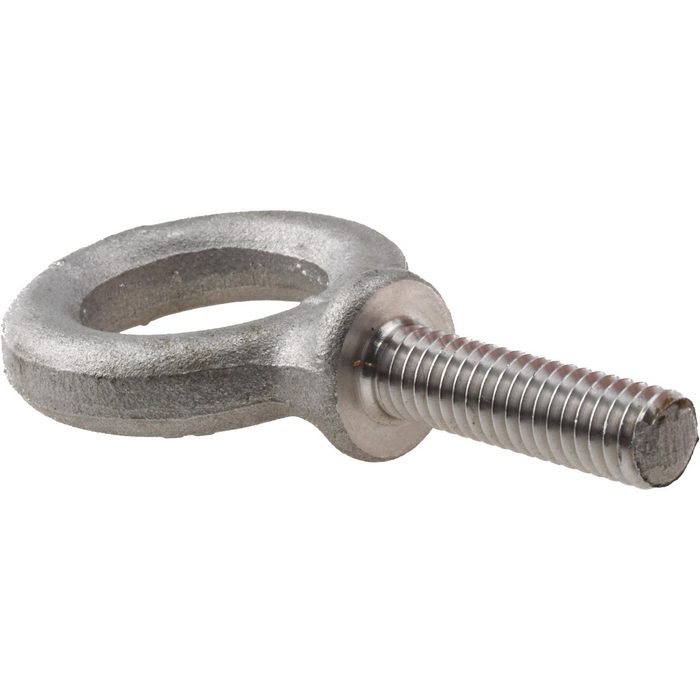
Fixed Lifting Eye Bolt, With Shoulder, 5/16-18 Thread, Grade 304 Stainless Steel, Fully Threaded, 1-1/8 inch Shank
Capacity: 780 lbShank: 1-1/8 inchThread Size: 5/16-18
-
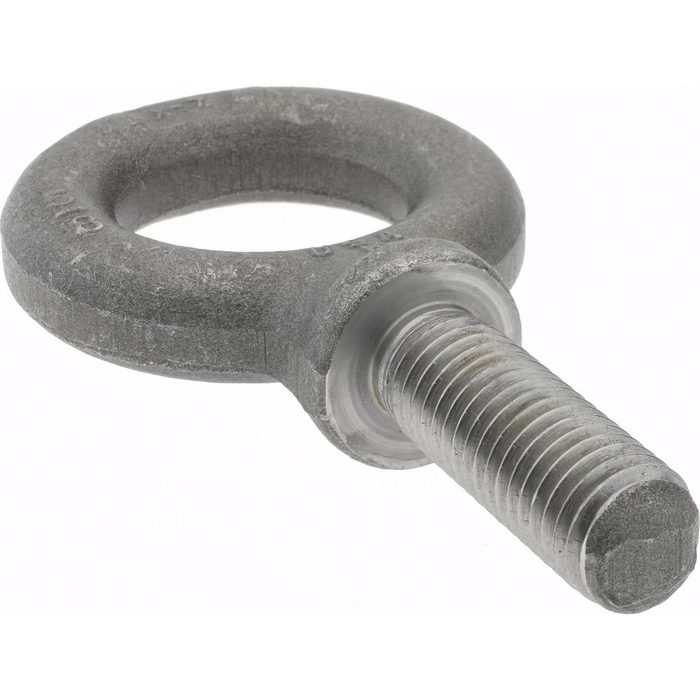
Fixed Lifting Eye Bolt, With Shoulder, 5/8-11 Thread, Grade 1030 Steel
Capacity: 4000 lbThread Size: 5/8-11
-
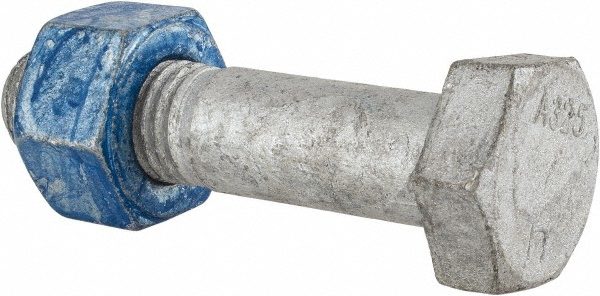
Hex Head Bolt: 3/8-16, 5" Length Under Head, Grade A325, Galvanized Finish, Partially Threaded
Diameter: 3/8 inchFinish: GalvanizedGrade: A325Length Under Head: 5 inchThread Pitch: 16
-
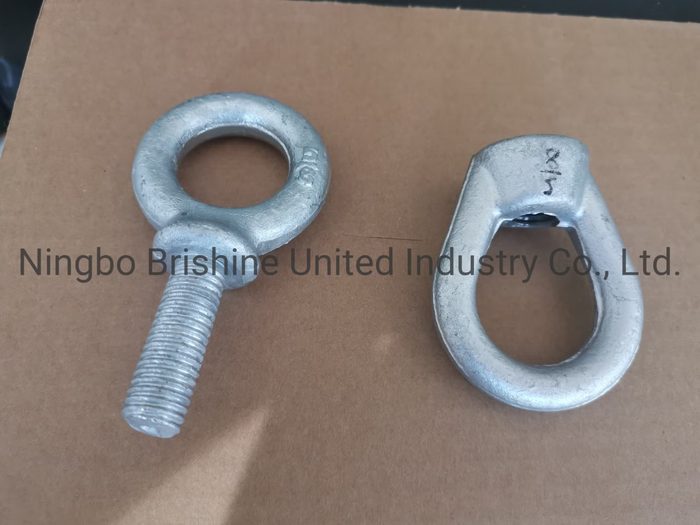
Lifting Eye Bolt, Forged, Shoulder Type
Type: Forged, Shoulder Type
-
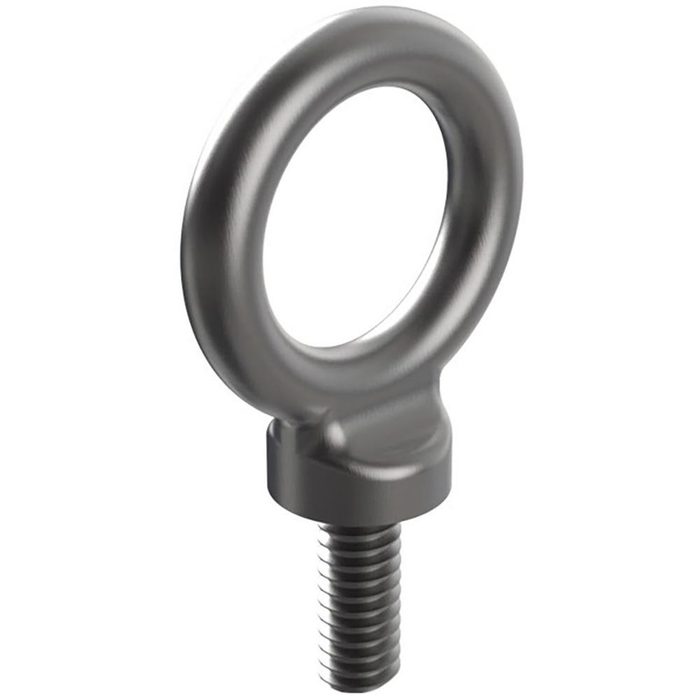
Lifting Eye Bolt, Forged, Shoulder Type
Eye Inside Diameter: 2-1/2 inchEye Outside Diameter: NoneLifting Capacity: 21000 lb
-
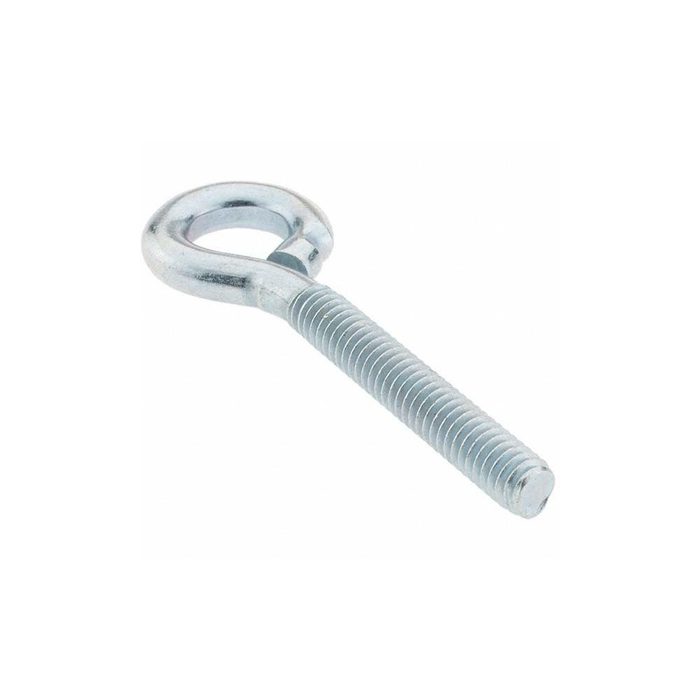
Steel Wire Turned Eye Bolt, #12-24, Zinc-Plated Finish
Bolt Thread Size: #12-24Capacity: 4000 lb
About bolts
Bolts are externally threaded fasteners designed for insertion through holes in assembled parts, and are normally intended to be tightened or released by torquing a nut. The primary function of a bolt is to create a clamped joint through tension. Common types include hex bolts (often specified to ASME B18.2.1 or ISO 4014/4017), carriage bolts (ASME B18.5), structural bolts (ASTM A325/A490), eye bolts (ASME B18.15), and U-bolts. Selection is primarily defined by diameter, length, thread pitch (e.g., UNC, UNF, metric coarse, metric fine), and material grade. Material grades such as SAE J429 Grade 2, 5, or 8 for steel, or ASTM F593 for stainless steel (e.g., 304, 316), dictate tensile strength and proof load. Finishes include plain, zinc plated (clear or yellow chromate), hot-dip galvanized (ASTM A153), and black oxide, providing varying levels of corrosion resistance. Head styles, such as hex, round, or square, and drive types, though less common for bolts than screws, also differentiate variants. Specialized bolts may incorporate features like serrations under the head or specific thread forms for particular applications.
How to choose
When selecting bolts, first determine the application's required tensile and shear strength, which dictates the material grade (e.g., SAE Grade 5, Grade 8, A325, 316 Stainless). Next, specify the nominal diameter and length required for the joint, ensuring sufficient thread engagement. Consider the environmental conditions to select an appropriate finish for corrosion resistance (e.g., zinc plating for mild environments, hot-dip galvanizing for outdoor exposure, stainless steel for corrosive or food-grade applications). Finally, choose the head style and thread type (e.g., UNC, UNF, metric coarse) based on assembly constraints and compatibility with mating components. Verify compliance with relevant standards like ASME or ISO for interchangeability and performance.