Batteries & Charging
Li-ion, LiFePO4, SLA packs, chargers and battery management.
Also searched as: lifepo4lithium batterybmsbattery chargersla battery
-
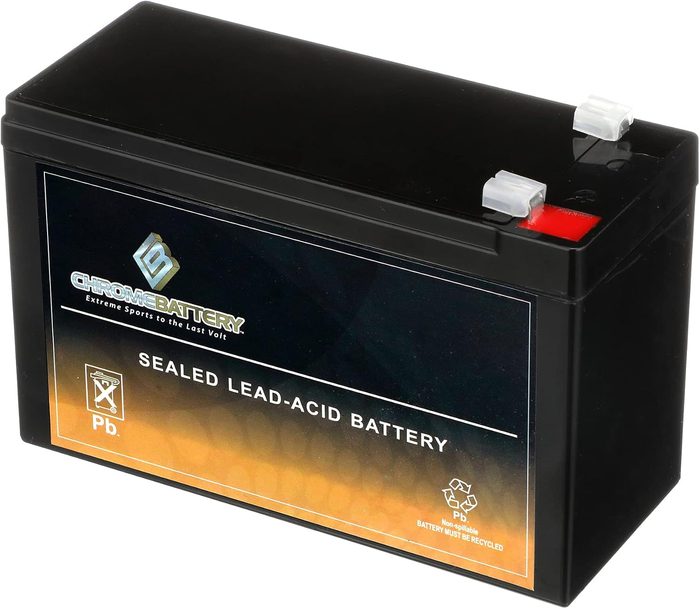
SLA Battery
Capacity: 38 AhVoltage: 12 V
-
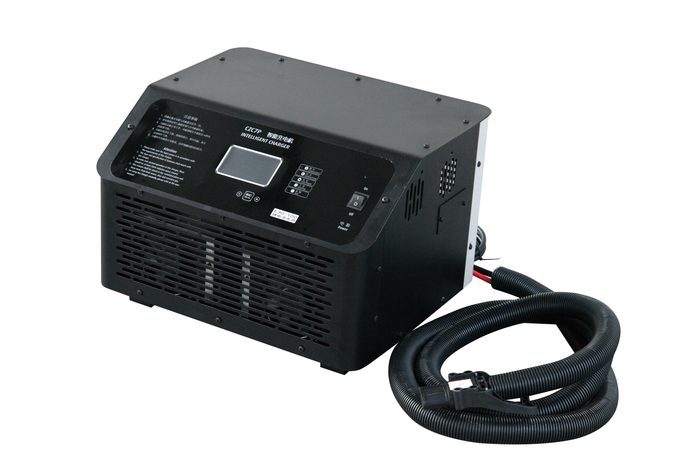
Shineng Czc7 Battery Charger Input AC 100-240V
Battery Range: 130-165AhDC Current: 20AInput Power: 0.72 KwInput Voltage: AC 100-240VOutput Voltage: 24V
-
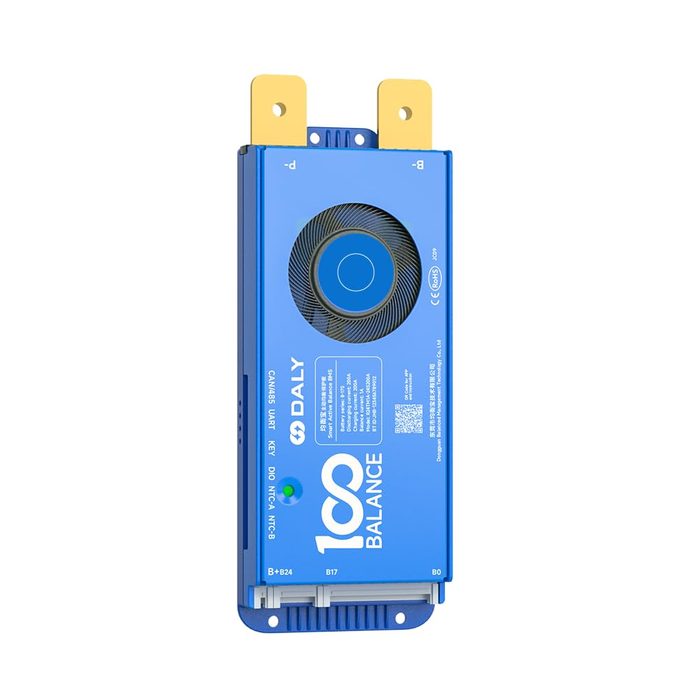
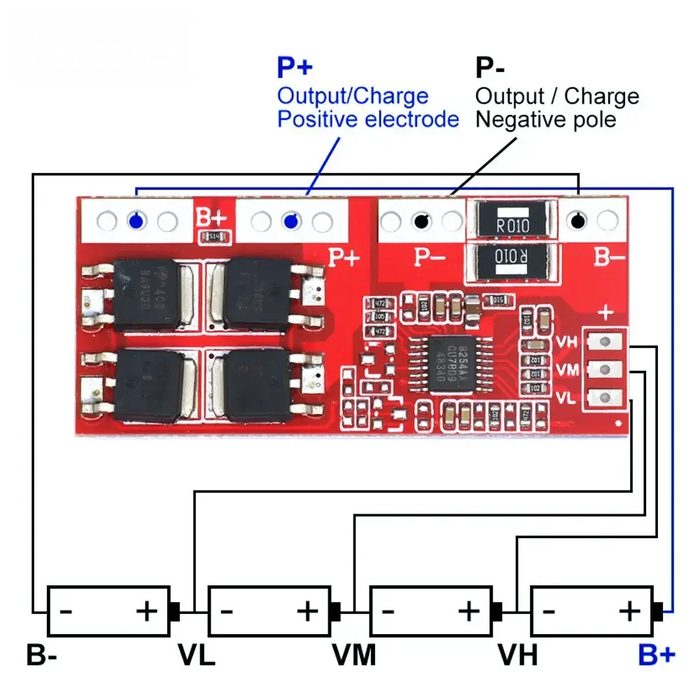
Smart Active Balance Battery Management System
Current: 40A-500ASeries: 4s-8s
-
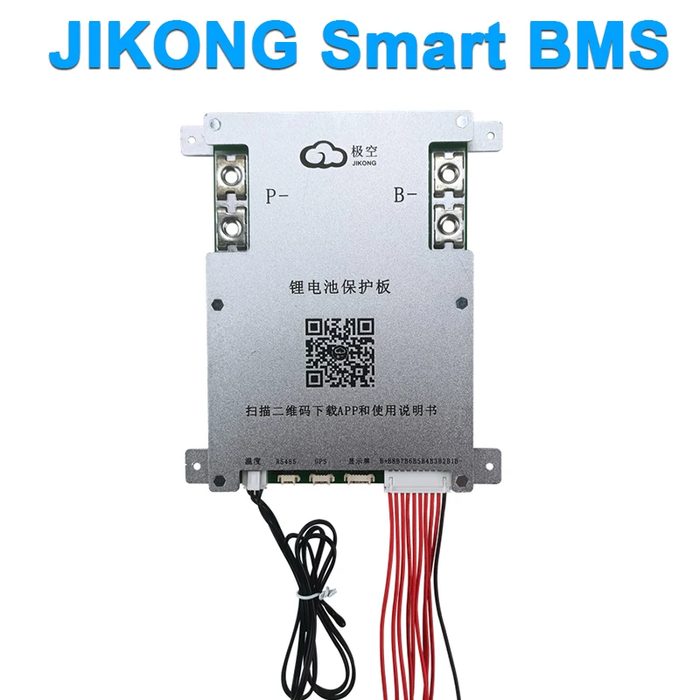
Smart BMS
Cell Series: 4s, 7s, 8sCurrent: 100ACurrent 2: 200ACurrent 3: 1ACurrent 4: 2A
-
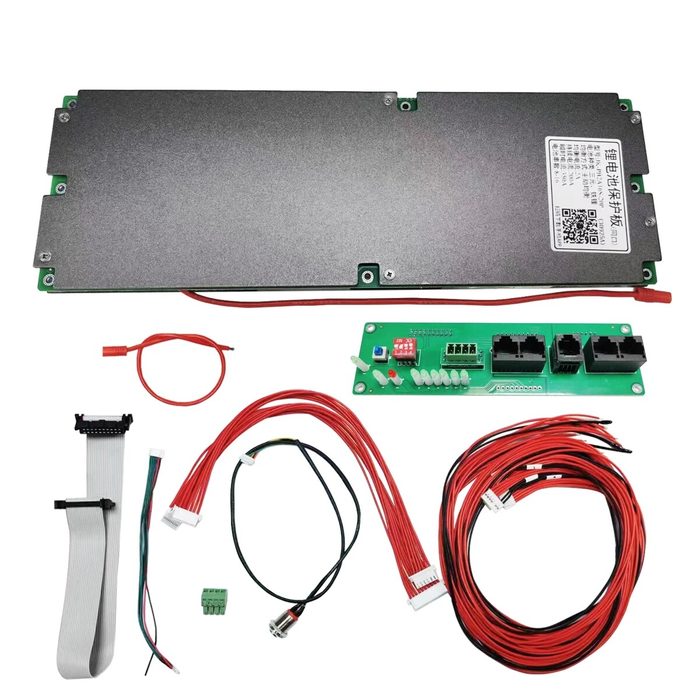
Smart BMS 8-16s 24V 48V 100A 150A 200A with Bluetooth
Cell Series: 8-16sCurrent: 100A, 150A, 200AVoltage: 24V, 48V
-
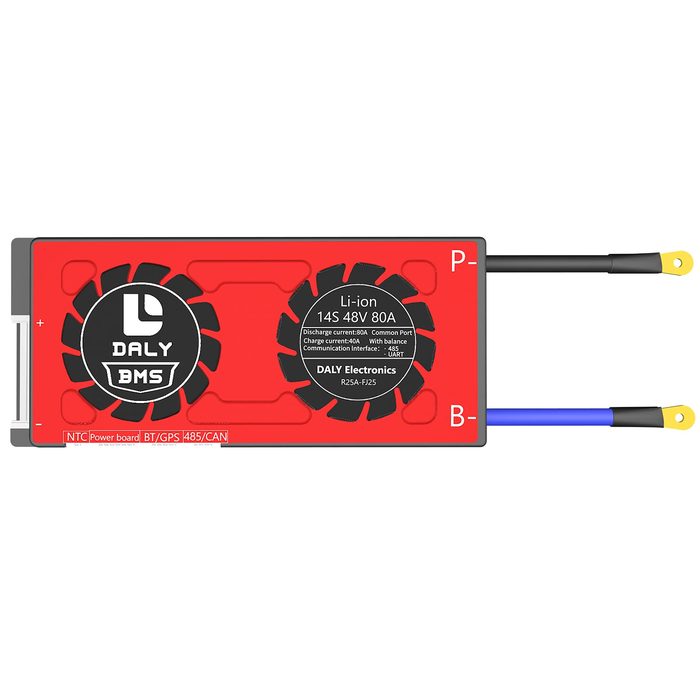
Smart BMS High Current 600A Li-ion 13s 48V Uart Can
Cell Series: 13sCurrent: 600AVoltage: 48V
-
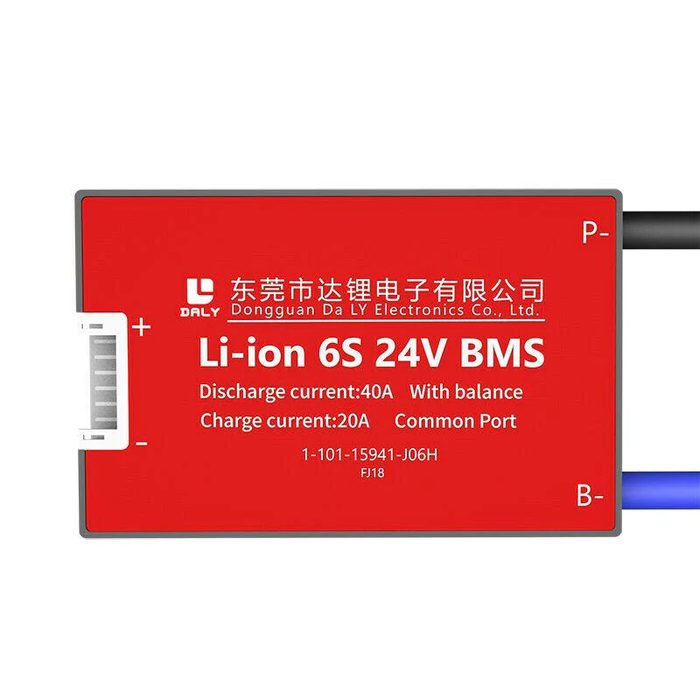
Smart BMS Li-ion 6s 24V 40A
Cell Series: 6sCurrent: 40AVoltage: 24V
-
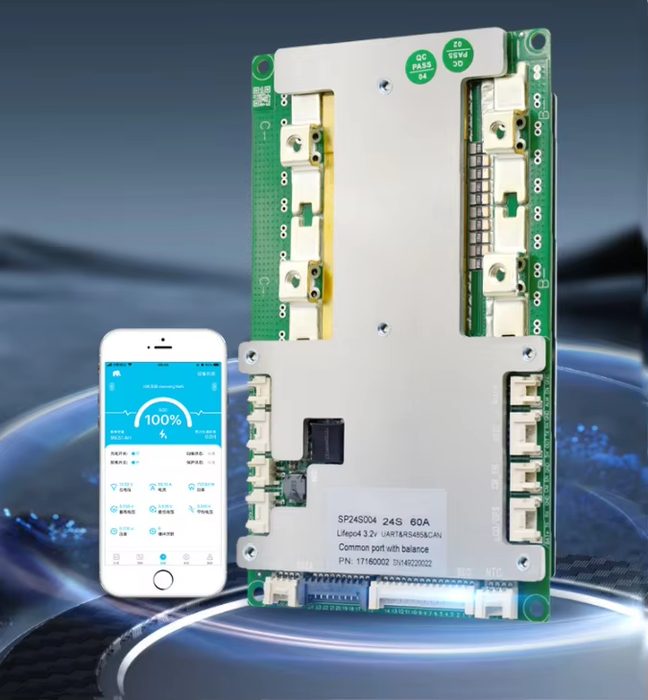
Smart BMS with RS485/Can Communication Port
Communication: RS485/Can
-
-
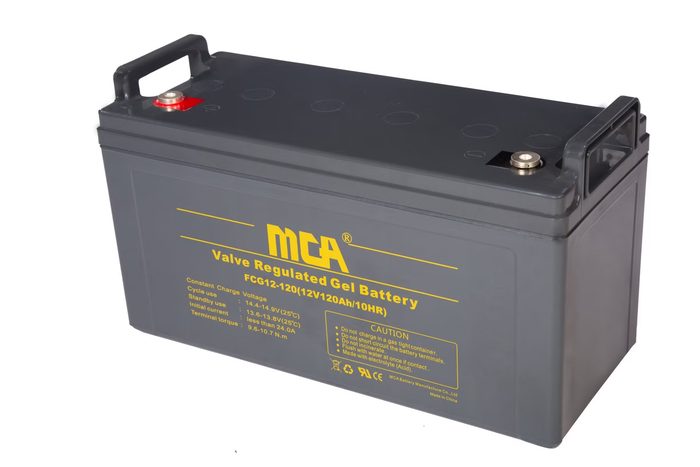
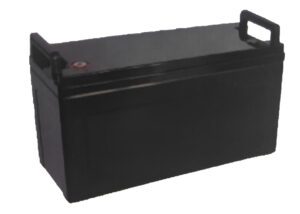
VRLA Battery
Battery Technology: VRLACapacity: 150 AhVoltage: 6 V
-
About batteries & charging
The Batteries & Charging category encompasses energy storage and power management solutions for various applications. It primarily includes lithium-ion (Li-ion) and lithium iron phosphate (LiFePO4) battery packs, sealed lead-acid (SLA) batteries, and associated charging and battery management systems (BMS). Li-ion and LiFePO4 packs are characterized by their nominal voltage (e.g., 3.7V per cell for Li-ion, 3.2V per cell for LiFePO4), capacity in Ampere-hours (Ah), and discharge/charge C-rates. SLA batteries are typically rated by voltage (e.g., 6V, 12V) and Ah capacity. BMS units are crucial for lithium chemistries, providing overcharge/discharge protection, cell balancing, and temperature monitoring, often specified by cell count (e.g., 3S, 4S, 16S) and continuous discharge current rating. Chargers are selected based on battery chemistry, nominal voltage, and maximum charge current, with features like constant current/constant voltage (CC/CV) profiles being standard for lithium types. Physical dimensions (length, width, height) and terminal types (e.g., F1, F2 for SLA; various connectors for Li-ion/LiFePO4) are critical for integration. Enclosure ratings (e.g., IP65) may also be relevant for environmental protection.
How to choose
How to Choose Batteries & Charging Components
1. What is the required nominal voltage and capacity (Ah)? This determines the number of cells in series (voltage) and parallel (capacity) for lithium chemistries, or the base voltage and Ah for SLA. Trade-offs include size, weight, and available power. 2. What are the peak and continuous discharge current requirements? This dictates the C-rate of the battery and the current rating of the BMS. Higher currents often mean larger or more robust cells. 3. What battery chemistry is most suitable? Li-ion offers high energy density, LiFePO4 provides longer cycle life and enhanced safety, while SLA is cost-effective for less demanding applications. Each has specific charging requirements. 4. What are the physical space constraints and environmental conditions? This influences battery pack form factor, terminal type, and any necessary IP ratings for the enclosure. Consider operating temperature ranges.