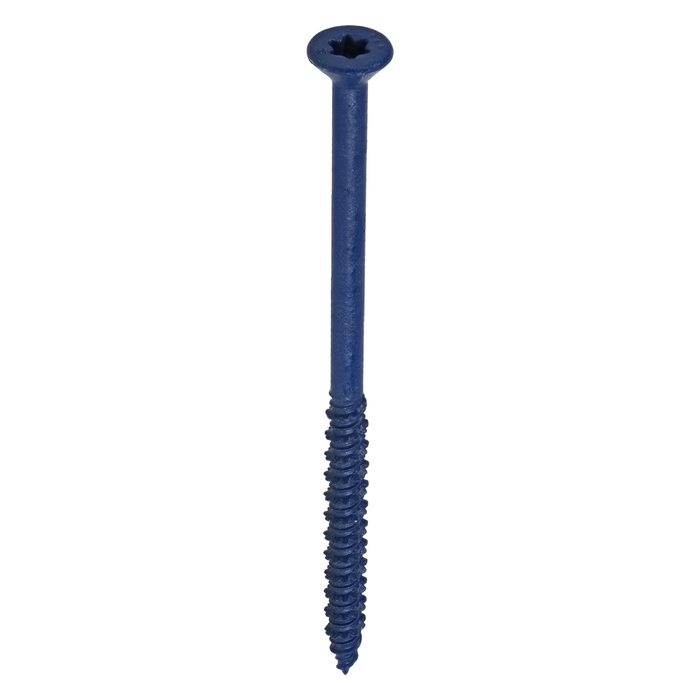
Anchors
Concrete, drywall, sleeve, wedge and chemical anchors.
Also searched as: concrete anchorswedge anchorsdrywall anchorstoggle boltsexpansion anchors
-
1/2" x 4" Round Head Carbon Steel Toggle Bolt Hollow
Size: 1/2" x 4"
-
1/4-20 x 3 Zinc Plated Toggle Bolt Anchors
Drill Size: 5/8"Length: 3"Thread Size: 1/4-20
-
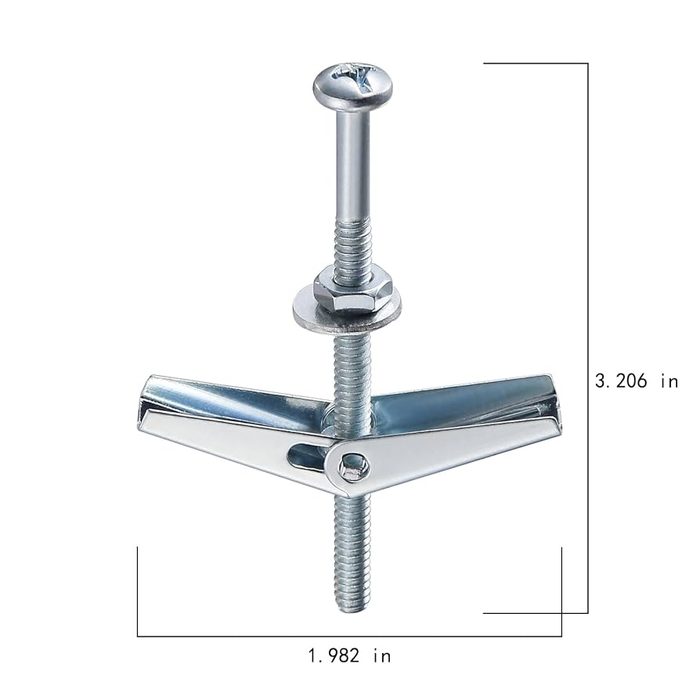
1/4-20 x 4 Zinc Plated Toggle Bolt Anchors
Drill Size: 5/8"Size: 1/4-20 x 4
-
1/4-20 x 6 Zinc Plated Toggle Bolt Anchors
Drill Size: 5/8"Size: 1/4-20 x 6
-
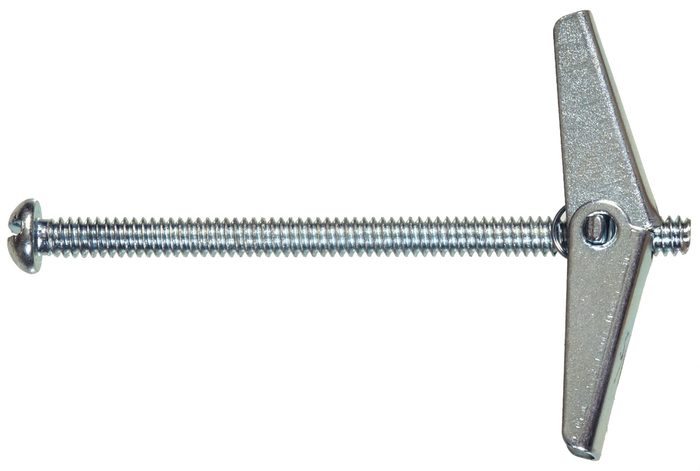
1/8" x 4" Round Head Carbon Steel Toggle Bolt Hollow
Diameter: 1/8"Length: 4"
-
10-24 x 3" Zinc Plated Toggle Bolt Anchors
Drill Size: 1/2"Size: 10-24 x 3"
-
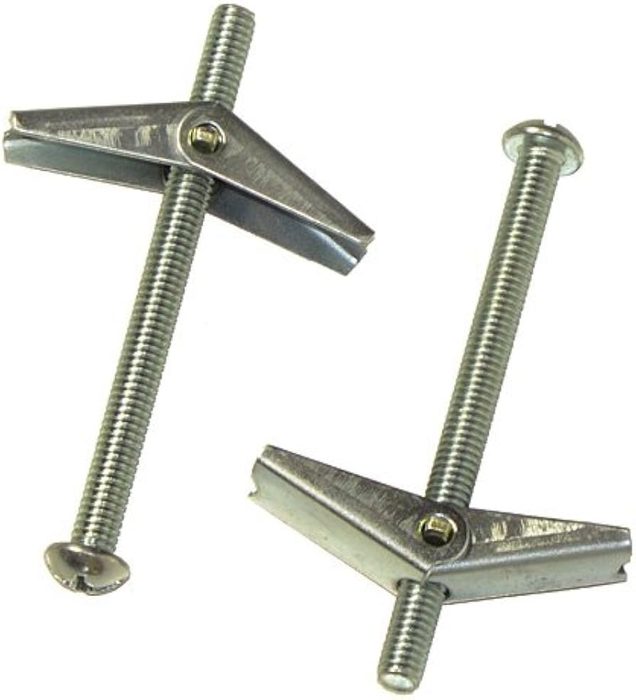
16 x 3" Zinc Plated Toggle Bolt Anchors
Diameter: 16"Drill Size: 7/8"Length: 3"
-
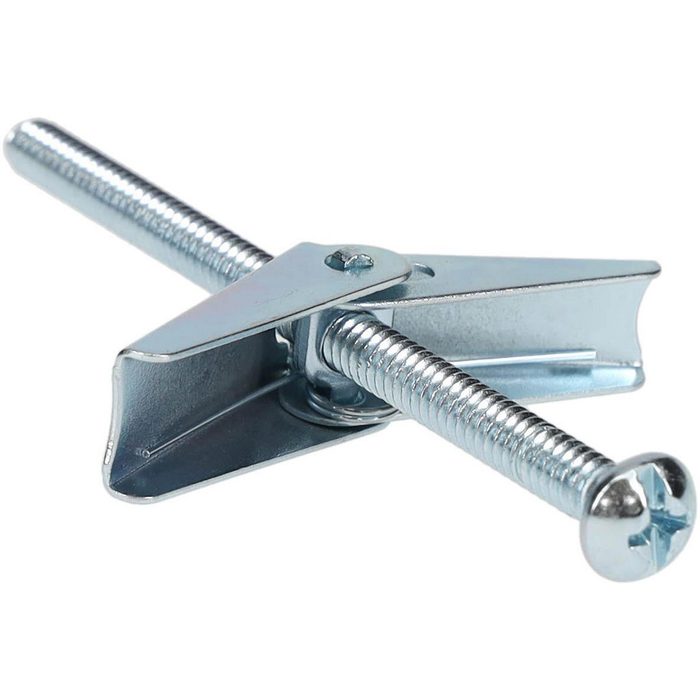
3/16" x 3" Flat Head Carbon Steel Toggle Bolt Hollow Wall
Size: 3/16" x 3"
-
3/16" x 4" Round Head Carbon Steel Toggle Bolt Hollow
Size: 3/16" x 4"
-
3/8" x 3" Round Head Carbon Steel Toggle Bolt Hollow
Diameter: 3/8"Length: 3"
-
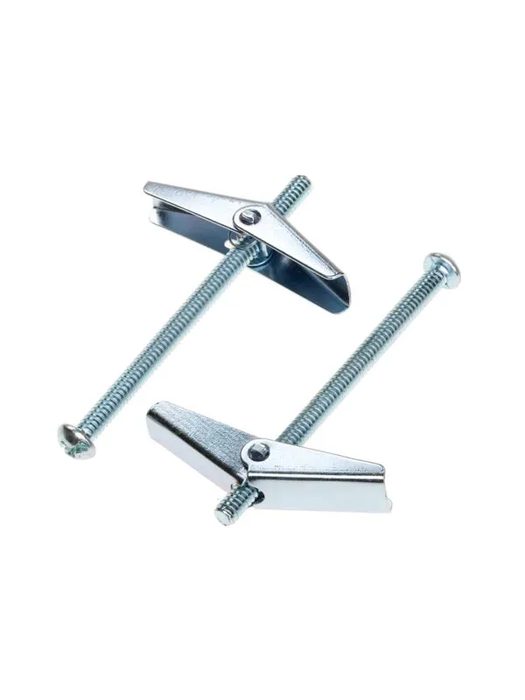
3/8"-16 x 4" Zinc Plated Toggle Bolt Anchors
Drill Size: 7/8"Size: 3/8"-16 x 4"
-
3/8"-16 x 6" Zinc Plated Toggle Bolt Anchors
Drill Size: 7/8"Size: 3/8"-16 x 6"
-
5/16-18 x 4 Zinc Plated Toggle Bolt Anchors
Drill Size: 7/8"Size: 5/16-18 x 4
-
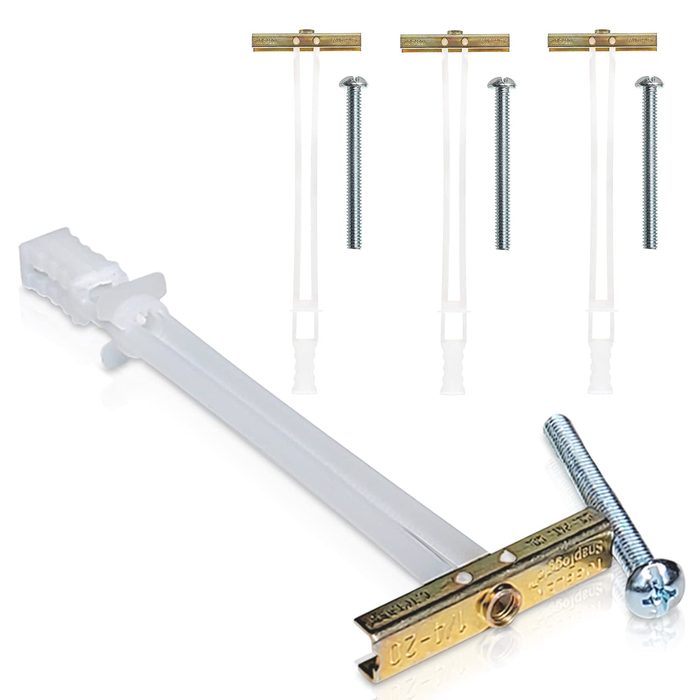
M8 SNAPTOGGLE® Toggle Bolt
Grip Range: 10mm-64mmSize: M8
-
SNAPTOGGLE ® BA 10-24 HEAVY-DUTY TOGGLE BOLT
Size: 10-24
-
SNAPTOGGLE® BA 10-24 Heavy-Duty Toggle Bolt
Size: 10-24
-
TOGGLE BOLT #6-32 X 3
Size: #6-32 X 3
-
TOGGLE BOLT 5/16-18X3
Size: 5/16-18X3
About anchors
Anchors are mechanical fasteners designed to secure objects to substrates, transferring loads through various gripping mechanisms. Common types include concrete anchors, drywall anchors, sleeve anchors, wedge anchors, and chemical anchors. Concrete anchors, such as wedge anchors (e.g., ANSI B18.2.1 compliant), are typically used for heavy-duty applications in solid concrete, offering high shear and tensile strength. Drywall anchors (e.g., toggle bolts, self-drilling anchors) are designed for lighter loads in hollow or gypsum wallboard. Sleeve anchors provide expansion over a larger area, suitable for a range of base materials including concrete, brick, and block. Chemical anchors utilize a resin to create a strong bond within the substrate, offering excellent performance in cracked or uncracked concrete and often exceeding the strength of mechanical anchors. Selection is primarily driven by the substrate material, the applied load (tensile, shear, dynamic), and environmental conditions. Key specifications include anchor diameter (e.g., 1/4" to 1-1/4"), length, embedment depth, ultimate tensile strength (UTS), ultimate shear strength (USS), and allowable working loads. Materials range from zinc-plated carbon steel, hot-dip galvanized steel, and stainless steel (e.g., 304, 316) for corrosion resistance.
How to choose
Selecting the appropriate anchor begins with identifying the substrate material: concrete (cracked/uncracked), brick, block, or drywall. Next, determine the load type and magnitude (tensile, shear, dynamic) and the required safety factor. This dictates the anchor's ultimate strength requirements. Consider environmental factors such as moisture, chemical exposure, and temperature, which will influence material selection (e.g., carbon steel, 304 SS, 316 SS). Finally, assess installation constraints, including available embedment depth, edge distance, and spacing, as these impact anchor performance and code compliance. For instance, heavy dynamic loads in concrete often necessitate chemical anchors, while light static loads in drywall may only require toggle bolts.