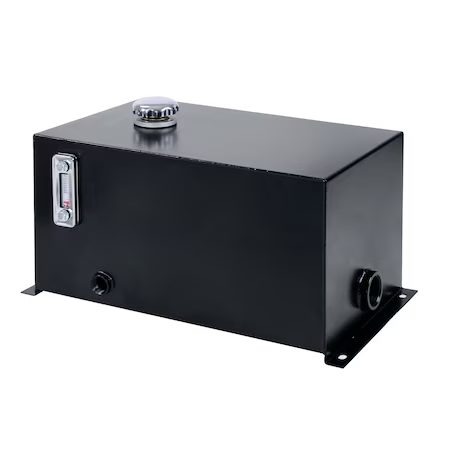
Accumulators & Reservoirs
Bladder, piston accumulators, tanks and hydraulic reservoirs.
Also searched as: accumulatorhydraulic tanksurge tankbladder accumulator
-

Tank Filter
Filtration: 10 or 25 microns
-
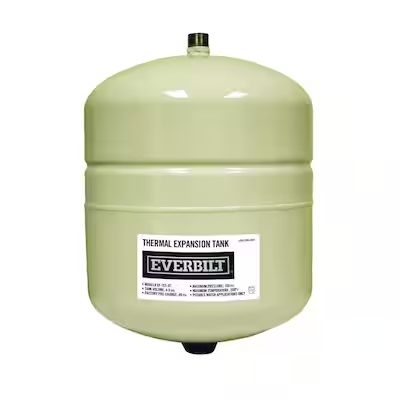
Thermal Expansion Tank
Capacity: 2 gal
-
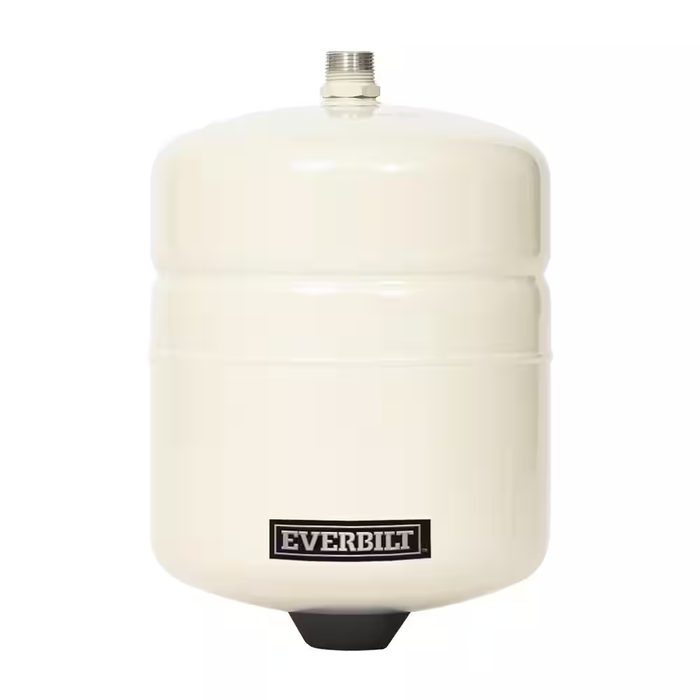
Thermal Expansion Tank
Capacity: 2.0 Gal.
-
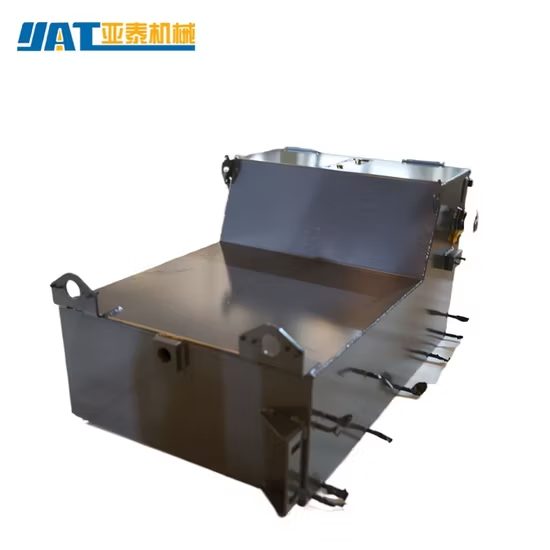
-
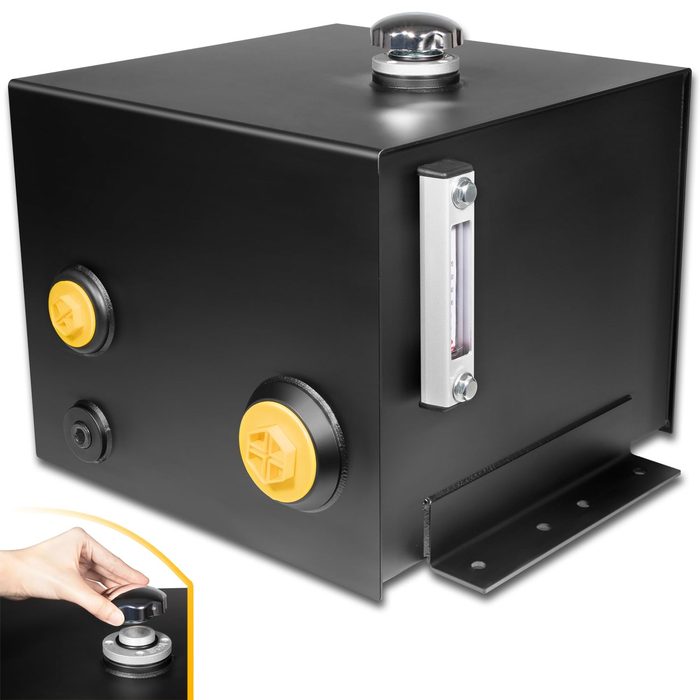
Truck Hydraulic Oil Fluid Tank
Capacity: 189 litreCapacity (US): 50 GAL
-
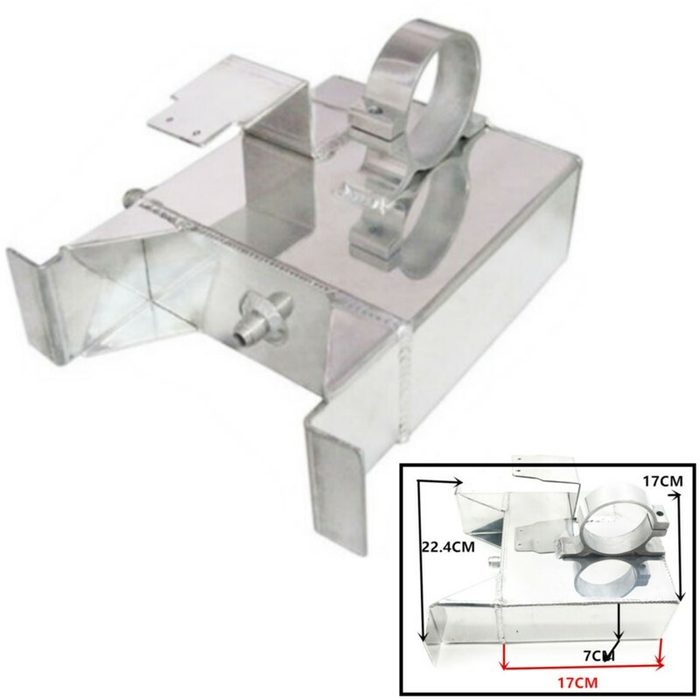
Universal 1.5L Billet Undercar Fuel Surge Tank
Capacity: 1.5 L
from $52.73eBay $52.73 -
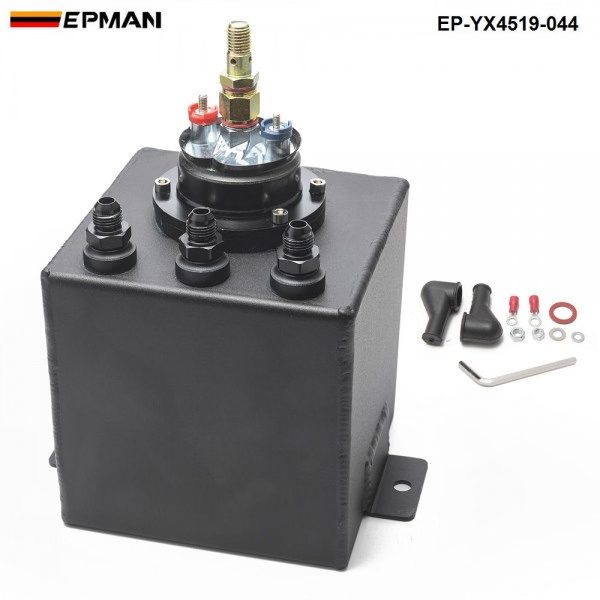
Universal 20 Litre Fuel Surge Tank Swirl Pot System
Capacity: 20 Litre
-
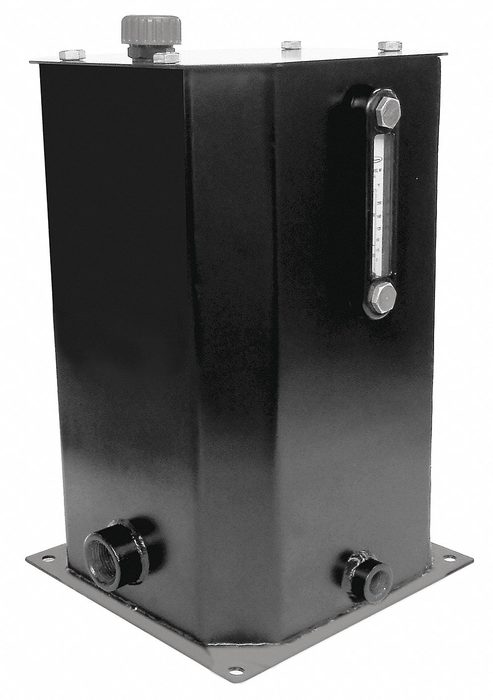
Vertical Hydraulic Reservoir Tank
Nominal Capacity: 2 galSuction Port Thread Size: 1 in NPT
-
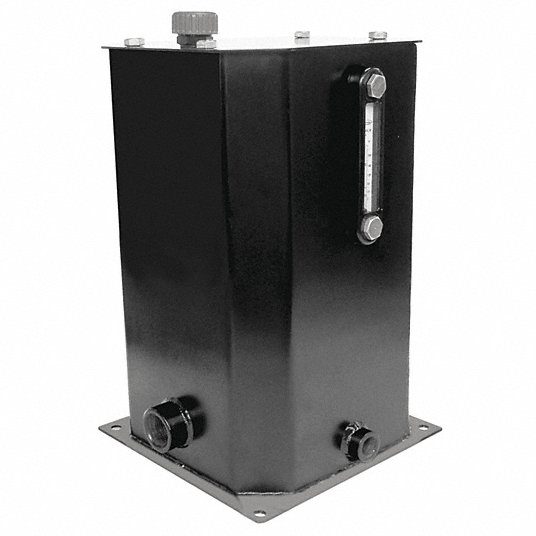
Vertical Hydraulic Reservoir Tank, 8 gal Nominal Capacity, 1-1/2 in NPT Suction Port Thread
Nominal Capacity: 8 galSuction Port Thread: 1-1/2 in NPT
About accumulators & reservoirs
Accumulators and reservoirs are critical components in hydraulic and pneumatic systems, serving to store fluid under pressure, absorb shocks, and maintain system stability. Accumulators, including bladder and piston types, are designed to store hydraulic energy, dampen pulsations, and compensate for volume changes due to temperature fluctuations or leakage. Bladder accumulators utilize a flexible bladder to separate gas from the hydraulic fluid, offering rapid response and good contamination resistance. Piston accumulators employ a free-moving piston for separation, suitable for higher pressures and larger volumes. Key selection parameters for accumulators include nominal volume (typically in liters or gallons), maximum operating pressure (bar or PSI), operating temperature range, and port size/thread type (e.g., NPT, BSPP, SAE). Materials for accumulator shells are commonly carbon steel, stainless steel, or aluminum, with internal coatings or plating for corrosion resistance. Reservoirs, often referred to as hydraulic tanks or surge tanks, provide a storage volume for the hydraulic fluid, facilitate heat dissipation, and allow for air separation and contaminant settling. Reservoir design considerations include total volume, fluid level indicators, fill/drain ports, and breather filtration. Common materials for reservoirs include steel (mild or stainless) and aluminum, often with internal baffles and external finishes for environmental protection.
How to choose
When selecting an accumulator or reservoir, first determine the required nominal volume based on system demands, such as energy storage, pulsation dampening, or fluid make-up. Second, establish the maximum operating pressure and temperature range to ensure the component's rating is sufficient. Third, specify the necessary port size and thread type to integrate with existing plumbing. Fourth, for accumulators, consider the type (bladder or piston) based on response time, contamination tolerance, and pressure requirements. Finally, evaluate material compatibility with the hydraulic fluid and environmental conditions, considering options like carbon steel, stainless steel, or aluminum for the housing.