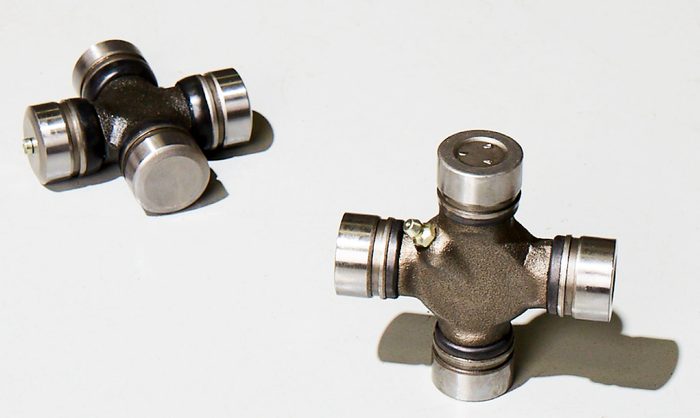
Universal Joints
Single and double U-joints, drive shafts and telescoping joints.
Also searched as: u jointscardan jointuniversal couplingdrive joint
-
-
-
-
-
-
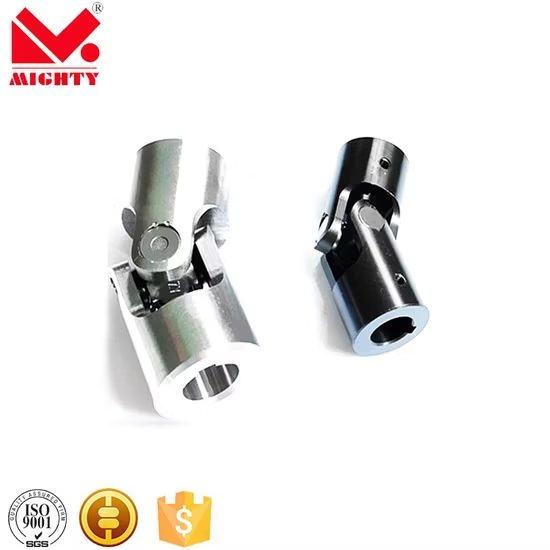
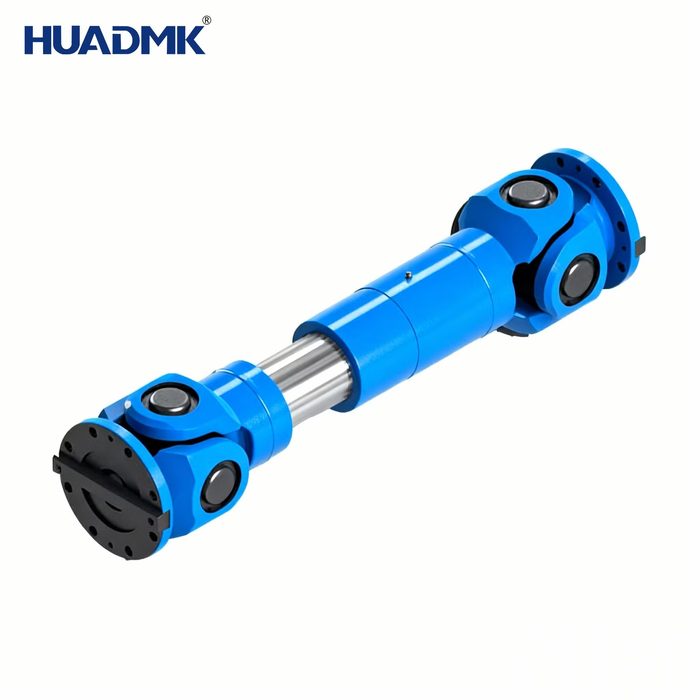
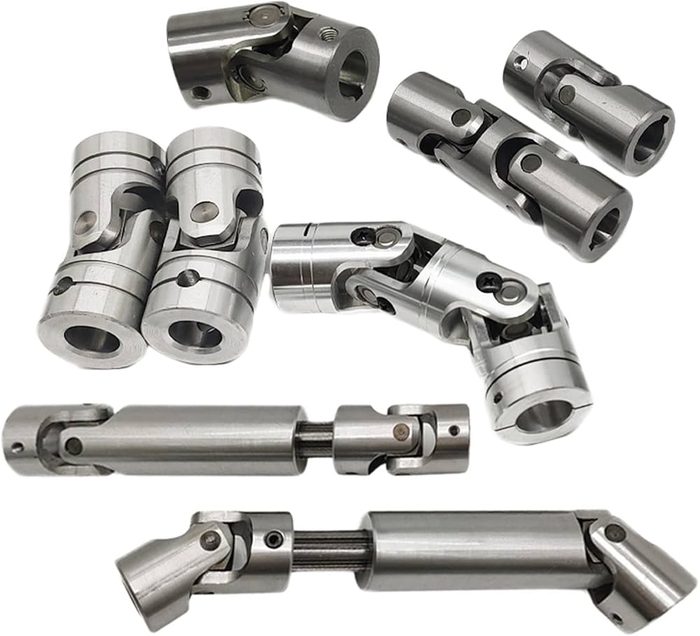
High Precision Universal Joint Coupling Double Cardan Joint
Operating Angle: 0~45 degreeType: Double
-
-
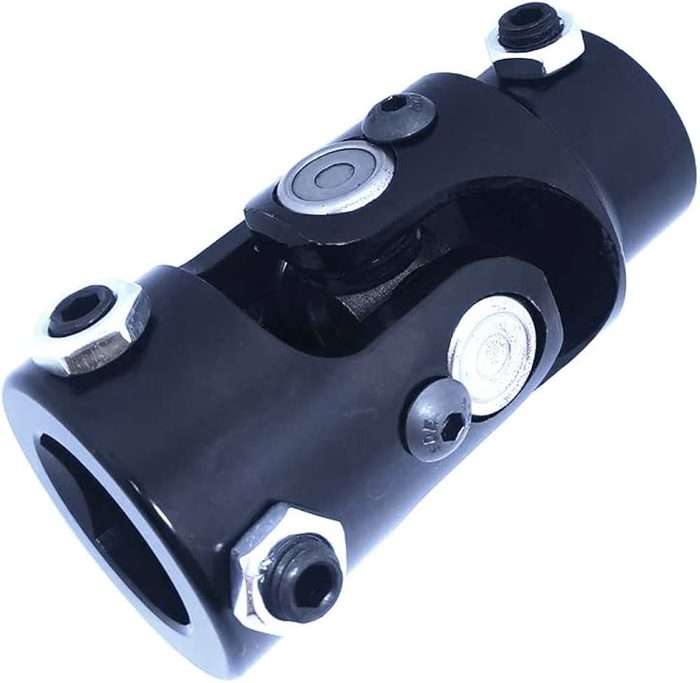
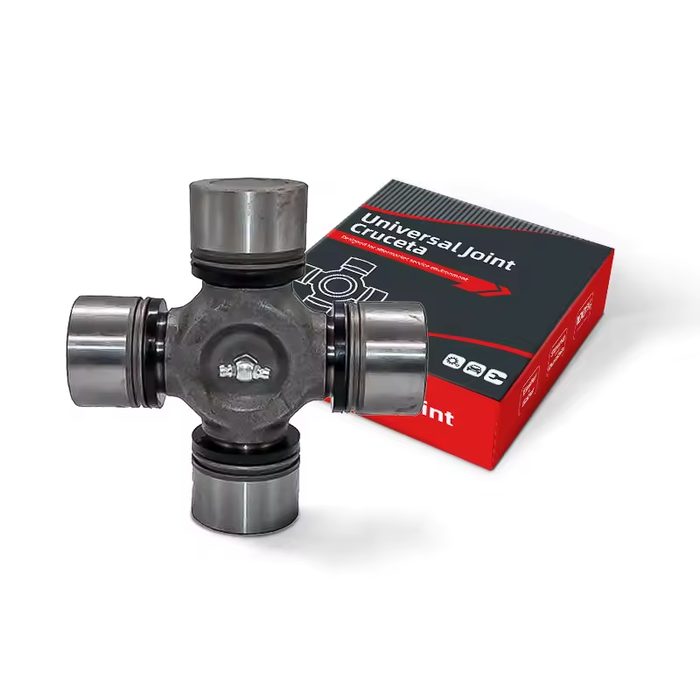
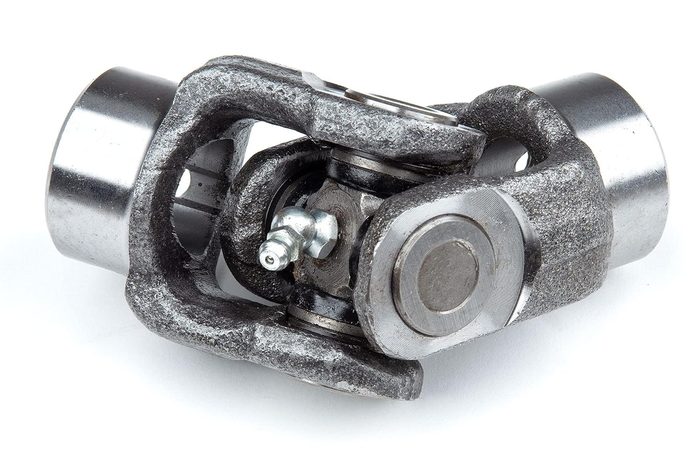
Universal Coupling Steel U Joint 1" DD x 3/4-36 Spline
Drive Shaft Description: 1" DD x 3/4-36 Spline
-
-
-
-
About universal joints
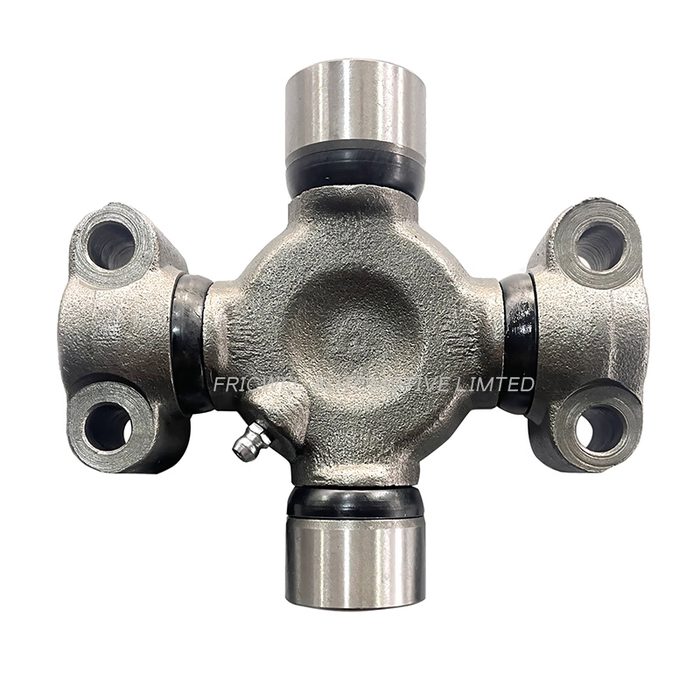
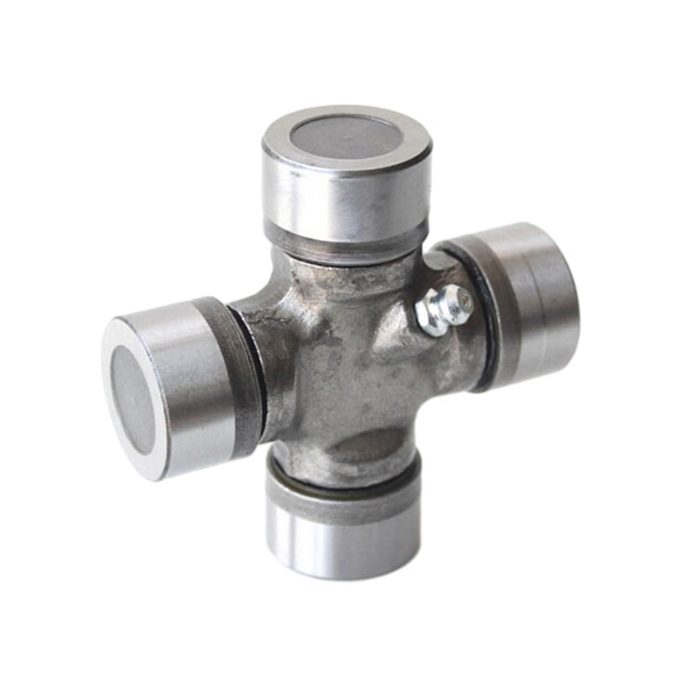
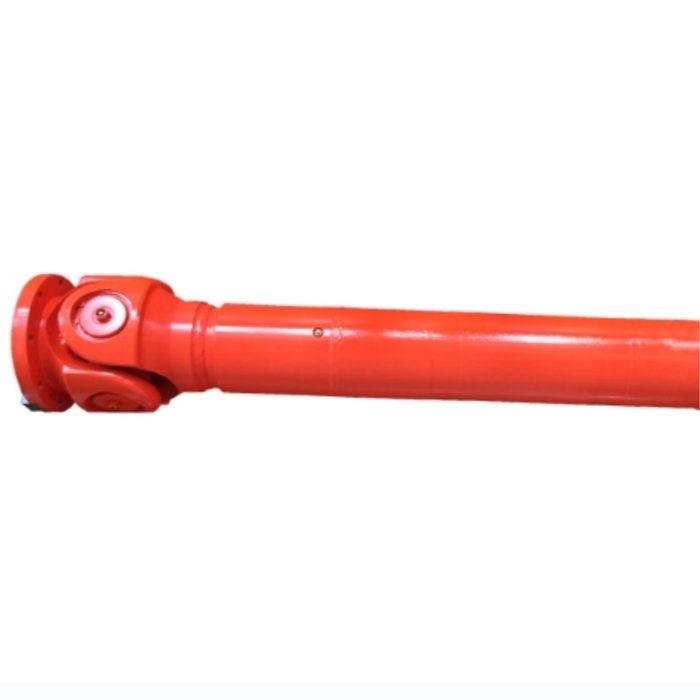
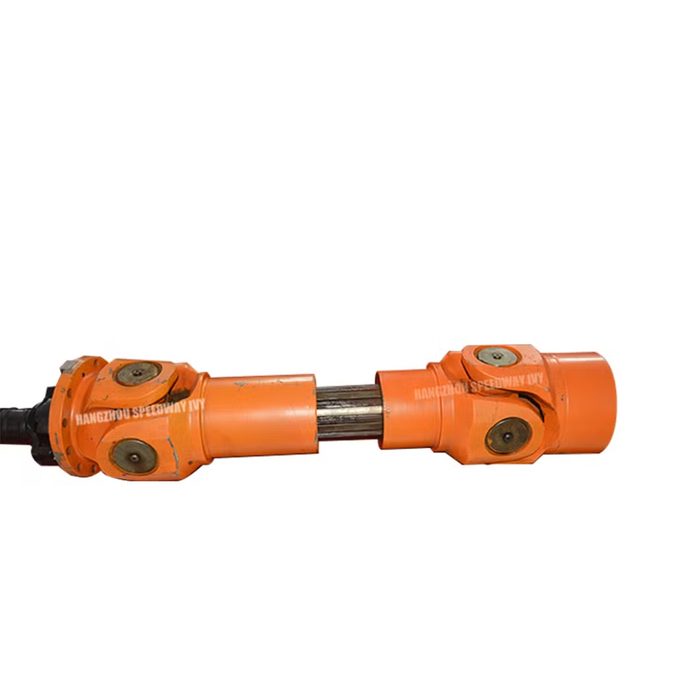
Universal joints, also known as Cardan joints or universal couplings, transmit rotary motion and torque between shafts that are not collinear. They accommodate angular misalignment, and some designs also manage axial displacement. The primary types include single universal joints, which allow for angular misalignment up to approximately 45 degrees, and double universal joints, which are essentially two single joints in series, offering greater angular flexibility and smoother power transmission by canceling out velocity fluctuations inherent in single joints at higher angles. Drive shafts often incorporate universal joints at both ends to connect a power source to a driven component, while telescoping universal joints integrate a sliding spline to accommodate changes in shaft length during operation. Key selection parameters include operating torque (static and dynamic), maximum angular misalignment, operating speed, and shaft diameter or bore size. Joints are typically specified by their overall length, hub diameter, and bore configuration (e.g., plain bore, keyed, splined, D-bore). Common materials include alloy steels (e.g., 4140, 8620) for strength and wear resistance, often with heat treatment for improved durability. Finishes may include black oxide for corrosion resistance or specialized coatings for harsh environments.
How to choose
Choosing the correct universal joint involves a sequence of critical decisions. First, what is the required operating torque and speed? This dictates the joint's strength and dynamic rating. Second, what is the maximum angular misalignment between the shafts? Single joints are sufficient for smaller angles, while double joints or constant velocity (CV) joints are necessary for larger or fluctuating angles to ensure smooth power delivery. Third, does the application require axial length compensation? If so, a telescoping universal joint is needed. Fourth, what are the shaft end configurations and bore requirements (e.g., plain, keyed, splined, D-bore)? This determines the joint's hub and bore specifications. Finally, consider the operating environment for material and finish selection to ensure durability and corrosion resistance.