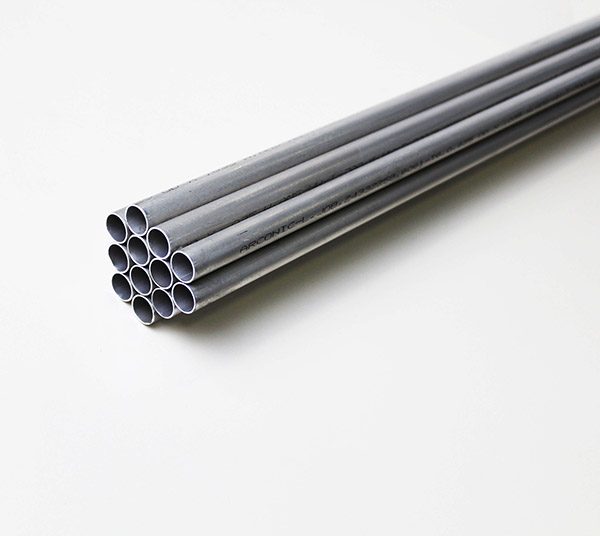
Tube & Structural Tube
Round, square and rectangular tube in steel, aluminum and stainless.
Also searched as: square tuberound tubedom tubestructural tubebox section
-
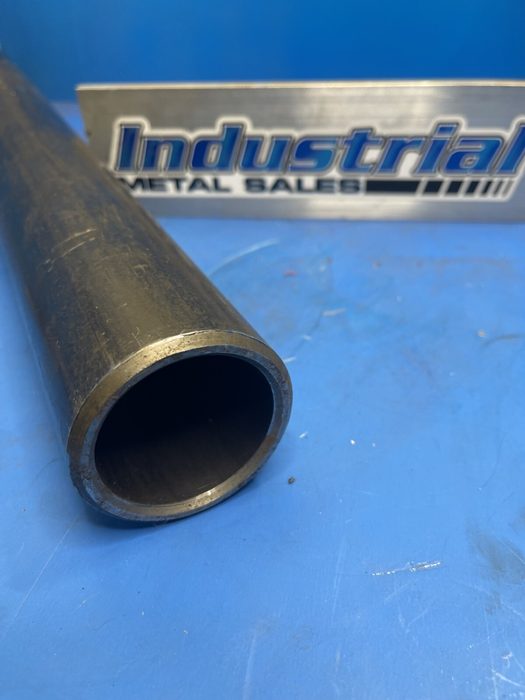
1-1/4" OD x .250" Wall DOM Steel Round Tube
Outside Diameter: 1-1/4"Shape: RoundWall Thickness: 0.250"
-
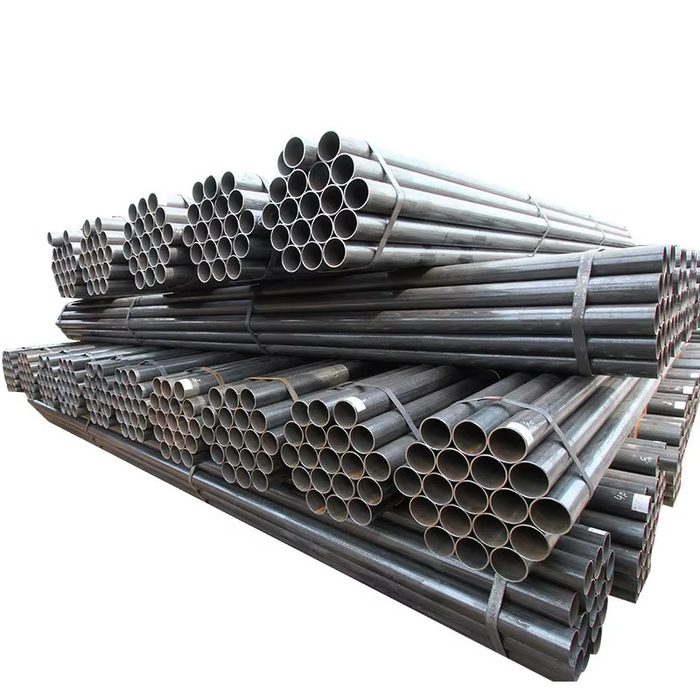
-
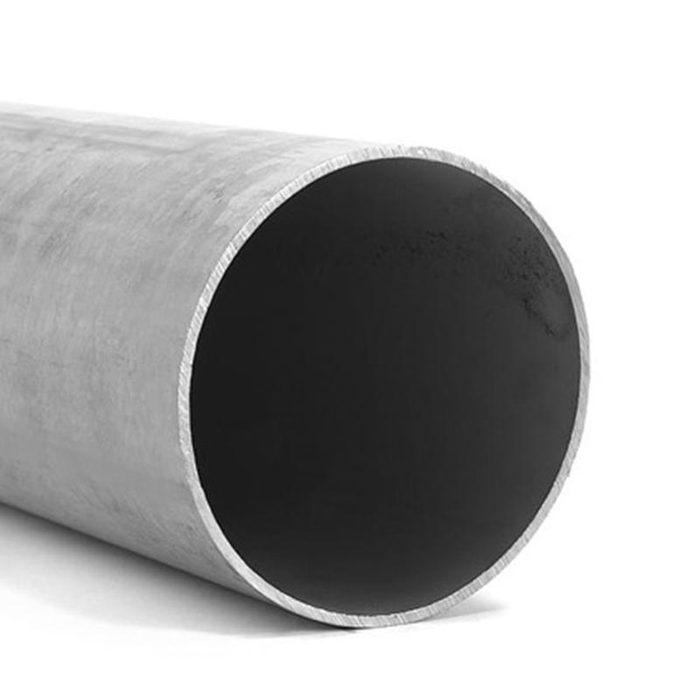
6 Inch Carbon Steel Round Tube
Outer Diameter: 6 inchShape: RoundStandard: ASTM
-
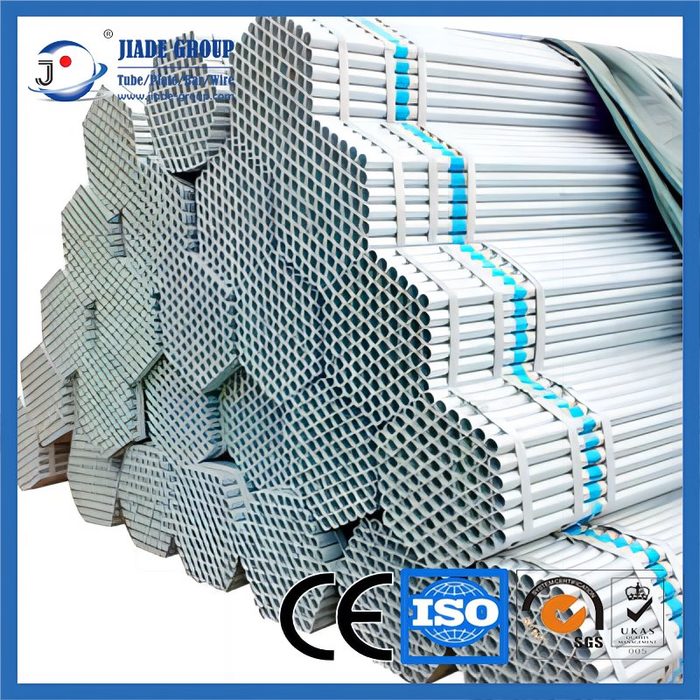
-
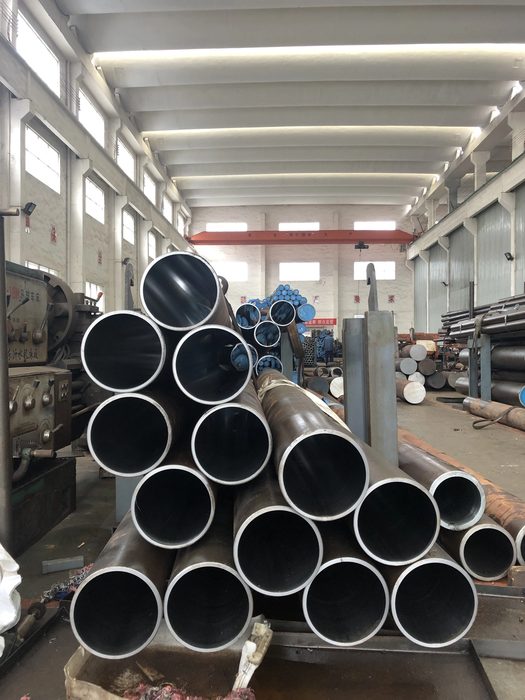
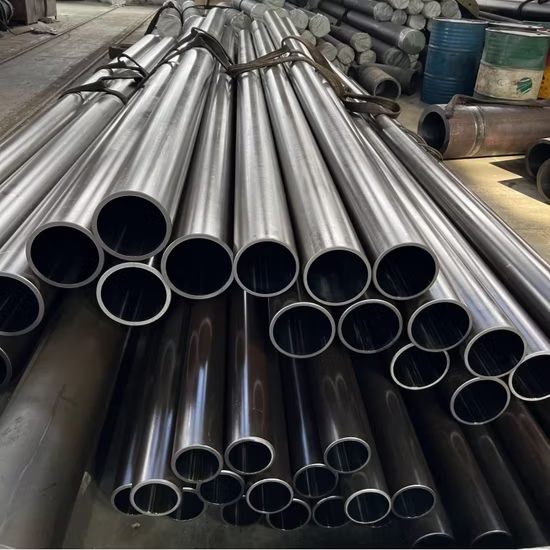
ASTM A513 1026 DOM Tube Honed Cylinder Pipe Seamless Carbon Steel Tube
Grade: 1026Standard: ASTM A513
-
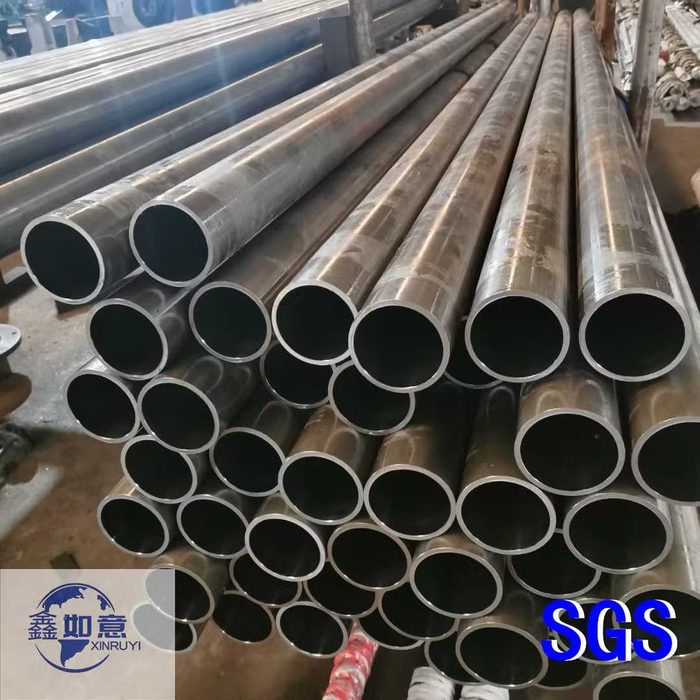
-
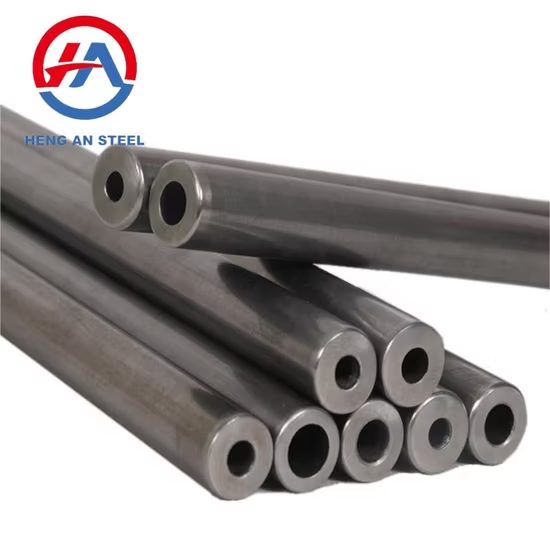
-
-
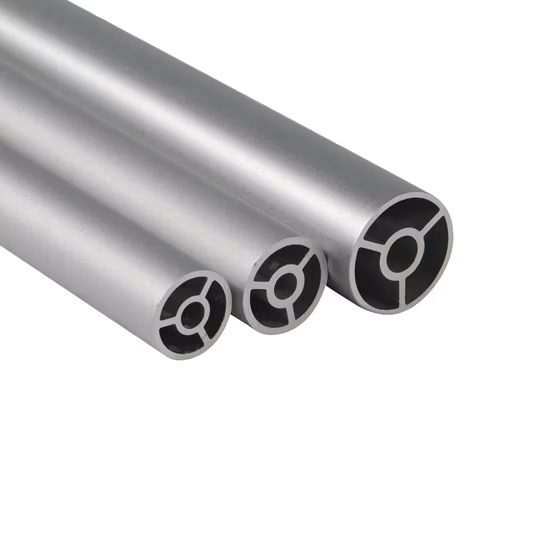
Aluminum Extrusion Round Tube Profile
Outer Diameter: 200 mm+Shape: Round
-
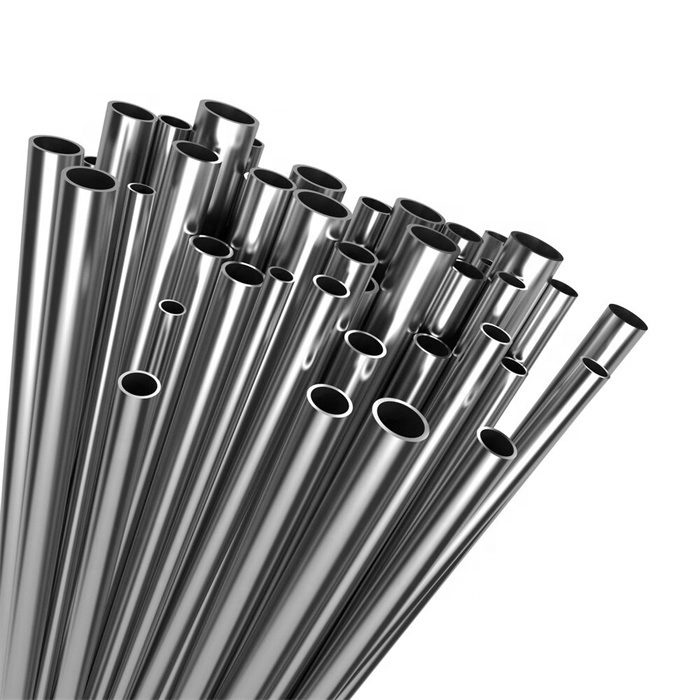
Black Round Stainless Steel Tube
Diameter: 25 mmLength: 2 meter
-
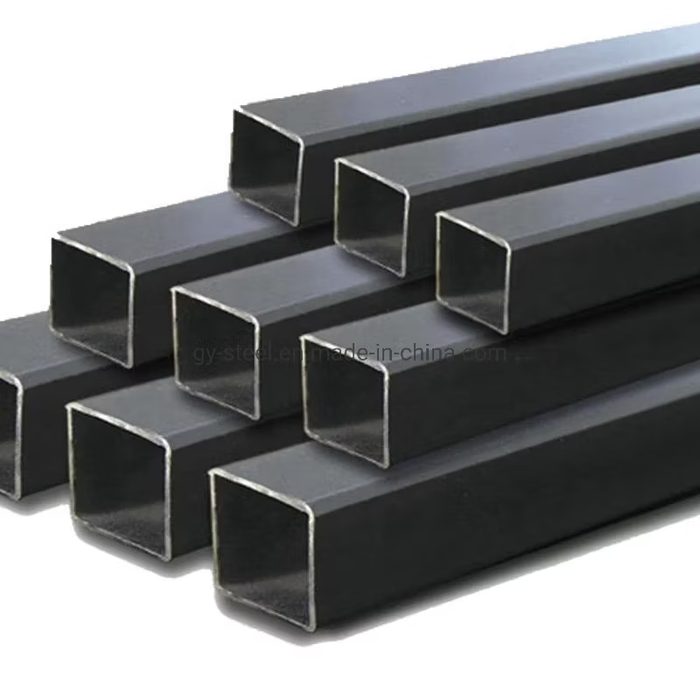
Black Steel Box Section Rectangular Tube
Shape: RectangularSize: 50 x 50
-
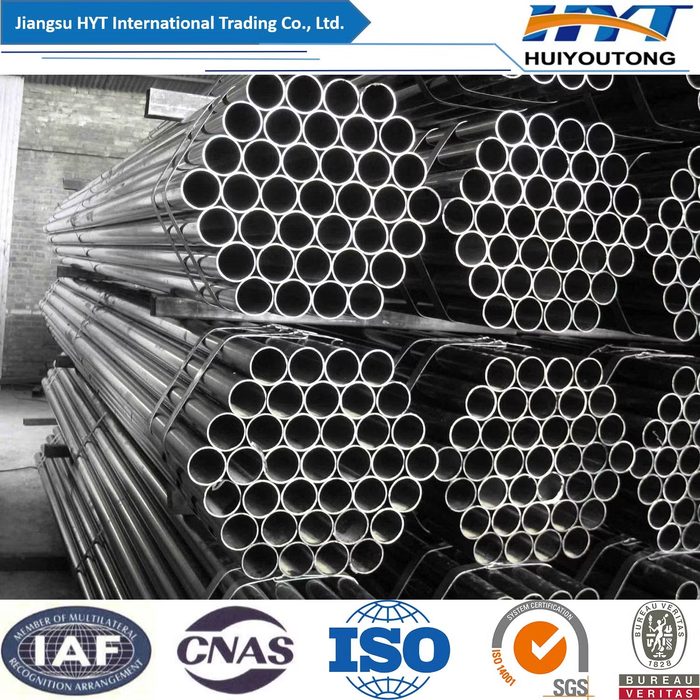
Cold Rolled DOM Seamless Steel Tube
Diameter: 6-20mmLength: 12m
-
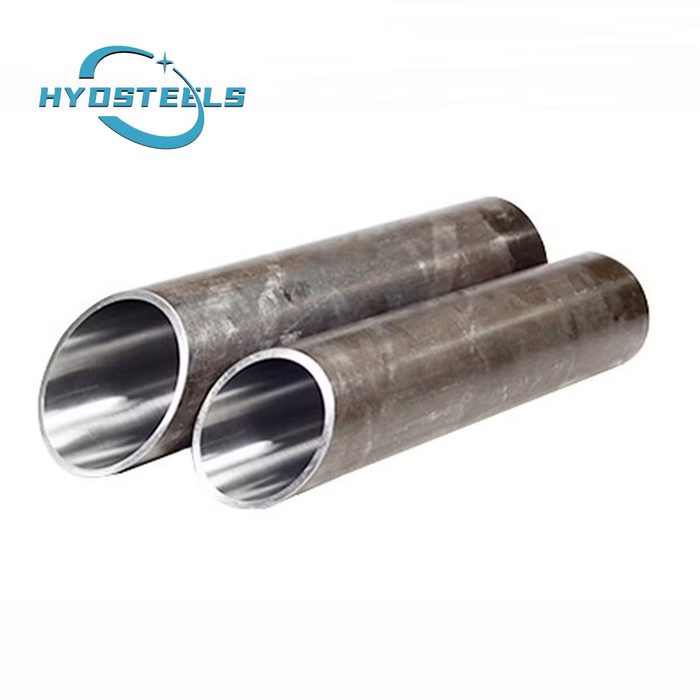
DOM CDS St52-3 BK+S Seamless Honed Tube
Thickness: 0.5-5 mm
-
-
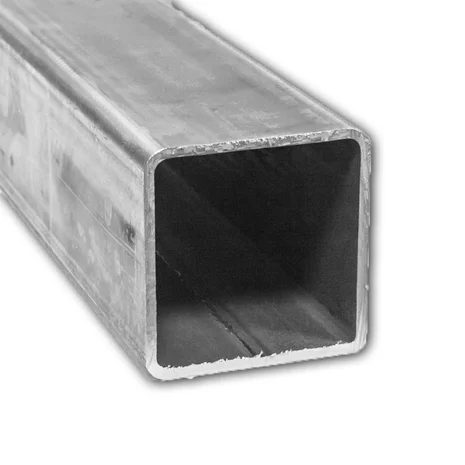
Galvanised Box Steel Tube
Size: 100x50
-
Galvanized Box Section Steel Tube
Size: 40 x 40 mmWall Thickness: 0.5-20.0 mm
-
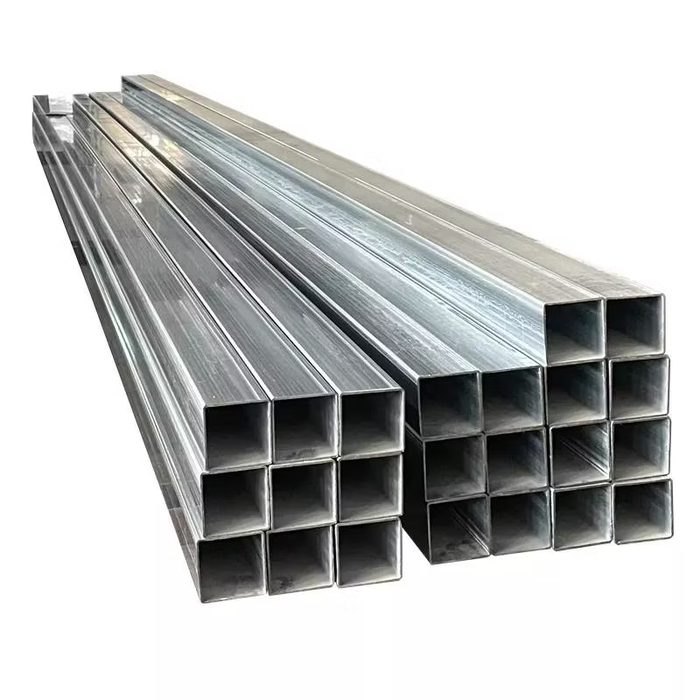
Galvanized Hollow Section Steel Tube
Length: 5.8-12 mOuter Dimension: 120x120 mmShape: Square
-
Galvanized Hollow Steel Metal Square Tubing Pipe
Outer Dimension: 3-4 inchShape: Square
-
Galvanized Steel Box Section
Outer Dimension: 40x40 mmShape: SquareStandard: ASTM A500Wall Thickness: 3 mm
-
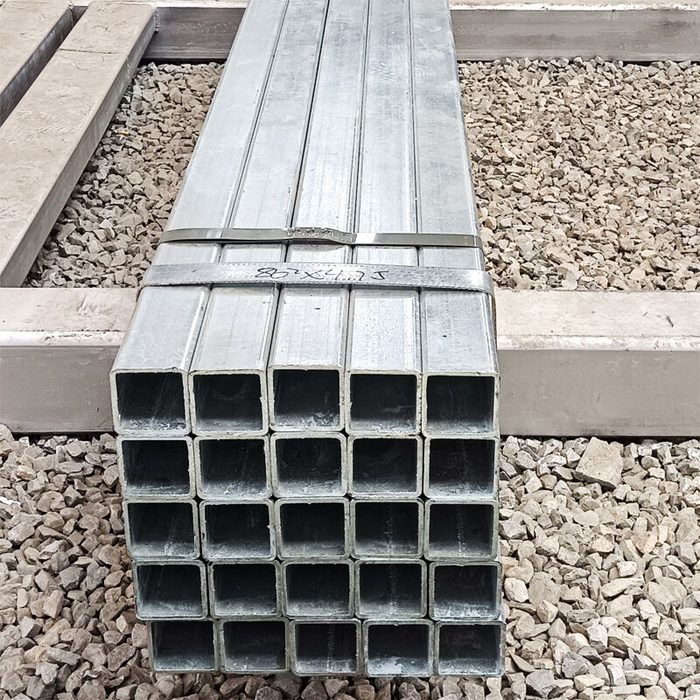
Galvanized Steel Box Section Square Tube
Shape: SquareSize: 2x2
-
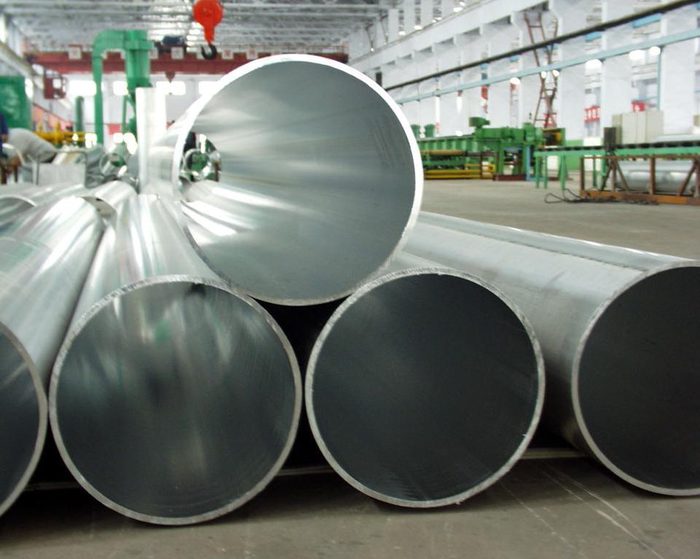
Large Diameter Aluminium Round Tube
Outer Diameter: 235-500 mmShape: RoundTemper: T3-T8
-
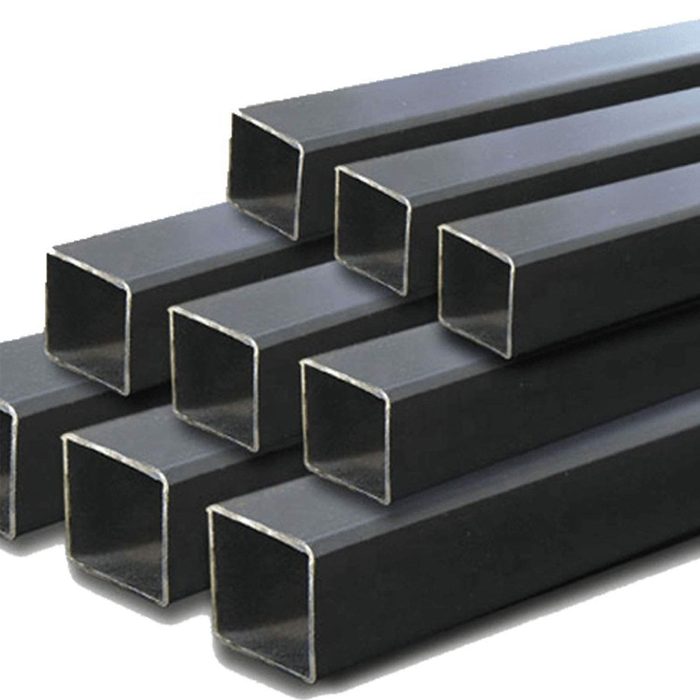
Mild Steel Box Section Square Tube
Shape: SquareSize: 25 x 25 mm
-
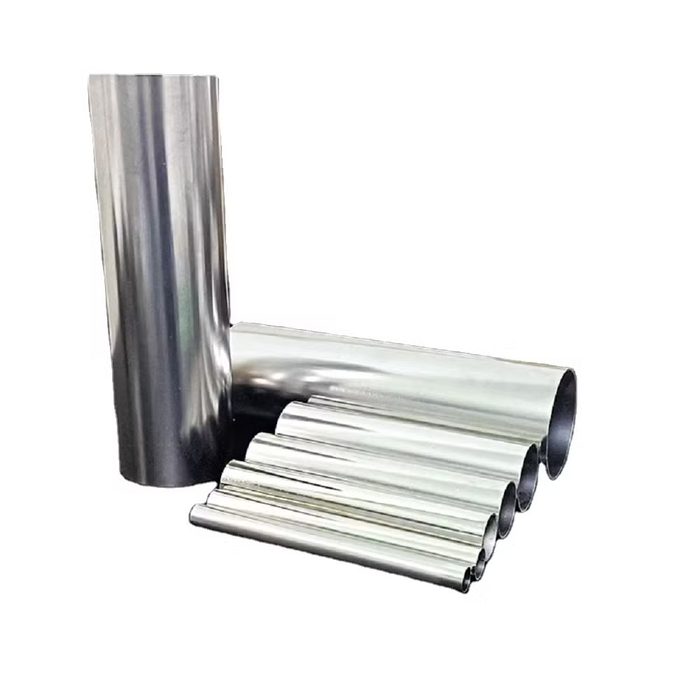
Mirror Polished 316 Stainless Steel Round Tube
Grade: 316Outer Diameter: 16-2000 mmShape: Round
-
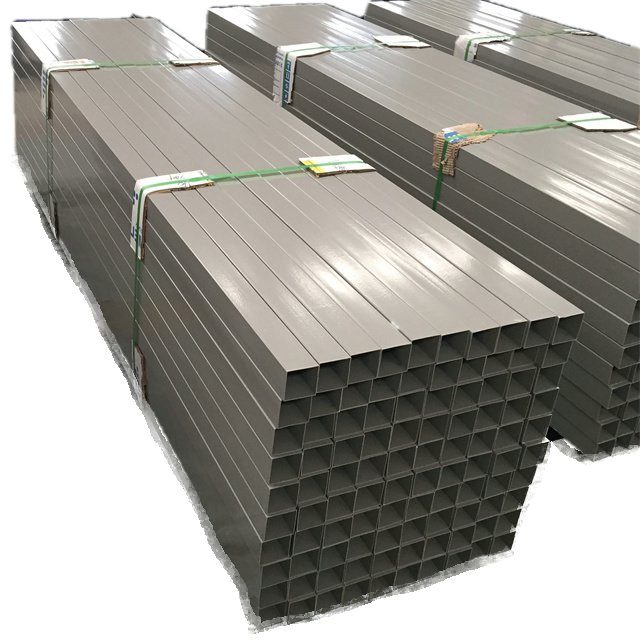
Powder Coated Steel Box Section Square Tubing
Outer Dimension: 160x80 mmShape: Square
-
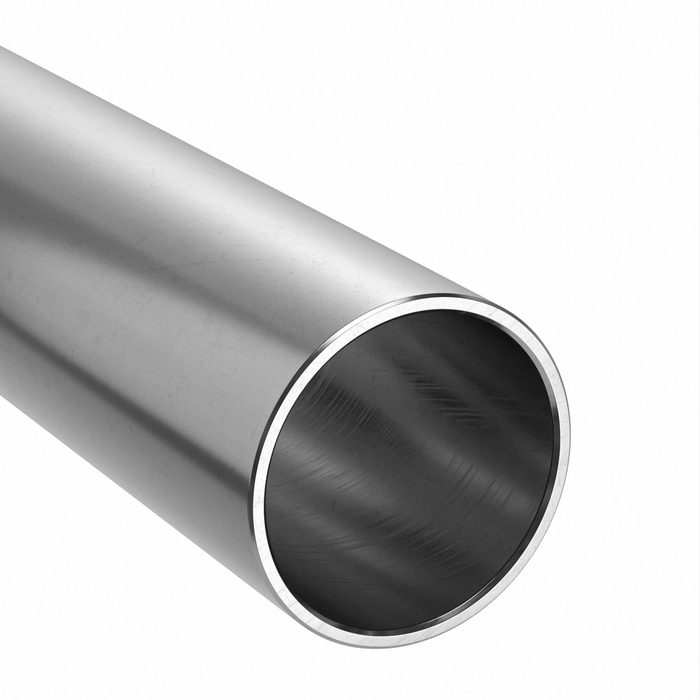
Round Steel Tube
Outer Diameter: 32 mmShape: Round
About tube & structural tube
Tube and structural tube are hollow profiles utilized in construction, mechanical assemblies, and architectural applications for their strength-to-weight ratio and rigidity. This category encompasses round, square, and rectangular cross-sections, primarily manufactured from steel (including mild steel, DOM, and various alloys), aluminum (e.g., 6061-T6, 6063-T5), and stainless steel (e.g., 304, 316). Key selection parameters include outside diameter (OD) or side dimensions, wall thickness (gauge), and overall length. Steel tubing often conforms to standards such as ASTM A500 for cold-formed welded and seamless carbon steel structural tubing, or ASTM A513 for electric-resistance-welded carbon and alloy steel mechanical tubing. Aluminum tubing frequently adheres to ASTM B221 or B429. Surface finishes vary from mill finish to galvanized, painted, or anodized, depending on corrosion resistance and aesthetic requirements. DOM (Drawn Over Mandrel) tubing is characterized by its superior concentricity, dimensional accuracy, and smooth internal and external surfaces, making it suitable for hydraulic cylinders and precision shafts. Structural tube, often referred to as box section, is designed for load-bearing applications where high strength and torsional rigidity are critical.
How to choose
Selecting the appropriate tube begins with defining the application's structural requirements. First, determine the necessary cross-sectional shape: round for fluid transfer or aesthetics, square/rectangular for structural framing and torsional rigidity. Second, specify the material based on strength, weight, and environmental exposure; steel offers high strength, aluminum provides a lighter alternative, and stainless steel ensures corrosion resistance. Third, calculate the required outer dimensions (OD for round, side length for square/rectangular) and wall thickness to meet load-bearing and deflection criteria. Thicker walls increase strength but also weight and cost. Finally, consider the manufacturing process (e.g., seamless for pressure, DOM for precision) and any required surface finishes for environmental protection or appearance.