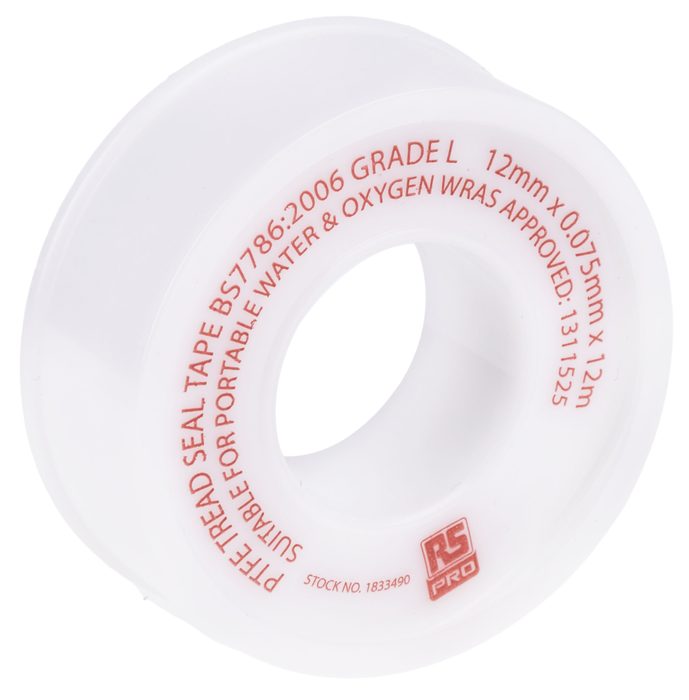
Sealing Tapes & Compounds
PTFE tape, pipe dope, anti-vibration and foam sealing tape.
Also searched as: ptfe tapeteflon tapepipe dopethread sealantfoam tape
-
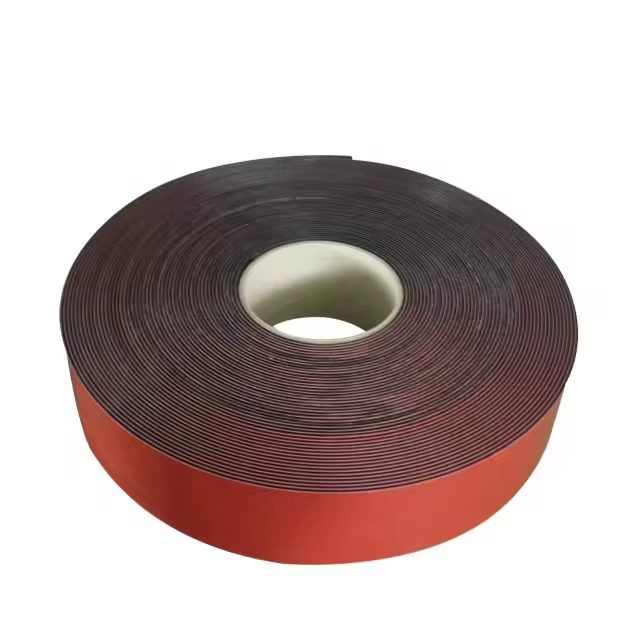
Pipe Thread Sealant
Color: BlackVolume: 50 ml
-
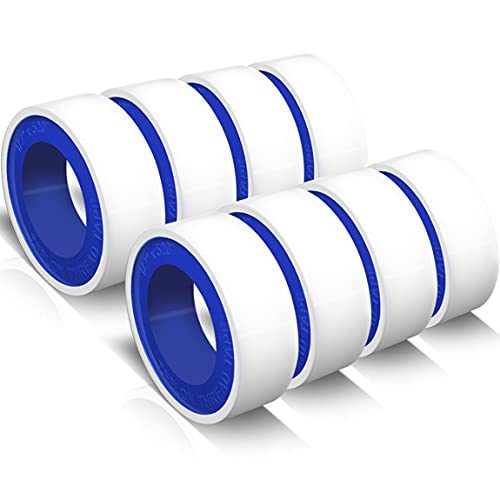
Teflon Plumbers Tape
Length: 520 inchWidth: 0.5 inch
About sealing tapes & compounds
Sealing tapes and compounds provide effective solutions for preventing leaks and ensuring secure connections in various fluid and gas systems. PTFE (polytetrafluoroethylene) tape, commonly known as Teflon tape, is a thin, deformable film used to seal pipe threads, filling gaps and preventing galling. It is available in various densities (e.g., standard, high-density) and widths (e.g., 1/2 inch, 3/4 inch) and is rated for specific pressure and temperature ranges, often conforming to Mil-T-27730A. Pipe dope, or thread sealant, is a paste-like compound applied to threaded connections to create a leak-proof seal. It comes in formulations compatible with different media, including water, gas, and chemicals, and may offer anti-seize properties. Anti-vibration and foam sealing tapes are employed to dampen vibrations, absorb shock, and create environmental seals. These tapes are typically made from materials like closed-cell PVC foam, open-cell polyurethane foam, or rubber, often with an adhesive backing. Key selection criteria include material composition, thickness (e.g., 1/8 inch, 1/4 inch), density, compression set, and temperature resistance, with some foam tapes meeting UL 94 flame ratings or automotive specifications.
How to choose
When selecting sealing tapes and compounds, first determine the application: thread sealing, vibration dampening, or environmental sealing. For thread sealing, specify the media (e.g., water, natural gas, hydraulic fluid) and operating pressure and temperature to choose between PTFE tape (considering density and width) or pipe dope (considering compatibility and chemical resistance). For anti-vibration or foam sealing, identify the required compression, shock absorption, and environmental resistance (e.g., UV, moisture). Select the appropriate material (e.g., PVC foam, EPDM rubber) and thickness based on the gap to be filled and the desired dampening characteristics. Finally, evaluate adhesive type and strength for secure attachment to the substrate.