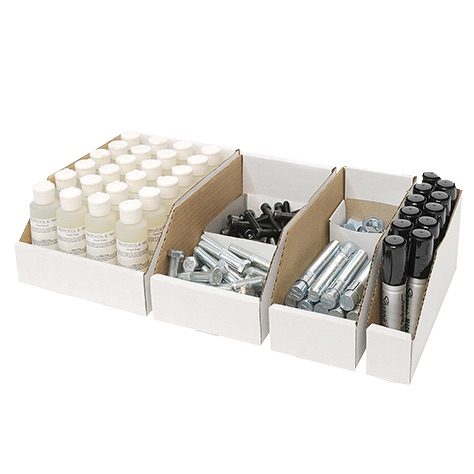
Storage & Organization
Bins, drawer cabinets, shelving, toolboxes and racks.
Also searched as: parts binstool chestshelvingdrawer cabinetstorage rack
-
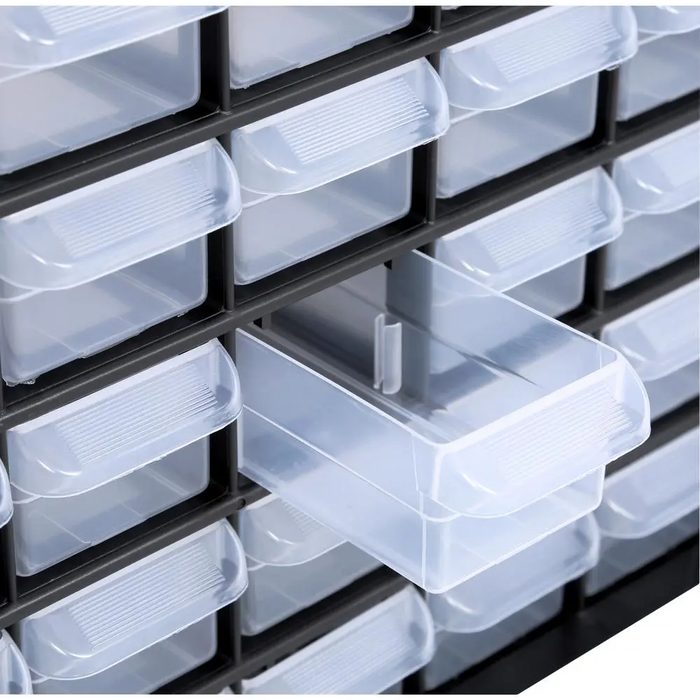
1-Compartment Plastic Small Parts Organizer
Compartments: 1
-
16 Drawer Cabinet
Drawers: 16
-
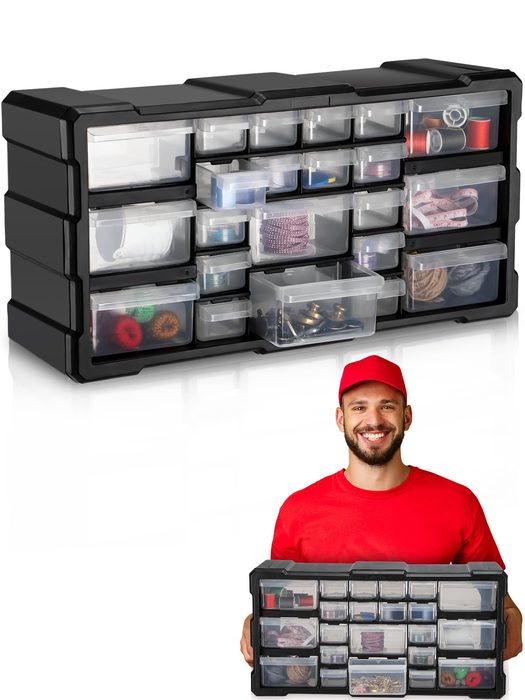
22-Drawer Cabinet
Drawers: 22
-
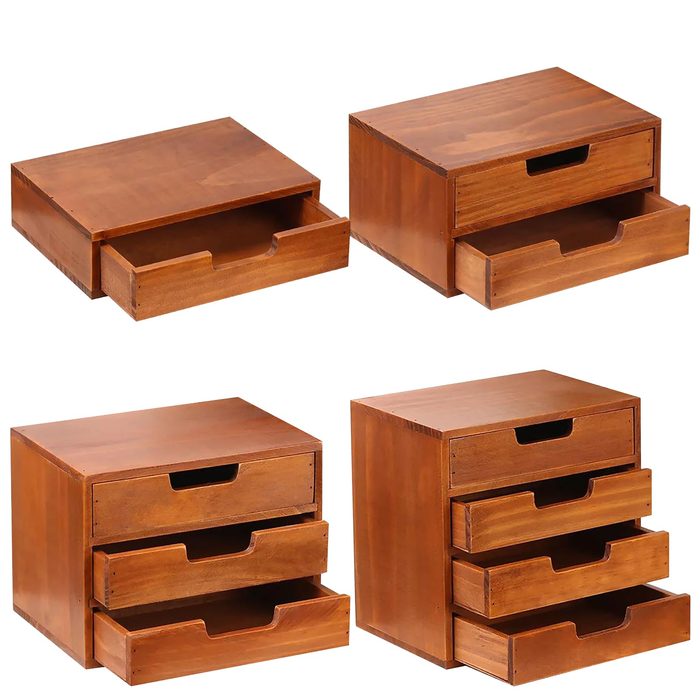
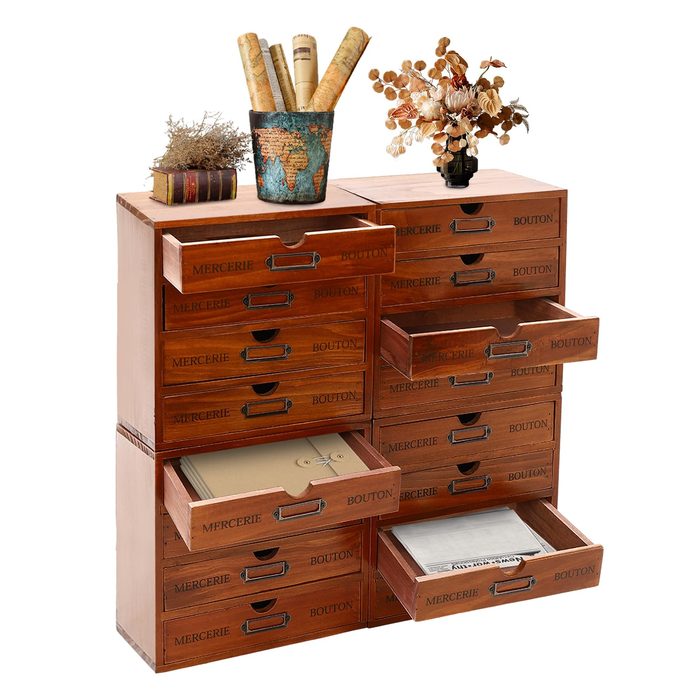
4-Piece Wooden Drawer Cabinet Set
Cabinets: 4Drawers: 10
-
4-piece Drawer Cabinet Set
Cabinets: 4Drawers: 10
-
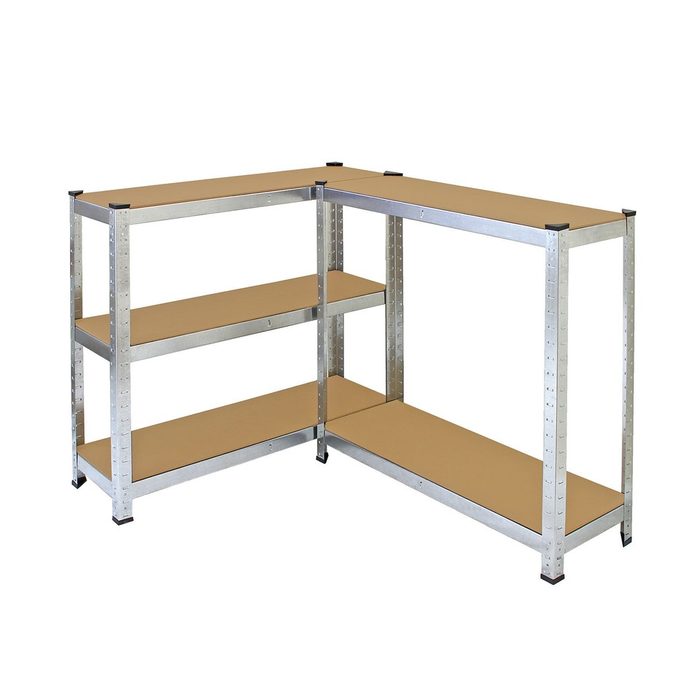
5 Bay Galvanised Corner Shelving/Racking Unit
Bays: 5Levels: 5Load Capacity per Shelf: 150kg UDLShelf Material: MDFShelf Thickness: 5.5mm
-
-
-
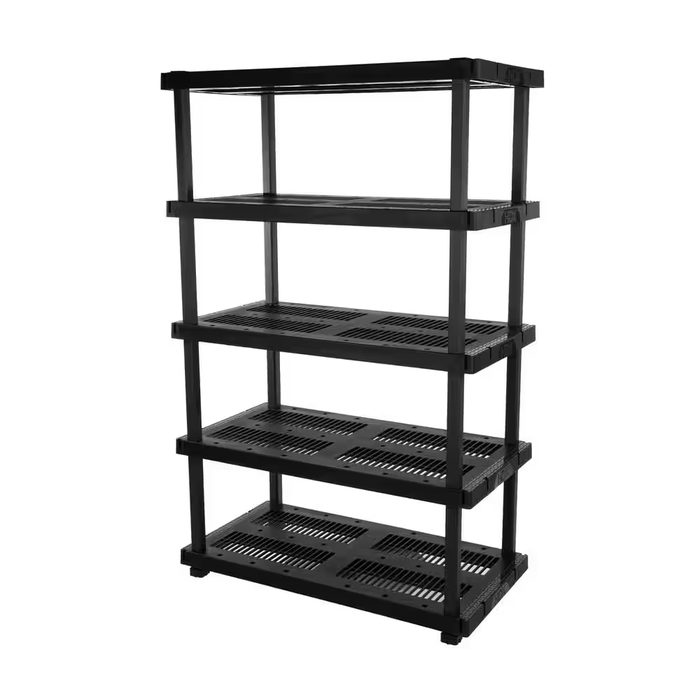
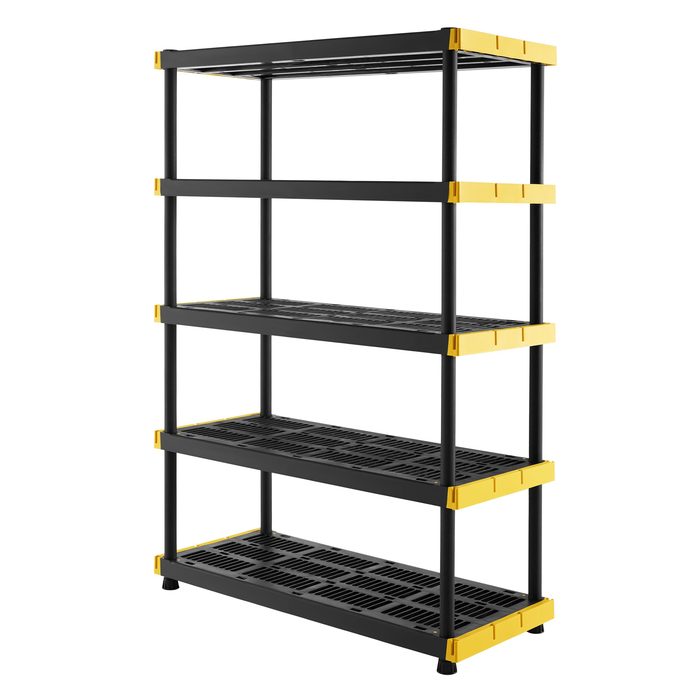
5-Tier Plastic Garage Shelving Unit
Depth: 18"Height: 74"Tiers: 5Width: 36"
-
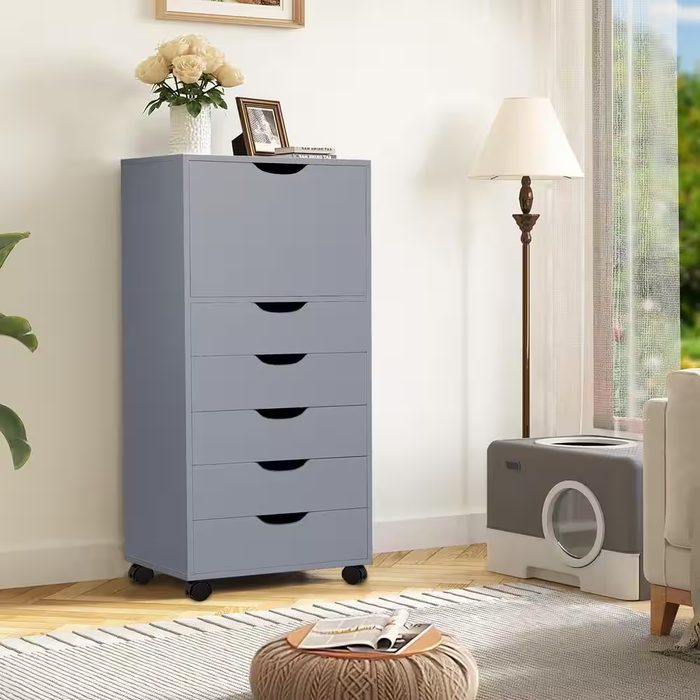
6 Drawer Cabinet
Capacity per drawer: 150 lbDepth: 18 inchDrawers: 6Width: 18 inch
-
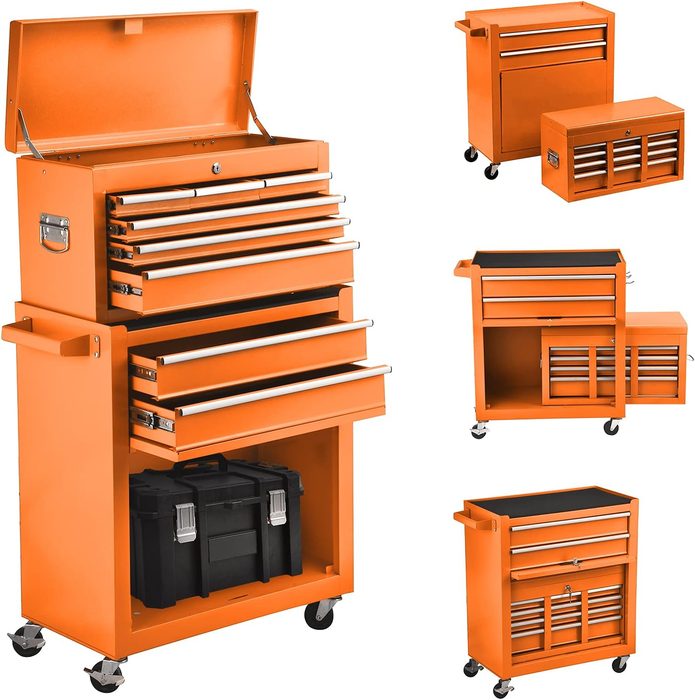
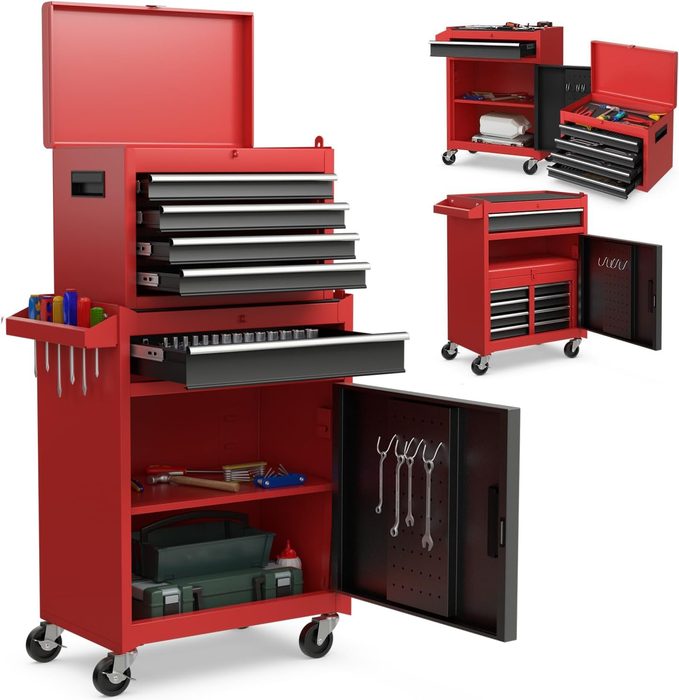
8 Drawer Rolling Tool Chest with Wheels
Number of Drawers: 8
-
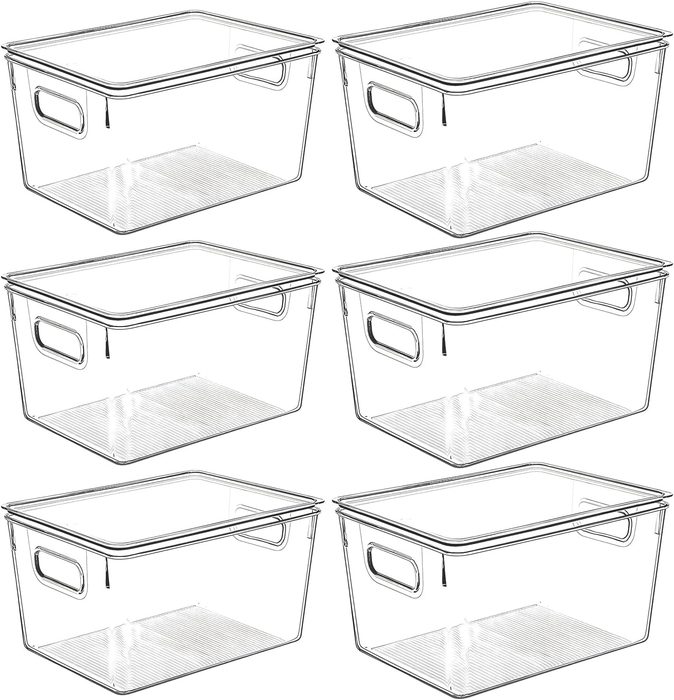
Clear Plastic Storage Bins
BPA Free: TrueChlorine Free: True
-
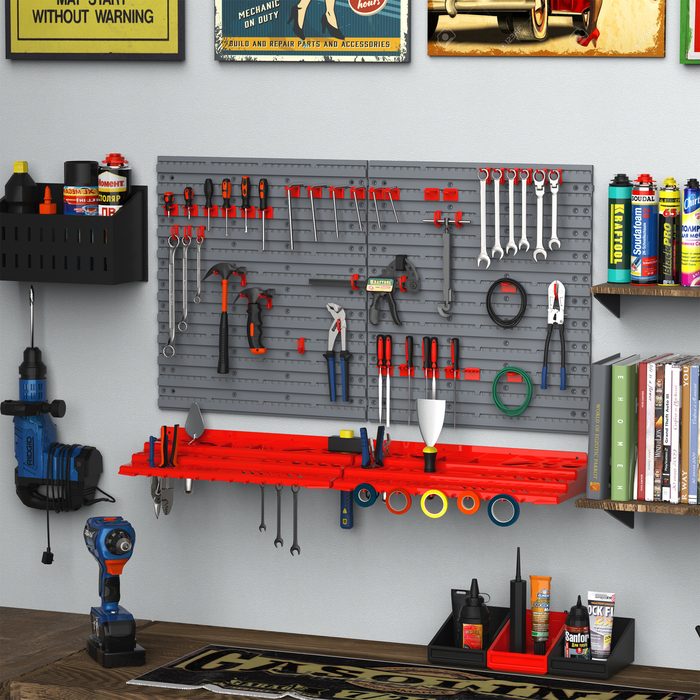
Garage Workshop Organizer Storage System Wall
Large Orange Bins: 24Small Blue Bins: 18Small Red Bins: 18
-
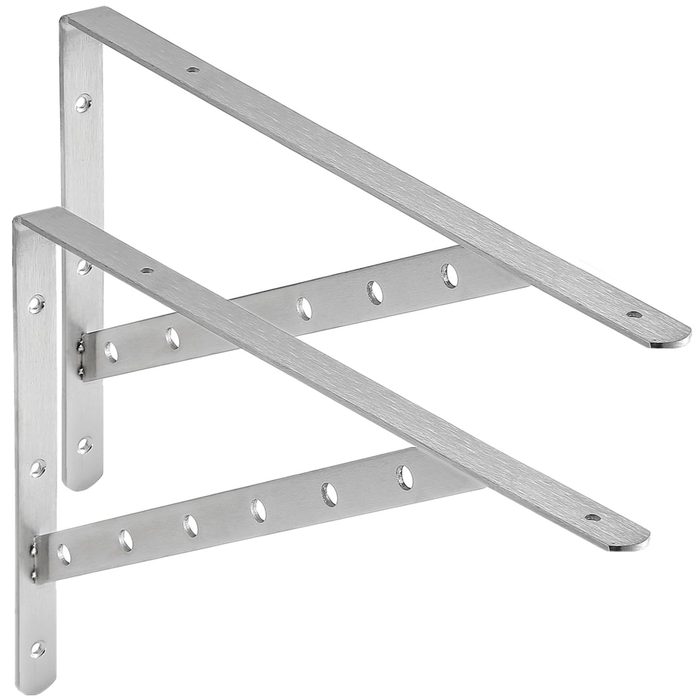
Heavy Duty Steel Shelf Support Bracket
Support Span Long Edge: 22 mmSupport Span Short Edge: 16.5 mm
-

-
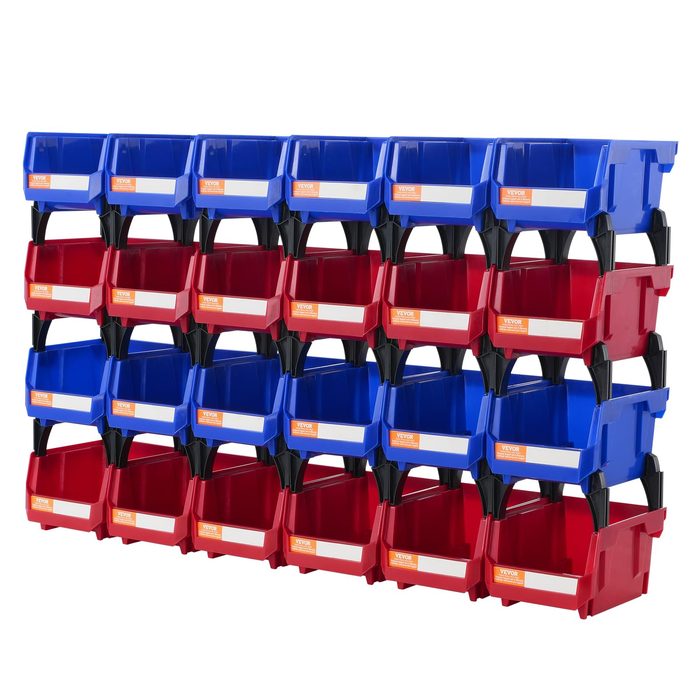
-
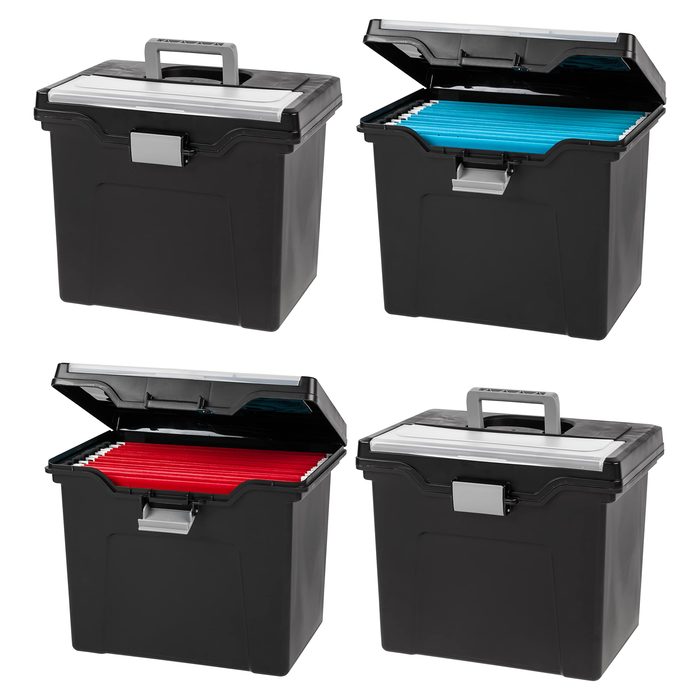
Portable File Box Letter Size Files
File Size: Letter
-
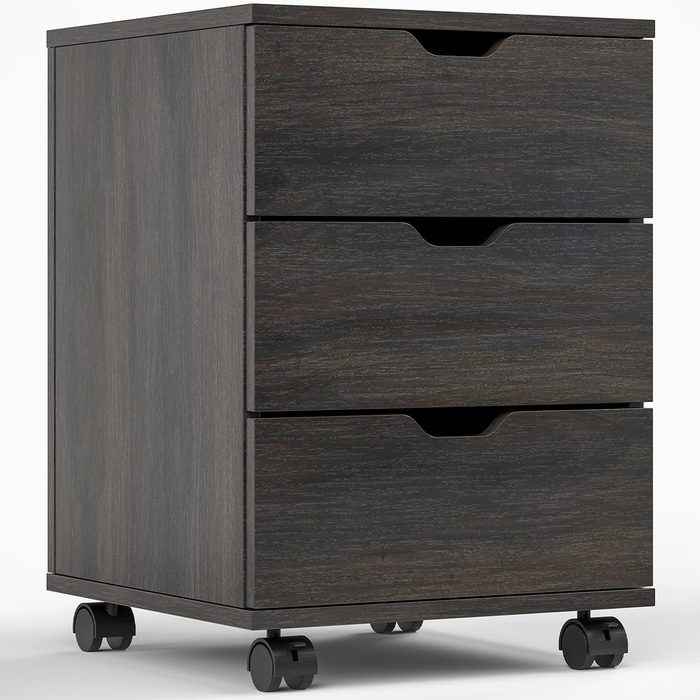
Rolling Three Drawer Cabinet
Drawers: 3
-
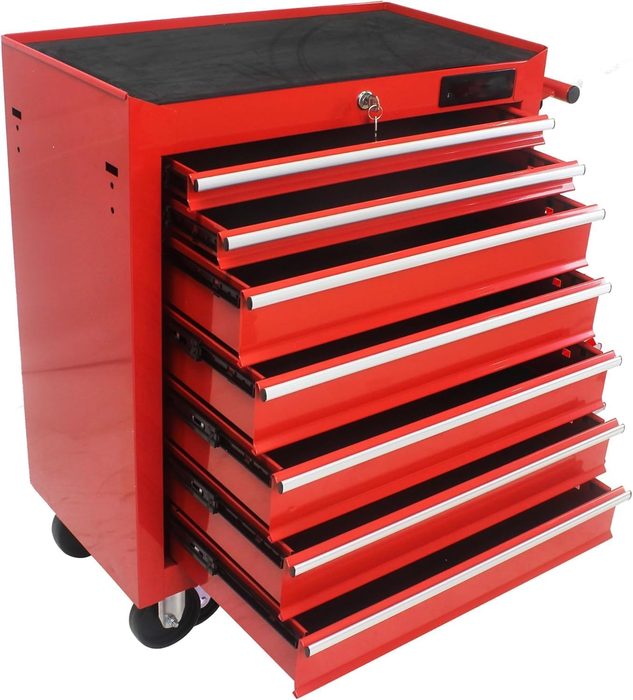
Rolling Tool Chest
Drawers: 7
-
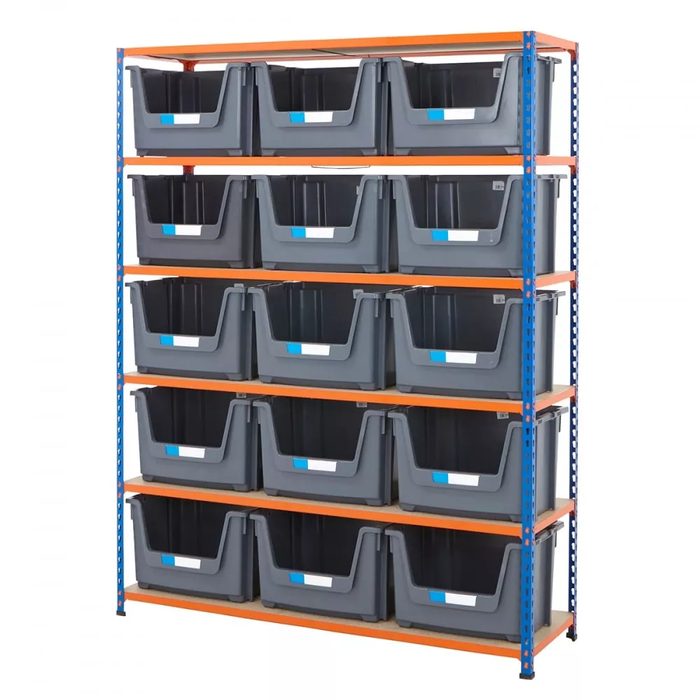
-
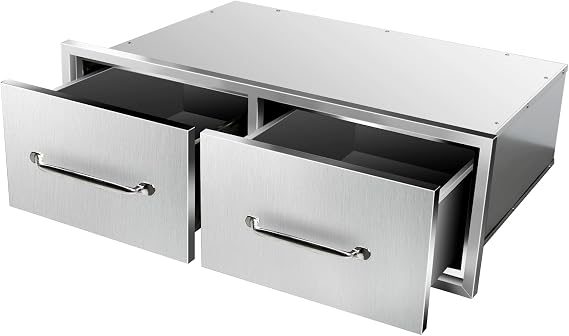
Single Drawer Cabinet for Outdoor Kitchen
Drawers: 1
-
Stackable Plastic Parts Storage Bins Boxes
Quantity: 20Size: 3
-
Tool Chest Tool Box Storage Cabinet
Number of Drawers: 5Number of Wheels: 4
About storage & organization
Storage & Organization components encompass a range of solutions for industrial and laboratory environments, designed to maintain order, protect parts, and optimize space utilization. This category includes bins, drawer cabinets, shelving units, toolboxes, and racks. Bins, available in conductive or non-conductive polypropylene, polyethylene, or steel, are typically specified by volume capacity, external dimensions (length x width x height), and load rating, often featuring stackable or nestable designs. Drawer cabinets are defined by the number and configuration of drawers, individual drawer capacity, and overall cabinet dimensions, commonly constructed from cold-rolled steel with powder-coated finishes. Shelving units are characterized by shelf count, individual shelf load capacity, and overall unit dimensions, with materials including steel, wire, or high-density polyethylene. Toolboxes offer portable or stationary storage, specified by internal volume, compartment count, and material such as steel, aluminum, or impact-resistant polymer. Racks, including pallet racks or cantilever racks, are selected based on bay width, height, depth, and per-level load capacity, predominantly fabricated from structural steel.
How to choose
When selecting Storage & Organization solutions, first define the items to be stored: their quantity, dimensions, and weight. This determines the required volume and load capacity. Second, consider the environment: Is it static-sensitive (requiring conductive bins)? Is corrosion a concern (demanding specific materials or finishes)? Third, evaluate space constraints and accessibility requirements; this dictates whether shelving, drawer cabinets, or mobile solutions are most appropriate. Fourth, assess the frequency of access and desired level of organization. High-frequency, small-part access may favor drawer cabinets or modular bins, while bulk storage might necessitate pallet or cantilever racking.