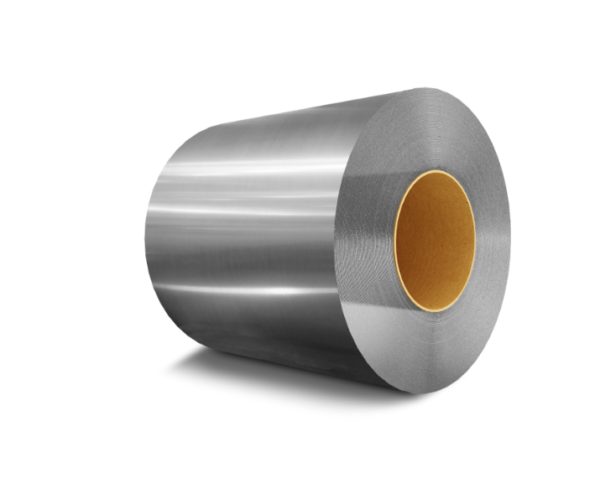
Steel Stock
Hot and cold rolled bar, plate, sheet, angle and structural shapes.
Also searched as: cold rolled steelsteel platea361018steel bar
-
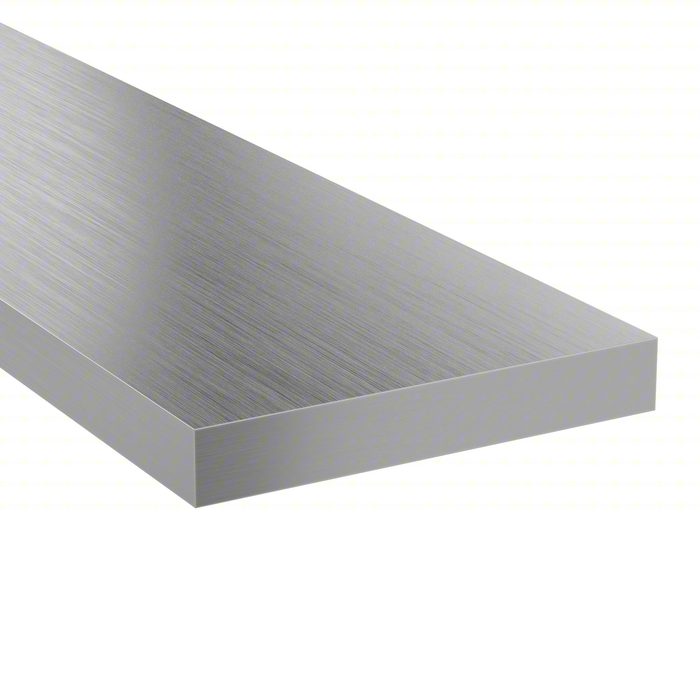
A36 Carbon Steel Plate, 1 in Thick
Thickness: 1 in
-
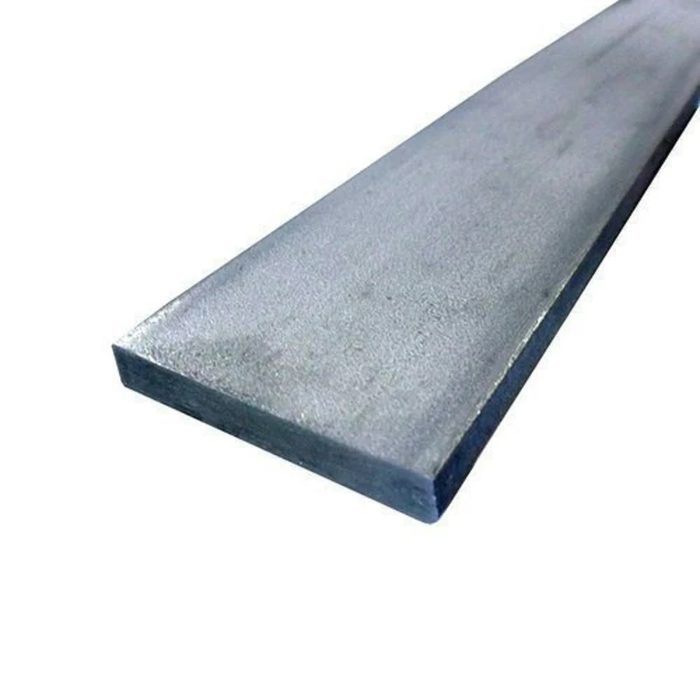
1008 Carbon Steel Sheet
Thickness: 0.048 inch
-
1008 Carbon Steel Sheet
Thickness: 0.125 inch
-
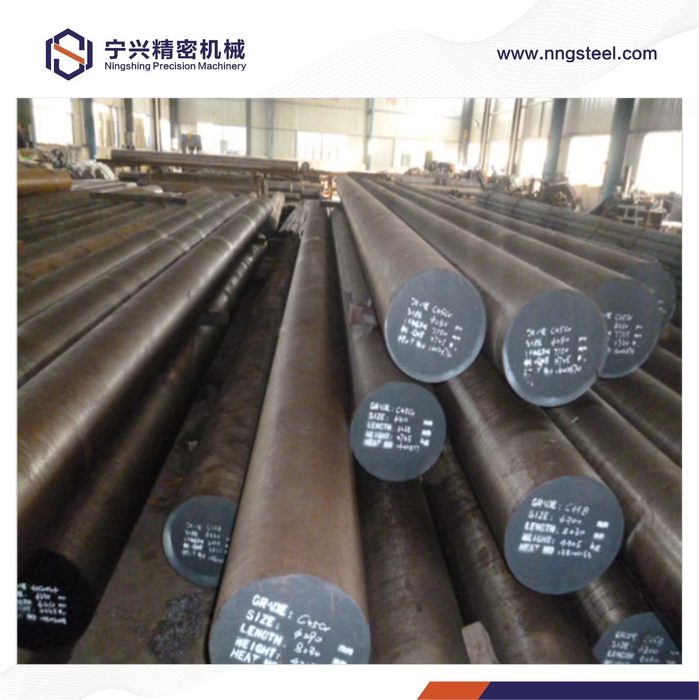
1018 Carbon Steel Flat Bar
Thickness: 0.375 in
-
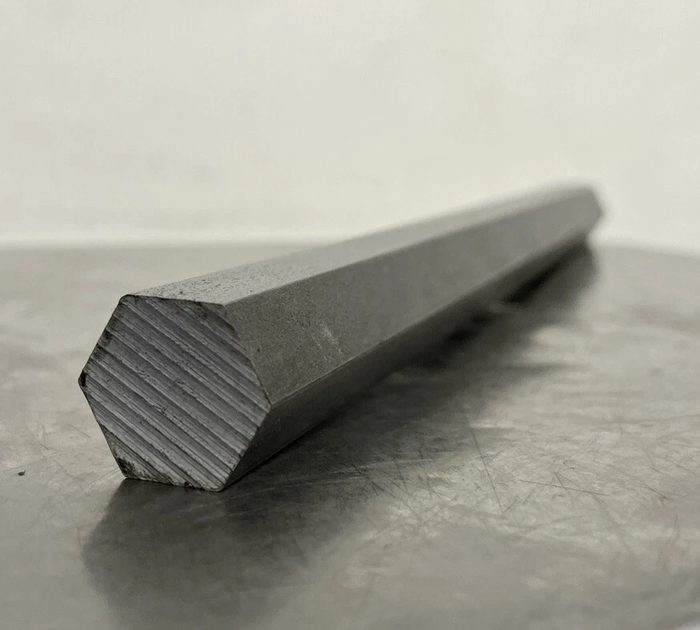
1018 Carbon Steel Plate
Thickness: 0.25 inch
-
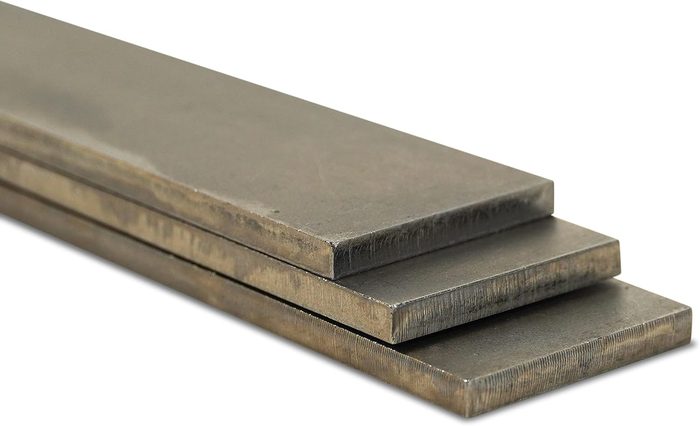
1018 Carbon Steel Plate
Thickness: 1 inch
-
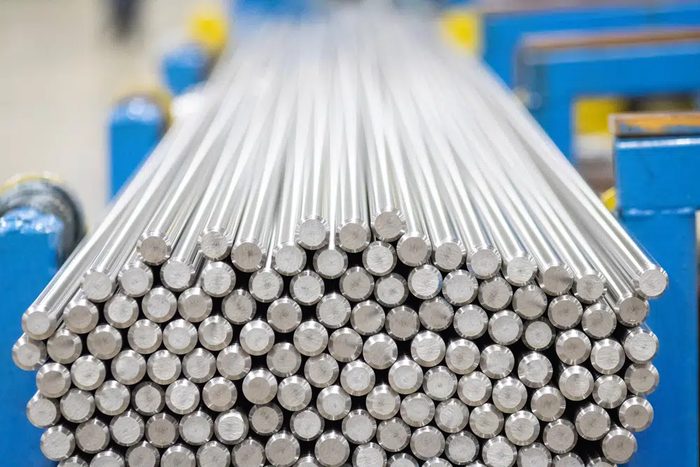
1018 Carbon Steel Plate
Length: 12 inThickness: 0.38 inWidth: 10 in
-
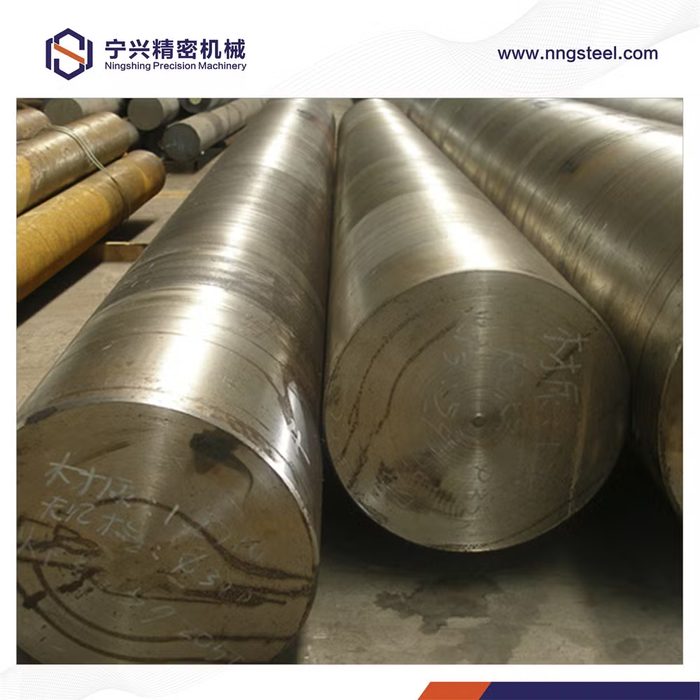
1018 Carbon Steel Rectangular Bar
Thickness: 0.25 in
-
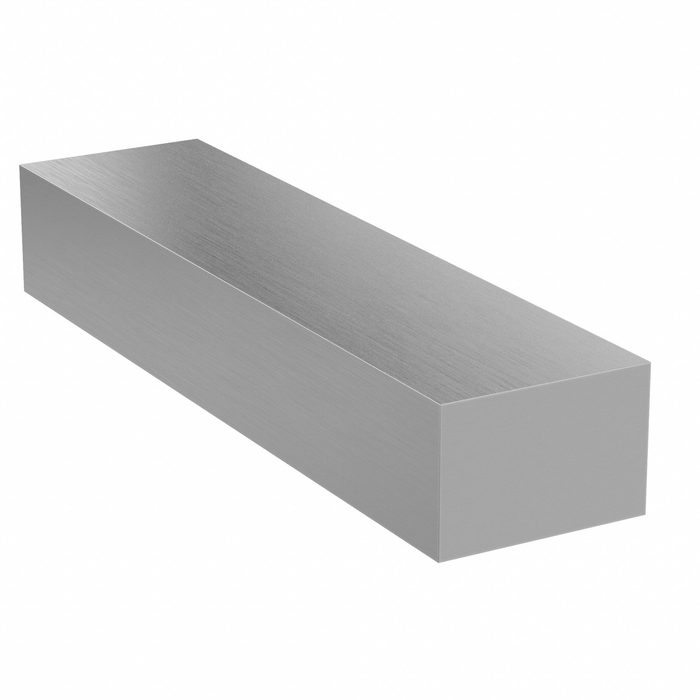
1018 Carbon Steel Rectangular Bar
Thickness: 1 in
-
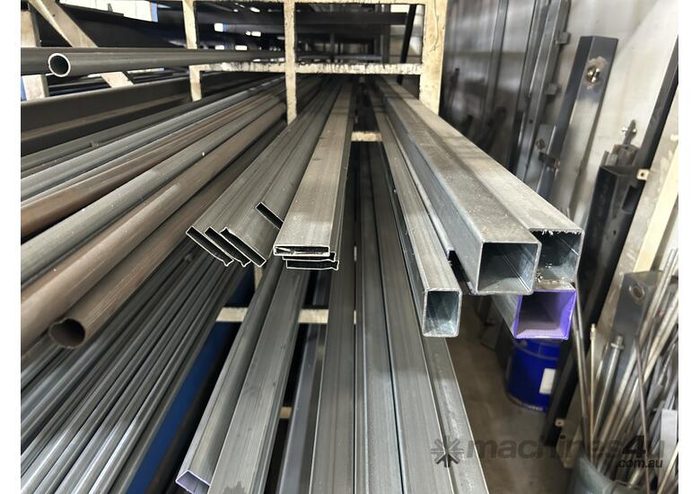
1018 Carbon Steel Rectangular Bar
Thickness: 1.5 in
-
1018 Carbon Steel Square Bar
Thickness: 3 in
-
4130 Alloy Steel Sheet
Thickness: 0.04 inch
-
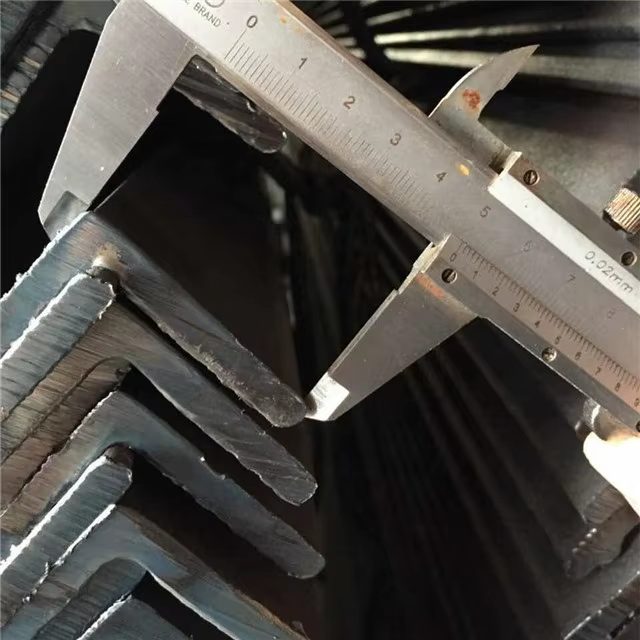
A36 Carbon Steel Plate
Thickness: 14 mm
-
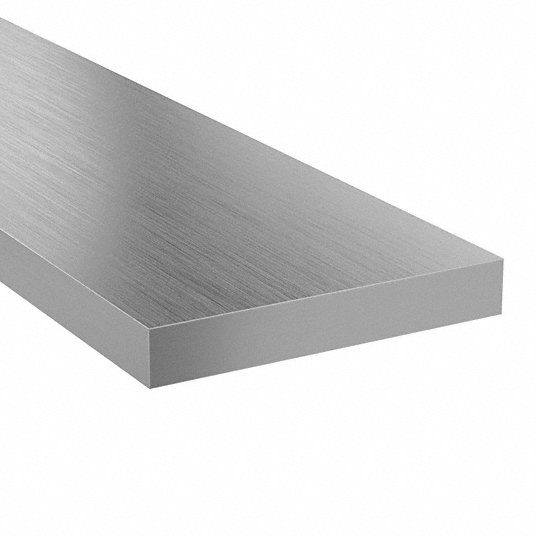
Carbon Steel Plate, A36, 1 in Thick
Grade: A36Thickness: 1 in
-
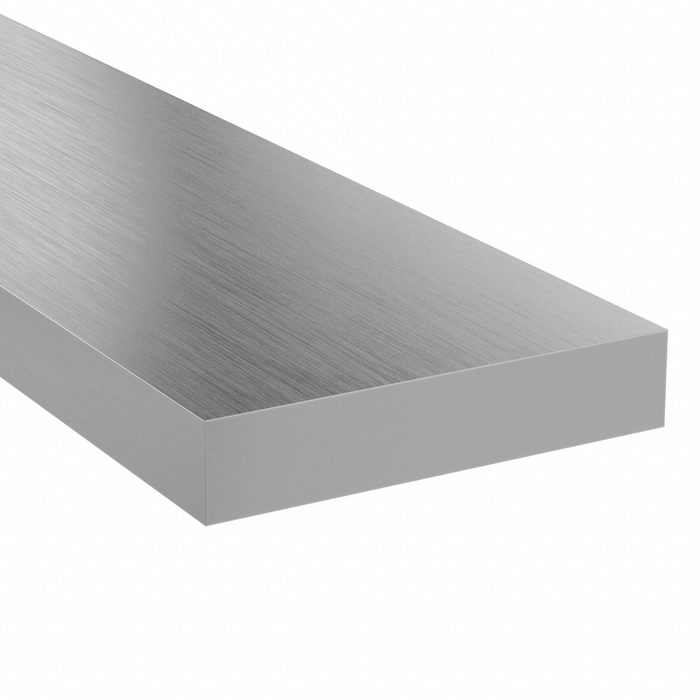
Carbon Steel Plate, A36, 1 in Thick
Grade: A36Thickness: 1 in
-
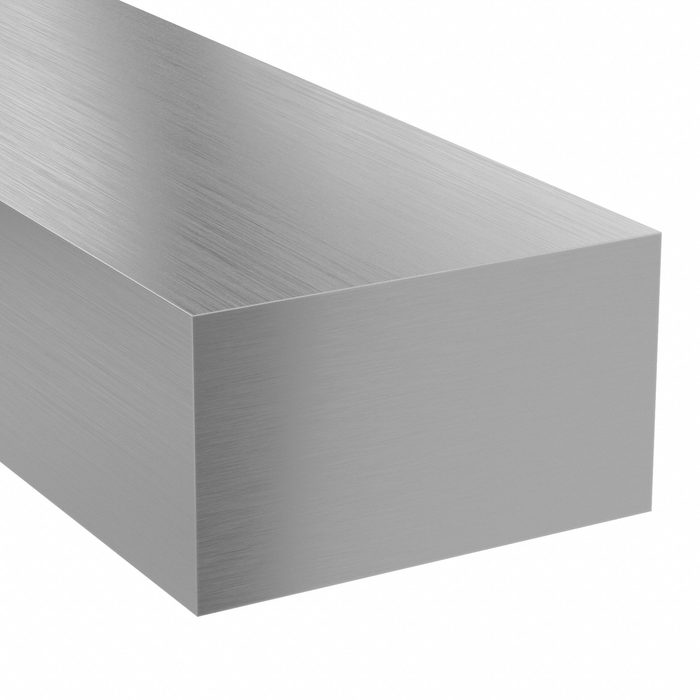
Carbon Steel Plate, A36, 2 in Thick, 8 in x 12 in
Grade: A36Nominal Dimensions: 8 in x 12 inThickness: 2 in
-
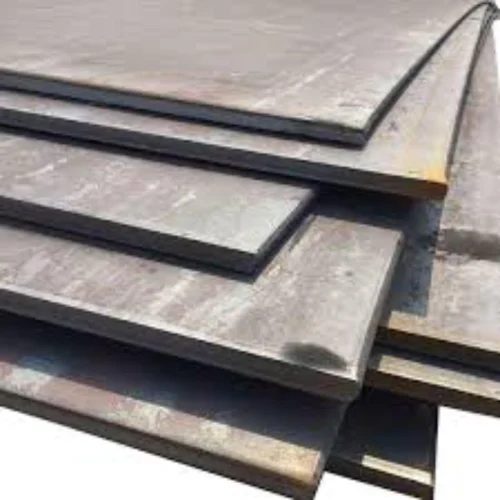
Carbon Steel Plate, S355MC, 10 mm Thick
Grade: S355MCThickness: 10 mm
-
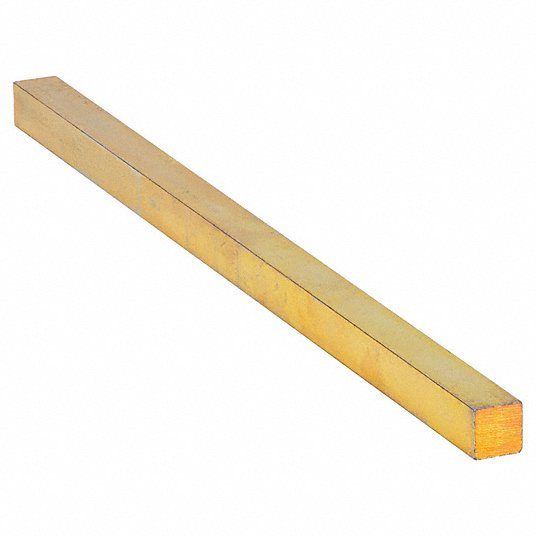
Key Stock, 6mm W, 12mm Ht, 305mm L
Height: 12 mmLength: 305 mmWidth: 6 mm
-
Stainless Steel Plate, 316, 1 in Thick, 8 ft - L
Dimensions: 4 ft x 8 ftGrade: 316Length: 8 ftThickness: 1 in
-
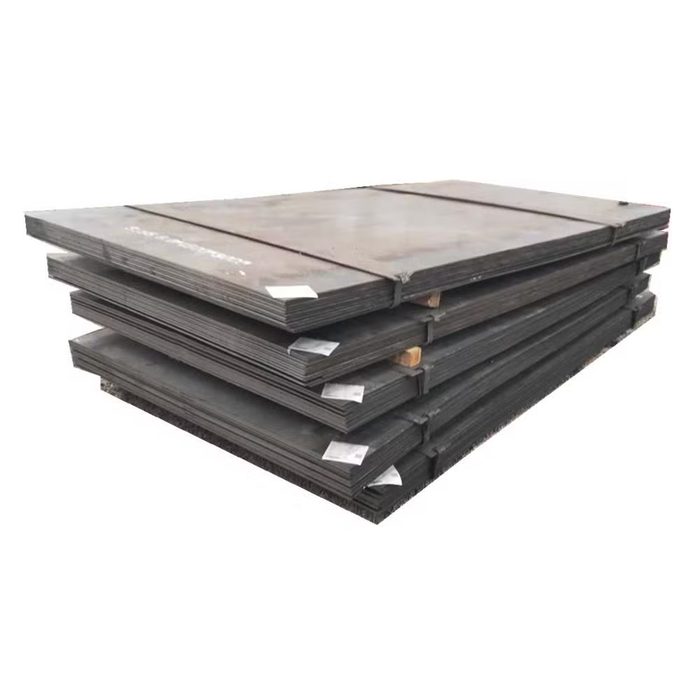
Stainless Steel Plate, 316, 2 in Thick, 24 in - L
Dimensions: 12 in x 24 inGrade: 316Length: 24 inThickness: 2 in
About steel stock
Steel stock encompasses a broad range of fundamental ferrous materials used in construction, fabrication, and mechanical engineering. These materials are typically available in hot-rolled (HR) and cold-rolled (CR) forms, with CR stock offering tighter dimensional tolerances, improved surface finish, and often higher strength due to work hardening. Common geometries include flat bar, round bar, square bar, rectangular bar, plate, sheet, angle, channel, and I-beams. Selection is primarily driven by mechanical properties, including tensile strength, yield strength, and hardness, as well as formability and weldability. Standard material grades such as ASTM A36 (structural steel), AISI 1018 (mild carbon steel), AISI 4140 (alloy steel), and various stainless steel grades (e.g., 304, 316) are widely available. Dimensions are critical for specification, including thickness, width, length, and cross-sectional profiles, often conforming to ASTM or ANSI standards. Surface finishes can range from mill scale on hot-rolled products to smooth, descaled, or polished finishes on cold-rolled or stainless steel. Coatings such as galvanization or priming may also be applied for corrosion resistance.
How to choose
When selecting steel stock, first define the required mechanical properties, such as yield strength and toughness, to determine the appropriate alloy (e.g., A36 for structural, 1018 for general machining, 4140 for higher strength). Second, specify the required form factor and dimensions (e.g., plate thickness, bar diameter, angle leg length) based on the application's geometric constraints and load paths. Third, consider the manufacturing process; cold-rolled offers better surface finish and tighter tolerances for precision applications, while hot-rolled is more economical for less critical uses. Finally, assess environmental factors for corrosion resistance, which may necessitate stainless steel or a protective coating like galvanization.