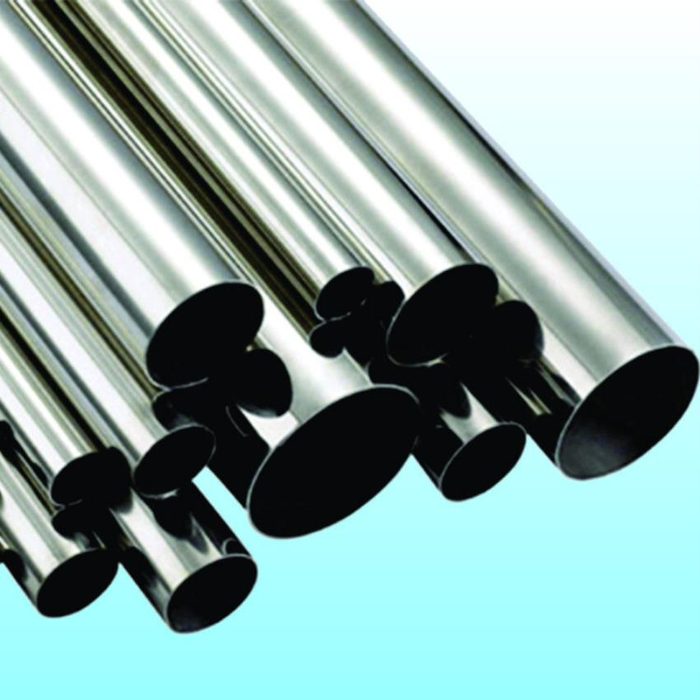
Stainless Stock
304, 316 and 17-4 bar, sheet, plate and tube.
Also searched as: 304 stainless316 stainlessstainless sheetstainless bar
-
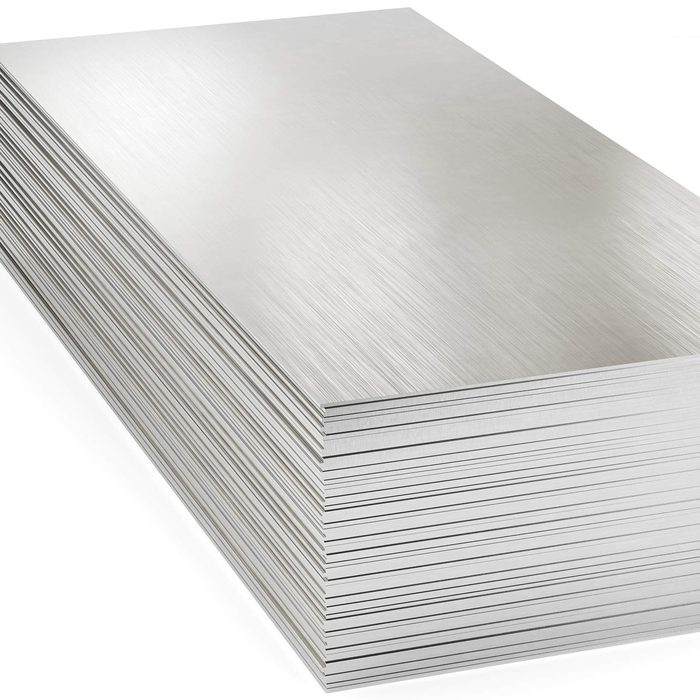
Stainless sheet
Grade: 304h
-
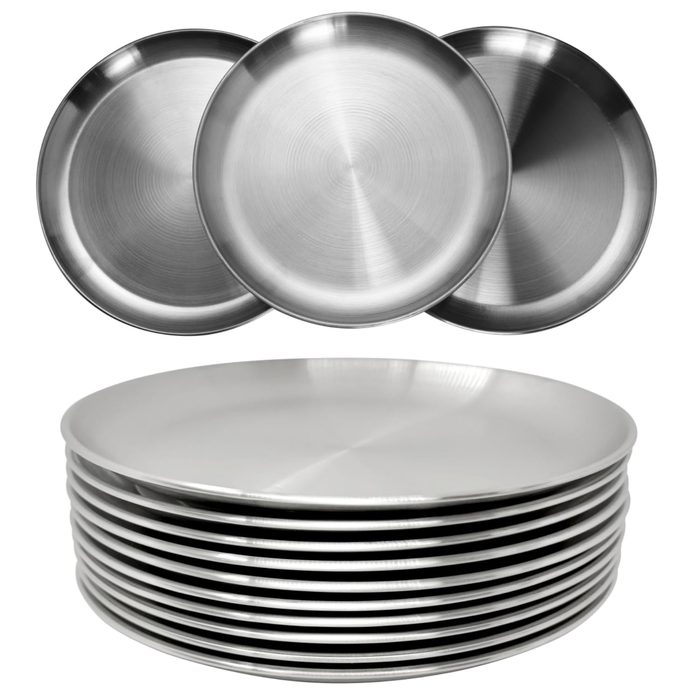
Stainless steel plate
Grade: 201 304 304L 316L
-
-
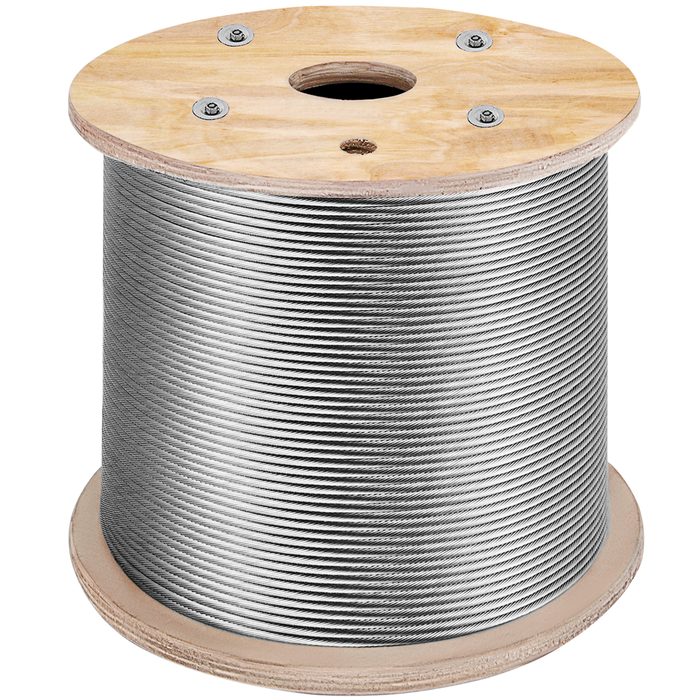
Steel Wire Rope
Construction: 7x19Diameter: 1/4 in.Length: 200 ft.
-
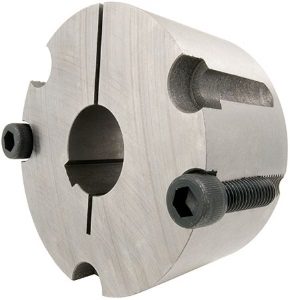
Taper Lock Bushing - 4545 Series, 3/4 x 3/8 inch Keyway
Keyway: 3/4 x 3/8 inchSeries: 4545
-

Thin Stainless Steel Plate
Dimensions: 4" X 4" X 1/64"Material Grade: 304Thickness: 1/64 Inch
-
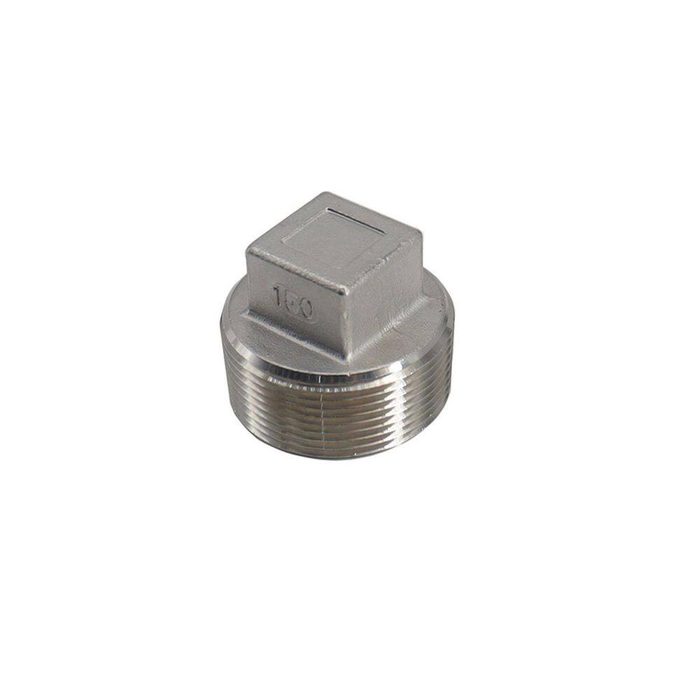
Threaded Plug, 1-1/2 inch 150 lbs.
Pressure Rating: 150 psiSize: 1-1/2 inch
-
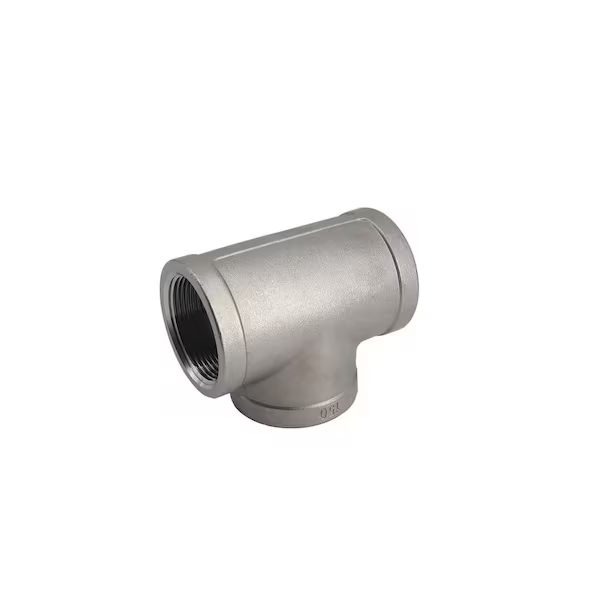
Threaded Tee, 1/8 inch 150 lbs.
Pressure Rating: 150 lbs.Size: 1/8 inch
-
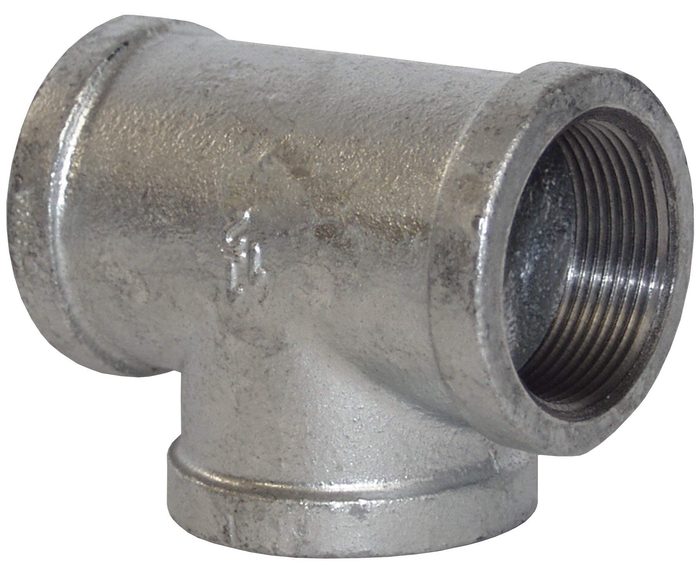
Threaded Tee, 2 inch 150 lbs.
Pressure Rating: 150 lbs.Size: 2 inch
-
-
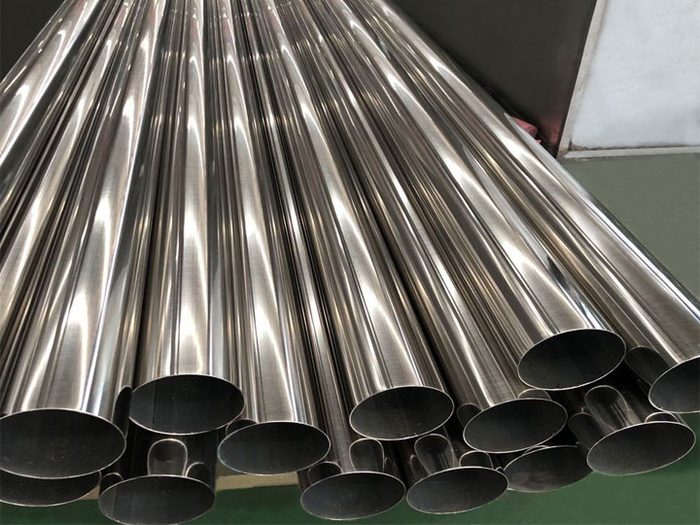
Type 316/316L Stainless Steel Tubing
Length: 100'Outside Diameter: 3/8"Wall Thickness: 0.028"
-
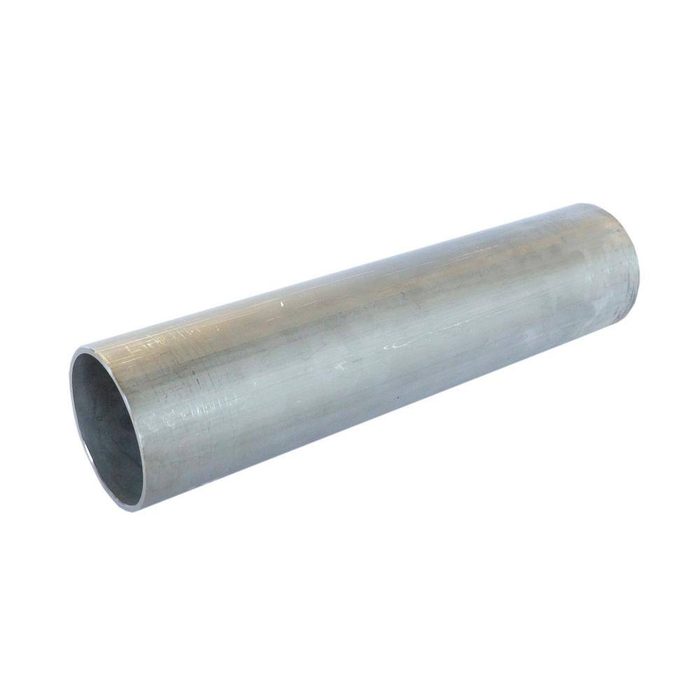
WLD Non-Threaded Pipe
Diameter: 1-1/2 in.Length: 1 ft.Schedule: S10
-
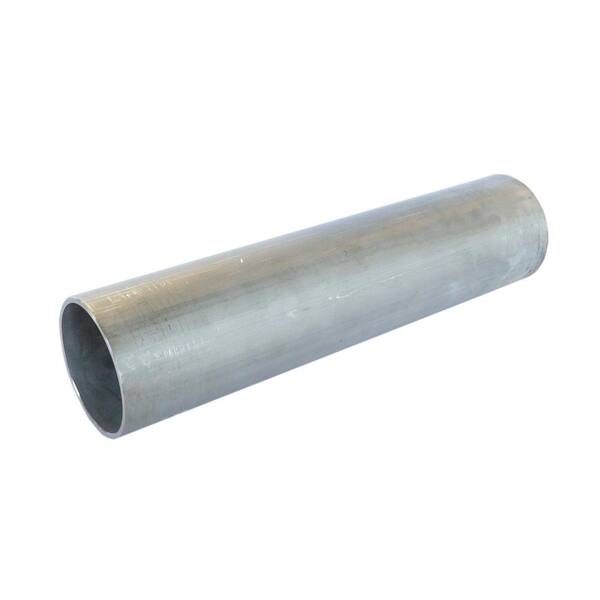
WLD NonThreaded Pipe
Diameter: 3/4 inchLength: 3 ft.Schedule: S10
-
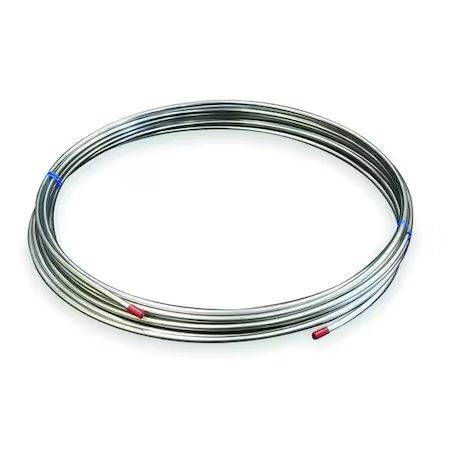
Welded 304 Stainless Steel Tubing
Length: 6 ftOutside Diameter: 1/8 in
-
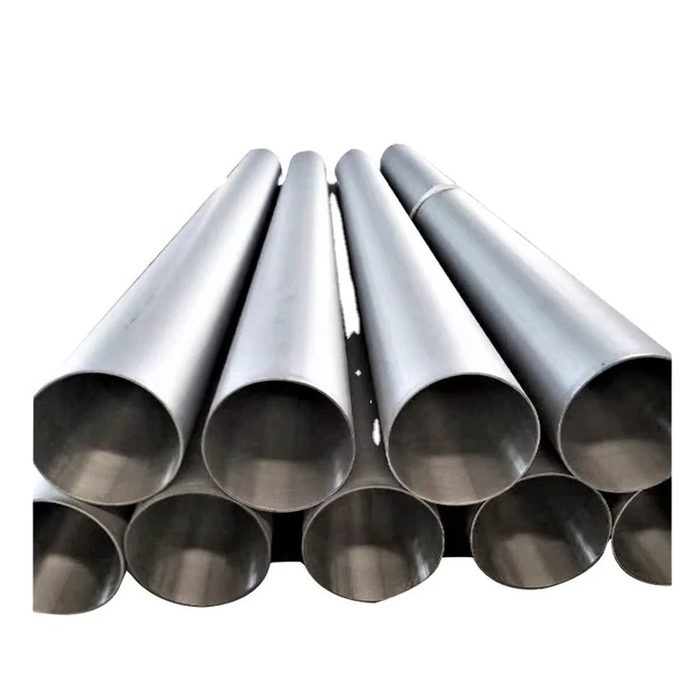
Welded 316 Stainless Steel Tubing, 5/8" OD x 6 ft
Maximum Operating Pressure: 1071 psi @ 72 DegreesOutside Diameter: 5/8"Overall Length: 6 ft.
About stainless stock
Stainless steel stock encompasses a range of corrosion-resistant alloys available in various forms, including bar, sheet, plate, and tube. Common grades include 304, 316, and 17-4 PH. 304 stainless steel, an austenitic chromium-nickel alloy, offers good formability and weldability, suitable for general-purpose applications. 316 stainless steel, also austenitic, incorporates molybdenum for enhanced corrosion resistance, particularly against chlorides, making it ideal for marine and chemical processing environments. 17-4 PH (precipitation hardening) is a martensitic stainless steel known for its high strength and hardness, often used in aerospace and medical applications. Stock is defined by its form factor (e.g., round bar, square tube, flat sheet), dimensions (e.g., diameter, thickness, width, length), and surface finish (e.g., mill finish, polished, brushed). Bar stock is typically specified by diameter or cross-sectional dimensions, while sheet and plate are defined by gauge or thickness and overall dimensions. Tubing is specified by outer diameter, wall thickness, and length. Material certifications, such as ASTM A276 or A240, are crucial for verifying alloy composition and mechanical properties.
How to choose
When selecting stainless stock, first determine the required corrosion resistance. Is general-purpose 304 sufficient, or is enhanced resistance to chlorides (316) or high strength (17-4 PH) necessary? Next, define the form factor: bar for machining, sheet/plate for fabrication, or tube for fluid transfer or structural applications. Then, specify the precise dimensions, including outer diameter, thickness, width, and length, ensuring compatibility with design constraints. Finally, consider the surface finish requirements, balancing aesthetic needs with functional demands, such as cleanliness or reduced friction. Verify material certifications to ensure compliance with application standards.