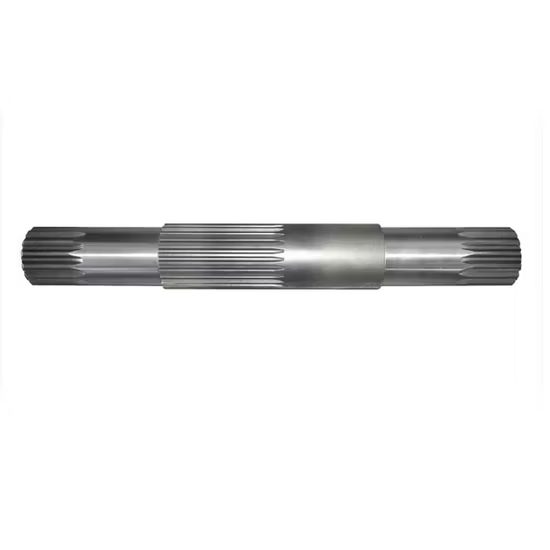
Shafts & Shafting
Precision ground, keyed, hollow and hardened linear shafting.
Also searched as: ground shaftkeyed shaftlinear shaftdrive shaftchrome shafting
-
Keyed Shaft
Diameter: 5/8 inLength: 48 in
-
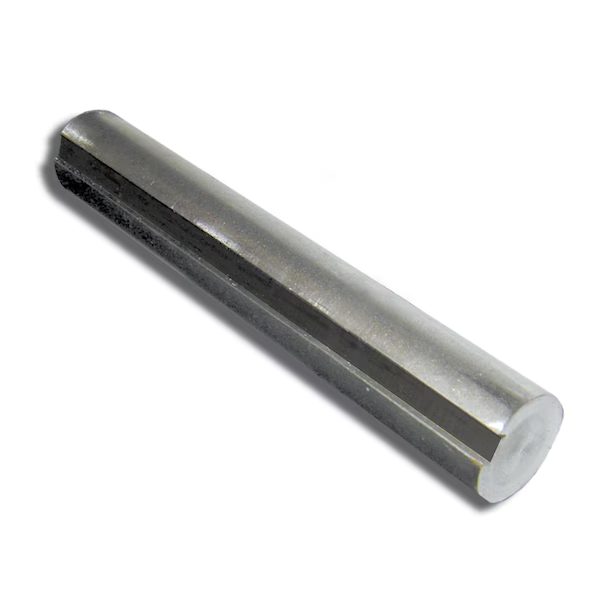
Full Keyed Shaft
Diameter: 1 inLength: 8 ft
-
Full Keyed Shaft, 1 Inch x 10 Ft
Diameter: 1 inLength: 10 ft
-
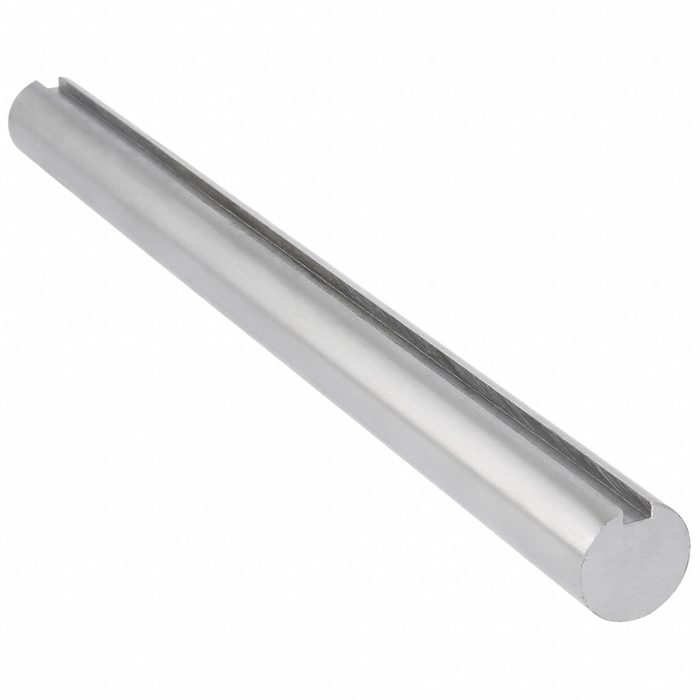
Keyed Rotary Shaft, 1 1/4 in dia, 72 in L
Diameter: 1 1/4 inLength: 72 in
-
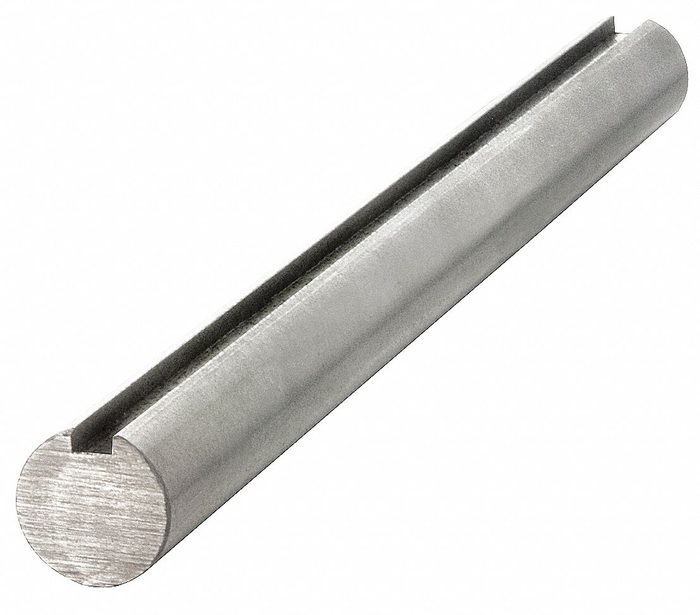
Keyed Rotary Shaft, 2 3/8 in dia, 18 in L
Diameter: 2 3/8 inDiameter Tolerance: +0.0000/-0.0035 inLength: 18 in
-
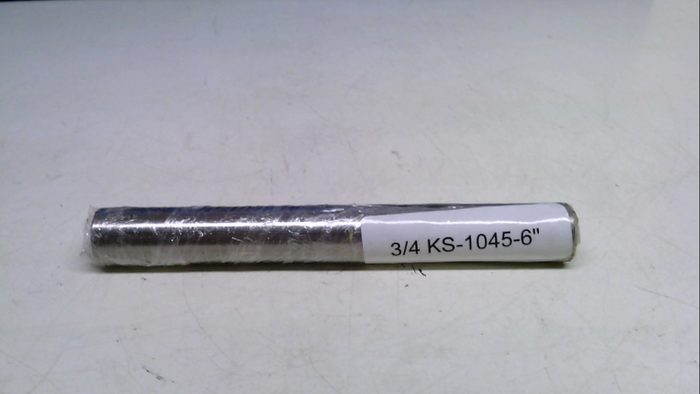
Keyed Shaft
Diameter: 1-3/16 inLength: 6 in
-
Keyed Shaft, 1 1/4 in dia, 72 in L
Diameter: 1 1/4 inLength: 72 in
-
Keyed Shaft, 20 mm dia, 1800 mm L
Diameter: 20 mmKeyway Length: 500 mmLength: 1800 mm
-
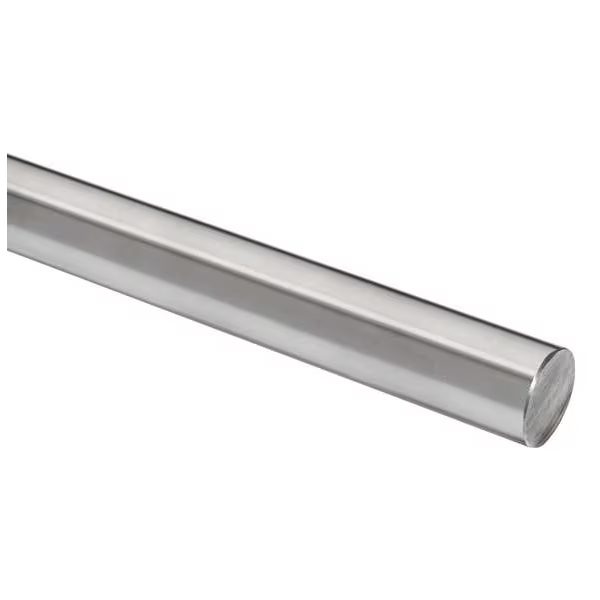
Linear Shaft, 1 1/8 in D
Diameter: 1 1/8 inch
from $292.99Zoro $292.99 -
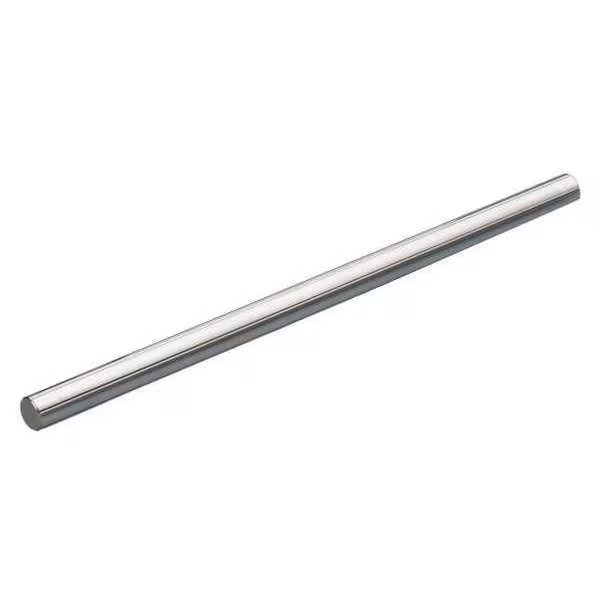
Linear Shaft, 1 in D
Diameter: 1 inch
from $71.95Zoro $71.95 -
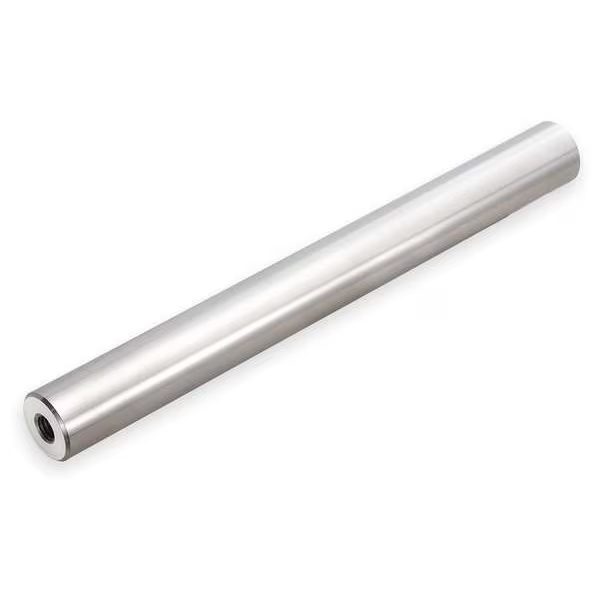
Linear Shaft, 1 in D
Diameter: 1 inch
from $29.19Zoro $29.19 -
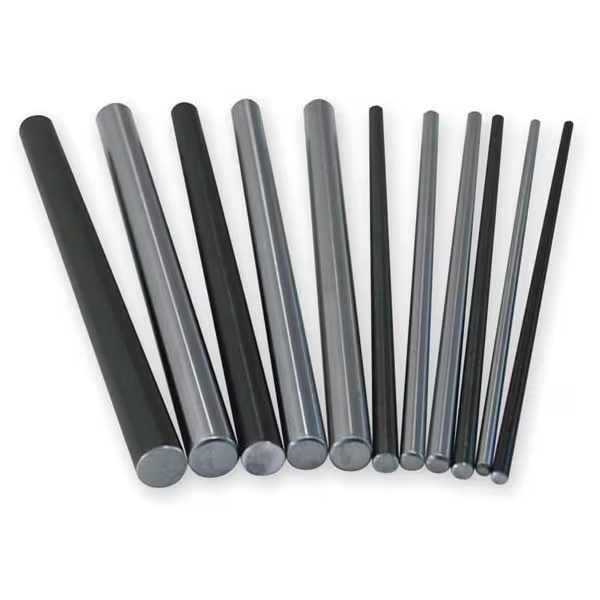
Linear Shaft, 1/2 in D
Diameter: 1/2 inch
from $60.49Zoro $60.49 -
Linear Shaft, 1/2 in D
Diameter: 1/2 inch
from $84.39Zoro $84.39 -
Linear Shaft, 1/2 in D
Diameter: 1/2 inch
from $13.25Zoro $13.25 -
Linear Shaft, 1/4 in D
Diameter: 1/4 inch
from $41.75Zoro $41.75 -
Linear Shaft, 10 mm D
Diameter: 10 mm
from $37.25Zoro $37.25 -
Linear Shaft, 30 mm D
Diameter: 30 mm
from $218.99Zoro $218.99 -
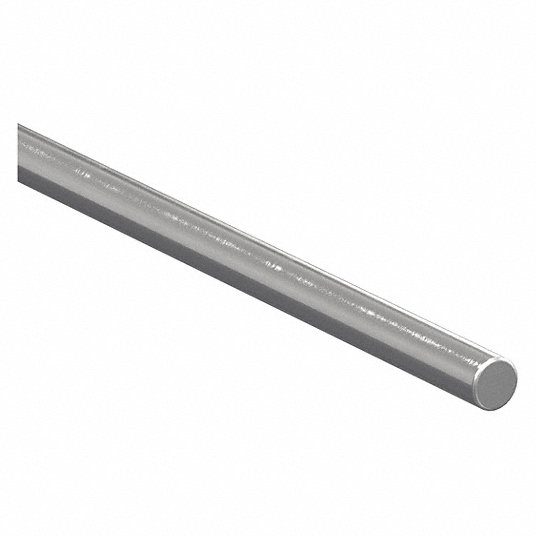
Linear Shaft, 40 mm D
Diameter: 40 mm
from $321.99Zoro $321.99 -
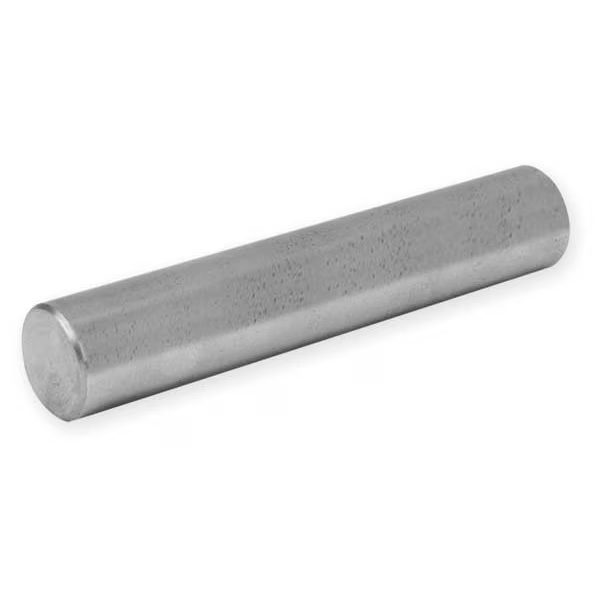
Linear Shaft, SS, 0.250 In D, 12 In
Diameter: 0.250 inchDiameter Tolerance Max: 0.2495 inchDiameter Tolerance Min: 0.249 inchLength: 12 inch
from $25.49Zoro $25.49 -
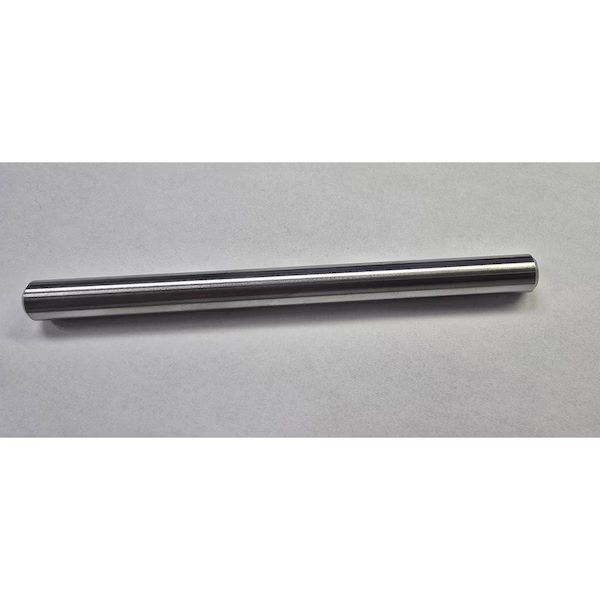
Precision Ground Inch Shafting
Type: Inch
from $35.85Zoro $35.85 -
Precision Ground Inch Shafting
Type: Inch
from $48.75Zoro $48.75 -
Precision Ground Metric Shafting
Type: Metric
from $44.25Zoro $44.25 -
from $53.37Zoro $53.37
-
 from $103.99Zoro $103.99
 -
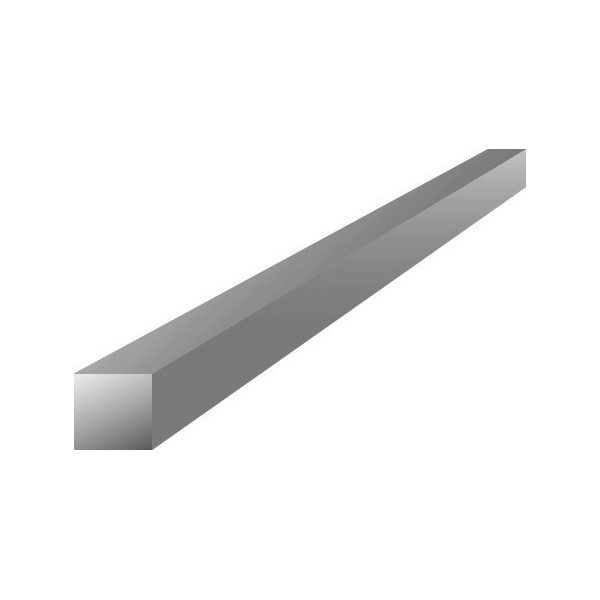
Square Keyed Stock
Length: 12 inSize: 3/16 in Sq
from $10.47Zoro $10.47 -
Square Keyed Stock: 1/4 in. Sq. X 12 in. Long
Length: 12 in.Width: 1/4 in.
from $13.47Zoro $13.47 -
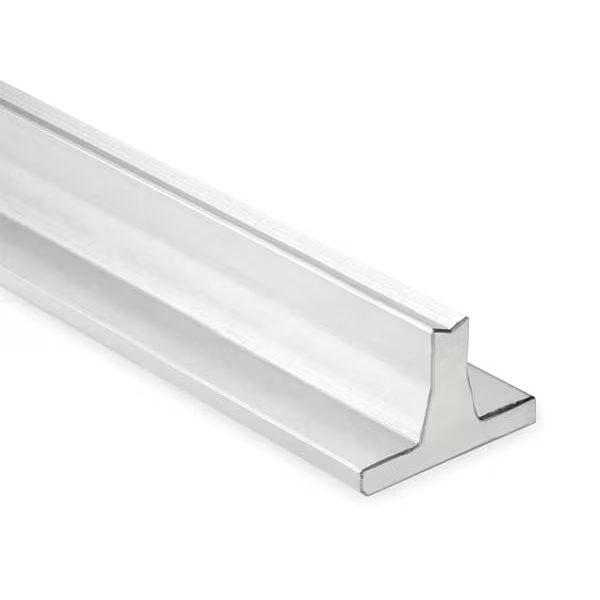
Support Rail, Aluminum, 1.250 In D, 24 In
Diameter: 1.250 in.Length: 24 in.
from $145.99Zoro $145.99
About shafts & shafting
Shafts and shafting are fundamental mechanical components used to transmit torque, support rotating elements, or provide linear guidance. Precision ground shafting offers tight tolerances and smooth surface finishes, crucial for applications requiring minimal friction and high positional accuracy. Keyed shafting incorporates an integral keyway, facilitating positive mechanical connection with hubs, gears, or pulleys to prevent relative rotation and transmit higher torques than friction fits alone. Hollow shafting reduces weight and allows for the passage of other components, such as wiring or fluids, while maintaining torsional rigidity. Hardened shafting, typically induction or case hardened, provides enhanced wear resistance and increased load-bearing capacity, essential for applications involving high cyclic stresses or abrasive environments. Common materials include carbon steel (e.g., 1045, 4140), stainless steel (e.g., 303, 304, 316), and occasionally aluminum for weight-sensitive applications. Finishes often include chrome plating for corrosion resistance and reduced friction, or black oxide for mild corrosion protection. Selection parameters include diameter (e.g., 6mm to 100mm, 0.25 inch to 4 inches), length, straightness (e.g., 0.001 inch per foot), surface roughness (e.g., Ra 0.2-0.8 μm), and hardness (e.g., HRC 55-65 for hardened variants). Specific variants like linear motion shafting are designed for use with linear bearings, emphasizing consistent diameter and surface finish.
How to choose
Selecting the appropriate shafting involves a sequential decision process. First, determine the primary function: torque transmission, linear guidance, or structural support. This dictates whether a drive shaft, linear shaft, or a general-purpose shaft is needed. Second, evaluate the operating environment and load conditions. High loads, abrasive conditions, or corrosive environments necessitate hardened, stainless steel, or chrome-plated options, respectively. Third, specify the required dimensions: diameter, length, and straightness. These are often dictated by mating components like bearings and couplings. Fourth, consider the connection method. If positive torque transmission is required, keyed shafting is often the solution; otherwise, plain or hollow shafting might suffice. Finally, assess any weight or space constraints, which might lead to the selection of hollow or lighter material shafts, balancing rigidity against mass.