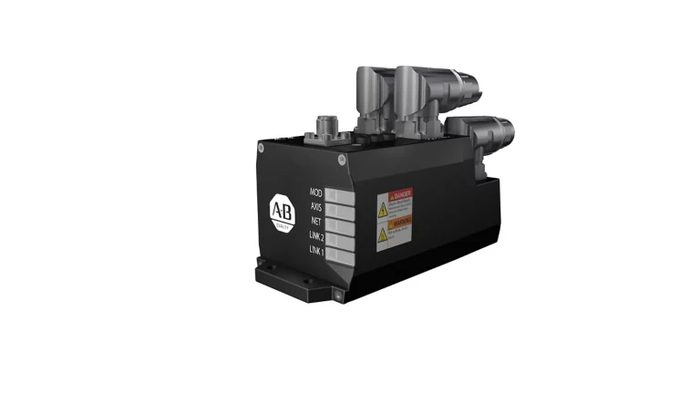
Servo Motors
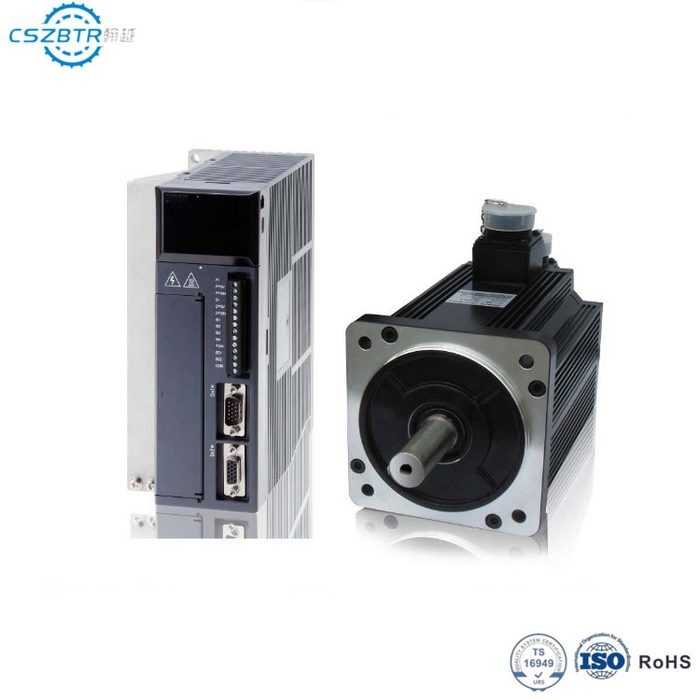
AC and DC servos, integrated servos and matched drives.
Also searched as: servo motorac servoservo drivebrushless servo
-
-
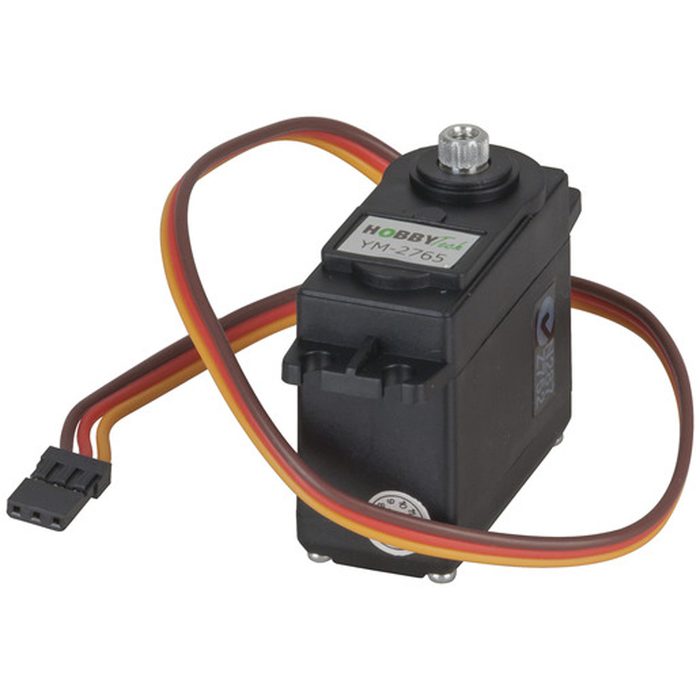
Servo Motor - Standard 6 Volt with Metal Gear - 11kg
Torque: 11kgVoltage: 6 Volt
-
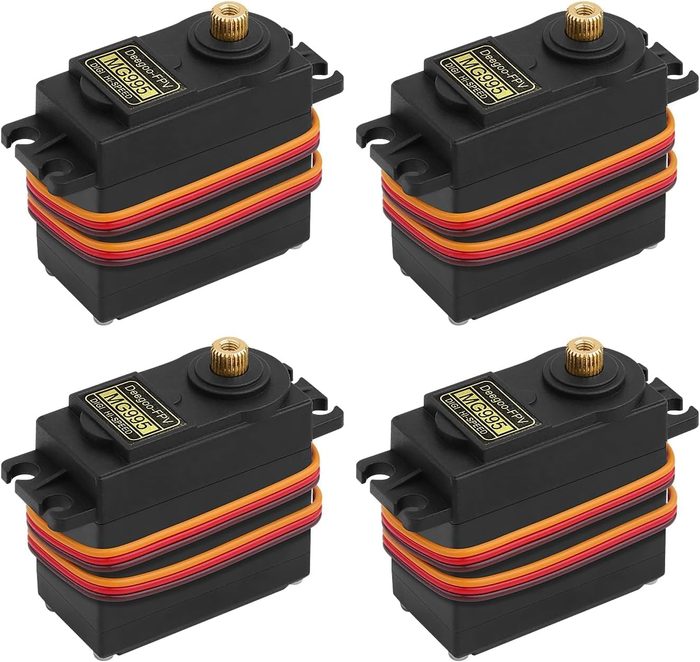
Servo Motor MG995 Control Angle 180 Metal Gear
Control Angle: 180
-
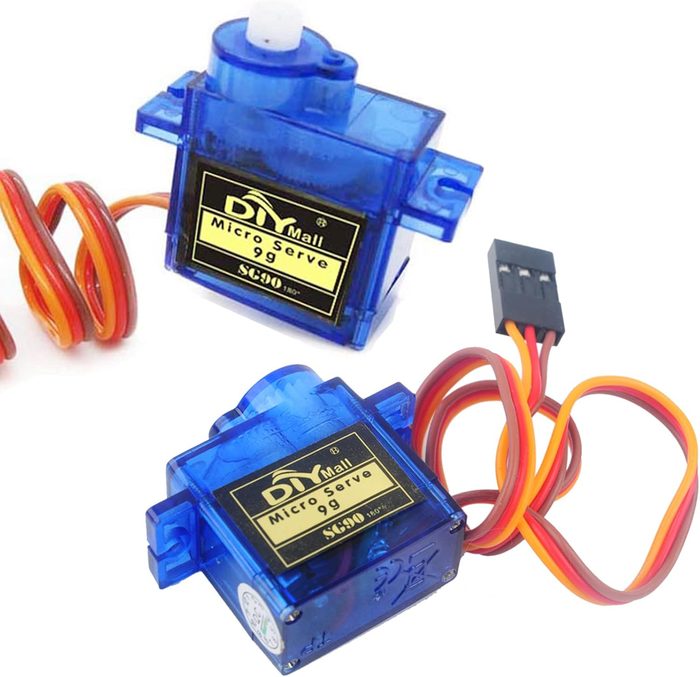
Servo Motor SG90 180 Degree
Control Angle: 180 DegreeOperating Voltage: 4.8 ~ 6 VDC
-
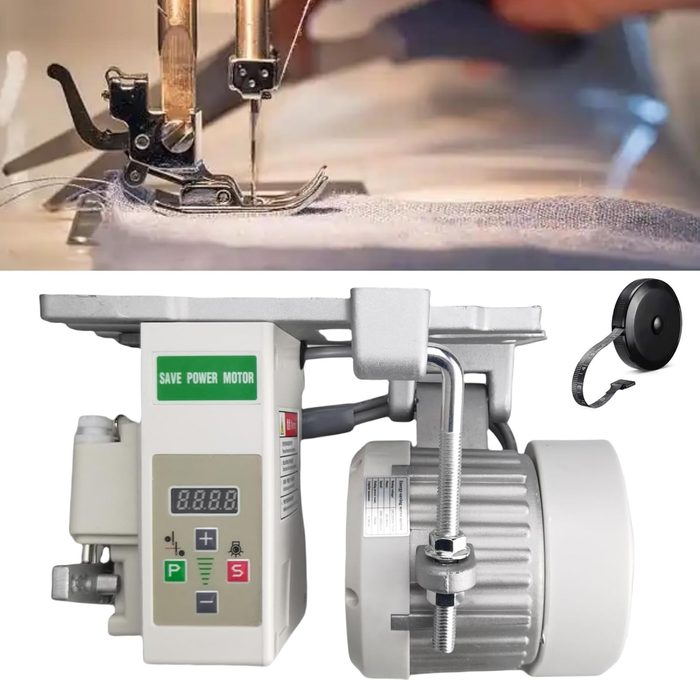
Servo Motor Sewing Machine AC110V, 750w 1HP
Horsepower: 1 HPPower: 750 WVoltage: 110 VAC
-
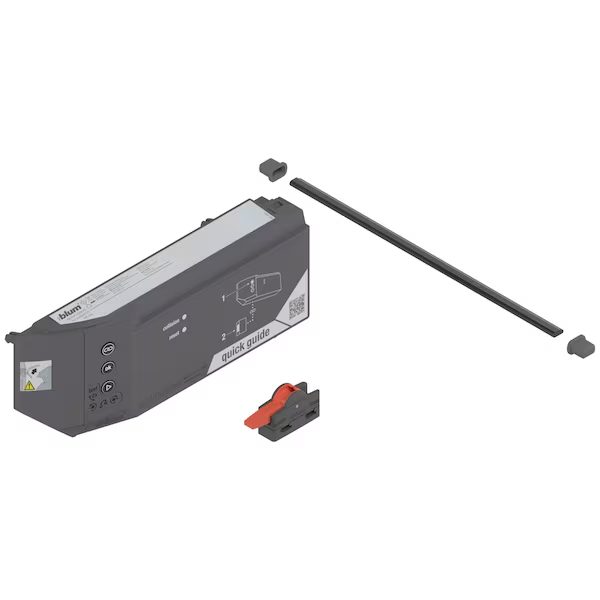
Servo-drive Unit
Dimensions: 1"D x 1"W x 1"H
-
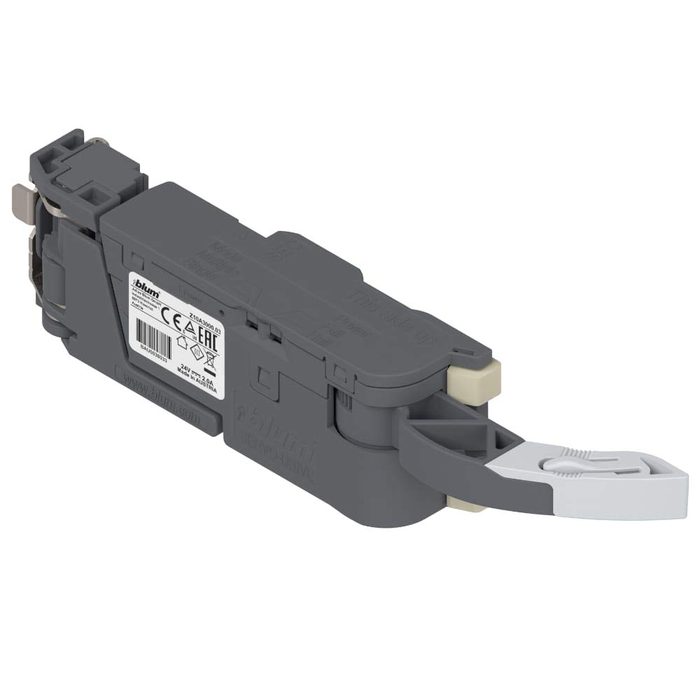
TANDEM SERVO-DRIVE Set for Electric Push to Open Drawer System
Application: Electric Push to Open Drawer System
-
TANDEM plus BLUMOTION SERVO-
Dimensions: 1 x 1 x 1 inchesWeight: 3.1 pounds
-
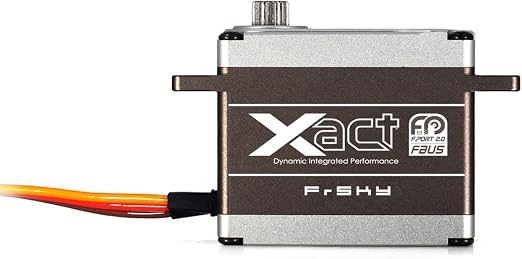
Xact Brushless Series Servo BLS5400H
Voltage: 8.4 V
About servo motors
Servo motors are rotary or linear actuators that provide precise control of angular or linear position, velocity, and acceleration. They consist of a motor, a feedback device (typically an encoder or resolver), and often an integrated drive or a separate servo drive. Two primary types are AC servo motors, generally three-phase synchronous motors, and DC servo motors, which can be brushed or brushless. Integrated servo motors combine the motor, drive, and feedback into a single unit, simplifying wiring and reducing footprint. Key selection parameters include continuous torque (typically in Nm or oz-in), peak torque, continuous power (W or kW), rated speed (RPM), and voltage (VDC or VAC). Feedback resolution (counts per revolution) and accuracy are critical for precision applications. Form factors vary from NEMA frame sizes (e.g., NEMA 17, 23, 34) to flange-mounted designs, with various shaft configurations including keyed, smooth, and hollow. Environmental ratings like IP codes (e.g., IP65 for dust and water resistance) are important for industrial environments. Common materials for motor housings include aluminum and steel, with various surface treatments for corrosion resistance. Drive interfaces typically include EtherCAT, PROFINET, SERCOS, and CANopen, facilitating integration into industrial control systems.
How to choose
When selecting a servo motor, first determine the required continuous and peak torque, as well as the maximum speed, based on the load and application dynamics. Next, consider the available power supply: AC or DC, and the specific voltage. Evaluate the required precision and repeatability, which dictates the necessary feedback device resolution (e.g., incremental encoder, absolute encoder, resolver). Decide between a separate motor and drive, or an integrated servo motor, considering space constraints and wiring complexity. Finally, assess environmental conditions to select an appropriate IP rating and mounting configuration (e.g., NEMA frame, flange mount, shaft type).