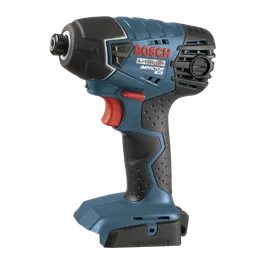
Power Tools
Drills, drivers, grinders, saws and rotary tools.
Also searched as: cordless drillangle grinderimpact driverrotary toolcircular saw
-
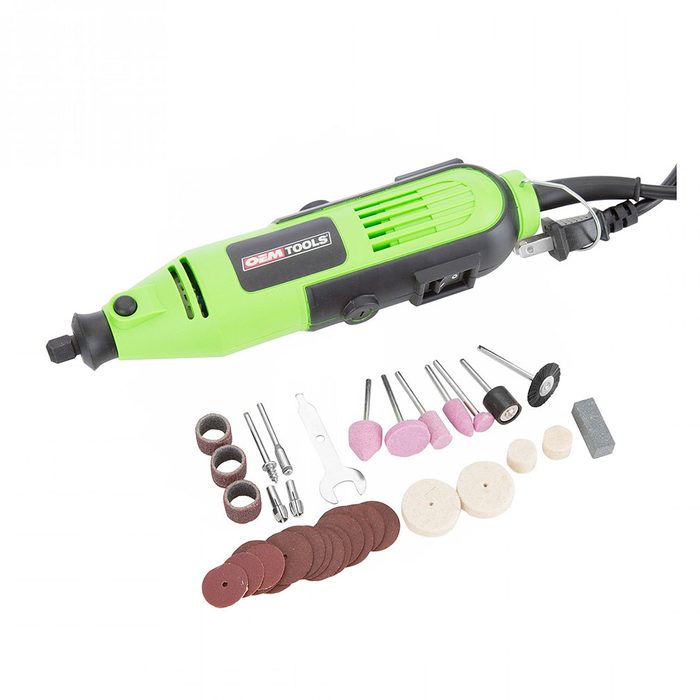
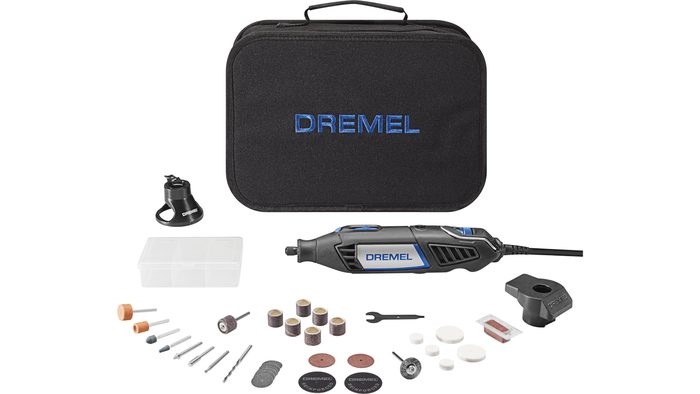
1.2 Amp 120V Rotary Tool with 35 Piece Accessory
Power: 1.2 ASpeed: 10000-35000 rpmVoltage: 120 V
-
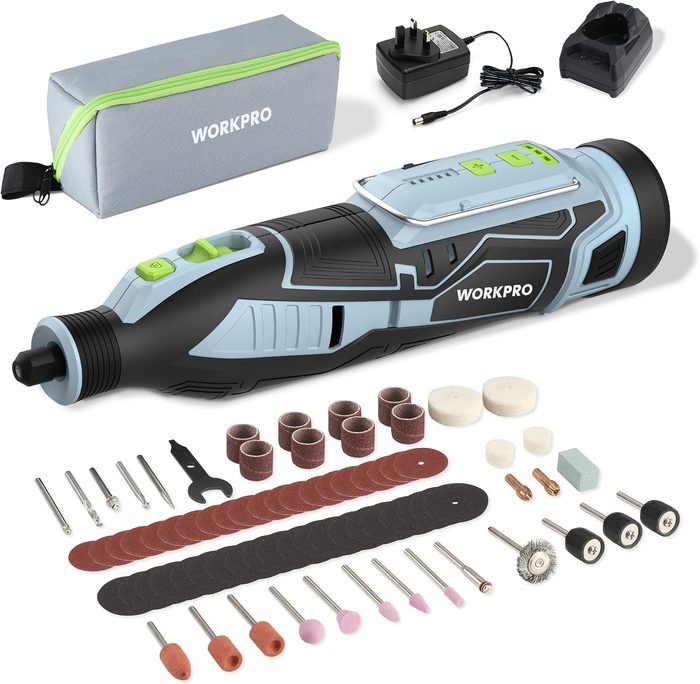
12V Cordless Rotary Tool Kit
Voltage: 12 V
-
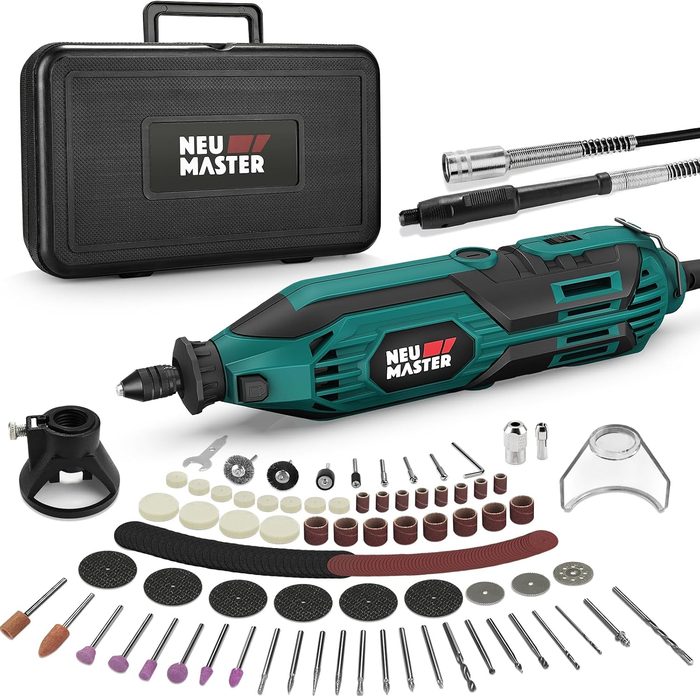
180W Rotary Tool Kit
Power: 180 WSpeed: 10000-35000 rpm
-
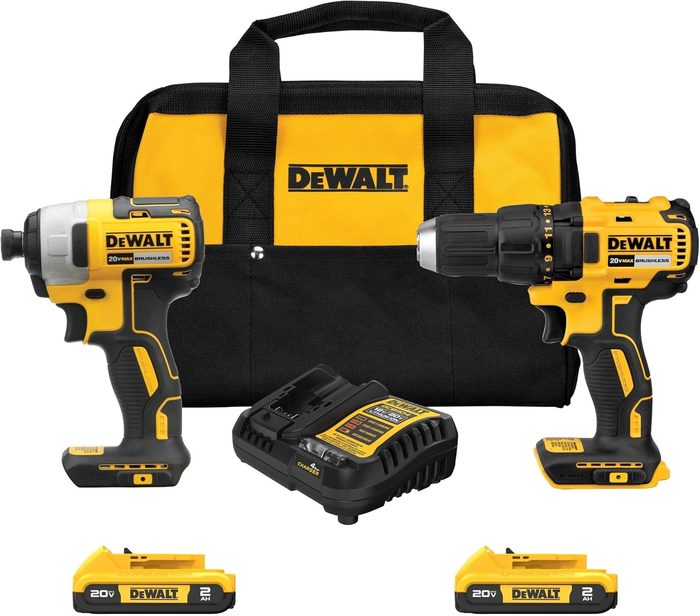
20V MAX Cordless Drill and Impact Driver
Impact Driver Drive Size: 1/4 inchImpact Driver Length: 5.55 inchImpact Driver Weight: 2.8 lbsVoltage: 20V
-
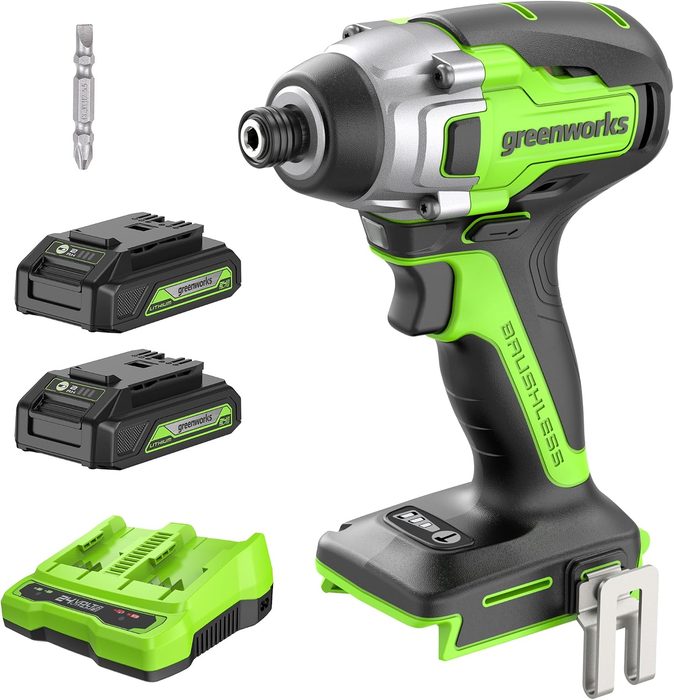
24V Cordless Impact Driver
Drive Size: 1/4 inchTorque: 1950 in-lbsVoltage: 24V
-
-
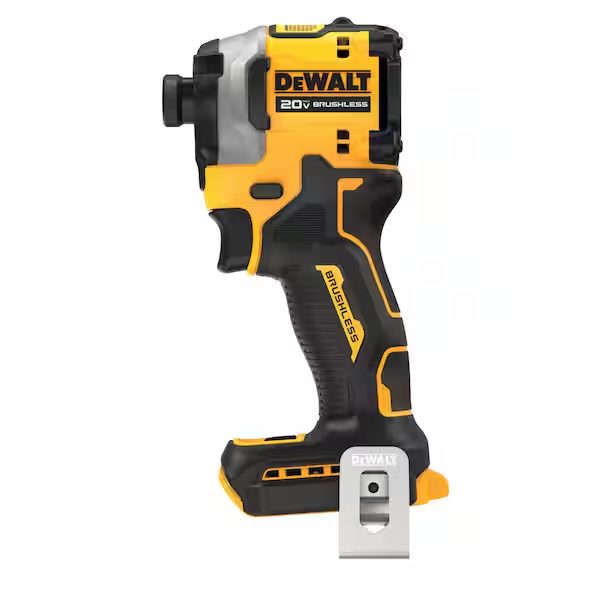
ATOMIC 20V MAX Impact Driver
Length: 5.1 inchTorque: 1700 in-lbsVoltage: 20V
-
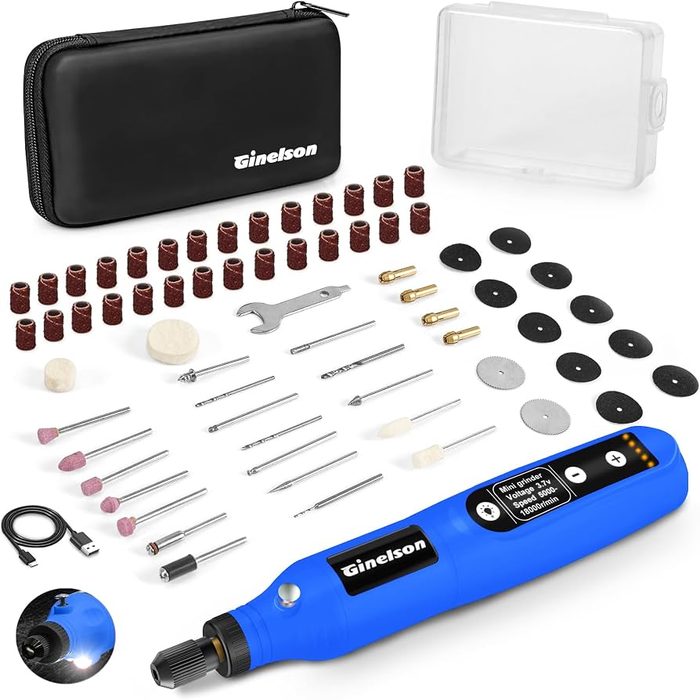
Cordless Rotary Tool, 5 Variable Speed Mini
Rotational Speed: 5000/8000/11000/14000/18000 RPMSpeeds: 5
-
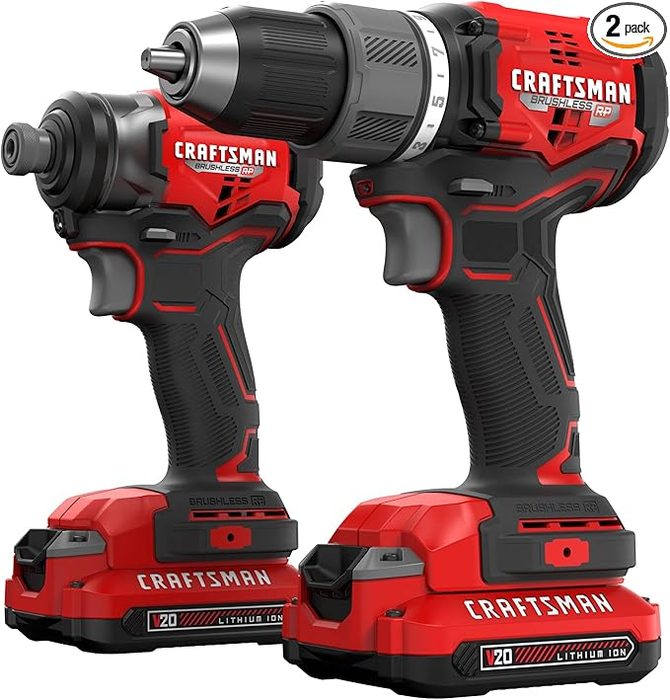
Hand Impact Driver
Drive Size: 3/8 inch
-
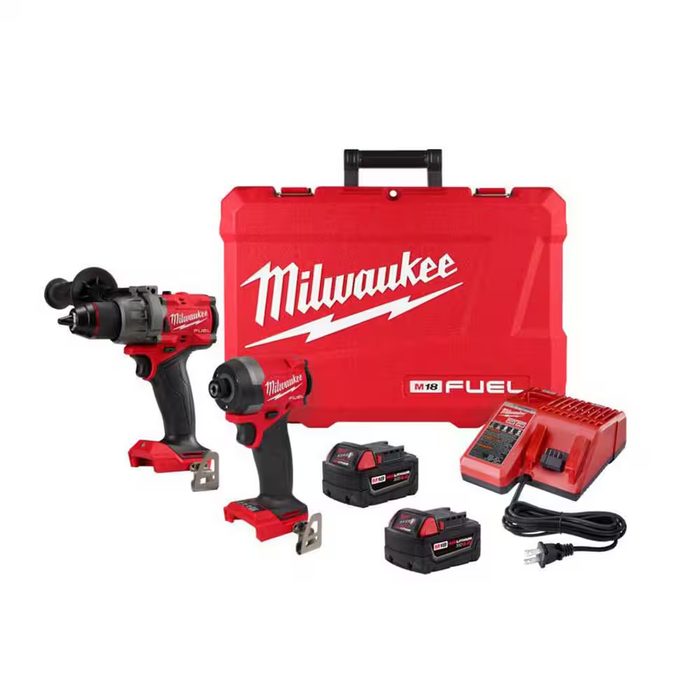
M18 Fuel 1/4 HEX Impact Driver
Drive Size: 1/4 inchTorque: 2000 in-lbs
-
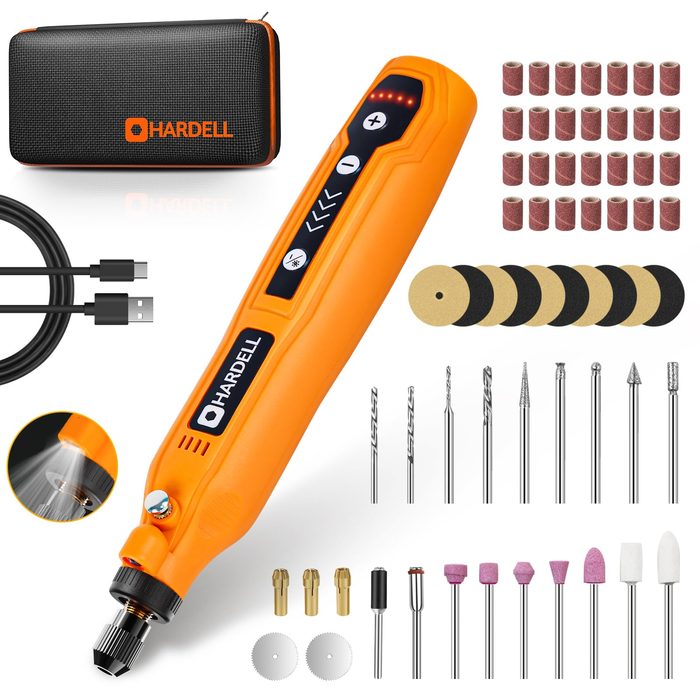
Mini Cordless Rotary Tool, 5-Speed 3.7V USB
Voltage: 3.7 V
-
-
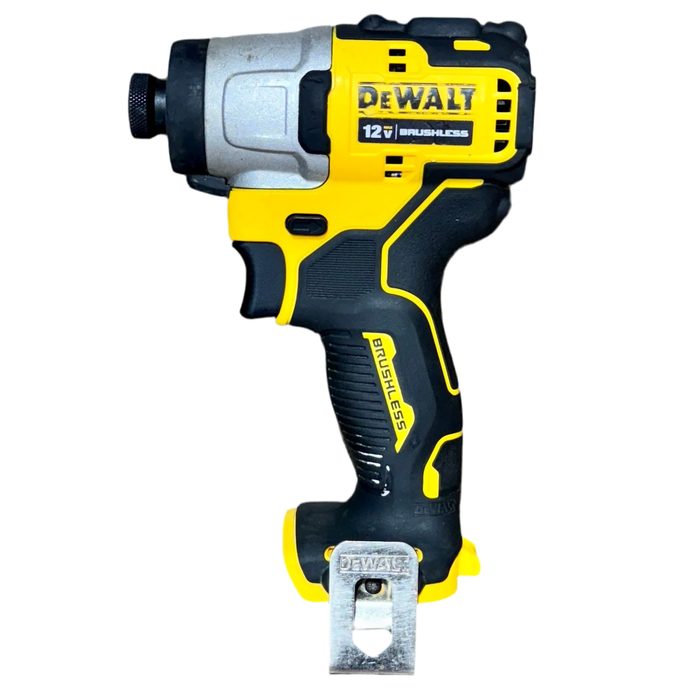
XTREME 12V MAX Impact Driver
Drive Size: 1/4 inchVoltage: 12VWeight: 1.75 lbs
About power tools
Power tools encompass a broad range of portable, motorized devices designed for material removal, fastening, and cutting operations. This category includes drills and drivers for rotary action and torque application, grinders for abrasive material removal and surface finishing, saws for precise material separation, and rotary tools for intricate work. Key variants include cordless drills with varying voltage ratings (e.g., 12V, 18V, 20V MAX) and chuck sizes (e.g., 3/8", 1/2"), impact drivers characterized by their IPM (impacts per minute) and torque output, and angle grinders specified by disc diameter (e.g., 4.5", 5", 7") and motor power. Saws are differentiated by blade type (e.g., circular, reciprocating, jig) and cutting depth. Rotary tools are often characterized by RPM range and collet size. Performance is primarily defined by motor power (watts or horsepower), no-load speed (RPM), torque (Nm or in-lbs), and battery capacity (Ah) for cordless units. Materials and finishes typically involve high-strength plastics for housings, hardened steel for gears and chucks, and various abrasive compounds for cutting and grinding accessories.
How to choose
When selecting power tools, first determine the primary application: drilling/driving, cutting, grinding, or fine detail work. For drilling and driving, consider the required torque and speed; cordless options prioritize portability, while corded units offer sustained power. Next, assess material compatibility and required cutting/grinding depth or diameter. Saws are specialized by material and cut type. For grinders, disc diameter dictates capacity. Finally, evaluate power source requirements: battery voltage and capacity for cordless tools, or wattage for corded models. Consider ergonomics and weight for prolonged use, and ensure compatibility with existing accessory ecosystems if applicable.