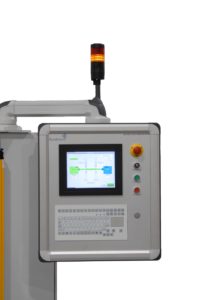
PLCs & Industrial Controls
PLCs, I/O modules, HMIs and industrial controllers.
Also searched as: plchmiio moduleindustrial controllerdin rail
-
-
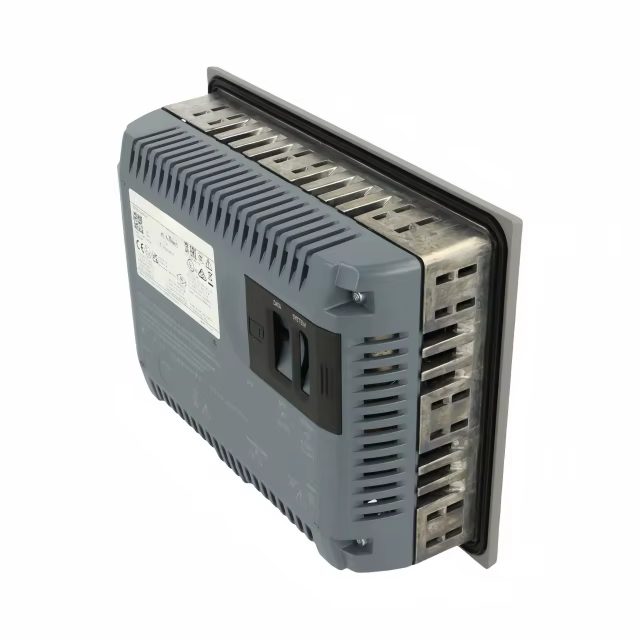
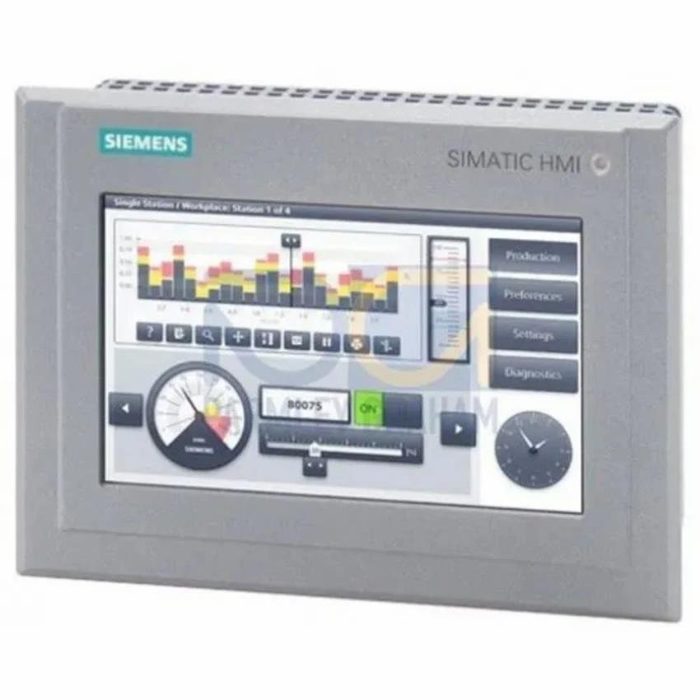
SIPLUS HMI TP700 Comfort GEA based on 6AV2124-5GC00, Comfort Panel, touch operation, 7 widescreen TFT display, 16 million colors, PROFINET interface
Colors: 16 millionDisplay: 7 widescreen TFT
-
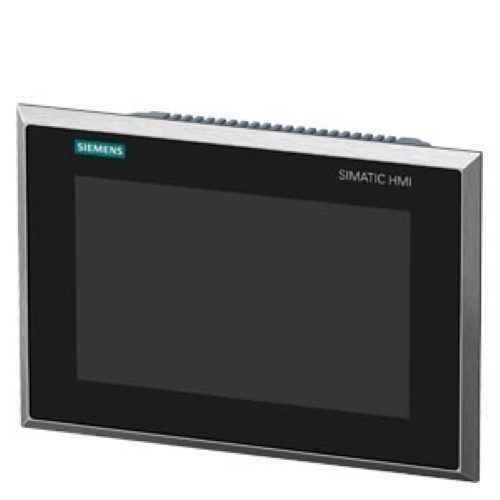
SIPLUS HMI TP700 Comfort GEA, 7" widescreen TFT display
Colors: 16 millionDisplay Size: 7 inch
-
-
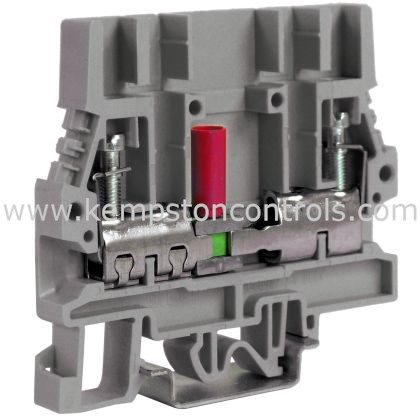
Sliding Link Disconnect Terminal Block, DIN Rail Mount, 20-8 AWG
Wire Gauge: 20-8
-
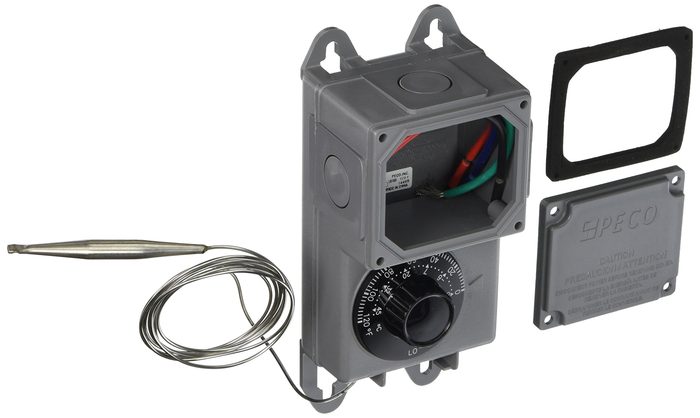
Temperature Controller
NEMA Rating: 4XTemperature Range: 0-120 °F
About plcs & industrial controls
PLCs and industrial controls form the computational and operational backbone of automated systems. This category encompasses Programmable Logic Controllers (PLCs), Human-Machine Interfaces (HMIs), various I/O modules, and specialized industrial controllers. PLCs execute control logic, managing processes based on input signals and driving output devices. Key specifications include processing speed (e.g., scan time), program memory capacity (e.g., KB), number and type of I/O points (digital, analog, high-speed counter), communication protocols supported (e.g., Modbus RTU/TCP, EtherNet/IP, PROFINET), and operating voltage (e.g., 24VDC, 120VAC). I/O modules expand PLC capabilities, offering discrete inputs/outputs, analog inputs/outputs (e.g., 0-10V, 4-20mA), temperature inputs (thermocouple, RTD), and specialized functions. HMIs provide operator interface, ranging from basic text displays to advanced graphical touchscreens, specified by screen size (e.g., 7-inch, 10-inch), resolution, and communication ports. Industrial controllers may be purpose-built for motion, temperature, or process control. Form factors often include DIN rail mounting. Enclosure ratings (e.g., IP20, NEMA 4X) are critical for environmental suitability.
How to choose
Choosing PLCs and industrial controls begins with defining the application's I/O requirements: How many discrete inputs/outputs? What analog signals are needed? Next, determine the required processing power and memory for the control logic and data logging. Consider communication needs, including integration with other PLCs, HMIs, and SCADA systems, selecting appropriate protocols. Evaluate the HMI based on necessary screen size, resolution, and operator interaction complexity. Finally, assess environmental factors for appropriate IP/NEMA ratings and mounting options like DIN rail, ensuring compatibility with existing infrastructure and future expansion plans.