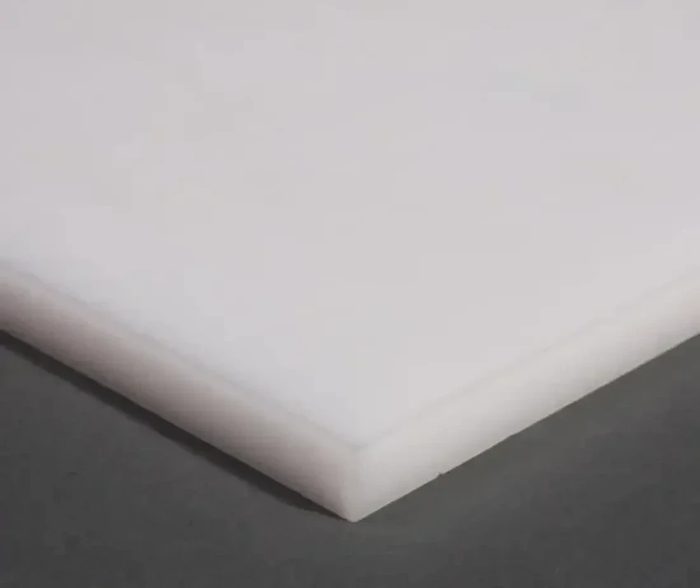
Plastic Stock
Delrin, HDPE, UHMW, PTFE, nylon and polycarbonate sheet and rod.
Also searched as: delrinacetaluhmwhdpe sheetpolycarbonatenylon rod
-
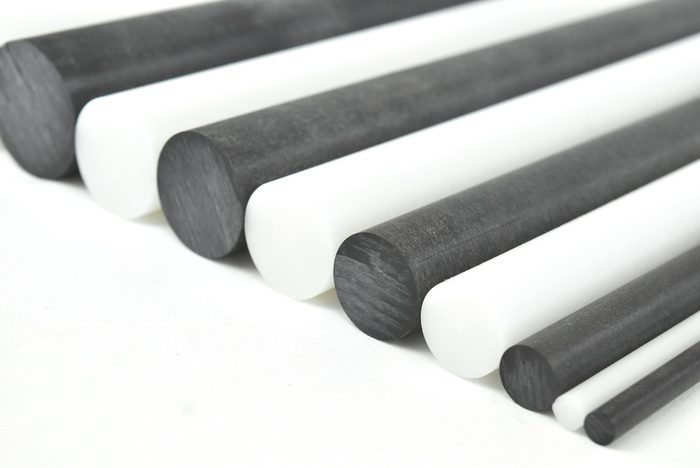
Acetal Copolymer Plastic Rod
Color: BlackDiameter: 50 mmLength: 6 ft
-
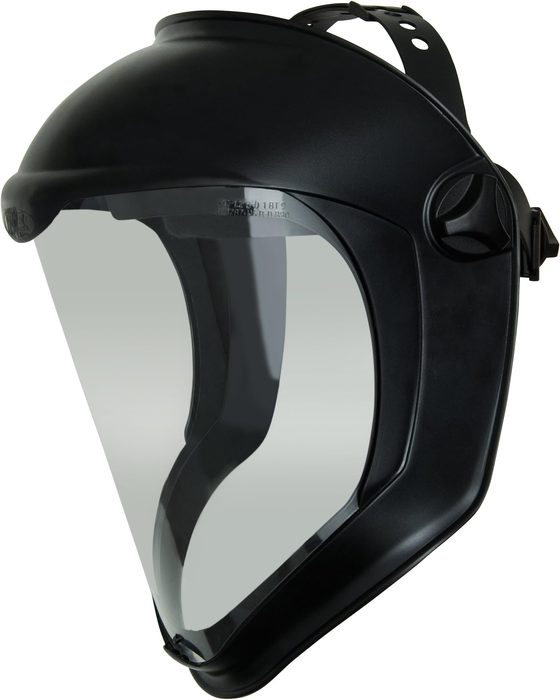
Black Polycarbonate Faceshield
Color: BlackThickness: 0.090 in
-
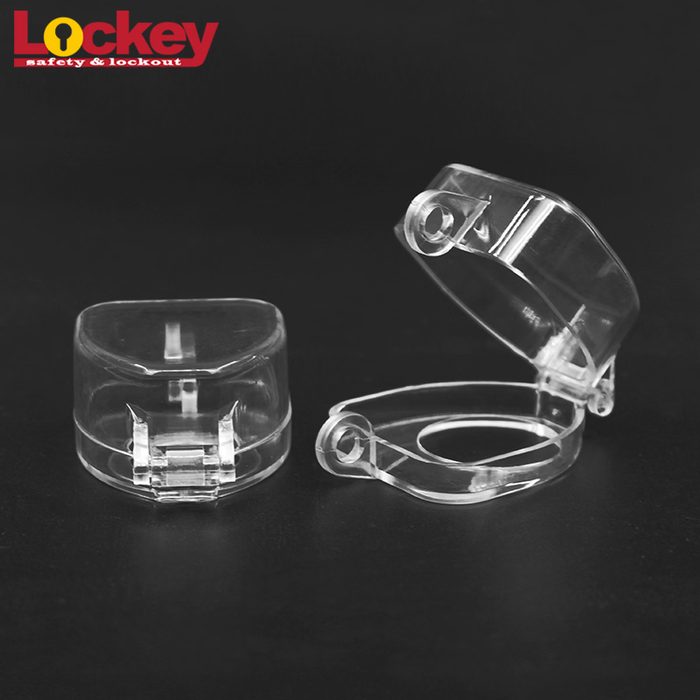
Clear Polycarbonate Safety Button Safety Attachment
Color: Clear
-
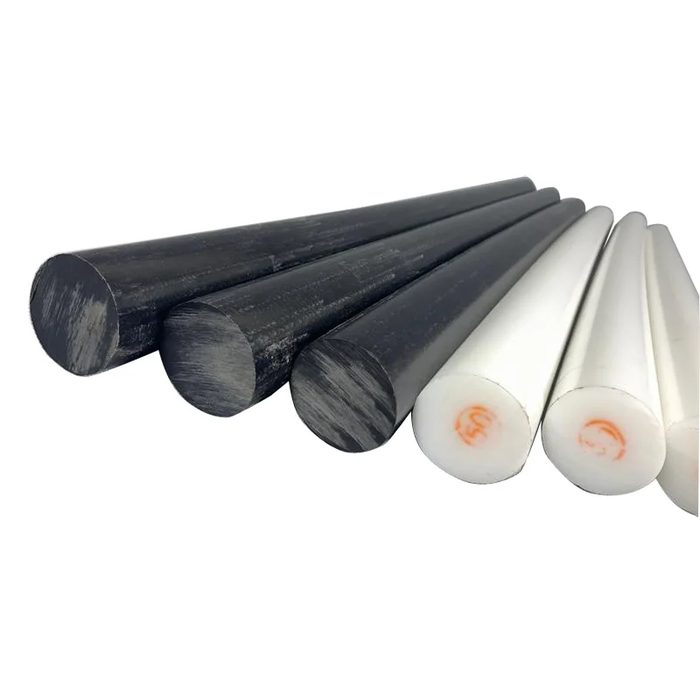
Delrin® Acetal Plastic Rod
Color: WhiteDiameter: 0.4375 inLength: 1 ft
-
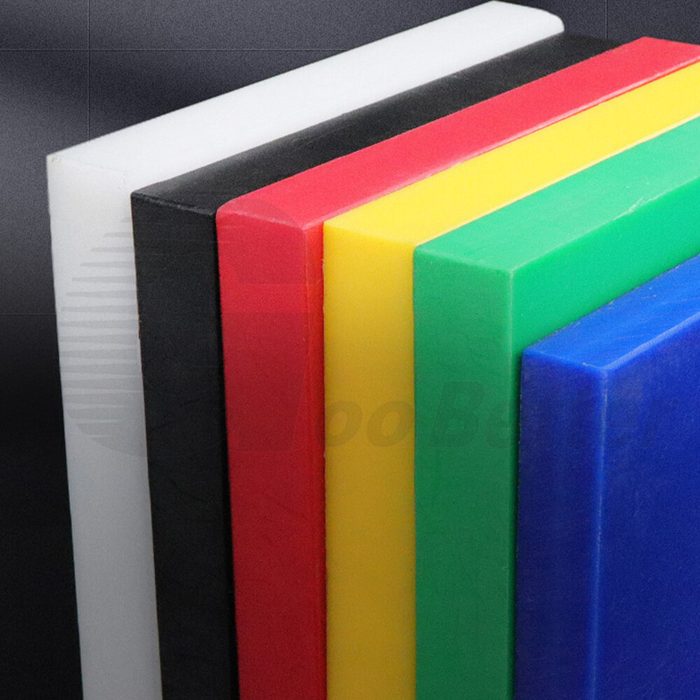
HDPE Plastic Sheet
Length: 48"Thickness: 3/8"Width: 8"
-
HDPE Plastic Sheet
Length: 32"Thickness: 1/8"Width: 16"
-
HDPE Plastic Sheet
Length: 48"Thickness: 3/4"Width: 12"
-
HDPE Plastic Sheet
Length: 48"Thickness: 1"Width: 36"
-
HDPE Plastic Sheet
Length: 12"Thickness: 1/4"Width: 8"
-
HDPE Plastic Sheet
Length: 16"Thickness: 1/16"Width: 16"
-
HDPE Plastic Sheet
Length: 60"Thickness: 1/4"Width: 48"
-
HDPE Plastic Sheet
Length: 24"Thickness: 1/8"Width: 8"
-
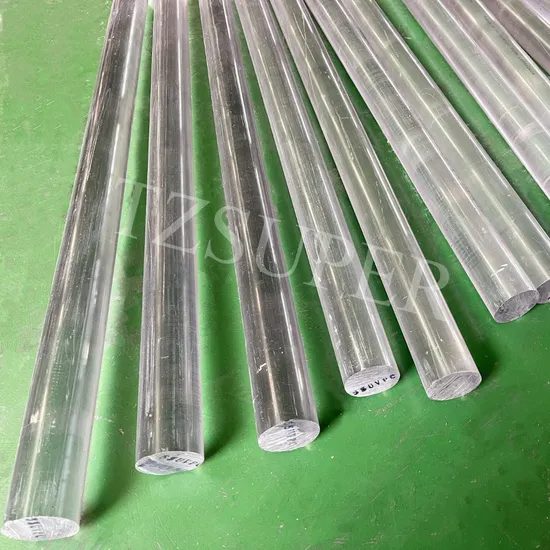
Polycarbonate Plastic Bar
Length: 12 inThickness: 0.25 inWidth: 6 in
-

Polycarbonate Plastic Sheet
Length: 24 inThickness: 0.375 inWidth: 8 in
-
Polycarbonate Plastic Sheet
Length: 36 inThickness: 0.0625 inWidth: 12 in
-
Polycarbonate Plastic Sheet
Length: 72 inThickness: 0.125 inWidth: 48 in
-
Polycarbonate Plastic Sheet
Length: 36 inThickness: 0.0625 inWidth: 24 in
-
Polycarbonate Plastic Sheet
Length: 60 inThickness: 0.1875 inWidth: 48 in
-
Polycarbonate Plastic Sheet
Length: 36 inThickness: 0.375 inWidth: 24 in
-
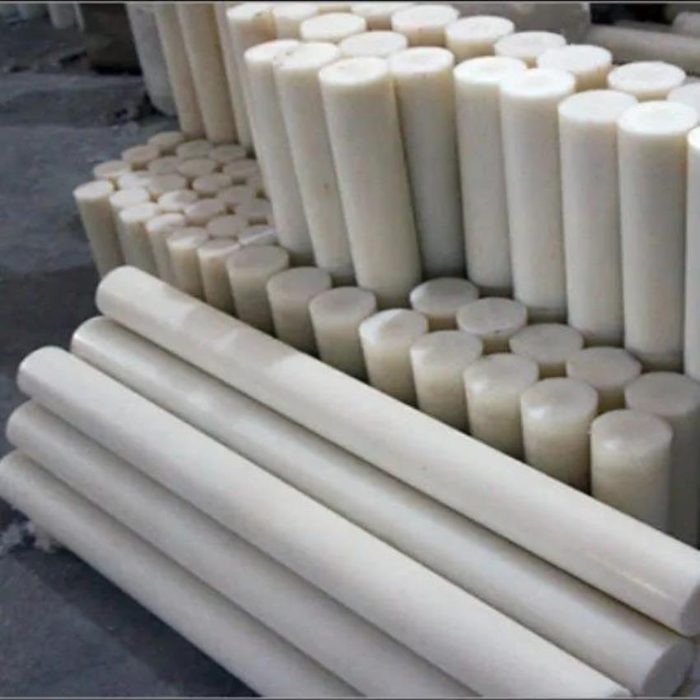
Polypropylene Plastic Rod
Color: Semi-Clear WhiteDiameter: 3 inLength: 6 ft
-
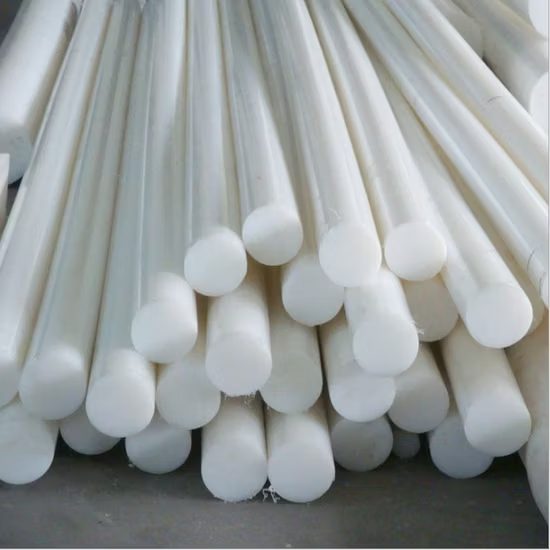
UHMW Polyethylene Plastic Rod
Color: WhiteDiameter: 4 inLength: 3 ft
About plastic stock
Plastic stock refers to semi-finished plastic materials, typically in sheet, rod, or tube form, used for machining custom components. Common materials include Delrin (acetal), known for its high strength, stiffness, and low friction; High-Density Polyethylene (HDPE), valued for its chemical resistance and impact strength; Ultra-High Molecular Weight Polyethylene (UHMW), offering exceptional abrasion resistance and low coefficient of friction; Polytetrafluoroethylene (PTFE), recognized for its extreme temperature resistance and non-stick properties; Nylon, chosen for its toughness, wear resistance, and chemical compatibility; and Polycarbonate, favored for its optical clarity, impact resistance, and high heat deflection. Selection is primarily based on material type, defined by mechanical properties such as tensile strength, flexural modulus, and impact strength (e.g., Izod notched). Thermal characteristics like continuous use temperature and coefficient of thermal expansion are critical. Chemical compatibility, dielectric strength, and UV resistance may also be defining factors. Dimensions are specified by thickness, width, and length for sheets, or by diameter and length for rods and tubes. Surface finishes are typically as-extruded or as-cast, with no further treatment.
How to choose
When selecting plastic stock, first determine the primary functional requirements. Is it for wear, impact, chemical exposure, or electrical insulation? This narrows down the material type (e.g., UHMW for wear, HDPE for chemical, Polycarbonate for impact). Next, consider the operating environment, specifically temperature range and UV exposure, to ensure material stability. Third, define the required mechanical properties, such as strength, stiffness, and hardness, to confirm the chosen material meets structural demands. Finally, specify the required dimensions – thickness, width, and length for sheets, or diameter and length for rods – to match the part's geometry and minimize material waste.