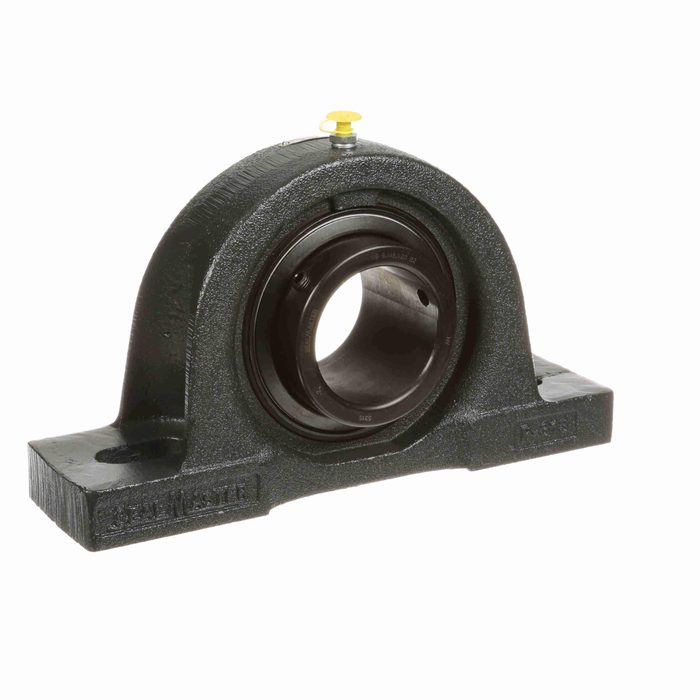
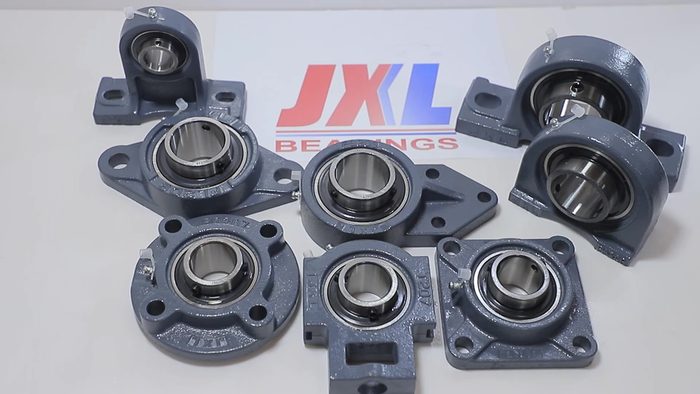
Mounted Bearing Units
Pillow block, flange and take-up bearing units.
Also searched as: pillow blockflange bearingucfucptake up units
-
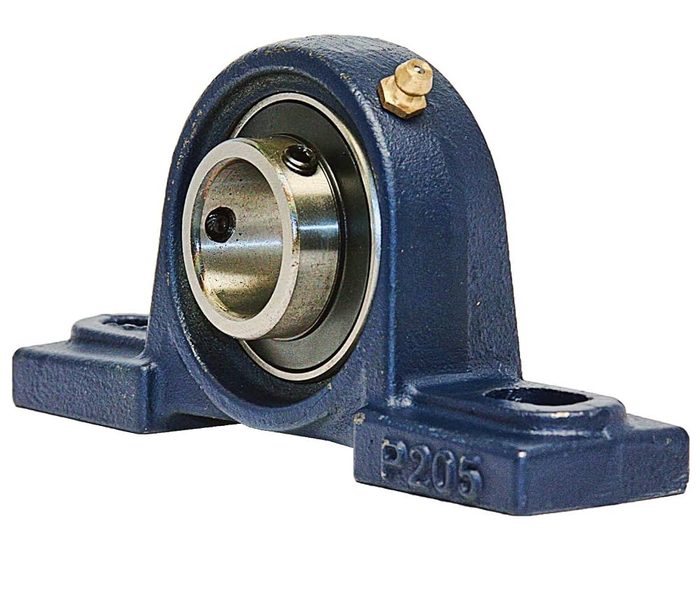
Cast Iron Housing Pillow Block Bearing
Bore: 1 inchLength: 5.5 inchWidth: 1.5 inch
-
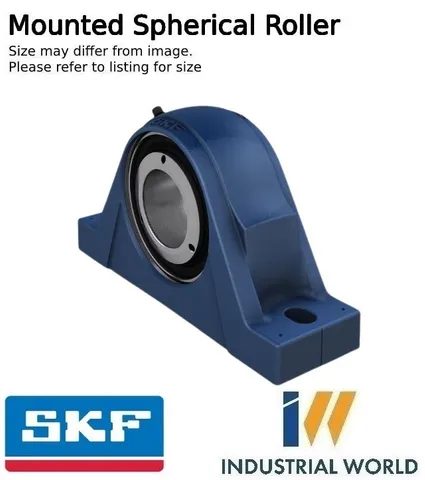
Mounting Split Pillow Block Bearing
Bore: 5.1875 inchOverall Height: 12.5 inchShaft Diameter: 5.1875 inchWidth: 8.25 inch
-
-
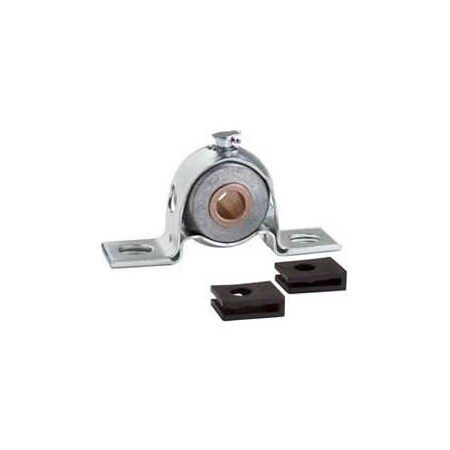
Steel Housing 2-Bolt Pillow Block Bearing
Bore: 0.75 inchLength: 4.4375 inchLoad Capacity: 1479 lbWidth: 1.3125 inch
-
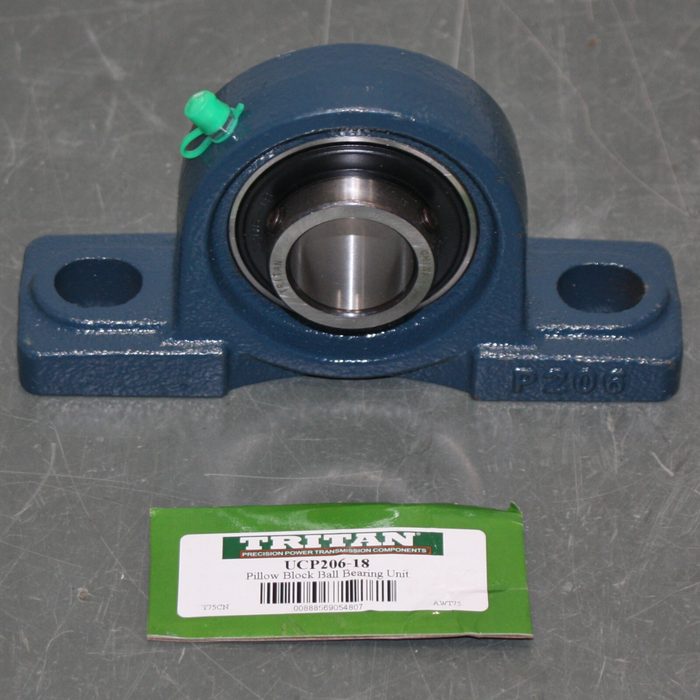
TRITAN UCP series standard duty Pillow Block ball bearing unit
Height: 62 mmLength: 127 mmWidth: 38 mm
-
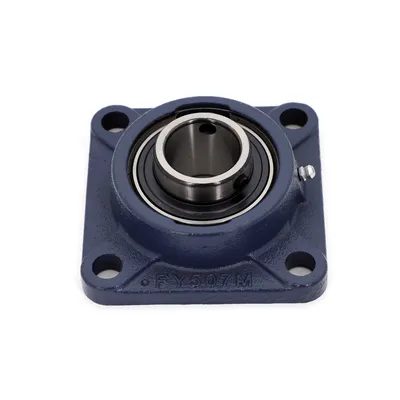
UCPX Series Medium Duty Pillow Block Ball Bearing Mounted Unit
Bore: 1.9375 inch
About mounted bearing units
Mounted bearing units integrate a rolling element bearing into a housing, providing a ready-to-mount bearing solution that simplifies installation and maintenance. These units are typically designed to accommodate initial misalignment and support rotating shafts. Common types include pillow block units (UCP, UCPA, UCT series) for mounting on surfaces parallel to the shaft, flange units (UCF, UCFL, UCFC series) for mounting on perpendicular surfaces, and take-up units (UCT series) for applications requiring shaft adjustment. Key selection criteria involve shaft diameter, dynamic and static load capacities (Cr, Cor), operating speed limits, and environmental considerations. Bearings are commonly deep groove ball type, but others like spherical roller or tapered roller can be housed. Housing materials often include cast iron (e.g., ASTM A48 Class 30), pressed steel, or thermoplastic, with finishes such as paint, zinc plating, or stainless steel for corrosion resistance. Seals are integral, with common types being contact seals (e.g., felt, rubber lip) or non-contact labyrinth seals, chosen based on contamination levels and operating conditions. Units are pre-lubricated with grease, and many offer relubrication provisions.
How to choose
When selecting mounted bearing units, first define the shaft diameter to establish the basic bearing size. Next, determine the required load capacity, considering both radial and axial loads, and whether they are dynamic or static, to select an appropriate bearing series and size. Evaluate the mounting configuration: Is a pillow block, flange (2-bolt, 3-bolt, 4-bolt), or take-up unit required? Consider the operating environment: What are the temperature extremes, contamination levels, and moisture exposure? This dictates housing material (cast iron, stainless, thermoplastic) and seal type. Finally, assess alignment needs and potential for shock loads, which may influence the choice of bearing insert type and housing robustness.