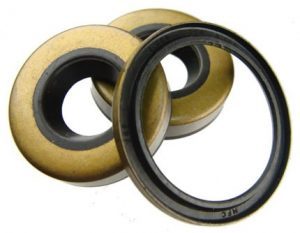
Oil & Shaft Seals
Rotary lip seals, V-rings and radial shaft seals.
Also searched as: oil seallip sealshaft sealv ringrotary seal
-
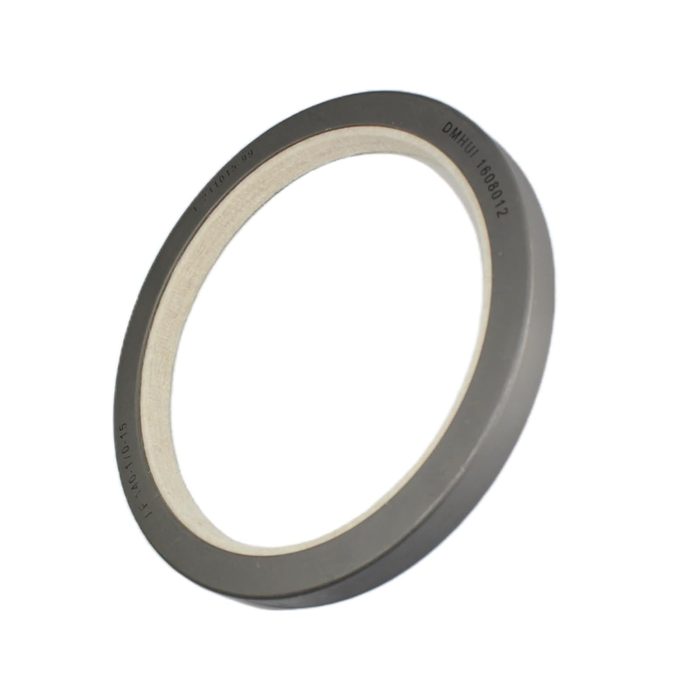
Oil Seal 140 x 170 x 15 mm AF Felt Tractor Shaft Seals
Height: 15 mmInner Diameter: 140 mmOuter Diameter: 170 mmSeal Type: AF
from $53.42Amazon $53.42 -
Oil Seal Single Lip Nitrile with Sring Ring
Outside Diameter: 28 mmShaft Diameter: 16 mmWidth: 7 mm
-
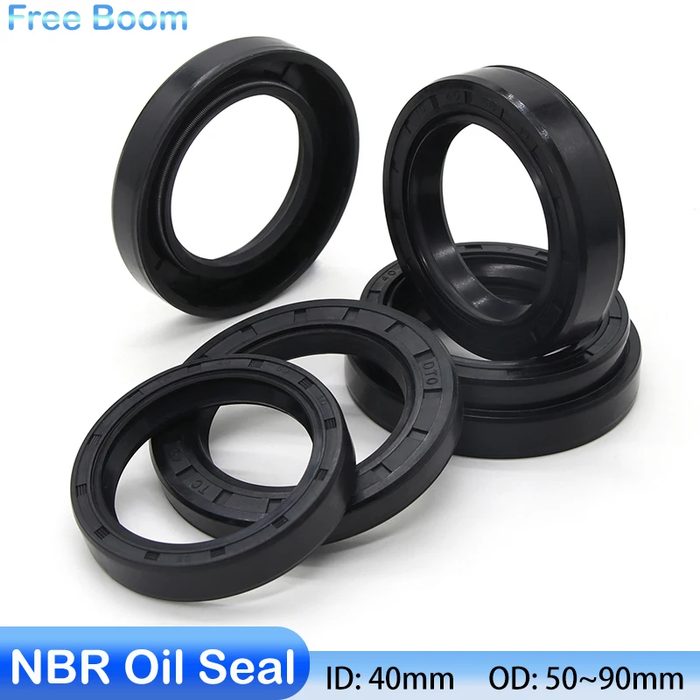
Oil Seal Standard NBR Style TC
Outside Diameter: 2.750 inchShaft Diameter: 2 inchWidth: 0.312 inch
-
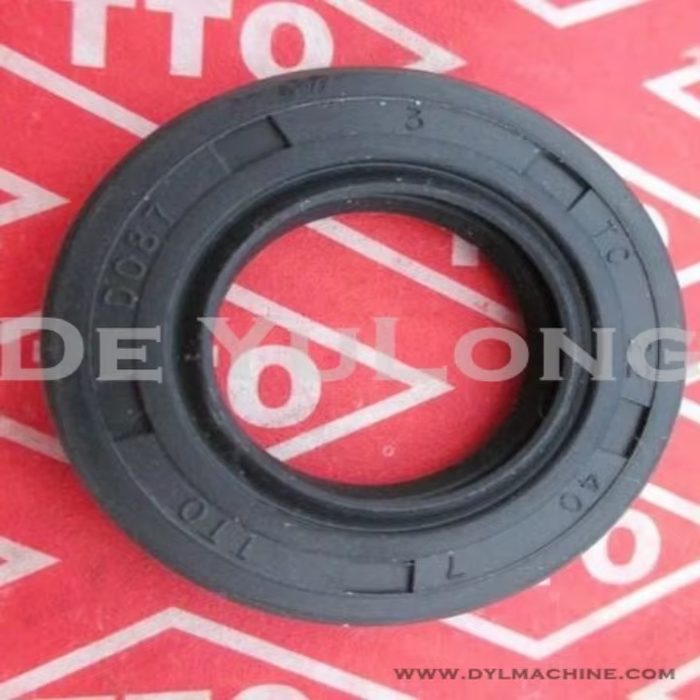
Oil Seal TC
Outside Diameter: 55 mmShaft Diameter: 40 mmWidth: 7 mm
-
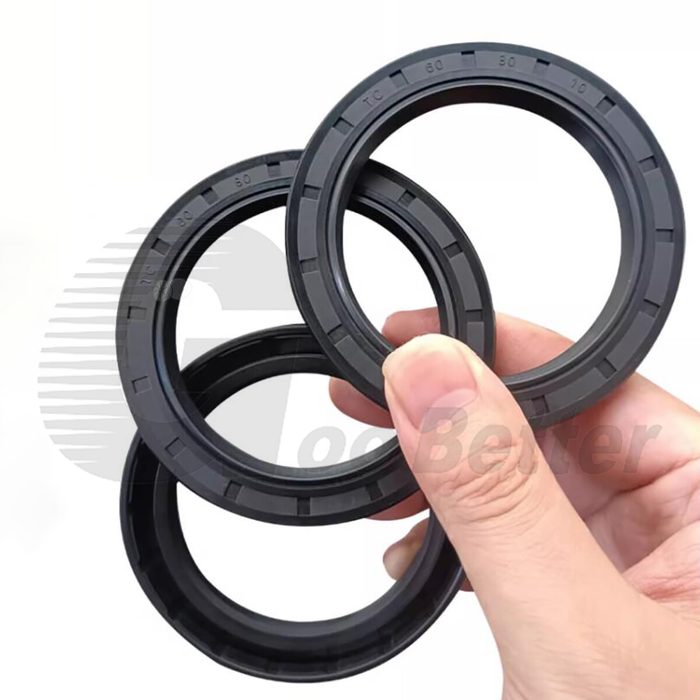
Oil Seal TC Double Lip Spring Rubber
Bore Diameter: 1.575 inchLip Type: Double Lip SpringShaft Diameter: 0.984 inchWidth: 0.354 inch
-
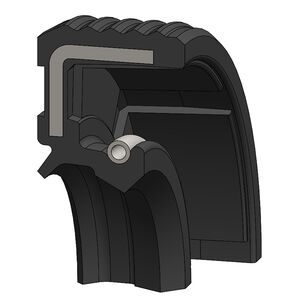
Oil Seal TG Double Lip Spring Ridged
Bore Diameter: 3.346 inchLip Type: Double Lip Spring RidgedShaft Diameter: 2.755 inchWidth: 0.314 inch
-
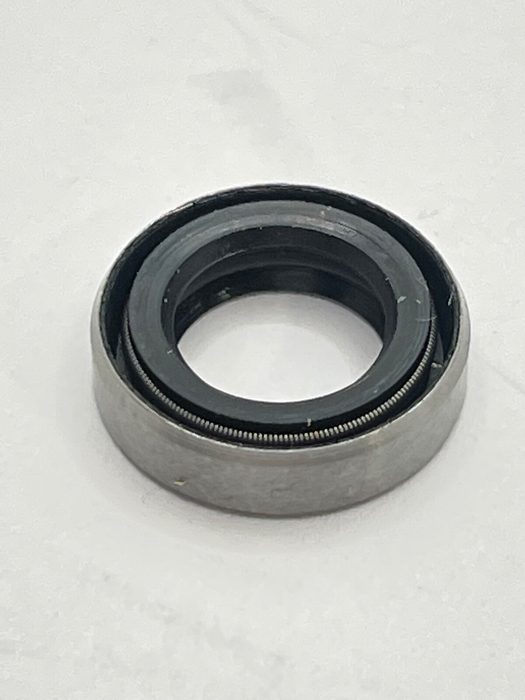
Oil Seal, TM Double Lip
Bore Diameter: 16 mmLip Type: DoubleShaft Diameter: 10 mmWidth: 4 mm
-
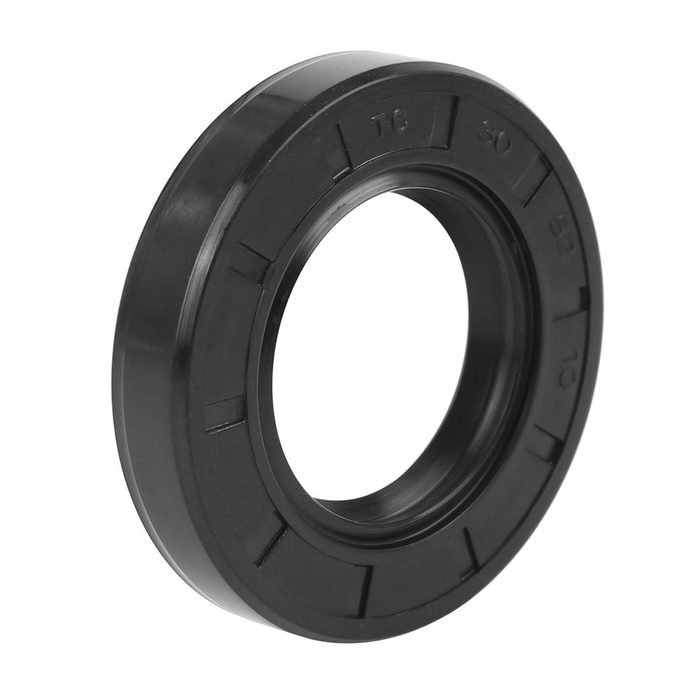
Oil Shaft Seal Double Lip TC
Height: 1/4"Inside Diameter: 1"Outside Diameter: 1-3/8"Seal Type: Double Lip TC
-
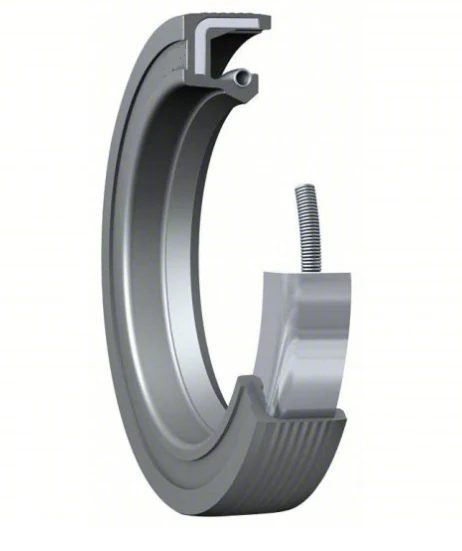
Oil Shaft Seal TC Double Lip
Height: 1/4"Inside Diameter: 1-1/8"Outside Diameter: 1-1/2"Seal Type: Double Lip TC
-
-
-
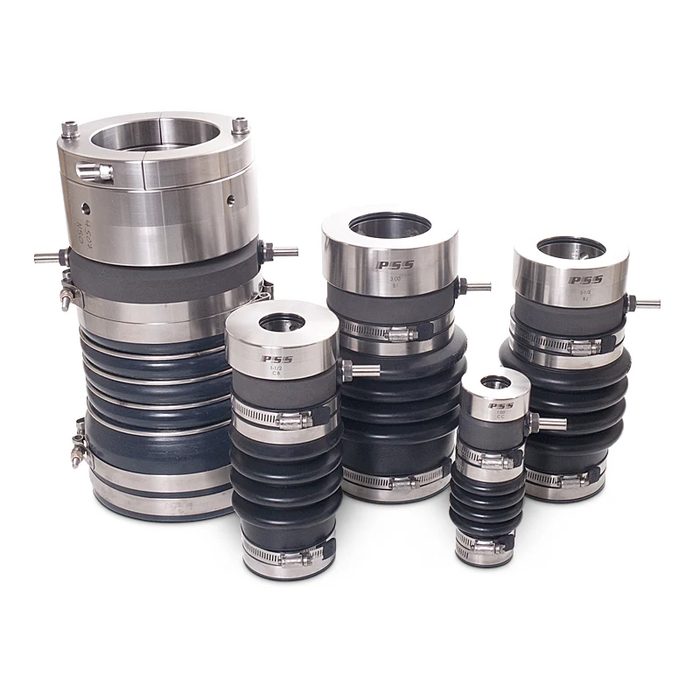
PSS Type A Shaft Seal
Type: A
-
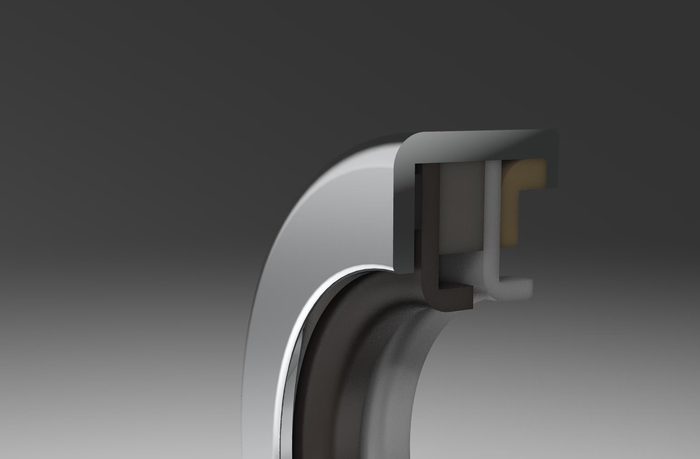
PTFE Double Lip Mechanical Shaft Oil Seal 85*110*12
Dimensions: 85*110*12
-
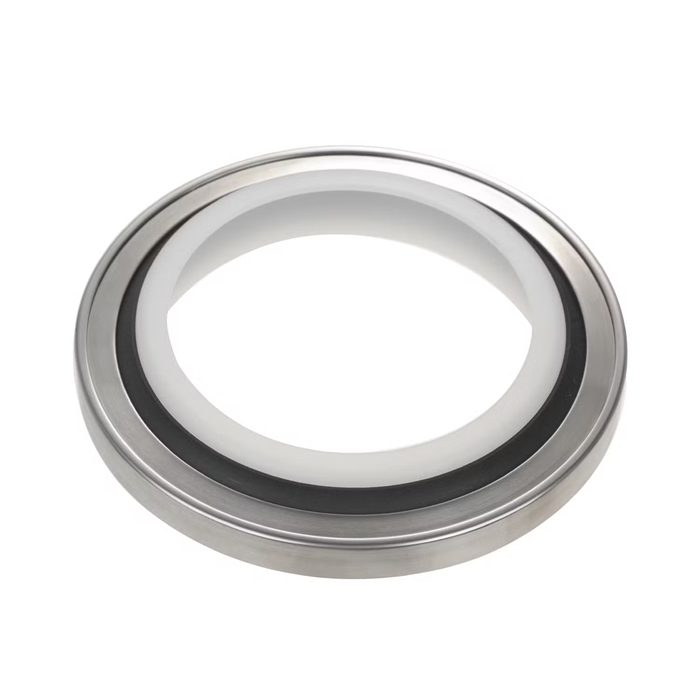
PTFE Lip Oil Seal with Stainless Steel Housing Single
Housing Material: Stainless SteelLip: Single
-
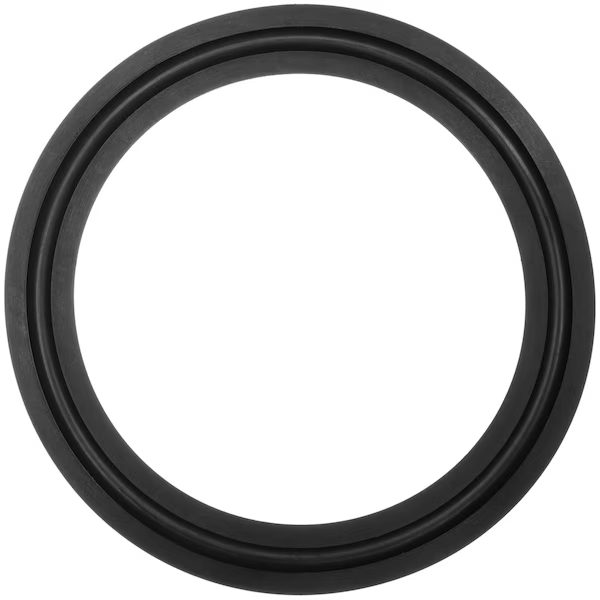
Polyurethane Loaded Lip Seal
Height: 3/16"Inside Diameter: 5/8"Outside Diameter: 1"
-
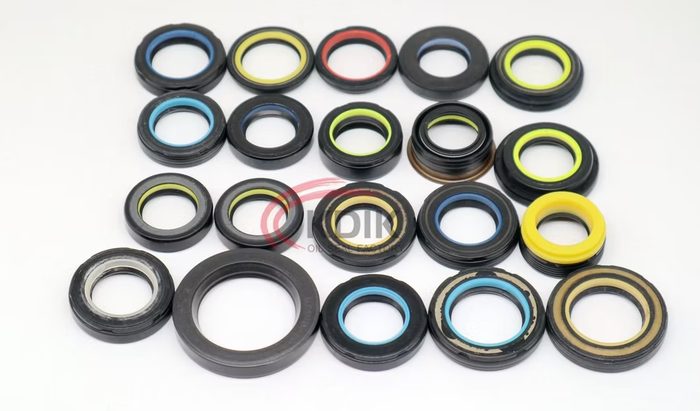
Power Steering Oil Seal High Pressure Rack
Outside Diameter: 46 mmShaft Diameter: 27.7 mmWidth: 8 mm
-
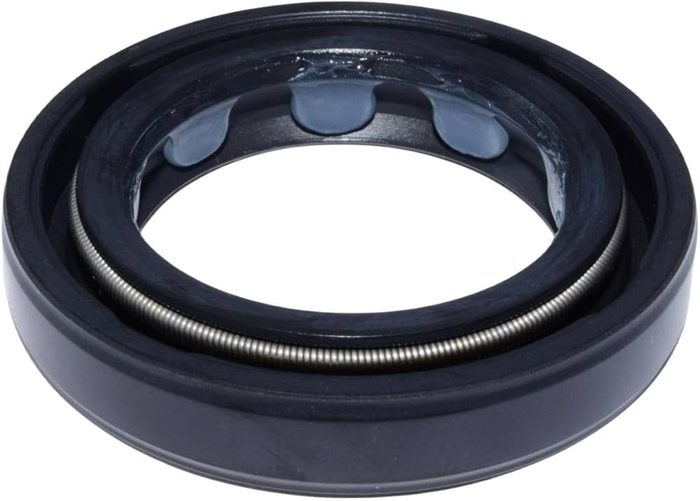
Power Steering Rack Oil Seal 20x30x5 mm
Dimensions: 20x30x5 mm
-
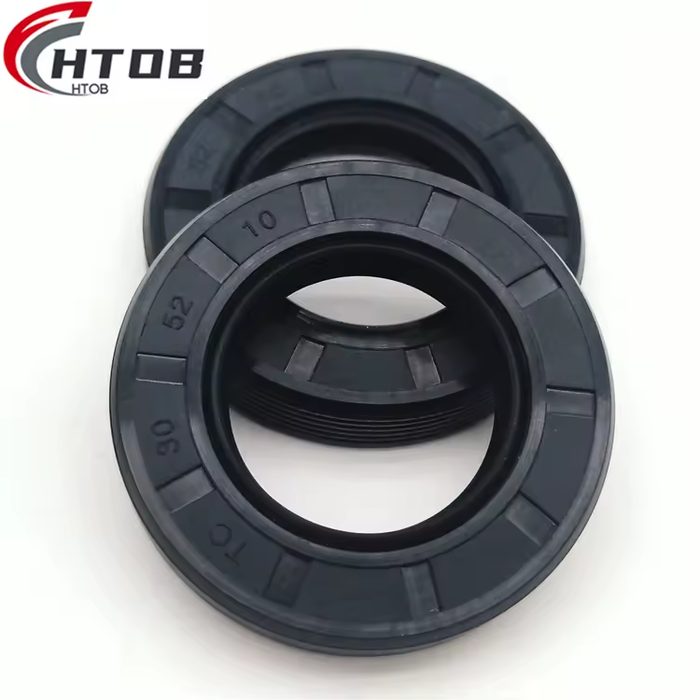
Premium Tc Oil Seal
Type: TC
-
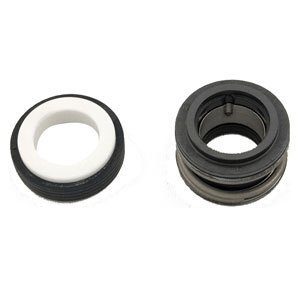
Pump Motor Shaft Seal, 5/8"
Shaft Diameter: 5/8 inch
from $9.00eBay $9.00 -
-
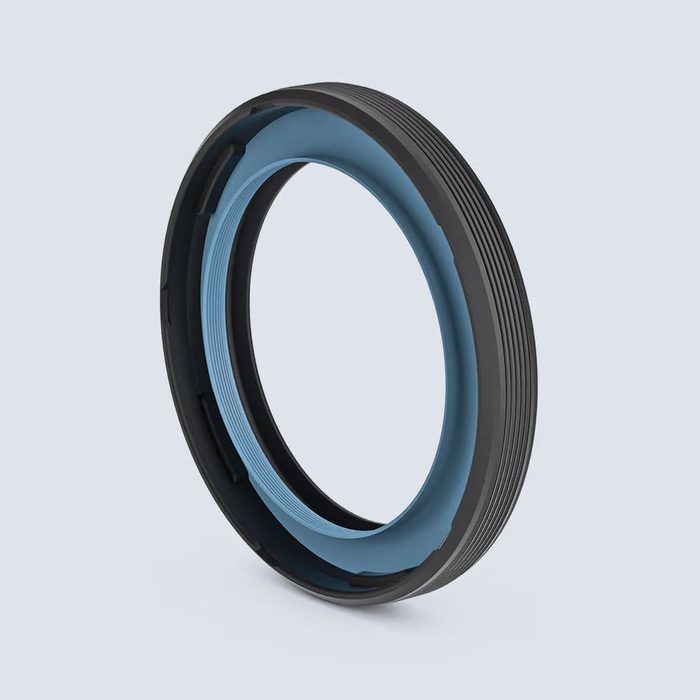
Radial Lip Shaft Seal AS/CC/WAS
Height: 7.5 mmInside Diameter: 90 mmOutside Diameter: 110 mm
-
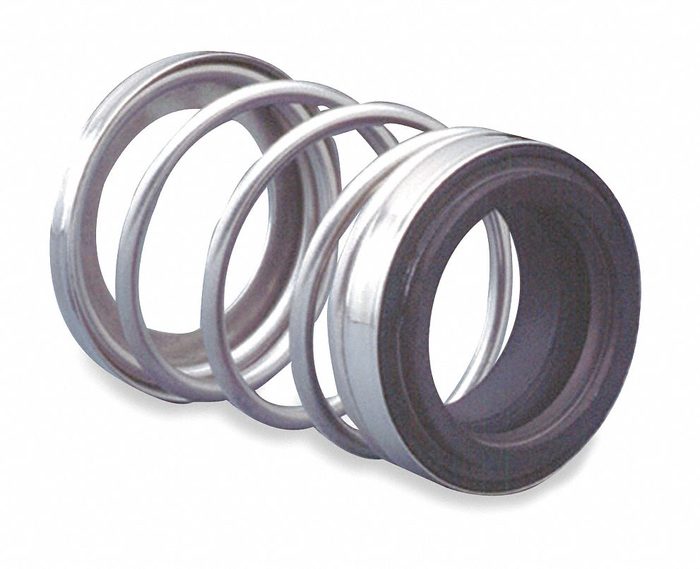
Replacement Pump Shaft Seal
Nominal Working Length: 1 inSeal Bore: 5/8 inSeat Bore: 1.25 inShaft Size: 5/8 in
-
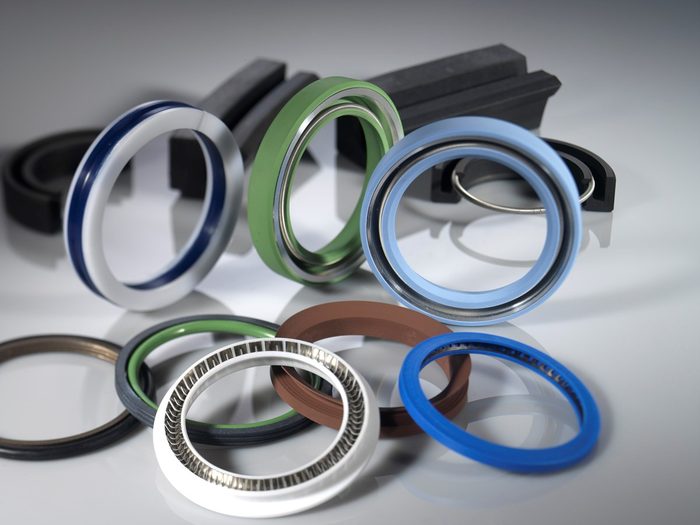
Rotary Internal Seals
Mounting: Internal
-
-
-
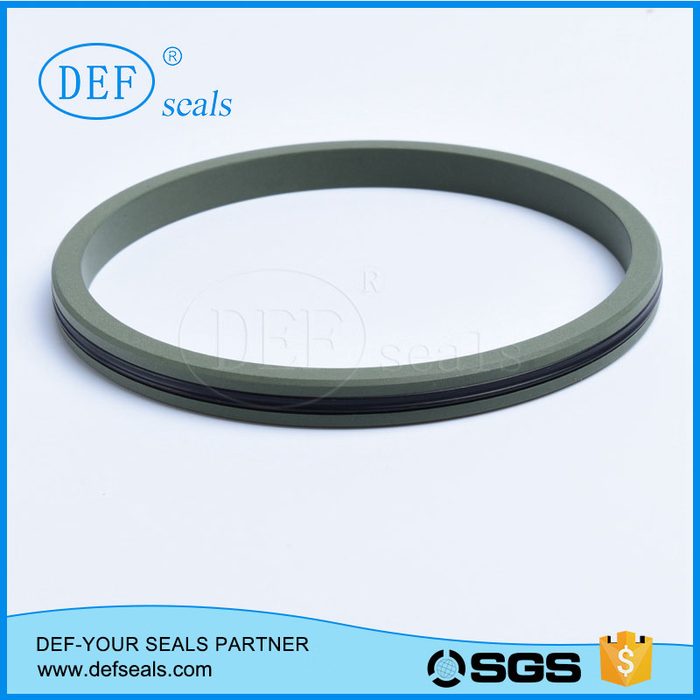
Rotary Seal Hydraulic Shaft Seal Customized Made Gns
Customized: YesType: Hydraulic
-
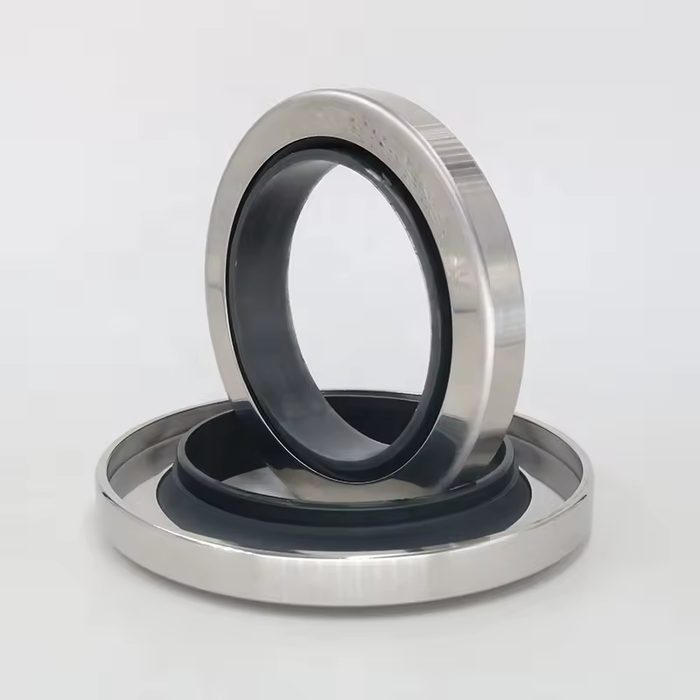
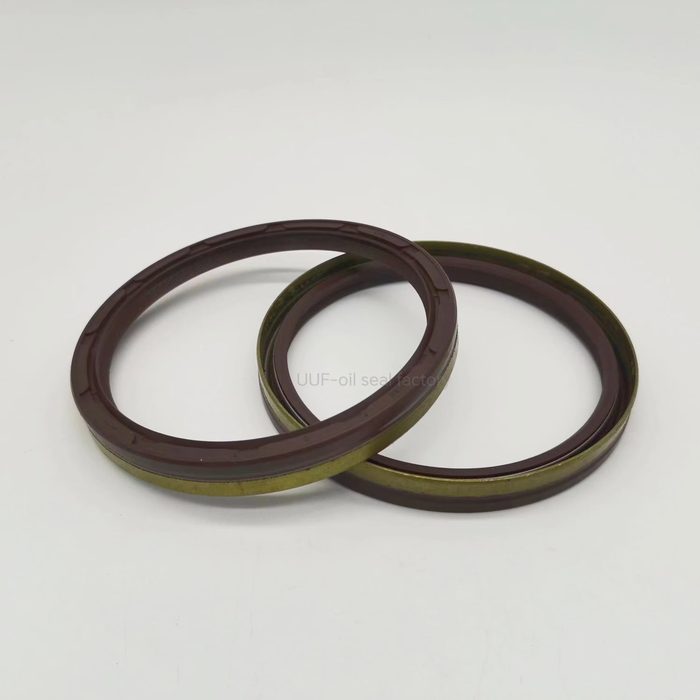
Rotary Seal Part Outer Skeleton Metal Case
Case Material: MetalCase Type: Outer Skeleton
-
-
-
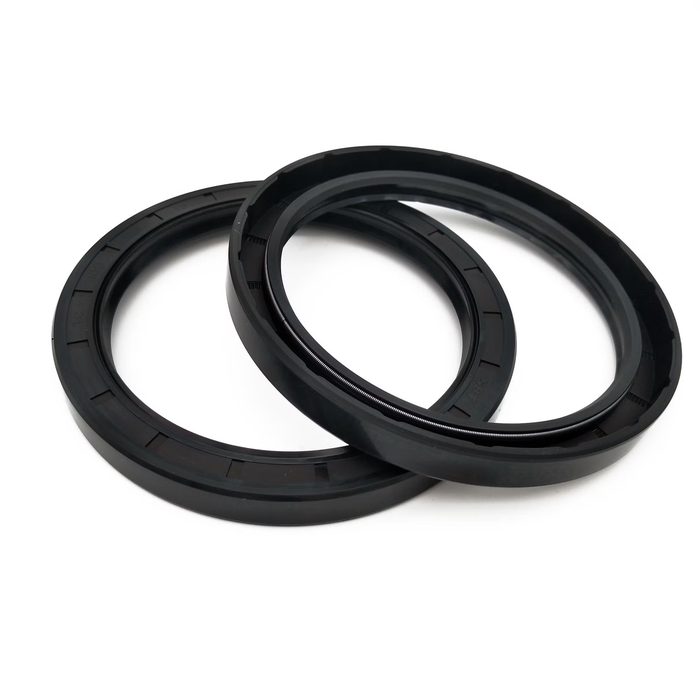
Rotary Shaft Seal - 61CJ30
Lip Configuration: 2 Lip with SpringType: TCN
-
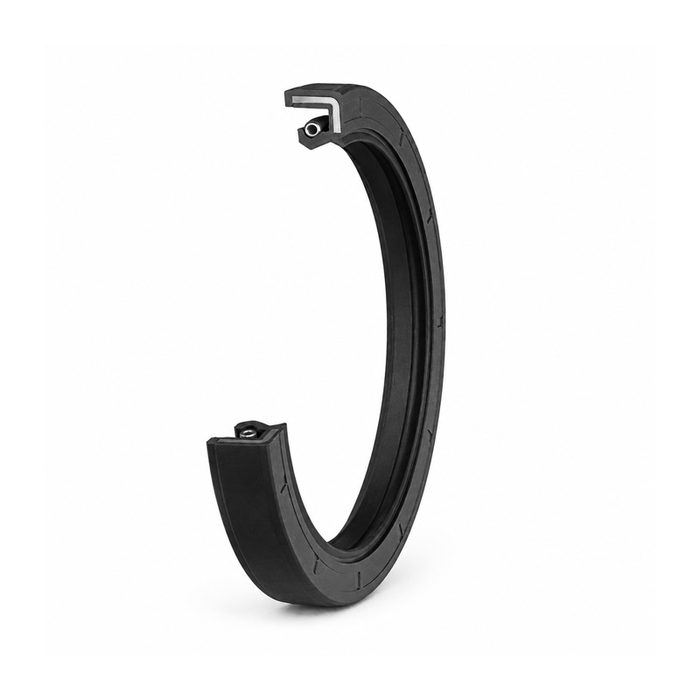
Rotary Shaft Seal - Type SC - Single Lip w/ Garter Spring
Lip: SingleSpring: Garter
-
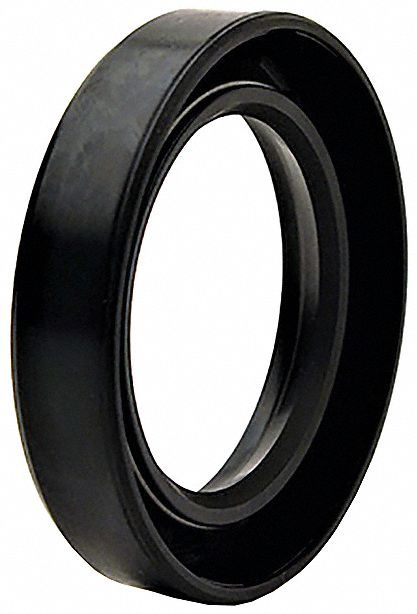
Rotary Shaft Seal - Type SC - Single Lip w/ Spring Rubber Covered OD
Lip Type: Single LipOD Cover: Rubber CoveredSpring: YesType: SC
-
Rotary Shaft Seal - Type SC - Single Lip w/ Spring Rubber Covered OD
Lip Type: Single LipOD Cover: Rubber CoveredSpring: YesType: SC
-
Rotary Shaft Seal - Type SC - Single Lip w/ Spring Rubber Covered OD
Lip Type: Single LipOD Cover: Rubber CoveredSpring: YesType: SC
-
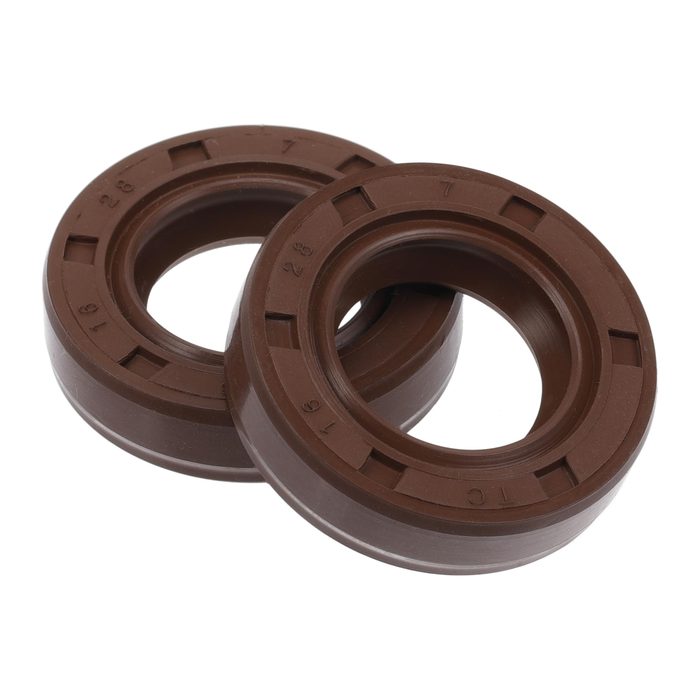
Rotary Shaft Seal - Type TC - Double Lip w/ Spring Rubber Covered OD
Lip Type: Double LipOD Cover: Rubber CoveredSpring: YesType: TC
-
Rotary Shaft Seal - Type TC - Double Lip w/ Spring Rubber Covered OD
Lip: DoubleOD: Rubber CoveredSpring: Yes
About oil & shaft seals
Oil and shaft seals are critical components designed to retain lubricants and exclude contaminants in rotating equipment. This category encompasses rotary lip seals, V-rings, and various radial shaft seal configurations. Rotary lip seals, often conforming to DIN 3760 or ISO 6194 standards, typically consist of a metal case, a primary sealing lip made from an elastomeric material, and an optional garter spring for consistent radial load. Common lip profiles include single-lip (Type A, AS) for dust exclusion and double-lip (Type B, BS) for additional contaminant protection. V-rings are axial face seals, often made from NBR or FKM, that primarily protect against external dirt, dust, and splash water, typically specified by shaft diameter and axial width. Radial shaft seals are defined by their inside diameter (shaft diameter), outside diameter (housing bore), and axial width. Material selection is paramount, with NBR, FKM (Viton), HNBR, and PTFE being common choices, each offering distinct temperature ranges, chemical compatibility, and abrasion resistance. Surface finish of the shaft, particularly Ra values, significantly impacts seal life and performance.
How to choose
Selecting the correct oil and shaft seal begins with defining the application's operating parameters. First, identify the shaft diameter, housing bore diameter, and axial space available. Second, determine the operating temperature range and the type of fluid to be sealed, which dictates the necessary material compatibility (e.g., NBR for general oils, FKM for higher temperatures/aggressive chemicals). Third, consider the shaft speed and pressure differential across the seal; higher speeds or pressures may necessitate specific lip designs or garter springs. Finally, assess the external environment for contaminant ingress, which will guide the choice between single-lip, double-lip, or V-ring configurations, balancing sealing effectiveness against friction and wear.