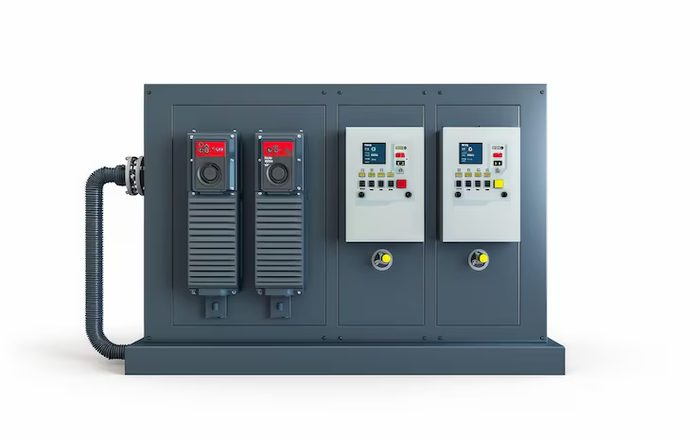
Motor Drives & Controllers
VFDs, servo amplifiers, ESCs and motion controllers.
Also searched as: vfdvariable frequency driveescmotor controllerservo amplifier
-
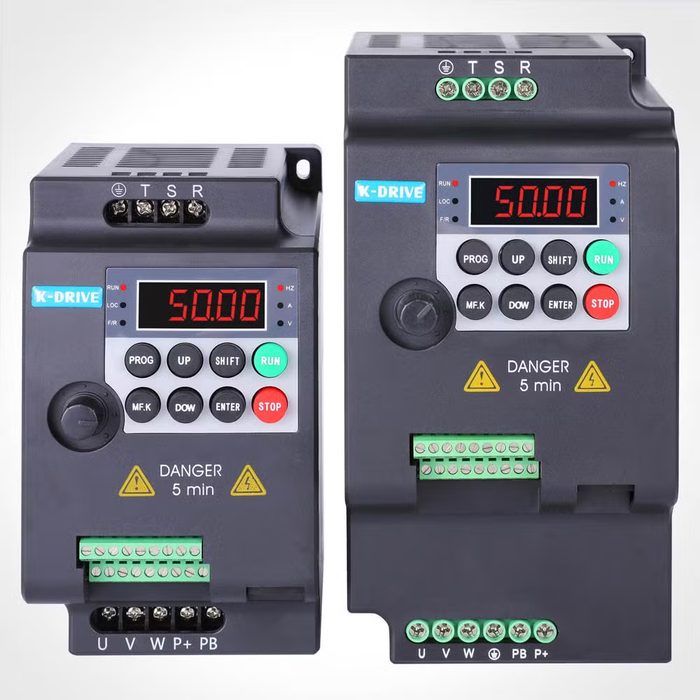
VFD, 220V Universal Mini Single-Phase Variable Frequency Drive
Input Phase: Single-PhaseVoltage: 220 V
-
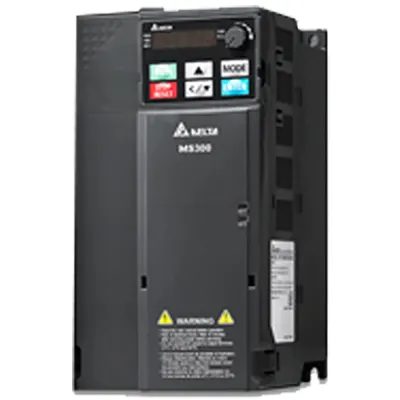
VFD-MS300 Variable Frequency Drive, 1HP, 0.75KW, 230V, 4.8A, Chassis Mount
Current: 4.8AInput Power: 0.75KWMounting: Chassis MountPower: 1HPVoltage: 230V
from $109.99Amazon $109.99 -
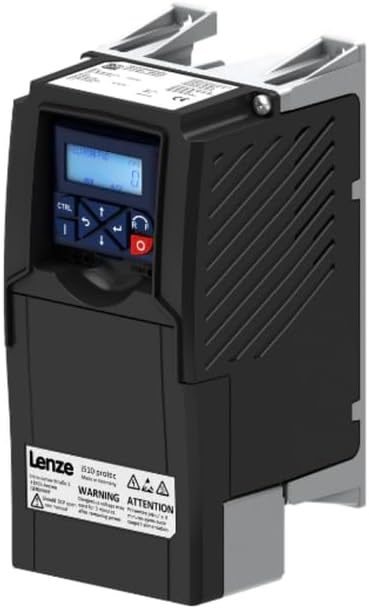
Variable Frequency Drive (VFD), 2 HP Max., 200/240 V, Single or Three Phase Input
Input Phase: Single or Three PhaseInput Voltage: 200/240 VPower: 2 HP
from $674.99Amazon $674.99 -
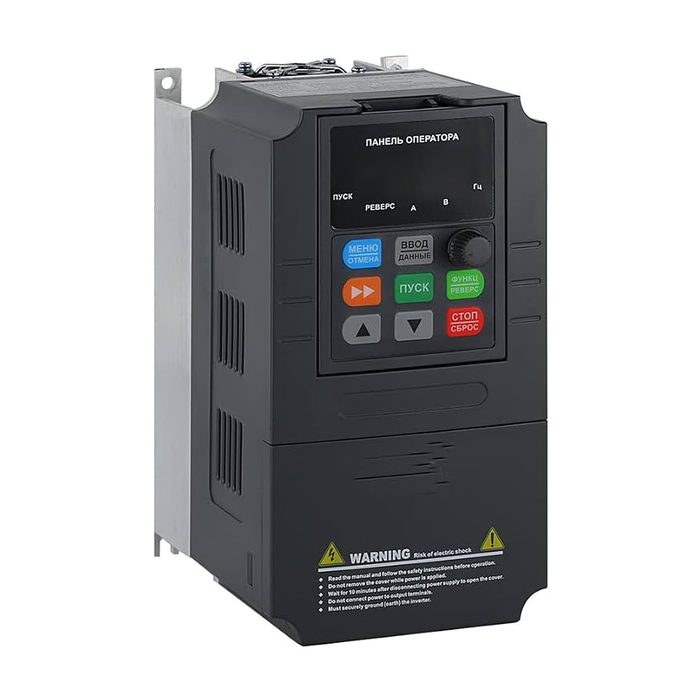
Variable Frequency Drive (VFD), 3 HP Max., 200/240 V, Single or Three Phase Input
Input Phase: Single or Three PhasePower: 3 HPVoltage: 200/240 V
-
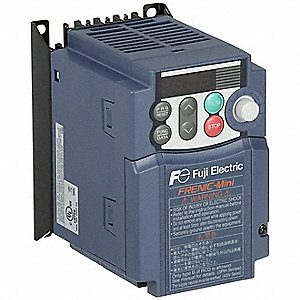
Variable Frequency Drive, 1/2HP, 115V In
Input Voltage: 115VPower: 0.5 HP
from $233.61Amazon $233.61 -
Variable Frequency Drive, 1/4 HP, 230VAC, Altivar
Input Voltage: 230V ACPower: 0.25 HP
from $328.07Amazon $328.07 -
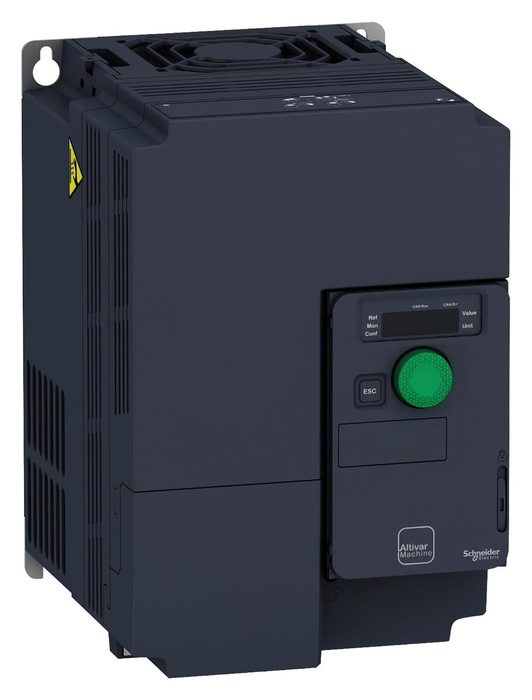
Variable Frequency Drive, 10 HP, 33A, 200 to 240V AC Input
Current: 33 AInput Voltage: 200 to 240V ACPower: 10 HP
from $1,284.42Amazon $1,284.42 -
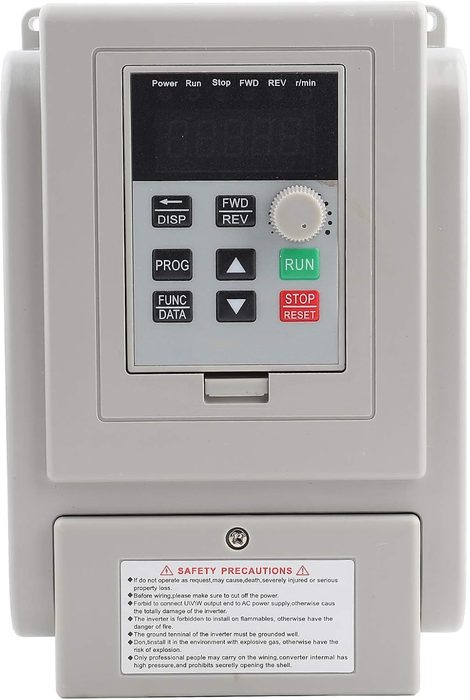
Variable Frequency Drive, 220VAC Variable Frequency Drive VFD Speed Controller for Single-phase 1.5kW AC Motor
Input Voltage: 220V ACMotor Phase: Single-phasePower: 1.5 kW
from $124.54Amazon $124.54 -
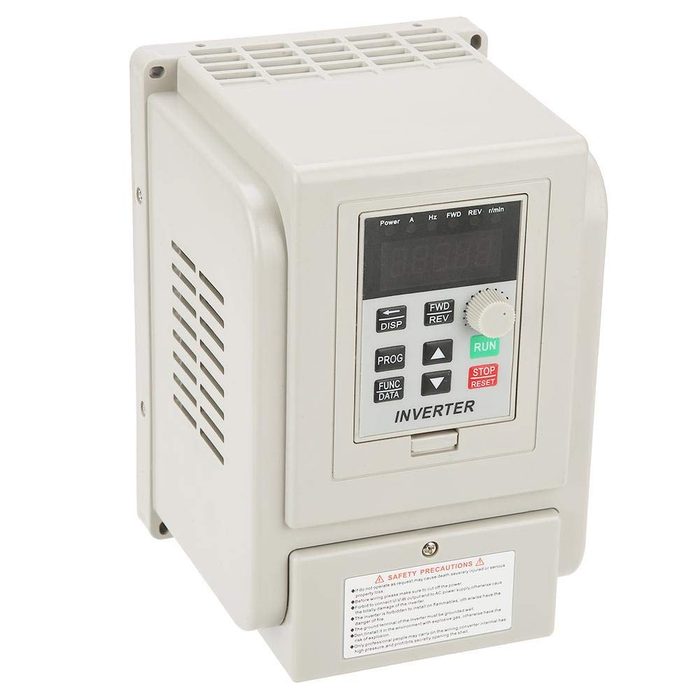
Variable Frequency Drive, 5.5HP 220V Single-Phase Variable Frequency Drive VFD Speed Controller for 3-Phase 4kW AC Motor 0-400Hz
Frequency Range: 0-400 HzInput Phase: Single-PhaseInput Voltage: 220VMotor Phase: 3-PhaseMotor Power: 4 kW
from $141.30Amazon $141.30 -
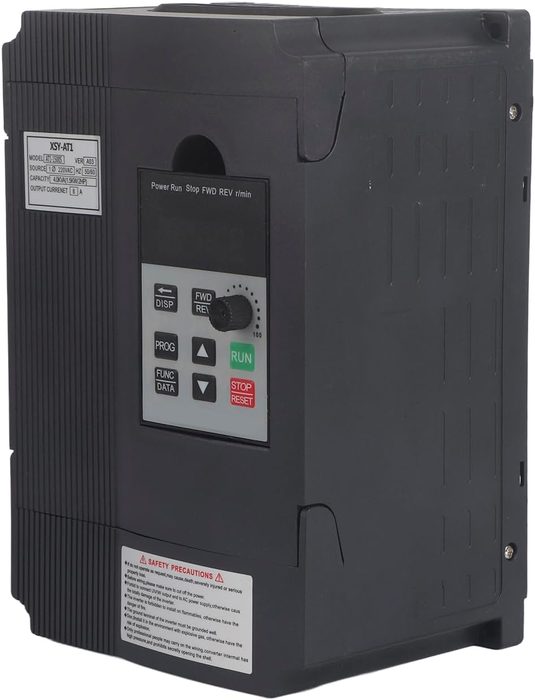
Variable Frequency Drive, AC 220V 1.5KW VFD Inverter Frequency Converter for Spindle Motor Speed Control, Single-Phase Input, 3 Phase Output
Input Phase: Single-PhaseInput Voltage: 220V ACOutput Phase: 3 PhasePower: 1.5 kW
from $102.09Amazon $102.09 -
-
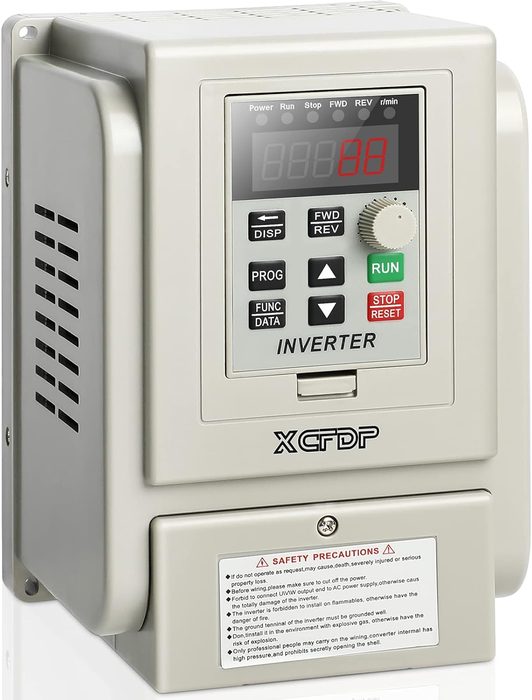
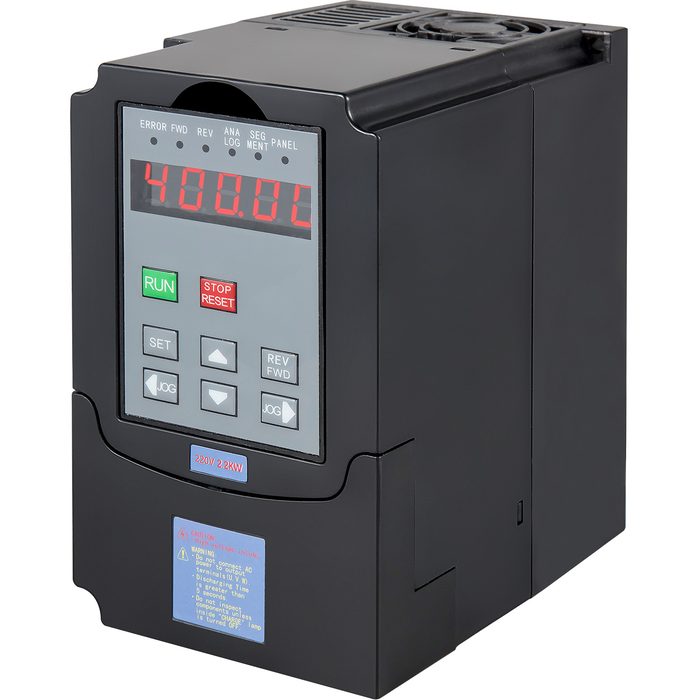
XCFDP AC 220V/4KW 6HP Variable Frequency Drive | 20A VFD Inverter, Single Phase to 3 Phase, Frequency Converter
Current: 20 AHorsepower: 6 HPInput Phase: Single PhaseInput Voltage: 220V ACOutput Phase: 3 Phase
from $149.99Amazon $149.99
About motor drives & controllers
Motor drives and controllers regulate the speed, torque, and position of electric motors. This category encompasses Variable Frequency Drives (VFDs), servo amplifiers, Electronic Speed Controllers (ESCs), and dedicated motion controllers. VFDs, also known as AC drives or inverters, convert fixed-frequency AC power to variable-frequency AC power to control induction or synchronous AC motors, typically ranging from fractional horsepower to megawatts, with input voltages commonly at 208V, 400V, 480V, 600V, or 690V. Servo amplifiers provide precise control for servo motors, often in closed-loop systems utilizing feedback from encoders or resolvers, characterized by their current, voltage, and power ratings, and communication protocols such as EtherCAT, PROFINET, or SERCOS. ESCs are specialized motor controllers for brushless DC (BLDC) motors, prevalent in UAVs and robotics, defined by their continuous current rating, burst current, and cell count (e.g., 3S, 6S LiPo compatibility). Motion controllers coordinate multiple axes of motion, integrating with servo amplifiers and VFDs to execute complex trajectories. Selection criteria include motor type (AC induction, permanent magnet synchronous, stepper, BLDC), power requirements (kW, HP), voltage (VAC, VDC), current (A), control mode (V/f, vector, direct torque control), feedback type, and communication interface.
How to choose
When selecting a motor drive or controller, first identify the motor type: AC induction, permanent magnet synchronous, brushless DC, or stepper. Next, determine the required power output, considering the motor's continuous and peak current, voltage, and power ratings (kW/HP). Third, specify the necessary control mode; VFDs often use V/f or vector control, while servo amplifiers require precise current/position/velocity control. Fourth, consider feedback requirements, such as encoder resolution or resolver type, crucial for closed-loop systems. Finally, select the appropriate communication interface (e.g., EtherCAT, Modbus, CANopen) to integrate with the overall control system. Trade-offs involve cost, precision, and integration complexity.