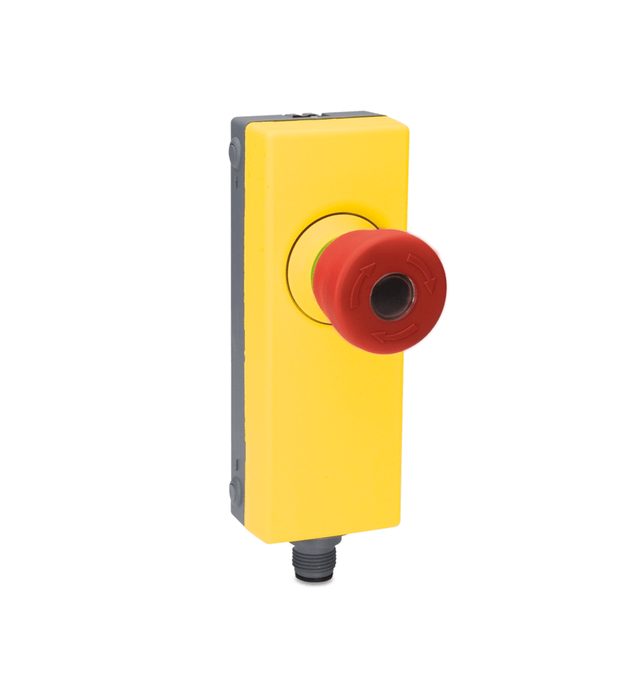
Machine Safety
Light curtains, E-stops, safety relays, interlocks and guarding.
Also searched as: light curtaine stopsafety relayinterlock switchmachine guard
-
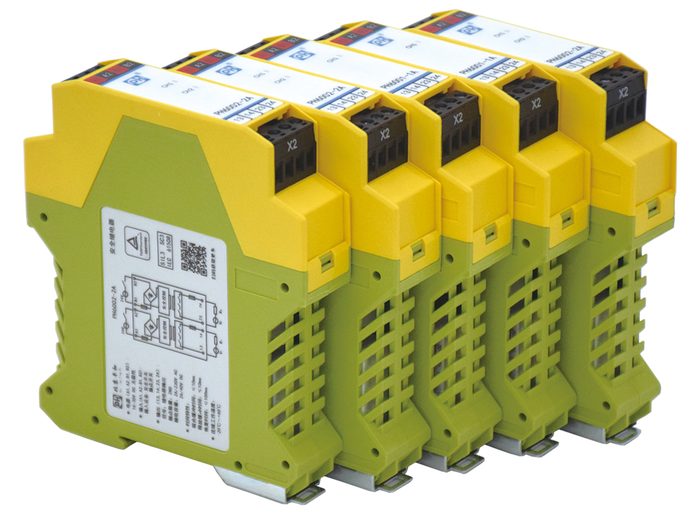
Safety Relay
Operation: Single and Dual Channel
-
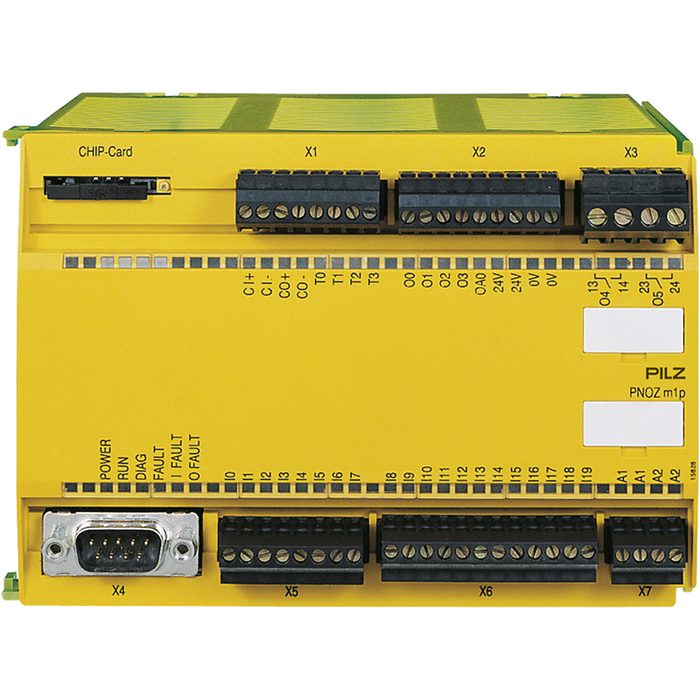
Safety Relay
Voltage: 24 VDC
-
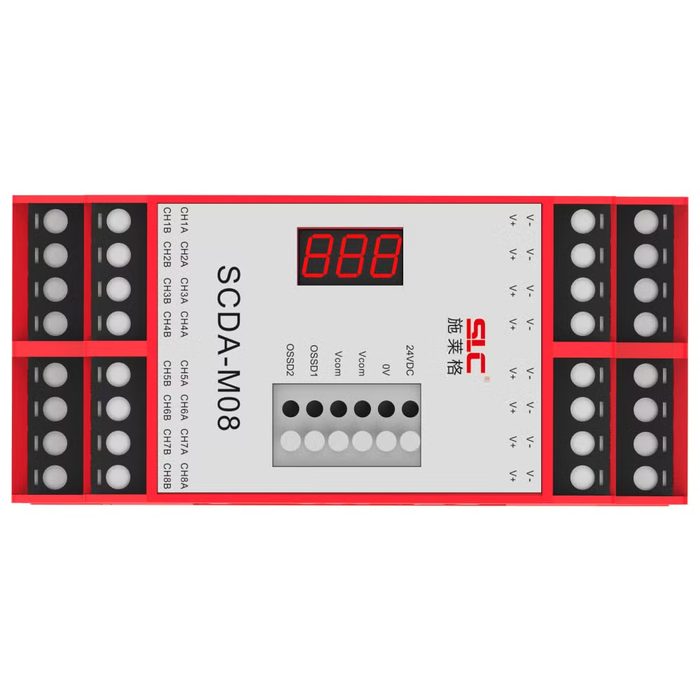
Safety Relay
Channels: 8
-
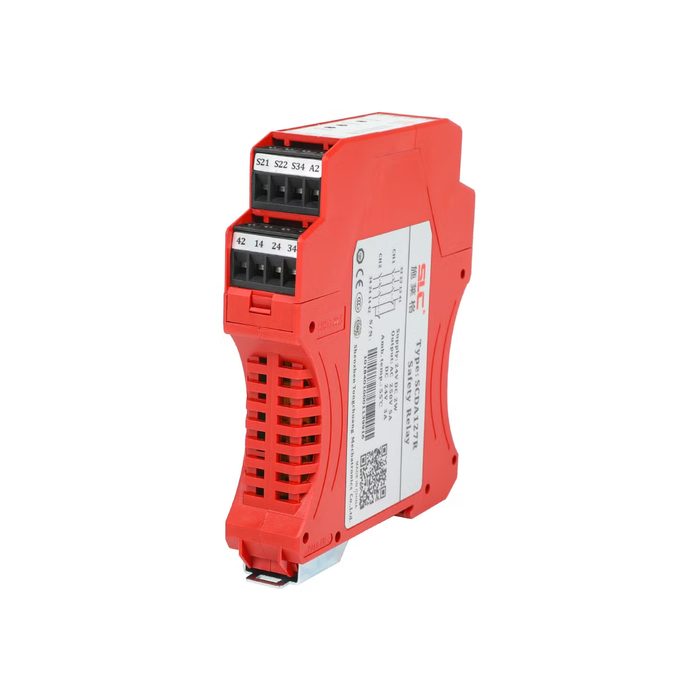
Safety Relay
Reset: automatic or manual
-
-
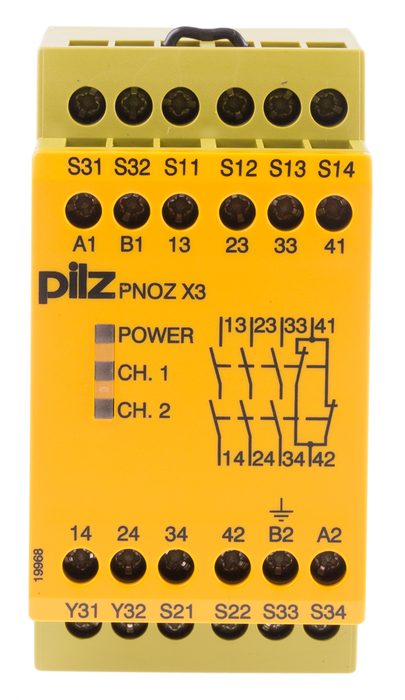
Safety Relay
Body Height: 3.7 inFrequency: 50/60 Hz
-
-
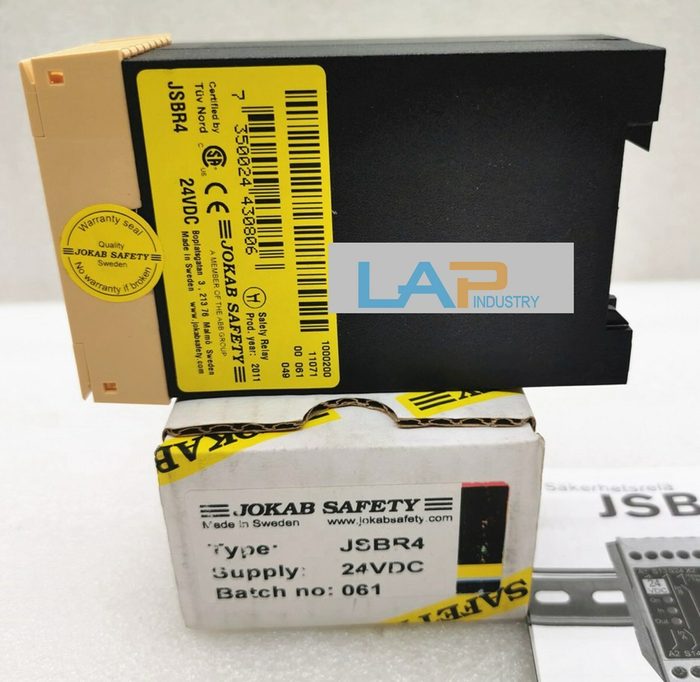
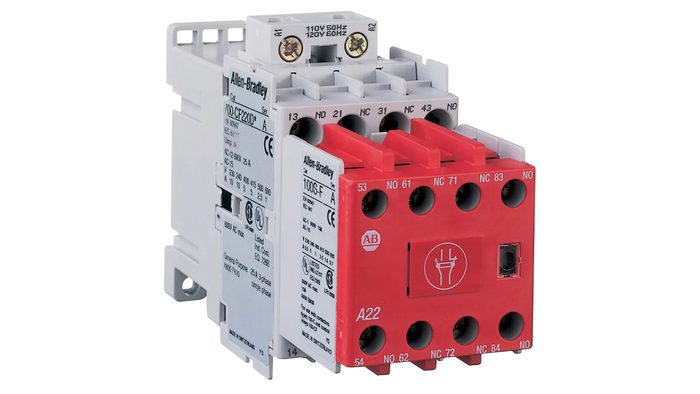
Safety Relay
Drop Out Time: 15msOutput Rating: 250V 6A 1500VA 150WVoltage: 24VDC
-
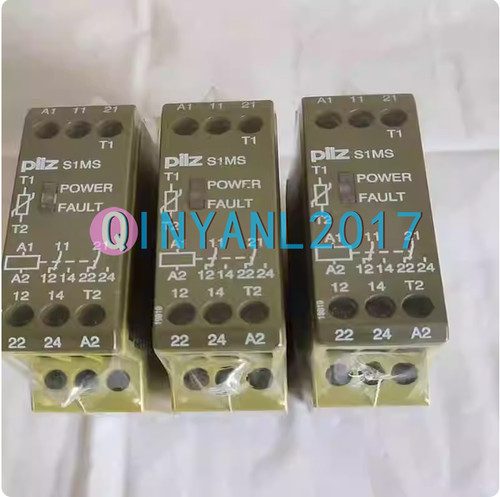
Safety Relay
Voltage: 24V
-
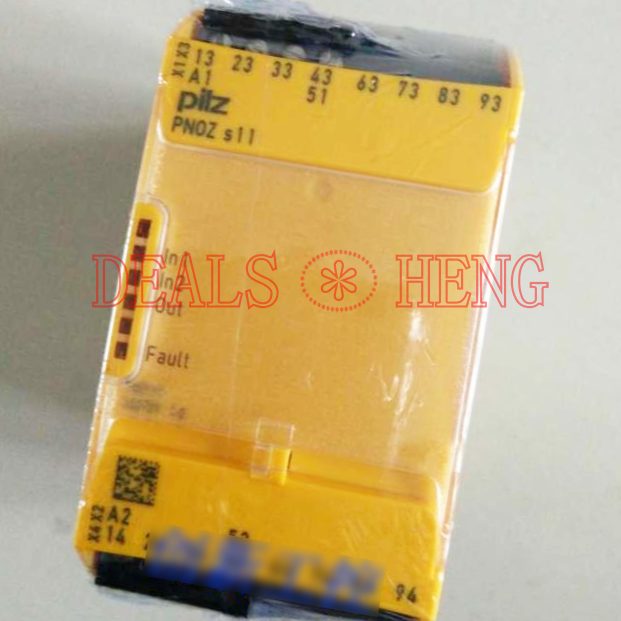
Safety Relay
Voltage: 24V
-
-
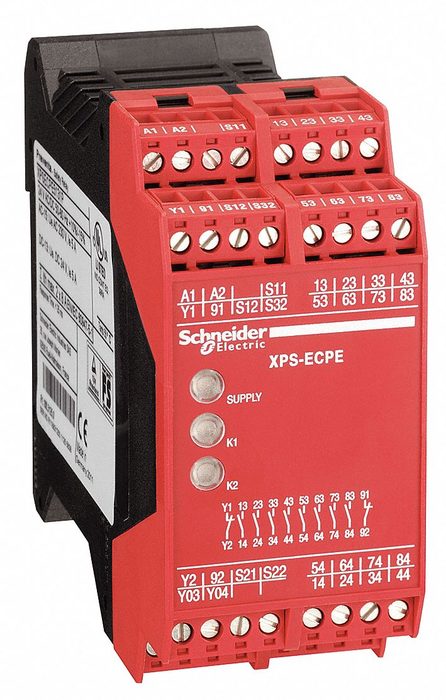
Safety Relay Extension
AC Contact Rating: 8 A @ 250 VInput Voltage: 48 to 240 VAC/VDC
-
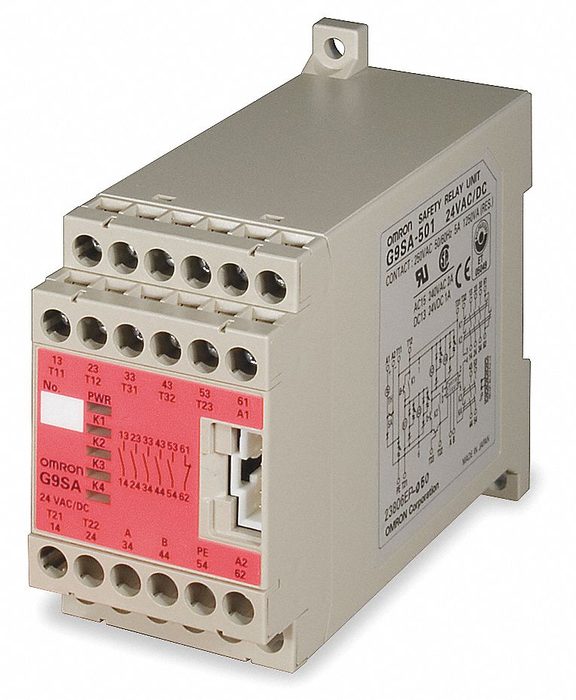
Safety Relay Extension Module
Mounting: DIN-Rail
-
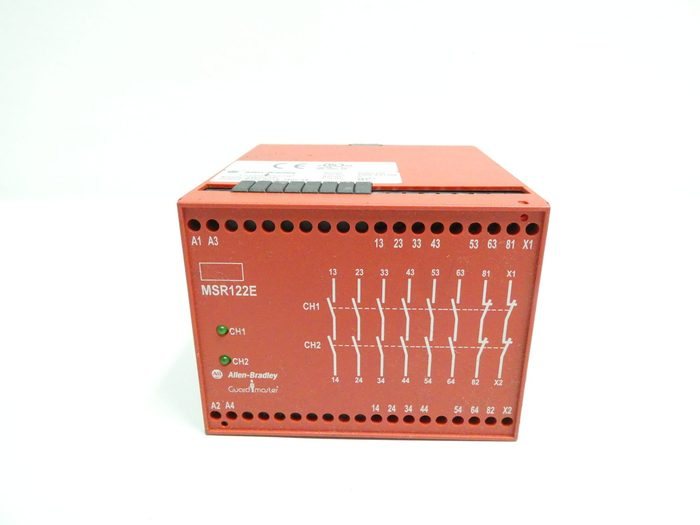
Safety Relay MSR122E
Voltage: 24V-AC 24V-DC
-
-
-
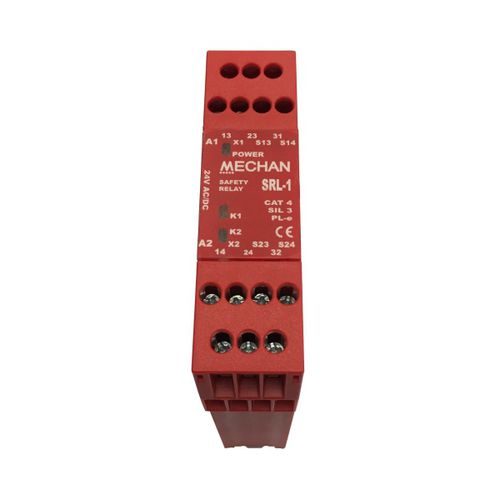
Safety Relay SRL1 24V AC/DC, 2NO/NC
Channels: DualContacts: 2NO/1NCVoltage: 24V AC/DC
-
-
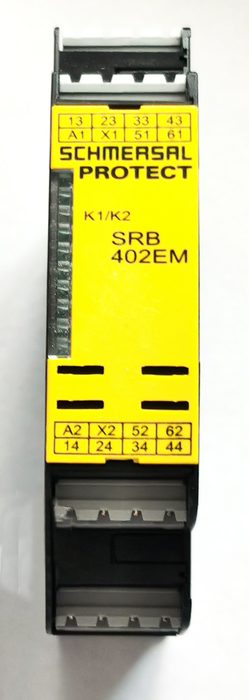
Safety Relay Srb402em-24V
Voltage: 24V
-
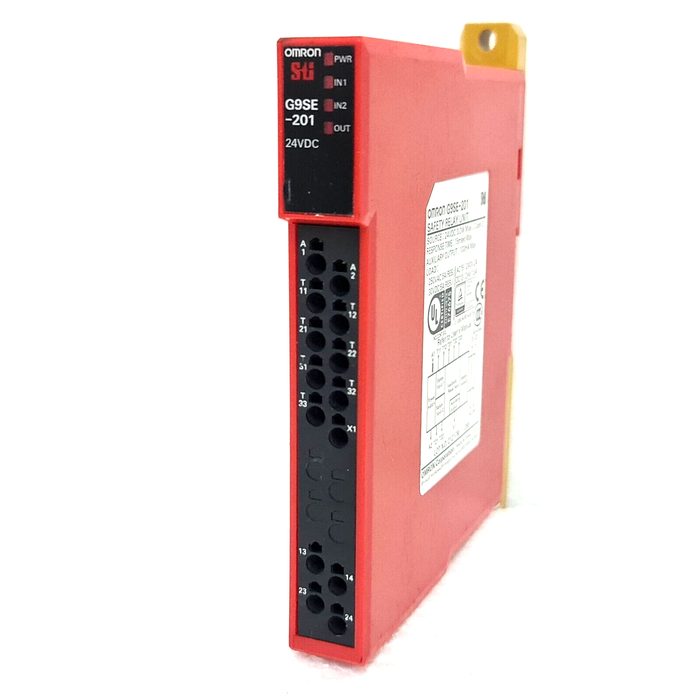
Safety Relay Unit
Dimensions: 30x50x50 cmVoltage: 24V DCWeight: 1.500 kg
-
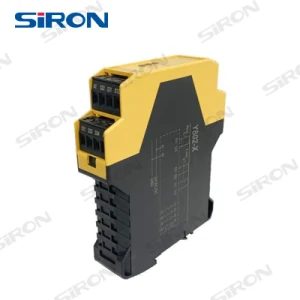
Safety Relay for E-Stop and Safety Door
Reset: manual or automaticSafety Contact Outputs: up to 4
-
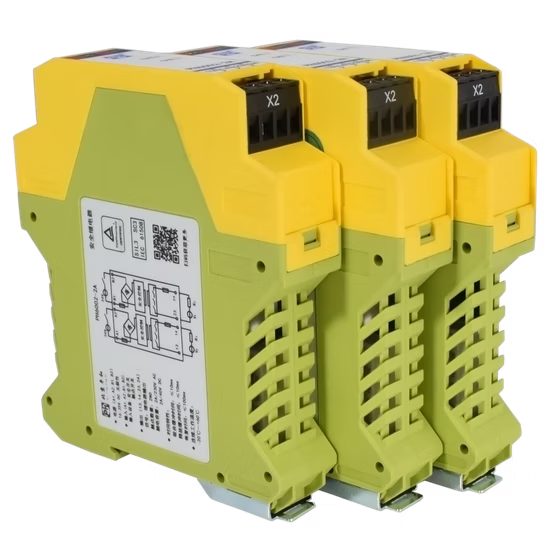
-
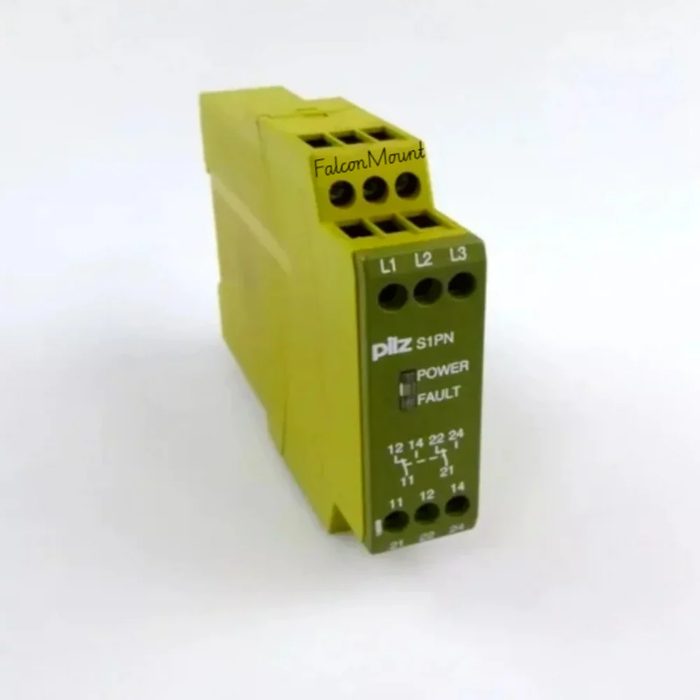
Safety Relay s1pn 400-500VAC 2C/O 500V-AC
Contacts: 2 changeoverVoltage AC: 400-500 V
-
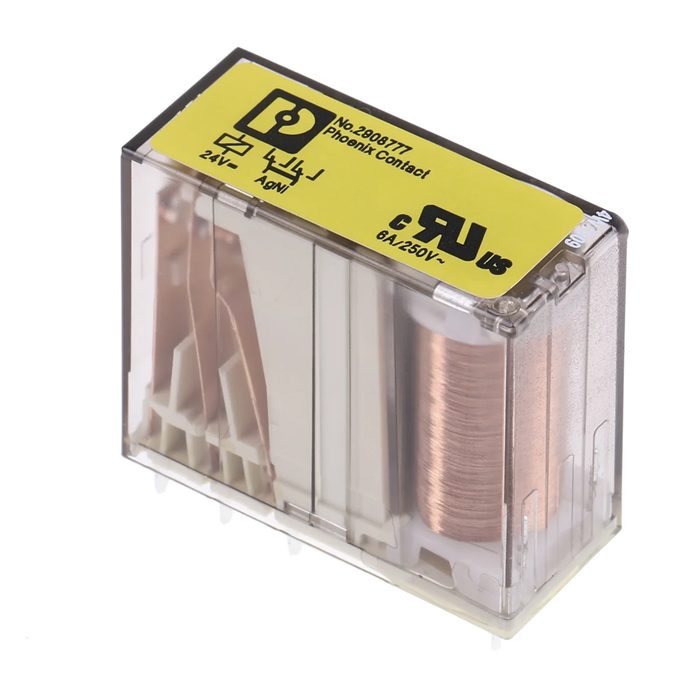
Safety Relay with force-guided contacts
Contact Type: 2 changeover contacts
-
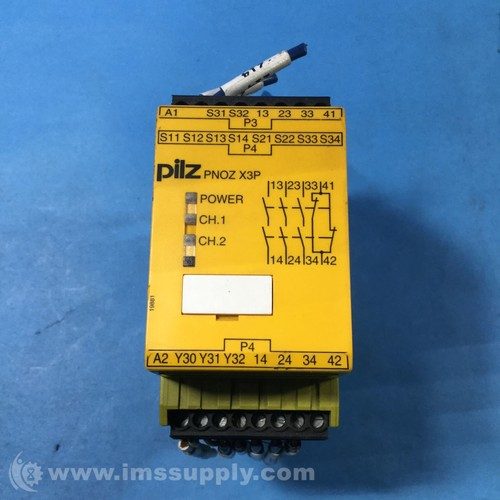
Safety Relay, 1/2 Channel Wiring, 3NO
Channels: 1/2Contacts: 3 N/O
-
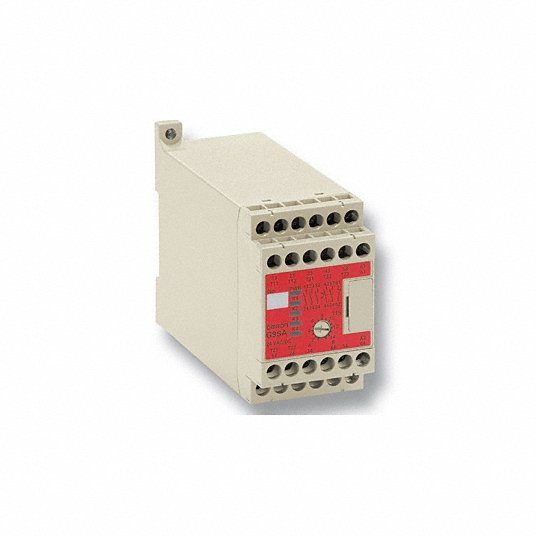
Safety Relay, 3.7 in Body H, 50/60 Hz
Body Height: 3.7 inchFrequency: 50/60 HzInput Voltage: 100-240V AC, 24V AC/DCPower Consumption: 5.7 VA, 9 VA
-
-
-
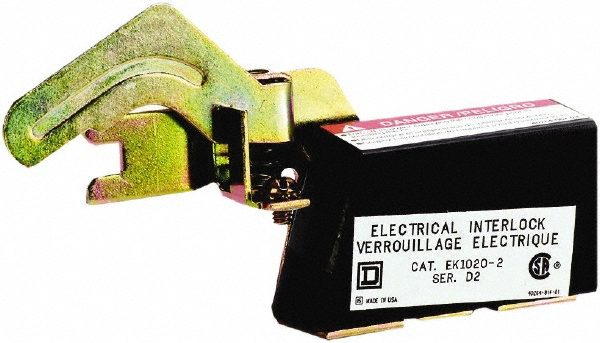
Safety Switch Electrical Interlock
Accessory Type: Electrical Interlock
-
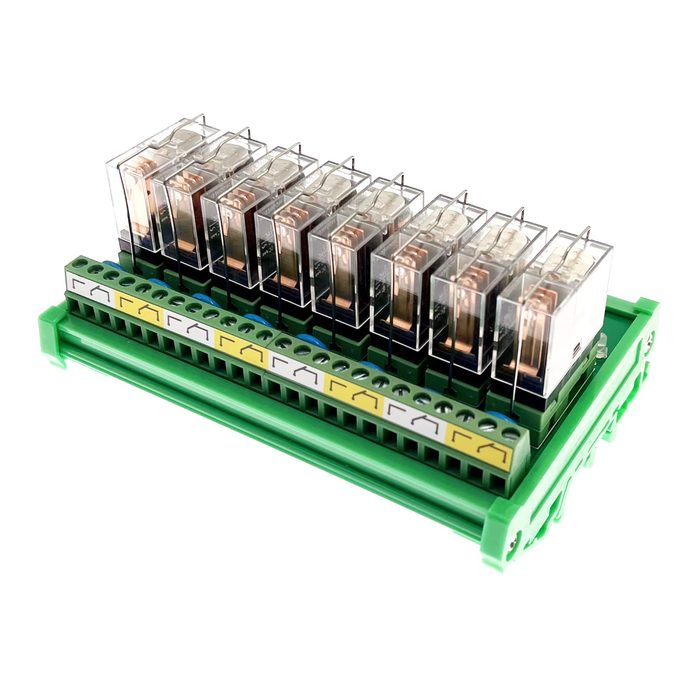
Safety Use Relays 12V Modules NPN PNP Output
Voltage: 12 V
-
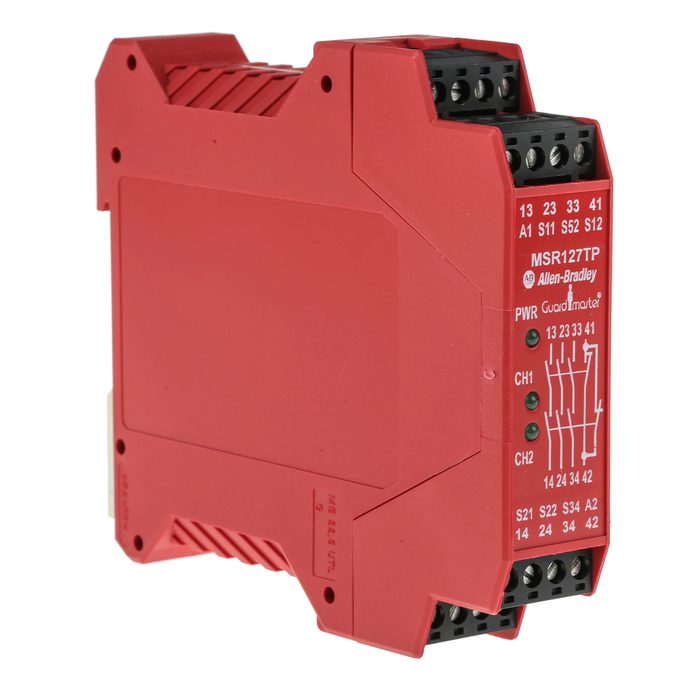
Single-Channel Safety Switch/Interlock Safety Relay 24V AC/DC
Channels: SingleVoltage: 24V AC/DC
-
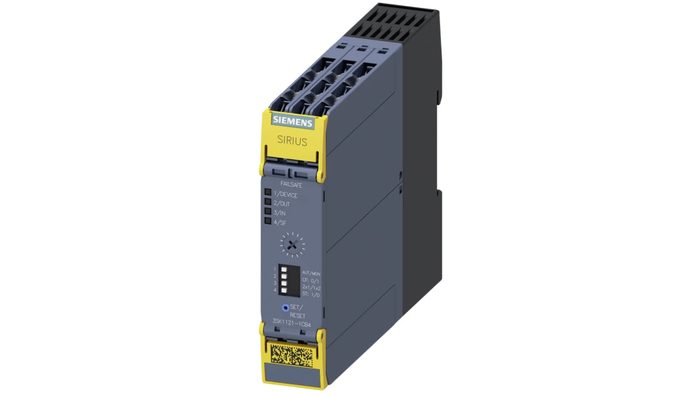
Sirius Safety Relay
NO Contacts: 2Voltage: 24VDC
-
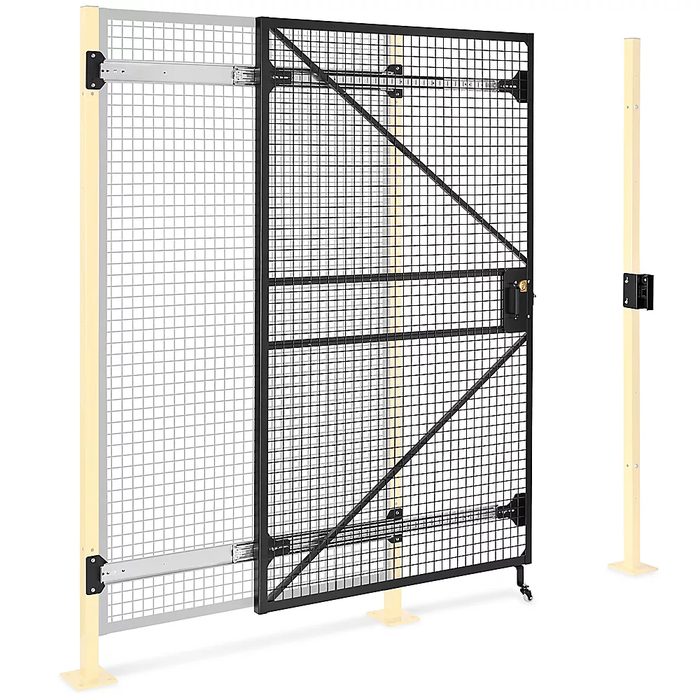
Sliding Door for Wire Machine Guard
Floor Clearance: 6 inchHeight: 4 foot
-
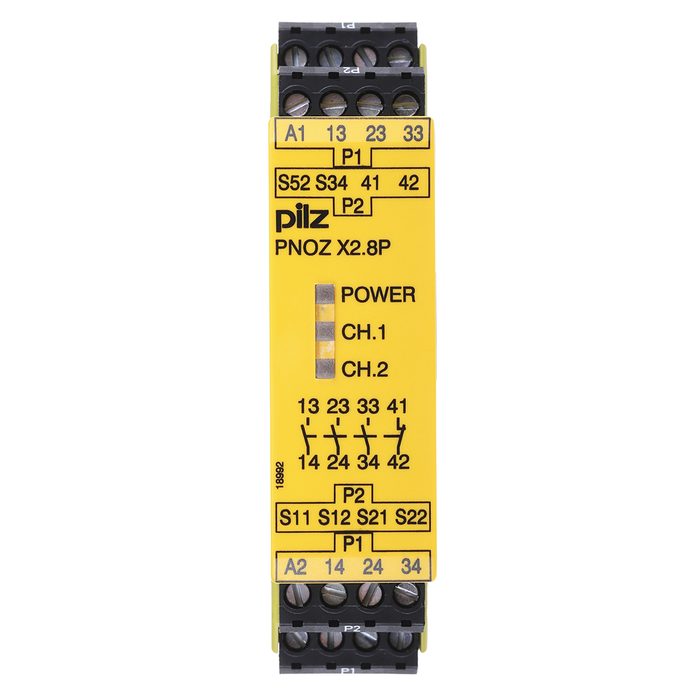
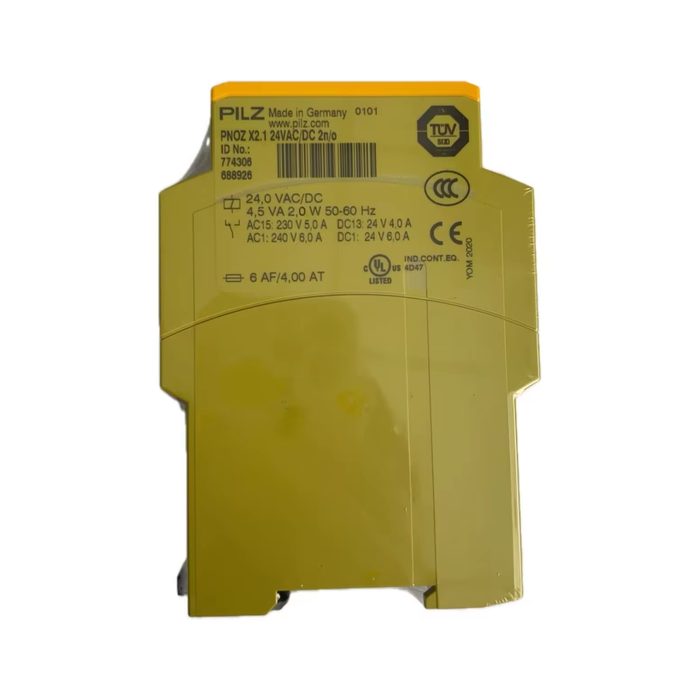
Standalone Safety Relay PNOZ X2.1 24VAC/DC 2n/o
Voltage: 24 VAC/DC
-
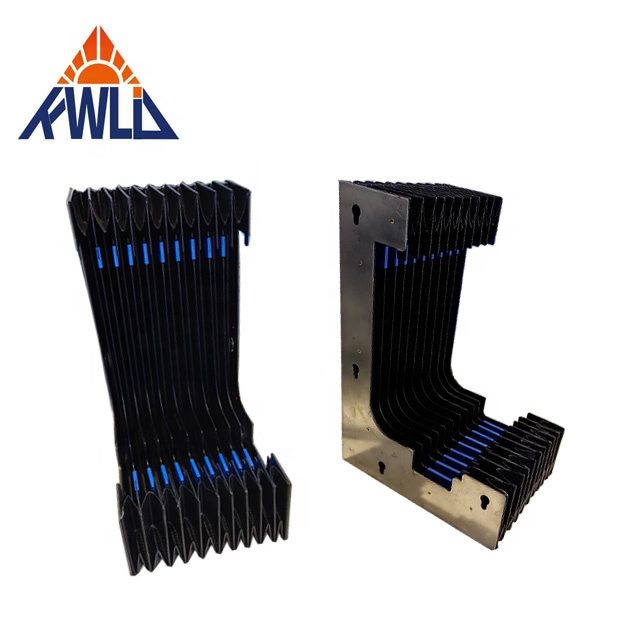
Steel Cladding Protective Dust Cover Cloth Rail Telescopic Shield
Dimensions: 466mm x 20mm x Lmax 400mm
-
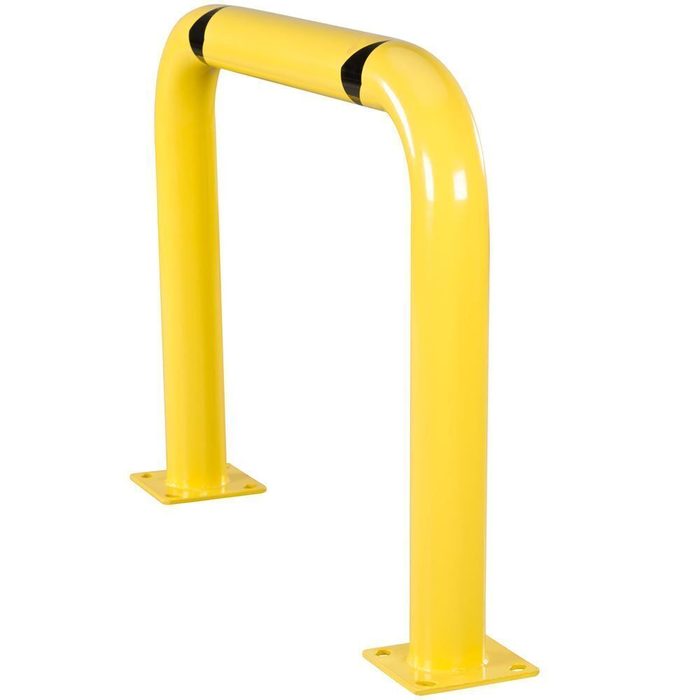
Steel Machine Guard Barrier
Type: Hollow Fillable
About machine safety
Machine safety components are critical for protecting personnel and equipment in industrial environments. This category includes light curtains (safety light screens), emergency stop (E-stop) devices, safety relays, interlock switches, and machine guarding. Light curtains, typically Type 2 or Type 4 per IEC 61496, create a protective field using an emitter and receiver, with resolution (e.g., 14mm for finger protection, 30mm for hand protection) and protected height being key specifications. E-stops are push-button or pull-cord devices designed for immediate machine shutdown, often featuring twist-to-release or key-release mechanisms, and contact configurations like 1NC/1NO or 2NC. Safety relays (e.g., PLe, SIL 3 rated) monitor safety functions and provide redundant outputs, with common types including emergency stop relays, guard interlock relays, and two-hand control relays. Interlock switches prevent machine operation when guards are open, available in mechanical (tongue/key), magnetic, and RFID-coded variants, with locking force (e.g., 1300N, 2500N) and IP rating (e.g., IP67) being important. Machine guarding encompasses physical barriers such as wire mesh panels, polycarbonate sheets, and aluminum profiles, selected based on impact resistance, visibility requirements, and mounting options.
How to choose
When selecting machine safety components, first determine the required Performance Level (PL) per ISO 13849-1 or Safety Integrity Level (SIL) per IEC 62061 for the application. Next, identify the specific hazard and the necessary protective function (e.g., presence detection, emergency stop, guard interlocking). For presence detection, choose a light curtain based on resolution (finger, hand, body) and protected height. For E-stops, select based on actuation method (push-button, pull-cord) and contact configuration. For interlocks, consider the guard type, locking requirement, and actuator type (tongue, RFID). Finally, select a safety relay or safety PLC capable of achieving the required PL/SIL, ensuring compatibility with all connected safety devices and monitoring functions.