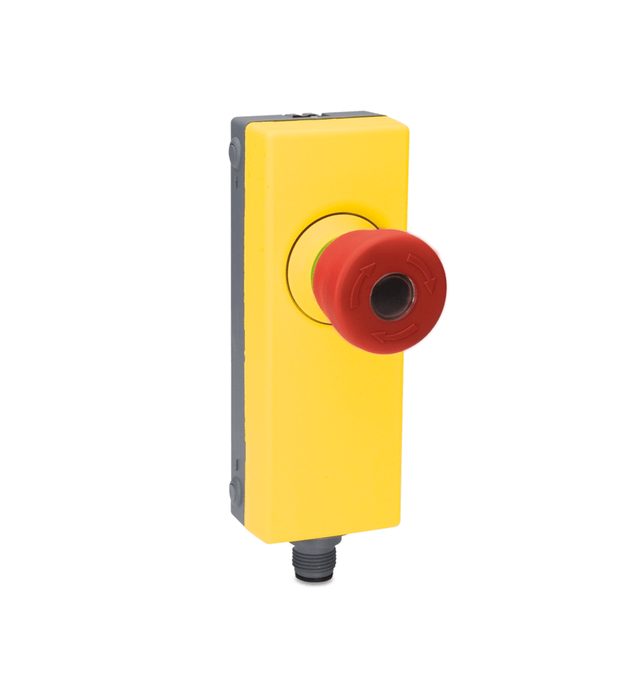
Machine Safety
Light curtains, E-stops, safety relays, interlocks and guarding.
Also searched as: light curtaine stopsafety relayinterlock switchmachine guard
-
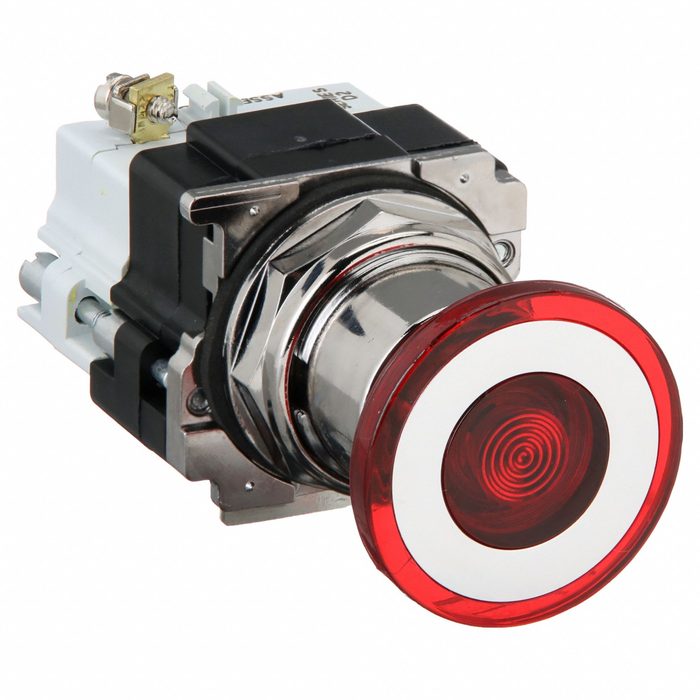
10250T Illuminated Red Mushroom Fully Assembled Emergency Stop Pushbutton
Voltage: 600 V AC, 250 VDC
-
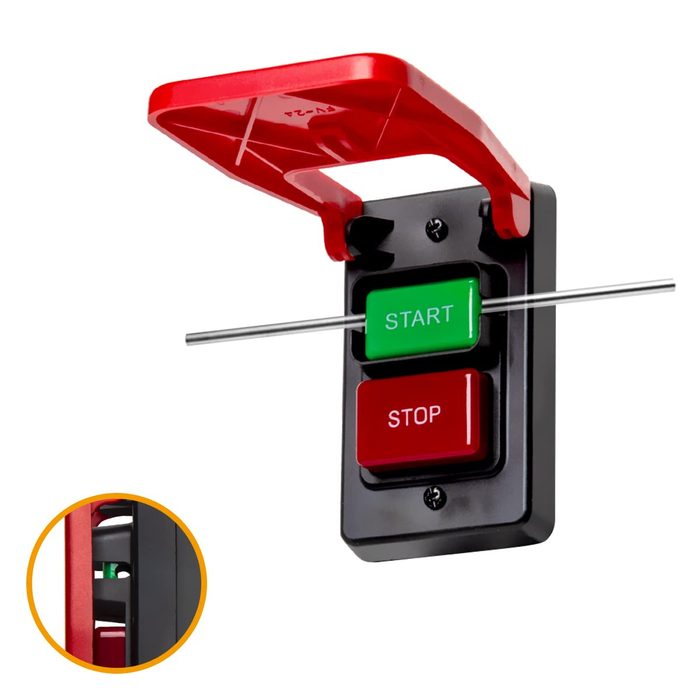
120-Volt/230-Volt Dual Voltage, Paddle Switch, 16-Amp Emergency Stop
Amperage: 16-AmpFunction: Emergency StopType: Paddle SwitchVoltage: 120-Volt/230-Volt
-
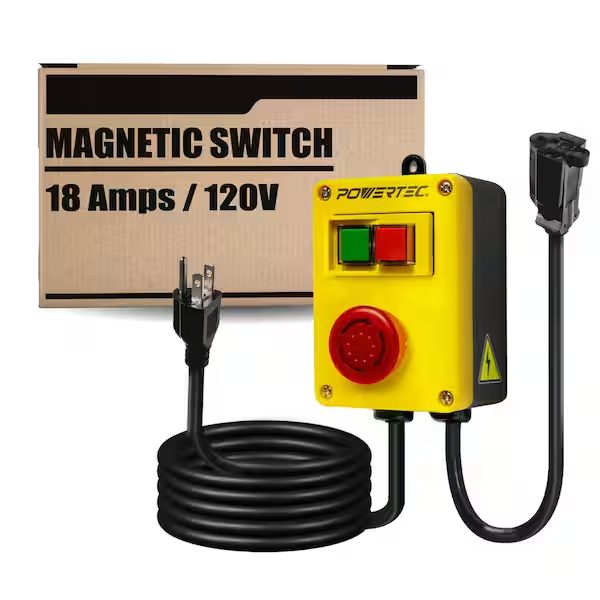
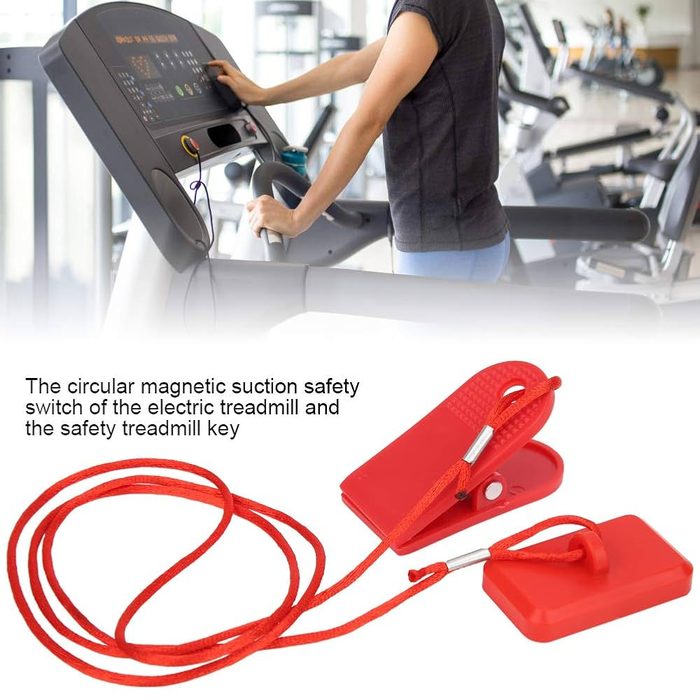
120V, 18A Magnetic Power Tool Safety Switch with Emergency Stop Button
Amperage: 18AFunction: Emergency StopVoltage: 120V
-
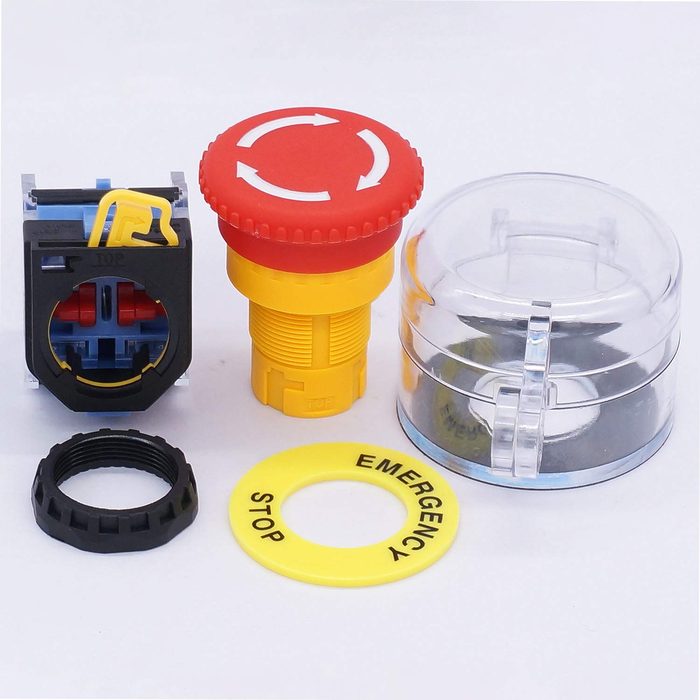
-
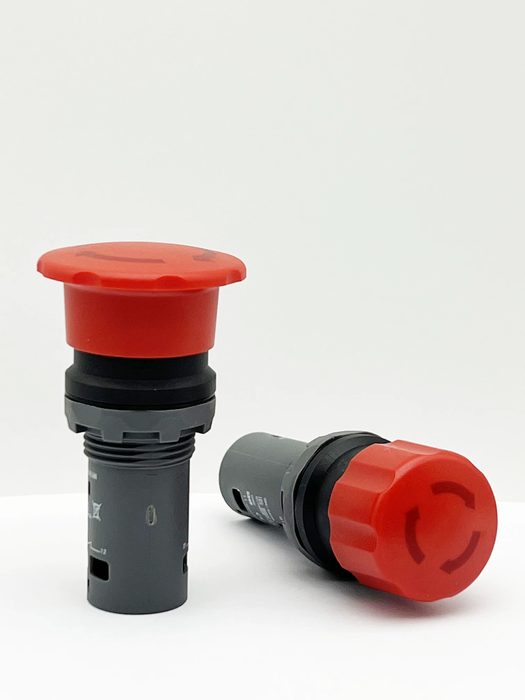
22mm Industrial Emergency Stop Button IP65 Waterproof
Diameter: 22 mmIP Rating: IP65
-
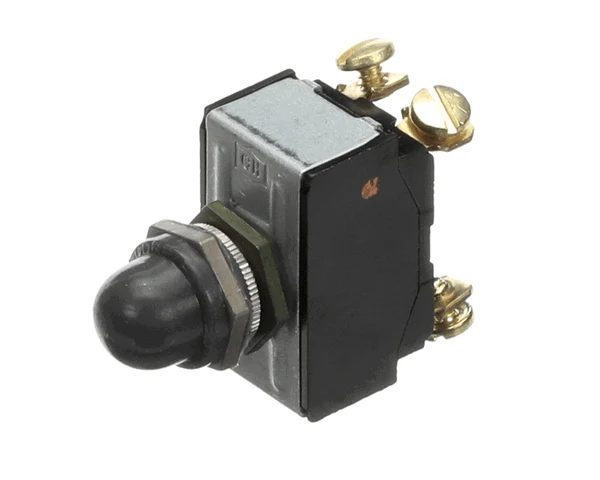
3-PHASE interlock switch with cap nut
Phase: 3-Phase
-
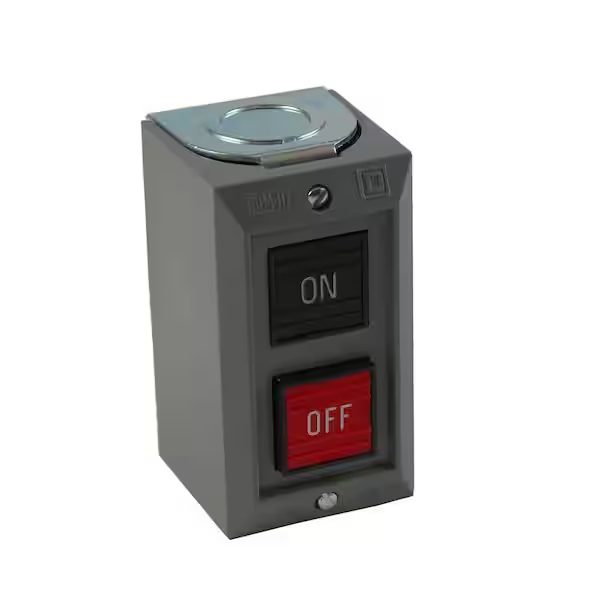
30 mm Stop/Start Push Button Switch in Control Station
Diameter: 30 mmType: Stop/Start Push Button
-
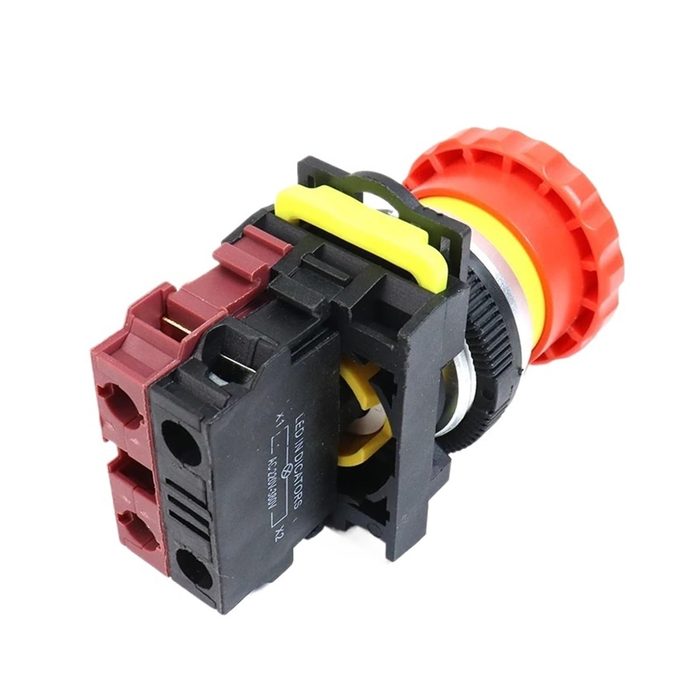
30mm LA36M Emergency Stop Push Button Switch
Diameter: 30mm
-
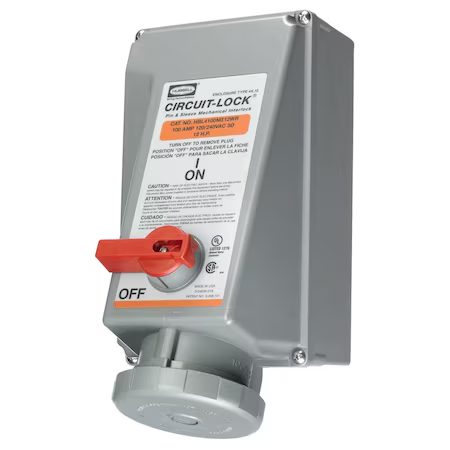
3P4W 100A 3PH 250V Gray/Blue IEC Unfused Mechanical Circuit-Lock Interlock
Amperage: 100 AColor: Gray/BluePhase: 3PHPoles: 3Standard: IEC
-
3P4W 100A 3PH 480V Gray/Red IEC Unfused Mechanical Circuit-Lock Interlock
Amperage: 100 AColor: Gray/RedPhase: 3PHPoles: 3Standard: IEC
-
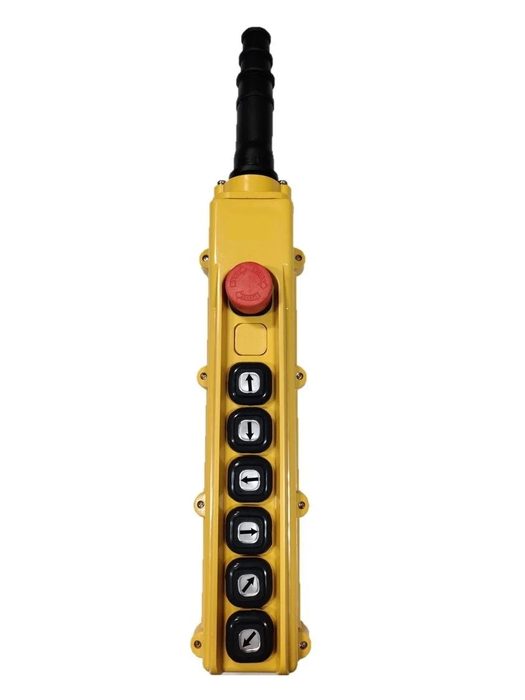
8-Button Industrial Control Station IP65 E-Stop
Number of Buttons: 8
-
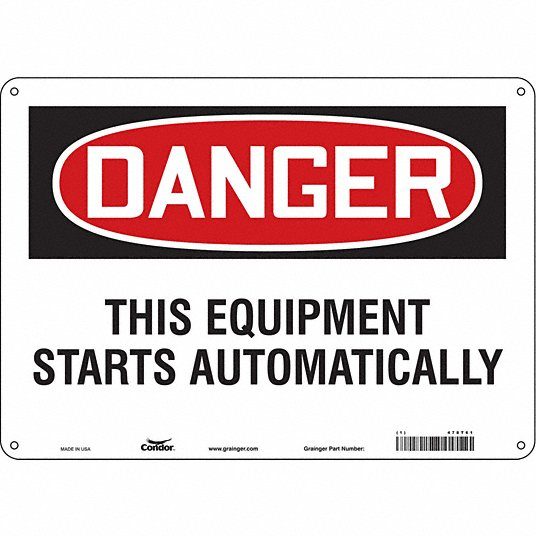
Aluminum Machine Safety Sign
Height: 7 inchWidth: 10 inch
-
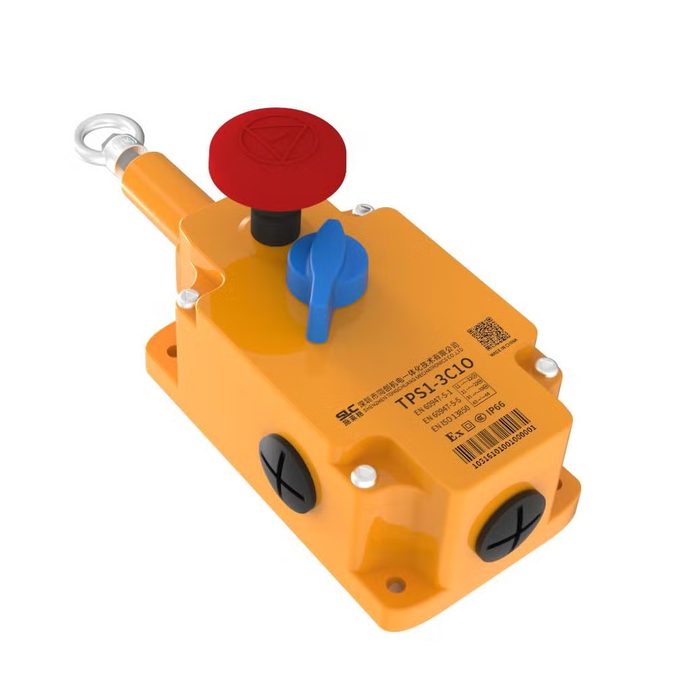
-
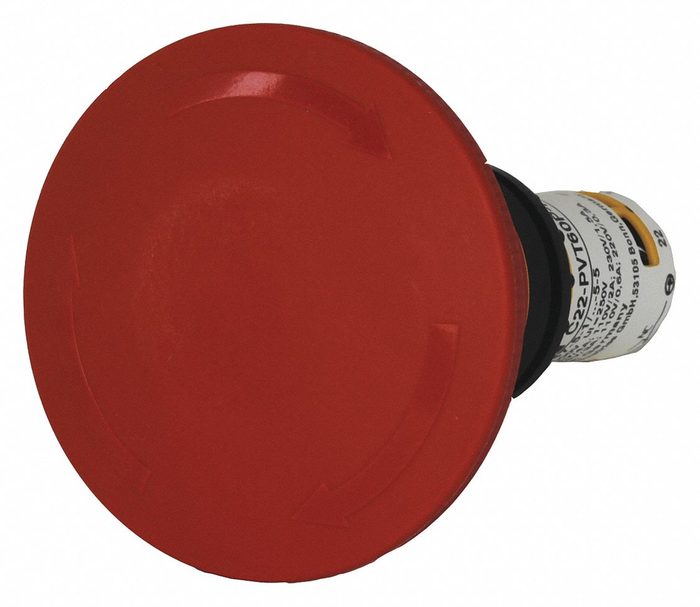
C22 Series Non-Illuminated Red Mushroom Fully Assembled Emergency Stop Pushbutton
Voltage: 250 V AC, 220 V DC
-
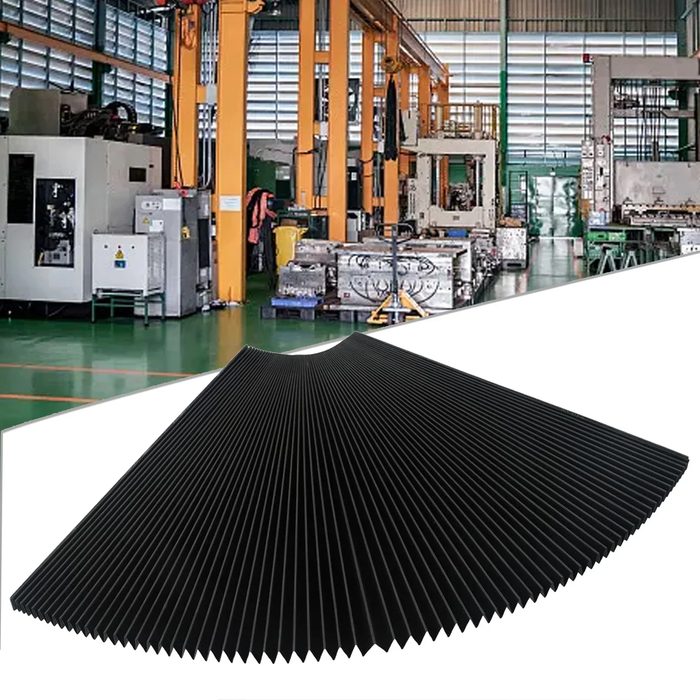
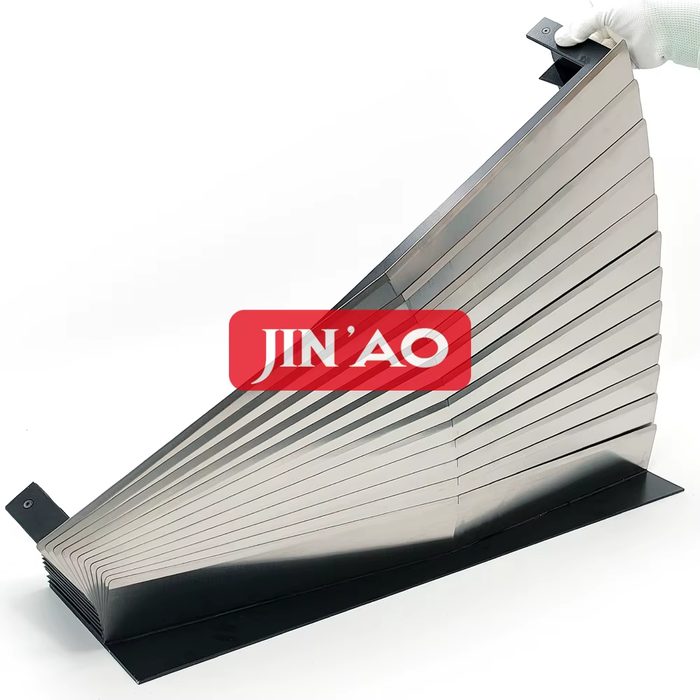
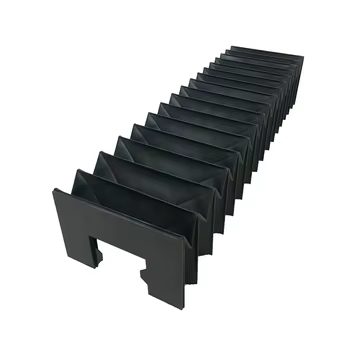
CNC Milling Machine Flexible Guard Dust Cloth
Length: 1500cmWidth: 130-300mm
-
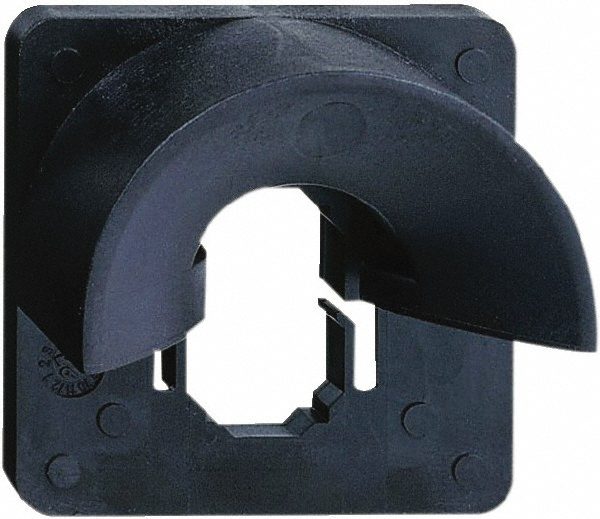
Cam and Disconnect Switch Door Interlock Plate
For Use With: Disconnect Switch
-
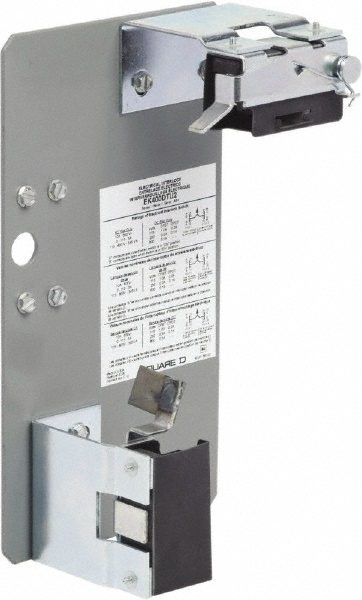
Cam and Disconnect Switch Electrical Interlock
For Use With: Class 9422 Type BT, Class 9422 Type FT Disconnect Switch
-
-
-
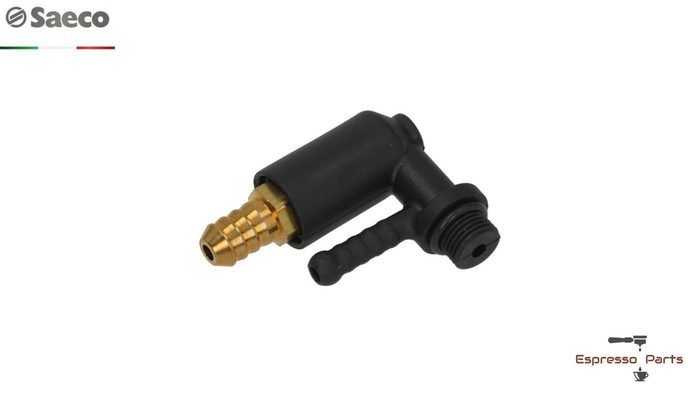
Coffee Machine Safety Valve 11 Bar
Pressure: 11 Bar
from $27.95eBay $27.95 -
-
-
-
 from $0.50Made-in-China $0.50
 -
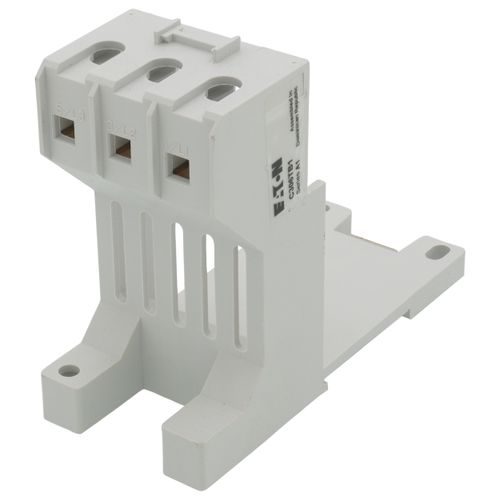
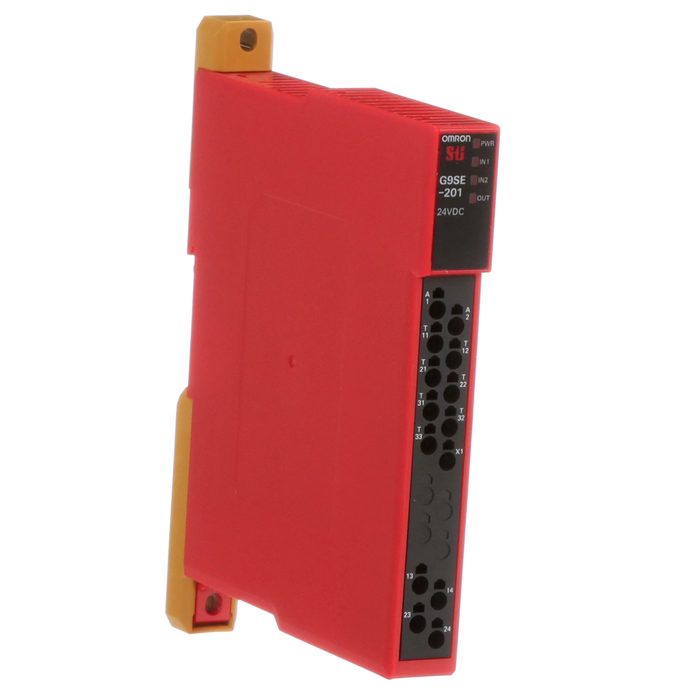
DIN-Rail Relay Mounting
Pins/Terminals: 16
-
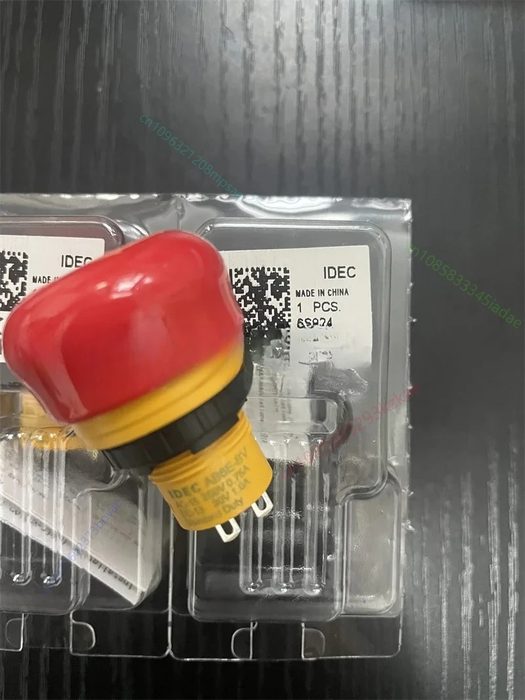
E-Stop Emergency Stop Switch
Current Rating: 5AMounting Style: Panel MountVoltage Rating AC: 125 VACVoltage Rating DC: 30 VDC
-
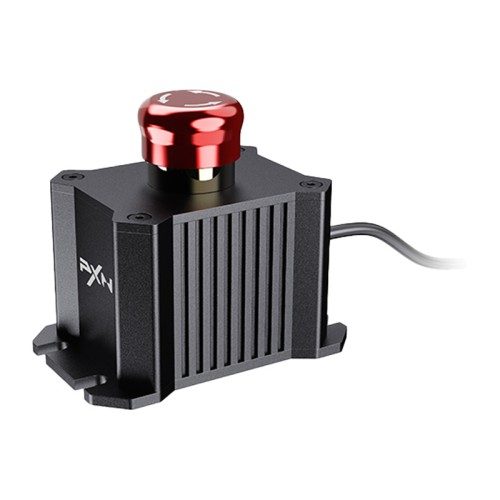
E-Stop Switch, compatible with V10 Pro, VD4
Current: 10 A
-
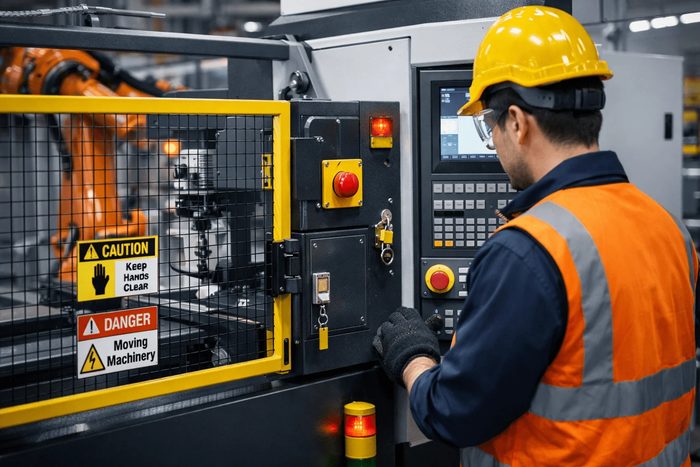
EB2 Red Mushroom Head Emergency Stop Buttons Latching 22mm
Color: RedHead Type: MushroomMounting Diameter: 22 mmVoltage: Below 50Vac or 75Vdc
-
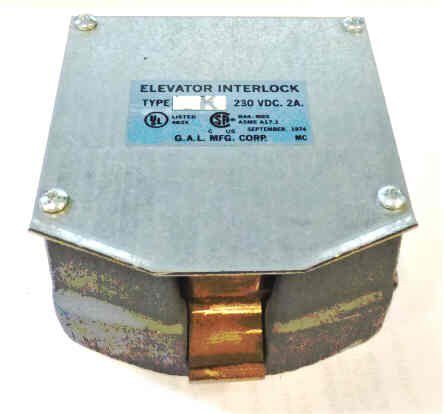
-
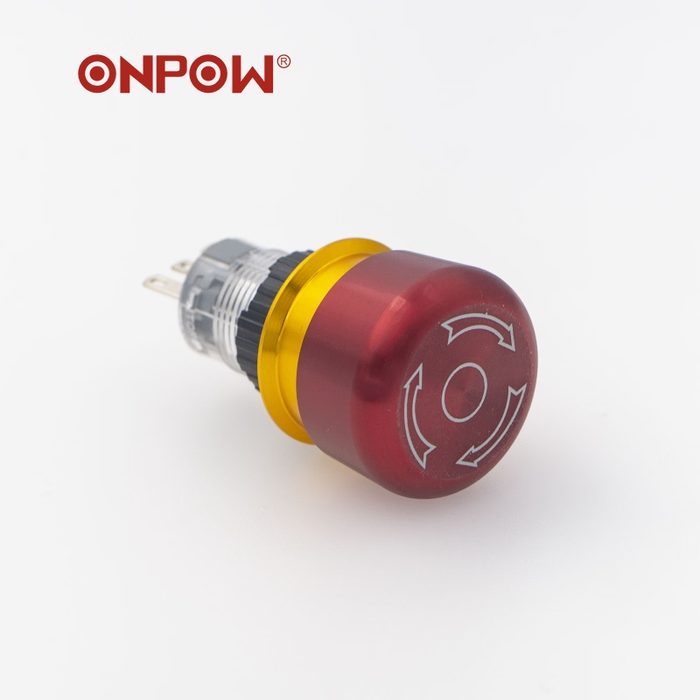
Emergency Stop Button
Max. Current: 5AMax. Voltage: 250VProtection Level: Push-lock, turn-resetSize: 16mm/19mm
-
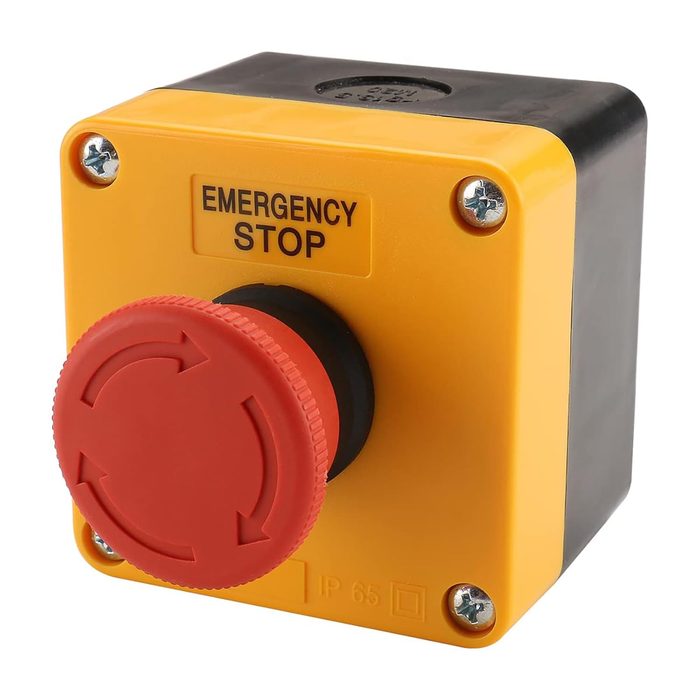
Emergency Stop Button
Length: 12 inSign Shape: RectangleThickness: 0.03 inWidth: 18 in
-
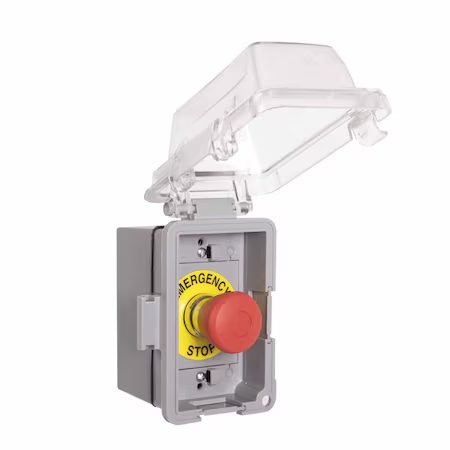
Emergency Stop Button 110V
Voltage: 110V
-
-
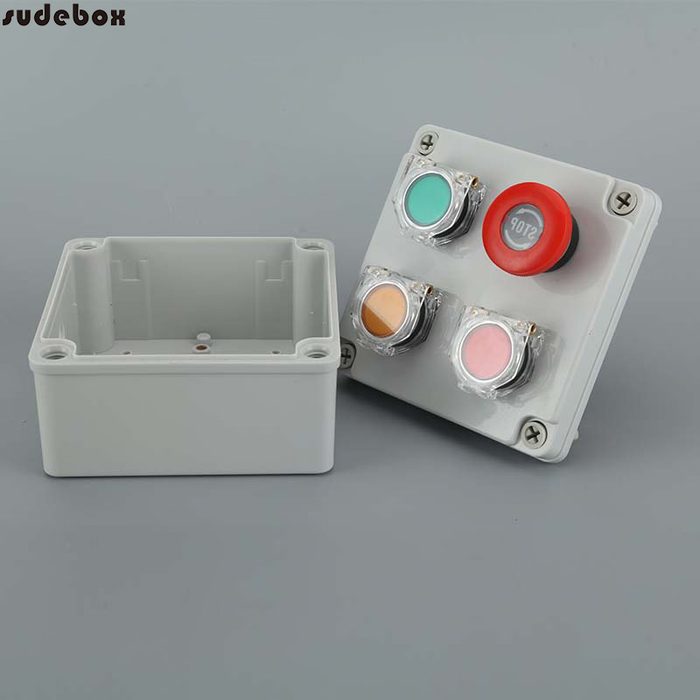
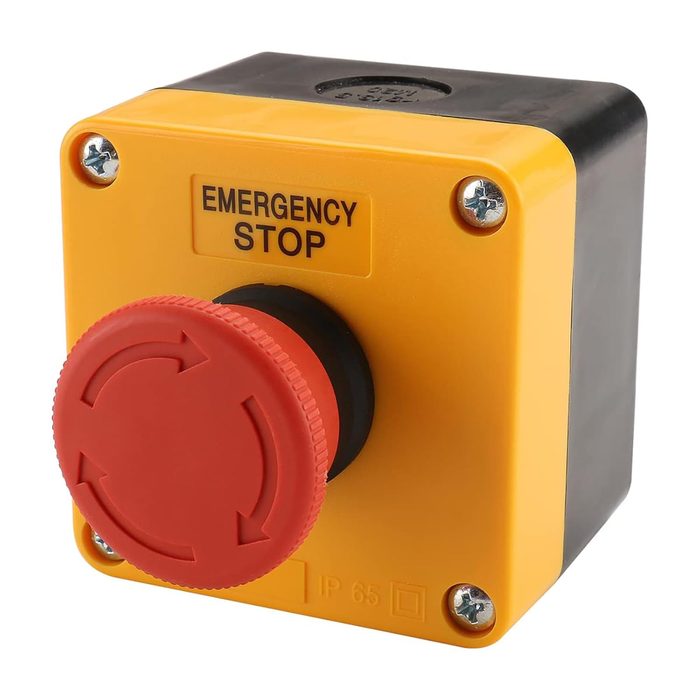
Emergency Stop Button Enclosure Control Box
Max. Current: 660V
-
-
About machine safety
Machine safety components are critical for protecting personnel and equipment in industrial environments. This category includes light curtains (safety light screens), emergency stop (E-stop) devices, safety relays, interlock switches, and machine guarding. Light curtains, typically Type 2 or Type 4 per IEC 61496, create a protective field using an emitter and receiver, with resolution (e.g., 14mm for finger protection, 30mm for hand protection) and protected height being key specifications. E-stops are push-button or pull-cord devices designed for immediate machine shutdown, often featuring twist-to-release or key-release mechanisms, and contact configurations like 1NC/1NO or 2NC. Safety relays (e.g., PLe, SIL 3 rated) monitor safety functions and provide redundant outputs, with common types including emergency stop relays, guard interlock relays, and two-hand control relays. Interlock switches prevent machine operation when guards are open, available in mechanical (tongue/key), magnetic, and RFID-coded variants, with locking force (e.g., 1300N, 2500N) and IP rating (e.g., IP67) being important. Machine guarding encompasses physical barriers such as wire mesh panels, polycarbonate sheets, and aluminum profiles, selected based on impact resistance, visibility requirements, and mounting options.
How to choose
When selecting machine safety components, first determine the required Performance Level (PL) per ISO 13849-1 or Safety Integrity Level (SIL) per IEC 62061 for the application. Next, identify the specific hazard and the necessary protective function (e.g., presence detection, emergency stop, guard interlocking). For presence detection, choose a light curtain based on resolution (finger, hand, body) and protected height. For E-stops, select based on actuation method (push-button, pull-cord) and contact configuration. For interlocks, consider the guard type, locking requirement, and actuator type (tongue, RFID). Finally, select a safety relay or safety PLC capable of achieving the required PL/SIL, ensuring compatibility with all connected safety devices and monitoring functions.