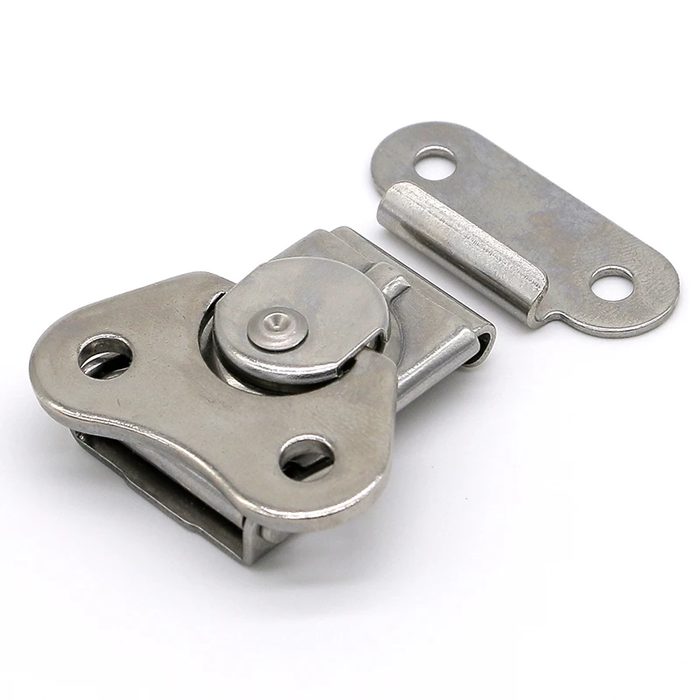
Latches & Catches
Compression, draw, slam, cam and magnetic latches.
Also searched as: draw latchescompression latchtoggle latchcam lockslam latch
-
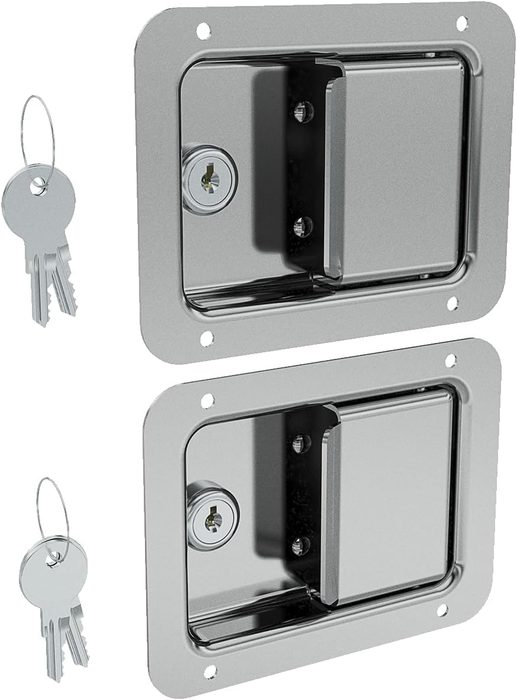
Stainless Steel Paddle Slam Latch with Lock & Key - Flush Single Point Handle
Handle Type: PaddleLocking: Lock & KeyMounting: FlushPoints: Single
from $39.95Amazon $39.95 -
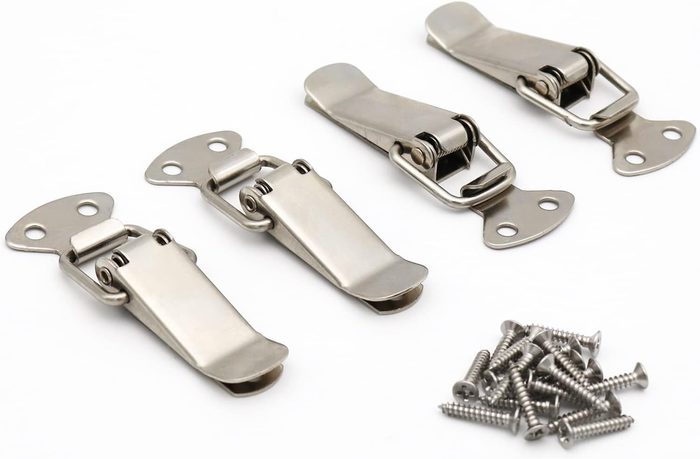
Stainless Steel Spring Loaded Toggle Latch
Spring Loaded: TrueType: Toggle
from $7.39Amazon $7.39 -
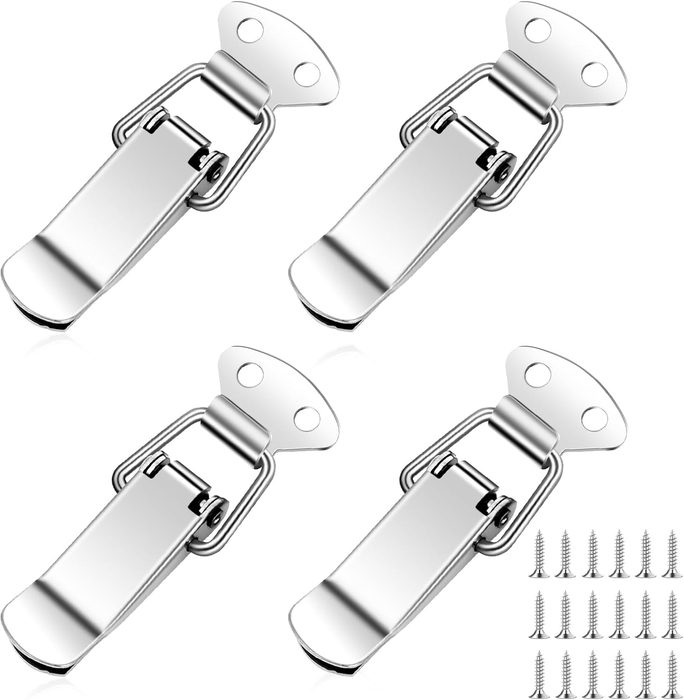
Stainless Steel Spring Loaded Toggle Latch
Spring Loaded: TrueType: Toggle
from $5.29Amazon $5.29 -
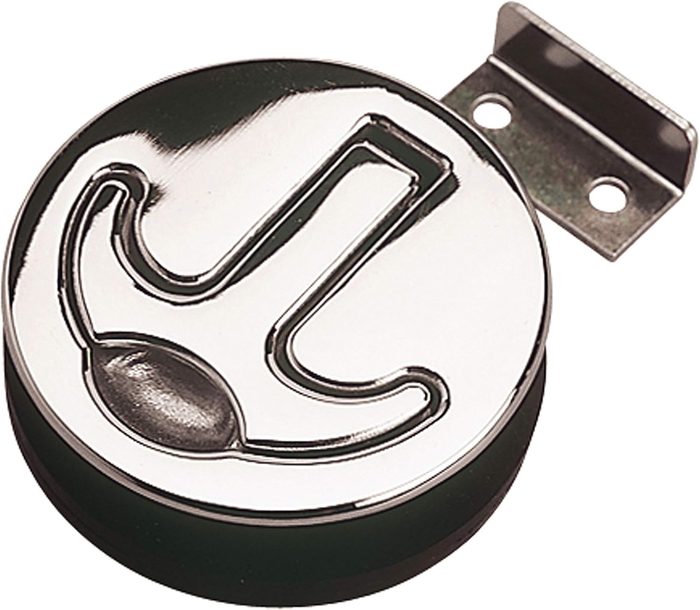
T-Handle Slam Latch
Handle Type: T-Handle
from $34.15Amazon $34.15 -
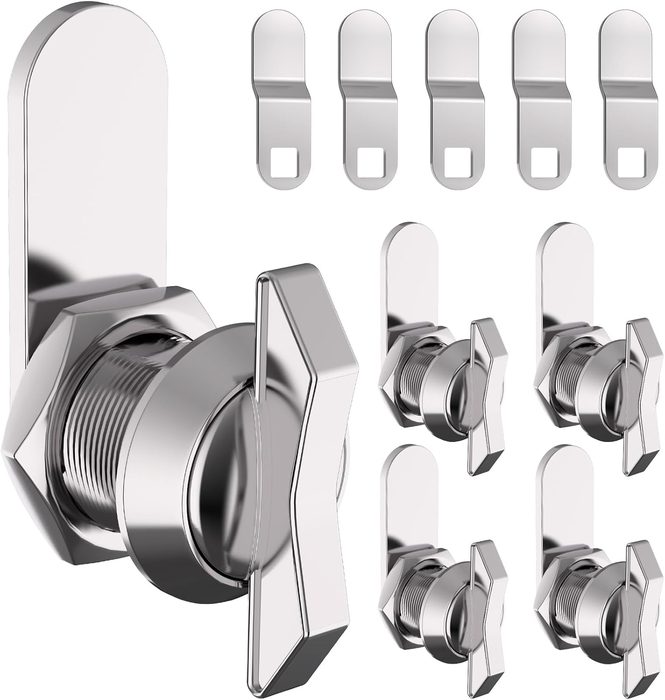
Thumb Operated Offset Cam Lock Set, 5/8 inch, Keyless
Length: 5/8 inch
from $18.19Amazon $18.19 -
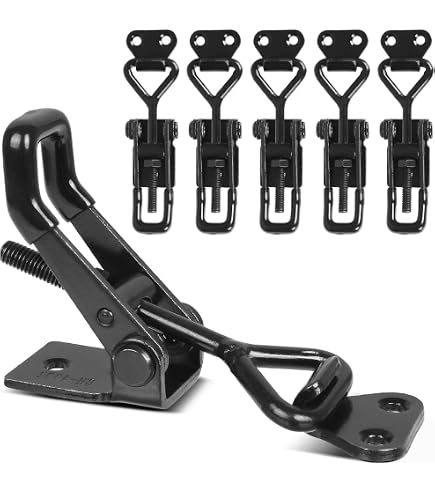
Toggle Clamp Latch
Capacity: 100KG 220LBS
-
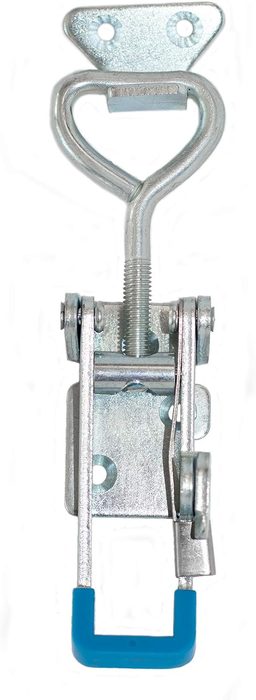
Toggle Latch 135
Type: Toggle
from $19.00Amazon $19.00 -
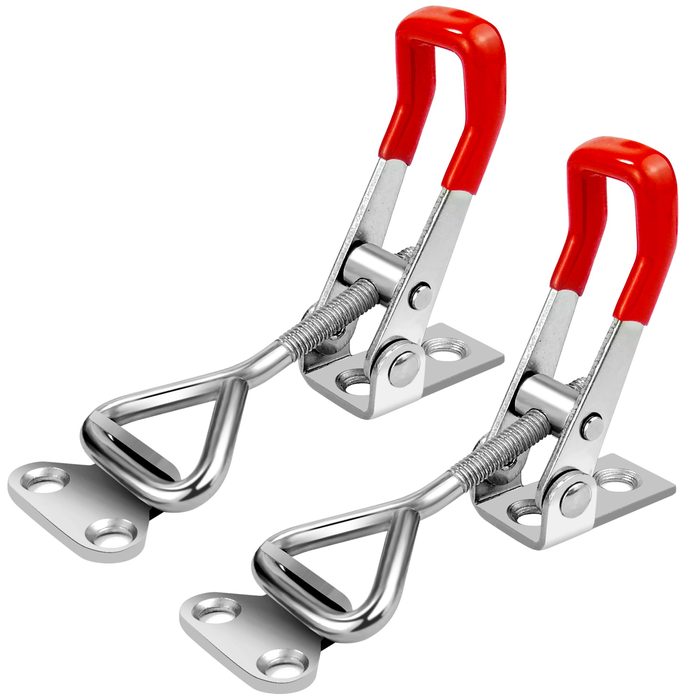
Toggle Latch Clamp 4001 Adjustable
Lock-up range: 3 to 4-1/2 inchMaximum overall length: 4-1/2 inch
-
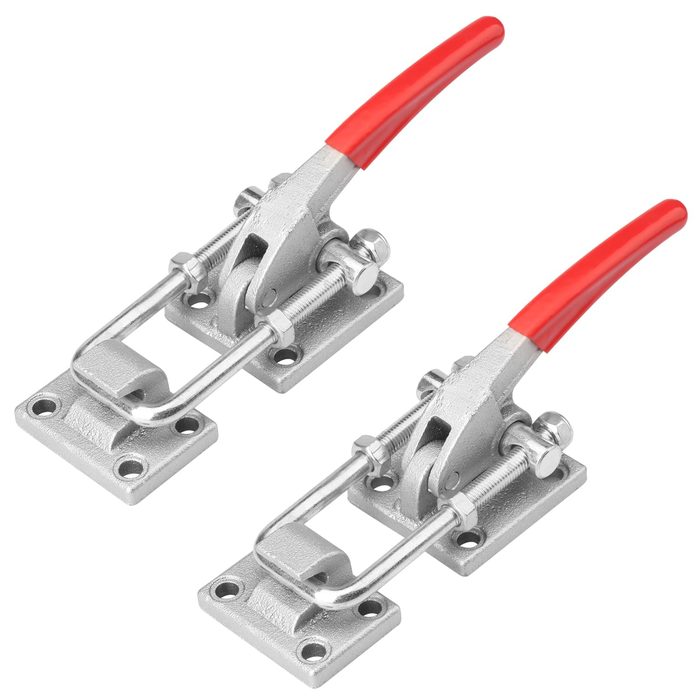
Toggle Latch Clamp, Heavy Duty
Capacity: 2000Lbs
-
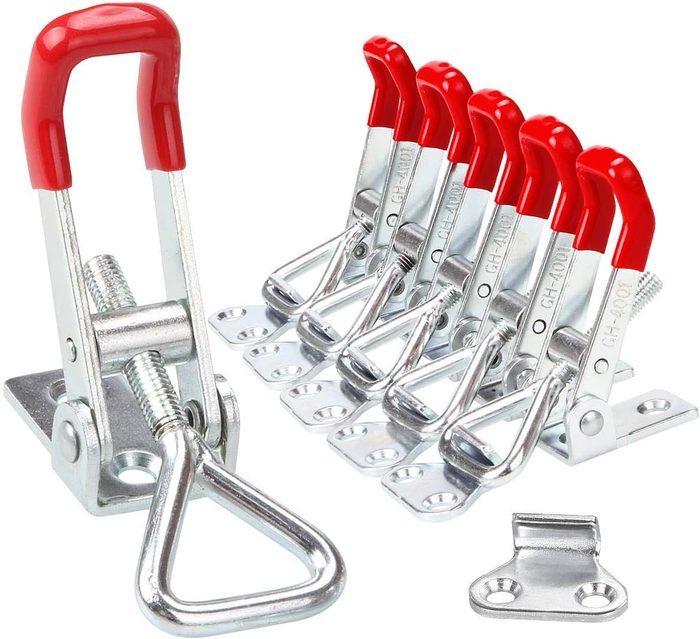
Toggle Latch Clamps 4001 Adjustable
Clamping force: 220 pounds
-
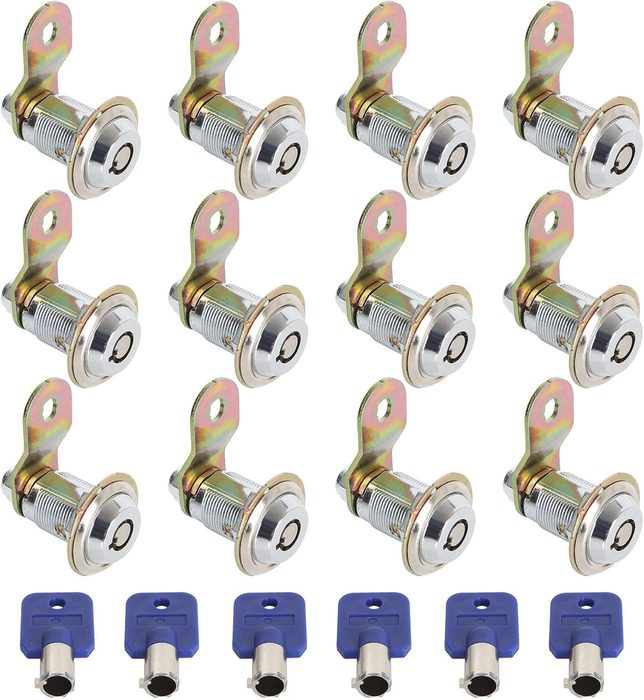
Tubular Cam Lock, Keyed Alike, 1-1/8 inch (30mm) Cylinder, 90°
Cylinder Length: 1-1/8 inchMax Panel Thickness: 7/8 inch
from $22.99Amazon $22.99
About latches & catches
Latches and catches secure panels, doors, and access points, providing both closure and, in some variants, compression or vibration resistance. Common types include draw latches, which pull components together with a toggle action; compression latches, designed to apply a sealing force and dampen vibration; slam latches, which engage automatically upon closure; cam latches, which rotate a cam to secure a panel; and magnetic catches, offering non-mechanical retention. Selection parameters typically include grip range or panel thickness for cam and compression latches, tensile or shear strength ratings for draw and slam latches, and holding force for magnetic catches. Dimensional considerations such as overall length, width, and mounting hole patterns (e.g., 4-hole, 2-hole, single-hole) are critical. Materials often include zinc-plated steel for general industrial use, stainless steel (304 or 316) for corrosion resistance, and engineering plastics like nylon or ABS for lightweight or non-conductive applications. Finishes such as powder coating, chrome plating, or electropolishing enhance durability and aesthetics.
How to choose
When selecting a latch or catch, first determine the primary function: simple closure, vibration damping, or sealing. This will narrow the field to slam, cam, or draw/compression latches, respectively. Next, consider the required holding force or tensile strength to ensure secure retention under anticipated loads. Evaluate the environmental conditions, such as exposure to moisture, chemicals, or extreme temperatures, which will dictate material selection (e.g., stainless steel for corrosive environments, plastics for non-conductive needs). Finally, assess the available mounting space and panel thickness to ensure compatibility with the latch's grip range and mounting footprint. This sequential evaluation helps optimize performance and longevity.