Keys & Keystock
Square, rectangular, Woodruff keys and keystock bar.
Also searched as: woodruff keysquare keymachine keykeystockparallel key
-
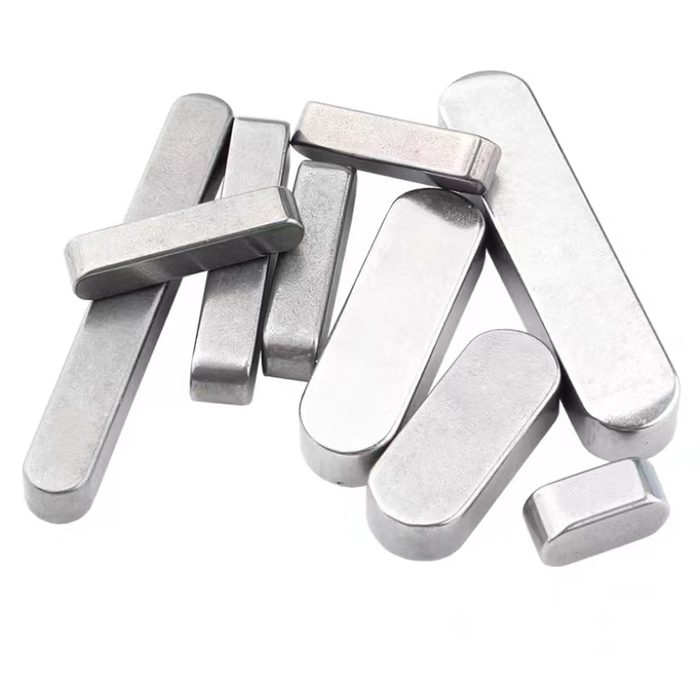
304 Stainless Steel Parallel Key
Sizes: M3x3 to M16x10
-
A-type Shaft Keys
Sizes: M3-M16
-
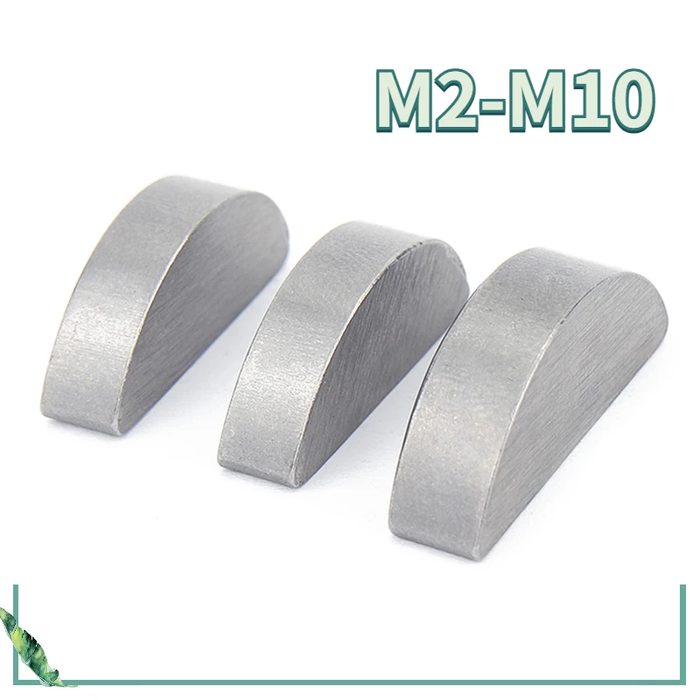
A3 Steel Woodruff Keys
Sizes: M2-M10
-
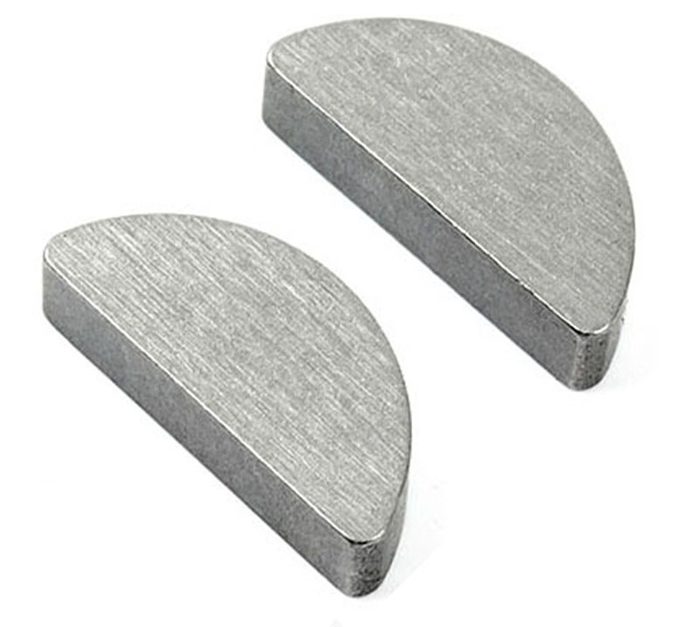
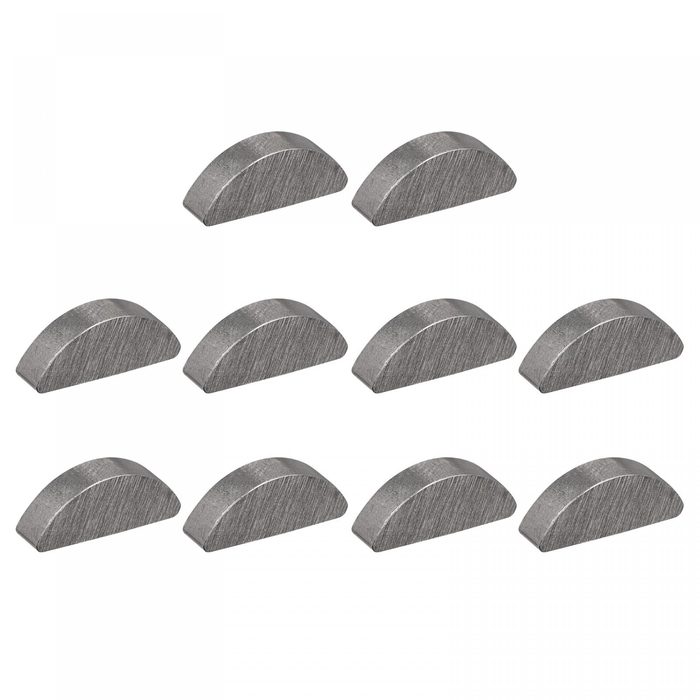
Half Round Shaft Key Woodruff Key
Length: 9.5 mmThickness: 3 mmWidth: 3.8 mm
-
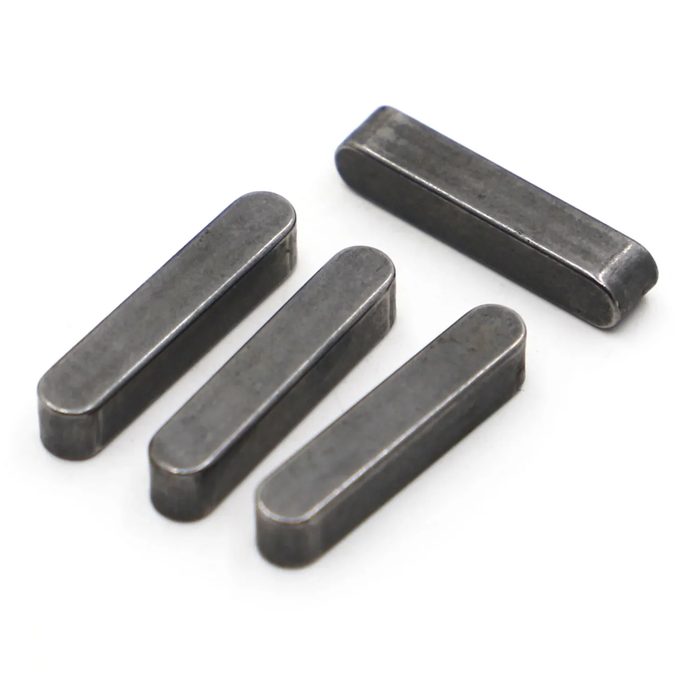
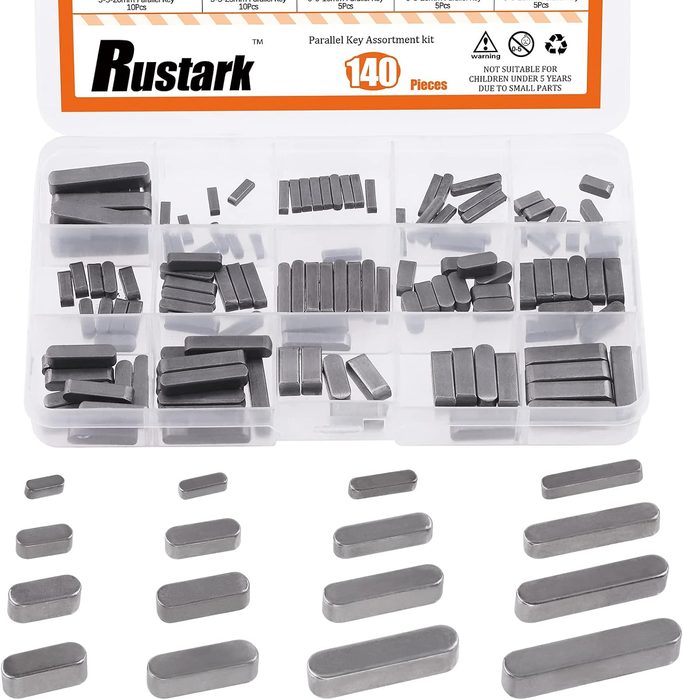
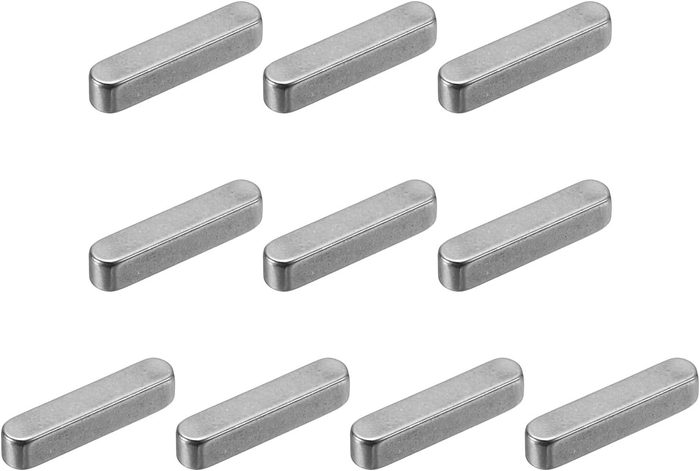
Round Ended Feather Key
Quantity: 140 piecesSizes: 8mm, 10mm, 12mm, 16mm, 20mm, 25mm, 30mm
-
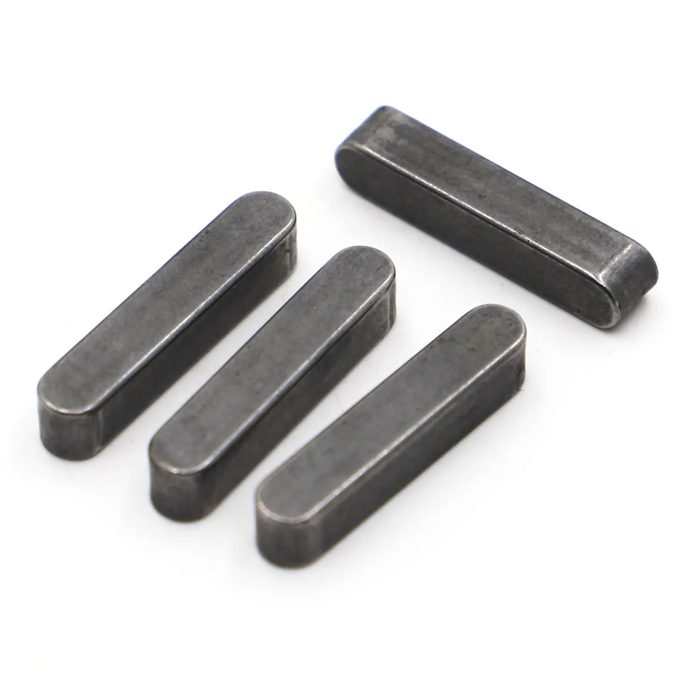
Round Ended Feather Key Parallel Drive Shaft
Sizes: 8mm to 30mm
-
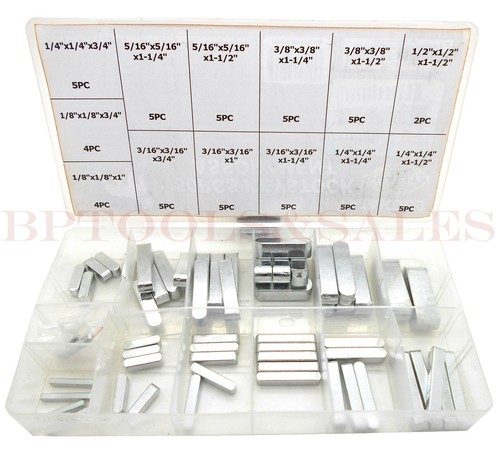
SAE Keystock Bar Assortment
Quantity: 60 pcs
-
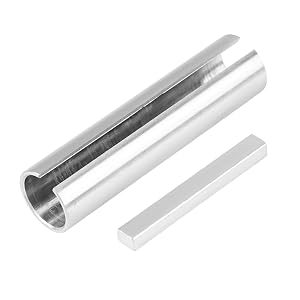
Shaft Adapter Pulley Bore Reducer Sleeve Bushing & Keystock
Size: 3/4 inch
-
-
-
-
-
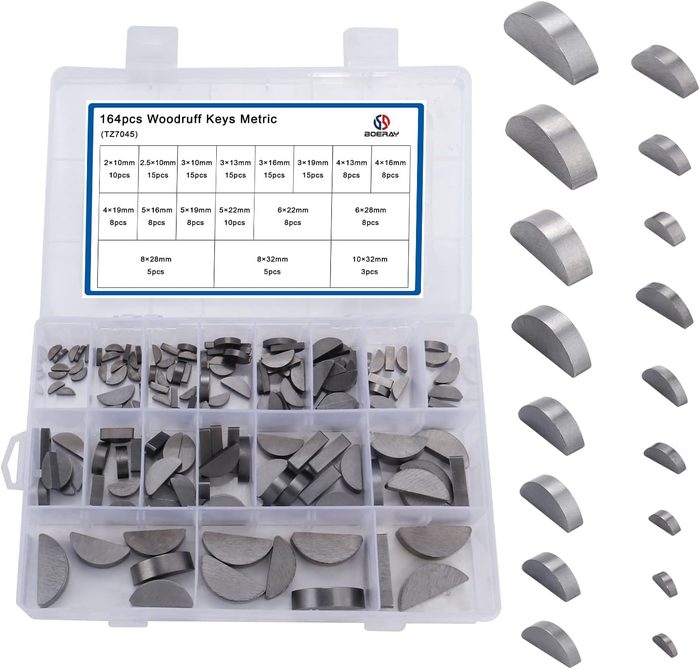
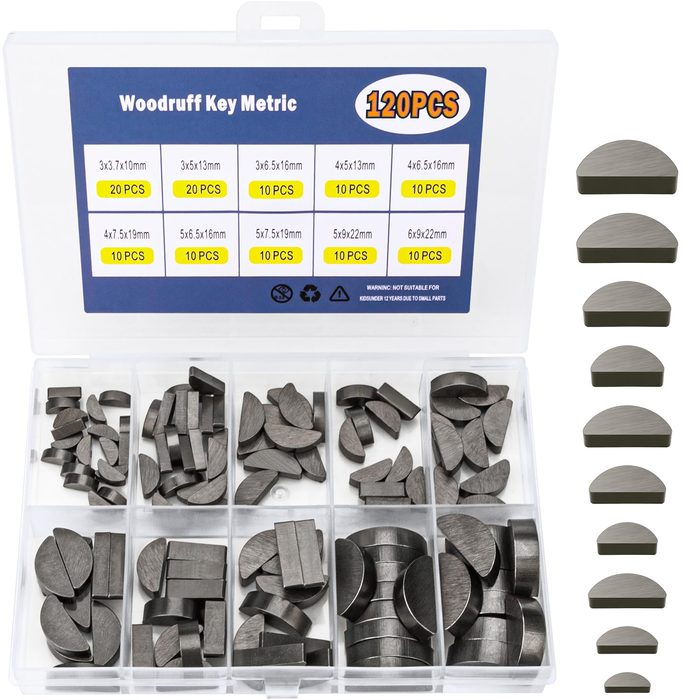
Woodruff Key Stock Assortment
Quantity: 175 piecesSizes: 15 different sizes
-
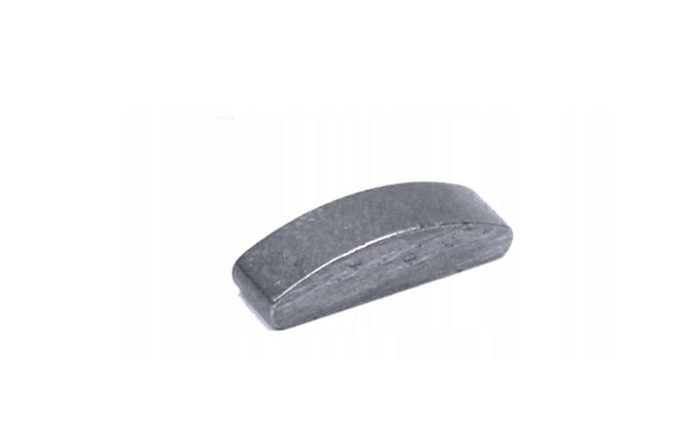
Woodruff Key for CF Moto 850cc ATV
Fits: CF Moto 850cc ATV
-
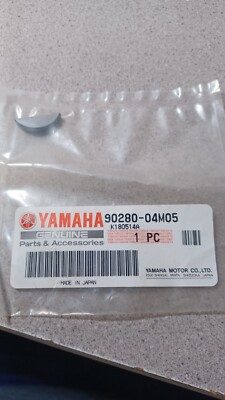
Woodruff Key for Yamaha 2T 100
Fits: Yamaha 2T 100
-
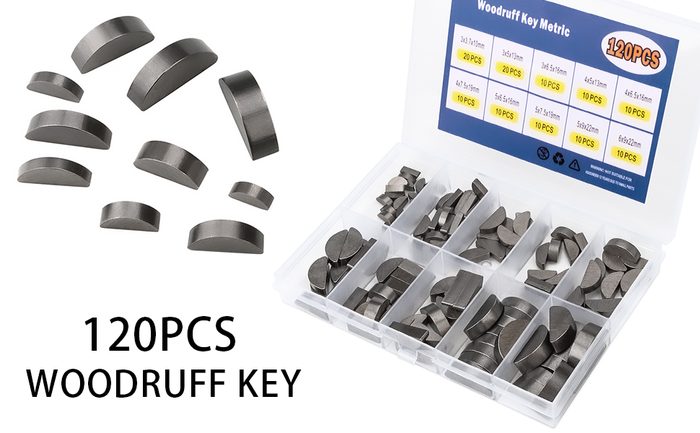
Woodruff Keys
Size: M2-M10
About keys & keystock
Keys and keystock are essential mechanical components used to prevent relative rotation between a shaft and a rotating machine element such as a gear, pulley, or coupling. They transmit torque by fitting into keyways machined into both the shaft and the hub. The primary types include square keys, rectangular keys, and Woodruff keys. Square and rectangular keys are typically parallel keys, often specified by their width, height, and length, conforming to standards such as ASME B17.1 or DIN 6885. Woodruff keys are semicircular in shape, designed to seat in a semicircular keyway in the shaft, which can reduce stress concentrations and provide easier assembly; they are specified by their nominal width and diameter, often per ASME B17.2. Keystock refers to bar material, typically supplied in standard lengths, from which custom keys can be cut. Common materials for keys and keystock include low-carbon steel (e.g., 1018, 1045) for general applications, stainless steel (e.g., 303, 304, 316) for corrosion resistance, and alloy steels for higher strength requirements. Finishes are typically plain, although some may be offered with a black oxide coating for minor corrosion protection or improved appearance.
How to choose
Selecting the correct key involves a sequence of decisions. First, determine the required torque transmission capacity to establish the necessary key dimensions (width, height, length) and material. Second, consider the shaft and hub keyway geometry; this dictates whether a square, rectangular, or Woodruff key is appropriate. Woodruff keys are often preferred for tapered shafts or lighter duty applications where alignment is critical. Third, verify the available space and keyway dimensions on both the shaft and the mating component. Finally, choose the material based on environmental conditions and strength requirements, with carbon steel being standard, and stainless steel for corrosive environments.