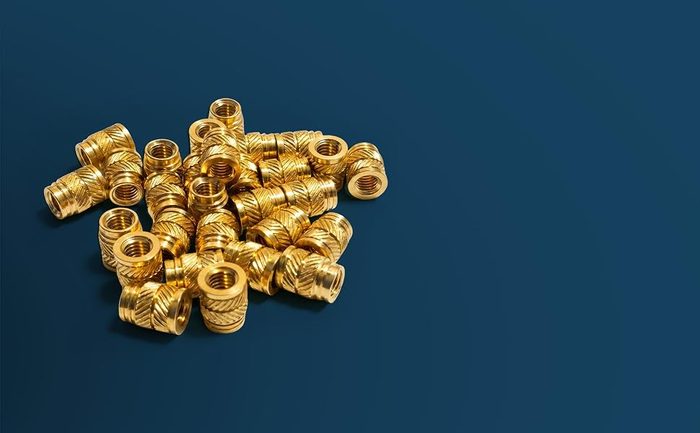
Threaded Inserts
Helical coil, key-locking, heat-set and press-in inserts.
Also searched as: helicoilheat set insertskeensertsbrass insertsthread repair
-
-
-
-
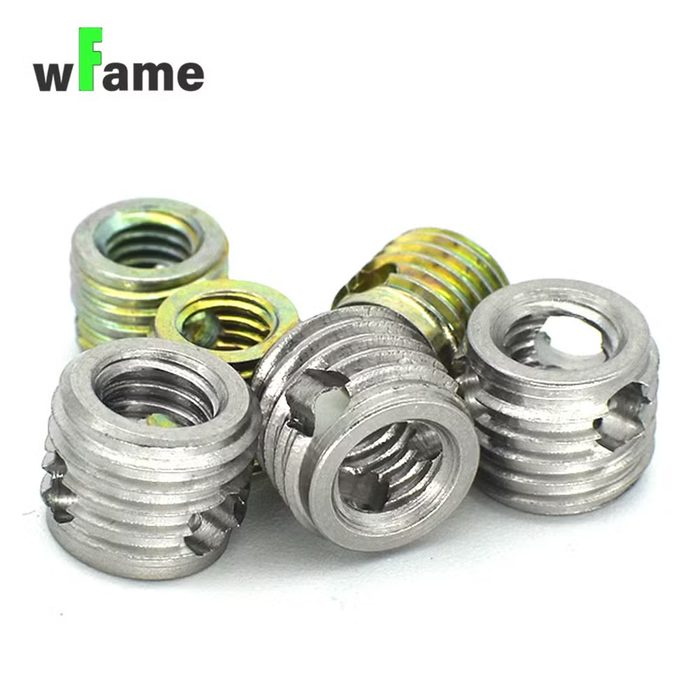
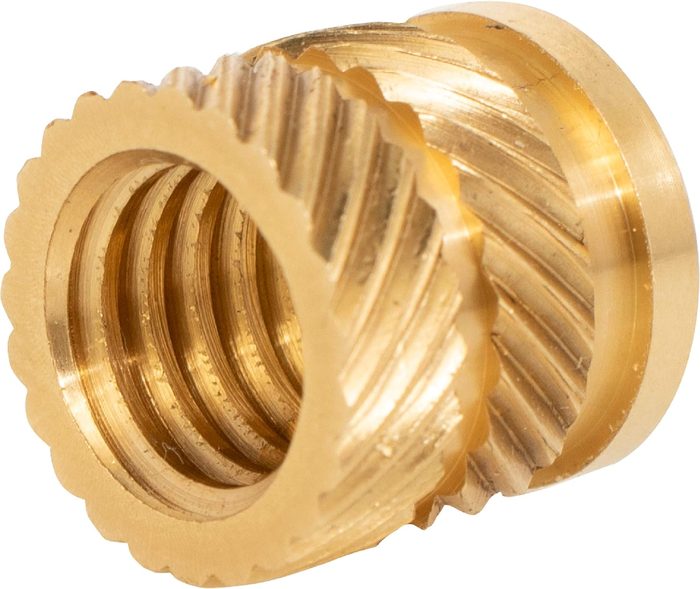
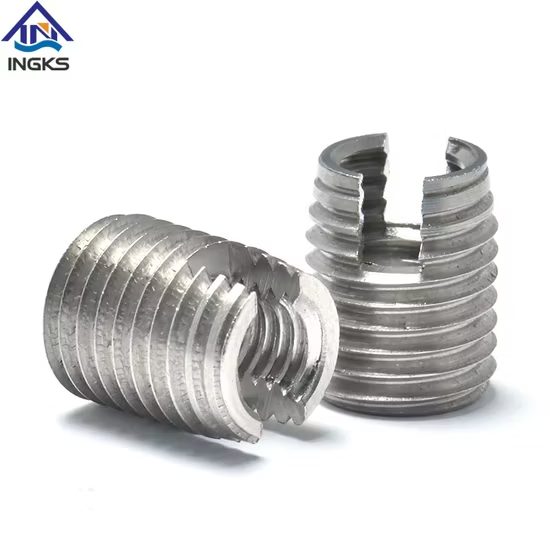
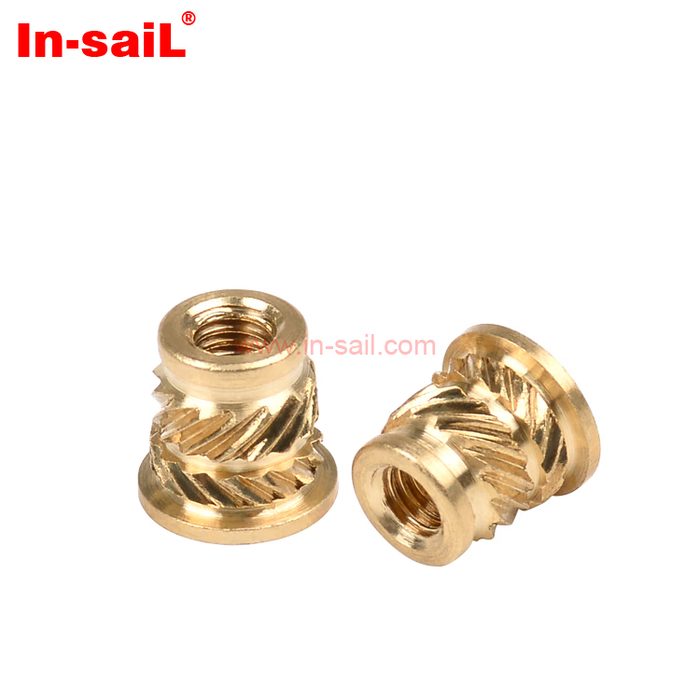
Brass Knurled Heat-Staking Threaded Insert Nuts for Plastics
Thread Size: 1/4-20, 8-32, 10-24, M3, M5, M6, M8
-
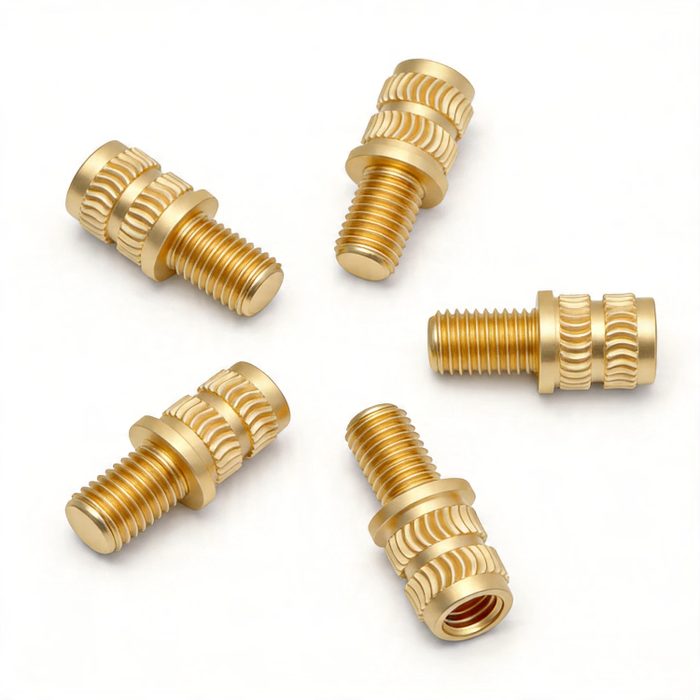
Brass Knurled Threaded Inserts for Plastic
Standard: DIN, GB, JIS
from $0.03Made-in-China $0.03 -
-
-
-
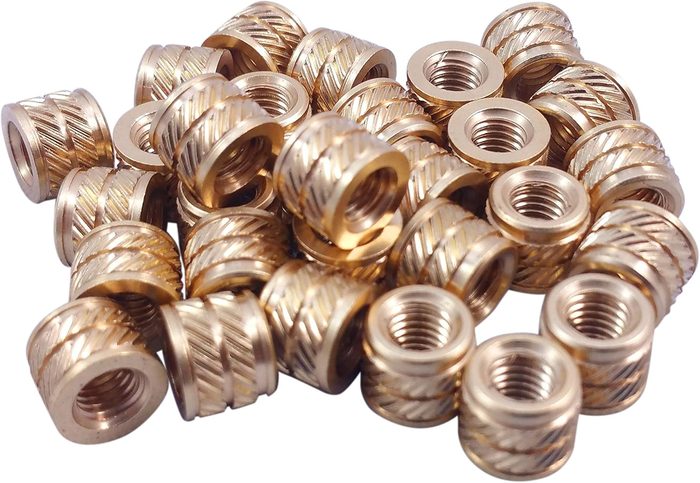
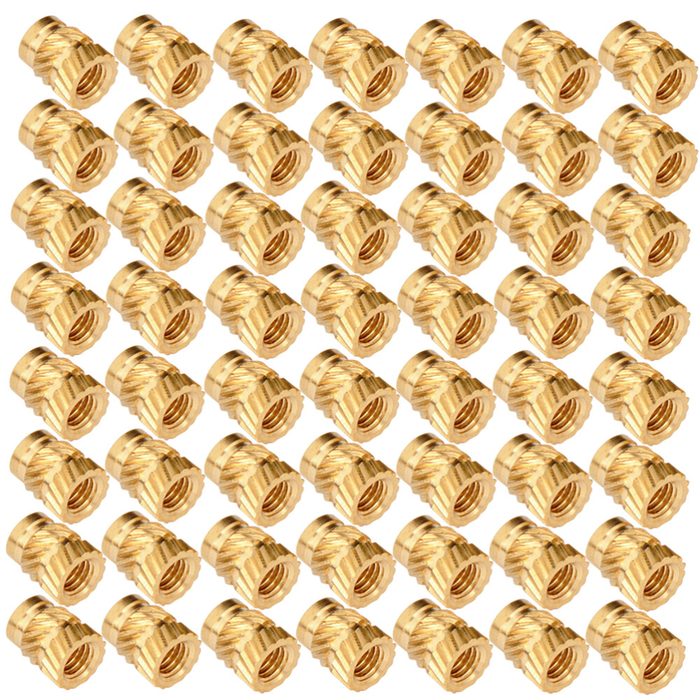
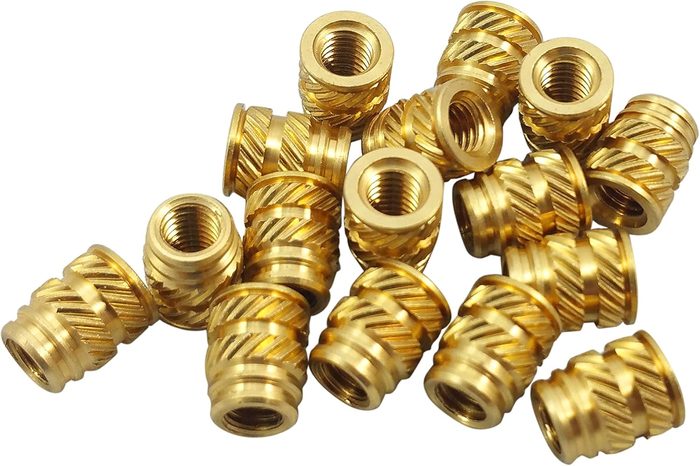
Brass Threaded Heat Set Inserts for 3D Printing
Length: ShortQuantity: 100Thread Size: M5-0.8
from $21.99Amazon $21.99 -
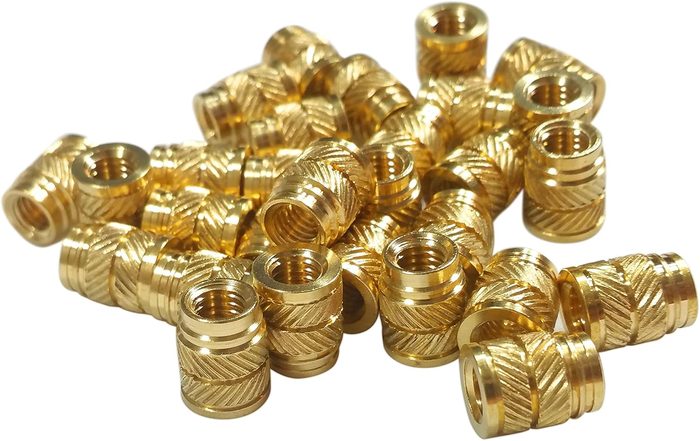
Brass Threaded Heat Set Inserts for 3D Printing
Length: LongQuantity: 50Thread Size: 1/4"-20
from $18.99Amazon $18.99 -
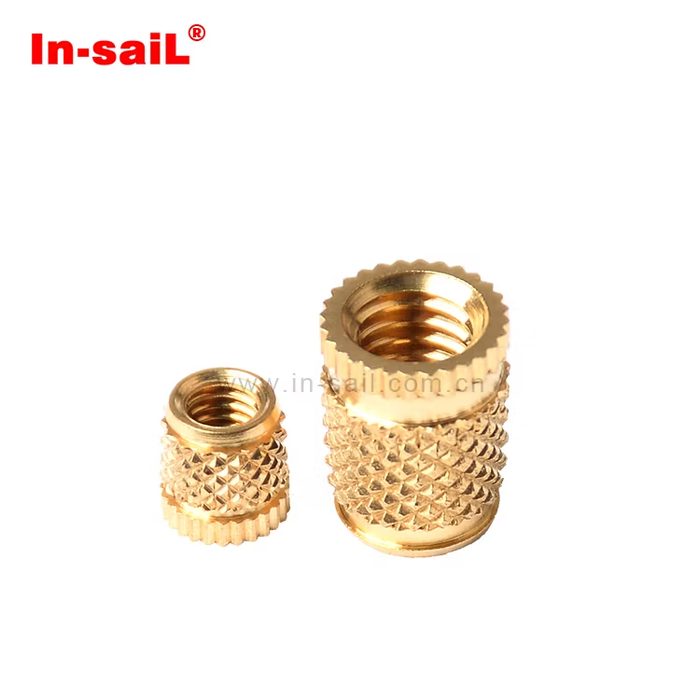 from $0.05Made-in-China $0.05
 -
-
 from $16.91eBay $16.91
 -
-
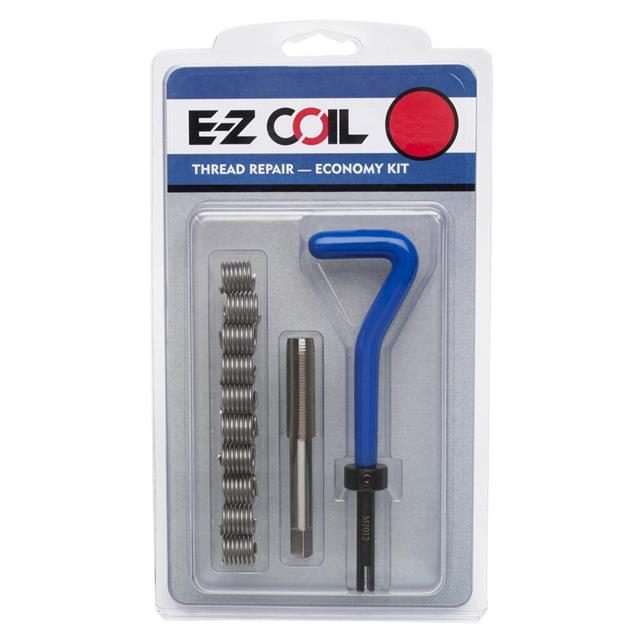
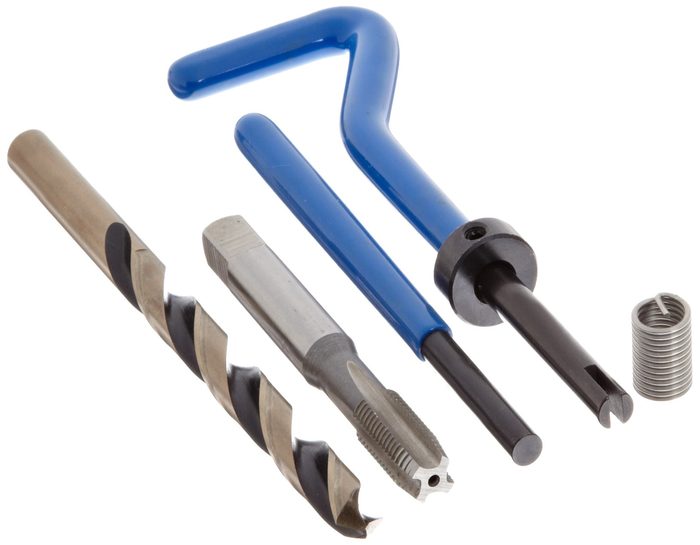
Coil Thread Repair Economy Kit M12-1.75 Metric, 0.71 in. Installed Length
Installed Length: 0.71 in.Thread Size: M12-1.75
-
Coil Thread Repair Kit Standard 1/4 in. to 20 in. x 1.5 in. D
Length: 1.5 in.Thread Size: 1/4 in.-20
-
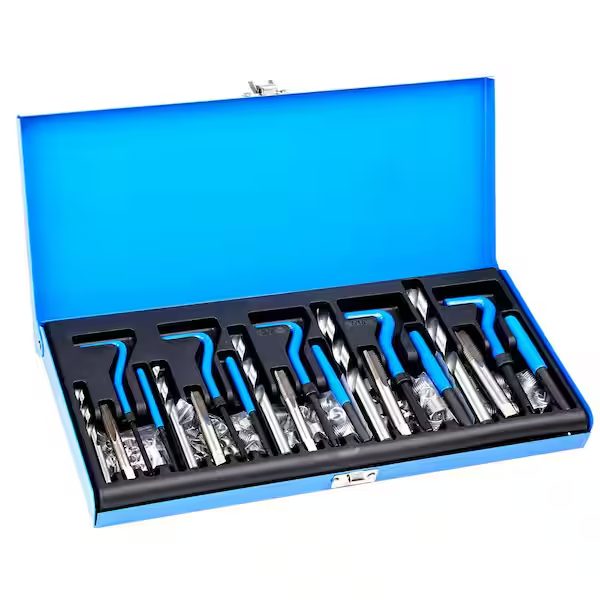
Coil Thread Repair Standard Kit 1/4 in.-28 TPI, 0.38 in. Installed Length
Installed Length: 0.38 in.Thread Size: 1/4 in.-28 TPI
-
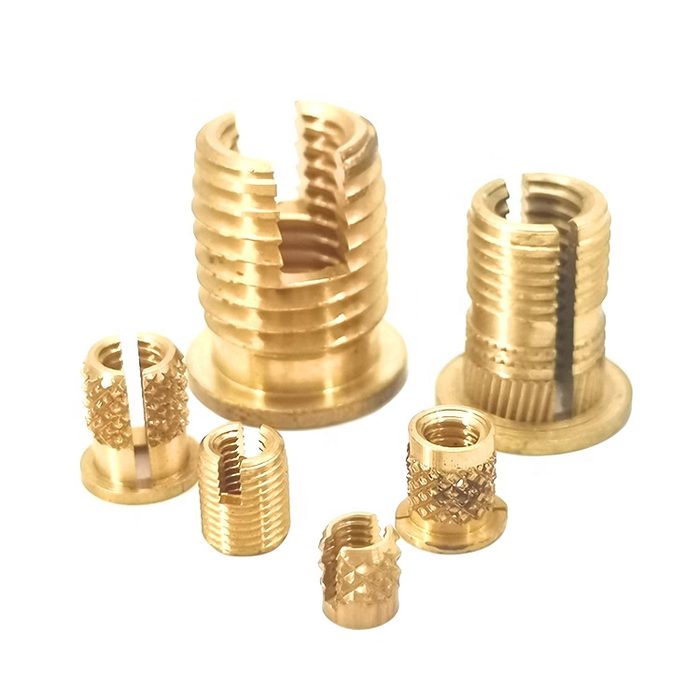
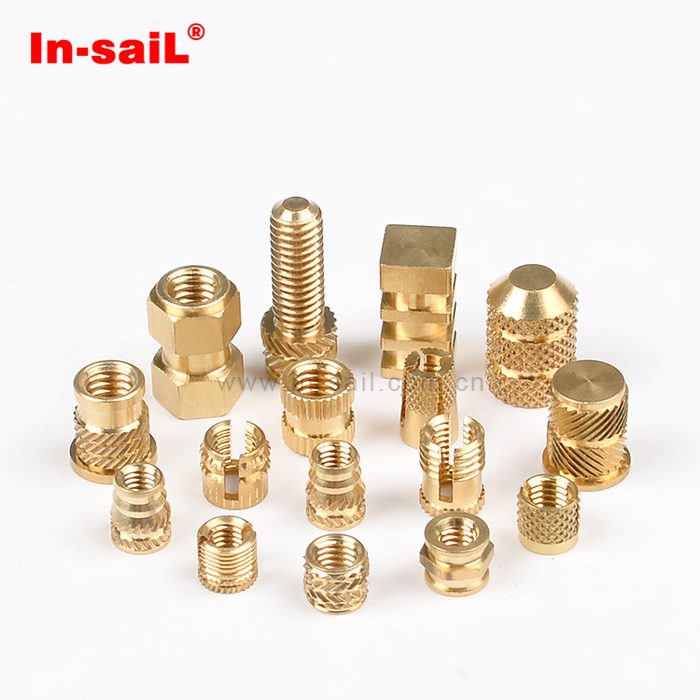
Custom High Quality Brass Inserts Brass Knurled Insert Nuts
Thread Sizes: M2-M10Type: Knurled
-
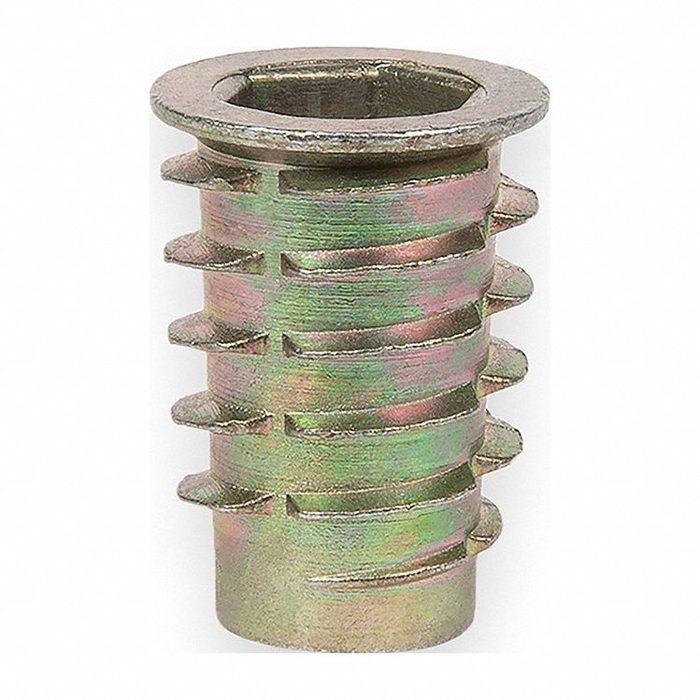
Customized Brass Screw Thread Insert for Plastic Injection Molding
Head Type: Round
-
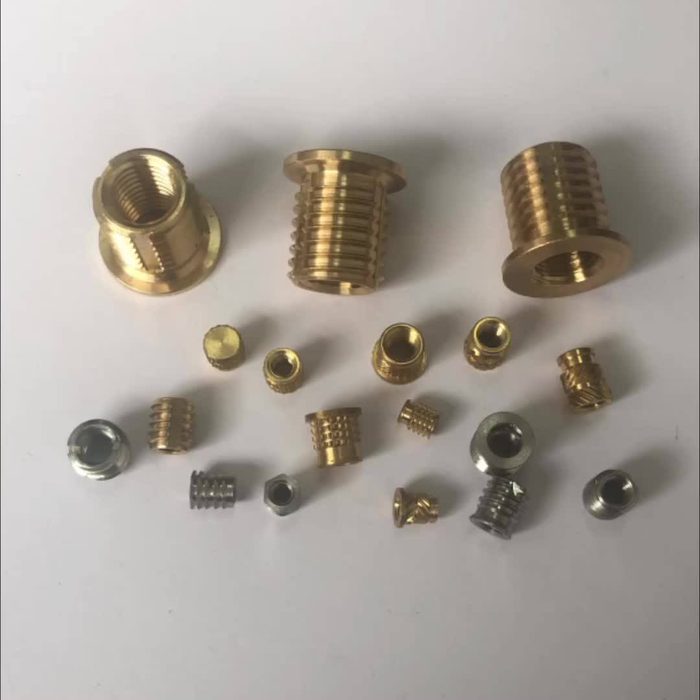
Customized M2 to M15 Brass Insert Self-Tapping Threaded Inserts
Thread Size: M2 to M15
-
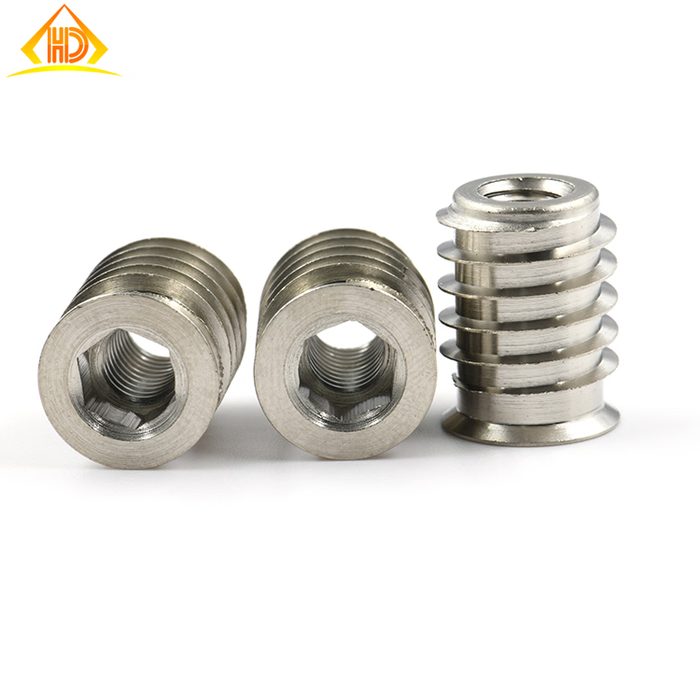
Flanged Hex Drive Threaded Insert
Finish: Hexavalent ChromeThread Size: M4-0.7
-
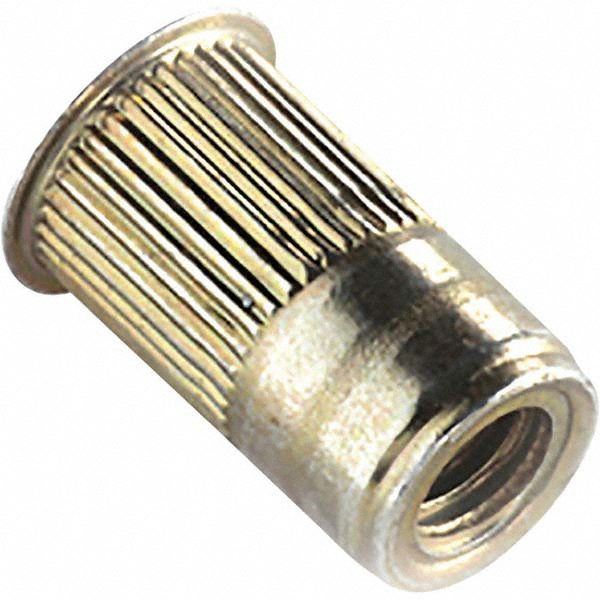
Flanged Press Fit Threaded Insert
Insert Diameter: 0.5300 inchThread Size: 3/8-16
-
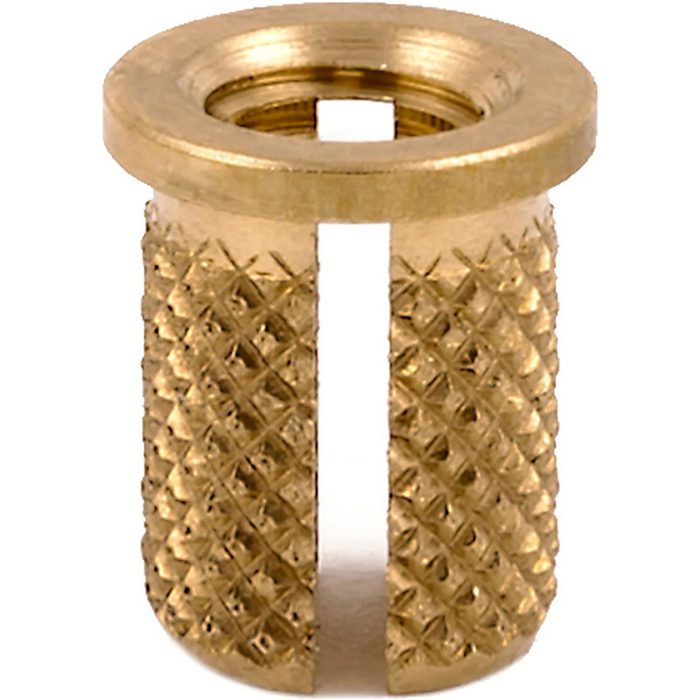
Flanged Press Fit Threaded Insert
Drill Size: 0.2500
-
 from $1.20Made-in-China $1.20
 -
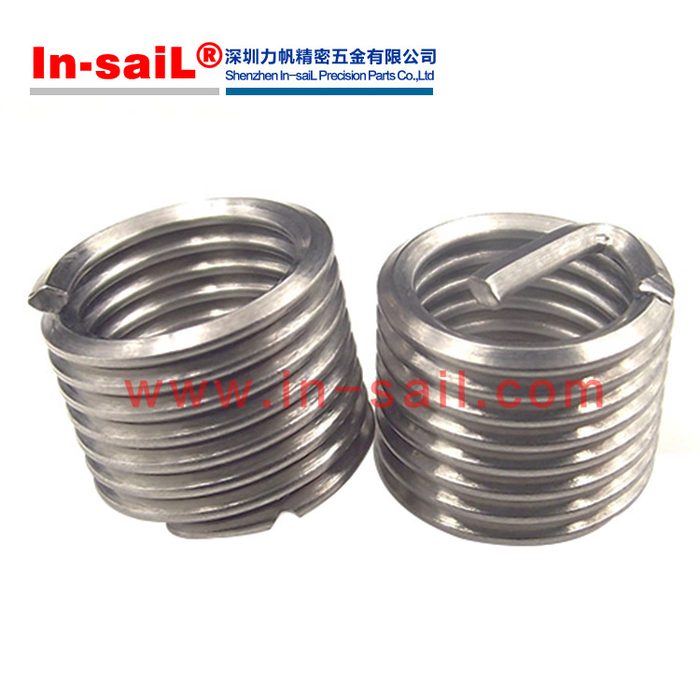
Free Running Wire Thread Insert for Aluminum Die Casting
Application: Aluminum Die Casting
from $0.01Made-in-China $0.01 -
PR
Heat Set Inserts M4 standard
Thread: M4
-
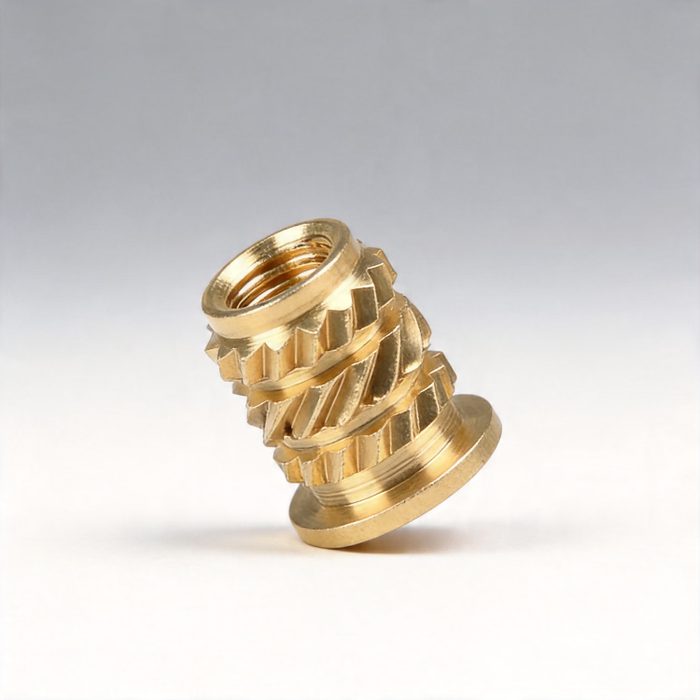
Heat Set Inserts Nuts
Connection: Heat StakingThread Size: M3, M6, M8, M10Type: Knurled Nuts
from $0.05Made-in-China $0.05 -
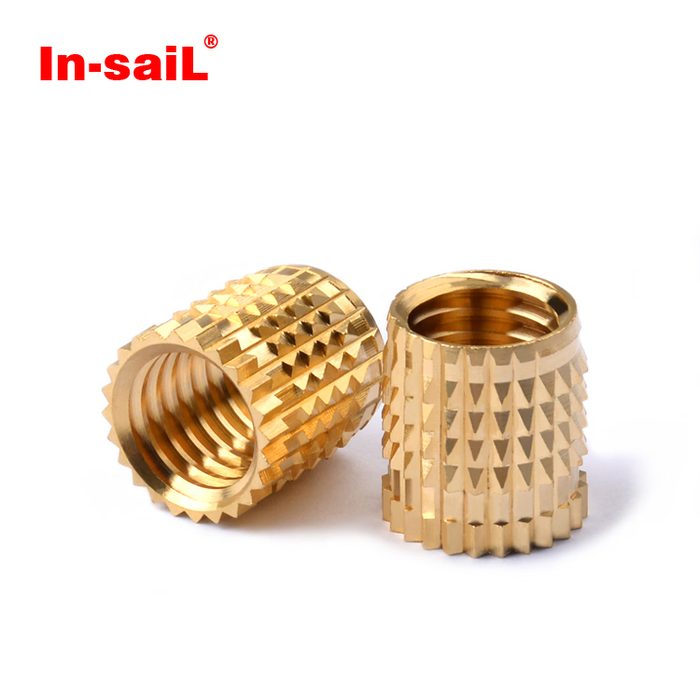
Heat Set Inserts with Metric Internal Threads
Thread Type: Metric Internal
-
 from $0.01Made-in-China $0.01
 -
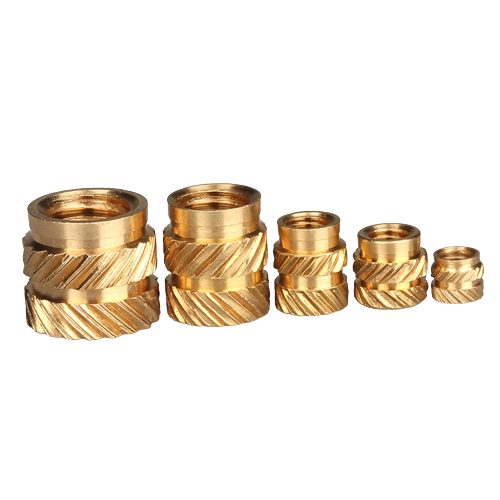
Heat Set Threaded Brass Inserts
Thread Size: M2, M2.5, M3, M4, M5, M6
from $3.35eBay $3.35 -
-
Heat-Set Inserts for Plastic in Non-Tapered Hole
Hole Type: Non-Tapered
from $0.05Made-in-China $0.05 -
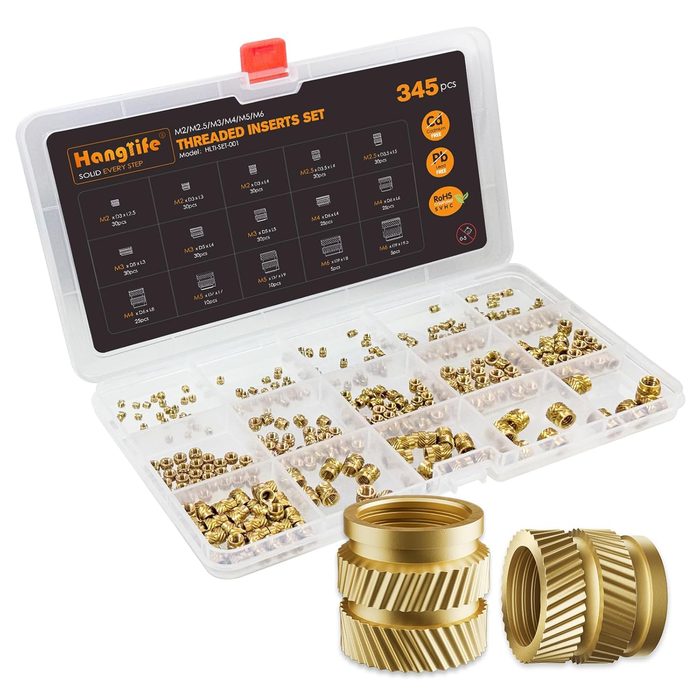
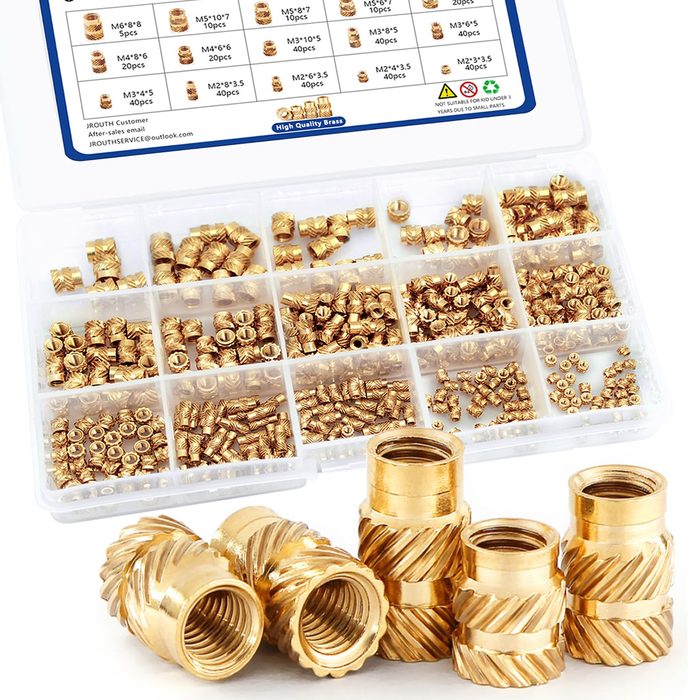
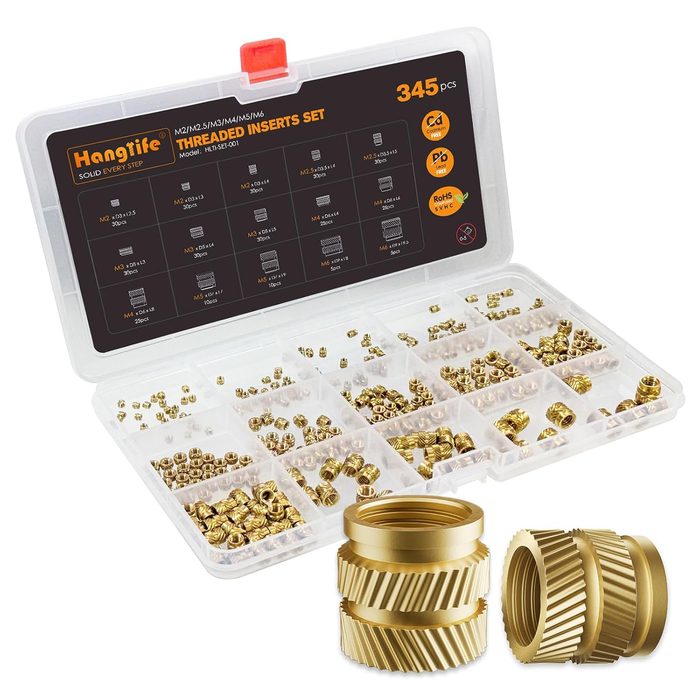
Heat-Set Threaded Inserts Assortment Box
Thread Size: M2, M2.5, M3, M4, M5
from $19.99Amazon $19.99 -
-
 from $2.00Made-in-China $2.00
 -
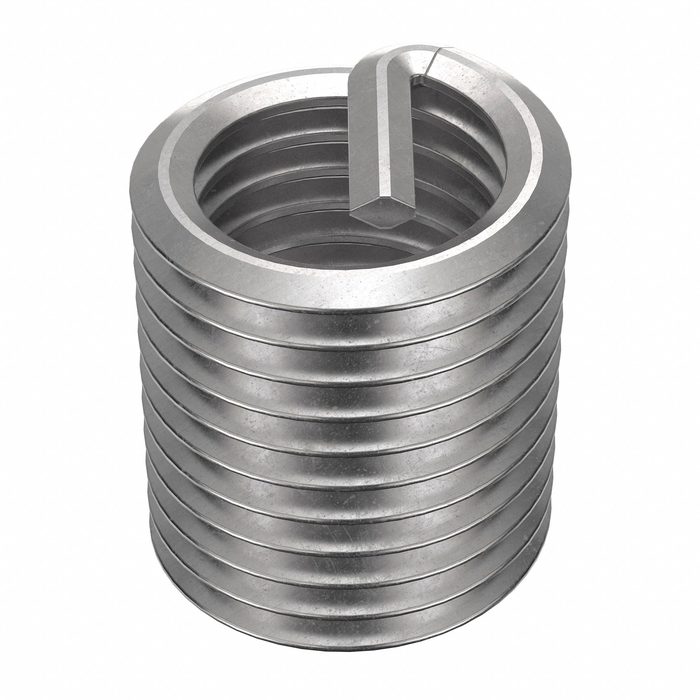
Helical Insert
Length: 1.5DThread Size: M4 x 0.7
About threaded inserts
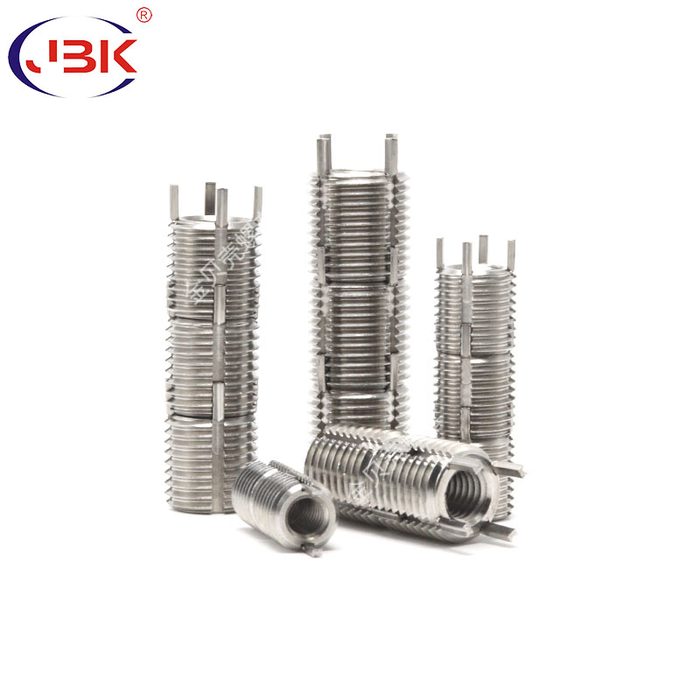
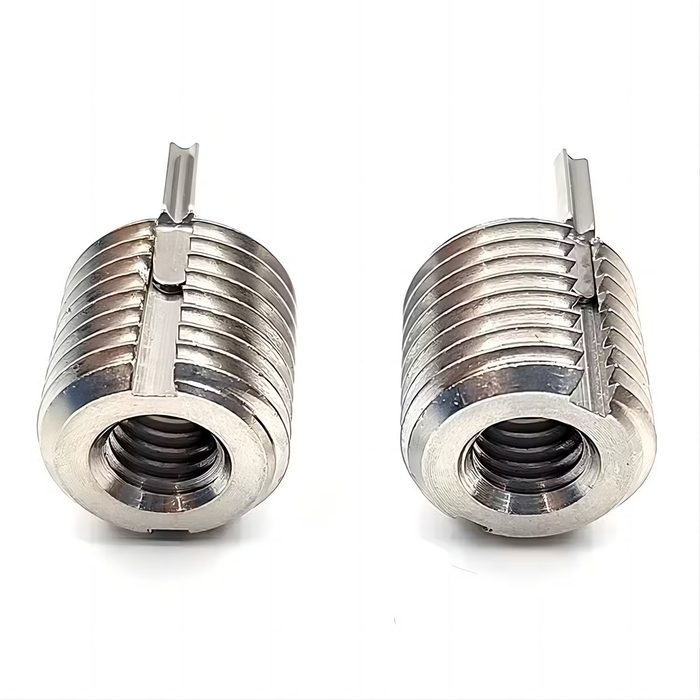
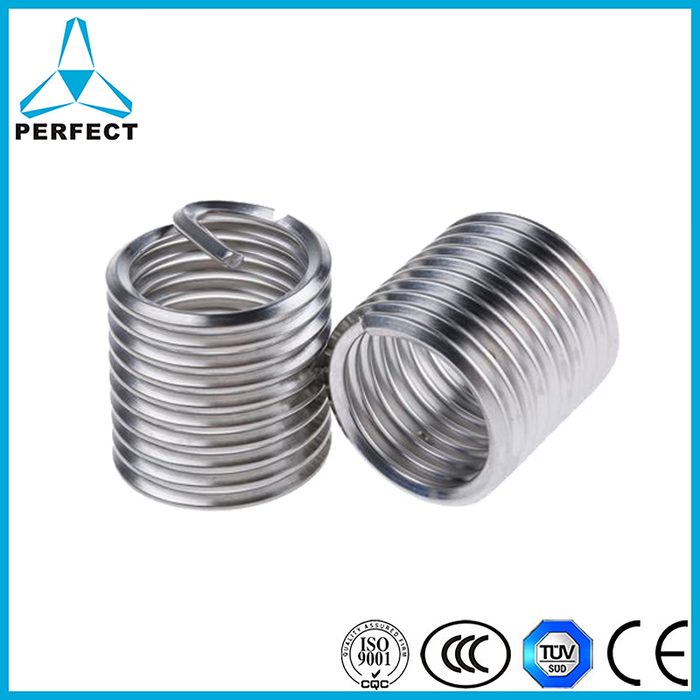
Threaded inserts are fasteners that create a durable, reusable threaded hole in a material, often to repair damaged threads or to provide stronger threads in softer materials. They are broadly categorized by their installation method and locking mechanism. Helical coil inserts, commonly known as wire thread inserts, are precision-formed coils of diamond-shaped stainless steel wire that provide strong, corrosion-resistant internal threads. Key-locking inserts, or Keenserts, feature keys that are driven down into the parent material to positively lock the insert in place, offering high resistance to rotation and pull-out. Heat-set inserts are designed for thermoplastic materials, installed by heating the insert and pressing it into a pre-drilled or molded hole, allowing the plastic to flow into knurls and undercuts for retention. Press-in inserts are cold-pressed into a hole, relying on interference fit, knurling, or barbs for retention. Selection criteria include the nominal thread size (e.g., M6x1.0, 1/4-20 UNC), thread series (coarse or fine), length, and the parent material. Common materials for inserts include stainless steel (303, 304, 316), brass, and hardened steel, often with finishes like zinc plating or passivation for corrosion resistance.
How to choose
Selecting a threaded insert requires a sequential decision process. First, determine the required internal thread size and pitch (e.g., M8x1.25, 1/2-13 UNC). Second, identify the parent material into which the insert will be installed (e.g., aluminum, plastic, wood, steel) as this dictates the insert type (helical coil for metal, heat-set for thermoplastics). Third, specify the required pull-out and torque-out strength; key-locking inserts offer superior performance here. Fourth, consider the installation method and available tooling (manual, automated, heat-staking). Finally, select the insert material and any necessary plating or coating based on environmental conditions and galvanic compatibility requirements.