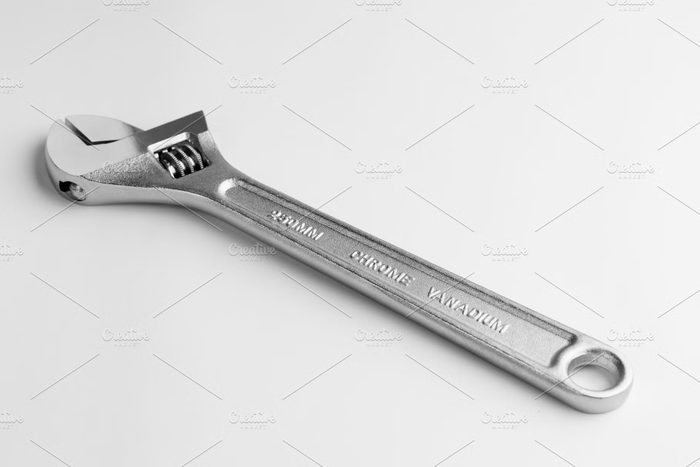
Hand Tools
Wrenches, drivers, pliers, hammers and precision hand tools.
Also searched as: wrenchesscrewdriverspliersallen keyshex keyssocket set
-
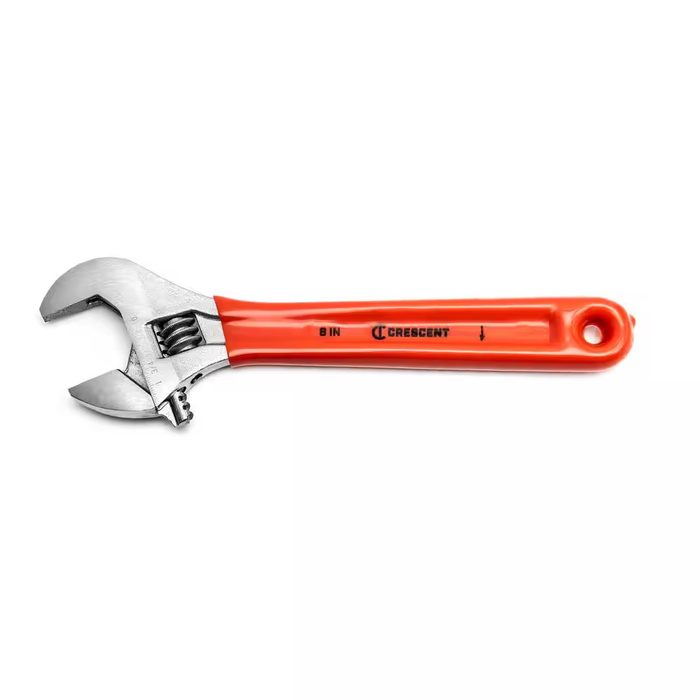
Adjustable Wrench
Maximum Jaw Opening: 1.1250 inOverall Length: 8 in
-
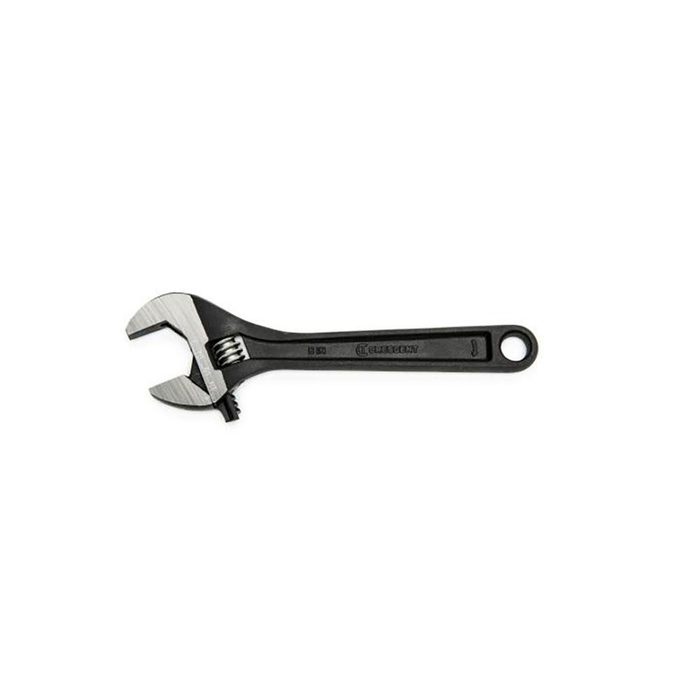
Adjustable Wrench, 6 in
Maximum Jaw Capacity: 0.9375 inOverall Length: 6 in
-
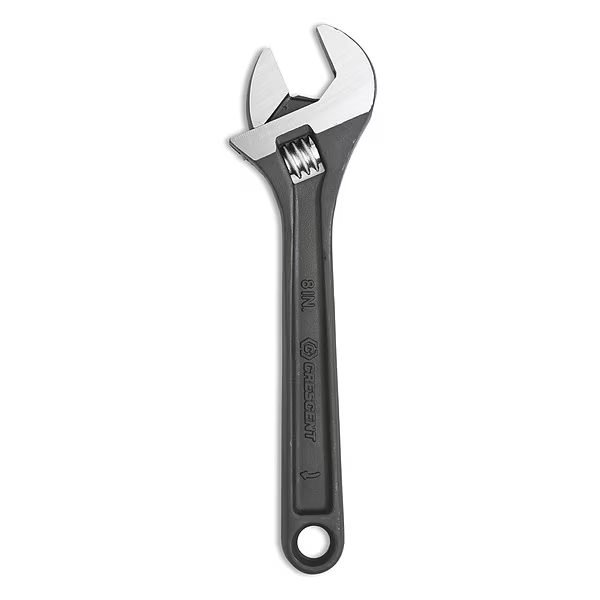
Adjustable Wrench, 8 in
Maximum Jaw Capacity: 1.1250 inOverall Length: 8 in
-
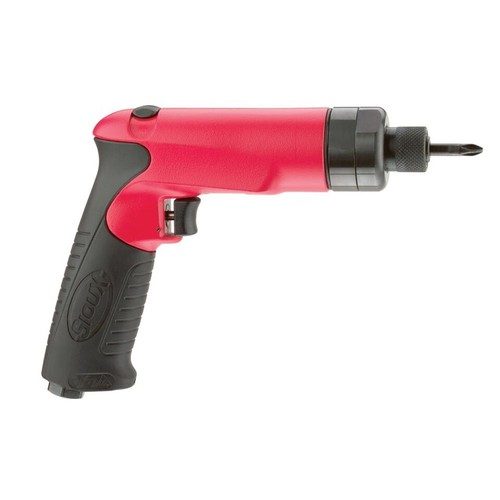
Air Screwdriver
Compatible Bit Size: 1/4 inHandle Style: Pistol GripInlet Size: 1/4 inMaximum Speed: 700 rpm
-
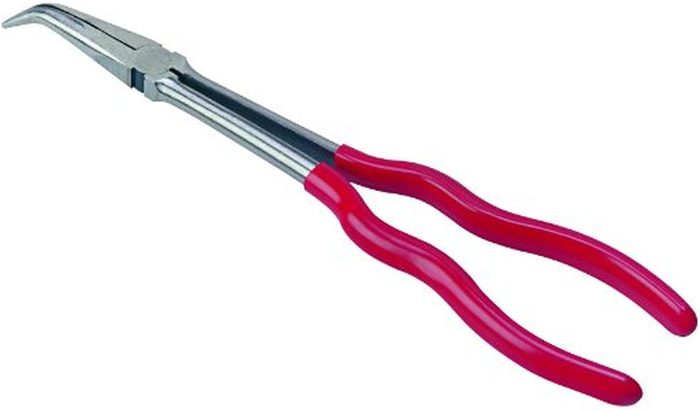
Bent Nose Pliers
Length: 2-9/16 inOverall Length: 11-3/8 in
-
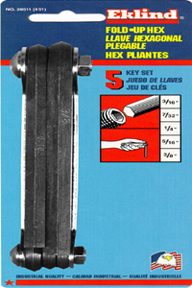
Hex Key or Hex Driver Set
Sizes: 3/16 inch, 7/32 inch, 1/4 inch, 5/16 inch, 3/8 inch
-
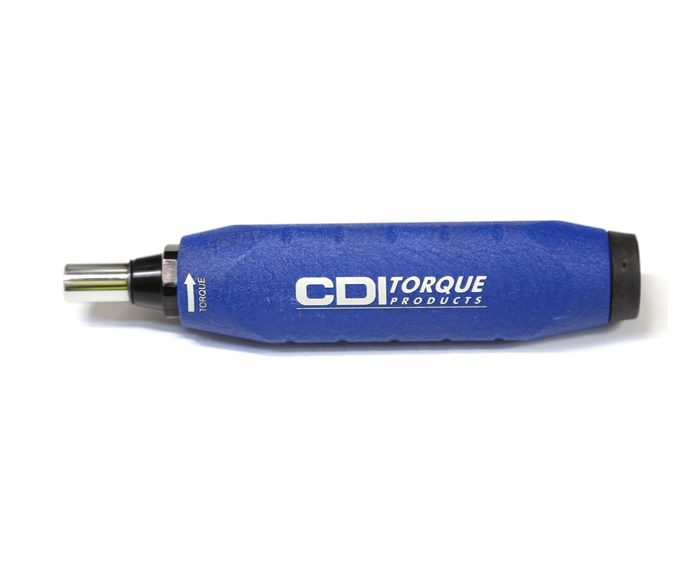
Individual Driver
Drive Size: 1/4 inMaximum Torque: 32 in-ozMinimum Torque: 6 in-ozTorque Adjustability: Adjustable
-
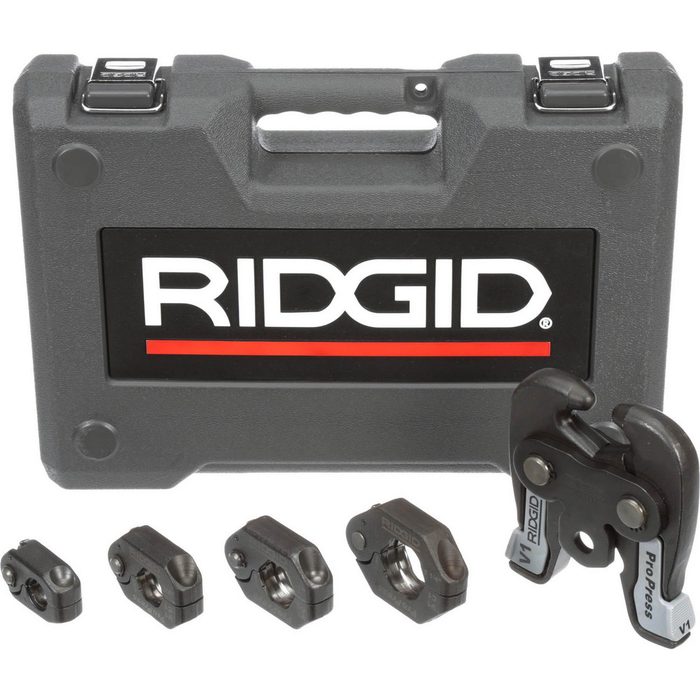
-
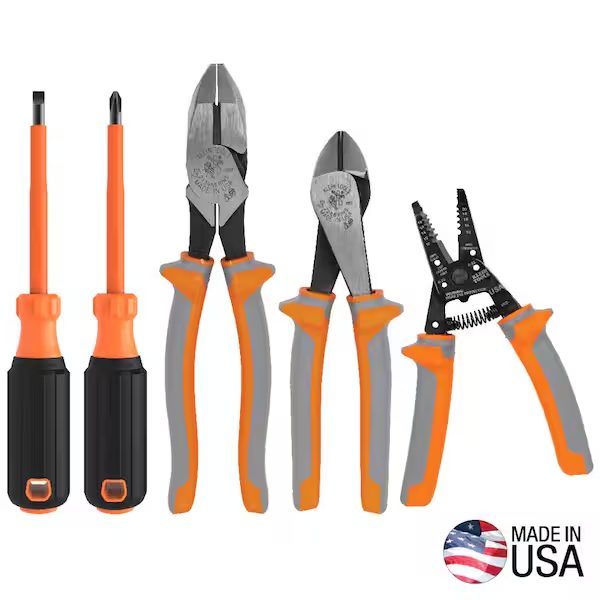
Pliers
Compatible Wire Size Range: 22 to 10 AWGOverall Length: 7-3/4 in
-
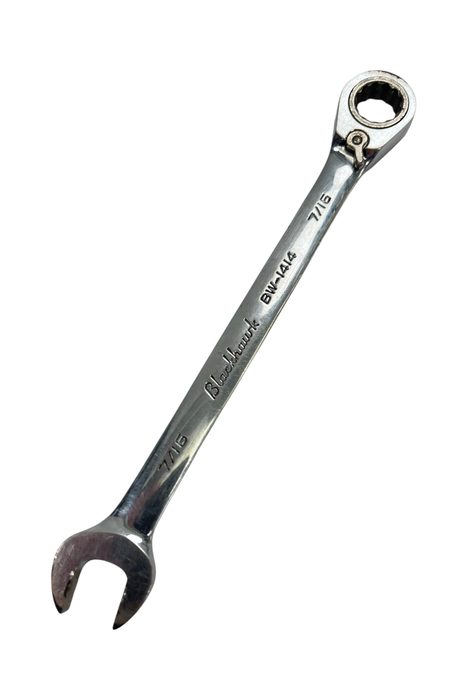
Reversible Box End Wrench, 7/16 in
Box End Wrench Size: 7/16 inMeasurement System: ImperialOpen End Wrench Size: 7/16 inOverall Length: 5.5 inWrench Type: Reversible
-
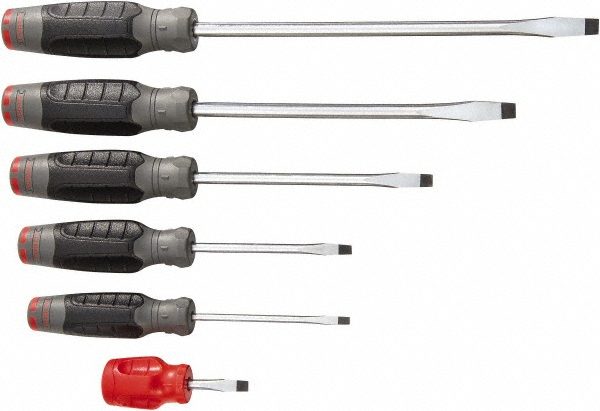
Slotted Screwdriver Set
Pieces: 6Tip Sizes: 3/16-inch to 3/8-inch
About hand tools
Hand tools encompass a broad category of non-powered implements designed for manual operation in assembly, maintenance, and fabrication tasks. This includes wrenches for torque application, drivers for fasteners, pliers for gripping and cutting, hammers for impact, and precision tools for fine work. Wrenches are specified by their jaw type (open-end, box-end, adjustable, pipe, torque), size (SAE fractional, metric, AN/MS dash size), and drive type (square, hex). Drivers are categorized by tip style (Phillips, Slotted, Torx, Hex/Allen, Pozidriv), shank length, and handle ergonomics. Pliers are defined by jaw configuration (slip-joint, needle-nose, locking, cutting, circlip), overall length, and jaw capacity. Hammers are differentiated by head material (steel, brass, rawhide, rubber), face type (ball-peen, claw, sledge), and head weight (ounces or pounds). Precision tools, such as tweezers or scribes, are selected based on tip geometry, material (stainless steel, anti-magnetic), and overall length. Common materials for hand tools include hardened alloy steels (e.g., chrome vanadium, chrome molybdenum) for strength and durability, often with chrome plating or black oxide finishes for corrosion resistance. Handles frequently incorporate composite materials or overmolding for improved grip and comfort, while some specialized tools feature non-sparking materials like beryllium copper.
How to choose
When selecting hand tools, first determine the fastener or component interface: what type of head, drive, or profile needs manipulation? This dictates the primary tool type (e.g., wrench, screwdriver, pliers). Second, identify the size or dimension of the component; this narrows down the specific tool size (e.g., 10mm wrench, #2 Phillips driver). Third, consider the access constraints and required torque or force: a tight space may necessitate a stubby driver or a flex-head ratchet, while high torque demands a longer handle or a torque wrench. Finally, evaluate material compatibility and environmental factors: non-sparking tools for hazardous environments, insulated tools for electrical work, or corrosion-resistant materials for harsh conditions are critical considerations.