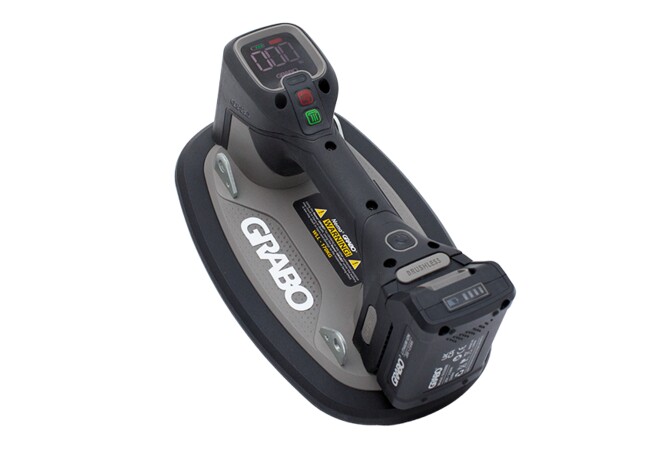
Gripsters & Lifters
Mechanical, vacuum, magnetic and robotic gripsters plus end-of-arm tooling.
Also searched as: robot gripperparallel grippertwo jaw gripperthree jaw gripperangular gripperpneumatic gripperelectric grippervacuum grippersuction cupvacuum cupvacuum lifterventuri vacuum generator +45 more
-
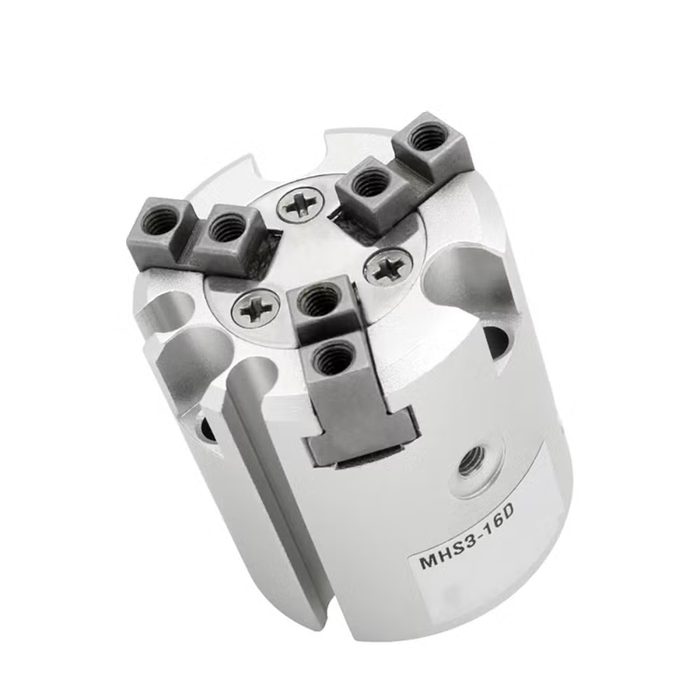
Air Gripper
Action: DoubleClosed Width: 1.4961 inchOpen Width: 1.7323 inchPort Size: M3
-
Air Gripper
Action: DoubleClosed Width: 2.2441 inchOpen Width: 2.9921 inchPort Size: M3
-
Air Gripper
Closed Width: 6.73 inchOpen Width: 9.23 inch
-
Air Gripper
Action: DoubleClosed Width: 0.5 inchExternal Holding Force: 178.00Internal Holding Force: 178.00Open Width: 0.76 inch
-
-
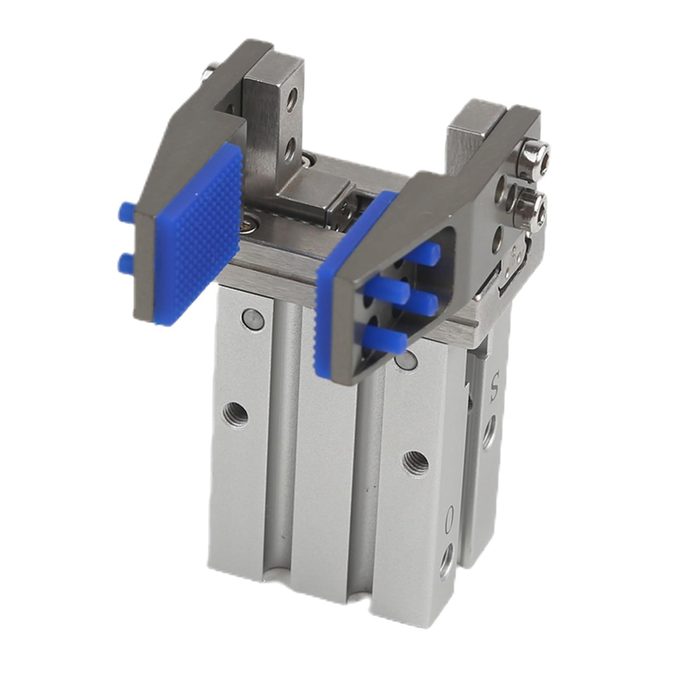
Air Gripper Pneumatic Cylinder
Actuation: Pneumatic
-
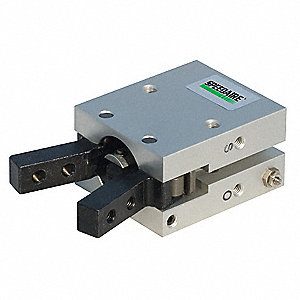
Air Gripper, 14.5 psi to 87 psi, 87 psi Max Op Pressure
Max Operating Pressure: 87 psiOperating Pressure: 14.5 psi to 87 psi
-
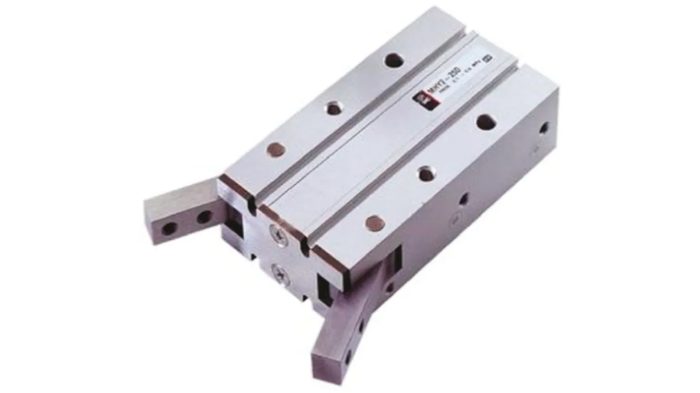
Air Gripper, 180 degree Angular Style
Maximum Operating Temperature: 140 Degrees FRepeatability: +/-0.2 mmSystem of Measurement: MetricWeight: 320 g
-
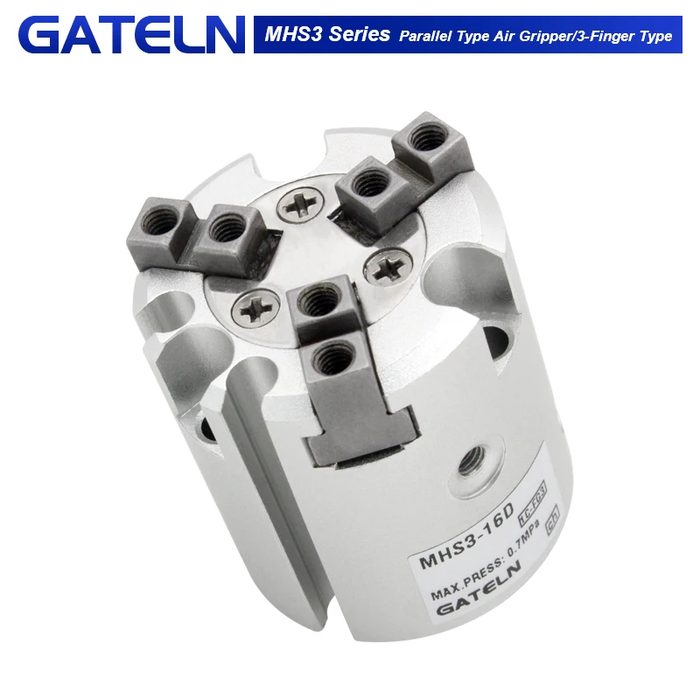
Air Gripper, 3 Finger, Parallel Style
Fingers: 3Style: Parallel
-
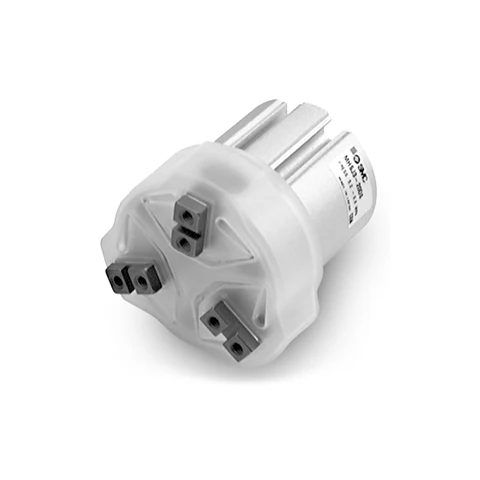
Air Gripper, 3 Finger, with Dust Cover
Feature: Dust CoverFingers: 3
-
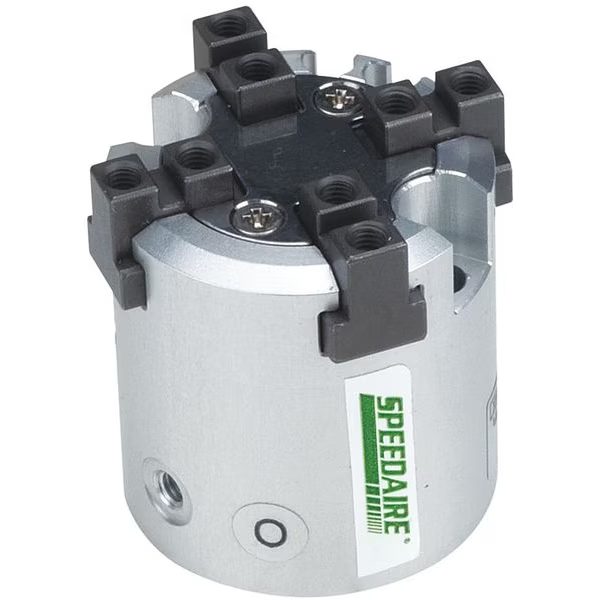
Air Gripper, 4 Finger, Parallel Style
Fingers: 4Style: Parallel
-
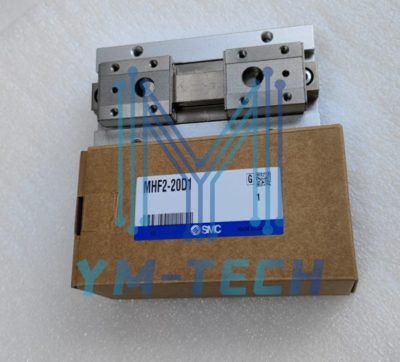
Air Gripper, One Fixed Finger, Low Profile
Fingers: 1 fixedProfile: Low
-
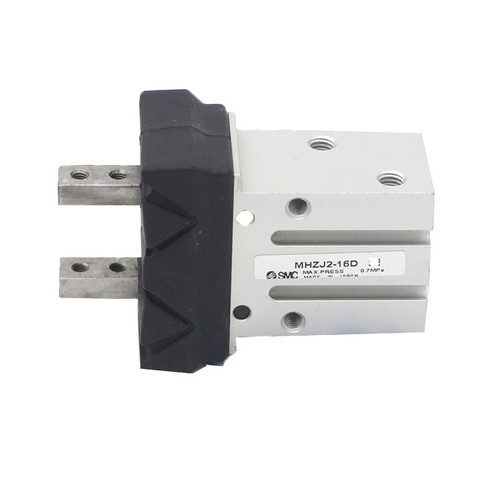
Air Gripper, Parallel Style, Dust Cover
Open Width: 20.9 mmOverall Length: 38 mmStroke Length: 6 mm
-
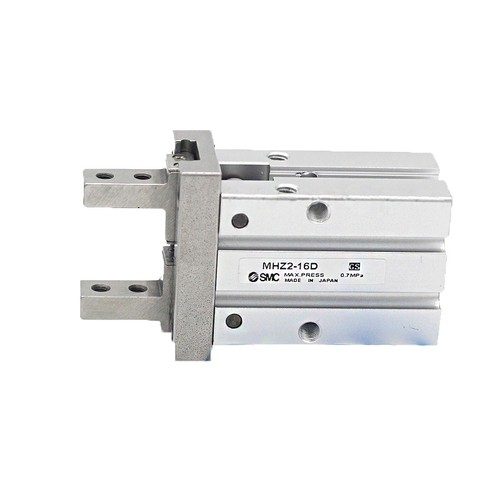
Air Gripper, Parallel Type, 16mm Bore
Bore: 16 mmHeight: 23.6 mmOverall Length: 38 mm
-
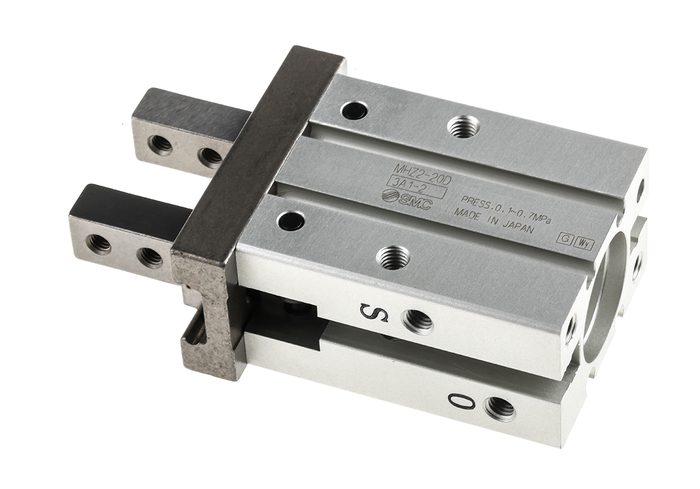
Air Gripper, Parallel Type, Standard
Type: Parallel
-
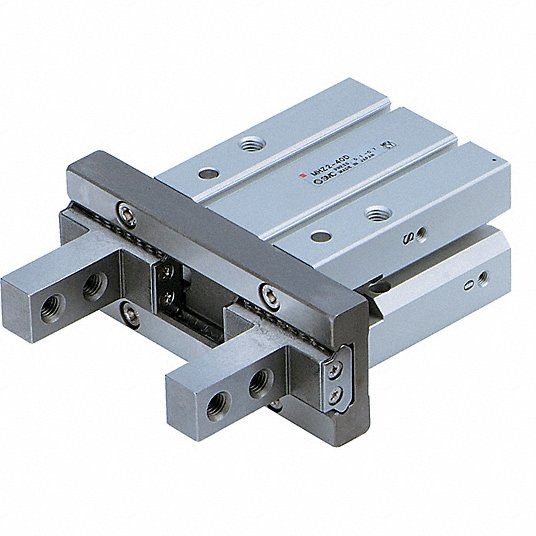
Air Gripper, Two-Finger Parallel, 30 mm Stroke Lg, 14.5 psi to 101.5 psi
Fingers: Two-fingerOperating Pressure: 14.5 psi to 101.5 psiStroke Lg: 30 mmType: Parallel
-
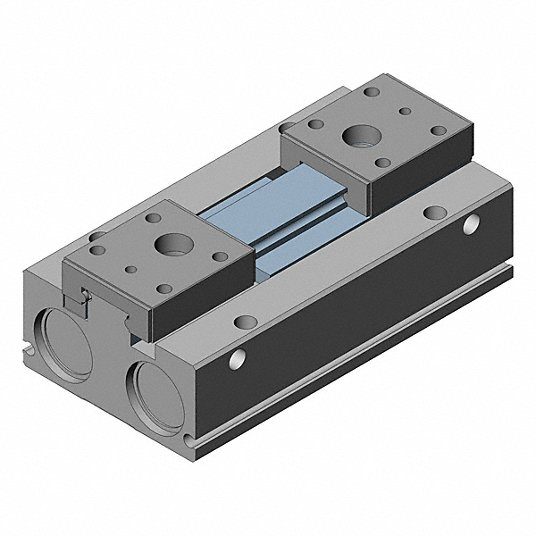
Air Gripper, Two-Finger Parallel, 40 mm Stroke Lg, 14.5 psi to 101.53 psi
Fingers: Two-fingerOperating Pressure: 14.5 psi to 101.53 psiStroke Lg: 40 mmType: Parallel
-
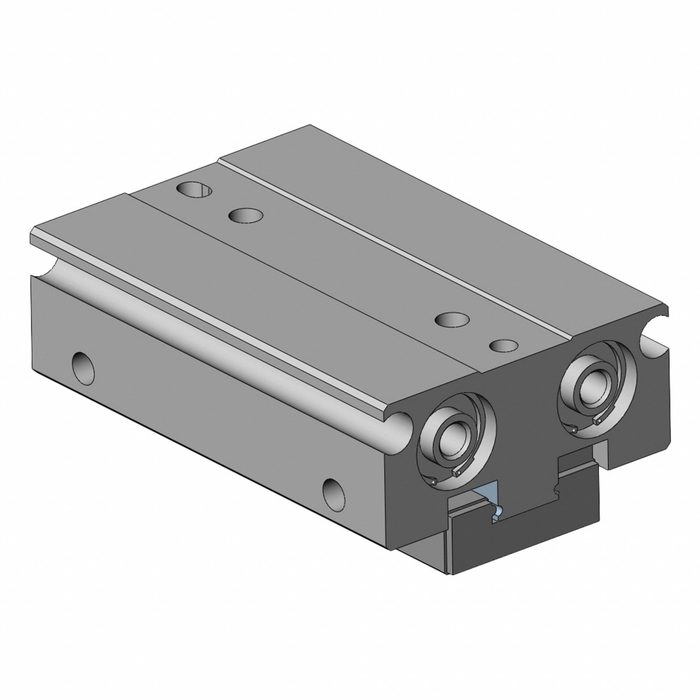
Air Gripper, Two-Finger Parallel, 40 mm Stroke Lg, 21.76 psi to 101.53 psi
Fingers: Two-fingerOperating Pressure: 21.76 psi to 101.53 psiStroke Lg: 40 mmType: Parallel
-
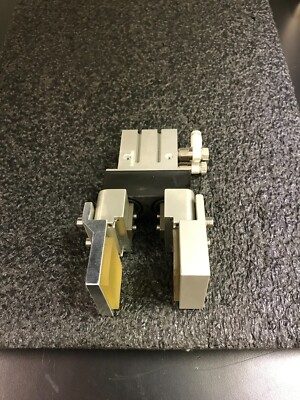
Air Gripper, Wedge Cam Operated Slide Guide
Stroke: 12, 16, 20, 25 mm
-
Air Gripper, Wide-Body Parallel, 160 mm Stroke Lg, 14.5 psi to 87 psi
Body Type: Wide-bodyOperating Pressure: 14.5 psi to 87 psiStroke Lg: 160 mmType: Parallel
-
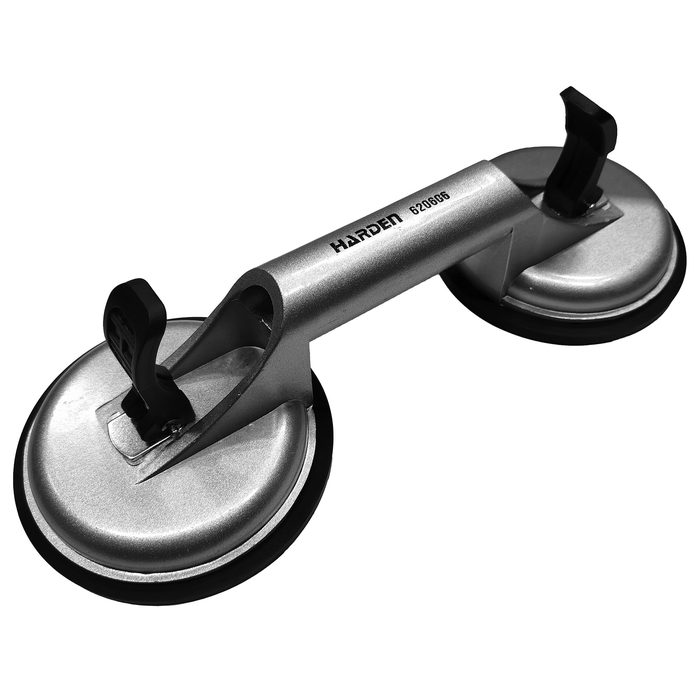
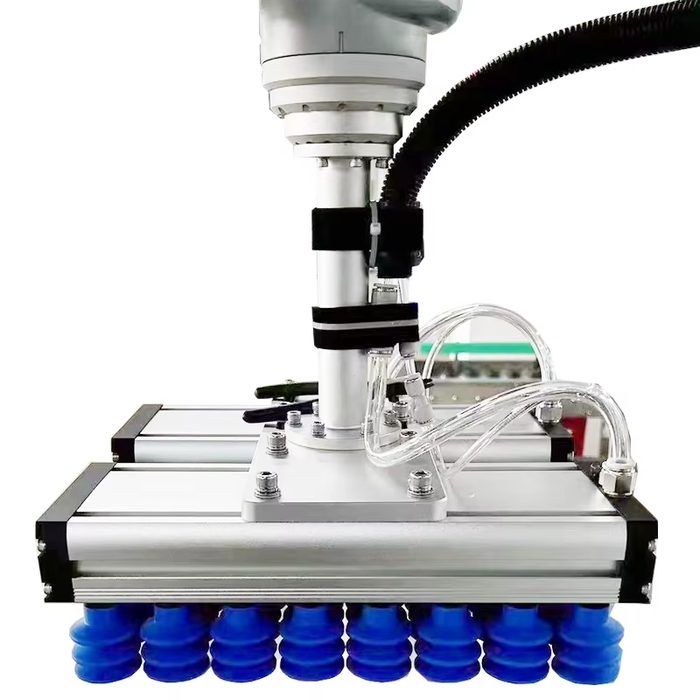
Aluminum Alloy Glass Vacuum Gripster Screen Vacuum Suction Cup
Actuation: VacuumApplication: Glass ScreenType: Suction Cup
-
-
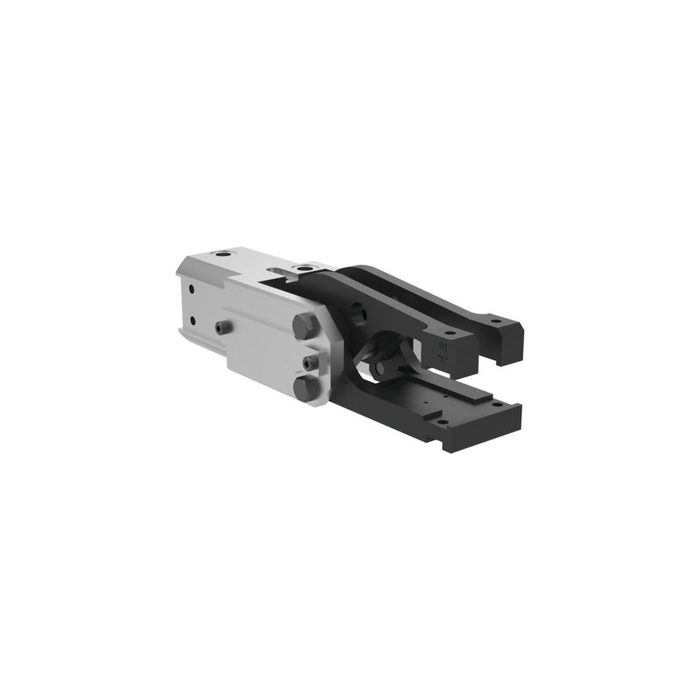
Angular Air Gripper, Two-Finger, 15 psi to 87 psi, 87 psi Max Op Pressure
Fingers: Two-fingerMax Operating Pressure: 87 psiOperating Pressure: 15 psi to 87 psiType: Angular
-
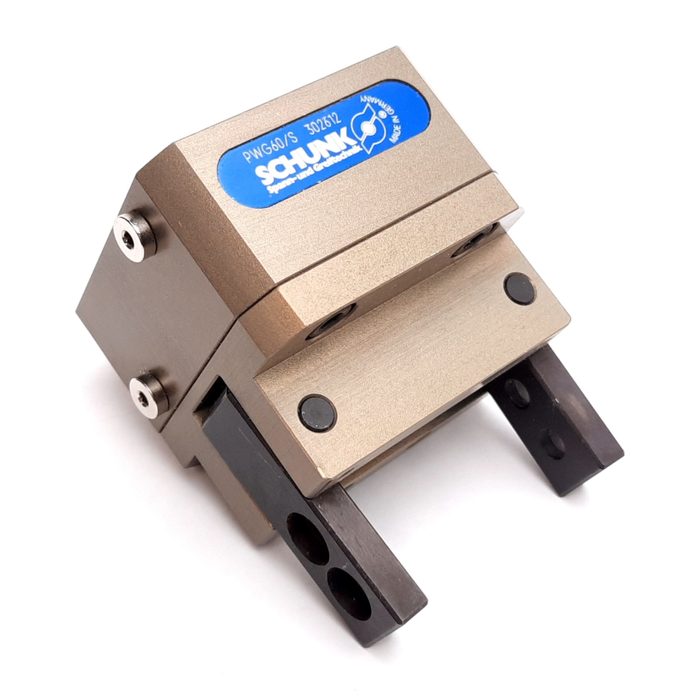
Angular Gripper
Max Pressure: 8 barOpening Angle per Finger: 20°Ports: M5x0.8
from $850.00eBay $850.00 -
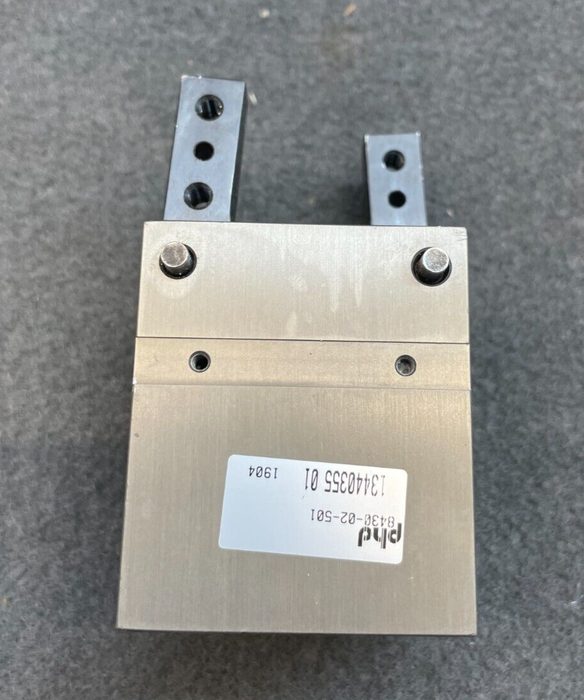
Angular Gripper
Model: SG162Type: Pneumatic
from $100.00eBay $100.00 -
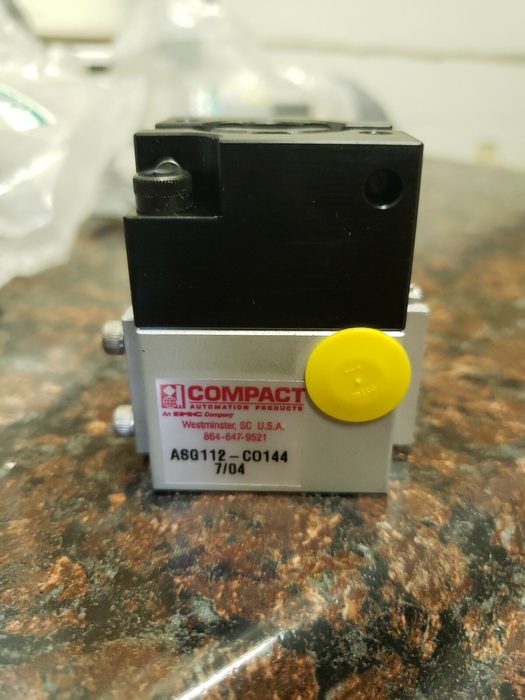 from $100.00eBay $100.00
 -
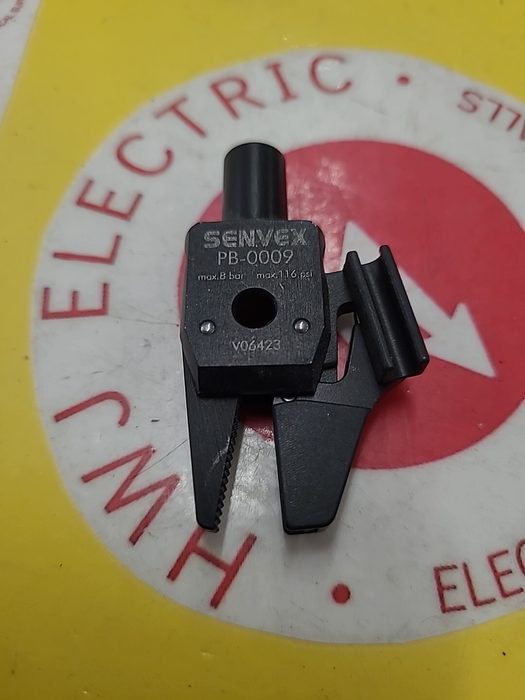 from $80.00eBay $80.00
 -
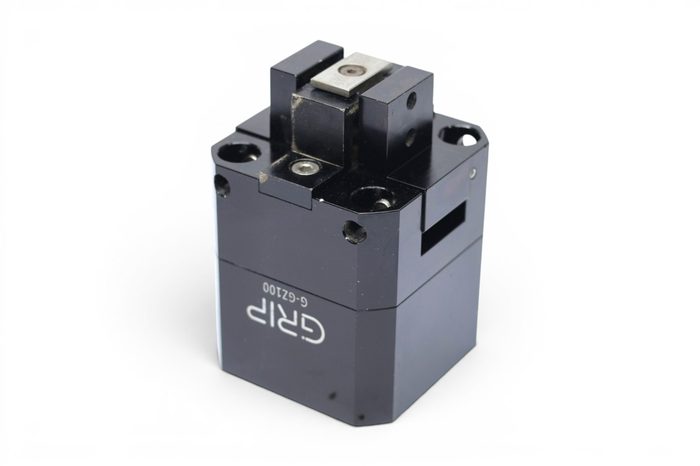
Angular Gripper
Opening Angle: 0° – 60°
from $180.00eBay $180.00 -
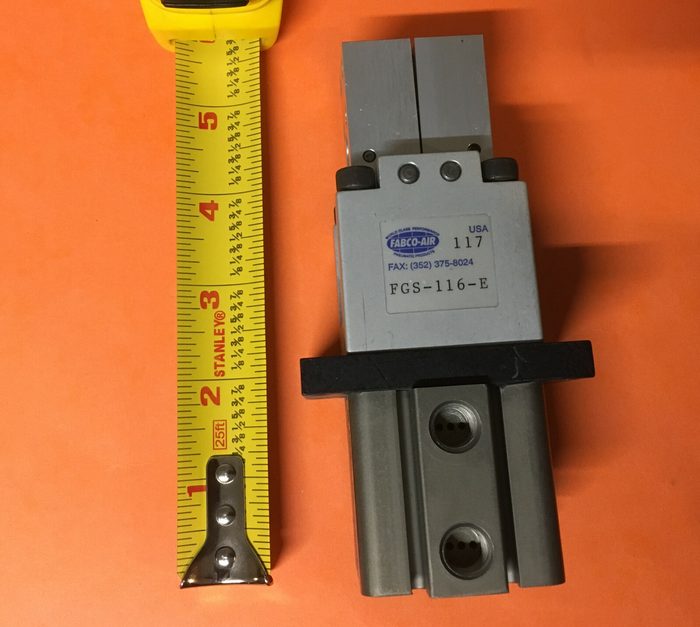 from $35.00eBay $35.00
 -
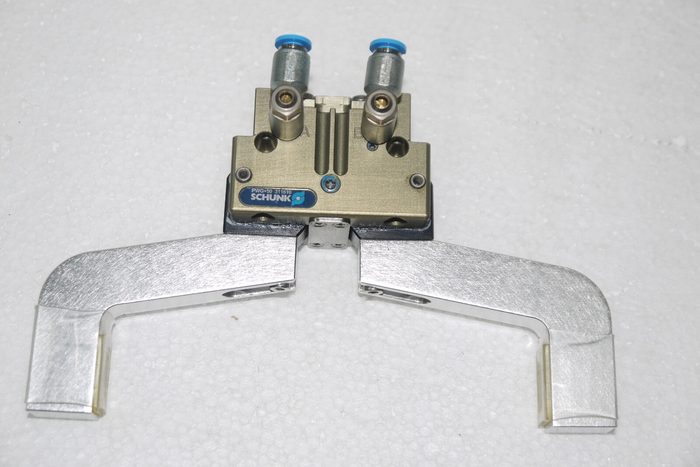
Angular Pneumatic Gripper
Max Temperature: 90°COpen Angle per Jaw: 15°
from $834.99eBay $834.99 -
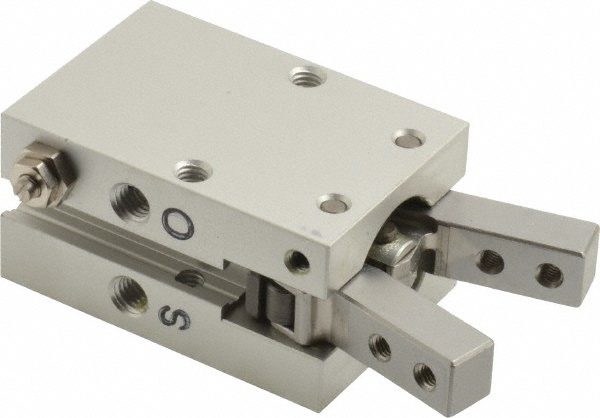
Angular Type Air Gripper
Action: SingleGrip Style: AngularGrip Type: Angular Type Air GripperHolding Type: ExternalOperating Pressure: 36 to 87 psi
-
-
-
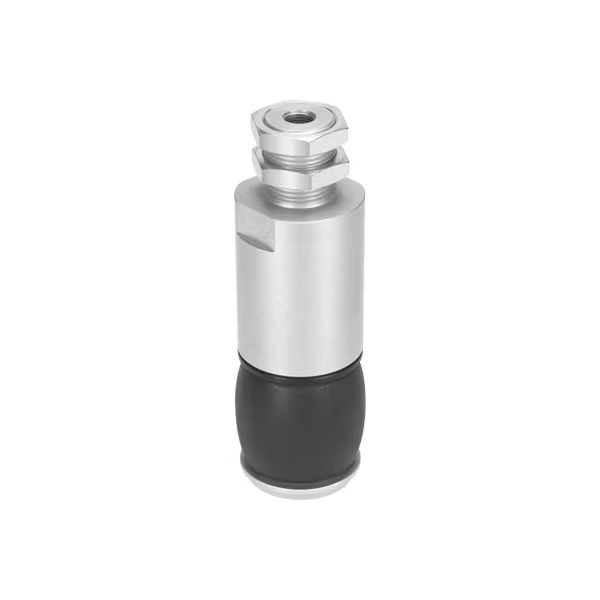
Bellows Gripper
Max. Diameter To Be Gripped: 54 mmMin. Diameter To Be Gripped: 42 mmSize: 41Stroke Of The Bellows: 15.5 mm
from $540.99Zoro $540.99 -
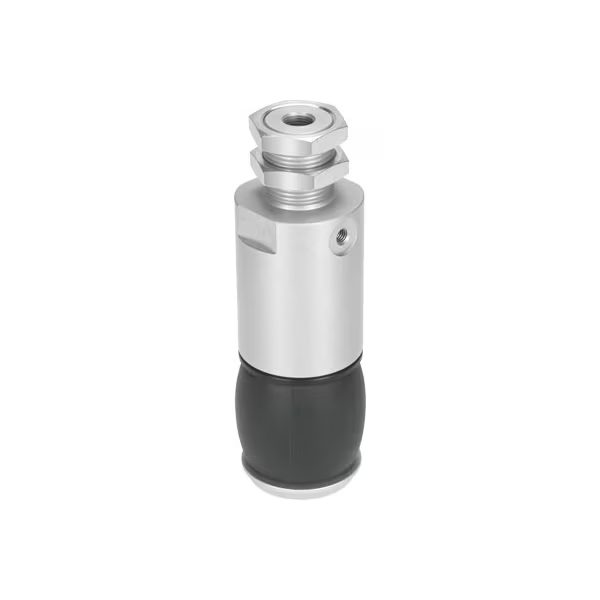
Bellows Gripper
Max. Diameter To Be Gripped: 31.5 mmMin. Diameter To Be Gripped: 24 mmSize: 22Stroke Of The Bellows: 12 mm
from $382.99Zoro $382.99 -
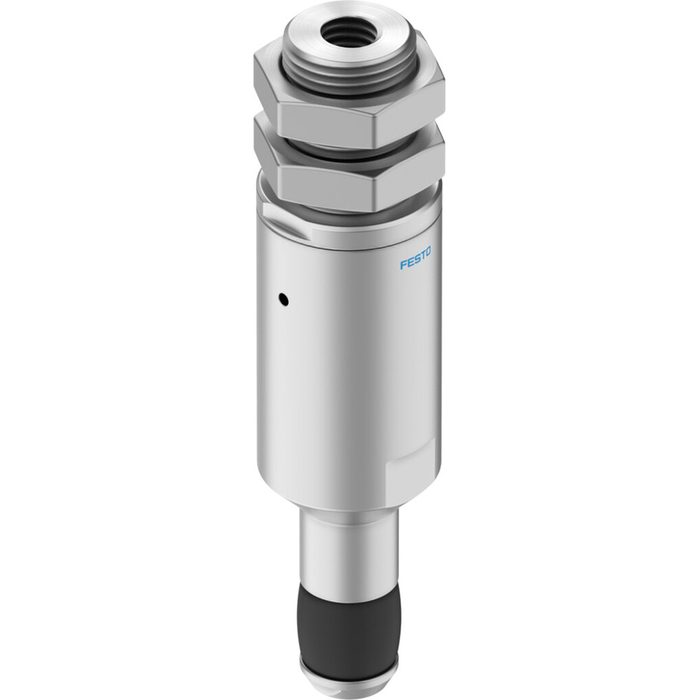 from $534.99Zoro $534.99
About gripsters & lifters
Gripsters are end-of-arm tooling (EOAT) components designed to grasp and manipulate objects in automated systems. They are broadly categorized by their actuation method and gripping mechanism. Mechanical gripsters, including parallel (two-jaw, three-jaw) and angular types, utilize pneumatic or electric power to actuate jaws that physically clamp onto a workpiece. Key selection parameters include jaw stroke, gripping force (N), repeatability (mm), and jaw opening (mm). Vacuum gripsters employ suction cups or pads, often coupled with venturi vacuum generators or vacuum pumps, to lift non-porous materials. Critical specifications include cup diameter (mm), lifting capacity (kg), and material (e.g., NBR, silicone, polyurethane). Magnetic gripsters use permanent magnets or electromagnets to handle ferromagnetic parts, with holding force (N) and demagnetization time being crucial. Soft gripsters and adaptive gripsters conform to irregular shapes, often using compliant materials or underactuated designs. Collaborative robot (cobot) gripsters are designed for safe human-robot interaction, often incorporating force sensing and compliant surfaces. Common gripster materials include anodized aluminum, hardened steel for jaws, and various elastomers for suction cups.
How to choose
When selecting a gripster, first determine the workpiece characteristics: material, weight, dimensions, and rigidity. This dictates the primary gripping principle (mechanical, vacuum, magnetic, soft). Next, consider the application's required gripping force or lifting capacity (N/kg) and the necessary jaw stroke or cup diameter. Evaluate the available utilities: pneumatic pressure, electrical power (DC voltage, current), or if a purely mechanical solution is needed. Assess environmental factors such as temperature, dust, or moisture, which influence material selection (e.g., IP rating, food-grade materials). Finally, consider integration requirements, including robot flange compatibility (ISO 9409-1) and communication protocols (e.g., Modbus TCP, EtherNet/IP).