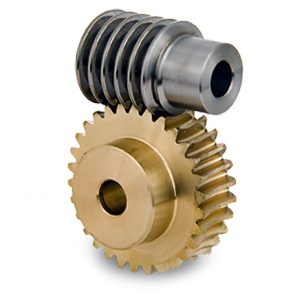
Gears
Spur, helical, bevel, worm and internal gears plus racks.
Also searched as: spur gearsbevel gearsworm gearhelical gearsgear rack
-
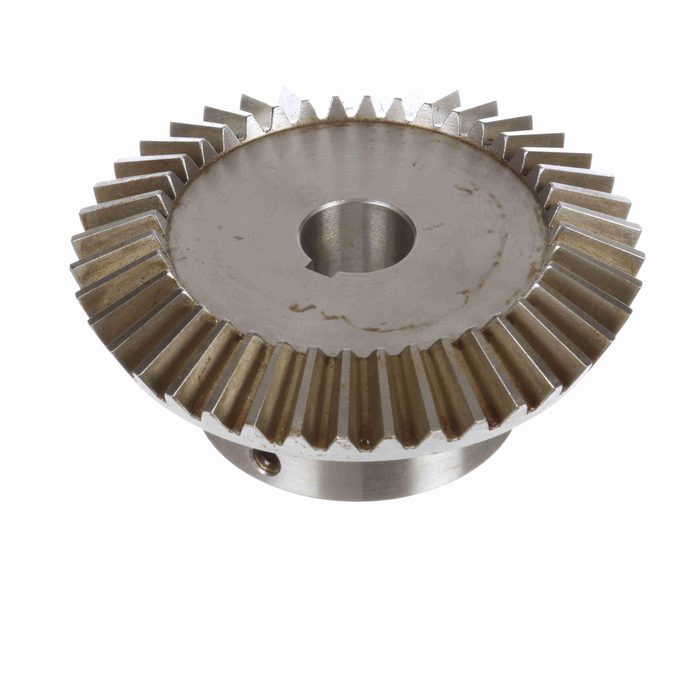
Bevel Gear
DP: 8Face Width: 0.82 inPressure Angle: 20 °Teeth: 40
-
-
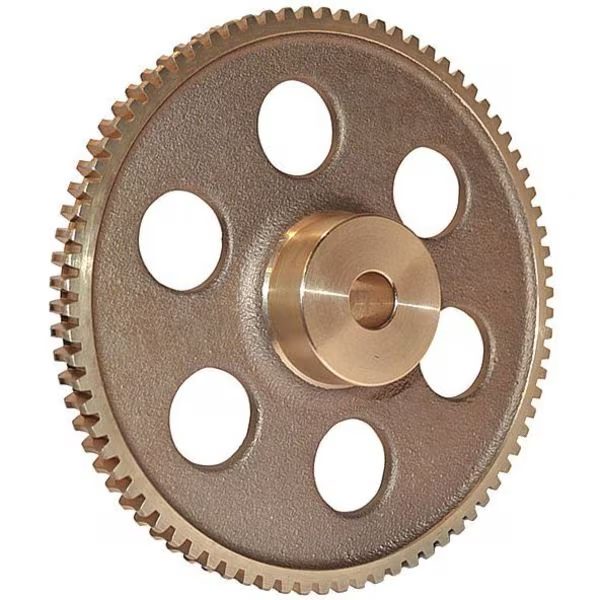
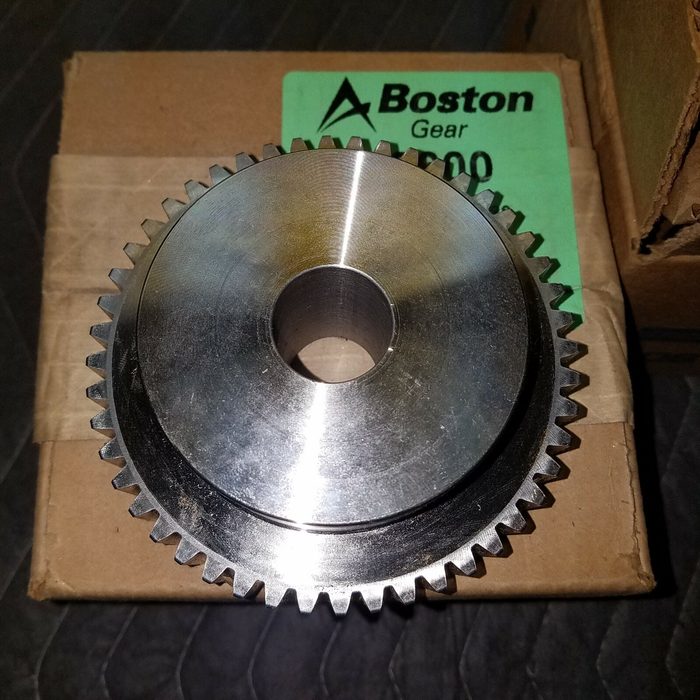
Cast Iron Gear
Direction of Rotation: Right HandTeeth: 50
-
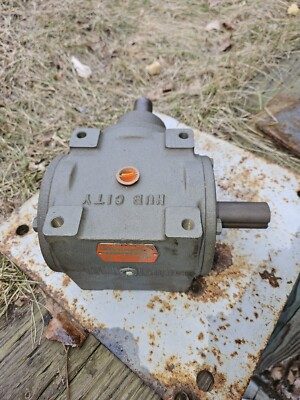
Gearbox
Bevel Gear Type: SpiralMaximum Output RPM: 1750.0000 rpmMaximum Output Torque: 1650 in-lbsReducer Size: 66
-
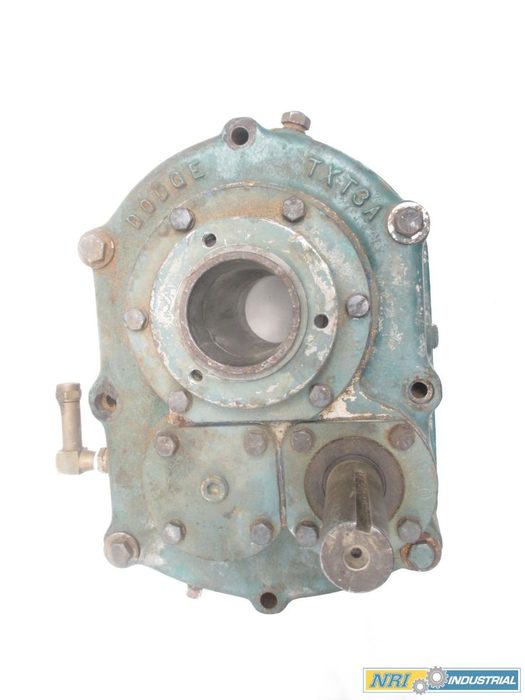
Gearbox
Input Shaft Size: 2.1875 inOutput Bore Type: HollowRatio: 25:1Reducer Size: HXT325B
-
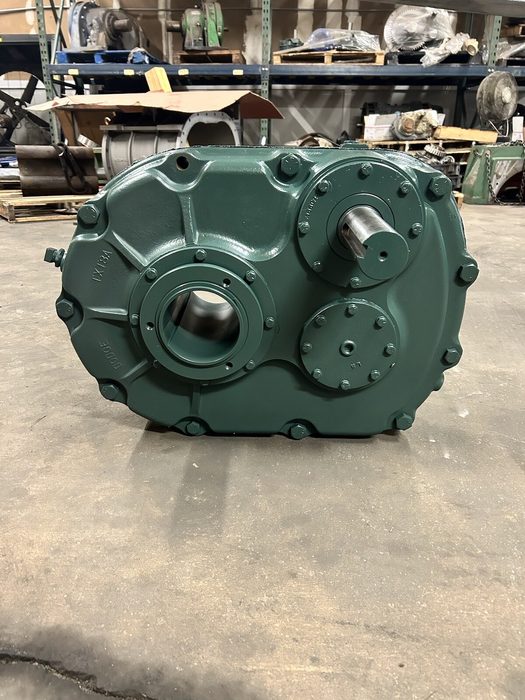
Gearbox
Input Size: 2.4375 inInput Type: Belt-DrivenNominal Ratio: 25:1
-
-
Helical Worm Speed Reducer
Input: Solid ShaftOutput: HollowRatio: 400:1Reduction: Triple
-
In-Line Helical Concentric Gear Box
Input Shaft Type: SolidInput Size: 1.3750 inMount: BaseRatio: 18.43:1Reduction: Double
-
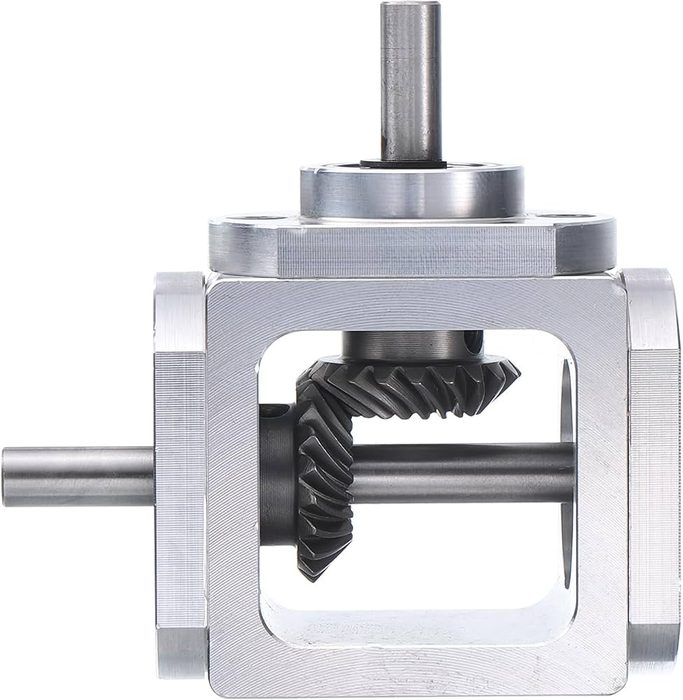
Right Angle Bevel Speed Reducer - Spiral Gear Type, AD2 Reducer Size, Single, 1:1 Ratio, Left or Right Hand Output Direction, 0.6245 in, Solid Shaft Input, 0.6245 in, Solid Shaft Output
Input Shaft Diameter: 0.6245 inOutput Shaft Diameter: 0.6245 inRatio: 1:1
-
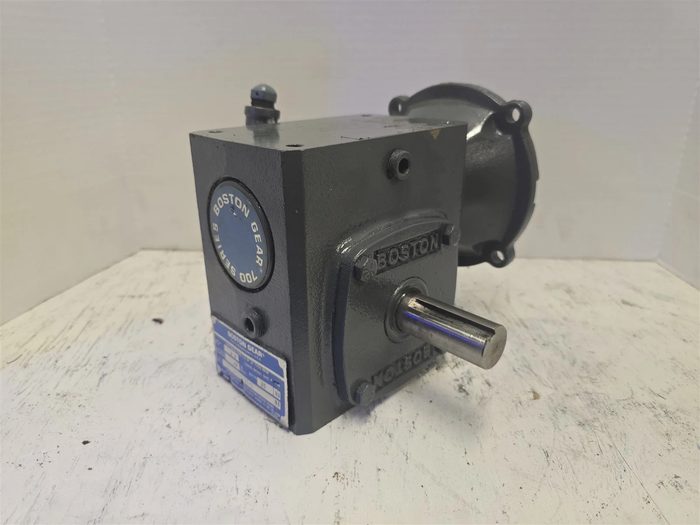
Right Angle Helical Bevel Speed Reducer
Angle: Right
-
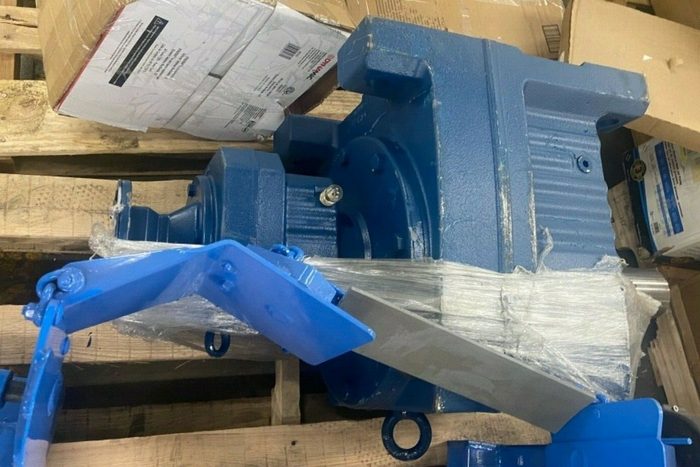
Spiral Bevel Gear Reducer
Gear Type: SpiralInput Diameter: 0.7500 inInput Shaft: SolidOutput Direction: RightRatio: 1:1
-
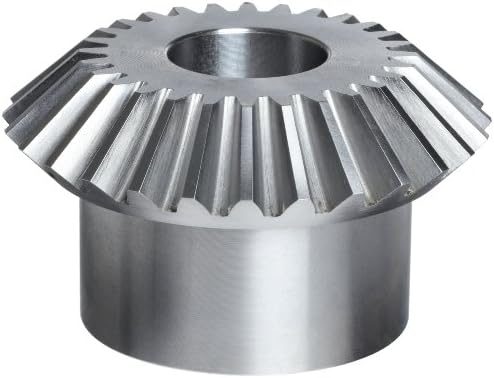
Spur Gear
Bore Diameter: 1/2 inFace Width: 0.44 inPitch: 12Pitch Diameter: 2 inPressure Angle: 20 degrees
-
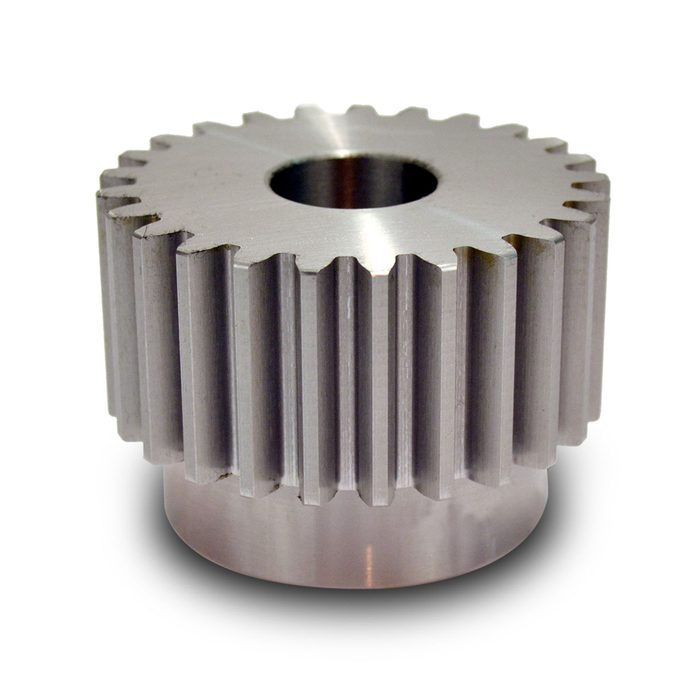
Spur Gear, 10 DP, 20 PA, 16 Teeth
Diametral Pitch: 10 DPPressure Angle: 20 degreesTeeth: 16Type: External Tooth
About gears
Gears transmit rotary motion and torque between shafts, or convert rotary motion into linear motion. This category encompasses a range of gear types, including spur, helical, bevel, worm, and internal gears, as well as racks. Spur gears are the simplest and most common, used for parallel shaft applications. Helical gears offer smoother, quieter operation and higher load capacity due to their angled teeth. Bevel gears are designed for intersecting shafts, typically at 90 degrees. Worm gears provide high reduction ratios and self-locking capabilities. Internal gears have teeth on the inside circumference and are often used in planetary gear sets. Racks convert rotary motion from a pinion into linear motion. Key selection parameters include module or diametral pitch, number of teeth, pressure angle (commonly 14.5° or 20°), bore diameter, face width, and material. Common materials include steel (e.g., 1045, 4140, case-hardened alloys), stainless steel, brass, bronze, and engineering plastics like acetal or nylon. Surface treatments such as black oxide, nitriding, or case hardening are applied for wear resistance and corrosion protection.
How to choose
When selecting gears, first determine the required speed ratio and shaft orientation (parallel, intersecting, or non-intersecting non-parallel). This narrows the choice to spur, helical, bevel, or worm gears. Next, specify the torque or power to be transmitted, which, combined with the desired speed, dictates the required module/diametral pitch and face width. Consider the operating environment; noise constraints may favor helical gears over spur, while space limitations might lead to internal gears. Finally, select the material based on load, wear resistance, and cost, considering heat treatment or surface finishes for demanding applications. For linear motion, determine the required travel and force to specify the rack and pinion.