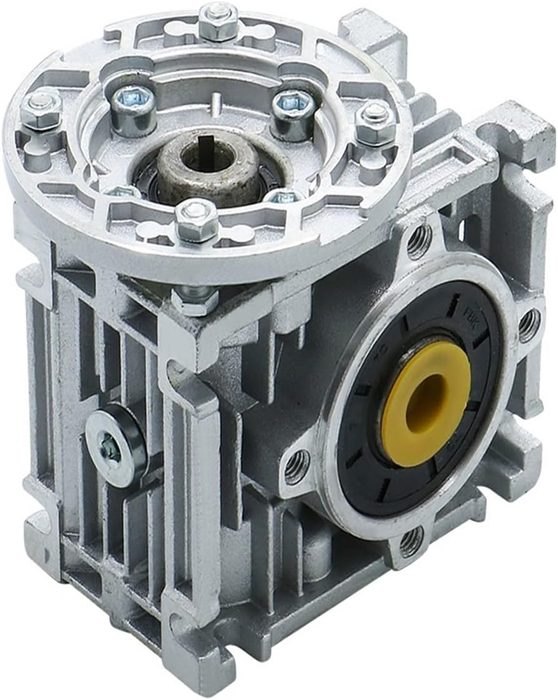
Gearboxes & Speed Reducers
Worm, planetary, helical and right-angle reducers.
Also searched as: speed reducerplanetary gearboxworm reducerright angle gearbox
-
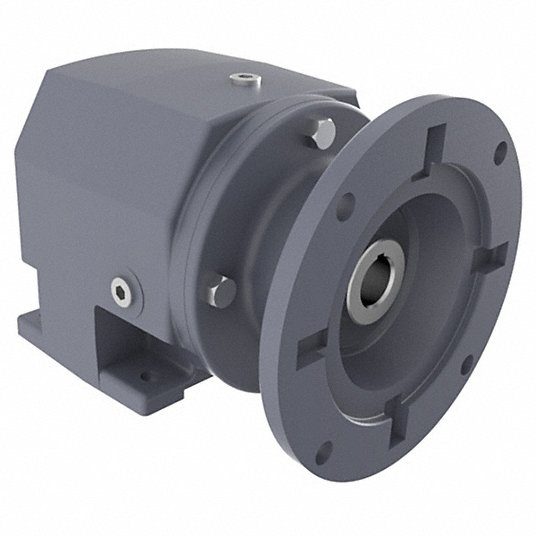
Speed Reducer
Base to Center: 2.36 inGear Type: HelicalInput Connection Type: C-FaceMaximum Output Speed: 24 RPMMotor Frame Designation: 56C
-
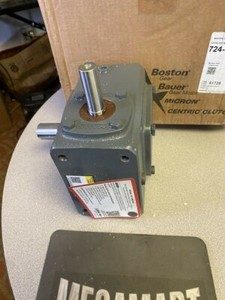
Speed Reducer
Input Power: 0.87 hpOutput Torque: 1177 lb-in
-
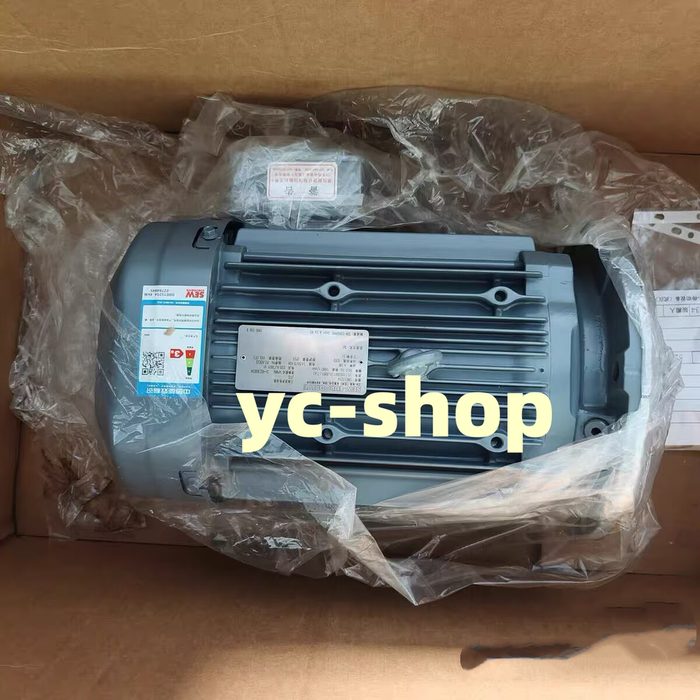
-
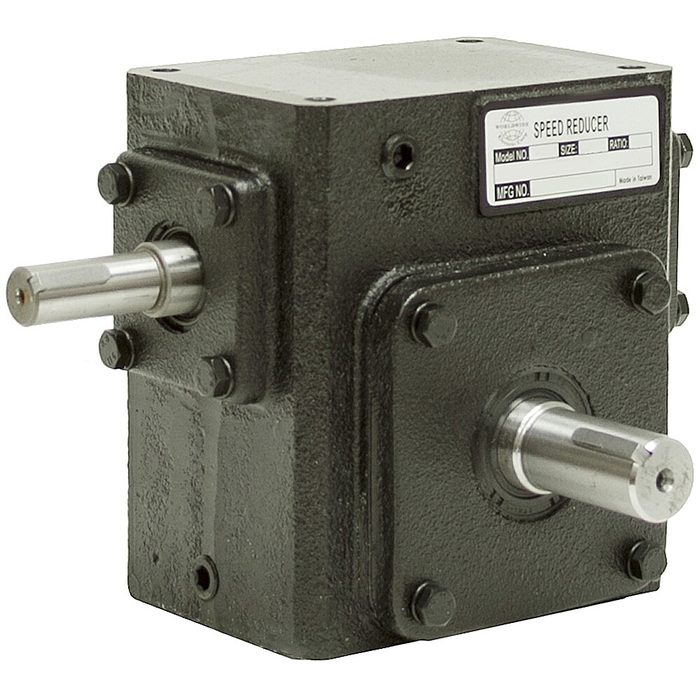
Speed Reducer MRV050 Worm Gear
Input HP: 0.57Input RPM: 1750Input Shaft: 5/8" diameter x 1-7/8" longMotor Frame: 56CRatio: 50:1
-
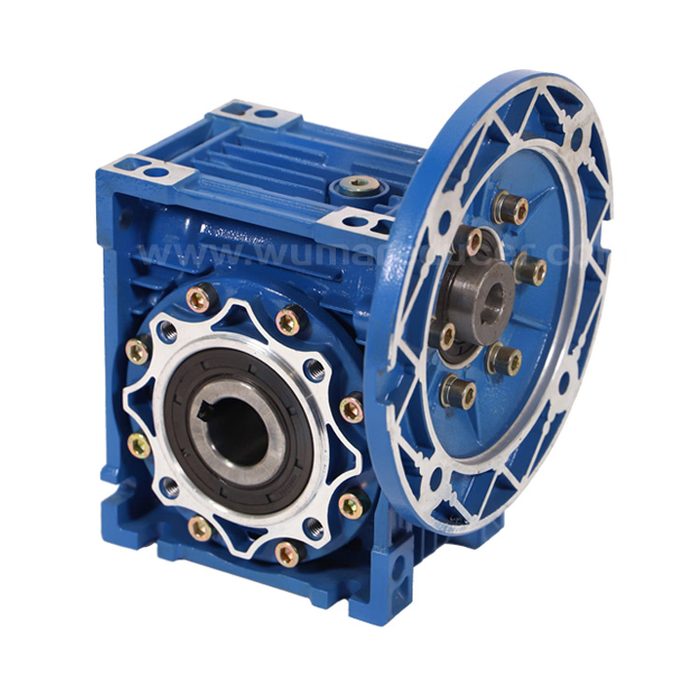
WMRV25-12 i:30 Worm Gearbox Reducer
Ratio: 30:1
-
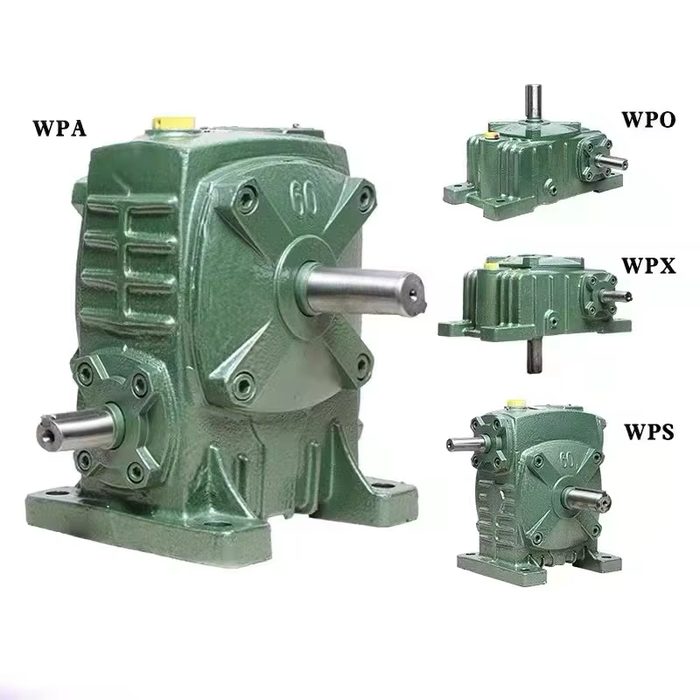
WPA40 Worm Gear Reducer
Ratio: 1:10 to 1:60
-
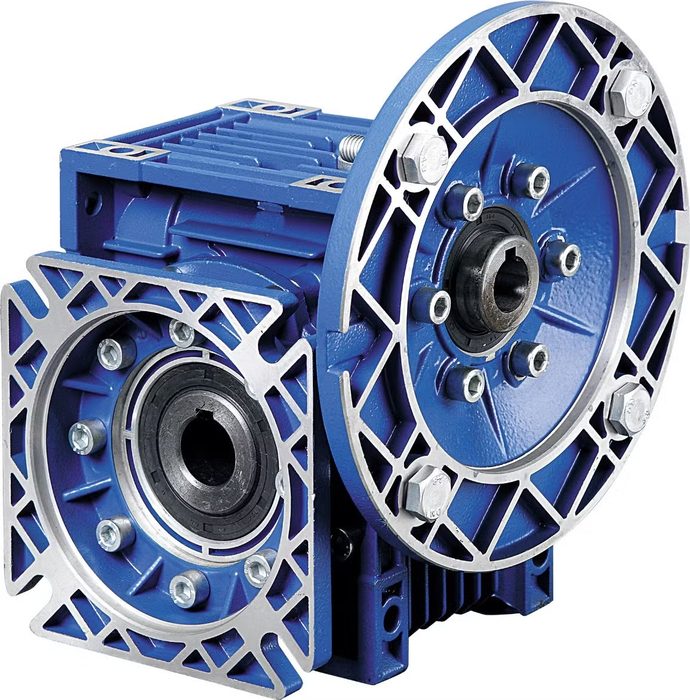
Worm Gear Reducer 10:1 NEMA 23 Worm Gearbox
NEMA Size: 23Ratio: 10:1
-
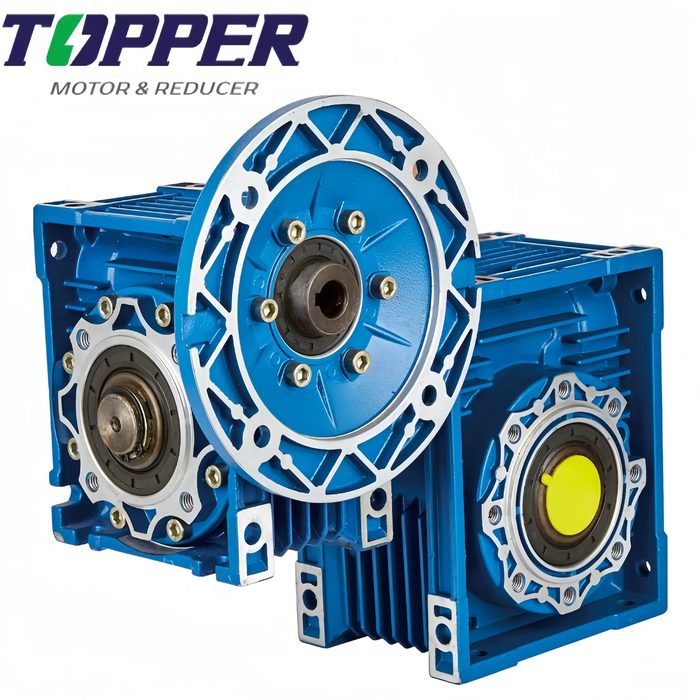
Worm Gear Speed Reducer RV40 Series
Ratio: 40:1
-
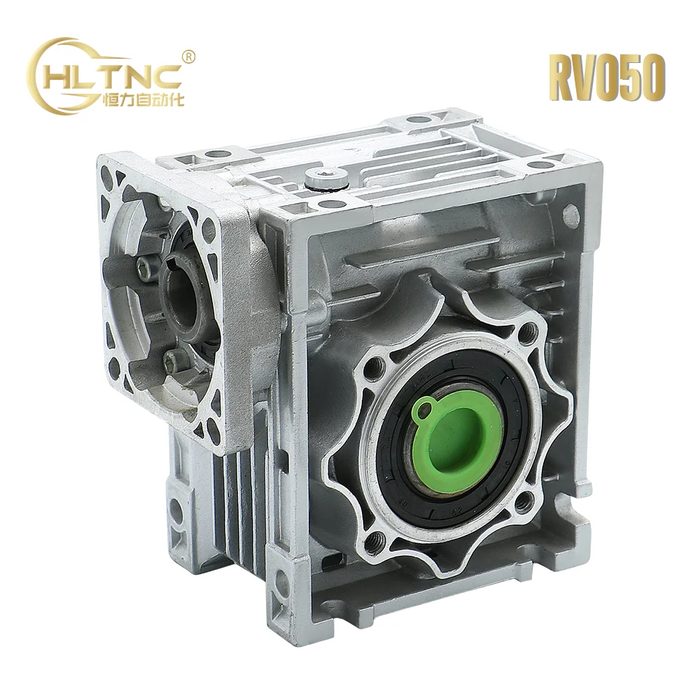
Worm Gearboxes NMRV050 Speed Reducer 71B14
Frame Size: 71B14
-
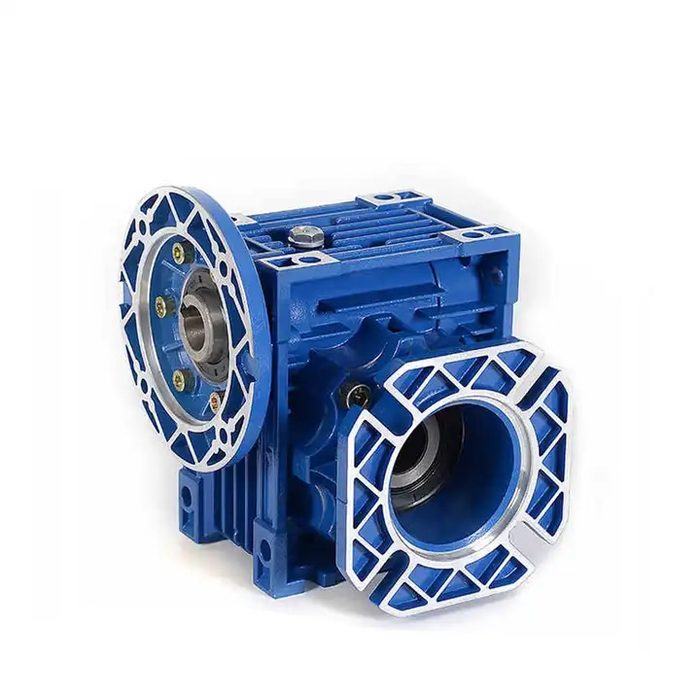
Worm Reducer Double Output Shaft 14mm Diameter 128mm Length Stepper Motor Shaft
Output Shaft Diameter: 14mmOutput Shaft Length: 128mm
About gearboxes & speed reducers
Gearboxes and speed reducers are mechanical power transmission devices that modify torque and rotational speed between a prime mover and a driven load. They typically consist of a series of gears enclosed within a housing. Key types include worm, planetary, helical, and right-angle configurations. Worm gearboxes offer high reduction ratios in a compact footprint, often providing self-locking characteristics. Planetary gearboxes provide high torque density and coaxial input/output shafts. Helical gearboxes are known for their efficiency, quiet operation, and ability to handle high loads. Right-angle gearboxes, including bevel and worm types, reorient the drive axis by 90 degrees. Selection parameters include reduction ratio (e.g., 5:1 to 100:1), input and output torque ratings (Nm), input speed (RPM), backlash (arcmin), efficiency (%), and mounting orientation (e.g., foot-mounted, flange-mounted, shaft-mounted). Housing materials commonly include cast iron, aluminum alloys, and stainless steel, with gear materials typically being hardened alloy steels such as 42CrMo4 or 17CrNiMo6. Finishes vary from standard painted surfaces to specialized coatings for corrosive environments or food-grade applications.
How to choose
When selecting a gearbox, first define the required output torque and speed, and the available input speed from the motor. This determines the necessary reduction ratio and torque capacity. Second, consider the spatial constraints and desired shaft orientation to choose between inline (helical, planetary) or right-angle (worm, bevel) designs. Evaluate the application's duty cycle and shock loading to ensure the gearbox's service factor is adequate. Third, assess the required precision and backlash specifications; planetary gearboxes often offer lower backlash for precise positioning. Finally, review environmental factors such as temperature, potential for contaminants, and washdown requirements, which will dictate housing materials, sealing, and lubrication type.