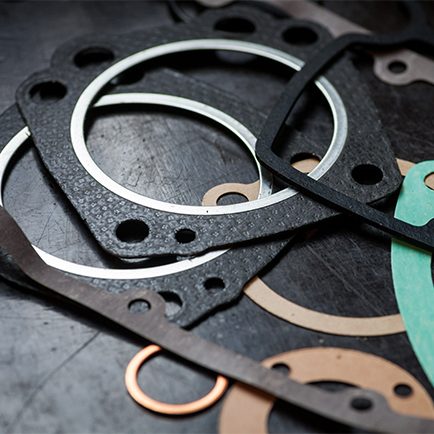
Gaskets
Cut, spiral wound, flange and custom sheet gaskets.
Also searched as: flange gasketspiral woundcut gaskethead gasketgasket sheet
-
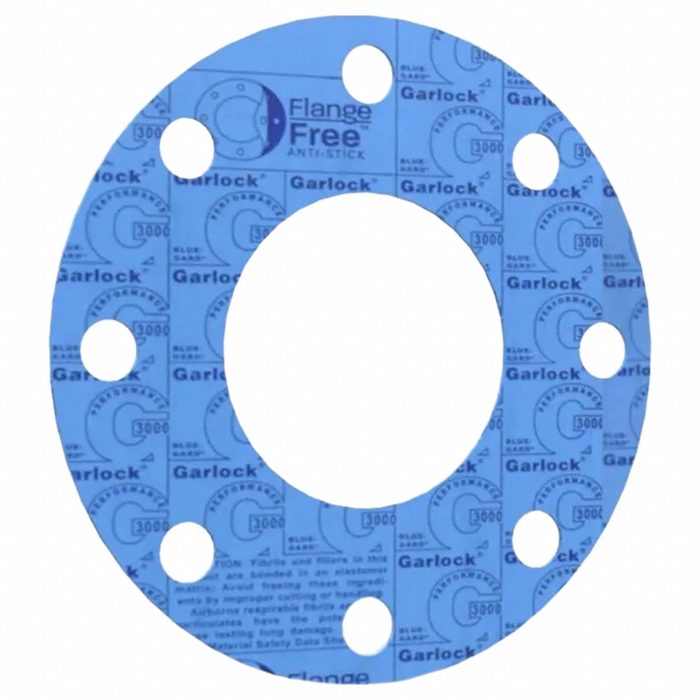
Aramid, Buna-N Binder Gasket Sheet
Binder: Buna-N
-
-
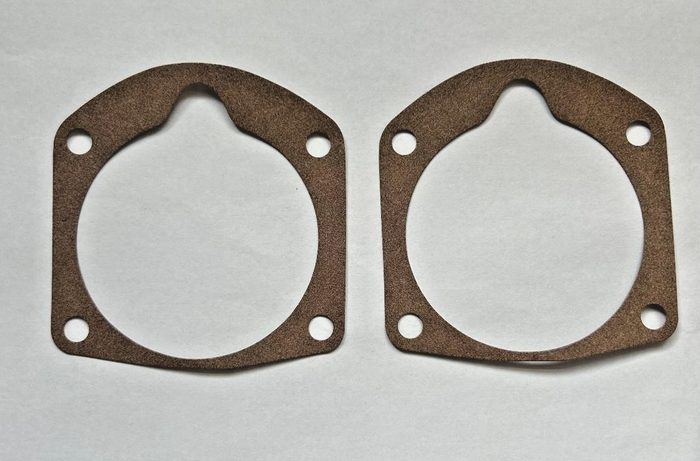
Cork Buna-N Rubber Blend Gasket Sheet
Length: 3 ft
-
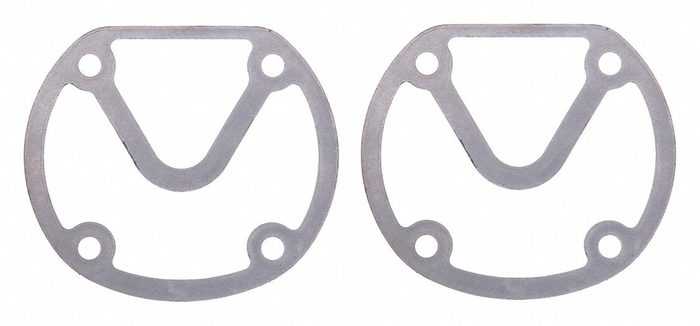
-
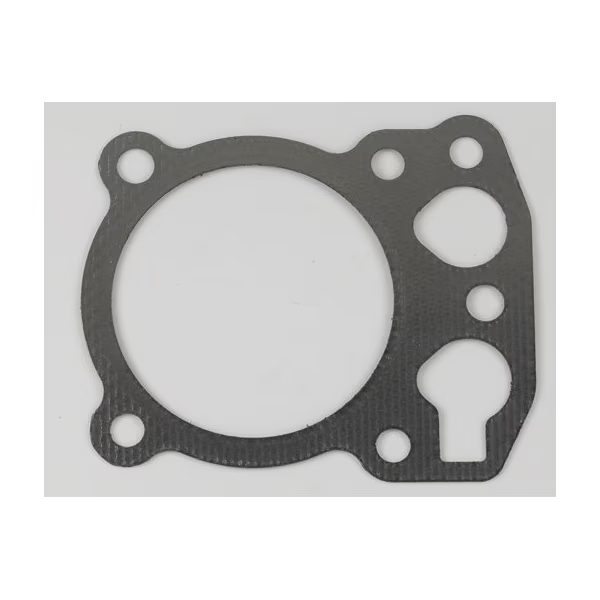
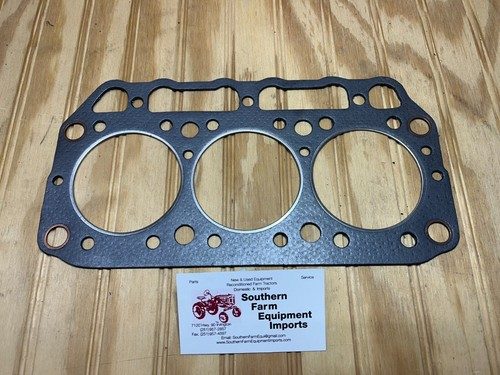
Cylinder Head Gasket
Compatible Mfr No.: 27542
-
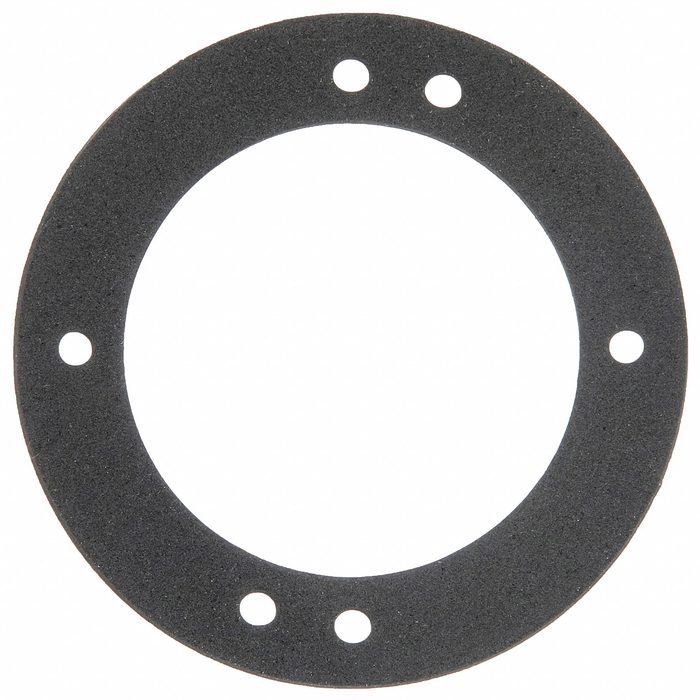
Flange Gasket
Application: Drum Head Vacuum
-
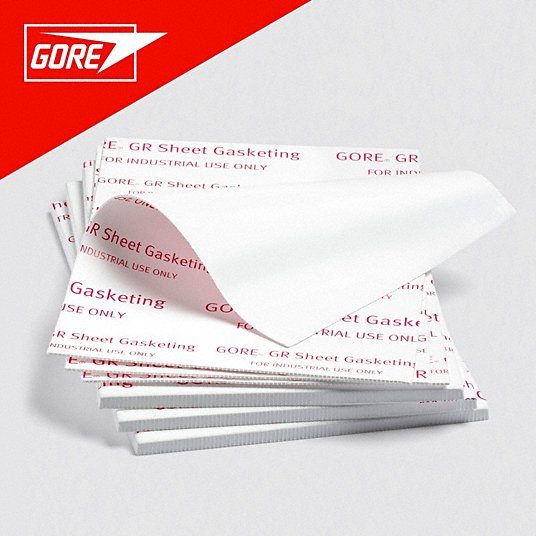
Gasket Sheet
Thickness: 1/8 in
-
Gasket Sheet
Thickness: 1/8 in
-
Gasket Sheet
Binder: SBR
-
Graphite Gasket Sheet
Thickness: 1/8 in
-
-
-
-
PTFE Gasket Sheet
Thickness: 1/8 in
-
-
Plant Fiber Gasket Sheet
Backing: Plain
-
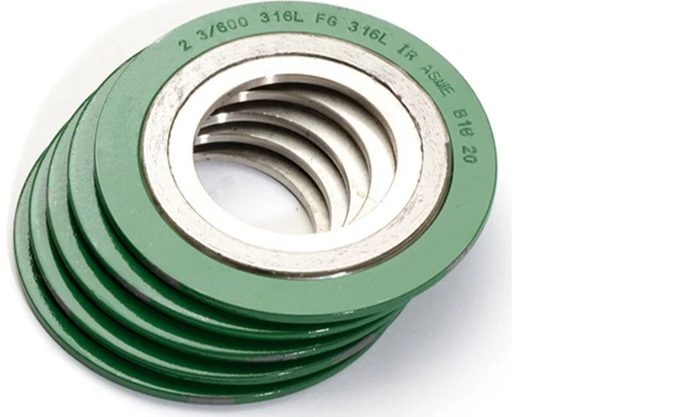
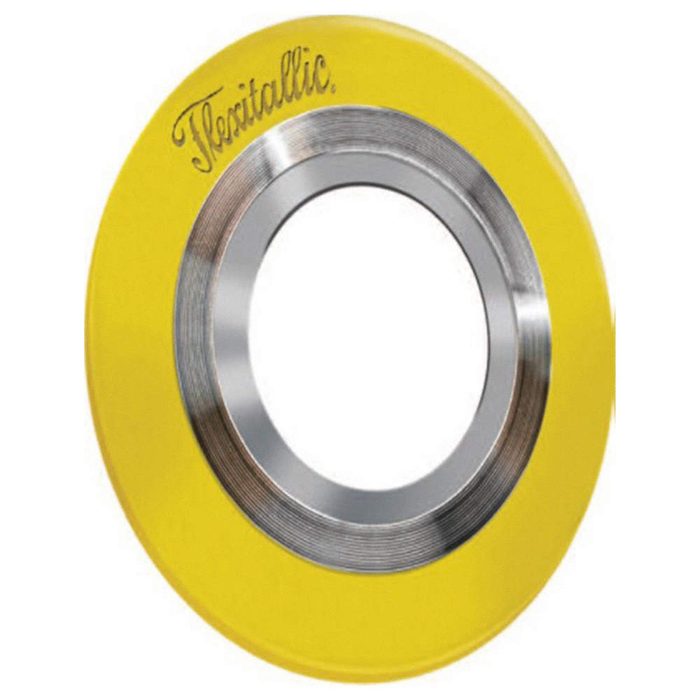
Spiral Wound Flange Gasket
Filler Material: GraphiteMaterial: 304 Stainless Steel
-
Spiral Wound Flange Gasket
Filler Material: PTFEMaterial: 304 Stainless Steel
-
Spiral Wound Flange Gasket
Filler Material: GraphiteMaterial: 304 Stainless Steel
-
Spiral Wound Flange Gasket
Filler Material: PTFEMaterial: 304 Stainless Steel
-
Spiral Wound Flange Gasket
Filler Material: GraphiteMaterial: 316 Stainless Steel
-
-
Spiral Wound Flange Gasket
Filler Material: GraphiteMaterial: 316L Stainless Steel
-
Spiral Wound Flange Gasket
Pipe Size: 1/2 in
-
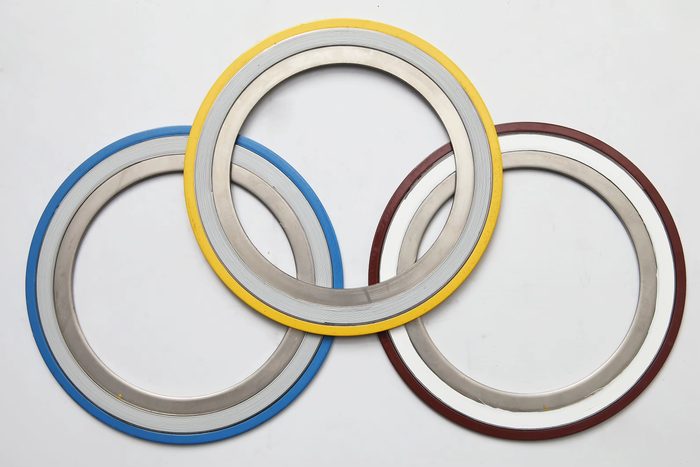
-
Spiral Wound Flange Gasket
Filler Material: GraphiteMaterial: 304 Stainless Steel
-
Spiral Wound Flange Gasket
Filler Material: GraphiteMaterial: 304 Stainless Steel
-
Spiral Wound Flange Gasket
Filler Material: GraphiteWinding Material: 304 Stainless Steel
-
-
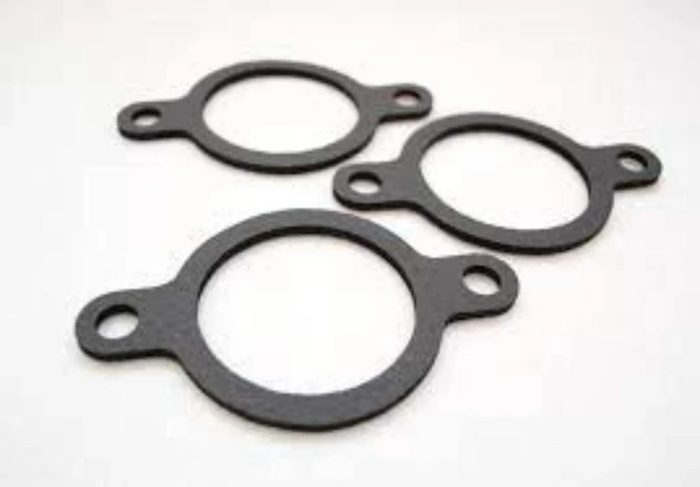
Synthetic Fiber Gasket Sheet
Binder: Buna-N
-
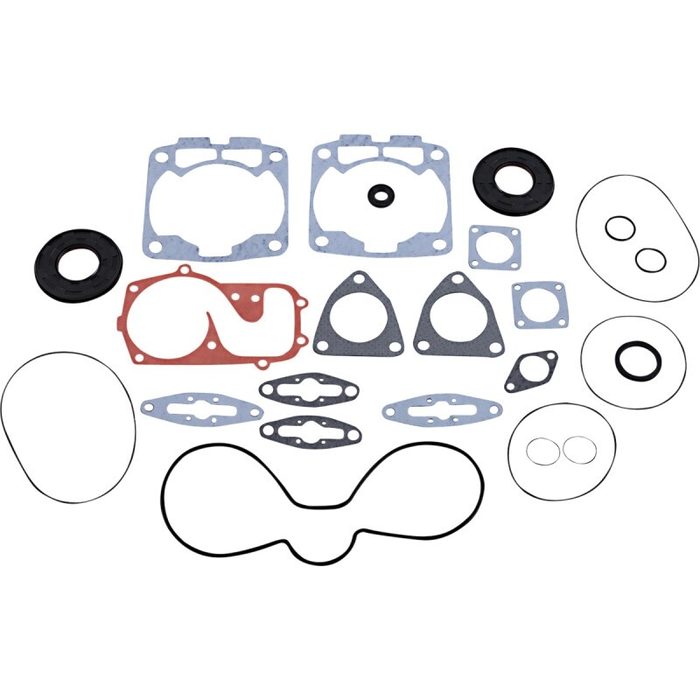
ePTFE Gasket Sheet
Thickness: 1/8 in
-
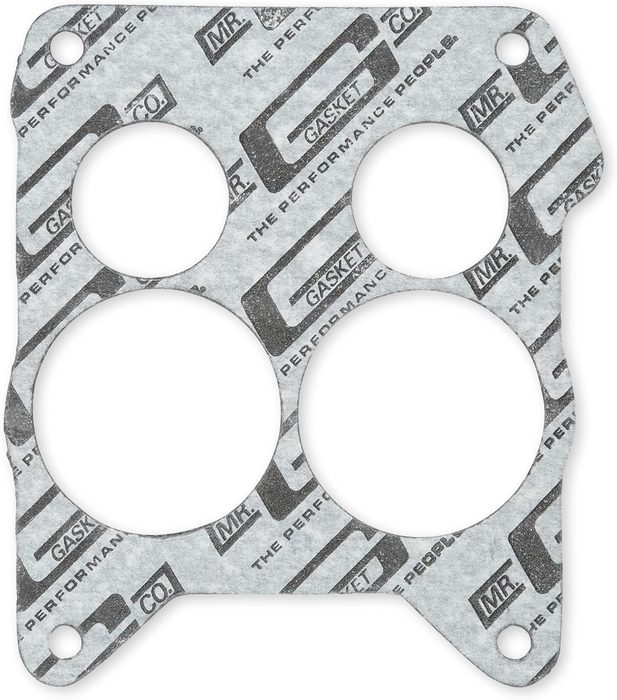
ePTFE Gasket Sheet
Thickness: 1/32 in
About gaskets
Gaskets are mechanical seals that fill the space between two or more mating surfaces, generally to prevent leakage from or into the joined objects while under compression. They are critical for maintaining static seals in pipelines, engines, and various fluid or gas handling systems. Common types include cut gaskets, which are precisely shaped from sheet materials; spiral wound gaskets, constructed from a V-shaped metallic winding and a softer filler material; and flange gaskets, designed for use between pipe flanges, often conforming to ASME B16.20 or ASME B16.21 standards. Selection criteria typically involve the operating pressure (e.g., ANSI Class 150, 300, 600), temperature range (e.g., -200°C to 1000°C), chemical compatibility with the media being sealed, and the specific flange face type (e.g., raised face, flat face, ring type joint). Materials vary widely, encompassing non-asbestos fibers (NAF), PTFE, graphite, rubber compounds (NBR, EPDM, Viton), and various metals for spiral wound windings (e.g., 304 SS, 316 SS, Monel). Finishes can include anti-stick coatings or specific surface treatments to enhance sealing performance and ease of installation.
How to choose
Selecting the correct gasket requires a sequential evaluation. First, determine the operating pressure and temperature range of the application; this dictates the required gasket class and material suitability. Second, identify the media being sealed to ensure chemical compatibility with potential gasket materials, preventing degradation or failure. Third, specify the flange type and size (e.g., NPS, DN) to ensure a proper fit and sealing surface engagement. Fourth, consider the duration and frequency of maintenance; for critical or hard-to-reach applications, a more robust and long-lasting gasket material may be justified, even if initial cost is higher. Finally, evaluate the required sealing performance against industry standards or specific leak rate requirements.