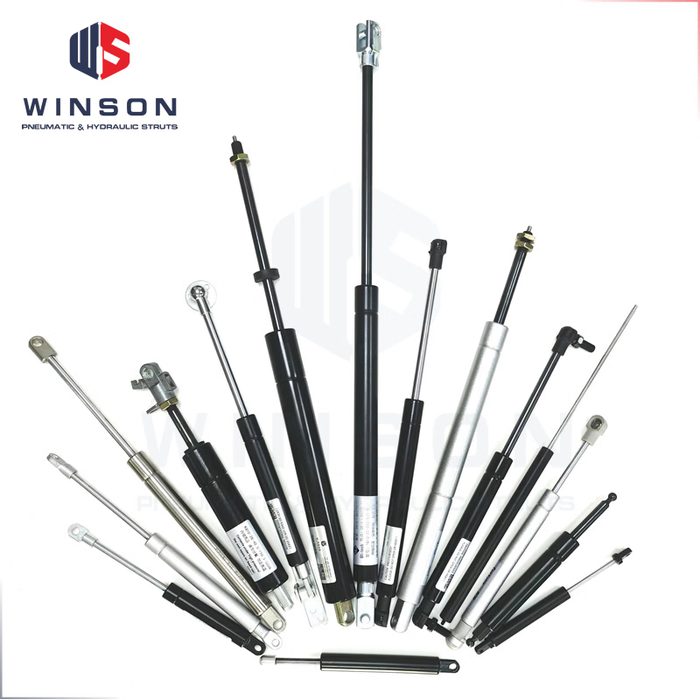
Gas Springs & Dampers
Gas struts, lockable springs, rotary and linear dampers.
Also searched as: gas strutsgas springdampershock absorberlift support
-
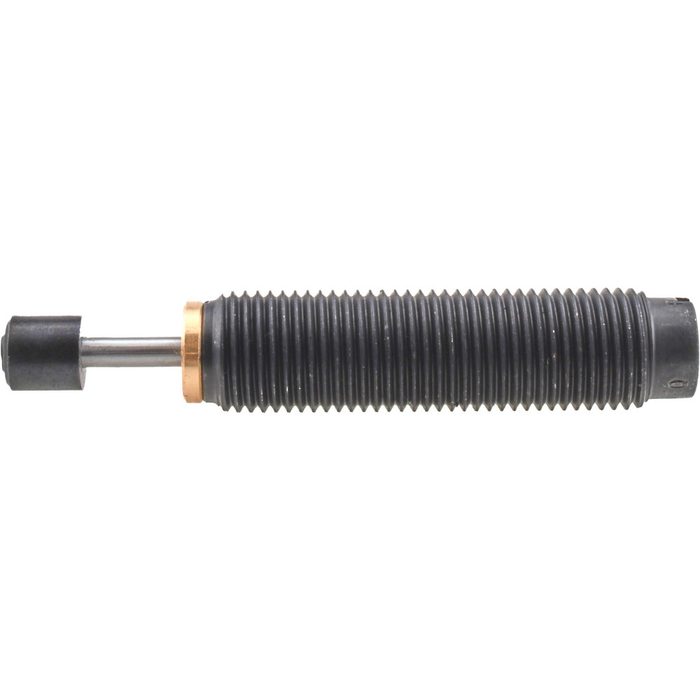
Self-Compensating Shock Absorber
Extended Length: 5.768"Force: 600 lb
-
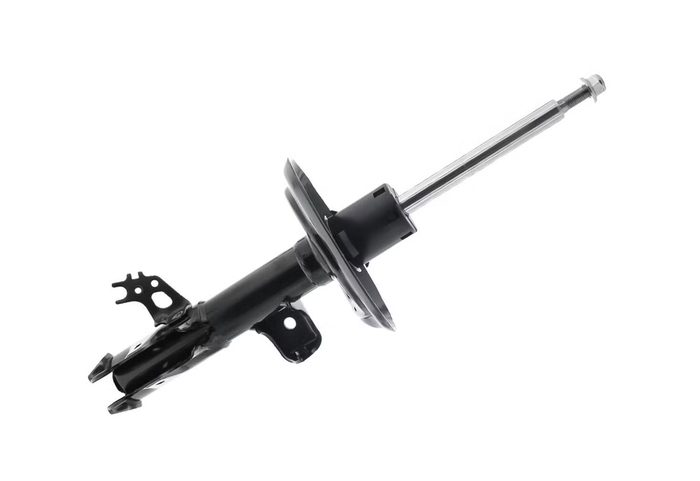
-
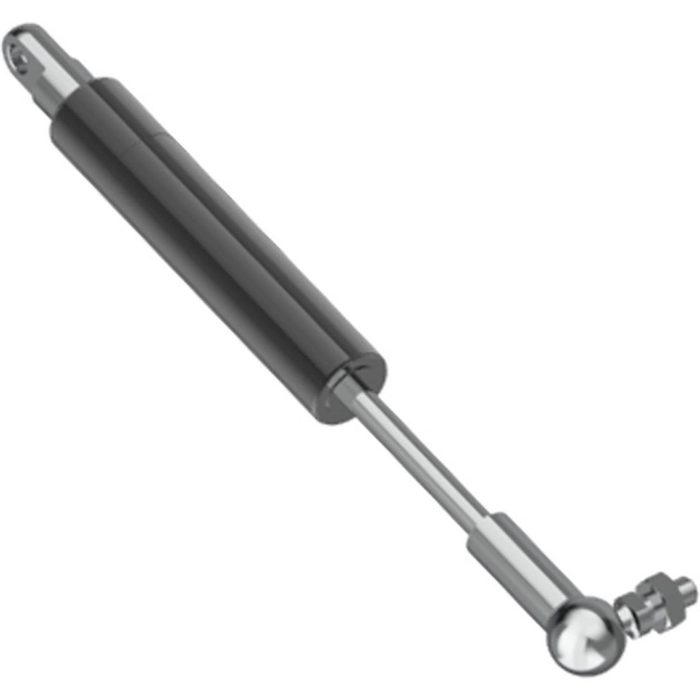
-
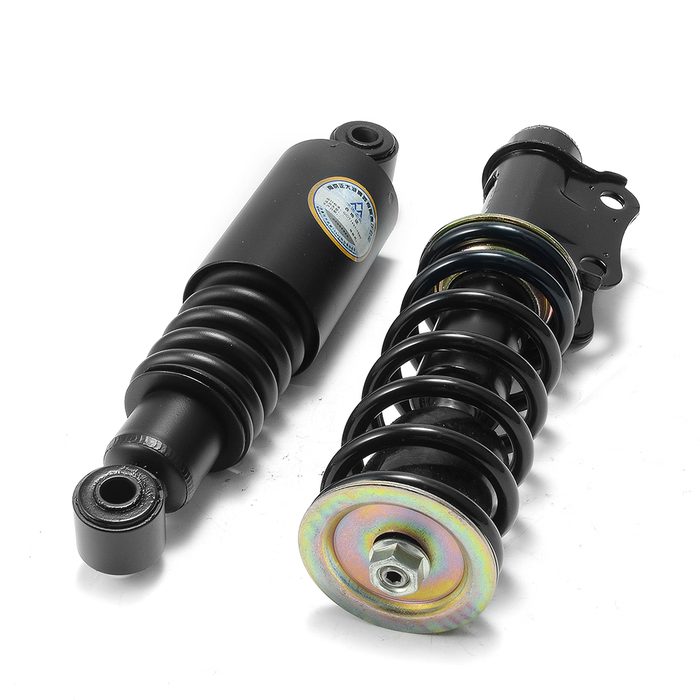
Shock Absorber
Extended Length: 65.2 mmForce: 5.88 N
-
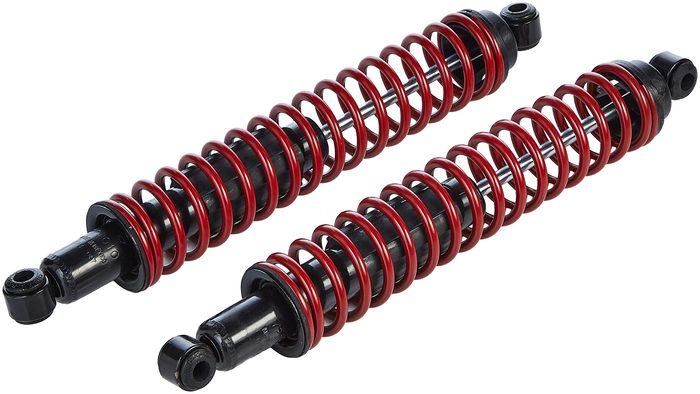
Shock Absorber
Extended Length: 70 mmForce: 8.9 N
-
Shock Absorber
Extended Length: 70 mmForce: 2.45 N
-
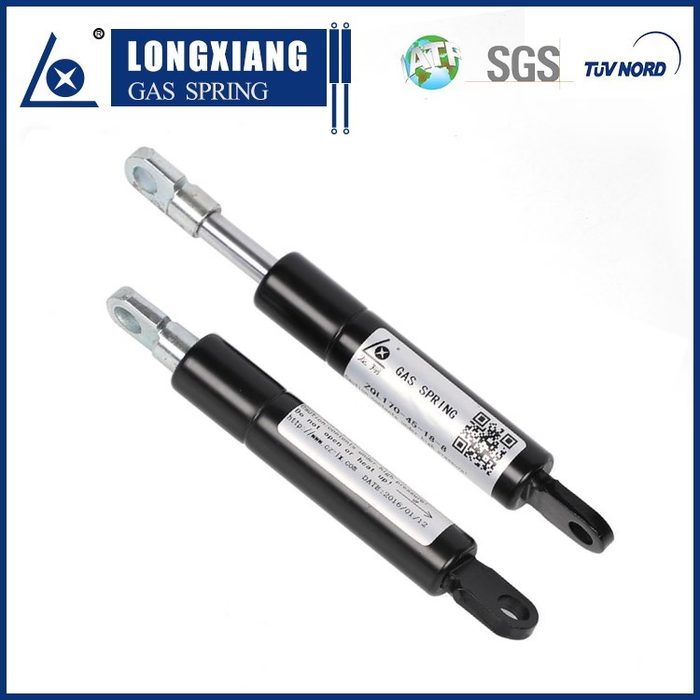
Shock Absorber
Extended Length: 22.24 in
-
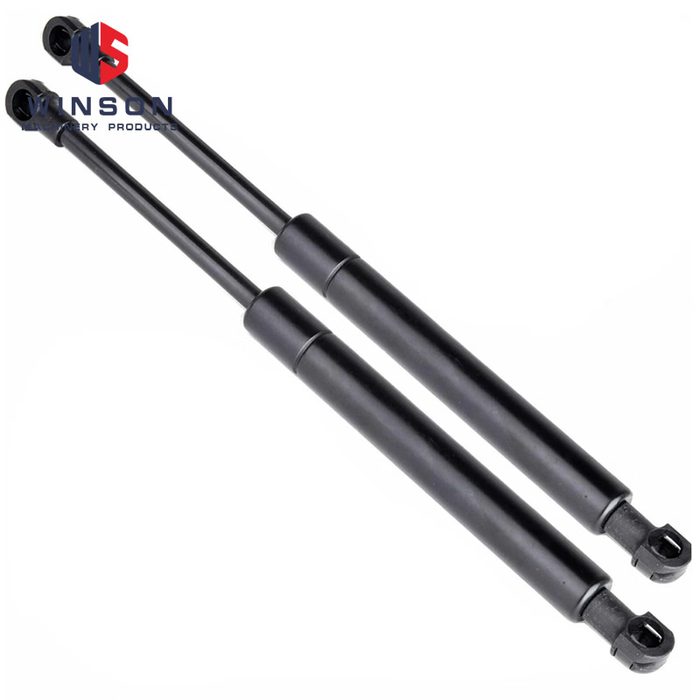
Shock Absorber
Extended Length: 185.5 mmForce: 71.5 N
-
Shock Absorber
Extended Length: 456 mmForce: 370 N
-
Shock Absorber
Extended Length: 302.5 mmForce: 98 N
-
Shock Absorber
Extended Length: 173 mmForce: 6 N
-
-
Shock Absorber
Extended Length: 49 mmForce: 3 N
-
Shock Absorber
Extended Length: 16.54 in
-
-
-
 from $1.00Made-in-China $1.00
 -
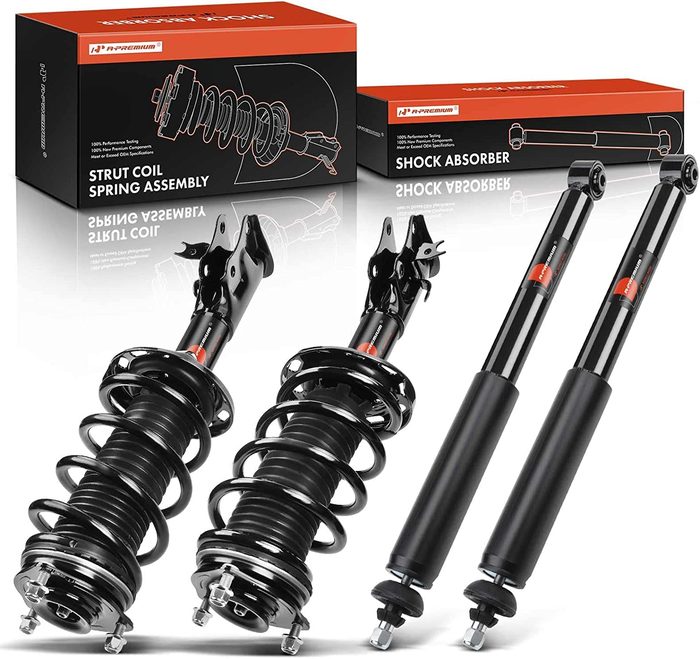
Shock Absorber Set
Length: 10 inchWire Width: 8.21 mm
-
-
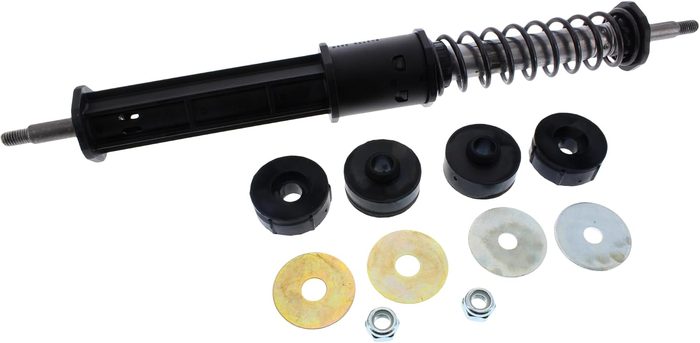
Shock Absorber Unit
Type: Gas Spring / Shock
-
-
-
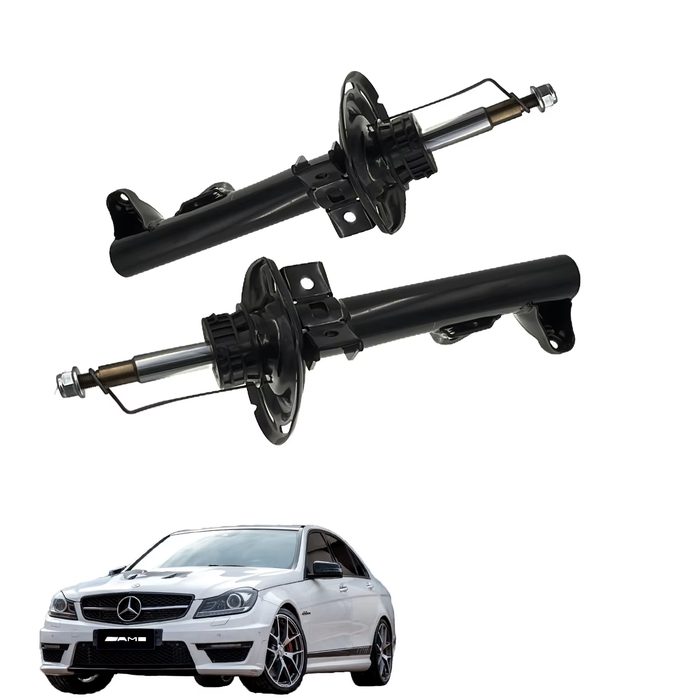
Shock Absorber for C-Klasse W204 Limo
Model: C-Klasse W204 Limo
-
Shock Absorber, 8 mm Stroke Lg
Stroke Length: 8 mm
-
Shock Absorber, Single-Acting, Push
Action: Single-ActingFunction: Push
-
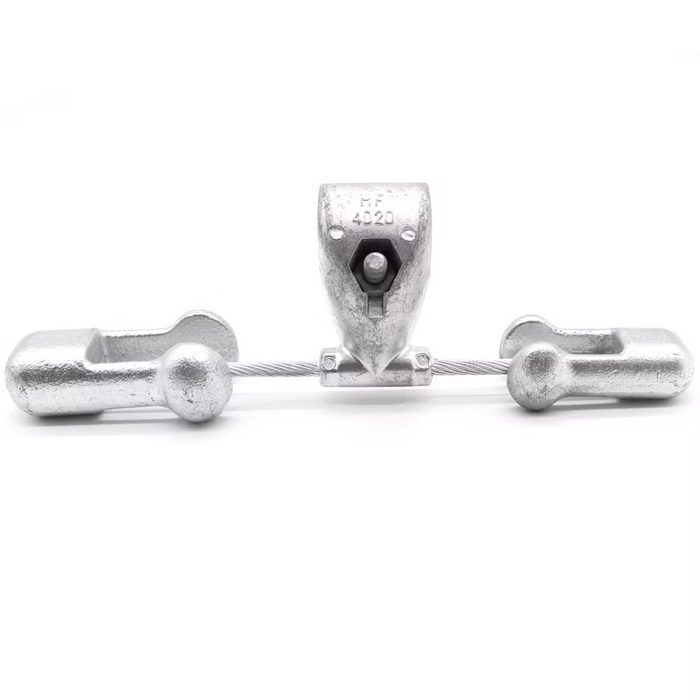
Shockproof Hammer Damper Vibration Damper 4D series
Color: SilverHS Code: 7316Model NO.: 4DName: Shockproof Hammer DamperOrigin: China
from $0.80Made-in-China $0.80 -
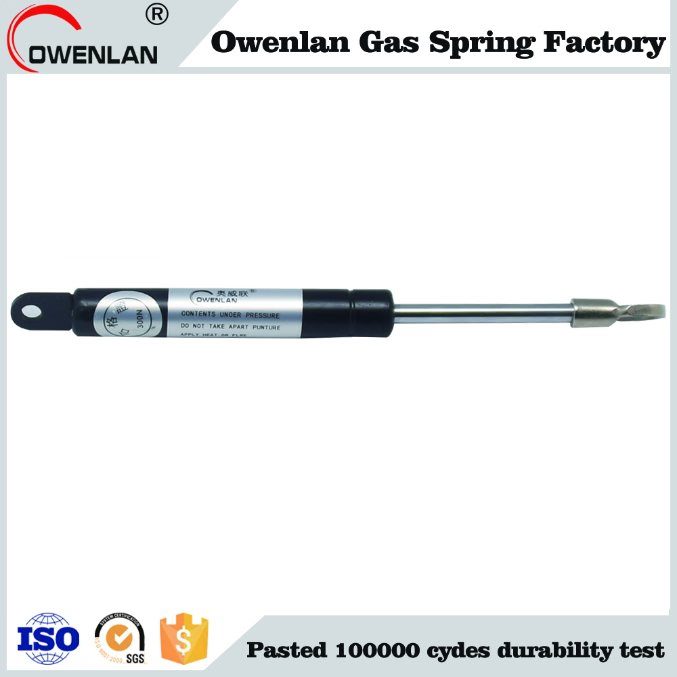 from $1.70Made-in-China $1.70
 -
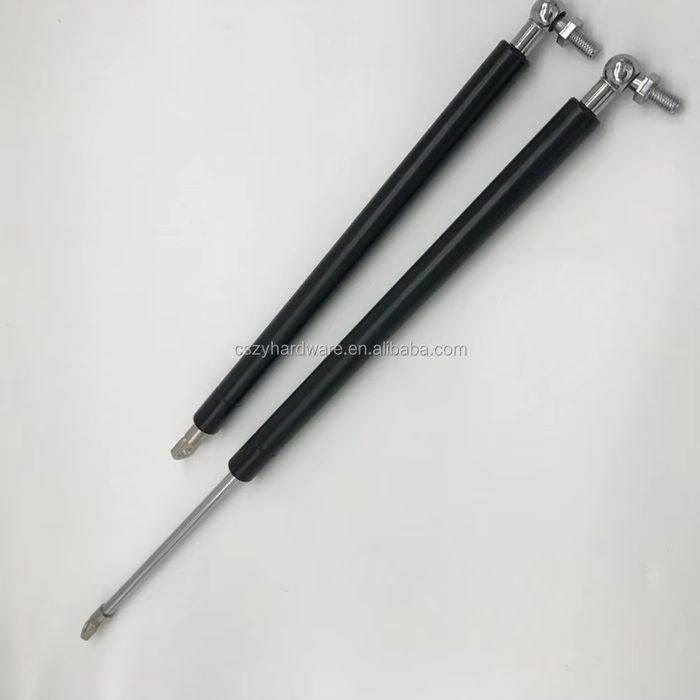
Small Length Extension Direction Force Compression Gas Spring for Damper
Connector: Ball Connector/Optional ConnectorCustomized: Fully Custom Made AvailableCylinder Tube Dia: 12-28mmExtended Length: 50-2000mmFunction: Pressed, Phonation, Buffer, Drive, Restoration, Measurement, Lifting
from $1.70Made-in-China $1.70 -
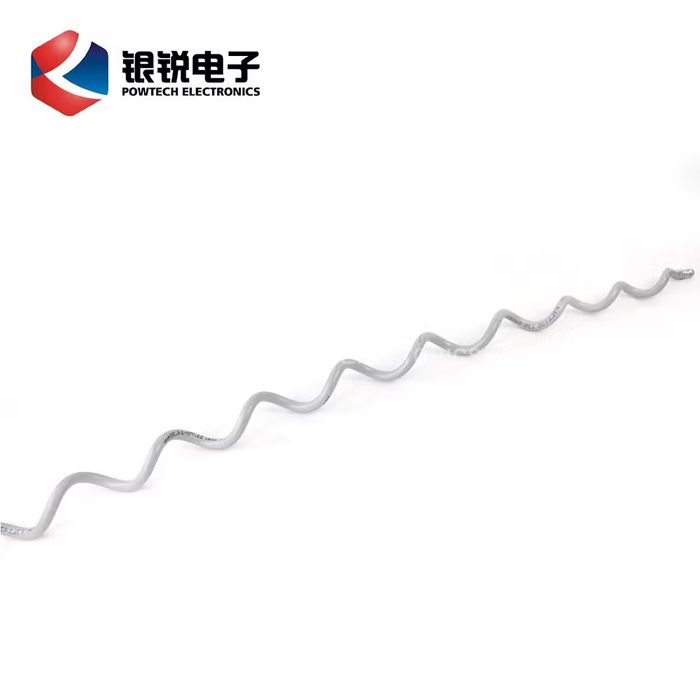
Spiral Vibration Damper for ADSS Cable
HS Code: 39269090Model NO.: FTLName: Spiral Vibration DamperOrigin: ChinaSpecification: CE, RoHS, SGS, ISO
from $0.80Made-in-China $0.80 -
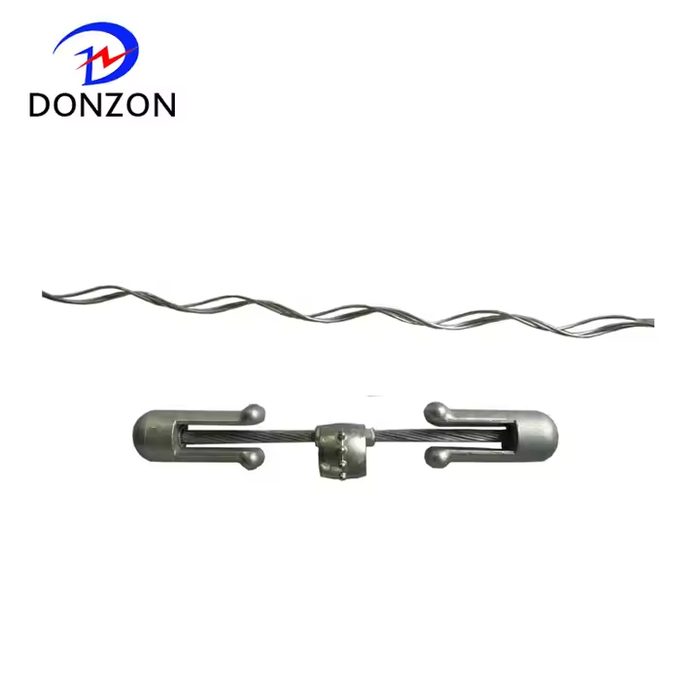
Spiral Vibration Dampers ADSS
Cable Type: ADSS
from $0.90Made-in-China $0.90 -
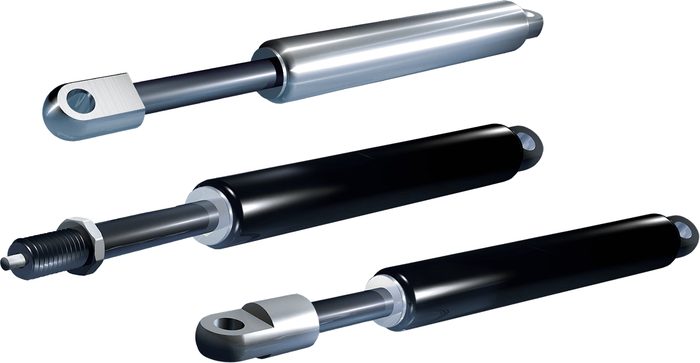
Standard Gas Spring
Capacity: 500 lbEnd Type: ThreadedExtended Length: 480 mmPiston Type: CeramProRod Diameter: 14 mm
-
Standard Gas Spring
Capacity: 5 lbExtended Length: 5.1"Rod Diameter: 0.16"Stroke Length: 1.57"Tube Diameter: 0.47"
-
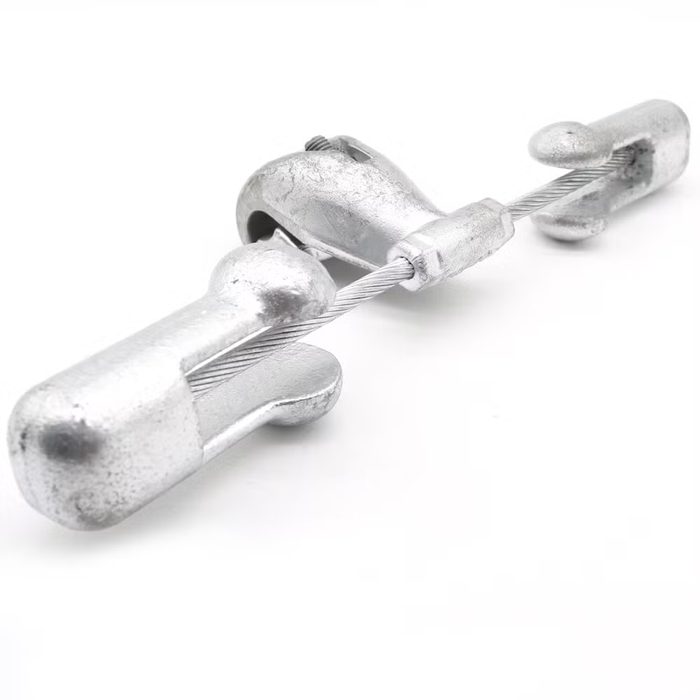
Stockbridge Vibration Damper for OPGW Cable
Application: OverheadBrand: OptelecCable Dia.: 11.70~14.30mmCertification: ISO9001, CE, CCC, RoHSConductor Material: Aluminum
from $1.20Made-in-China $1.20 -
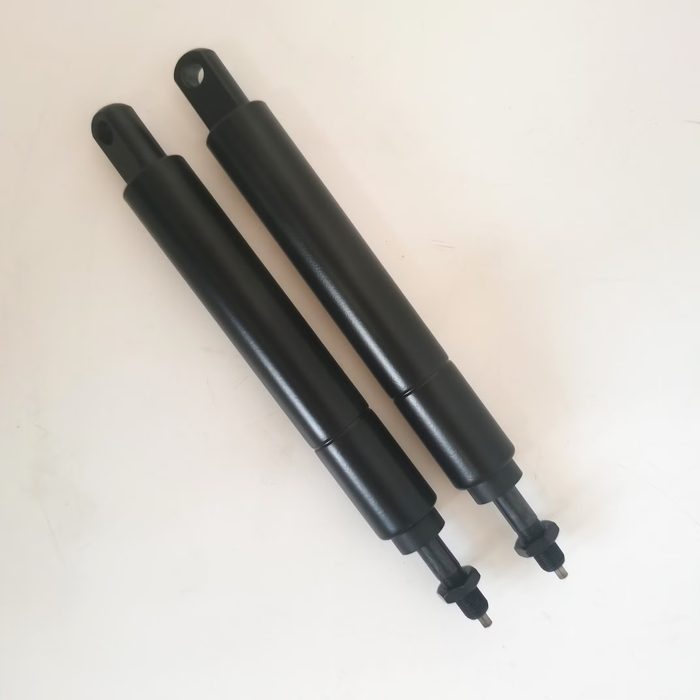 from $1.00Made-in-China $1.00
 -
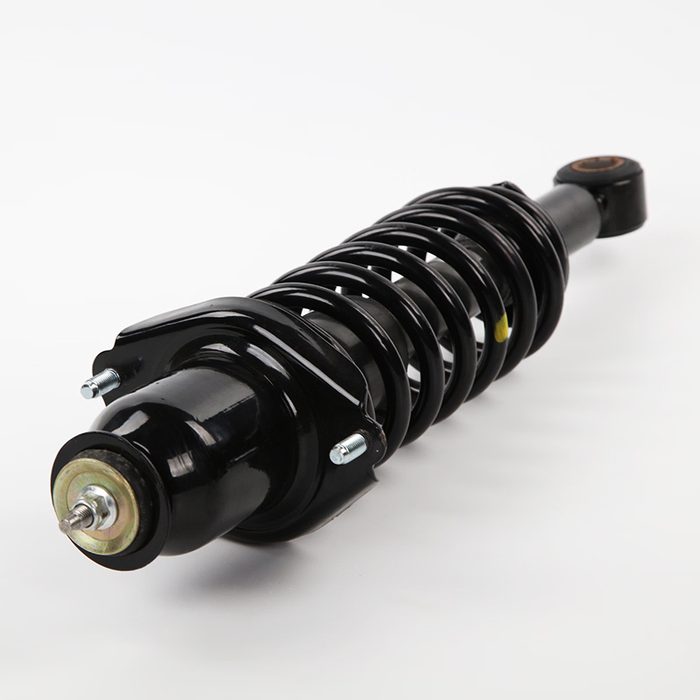
-
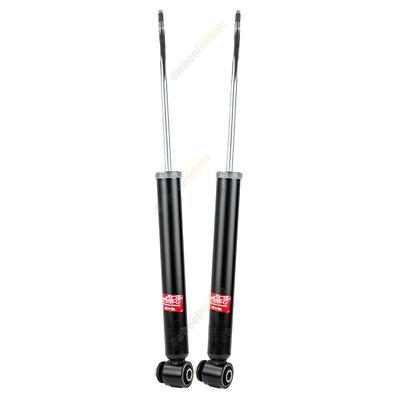
About gas springs & dampers
Gas springs and dampers provide controlled motion and support in mechanical systems. Gas springs, often referred to as gas struts or lift supports, utilize compressed gas to generate a force, typically for lifting or counterbalancing. They consist of a cylinder, piston rod, and seals, with force ratings commonly expressed in Newtons (N) and stroke lengths in millimeters (mm). Variants include standard compression gas springs, tension gas springs, and lockable gas springs which allow for intermediate positioning. Dampers, including rotary and linear types, dissipate kinetic energy to slow motion or absorb shocks. Linear dampers, or shock absorbers, are characterized by their damping force (N) and stroke (mm), while rotary dampers are specified by their torque (Nm) and rotation angle. Common materials for cylinders include steel or stainless steel, with piston rods often chrome-plated or nitride-treated for corrosion resistance and durability. End fittings vary widely, including ball joints, eyelets, and threaded studs (e.g., M6, M8, M10), to suit diverse mounting requirements. Selection hinges on required force, stroke, damping characteristics, and environmental conditions.
How to choose
To select the appropriate gas spring or damper, first determine the required force or torque and the necessary stroke or rotation angle. For gas springs, calculate the lifting or counterbalancing force needed, considering the mass and lever arm. Next, decide on the type: standard compression, tension, or lockable, based on the application's movement and holding requirements. For dampers, specify the damping direction (e.g., extension, compression, or bi-directional) and the desired damping rate. Consider mounting constraints and environmental factors, such as temperature range and exposure to corrosives, to select appropriate materials and end fittings. Finally, verify the available space for installation and ensure compatibility with existing mounting points.