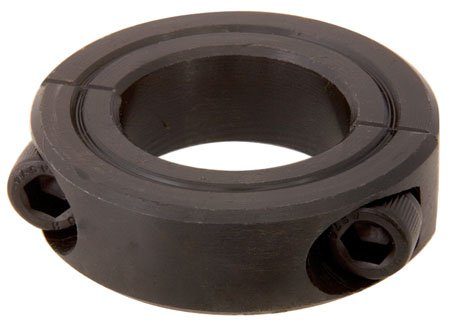
Shaft Collars & Hubs
One-piece, clamping, threaded collars and mounting hubs.
Also searched as: shaft collarsclamping collarset screw collarmounting hub
-
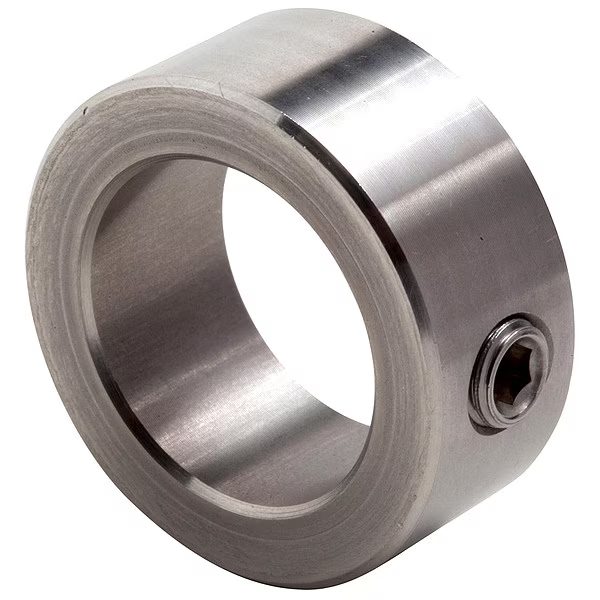
-
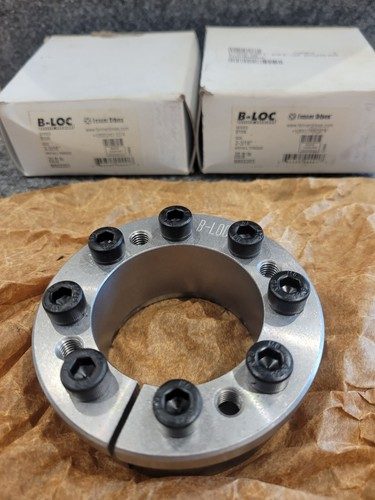
B-LOC B106 1-5/8" Keyless Bushing
Bore: 1-5/8"
-
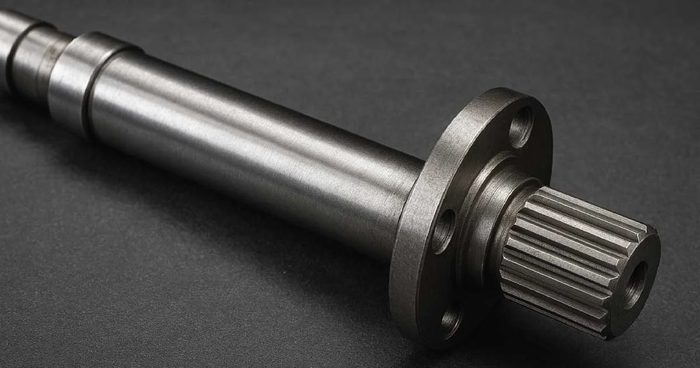
About shaft collars & hubs
Shaft collars are ring-shaped components that secure or position elements on a shaft. They provide axial retention, limit component travel, or serve as datum surfaces for other parts. Common types include one-piece collars, which offer a simple, cost-effective solution for light-duty applications; two-piece collars, which allow for installation and removal without disassembling other shaft components; and clamping collars, which utilize compressive force for a non-marring grip. Set screw collars rely on a direct screw-to-shaft interface, suitable for applications where marring is acceptable. Threaded collars engage with threaded shafts, offering precise axial adjustment and high holding power. Mounting hubs are specialized collars designed with features like bolt patterns or tapped holes to attach sprockets, gears, or other mechanical components to a shaft. Key selection criteria include bore diameter (to match shaft size), outside diameter, width, and holding power. Materials commonly include aluminum, carbon steel (often with a black oxide finish), and stainless steel (303 or 316 for corrosion resistance). Some collars are available with specialized coatings or platings for enhanced durability or specific environmental conditions.
How to choose
To select the appropriate shaft collar or hub, first determine the shaft diameter and the primary function: axial positioning, component retention, or mounting. For positioning or light retention, consider one-piece or two-piece clamping collars. If a non-marring grip is critical, clamping types are preferred over set screw collars. For heavy-duty retention or precise adjustment on a threaded shaft, threaded collars are optimal. If attaching a component like a gear or pulley, a mounting hub with the appropriate bolt pattern or mounting features is necessary. Next, evaluate the required holding power against the collar's specifications. Finally, select the material based on the application's environmental conditions, such as corrosion resistance (stainless steel) or strength requirements (carbon steel).