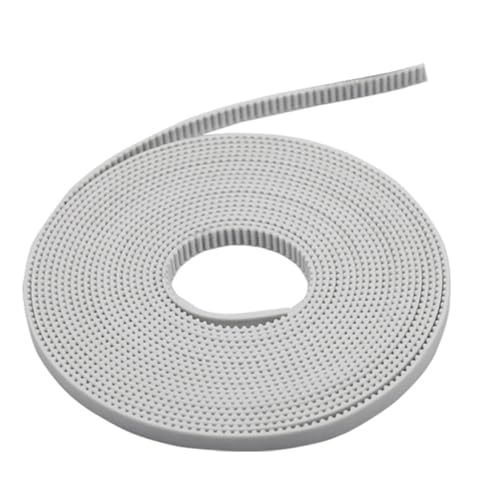
Belts
V-belts, timing belts, flat and ribbed belts by profile and pitch.
Also searched as: v beltstiming beltsgt2 beltserpentine beltpoly v belt
-
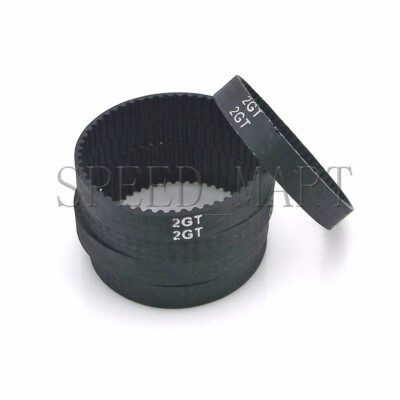
10pcs GT2 100 belt closed loop rubber 2GT 100 6 timing belt Teeth 50 Length 100mm width 6mm
Length: 100mmProfile: GT2Teeth: 50Width: 6mm
-
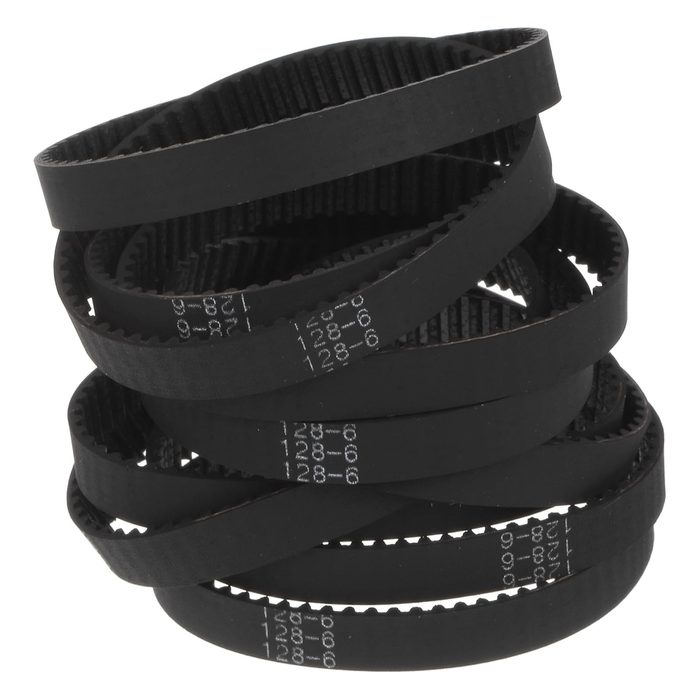
2M GT2 Timing belt length 110/112/114/116/118mm Rubber Arc Tooth Closed Loop 2GT Transmission belt width 3/4/5/6/9/10mm
Length: 110mm, 112mm, 114mm, 116mm, 118mmProfile: GT2Width: 3mm, 4mm, 5mm, 6mm, 9mm, 10mm
-
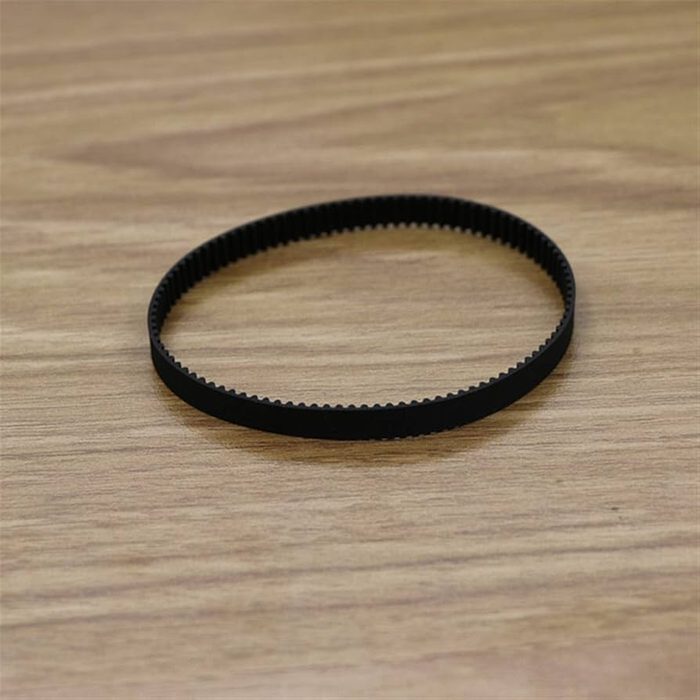
2pcs Gt2/2m 300 310 Closed Loop Rubber 2gt Timing Belt Length 300mm 310mm Width 6mm/9mm/10mm/12mm/15mm
Length: 300mm, 310mmProfile: GT2Width: 6mm, 9mm, 10mm, 12mm, 15mm
-
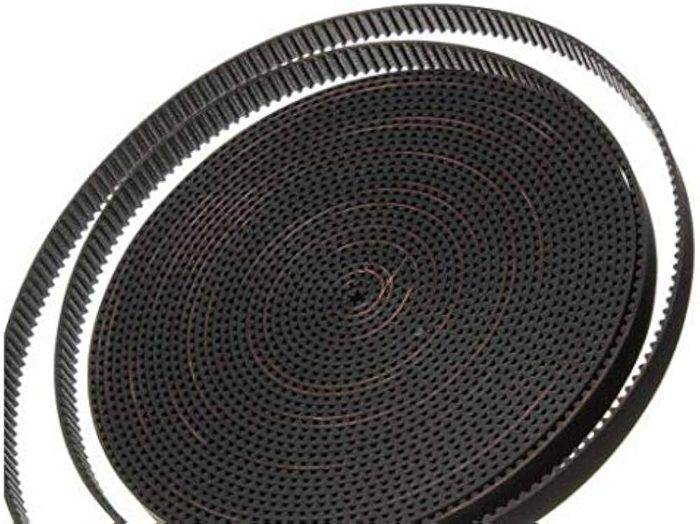
5meters Gt2 Open Timing Belt Width 9mm/10mm/12mm/15mm/20mm 2gt Belt
Length: 5 metersProfile: GT2Width: 9mm, 10mm, 12mm, 15mm, 20mm
-
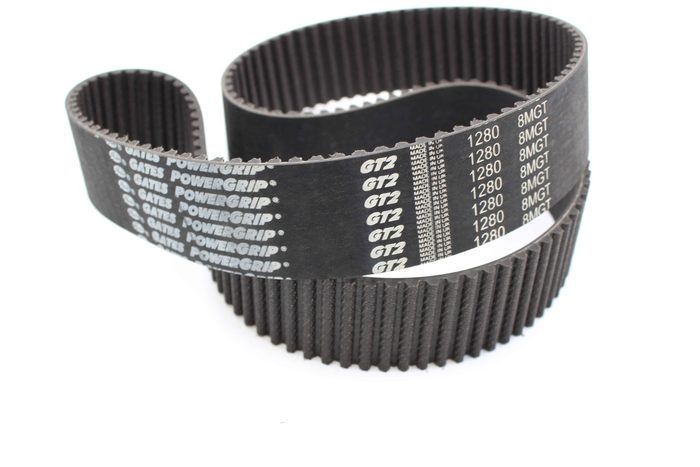
GT2 Timing Belt
Pitch: 2 mmProfile: TrapezoidWidth: 3mm 5mm 6mm 7mm 9mm 10mm 12mm 15mm 20mm
-
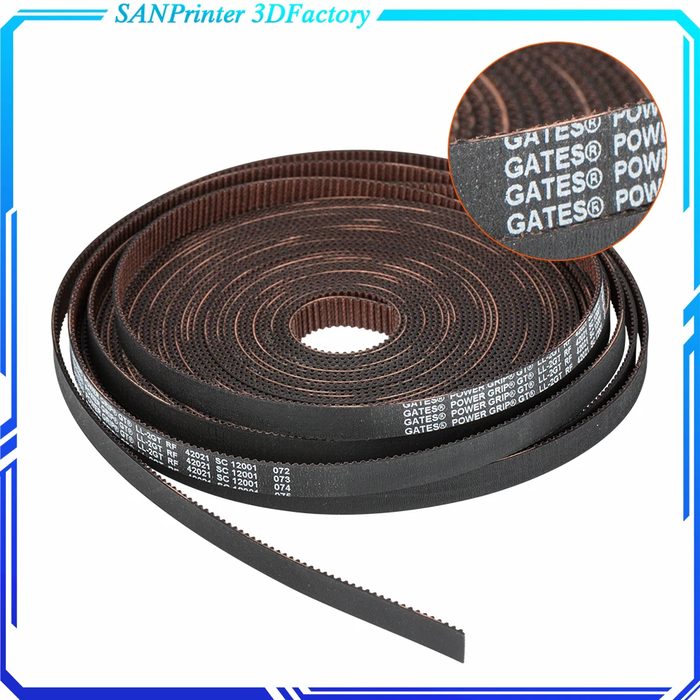
GT2 Timing Belts 3mm 5mm 6mm 7mm 9mm 10mm 12mm 15mm 20mm Rubber with fiberglass Metric Trapezoid open belt
Pitch: 2mmProfile: GT2Width: 3mm, 5mm, 6mm, 7mm, 9mm, 10mm, 12mm, 15mm, 20mm
-
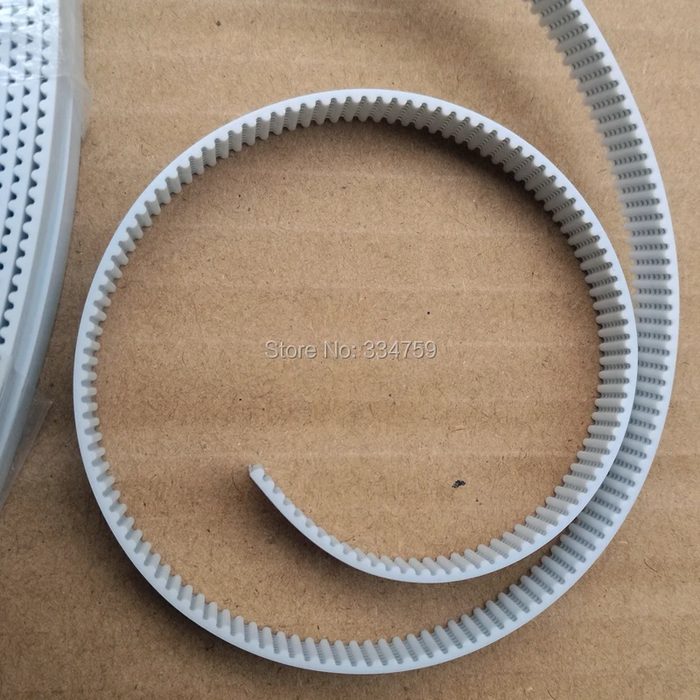
GT2-6mm Open Timing Belt Width 3mm/4mm/5mm/6mm/9mm GT2 Belt PU With Steel Core Belt
Profile: GT2Width: 3mm, 4mm, 5mm, 6mm, 9mm
-
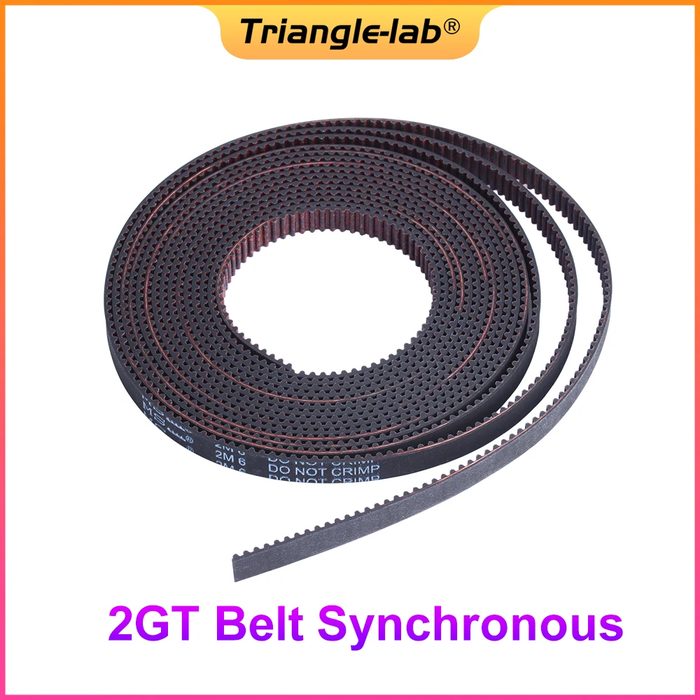
Gates 2GT Belt Synchronous Belt Timing Belt Width 6MM 9MM 10MM 12MM
Profile: GT2Width: 6MM, 9MM, 10MM, 12MM
-
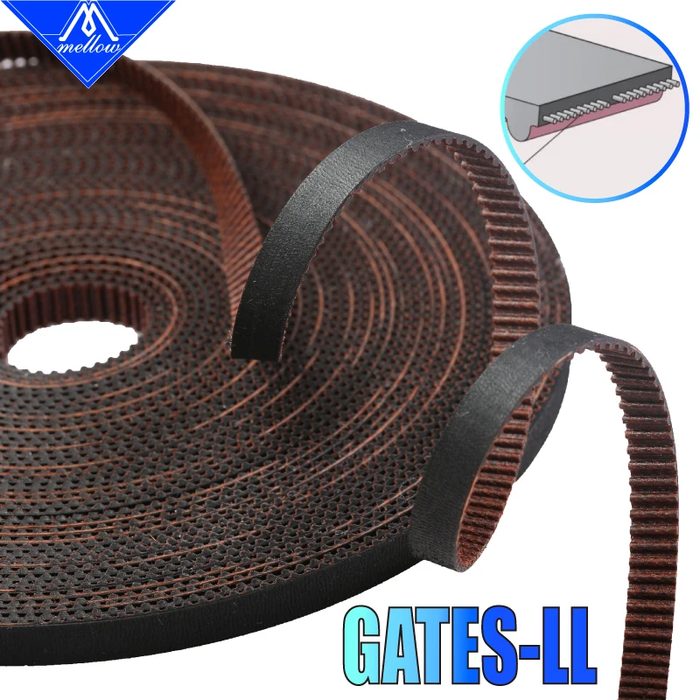
Gates-LL-2GT Gear Synchronous Belt GT2 Width 6mm 9mm 10mm Timing Belt
Profile: GT2Width: 6mm, 9mm, 10mm
About belts
Belts are flexible power transmission components used to transfer energy between two or more pulleys. They are broadly categorized by their cross-sectional profile and intended application. V-belts, including classical (A, B, C, D, E sections), narrow (3V, 5V, 8V), and banded types, rely on a wedging action in the pulley groove for friction-based power transfer. Timing belts, such as HTD, GT2, GT3, GT5, RPP, and T-series profiles, feature teeth that engage with corresponding pulley grooves, providing synchronous, non-slip power transmission for precise positioning or speed control. Flat belts are used for high-speed, low-power applications, while ribbed belts (e.g., Poly-V, J, L, M sections) combine the flexibility of flat belts with the increased contact area of V-belts for higher power density. Key selection parameters include pitch (for timing belts), length (effective, outside, or datum), width, and cross-sectional profile. Materials commonly include neoprene or polyurethane with fiberglass, steel, or aramid tensile cords, offering varying degrees of strength, flexibility, and chemical resistance.
How to choose
Selecting the correct belt involves a sequence of critical decisions. First, determine the application type: synchronous motion and precise indexing require timing belts, while general power transmission typically uses V-belts or ribbed belts. Second, identify the required power and speed, which dictates the belt's cross-sectional profile and material. Higher power often necessitates larger V-belt sections or multi-ribbed profiles. Third, specify the center distance and pulley diameters to calculate the required belt length, ensuring proper tensioning. Fourth, consider the operating environment: extreme temperatures, chemical exposure, or abrasive conditions may necessitate specific material compounds (e.g., polyurethane for oil resistance). Finally, match the belt's pitch and profile to the corresponding pulley, especially crucial for timing belt systems to prevent tooth jumping and ensure accurate power transfer.