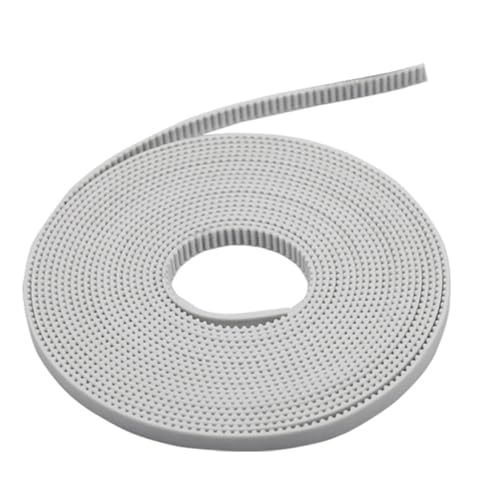
Belts
V-belts, timing belts, flat and ribbed belts by profile and pitch.
Also searched as: v beltstiming beltsgt2 beltserpentine beltpoly v belt
-
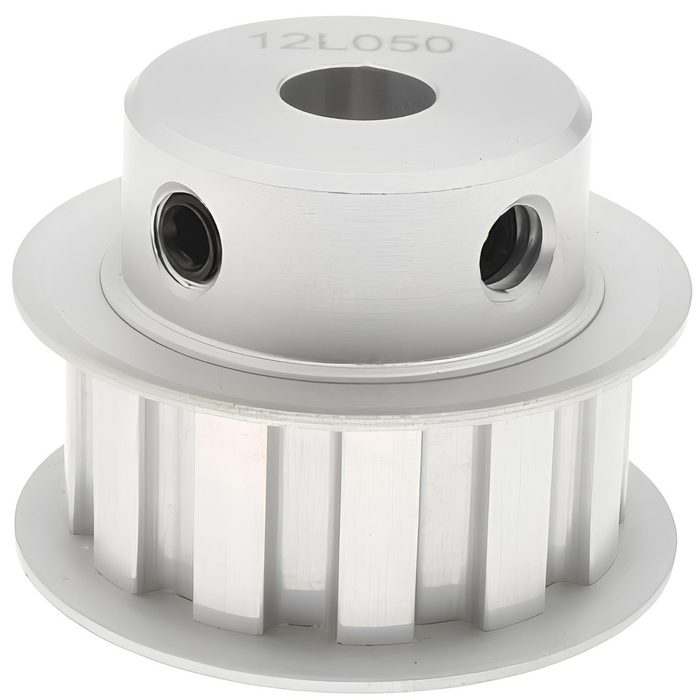
Hub & Flange Timing Belt Pulley
Belt Width: 9.0 mmFace Width: 0.54 inFlange Diameter: 1.375 mmInside Diameter: 1/2"Number of Teeth: 20
-
-
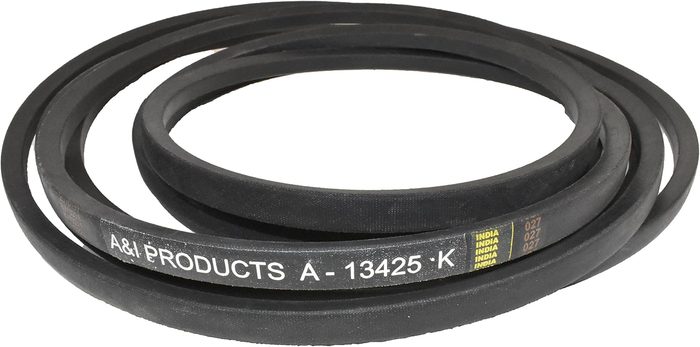
L-POLY-V BELT
Length: 72.5Ribs: 15Thickness: 0.38Type: L Micro Rib
from $119.99Zoro $119.99 -
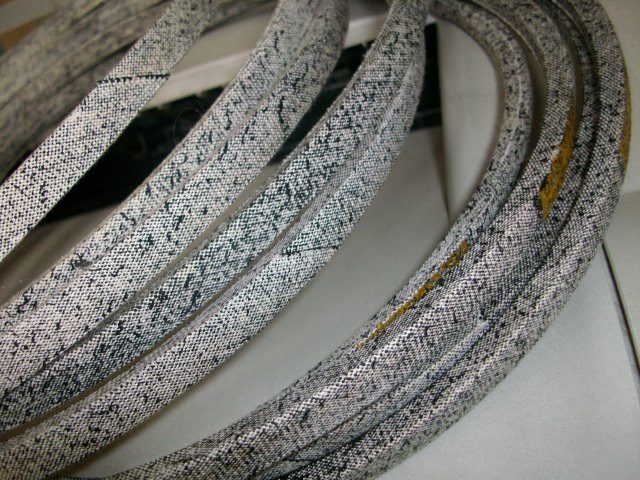 from $0.20Made-in-China $0.20
 -
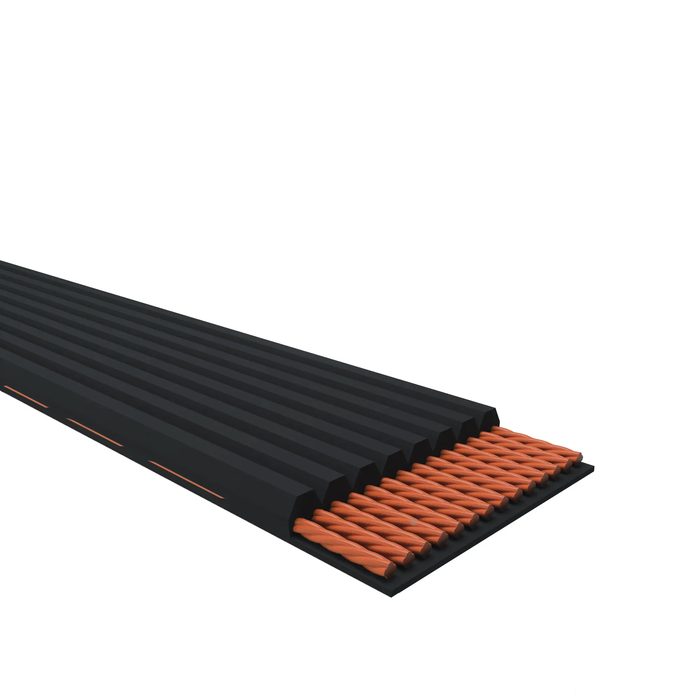
M-POLY-V BELT
Length: 139Ribs: 2Thickness: 0.66Type: M Micro Rib
from $55.29Zoro $55.29 -
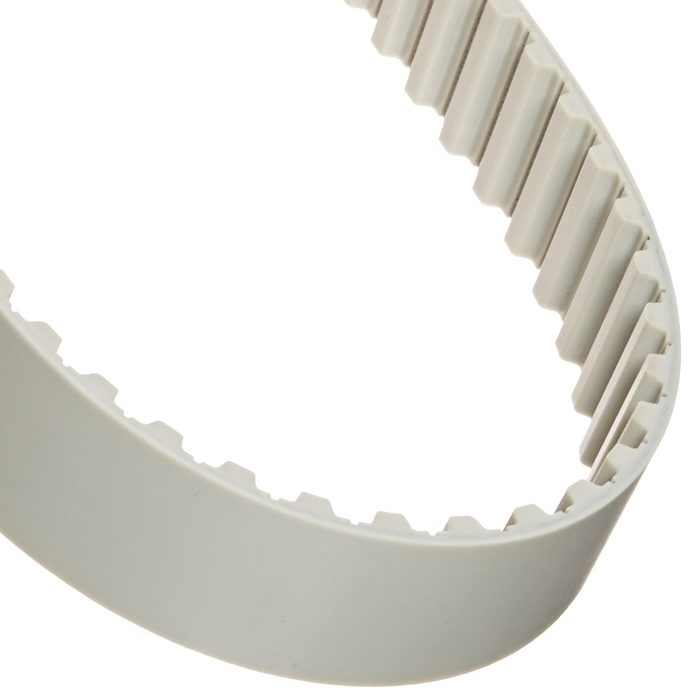
-
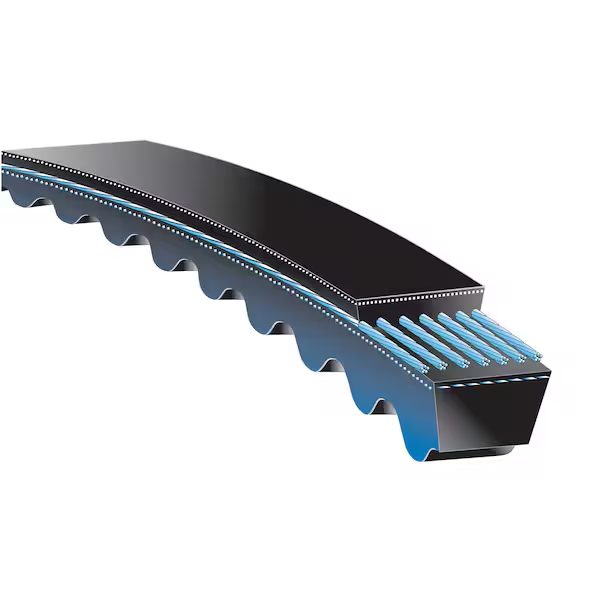
Metric-Power™ V-Belt - XPZ Section, 1 Band, 1487 mm Outside Length, Cogged
Bands: 1Features: CoggedOutside Length: 1487 mmSection: XPZ
from $22.16Motion Industries $22.16 -
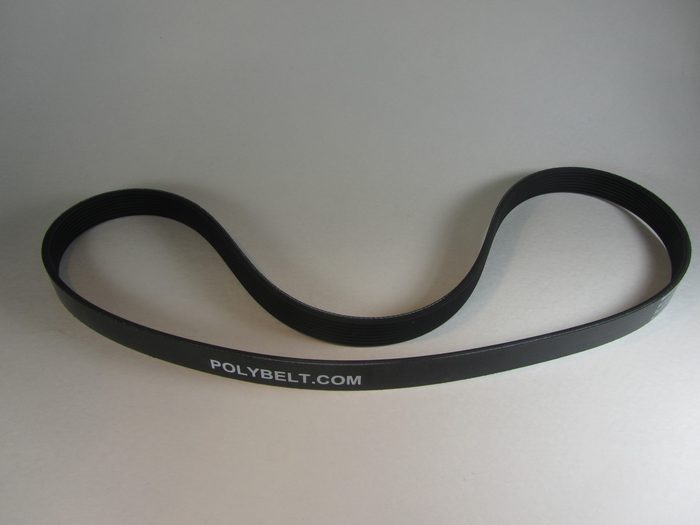
Micro Rib Groove Flat Belt 480-J-6, 6-rib
Profile: JRibs: 6Width: 9/16"
-
-
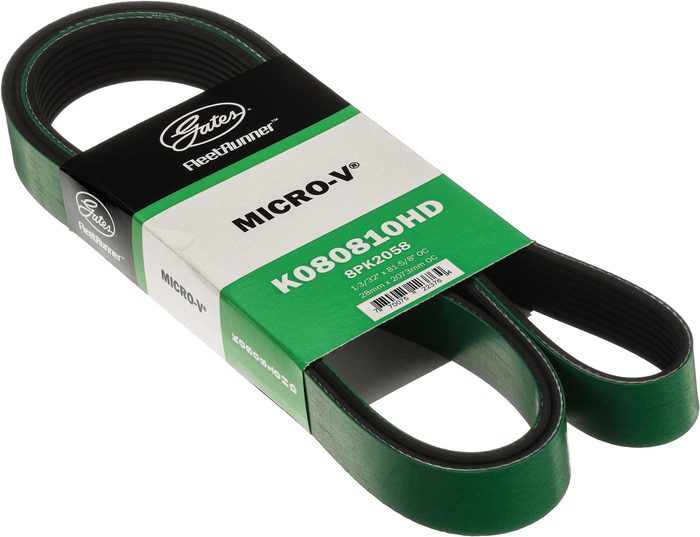
Micro V Belt
Type: V Belt
-
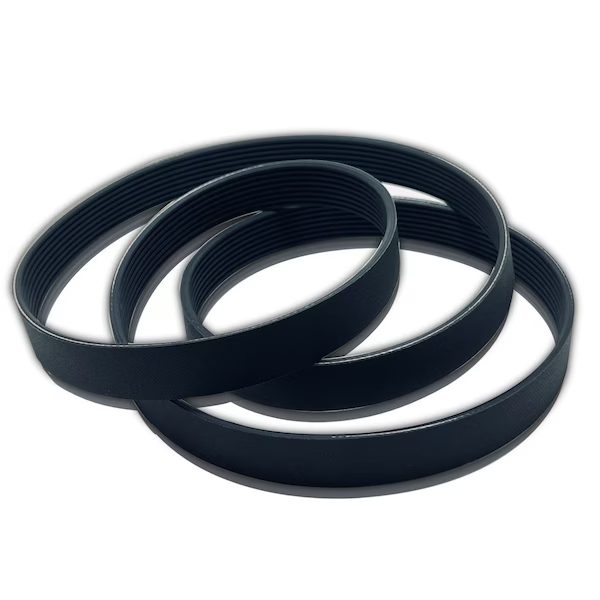
Micro rib Poly V Belt K Section
Section: K
from $47.69Zoro $47.69 -
Micro rib Poly V Belt K Section
Section: K
from $40.99Zoro $40.99 -
Micro rib Poly V Belt K Section
Section: K
from $49.99Zoro $49.99 -
Micro rib Poly V Belt K Section 970K7
Section: K
from $55.89Zoro $55.89 -
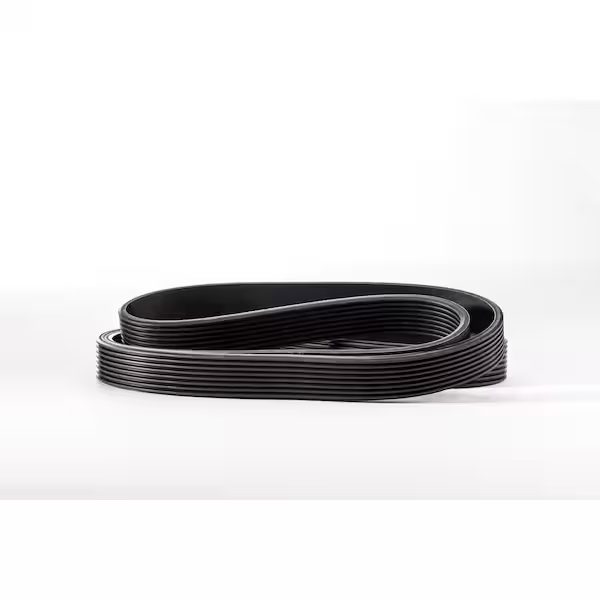 from $28.69Zoro $28.69
 -
-
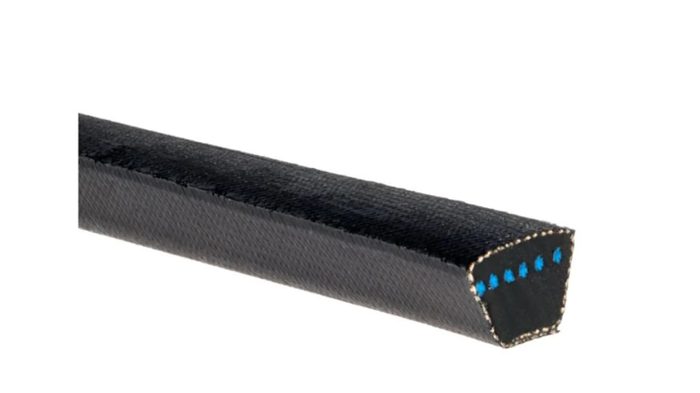
Narrow V-Belt 8V2300, 230" Outer Length x 7/8" Thick
Outer Length: 230 "Thickness: 7/8 "
-
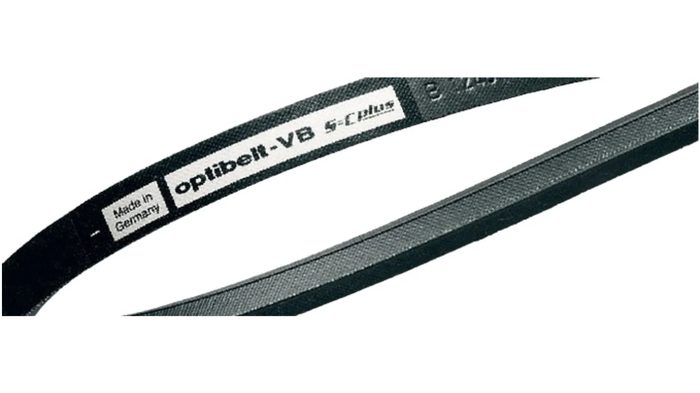
Omega Synchronous Timing Belt 14M, 14 mm Pitch, 1778 mm Overall Length, 85 mm Width, 127 Teeth
Overall Length: 1778 mmPitch: 14 mmTeeth: 127Width: 85 mm
-
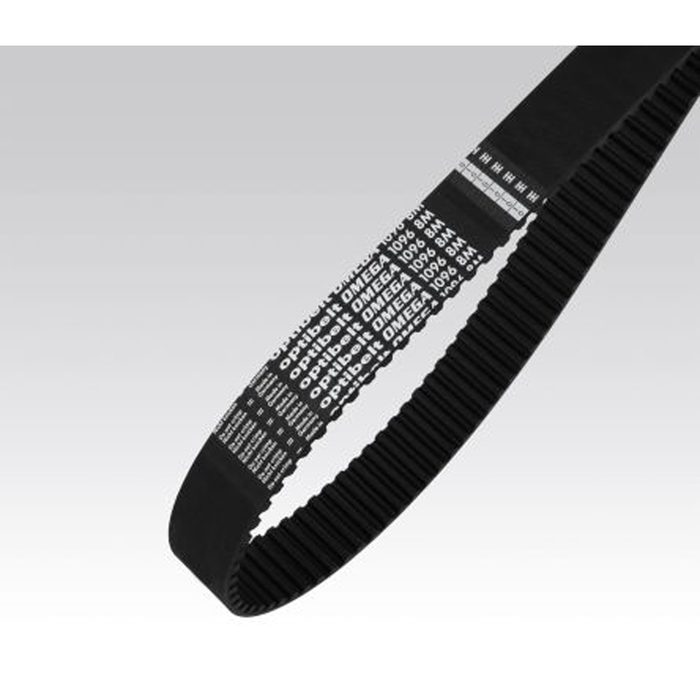
Omega Synchronous Timing Belt 5M, 5 mm Pitch, 255 mm Overall Length, 15 mm Width, 51 Teeth
Overall Length: 255 mmPitch: 5 mmTeeth: 51Width: 15 mm
-
-
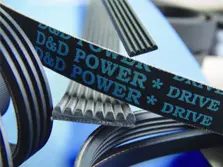
Poly V Belt
Length: 534 inProfile: J2Ribs: 2
from $11.97Zoro $11.97 -
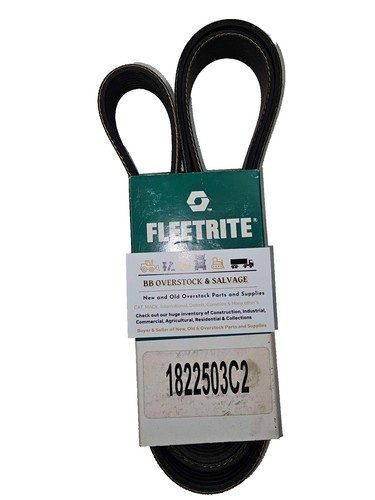
Poly V Belt
Length: 615 inProfile: L2Ribs: 3
from $18.25Zoro $18.25 -
Poly V Belt
Length: 60 inProfile: J2Ribs: 5
from $10.45Zoro $10.45 -
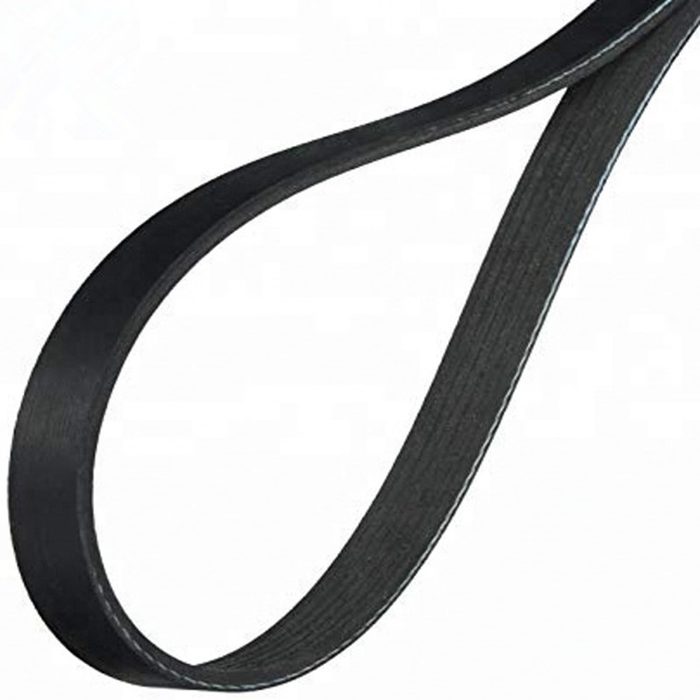
Poly V Belt
Profile: V Ribbed
from $2.00Made-in-China $2.00 -
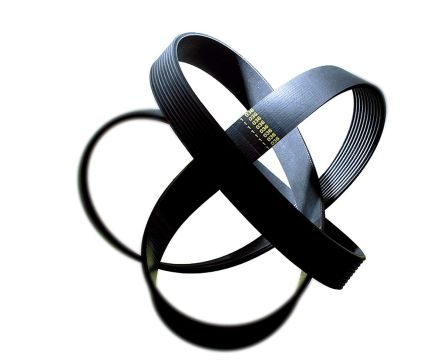
-
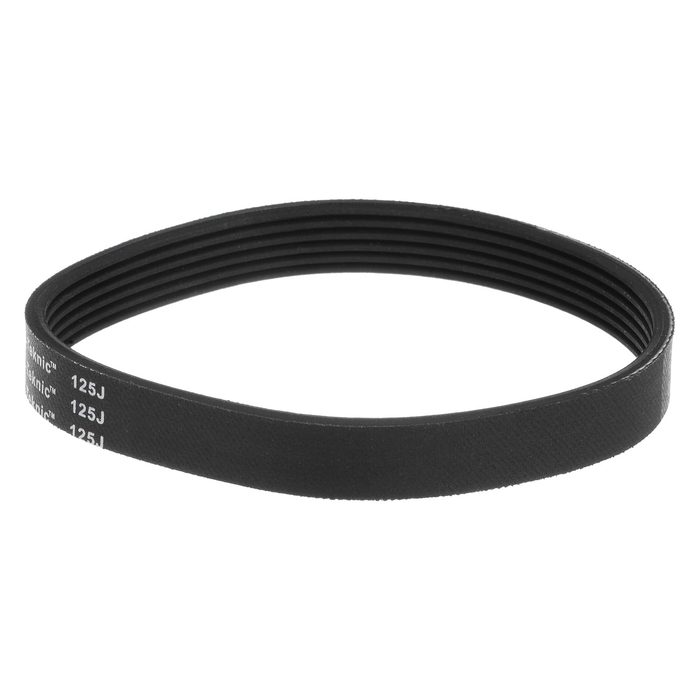
Poly V Belt 125J6, 6 Ribs PJ
Profile: PJRibs: 6
-
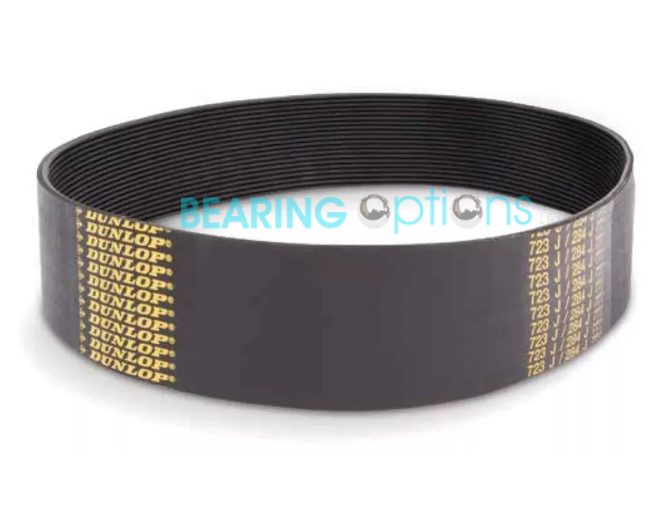
Poly V Belt J Section 711mm / 28" Long
Length: 711 mmPitch: 2.34 mmSection: J
from $14.78eBay $14.78 -
Poly V Belt J Section With 3 Ribs - 711mm/28.0" Length
Length: 711 mmRibs: 3Section: J
from $8.95eBay $8.95 -
-
-
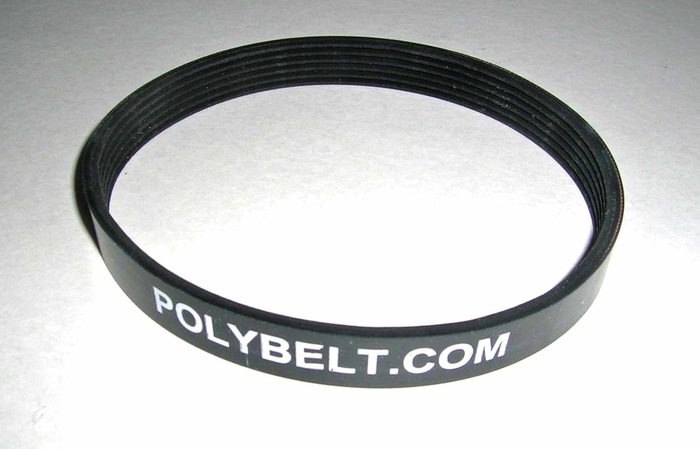
Poly V Micro-V Ribbed V-Belt 200J10
Ribs: 10
from $18.99eBay $18.99 -
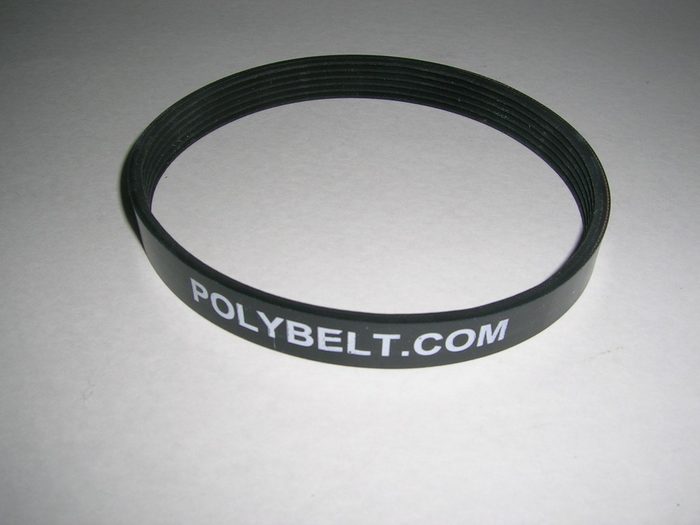
Poly V Micro-V V-Belt 250J6
Length: 25 inSection: J
from $15.99eBay $15.99 -
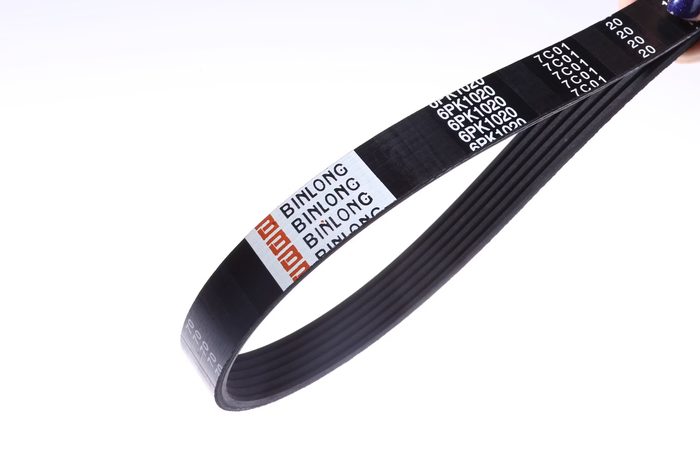
Poly V Ribbed Belt PK Fan Belt
Profile: PKRibs: 3
-
-
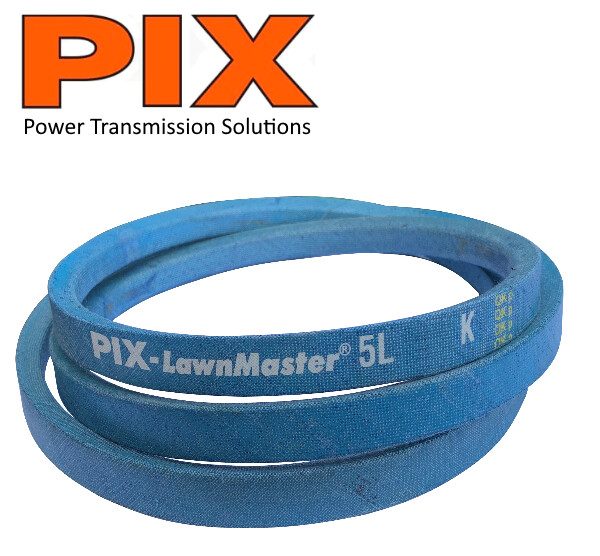
Poly V-Belt 7PH515, PH-7 Rib
Length: 6.7 inProfile: PHRibs: 7
-
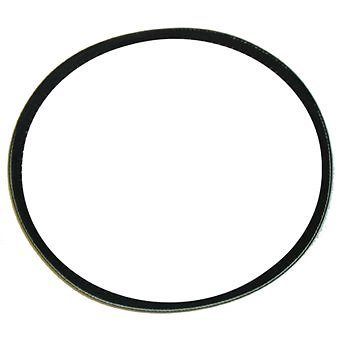
Poly V-Belt for Target/Felker Saws
Grooves: 6
from $29.99eBay $29.99
About belts
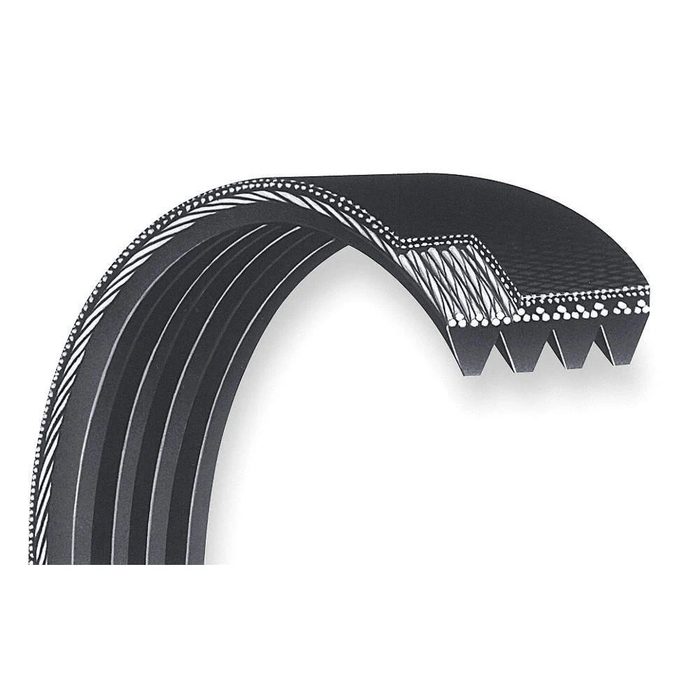
Belts are flexible power transmission components used to transfer energy between two or more pulleys. They are broadly categorized by their cross-sectional profile and intended application. V-belts, including classical (A, B, C, D, E sections), narrow (3V, 5V, 8V), and banded types, rely on a wedging action in the pulley groove for friction-based power transfer. Timing belts, such as HTD, GT2, GT3, GT5, RPP, and T-series profiles, feature teeth that engage with corresponding pulley grooves, providing synchronous, non-slip power transmission for precise positioning or speed control. Flat belts are used for high-speed, low-power applications, while ribbed belts (e.g., Poly-V, J, L, M sections) combine the flexibility of flat belts with the increased contact area of V-belts for higher power density. Key selection parameters include pitch (for timing belts), length (effective, outside, or datum), width, and cross-sectional profile. Materials commonly include neoprene or polyurethane with fiberglass, steel, or aramid tensile cords, offering varying degrees of strength, flexibility, and chemical resistance.
How to choose
Selecting the correct belt involves a sequence of critical decisions. First, determine the application type: synchronous motion and precise indexing require timing belts, while general power transmission typically uses V-belts or ribbed belts. Second, identify the required power and speed, which dictates the belt's cross-sectional profile and material. Higher power often necessitates larger V-belt sections or multi-ribbed profiles. Third, specify the center distance and pulley diameters to calculate the required belt length, ensuring proper tensioning. Fourth, consider the operating environment: extreme temperatures, chemical exposure, or abrasive conditions may necessitate specific material compounds (e.g., polyurethane for oil resistance). Finally, match the belt's pitch and profile to the corresponding pulley, especially crucial for timing belt systems to prevent tooth jumping and ensure accurate power transfer.