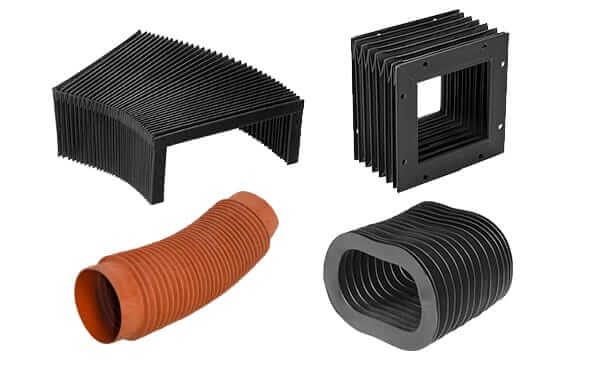
Bellows, Boots & Way Covers
Protective bellows, rod boots and machine way covers.
Also searched as: bellowsrod bootway coverdust bootprotective bellows
-
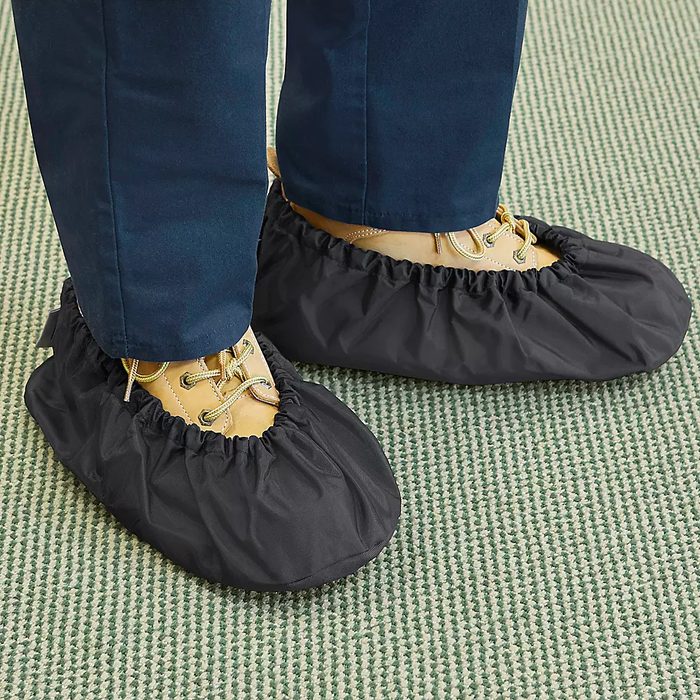
Reusable Shoe Covers
Color: BlackSize: Small
-
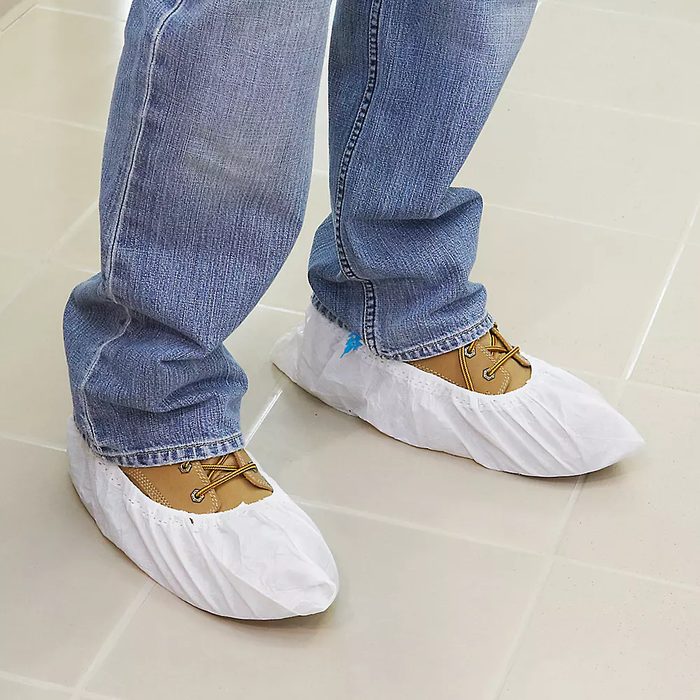
-
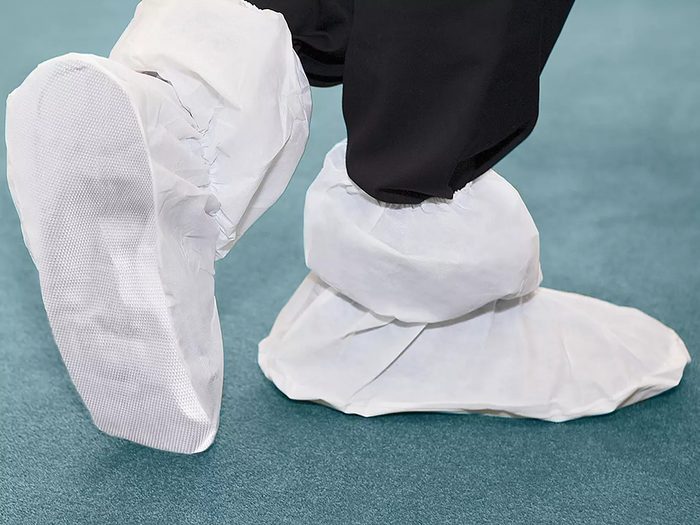
Vinyl Sole Boot Covers
Height: 10"Size: 12-15
-
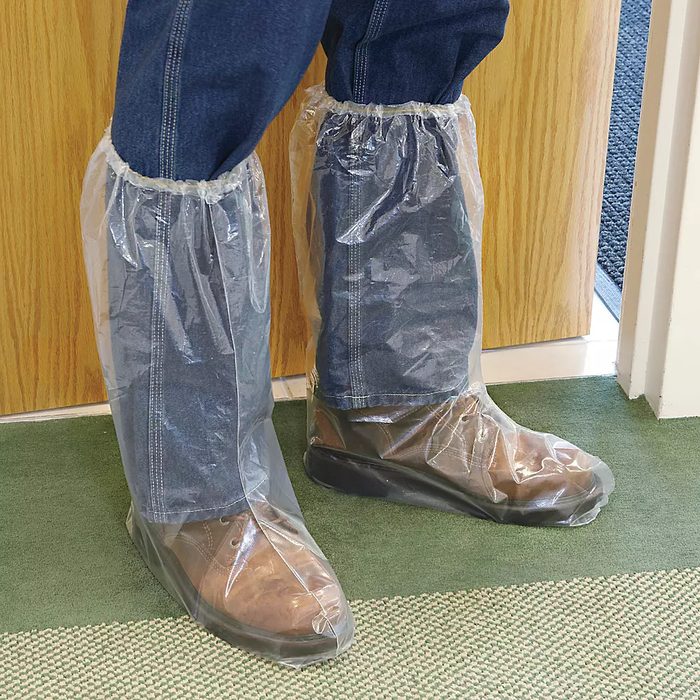
Waterproof Boot Covers
Height: 19.5"
About bellows, boots & way covers
Bellows, boots, and way covers are flexible, protective enclosures designed to shield critical machine components from contaminants such as dust, chips, lubricants, and moisture. Bellows are typically convoluted structures, often cylindrical or rectangular, providing axial and lateral movement while maintaining a sealed environment. Rod boots are a specialized form of bellows, commonly used to protect piston rods, lead screws, and linear guides, and are frequently specified by compressed and extended length, internal diameter, and external diameter. Way covers, conversely, are designed to protect machine tool guideways and can be roll-up, telescopic, or stitched fabric types, selected based on travel length, speed, and environmental conditions. Common materials include various elastomers such as Neoprene, Viton, and EPDM for chemical resistance and temperature range, as well as thermoplastic materials like PVC and polyurethane for durability and abrasion resistance. Fabric-reinforced materials are also prevalent, offering enhanced strength and tear resistance for demanding applications. Selection criteria include operating temperature, chemical exposure, abrasion resistance, and required stroke or compression ratio.
How to choose
When selecting bellows, boots, or way covers, first define the protected component's required stroke or travel and its critical dimensions, including compressed and extended length, and internal/external diameters. Second, assess the operating environment: identify potential contaminants (dust, chips, oils, chemicals) and the temperature range. This informs material selection, prioritizing chemical resistance, abrasion resistance, or temperature stability. Third, consider the mounting interface and available space, determining if a cylindrical, rectangular, or custom shape is necessary, and if specific flange or collar designs are required for integration. Finally, evaluate the expected duty cycle and speed of operation to ensure the chosen protection system can withstand dynamic stresses without premature failure.