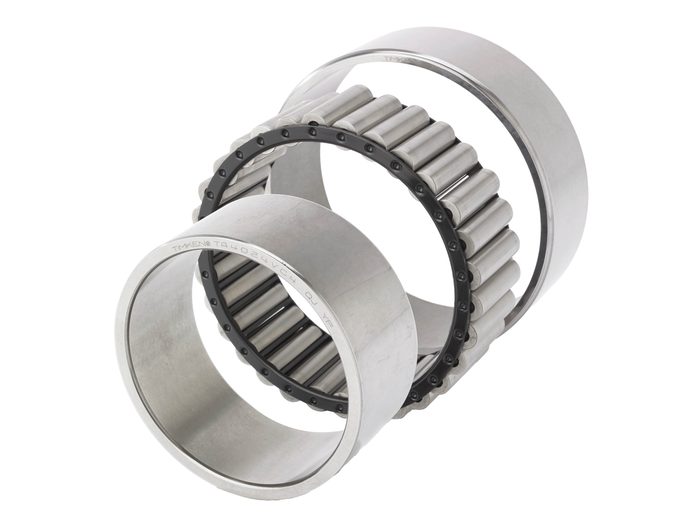
Roller Bearings
Tapered, cylindrical, spherical and needle roller bearings.
Also searched as: tapered rollerneedle bearingscylindrical rollerspherical roller
-
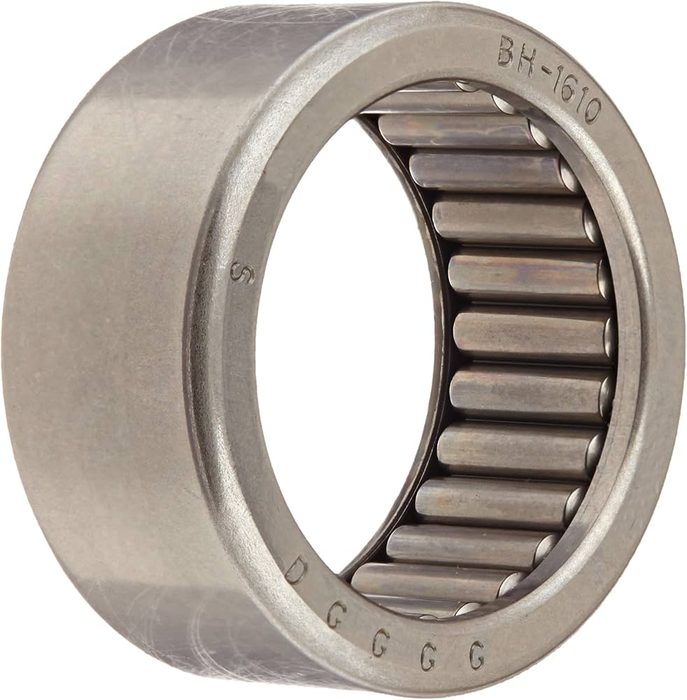
Drawn Cup Needle Roller Bearing - Open Ends with Full Complement, 1 in Bore, 1-5/16 in OD, 1 in Width
Bore: 1 inOutside Diameter: 1-5/16 inWidth: 1 in
-
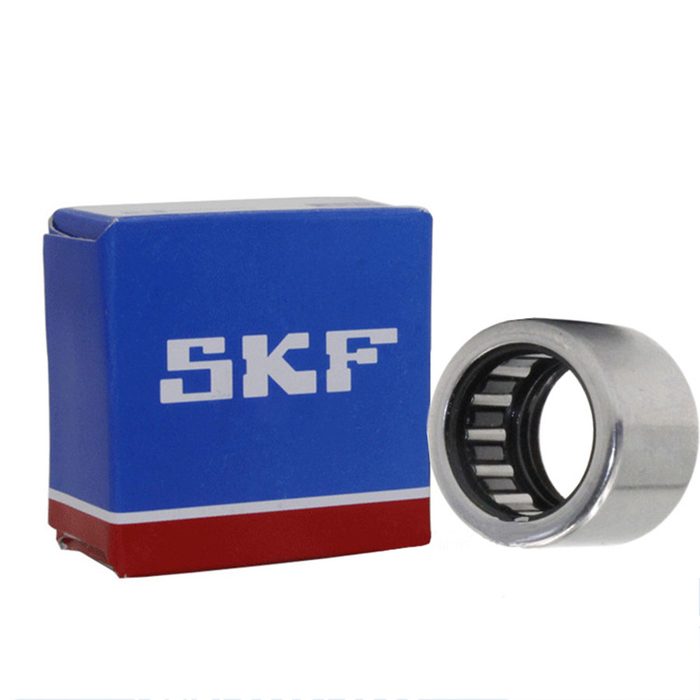
Drawn Cup Needle Roller Bearing - Open Ends, 30 mm Bore, 37 mm OD, 12 mm Width
Bore: 30 mmOutside Diameter: 37 mmWidth: 12 mm
from $25.42Motion Industries $25.42 -
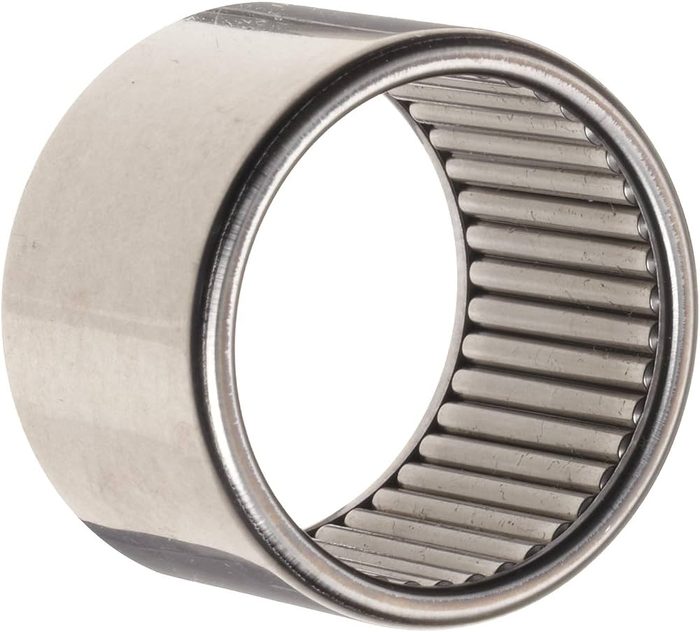
Needle Roller Bearing Inner Ring - 1.5000 in Bore, 1.7500 in OD, 25.78 mm Width
Bore: 1.5 inchOutside Diameter: 1.75 inchWidth: 25.78 mm
-
-
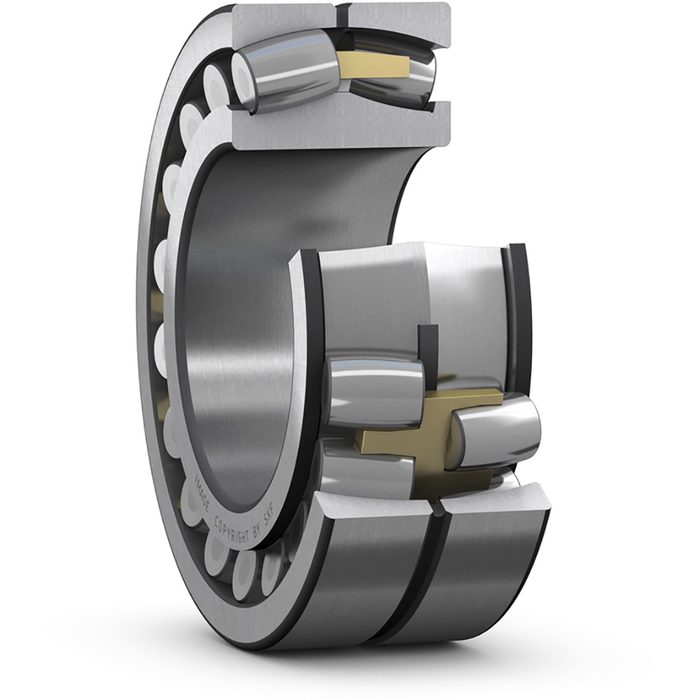
Spherical Roller Bearing - 100 mm Bore Diameter, 180 mm Outside Diameter, 60.30 mm Overall Width, Straight Bore
Bore Diameter: 100 mmBore Type: StraightCage Type: SheetOuter Ring Type: Not SplitOutside Diameter: 180 mm
-
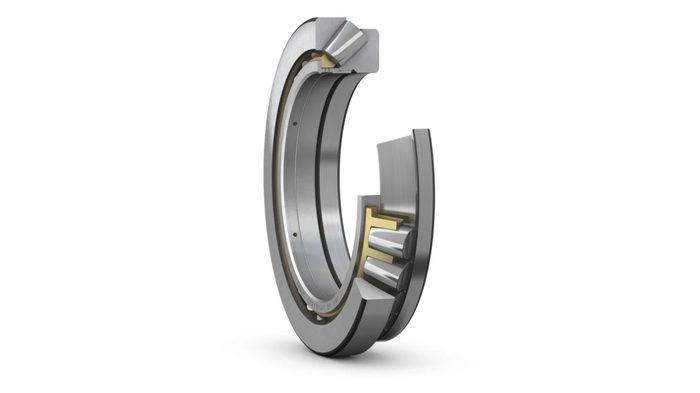
Spherical Roller Bearing - 190 mm Bore Diameter, 290 mm Outside Diameter, 100 mm Overall Width, Straight Bore
Bore Diameter: 190 mmBore Type: StraightOuter Ring Type: Not SplitOutside Diameter: 290 mmOverall Width: 100 mm
-
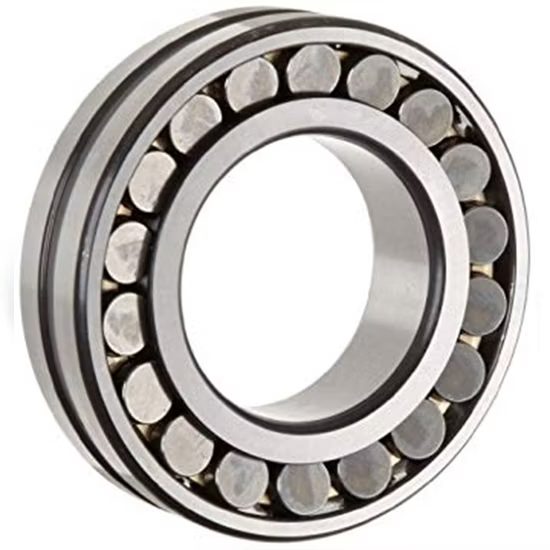
Spherical Roller Bearing - 440 mm ID, 720 mm OD, 226 mm Width, Straight Bore, Open, CN
Bore Type: StraightClosure Type: OpenID: 440 mmInternal Clearance: CNOD: 720 mm
-
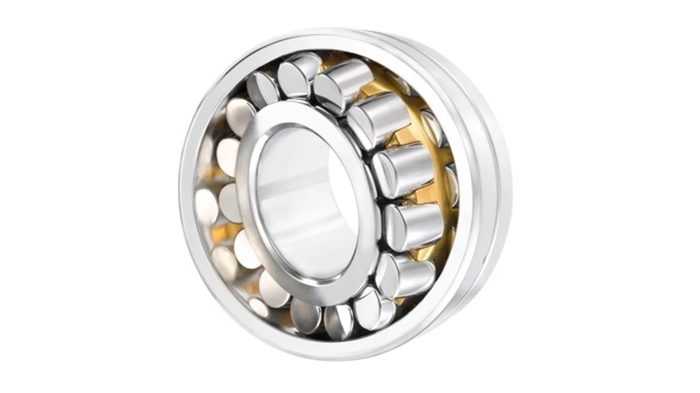
Spherical Roller Bearing - 45 mm ID, 100 mm OD, 36 mm Width, Straight Bore, Open, C4
Bore Type: StraightClosure Type: OpenID: 45 mmInternal Clearance: C4OD: 100 mm
-
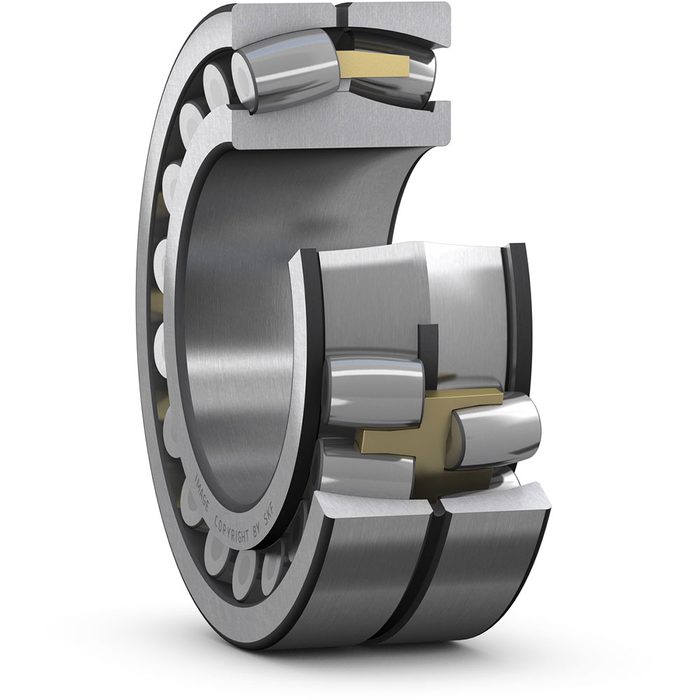
Spherical Roller Bearing - 600 mm Bore Diameter, 980 mm Outside Diameter, 300 mm Overall Width, Tapered 1:12 Bore, Open Closure
Bore Diameter: 600 mmBore Type: Tapered 1:12Cage Type: Machined metalClosure Type: OpenOutside Diameter: 980 mm
-
Spherical Roller Bearing 23060 CC/W33
Bore Diameter: 300 mmBore Type: StraightCage Type: Sheet metalOuter Ring Type: Not SplitOutside Diameter: 460 mm
-
Spherical Roller Bearing BS2-2205-2RS/VT143
Bore: 25 mmBore Type: StraightOutside Diameter: 52 mmSeal: 2RSWidth: 23 mm
-
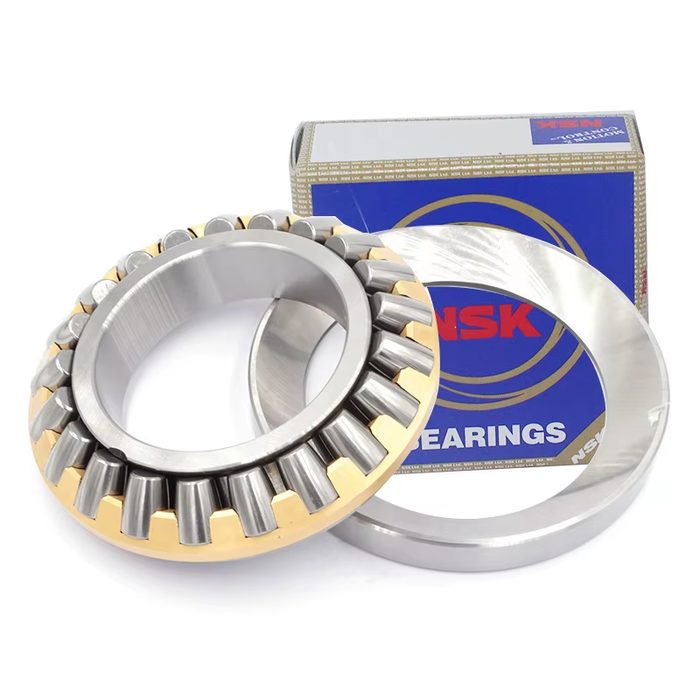
Spherical Roller Thrust Bearing - 140 mm Bore, 280 mm OD, 280 mm Width
Bore: 140 mmOD: 280 mmWidth: 280 mm
-
-
-
-
About roller bearings
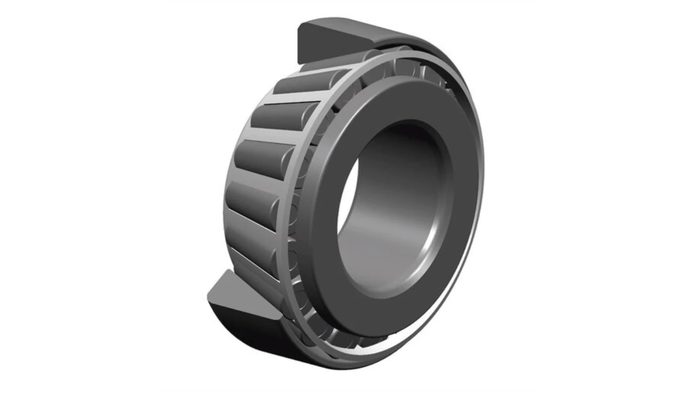
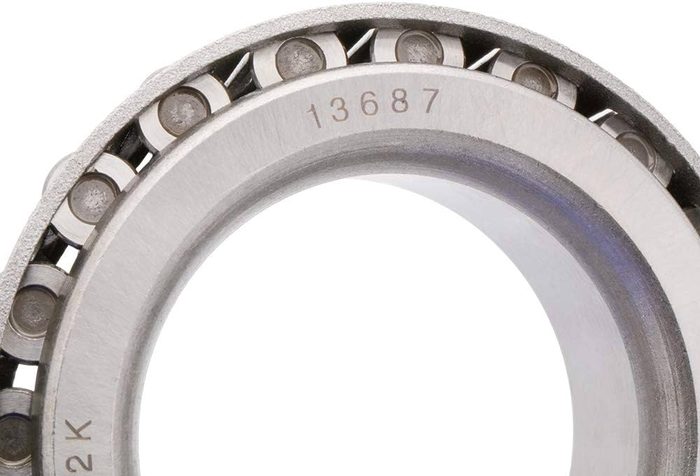
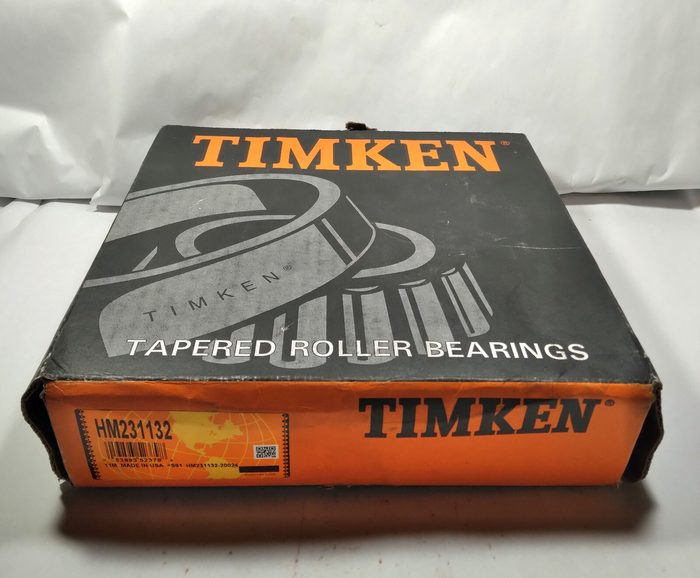
Roller bearings are non-thrust rolling-element bearings that utilize cylindrical rolling elements to reduce friction and support radial loads. They are categorized primarily by the geometry of their rolling elements: cylindrical, spherical, tapered, and needle. Cylindrical roller bearings, often designated with prefixes like NU, N, NJ, and NUP, offer high radial load capacity and are suitable for high-speed applications. Spherical roller bearings, typically in series such as 22200 and 23200, are self-aligning and can accommodate angular misalignment, making them ideal for applications with shaft deflection or mounting errors; they also handle significant radial and moderate axial loads. Tapered roller bearings, common series include 30200, 30300, and 32200, are designed to support both radial and axial loads simultaneously due to their conical rolling elements and raceways. Needle roller bearings, characterized by rollers with a length-to-diameter ratio greater than 3:1, offer a very compact design for high load capacity in constrained spaces. Key selection parameters include bore diameter (d), outside diameter (D), width (B), dynamic load rating (Cr), static load rating (Cor), and limiting speed. Common materials include chrome steel (e.g., AISI 52100) for rings and rollers, with cages typically made from pressed steel, polyamide, or brass. Surface treatments or specialized materials are available for corrosive or high-temperature environments.
How to choose
Selecting a roller bearing begins with defining the primary load type: purely radial, combined radial and axial, or predominantly axial. For purely radial loads, cylindrical or needle roller bearings are often considered. If the application involves significant axial loads in addition to radial, tapered roller bearings are a strong candidate. For applications with potential shaft misalignment or deflection, spherical roller bearings are preferred due to their self-aligning capability. Next, determine the required load capacity (dynamic and static) and the maximum operating speed. These parameters will narrow down the appropriate bearing series and size. Finally, consider environmental factors such as temperature, contamination, and lubrication requirements, which influence material selection, sealing options, and cage type. Space constraints are critical for needle roller bearings.