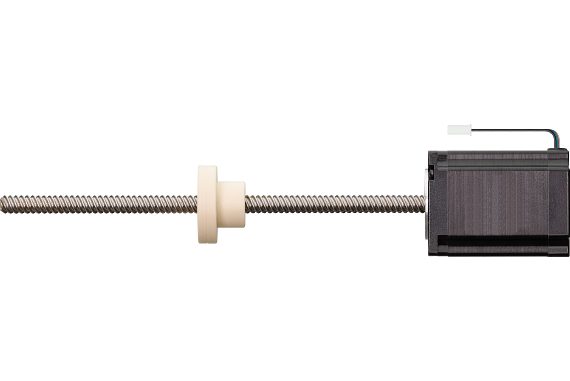
Ball Screws & Lead Screws
Rolled and ground ball screws, ACME lead screws and nuts.
Also searched as: ballscrewacme screwlead screwsfu1605trapezoidal screw
-
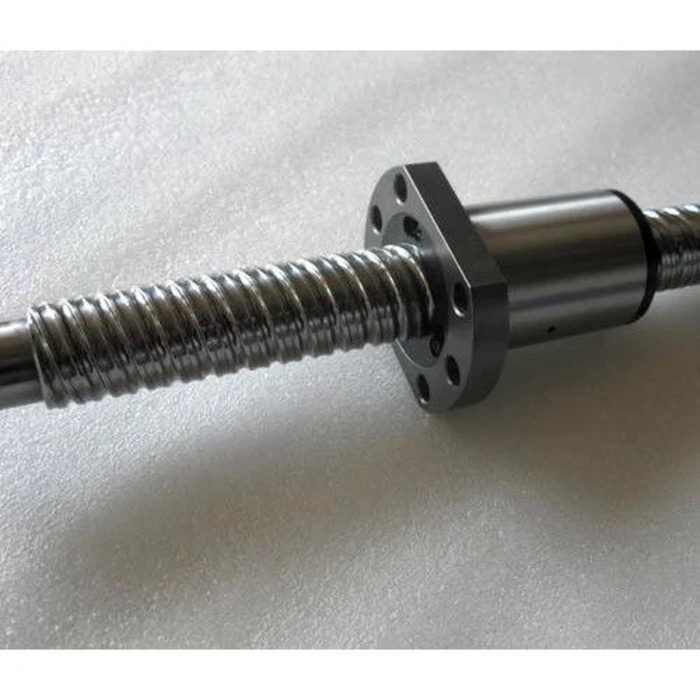
Ballscrew Nut
Lead Width: 1/8"Thread Length: 0.315"
-
Ballscrew Nut
Thread Length: 0.76 in
-
Ballscrew Nut
Thread Length: 0.61"
-
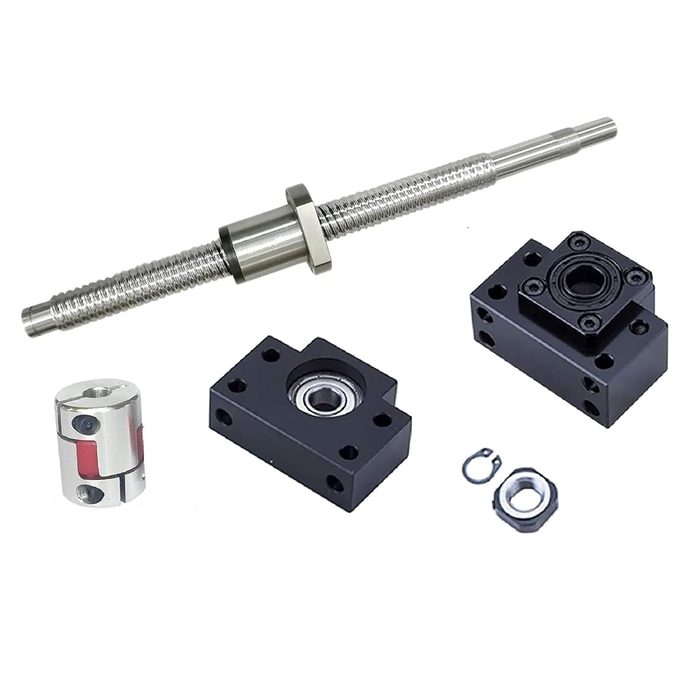
Ballscrew SFS1210
Diameter: 12 mmLength: 1180 mm
from $366.48Amazon $366.48 -
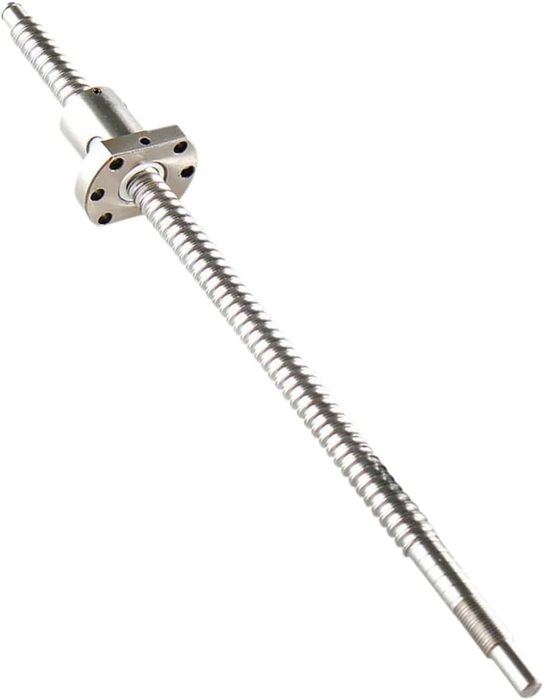
Ballscrew SFU1204
Diameter: 12 mmLength: 700 mm
from $75.41Amazon $75.41 -
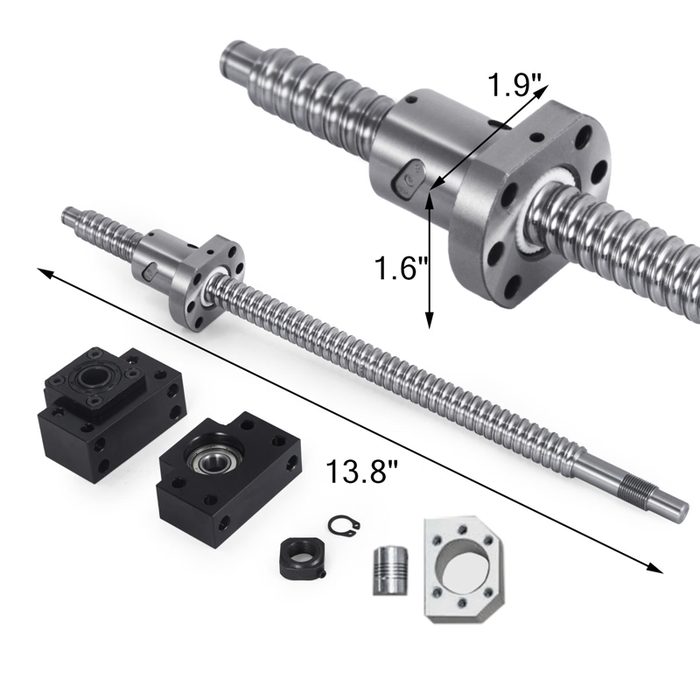
Ballscrew SFU1204
Length: 250-1500mm
-
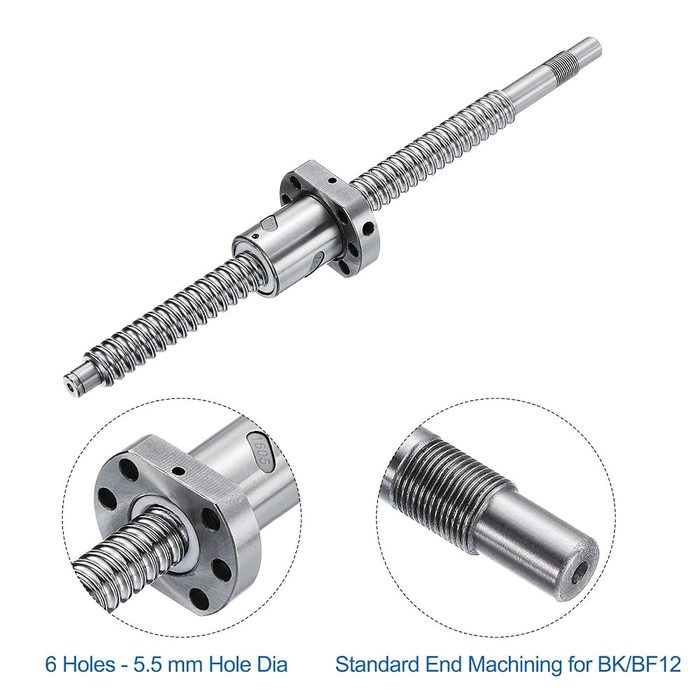
Ballscrew SFU1605
Length: 250-...
-
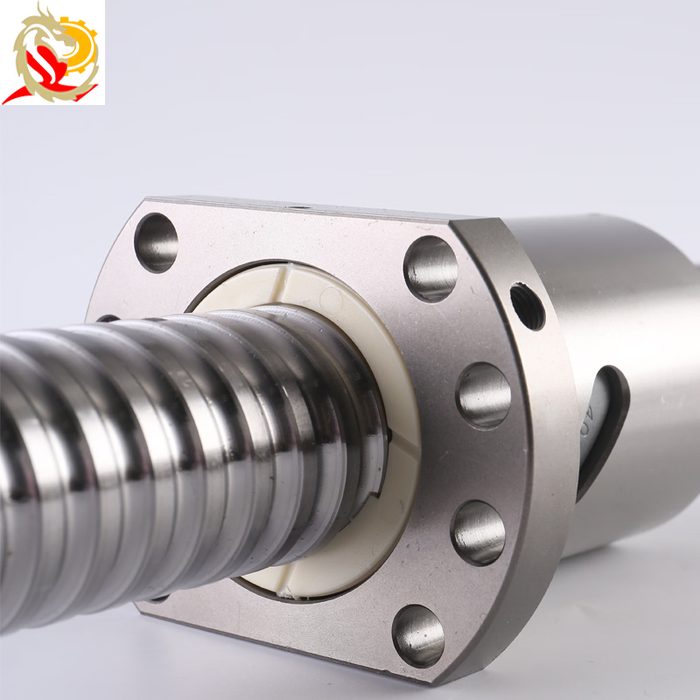
Ballscrew SFU3205 Rolled Ball Screw Ballnut
Accuracy Class: C7Screw Diameter: 32mmScrew Pitch (Lead): 5mm
-
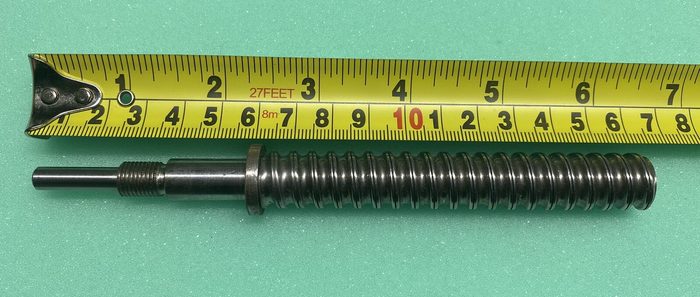
Ballscrew Shaft
Length: 162 mm
from $30.00eBay $30.00 -
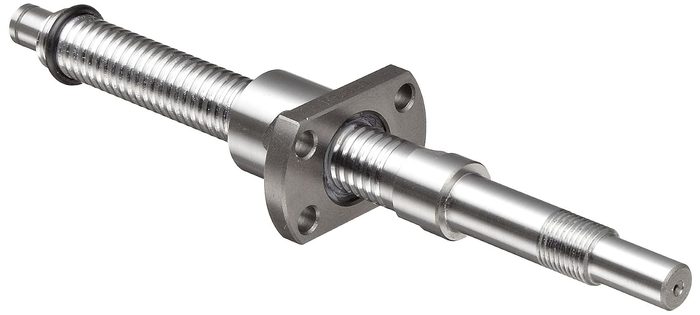
Ballscrew Shaft
Length: 96"Width: 0.250 mm
-
Ballscrew Shaft
Length: 96 in
-
Ballscrew Shaft
Lead Width: 0.125 inLength: 36"
-
Ballscrew Shaft
Length: 48"
-
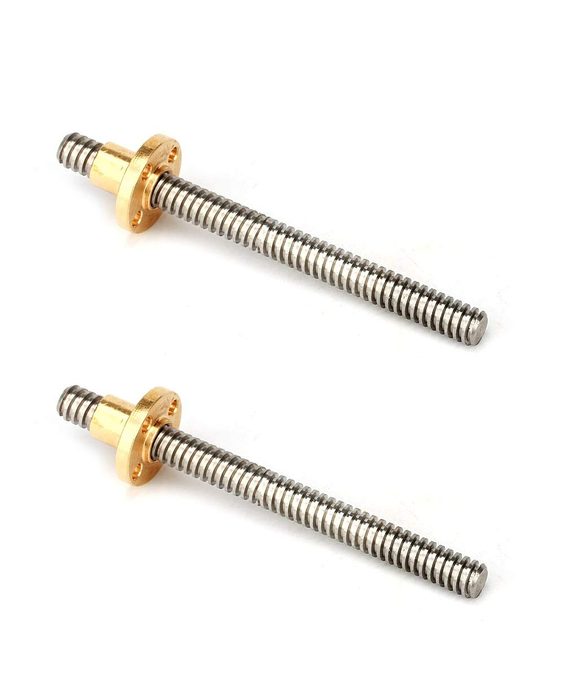
Brass T8 Nut Trapezoidal Screw
Diameter: 8 mmLead: 8 mmPitch: 2 mm
-
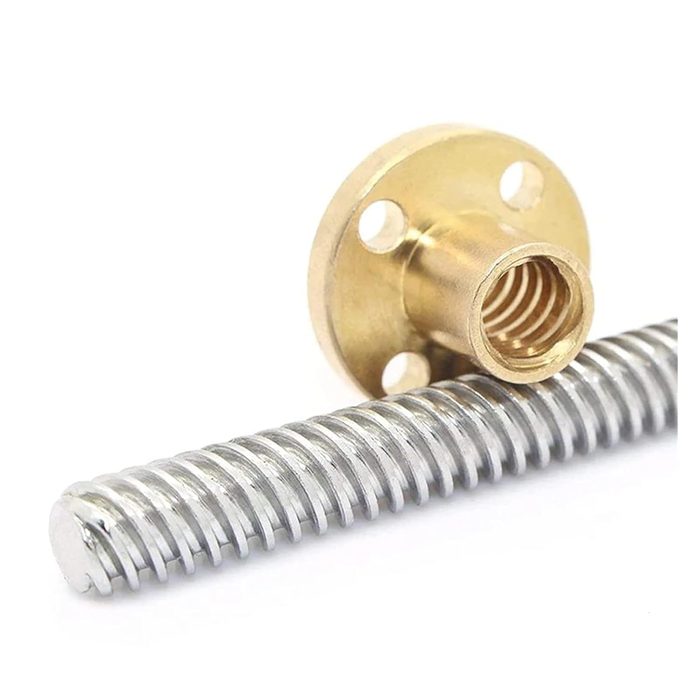
Brass T8 Screw Trapezoidal Nut Linear Screw
Thread Size: 8 mm
-
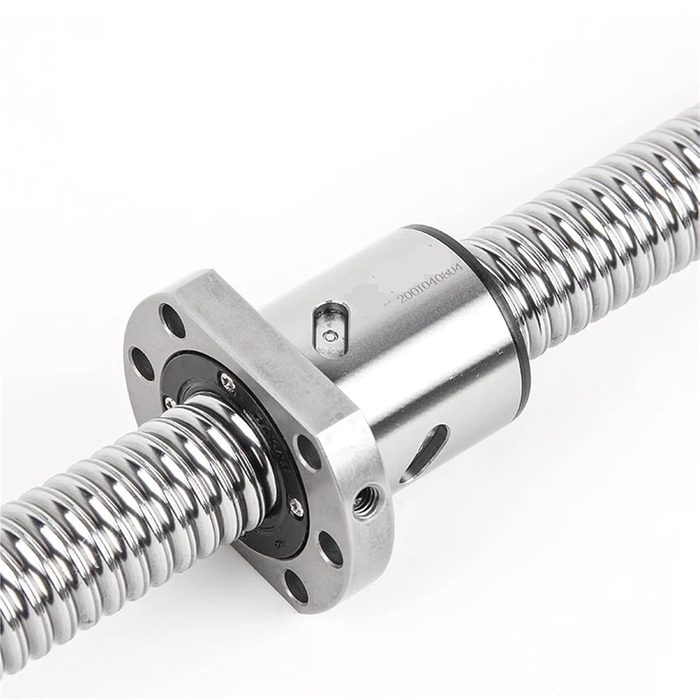
C5 SFU2505 Ball Screw Ballnut RM2505 End Machined
Length: 250mm
from $136.76Amazon $136.76 -
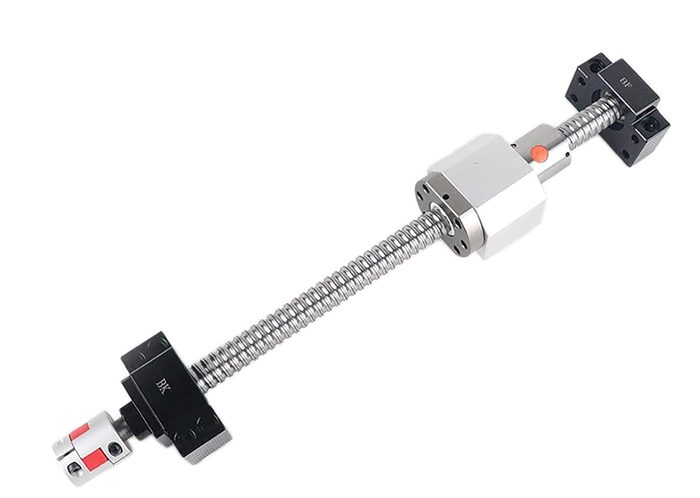
Double Nut Ballscrew DFU2505 RM2505
Diameter: 25 mmLength: 1820 mm
from $619.54Amazon $619.54 -
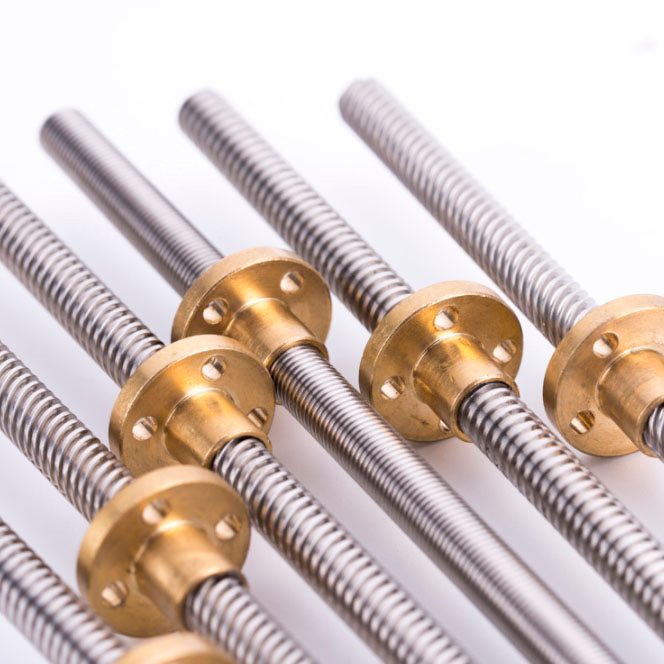
Ground Lead Screw Shaft Threading Machined Trapezoidal Lead Screw
Threading: TrapezoidalType: Ground
-
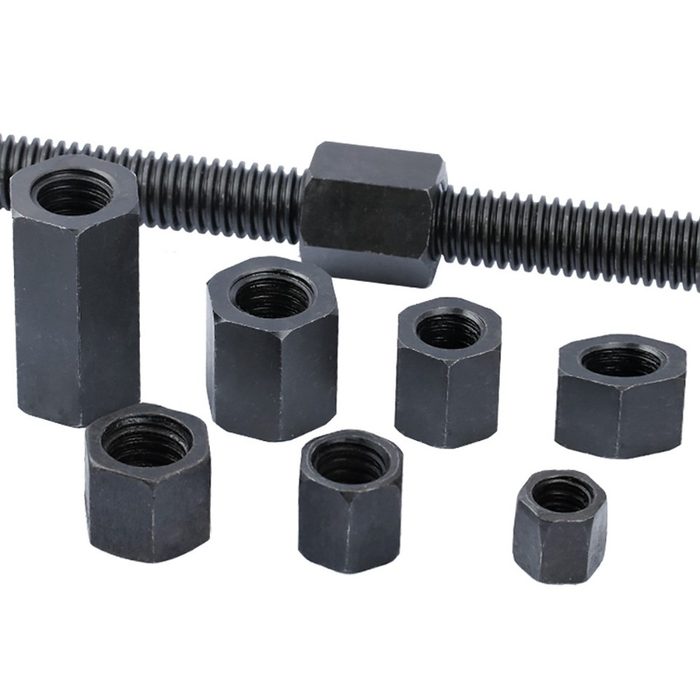
-
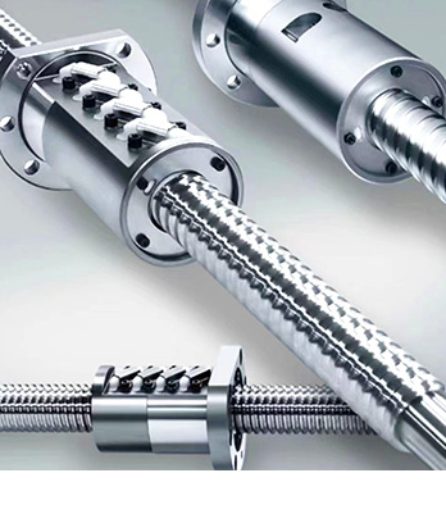
High Precision Ball Screw, SFUR1210 RM1210 C7 Level
Precision: C7
-
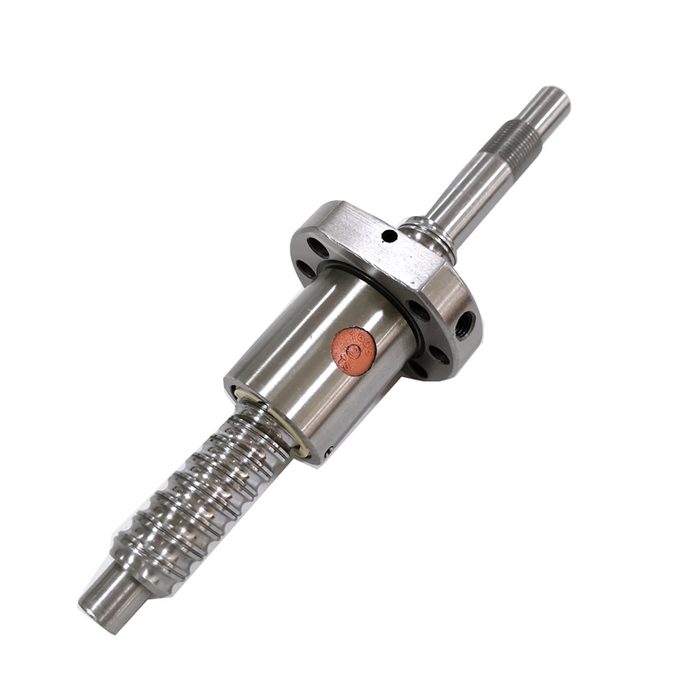
High Precision Rolled Ball Screw 1605
Model: 1605
-
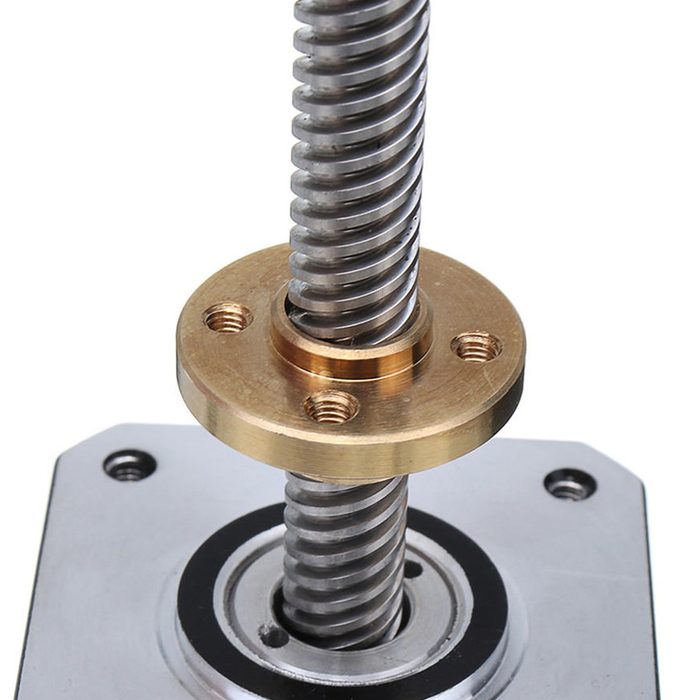 from $2.00Made-in-China $2.00
 -
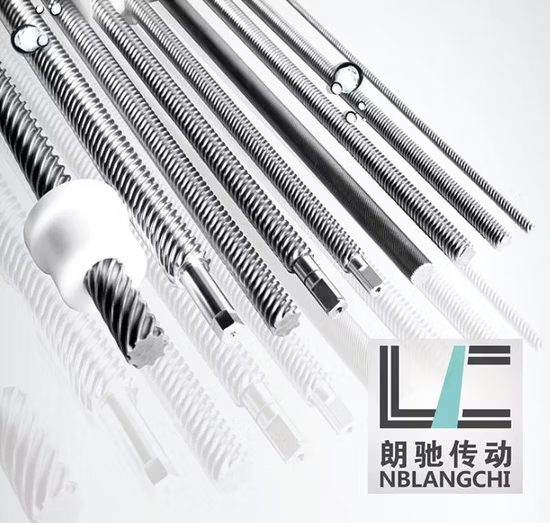
High Precision Trapezoidal Thread Screw
Pitch: 2mm
-
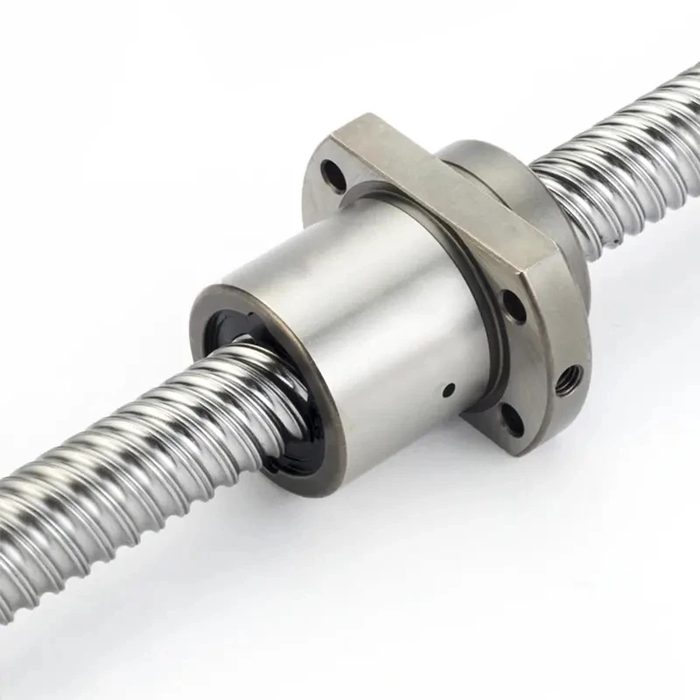
-
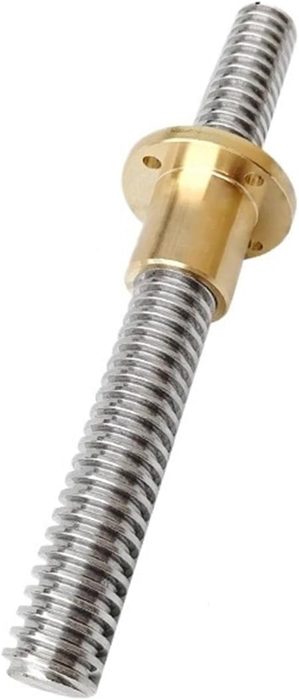
-
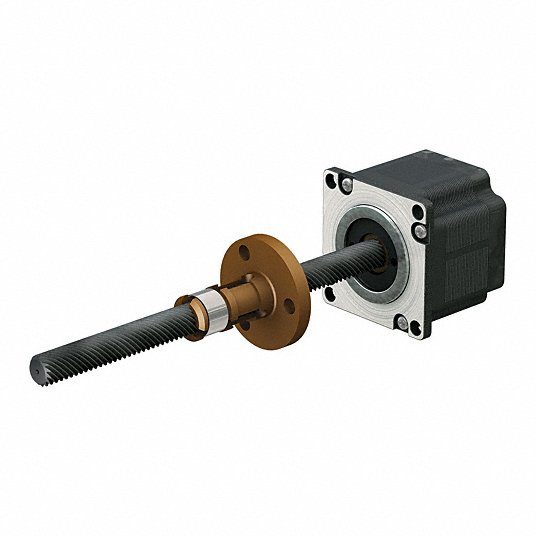
Lead Screw Assembly, Anti-Backlash
Nut Type: Anti-Backlash
-
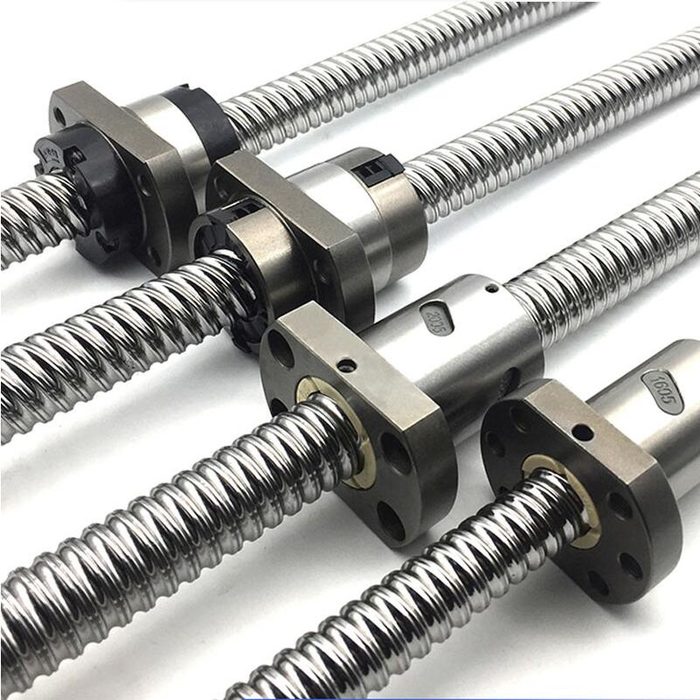
-
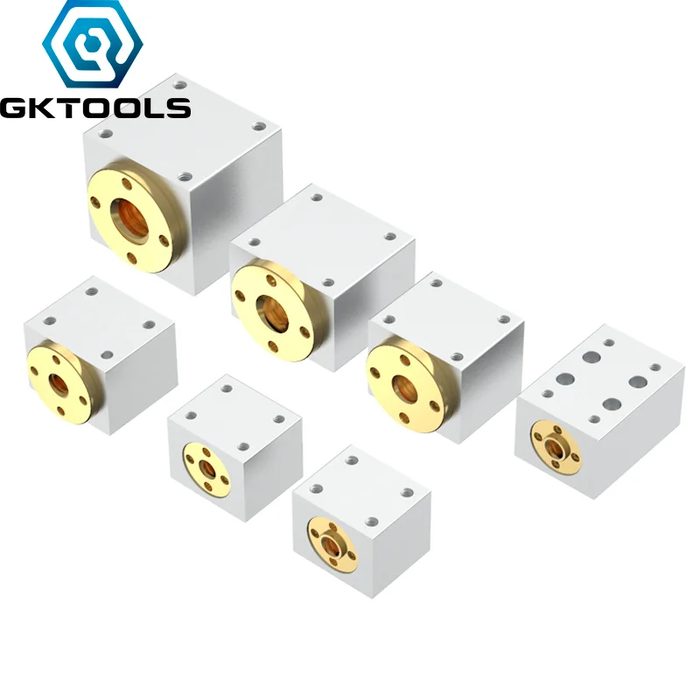
Lead Screw Nut Housing T10
Thread: T10
from $0.99Alibaba $0.99 -
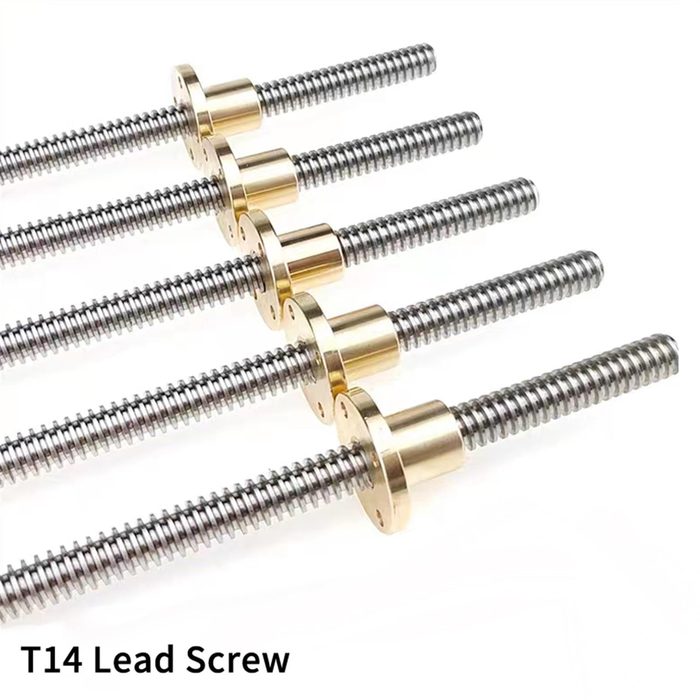
Lead Screw Nut, Trapezoidal Screw Nut TR6 Plastic
Lead: 2 mmPitch: 1 mmScrew Diameter: TR6
-
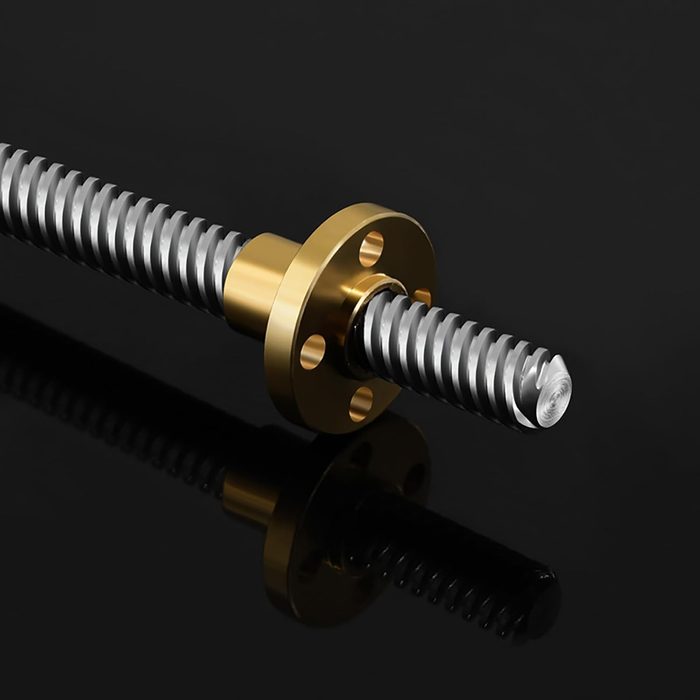
Lead Screw T10
Diameter: 10 mmLead: 30 mmPitch: 3 mm
-
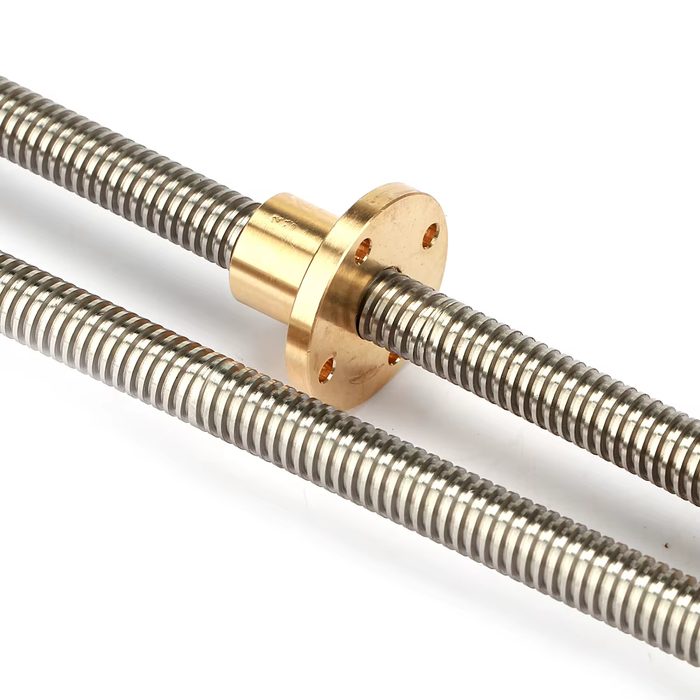
Lead Screw TR10
Lead: 30 mmLength: 1000 mm
-
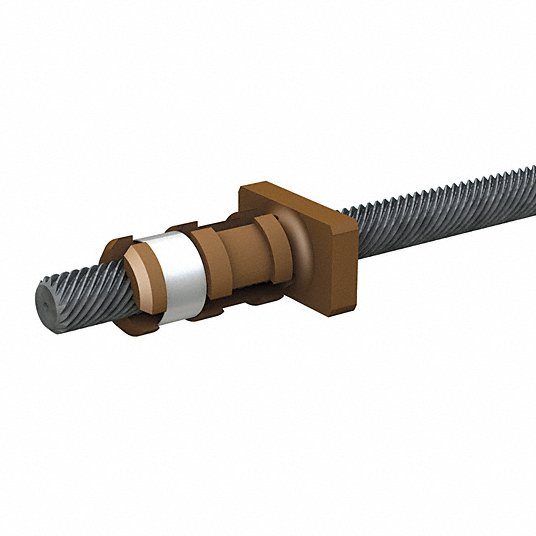
Lead Screw and Nut Assembly, Anti-Backlash
Nut Type: Anti-Backlash
-
Lead Screw and Nut Assembly, Anti-Backlash
Nut Type: Anti-Backlash
-
Lead Screw and Nut Assembly, Anti-Backlash
Feature: Anti-Backlash
-
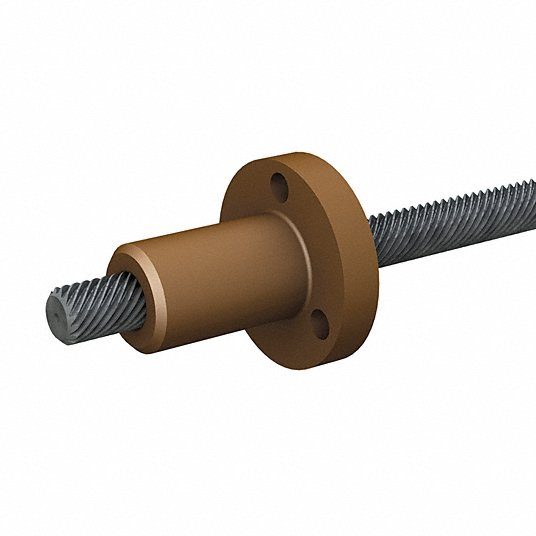
Lead Screw and Nut Assembly, Standard
Nut Type: Standard
-
About ball screws & lead screws
Ball screws and lead screws convert rotary motion into linear motion, or vice-versa, with high precision and efficiency. Ball screws utilize recirculating ball bearings between the screw shaft and the nut, providing low friction, high efficiency (typically >90%), and minimal backlash. They are available in rolled and ground variants; ground ball screws offer superior precision and smoother operation, often specified for demanding applications. Common types include single nut, double nut, and preloaded nuts to eliminate backlash. Key selection parameters include nominal diameter, lead (pitch), screw length, accuracy grade (e.g., C0 to C10 for ball screws), dynamic and static load ratings (Ca, Coa), and critical speed. Lead screws, including ACME and trapezoidal forms, rely on sliding friction between the nut and screw. While less efficient (typically 20-80%) and prone to wear, they are self-locking in many configurations and more cost-effective. ACME screws conform to ANSI/ASME B1.5 standards, often with 29-degree thread angles. Materials for screws are typically alloy steels like 1045 or 4140, often induction hardened and chrome plated for corrosion resistance. Nuts are commonly bronze, plastic (e.g., Delrin), or steel, depending on load and wear requirements.
How to choose
Selecting the appropriate ball or lead screw begins with defining the application's force and speed requirements. First, determine the maximum axial load and the required travel distance and speed; this dictates the screw's diameter and lead. Next, consider the required positioning accuracy and repeatability: ground ball screws offer the highest precision, while rolled ball screws provide a balance of performance and cost, and lead screws are suitable for less demanding applications. Evaluate the duty cycle and desired lifespan, as this impacts the choice between low-friction ball screws and higher-wear lead screws. Finally, assess environmental factors such as temperature, contamination, and lubrication needs, which influence material selection and protective coatings. Consider backlash requirements; preloaded ball nuts eliminate backlash, while lead screws may offer inherent self-locking properties.