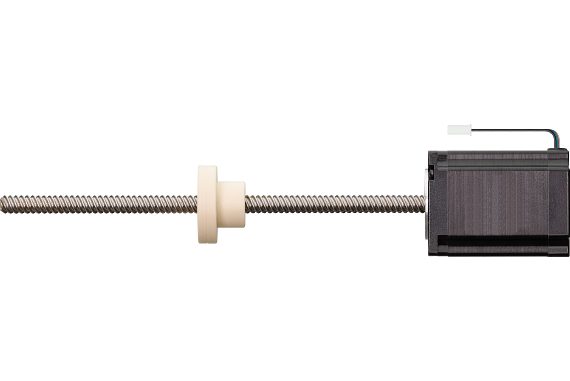
Ball Screws & Lead Screws
Rolled and ground ball screws, ACME lead screws and nuts.
Also searched as: ballscrewacme screwlead screwsfu1605trapezoidal screw
-
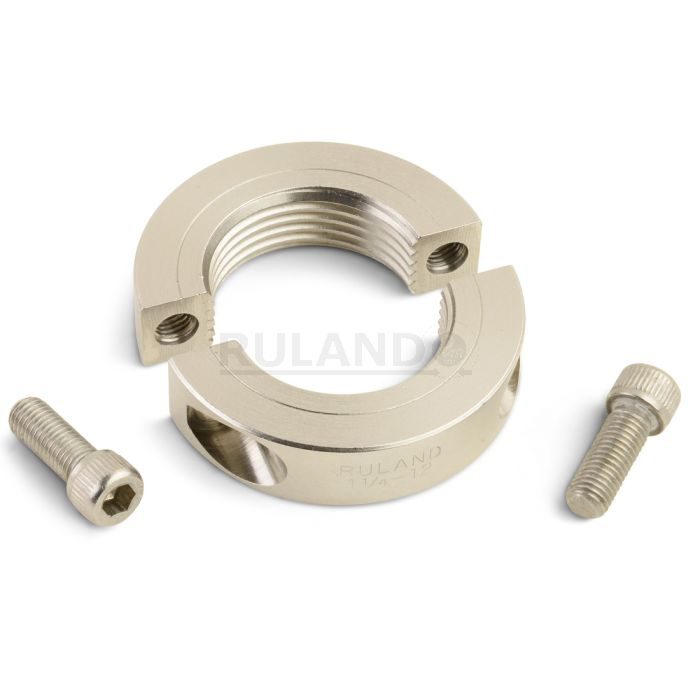
Acme Threaded Collar, Trap Thread, M16x3, OD 34mm
Outside Diameter: 34 mmThread: M16x3
-
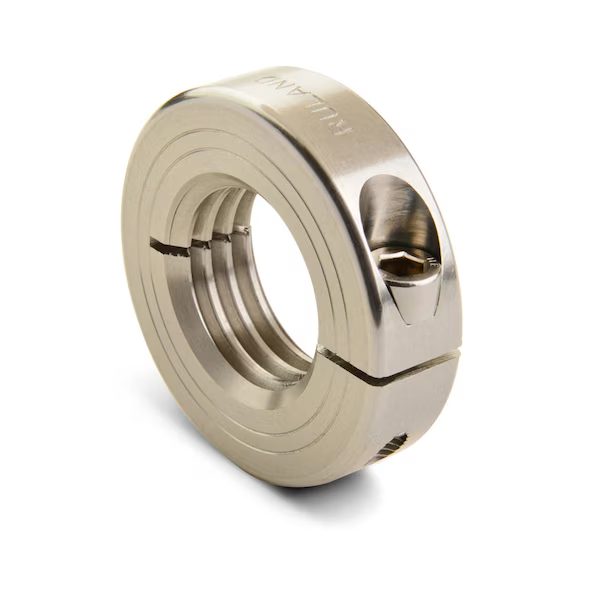
Acme Threaded Collar, Trap Thread, M20x4, OD 40mm
Outside Diameter: 40 mmThread: M20x4
from $50.89Zoro $50.89 -
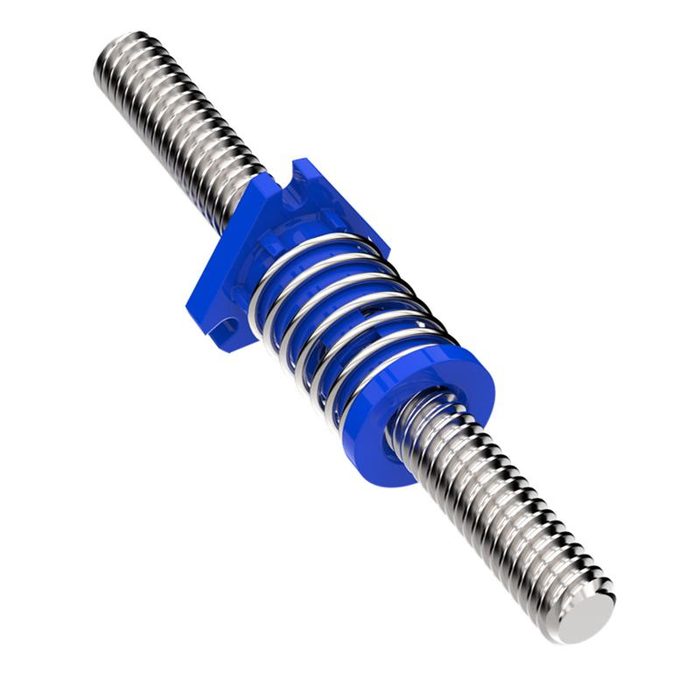
Acme Trapezoidal Rod Lift Shaft POM Lead Screw
Function: Lift ShaftType: Acme Trapezoidal
-
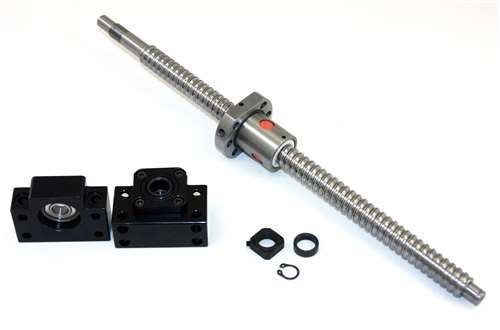
Anti-Backlash Ballscrew Set with Nut and Bearing Supports
Diameter: 20mmTravel Stroke: 8 feet
from $721.75Amazon $721.75 -
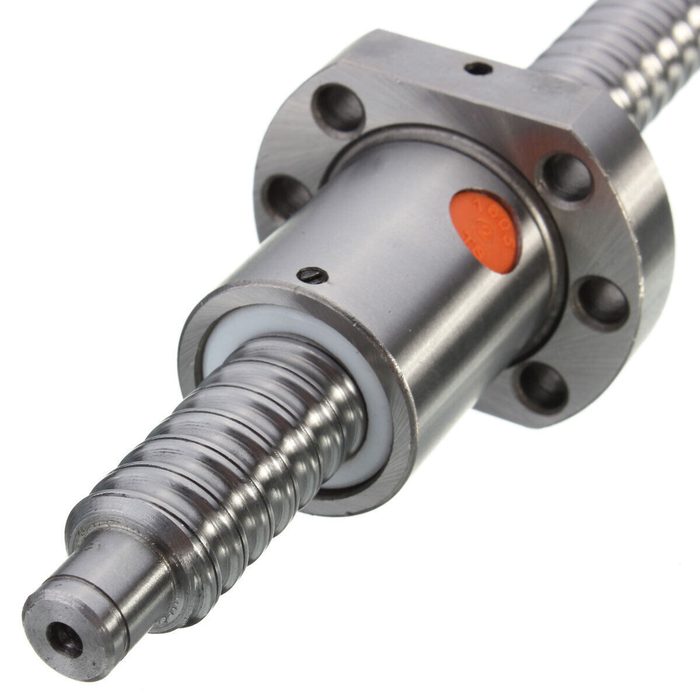
Ball Lead Screw & Ballnut, 60" Length, 20mm Diameter, 5mm Pitch
Diameter: 20 mmLength: 60"Pitch: 5 mm
from $288.00eBay $288.00 -
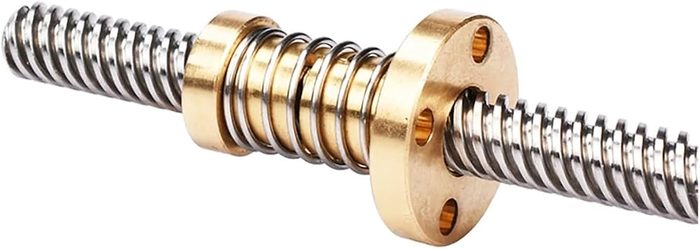
Ball Screw Nut End Processing T8 Lead Screw
Outside Diameter: 8 mm
-
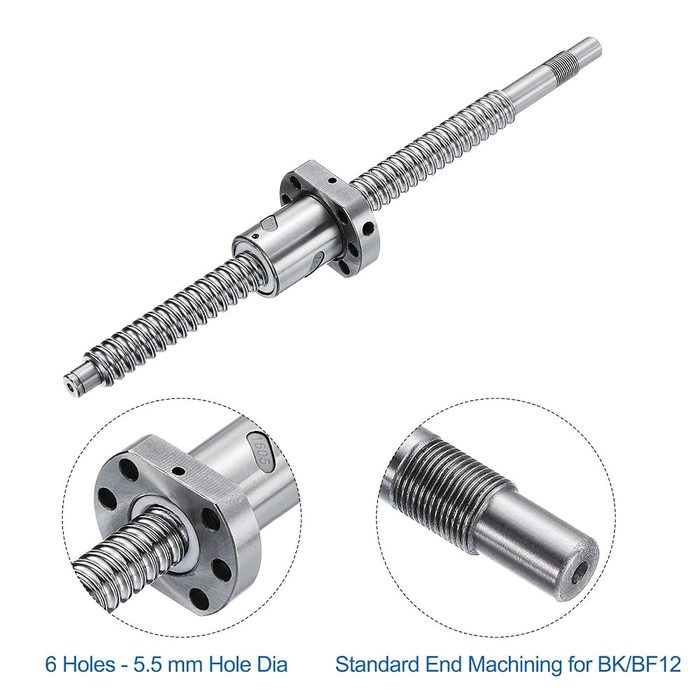
Ball Screw SET SFU1605 / Nut
Length: 250-1550MM
-
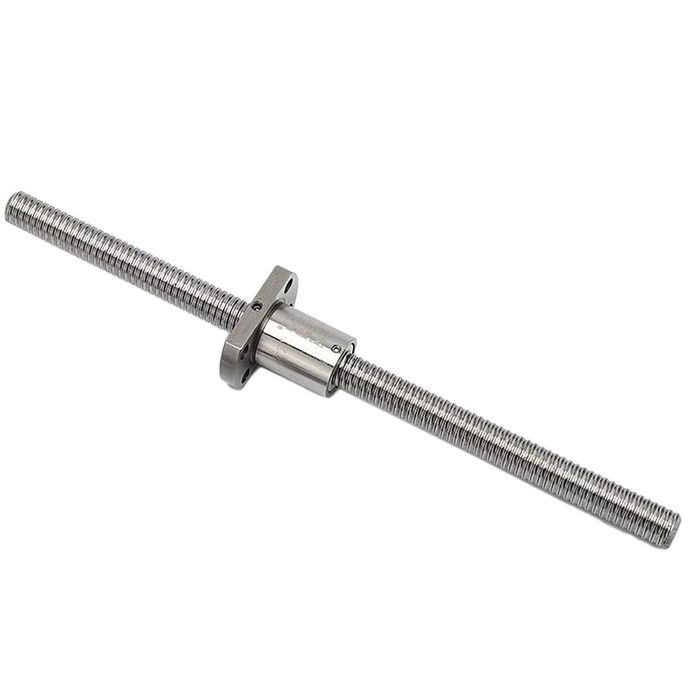
Ball Screw SFK0802 RM0802
Diameter: 8 mmLength: 520 mm
from $330.38Amazon $330.38 -
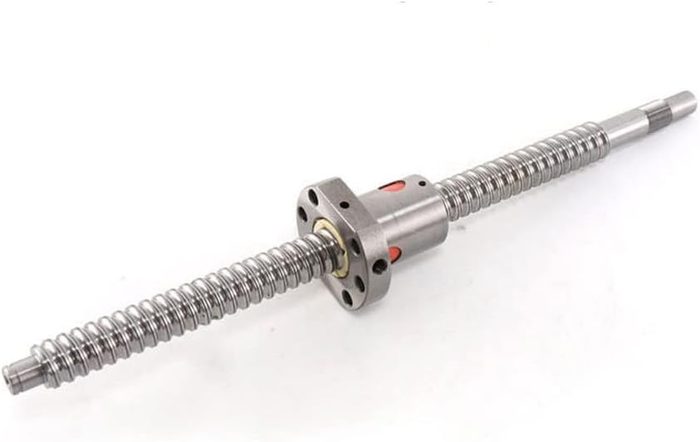
Ball Screw SFU1204
Diameter: 12 mm
from $53.43Amazon $53.43 -
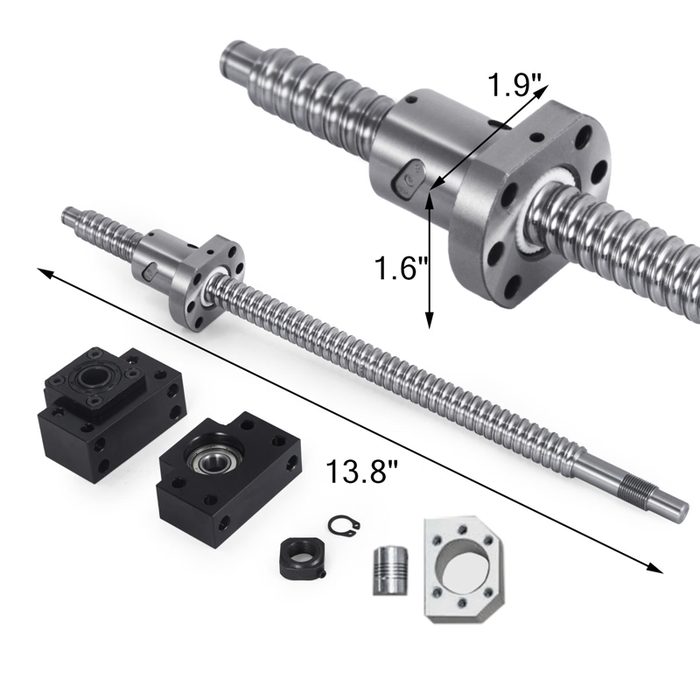
Ball Screw SFU1204
Diameter: 12 mmPitch: 4 mm
-
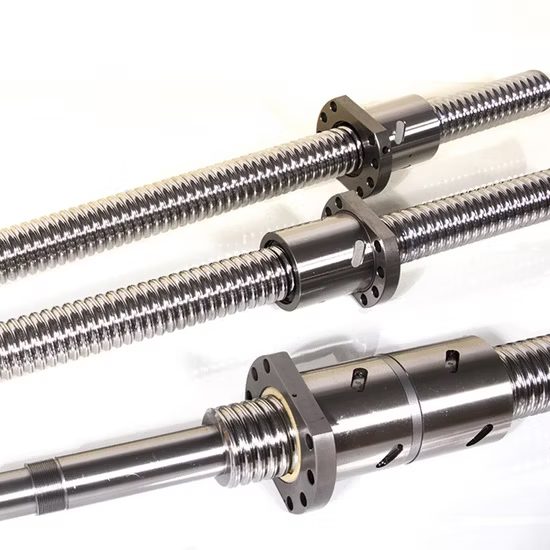
Ball Screw SFU1605
Diameter: 16 mmLength: 200-1150 mm
-
Ball Screw SFU1605 End Processing BK12 / BF12
Length: 250mm, 300mm, 350mm, 360mm, 400mm, 450mm, 500mm, 550mm, 600mm
-
-
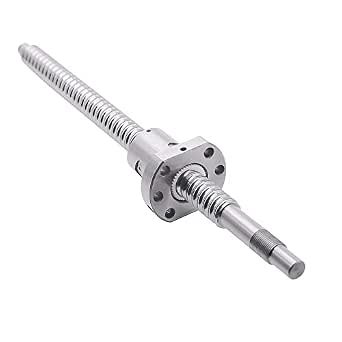
Ball Screw SFU1605 RM1605, 16mm Diameter, 300mm Length
Diameter: 16mmLength: 300mmPrecision: ±0.05mm
-
Ball Screw SFU1605 Stage D High Precision Effective Stroke 150/200mm
Effective Stroke: 150/200mm
-
-
-
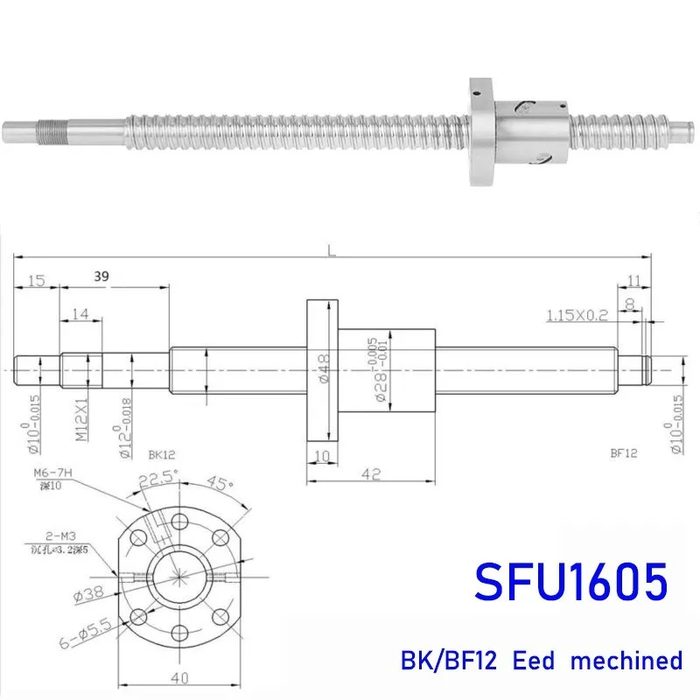
Ball Screw Set SFU1605 + BK/BF12, 360MM
Size: 360MM
-
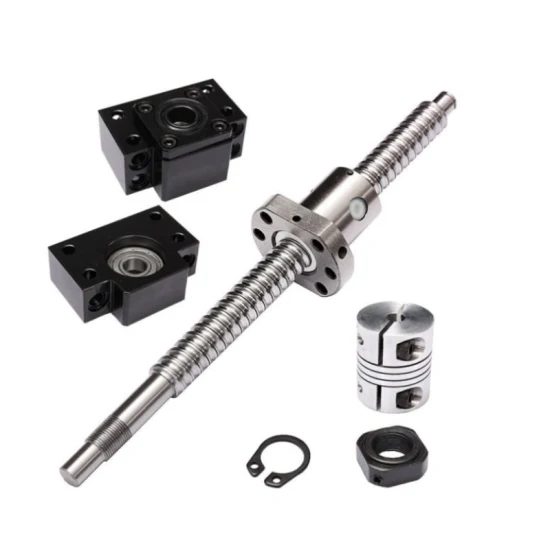
Ball Screw Set SFU1605-600mm
Length: 600 mm
-
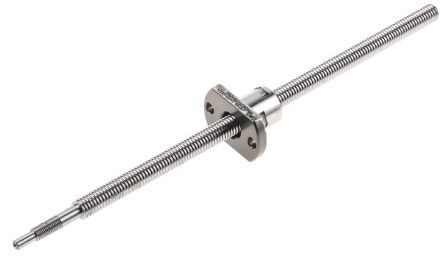
Ball Screw W3613-187D, 36MM, 1346MM
Diameter: 36 mmLength: 1346 mm
-
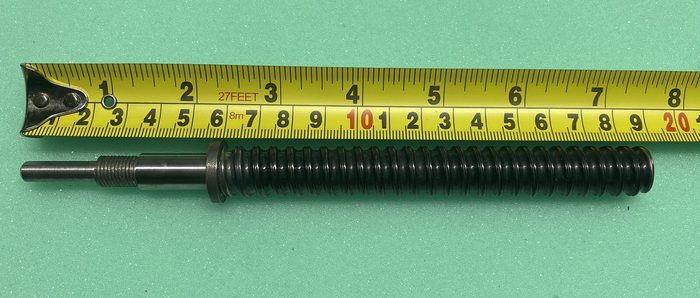
Ball Screw shaft, 187mm Length
Length: 187 mm
from $30.00eBay $30.00 -
-
-
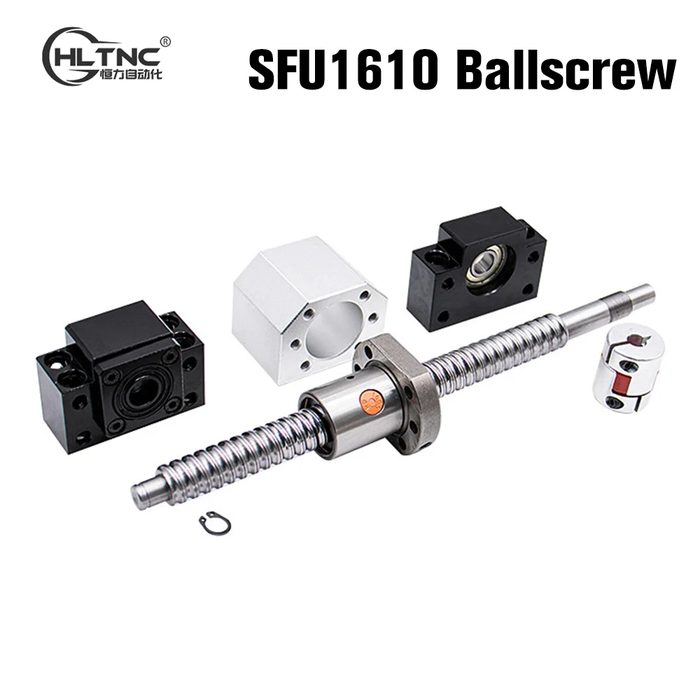
Ball Screw with Nut, 1610
Model: 1610
-
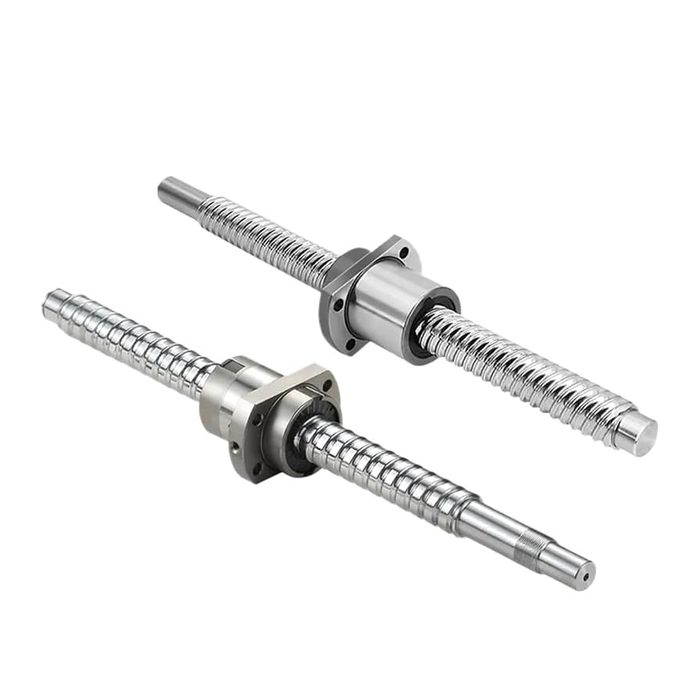
Ball Screw, 16mm diameter, 10mm lead, 1000mm length, unmachined ends
Diameter: 16 mmLead: 10 mmLength: 1000 mmNumber of Starts: 2Thread Direction: Right Hand
-
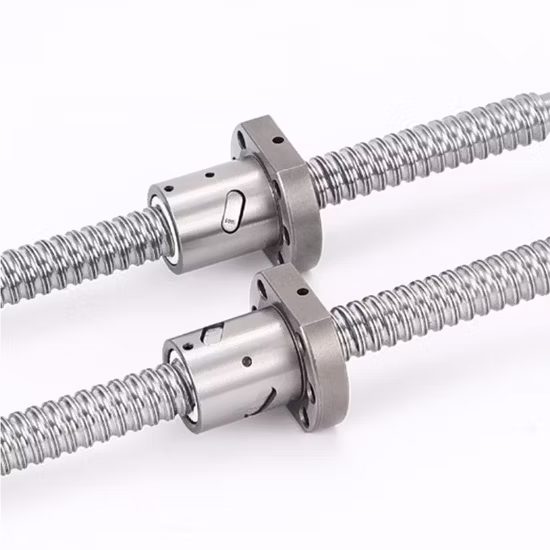
Ball Screw, 16mm diameter, 10mm lead, 2000mm length, unmachined ends
Diameter: 16 mmLead: 10 mmLength: 2000 mmNumber of Starts: 2Thread Direction: Right Hand
-
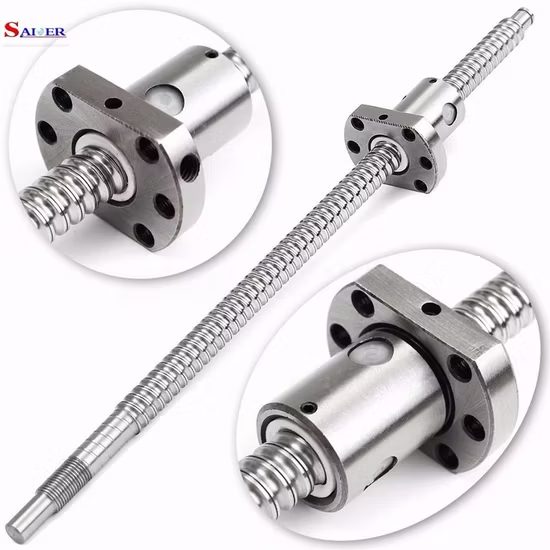
Ball Screw, 16mm diameter, 10mm lead, 3000mm length, unmachined ends
Diameter: 16 mmEnds: unmachinedLead: 10 mmLength: 3000 mm
-
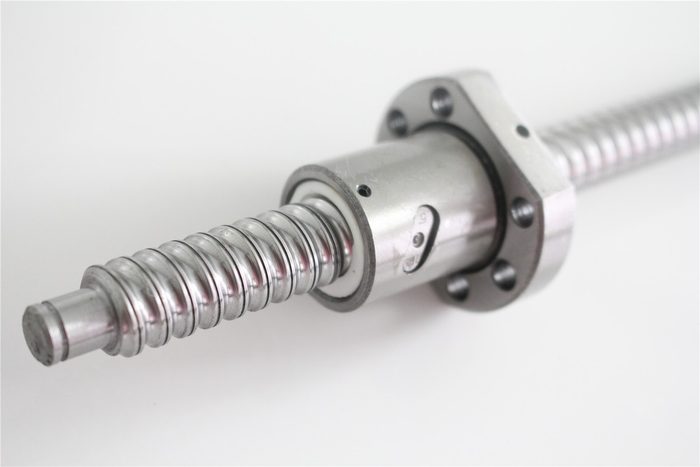
Ball Screw, 16mm diameter, 20mm lead, 1000mm length, unmachined ends
Diameter: 16 mmLead: 20 mmLength: 1000 mmNumber of Starts: 4
-
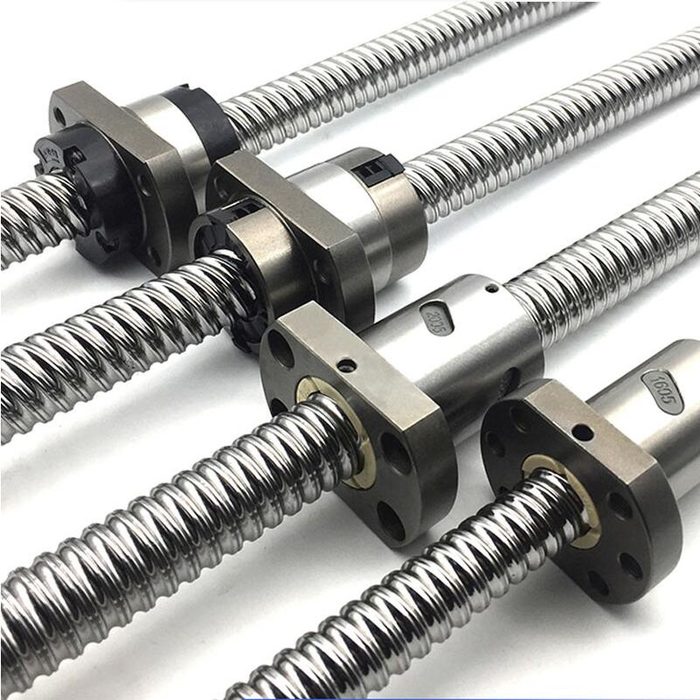
Ball Screw, 20mm Diameter, 10mm Lead
Lead: 10 mmNumber of Starts: 2Outside Diameter: 20 mmThread Direction: Right Hand
-
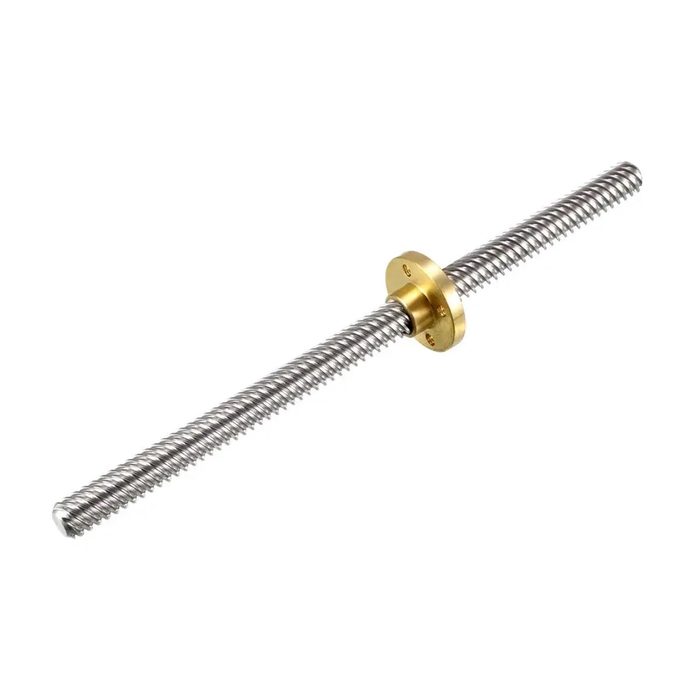
Ball Screw, Linear Motion, t8 lead screw
Lead Screw Type: t8
-
Ball Screw, Overall Length 35 1/2", Screw Length 21"
Overall Length: 35 1/2"Screw Length: 21"
-
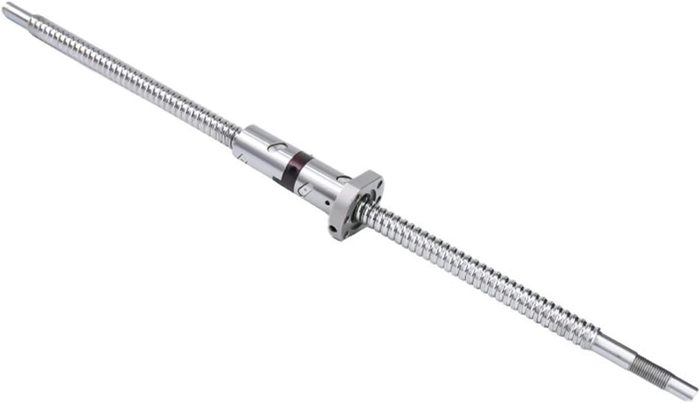
Ballscrew DFU1605
Diameter: 16 mmLength: 400 mm
from $68.99Amazon $68.99 -
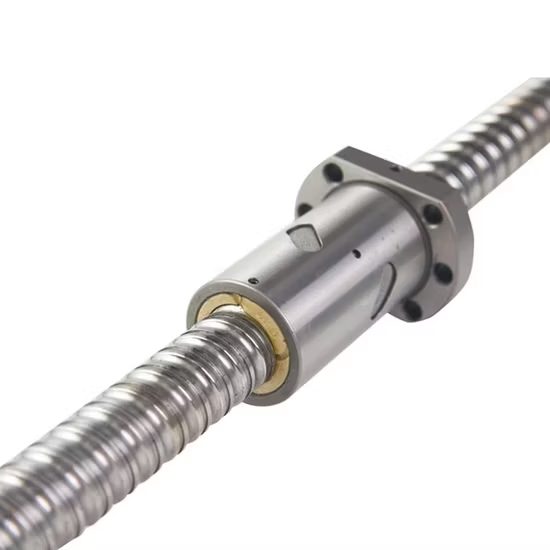
Ballscrew Flange
Flange OD: 1.65"Flange Thickness: 0.47"Lead Width: 1/8"
-
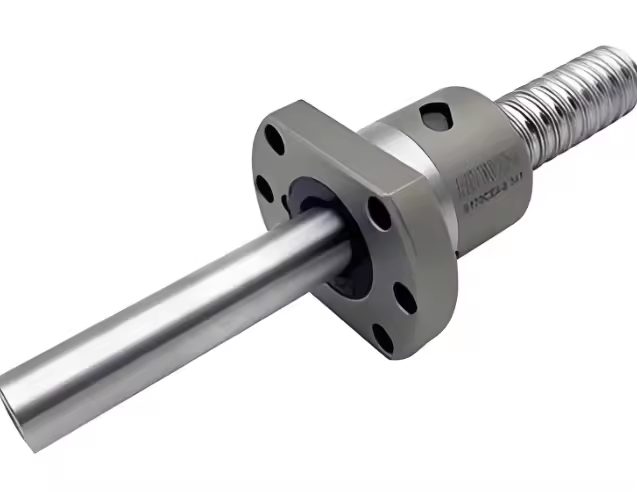
Ballscrew Flange
Flange OD: 3.28"Flange Thickness: 0.787"Lead Width: 1/4"
-
-
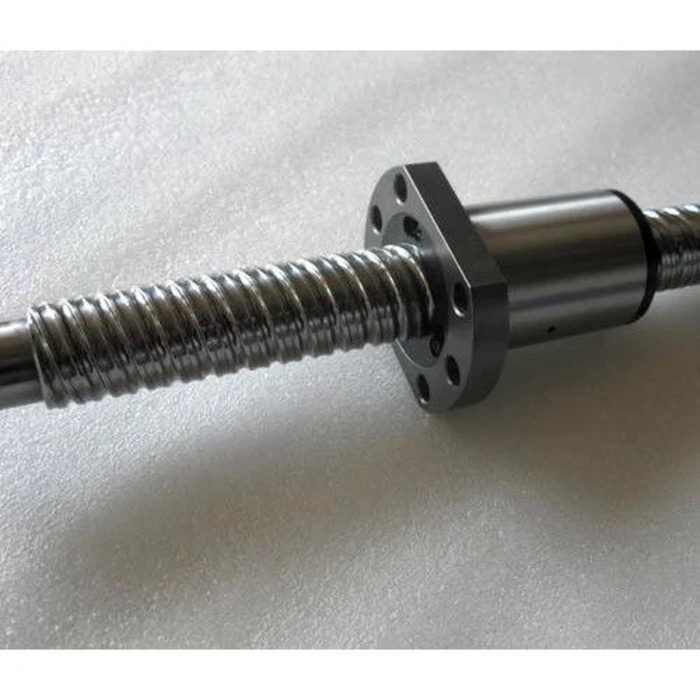
Ballscrew Nut
Thread Length: 0.61 in
About ball screws & lead screws
Ball screws and lead screws convert rotary motion into linear motion, or vice-versa, with high precision and efficiency. Ball screws utilize recirculating ball bearings between the screw shaft and the nut, providing low friction, high efficiency (typically >90%), and minimal backlash. They are available in rolled and ground variants; ground ball screws offer superior precision and smoother operation, often specified for demanding applications. Common types include single nut, double nut, and preloaded nuts to eliminate backlash. Key selection parameters include nominal diameter, lead (pitch), screw length, accuracy grade (e.g., C0 to C10 for ball screws), dynamic and static load ratings (Ca, Coa), and critical speed. Lead screws, including ACME and trapezoidal forms, rely on sliding friction between the nut and screw. While less efficient (typically 20-80%) and prone to wear, they are self-locking in many configurations and more cost-effective. ACME screws conform to ANSI/ASME B1.5 standards, often with 29-degree thread angles. Materials for screws are typically alloy steels like 1045 or 4140, often induction hardened and chrome plated for corrosion resistance. Nuts are commonly bronze, plastic (e.g., Delrin), or steel, depending on load and wear requirements.
How to choose
Selecting the appropriate ball or lead screw begins with defining the application's force and speed requirements. First, determine the maximum axial load and the required travel distance and speed; this dictates the screw's diameter and lead. Next, consider the required positioning accuracy and repeatability: ground ball screws offer the highest precision, while rolled ball screws provide a balance of performance and cost, and lead screws are suitable for less demanding applications. Evaluate the duty cycle and desired lifespan, as this impacts the choice between low-friction ball screws and higher-wear lead screws. Finally, assess environmental factors such as temperature, contamination, and lubrication needs, which influence material selection and protective coatings. Consider backlash requirements; preloaded ball nuts eliminate backlash, while lead screws may offer inherent self-locking properties.