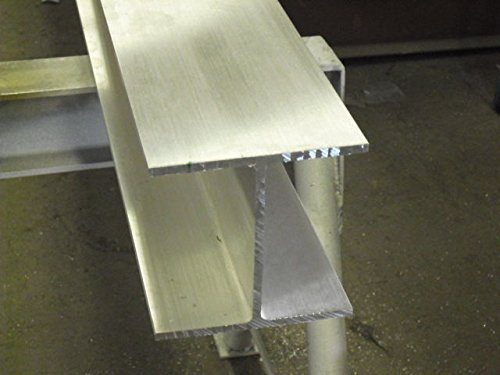
Aluminum Stock
Plate, bar, sheet, angle and round in 6061, 7075 and 5052.
Also searched as: 60617075aluminum platealuminum baraluminium sheet
-
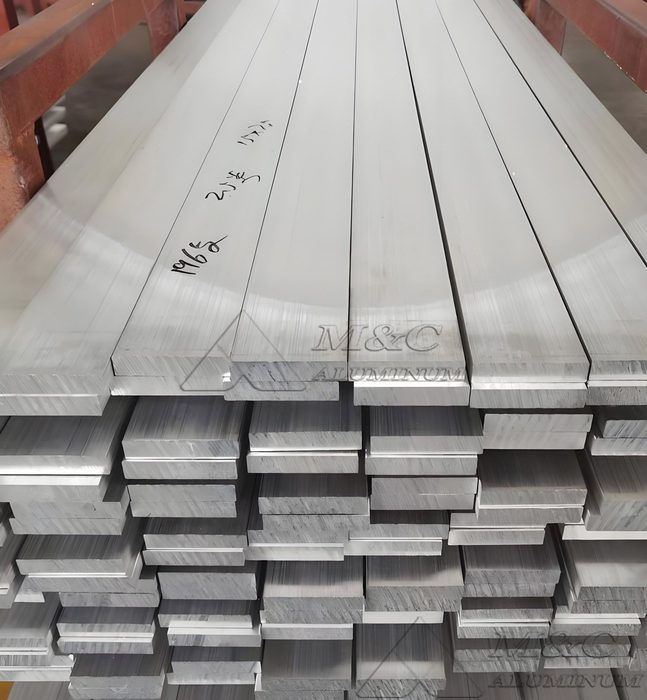
5052 6061 Cold Rolled Aluminum Flat Bar
Dimensions: 2x10mmLength: 0.5 mThickness: 2-8 mm
-
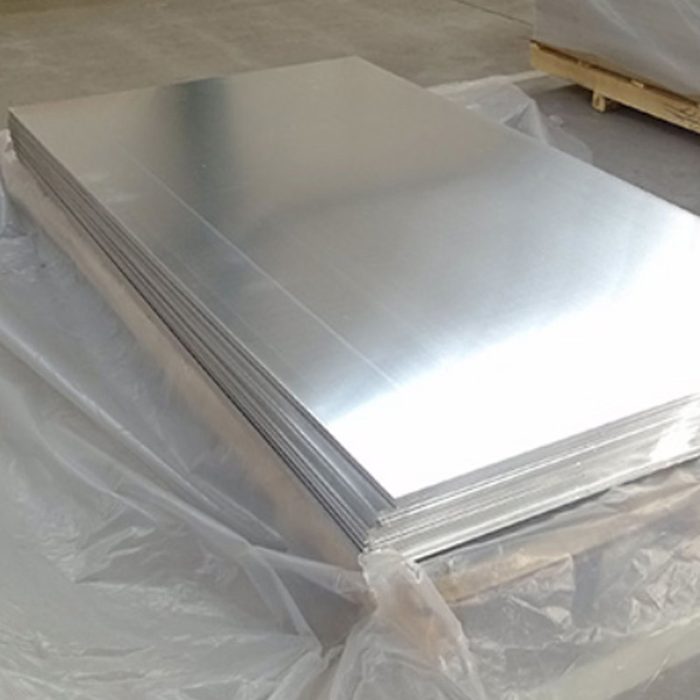
6061 Aluminum Alloy Sheet
Thickness: 8mmWidth: 20mm
-
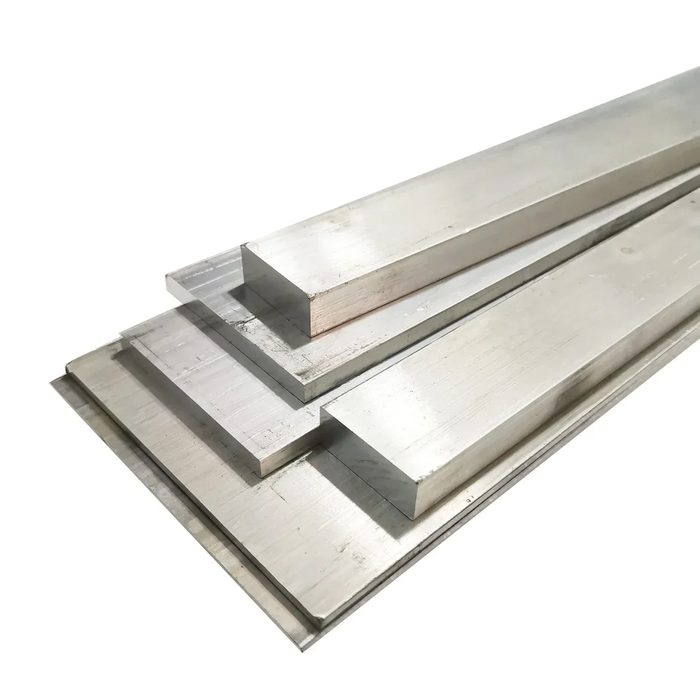
6061 Aluminum Alloy Square Flat Bar
Length: 100mm 150mm 250mm 500mmWidth: 10mm 12mm 15mm 18mm 20mm
-
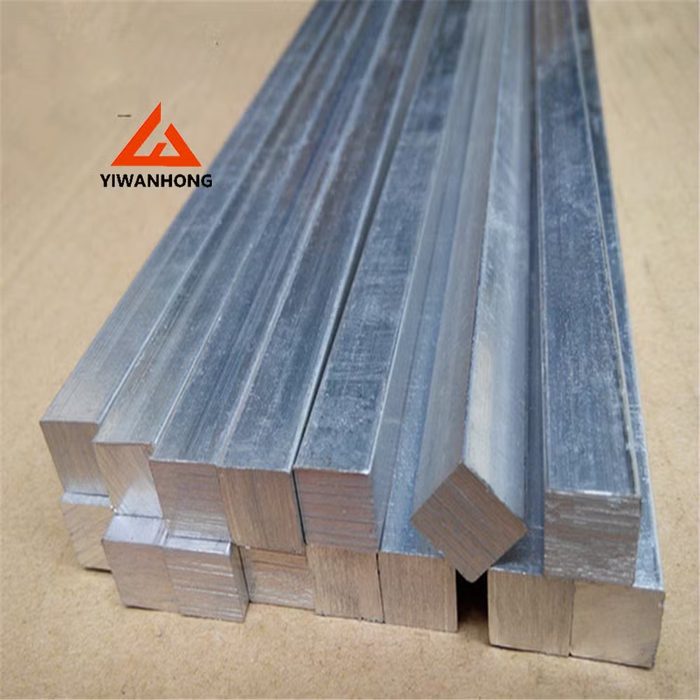
6061 Aluminum Flat Bar
Length: 500 mm
-
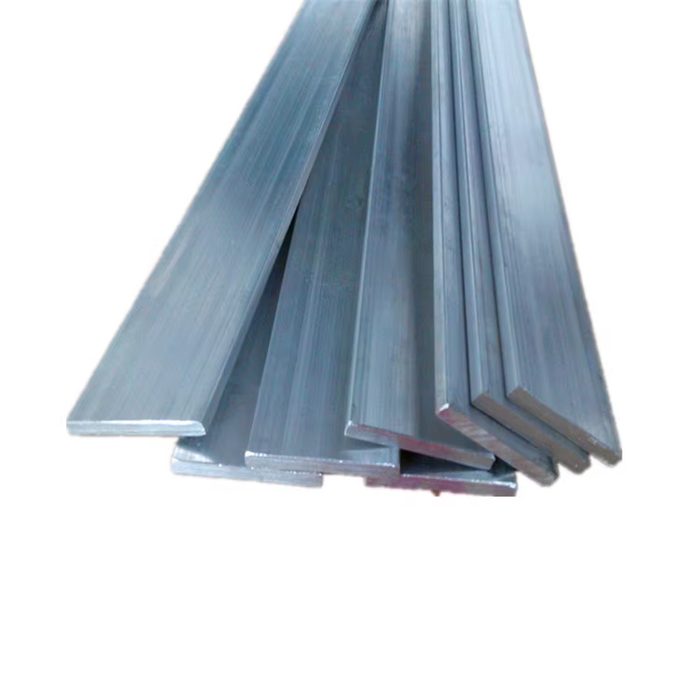
6061 Aluminum Flat Bar
Length: 100-300 mmThickness: 20 mmWidth: 30-100 mm
-
6061 Aluminum Flat Bar
Length: 250 mmWidth: 10-30 mm
-
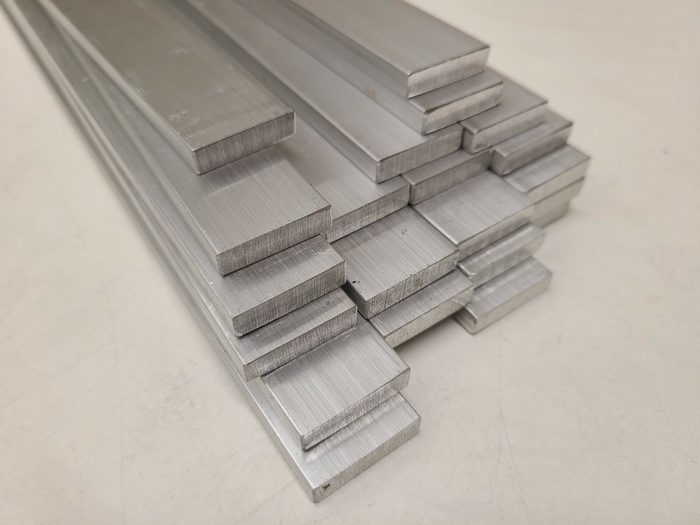
6061 Aluminum Flat Bar Stock
Length: 500 mmThickness: 2-8 mmWidth: 10-30 mm
-
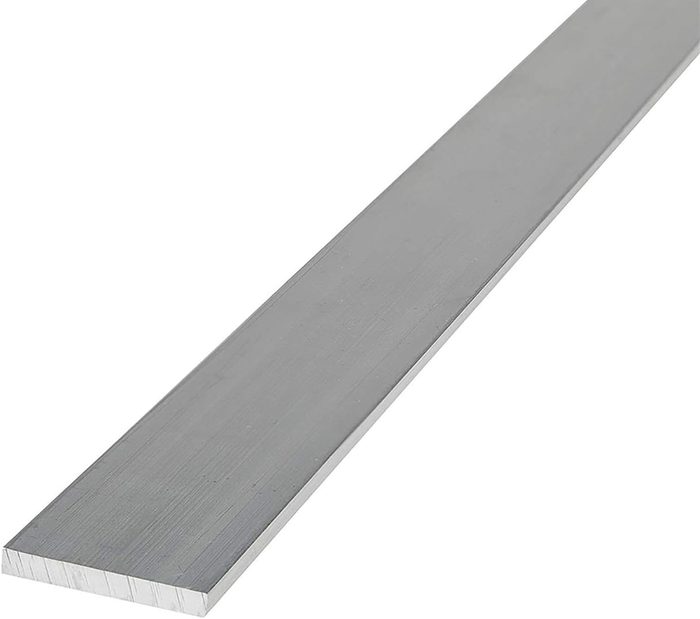
6061 Aluminum Flat Plate Bar
Length: 500mmThickness: 2mm 3mm 4mm 10mm
-
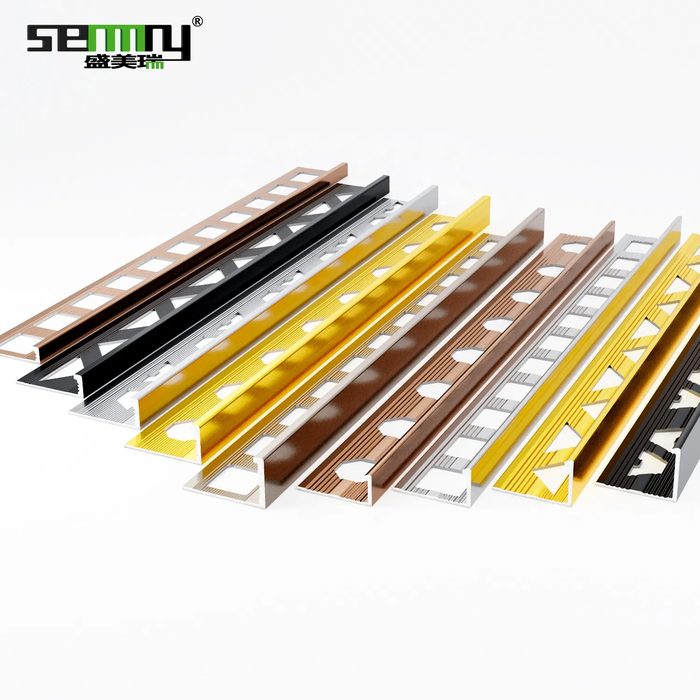
6061 Aluminum L-Shaped Trim Strip
Dimensions: 25x25x1mmLength: 50mmShape: Right Angle
-
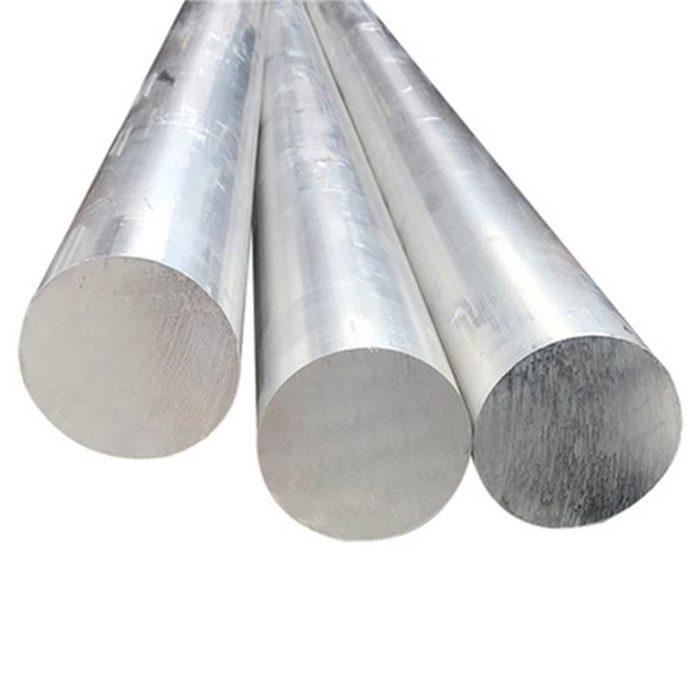
6061 Aluminum Solid Round Bar
Diameter: 4mm-28mmLength: 500mm
-
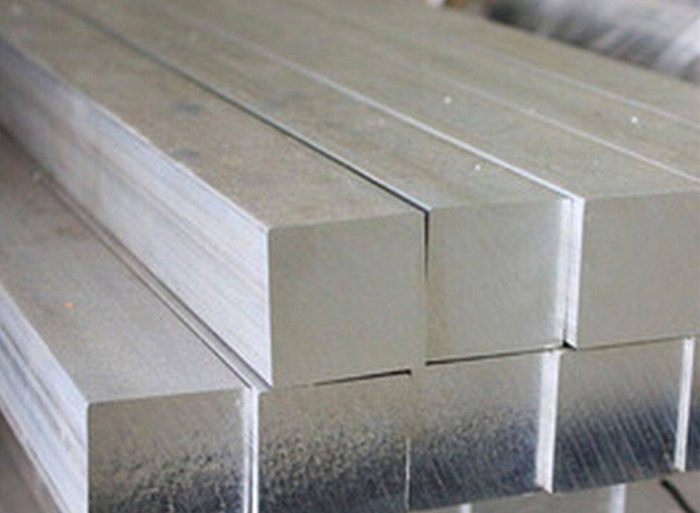
6061 Aluminum Square Bar
Length: 500 mmSide Dimension: 4-45 mm
-
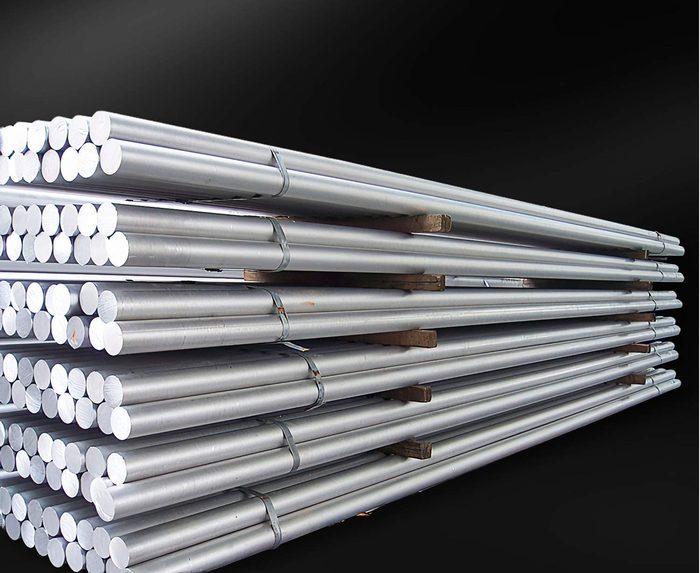
6061 T6 Aluminum Round Bar
Shape: RoundTemper: T6
-
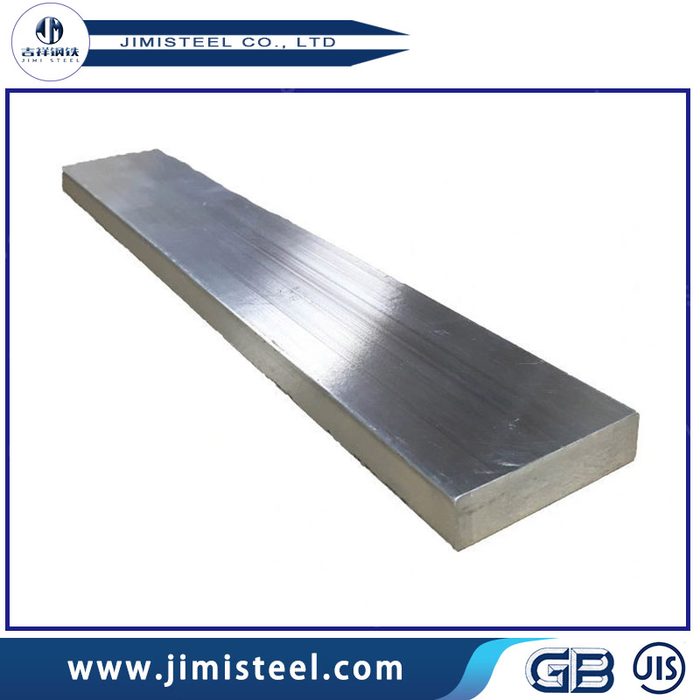
6061 T6 Rectangular Flat Bar
Dimensions: 10x10mm to 8x50mmLength: 3-500mm
-
Aluminum Flat Bar
Length: 300-500 mmThickness: 6 mmWidth: 6-80 mm
-
Aluminum Flat Bar
Length: 300 mm or 500 mmThickness: 3-20 mmWidth: 10-60 mm
About aluminum stock
Aluminum stock encompasses a range of mill products, including plate, bar, sheet, angle, and round forms, primarily utilized for structural components, machining blanks, and general fabrication. Common alloys include 6061, a versatile heat-treatable alloy known for good machinability and weldability; 7075, a high-strength alloy often used in aerospace applications; and 5052, a non-heat-treatable alloy offering excellent corrosion resistance and formability. Selection is typically based on form factor (e.g., flat plate, square bar, round rod), dimensions (thickness, width, length, diameter), and alloy temper (e.g., T6 for 6061 and 7075, H32 for 5052). Surface finishes are generally mill finish, but can include brushed or polished options depending on supplier and form. These materials are fundamental for creating custom components through processes such as milling, turning, cutting, and welding, serving diverse industries from aerospace and automotive to machinery and consumer goods.
How to choose
When selecting aluminum stock, first define the required form factor: plate, sheet, bar (round, square, rectangular), or angle. Next, determine the critical dimensions such as thickness, width, length, or diameter, ensuring they meet structural or machining envelope requirements. The third step is to choose the appropriate alloy based on application demands: 6061 for general-purpose structural and machined parts, 7075 for high-strength applications where weight is critical, or 5052 for applications requiring superior corrosion resistance and formability. Finally, specify the required temper, such as T6 for heat-treated alloys or H32 for strain-hardened alloys, to achieve the desired mechanical properties.