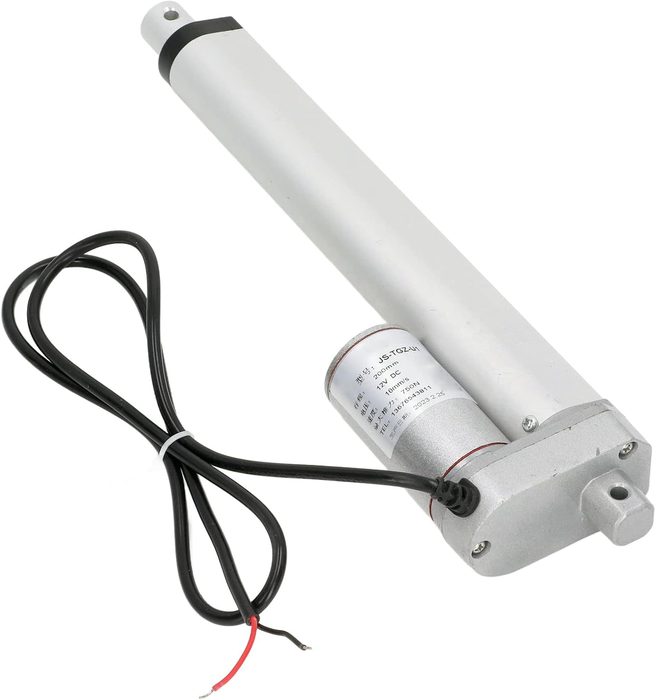
Linear Actuators
Electric, rod-style, rodless and belt-driven actuators.
Also searched as: electric actuatorlinear stagerodless actuator12v actuator
-
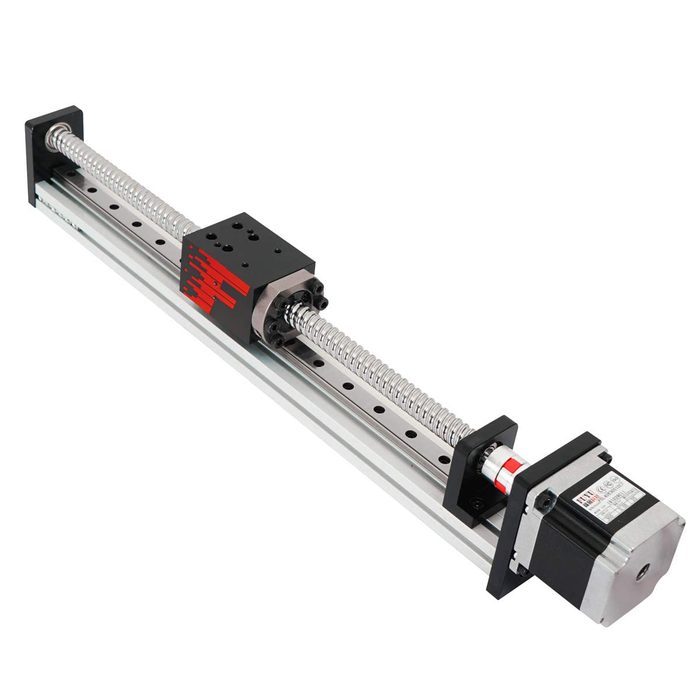
Motorized Linear Stage
Effective Stroke: 1000 mmLength: 200 mmLoad Capacity: 20 kgPosition Accuracy: 0.05 mm
-
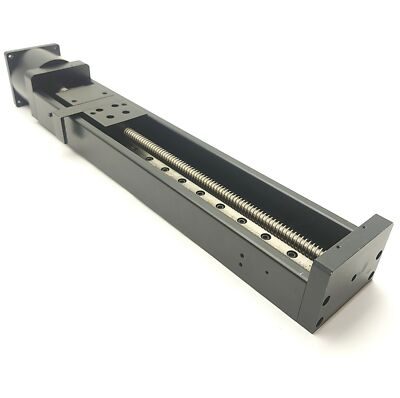
Motorized Linear Stage
Actuation: Motorized
-
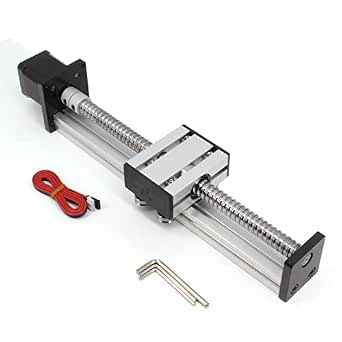
Motorized Linear Stage 200mm Effective Stroke Linear Shaft
Effective Stroke: 200mm
-
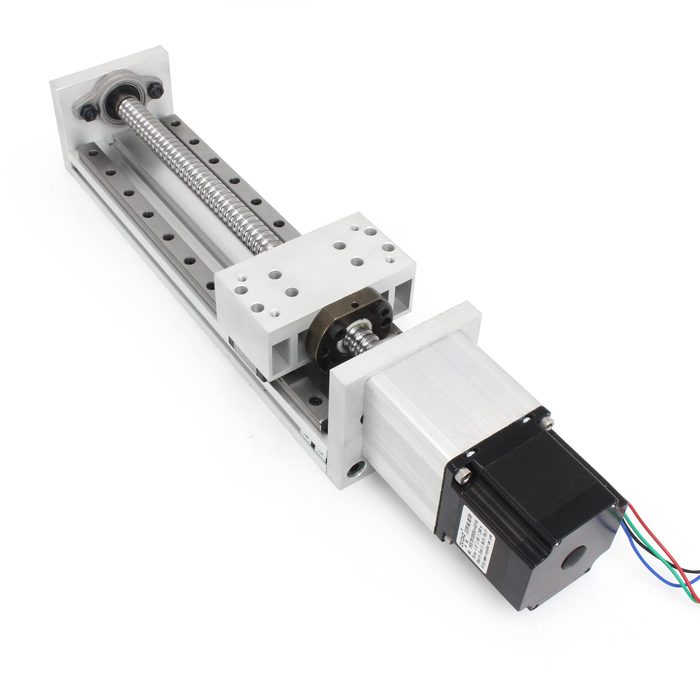
Motorized Linear Stage Z Axis
Travel: 50 mm
-
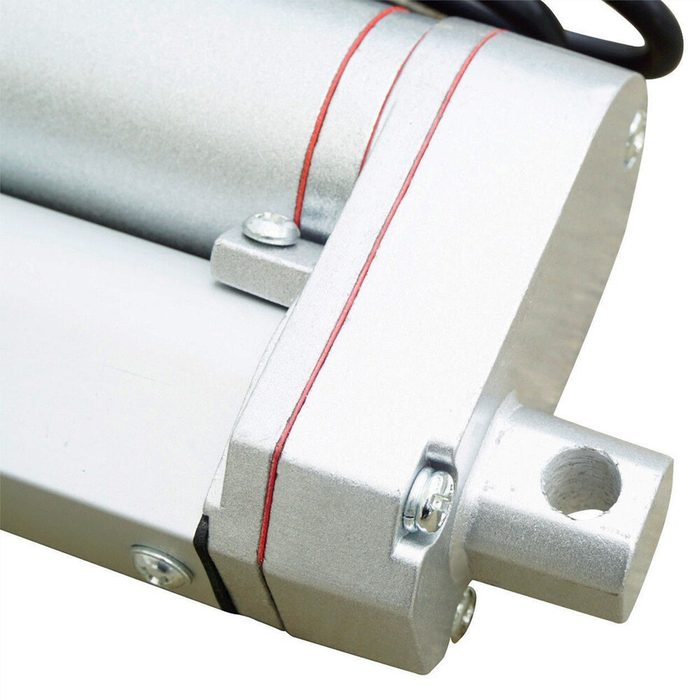
Multi-function Linear Actuator Electric DC Putter Motor, 12V
Speed: 5.7 mm/s or 14 mm/sStroke: 2-18 inchesVoltage: 12V
-
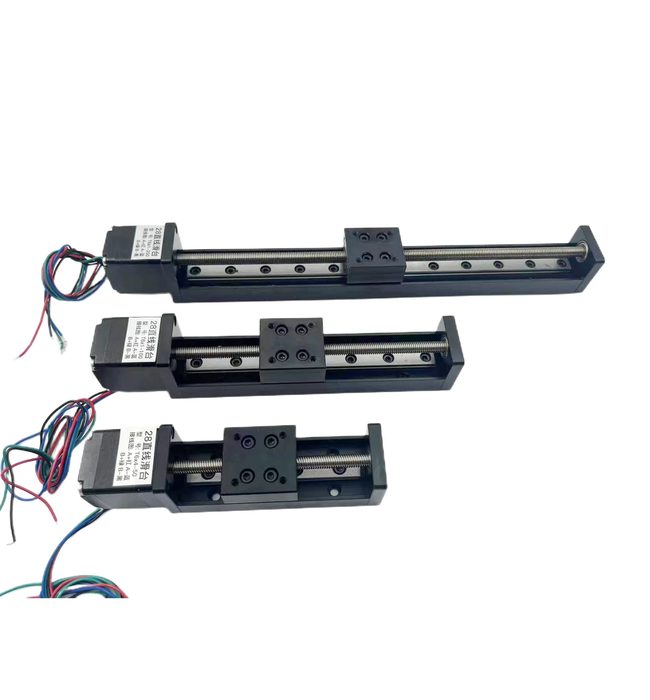
NEMA 11 linear module with stepper motor T-type Sliding linear stage
Frame Size: NEMA 11Motor Type: Stepper
-
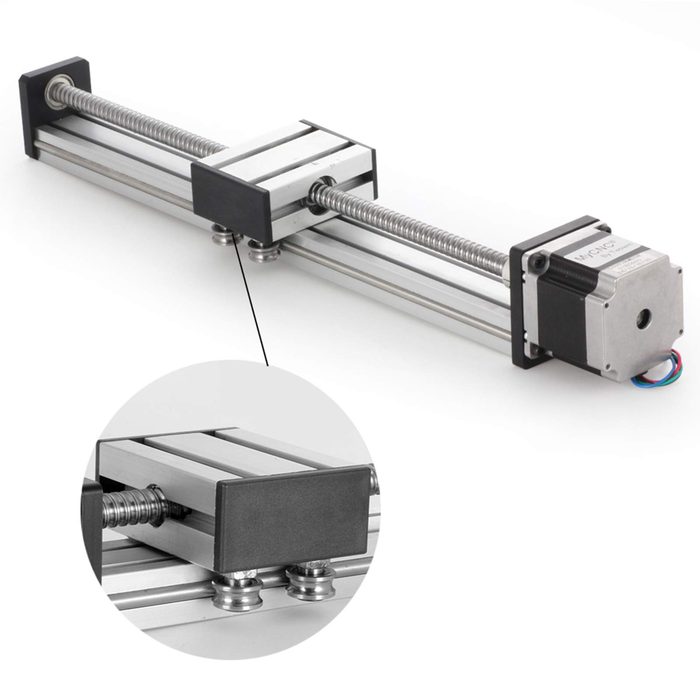
NEMA23 Linear Actuator Precision Workstation with SFU1605 Linear Stage Slide Module
Travel Length: 500 mm
-
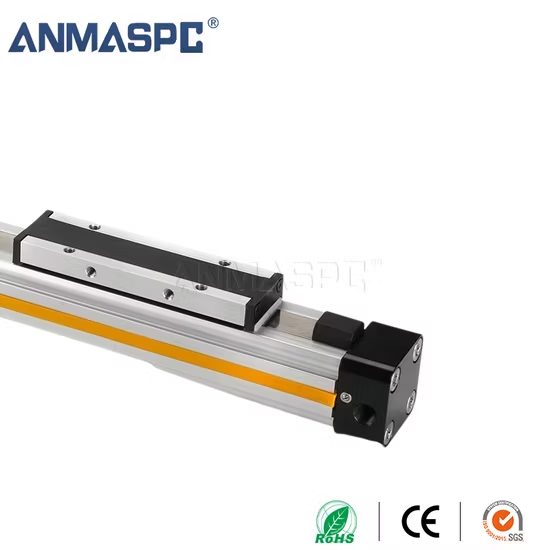
OSP Rodless Cylinder Series
Bore: 25 mm
-
PT-SD111 40mm Travel Translation Manual Stage Linear Actuator
Load Capacity: 4 kgTravel: 40 mm
-
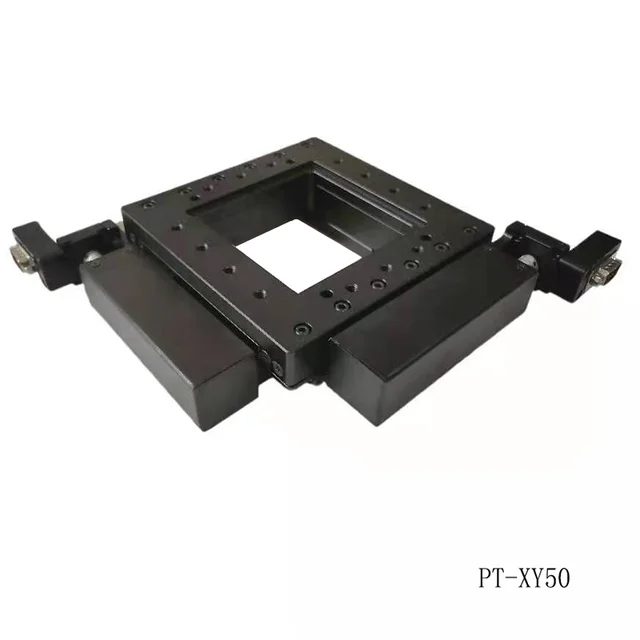
PT-XY50 Motorized Linear Stage
Velocity: 6 mm/sec
-
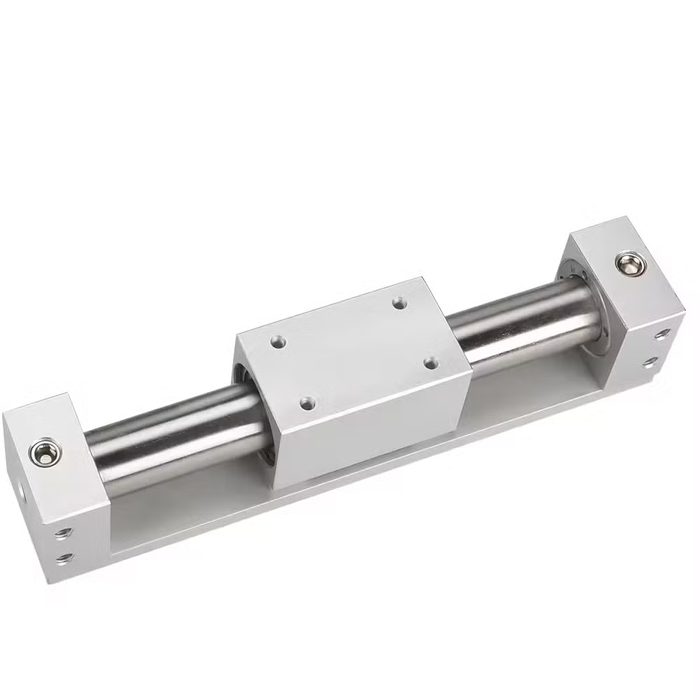
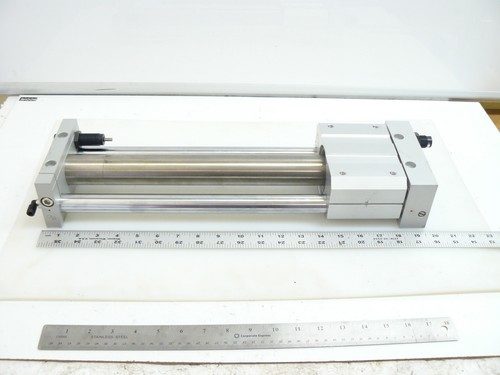
Pneumatic Actuator Air Rodless Cylinder
Power: Pneumatic
-
-
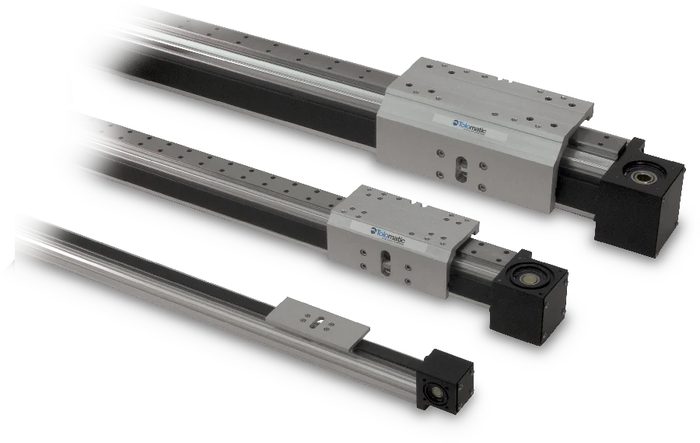
Pneumatic Linear Actuator
Bore: 25 mmStroke: 800 mm
-
-
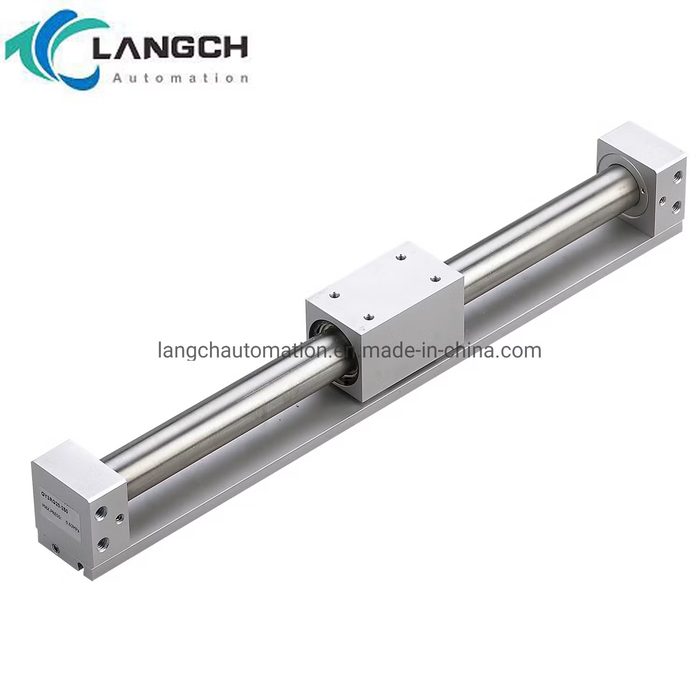
Pneumatic Rodless Cylinder
Bore: 25 mmStroke: 100 mm
-
-
-
-
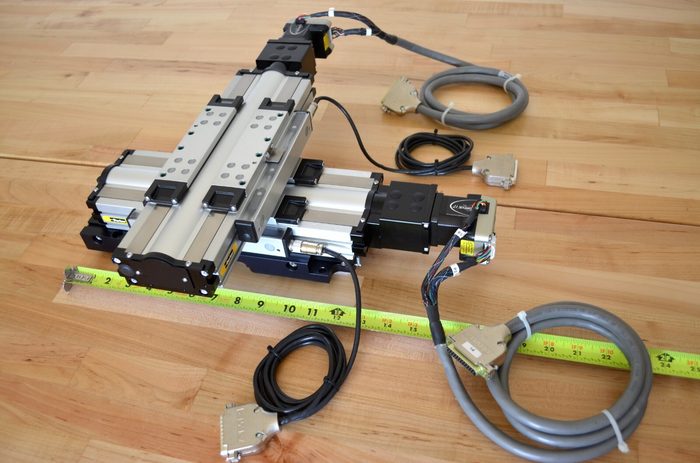
Precision Linear Stage
Travel: 0.50 inch
-
-
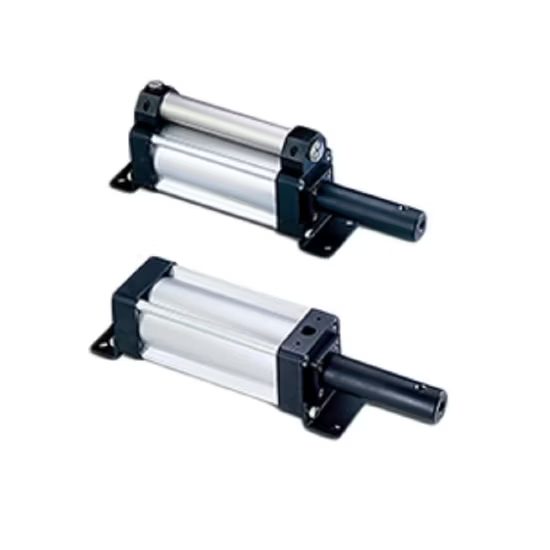
Precision Rodless Linear Actuator, Double-Acting Pneumatic Cylinder
Operating Pressure: 2 to 7 kgf/cm²
-
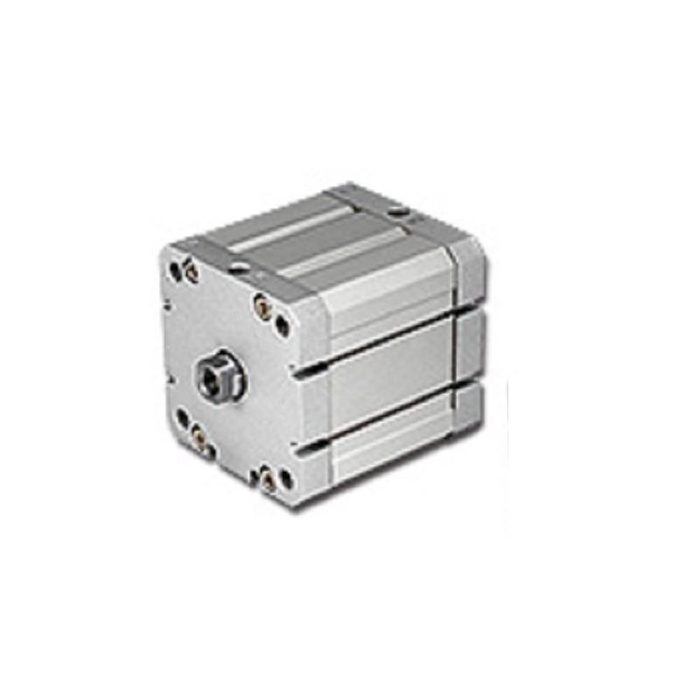
Precision Rodless Linear Actuator, Double-Acting Pneumatic Cylinder
Operating Pressure: 2 to 7 kgf/cm²
-
-
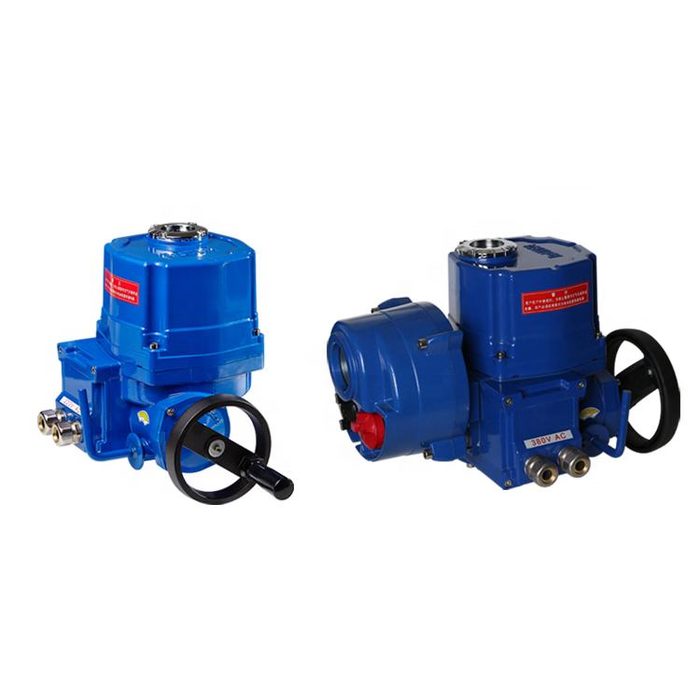
Q200 Q300 Q400 Part-Turn Intelligent Electric Actuator
Voltage: 380VAC/3-phase/50Hz, 220VAC/1-phase/50Hz
-
-
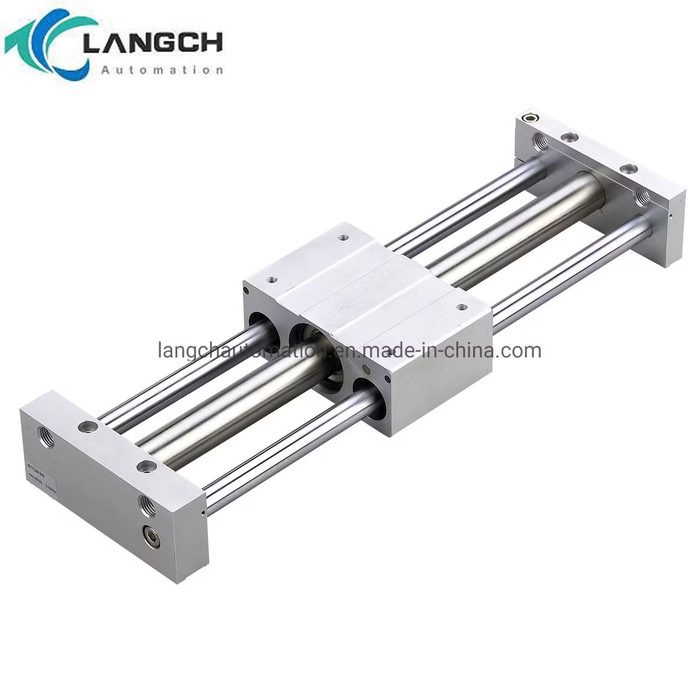
Rodless Air Cylinder
Bore: 25mmStroke: 300mm
-
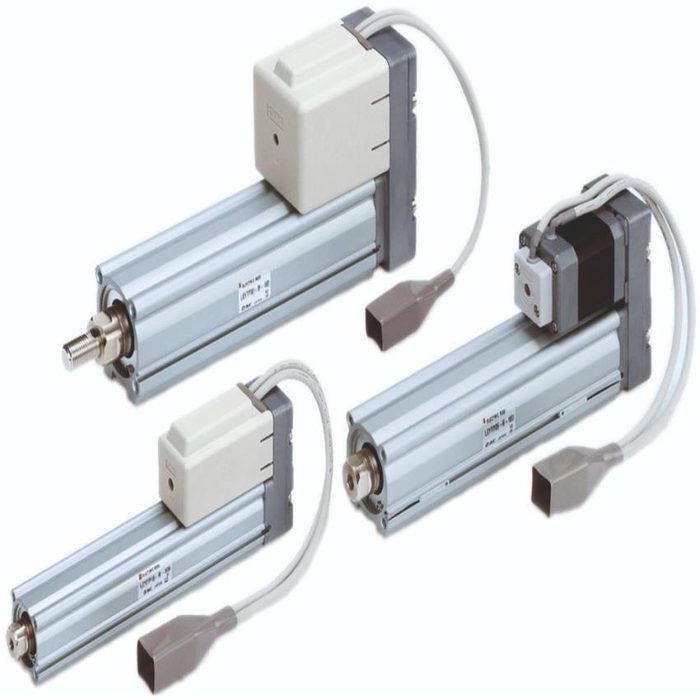
Rodless Air Cylinder
Type: Rodless
-
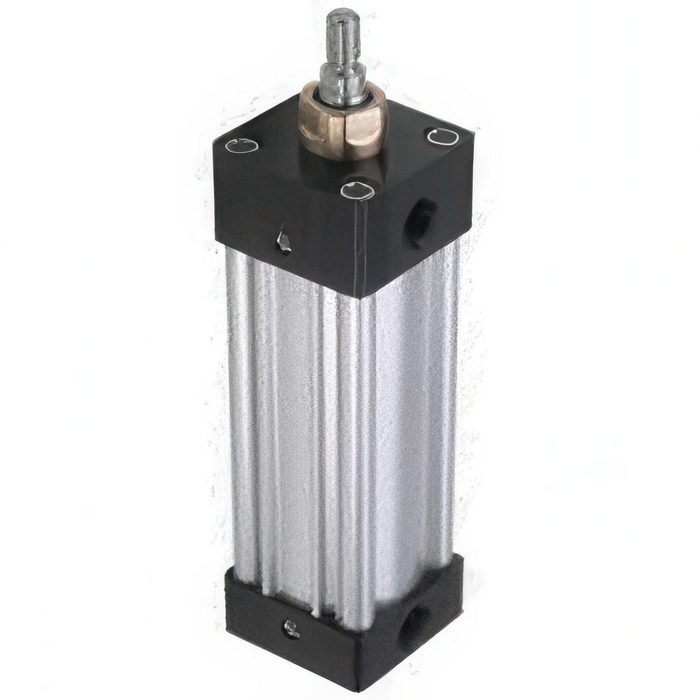
Rodless Air Cylinder
Bore Diameter: 32 mmStroke Length: 305 mm
-
Rodless Air Cylinder
Bore Diameter: 25 mmStroke Length: 10.5 inch
-
-
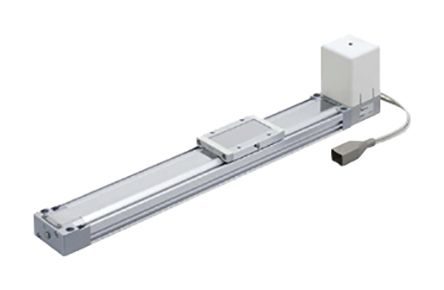
Rodless Cylinder
Bore: 63mmStroke: 800mm
-
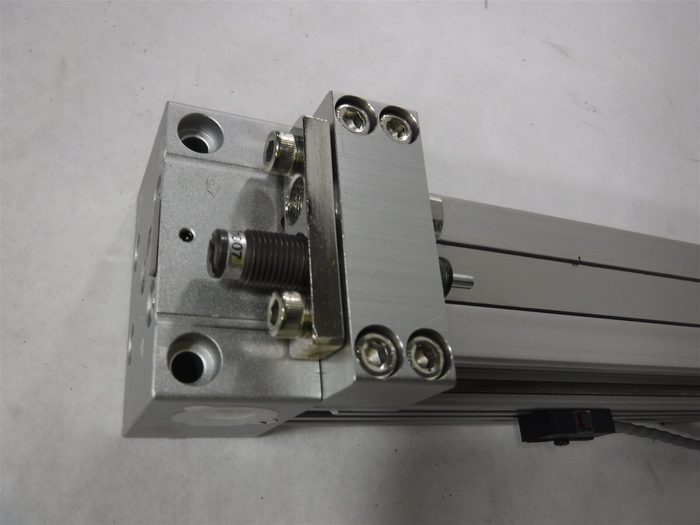
Rodless Cylinder
Bore: 25mmLength: 398mmPressure: 0.8Bar
-
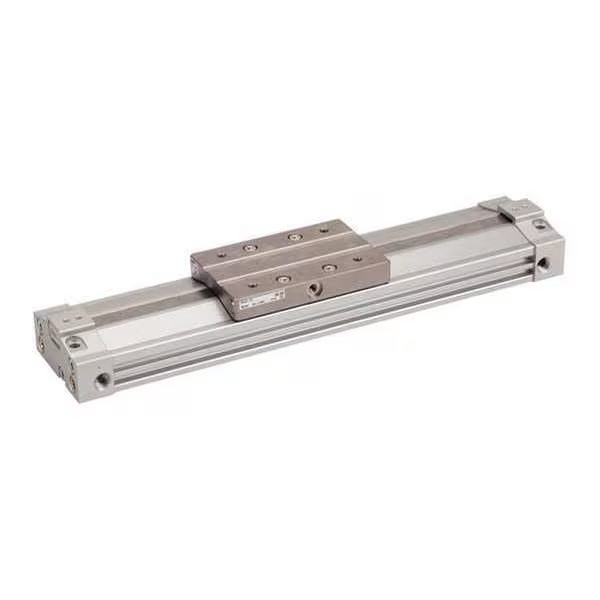
Rodless Cylinder
Bore: 20mmStroke: 200mm
-
-
-
About linear actuators
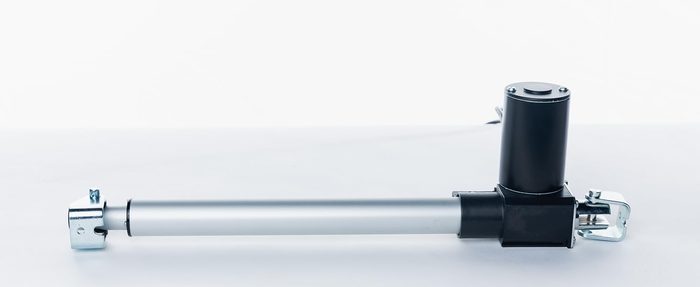
Linear actuators convert rotary motion from a motor into linear motion, typically for pushing, pulling, lifting, or positioning applications. They are broadly categorized into rod-style, rodless, and belt-driven types. Rod-style actuators feature an extending and retracting rod, driven by a lead screw or ball screw, often enclosed within a housing. Rodless actuators, conversely, move a carriage along a fixed body, utilizing internal screws, belts, or cables, offering a more compact footprint for a given stroke length. Belt-driven actuators use an external timing belt to move a carriage, suitable for high-speed, longer-stroke applications. Key selection parameters include stroke length, force capacity (e.g., in lbf or N), speed (mm/s or in/s), and positional accuracy or repeatability (micrometers). Input voltage (e.g., 12V, 24V DC, or AC), motor type (stepper, servo, brushed/brushless DC), and duty cycle are also critical. Common materials include aluminum alloys for bodies and carriages, stainless steel for rods and lead screws, and various engineering plastics for components like nuts and guides. Finishes often involve anodizing for corrosion resistance or clear coatings.
How to choose
When selecting a linear actuator, first define the application's primary requirement: force, speed, or precision. For high force or precision, a ball screw-driven rod-style or rodless actuator is typically preferred. For high speed or long strokes with moderate force, consider belt-driven units. Next, determine the required stroke length and the available envelope. Rodless actuators offer a shorter overall length for a given stroke. Third, specify the duty cycle and environmental conditions; this impacts motor selection and IP rating. Finally, consider control requirements: simple on/off, positional feedback with limit switches, or closed-loop servo control for dynamic positioning. This sequence narrows down the viable actuator types and drive mechanisms.