Abrasives
Sanding discs, flap wheels, cutoff wheels, belts and compounds.
Also searched as: cutoff wheelflap discsanding beltsgrinding wheelsandpaper
-
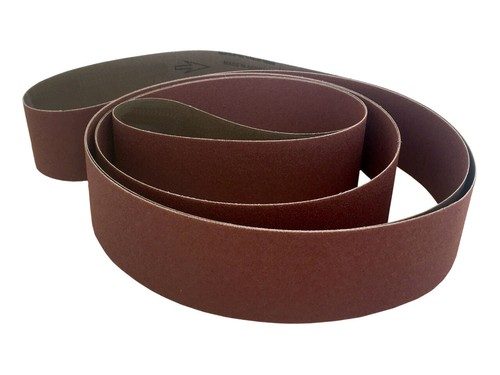
2 Inch x 132 Inch Aluminum Oxide Cloth Sander Sanding Belts
Length: 132 InchWidth: 2 Inch
-
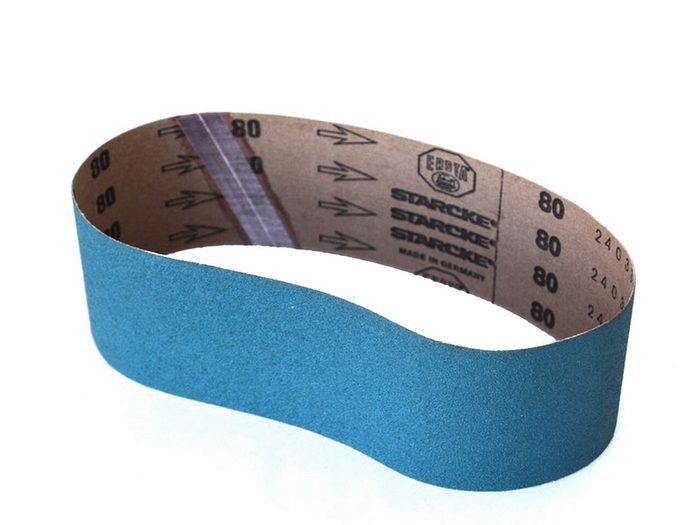
2-1/2 Inch X 14 Inch Zirconia Cloth Sander Belts
Length: 14 InchWidth: 2-1/2 Inch
-
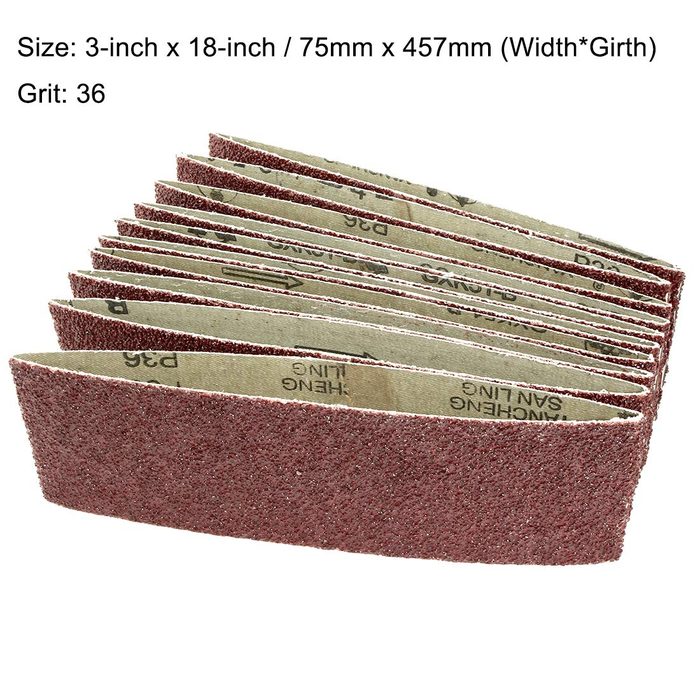
3" X 18" 40 GRIT ALUMINUM OXIDE X-WEIGHT SANDING BELTS
Grit: 40Length: 18"Width: 3"
-
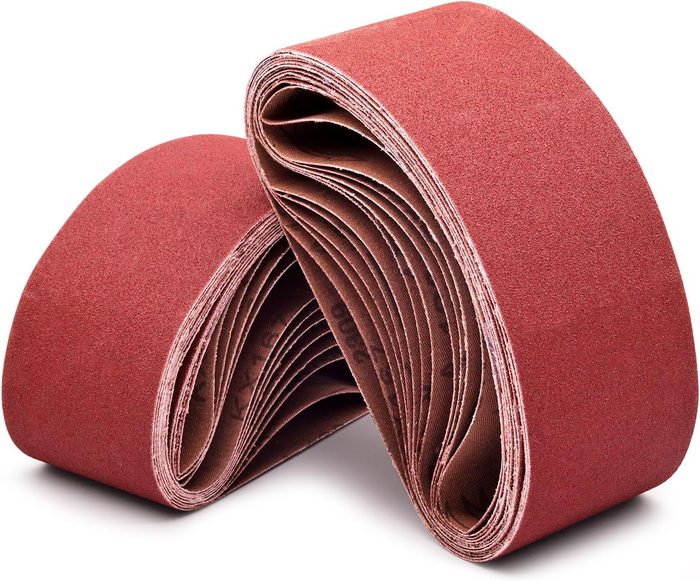
3" x 18" 120-Grit Sanding Belts
Grit: 120Length: 18"Width: 3"
-
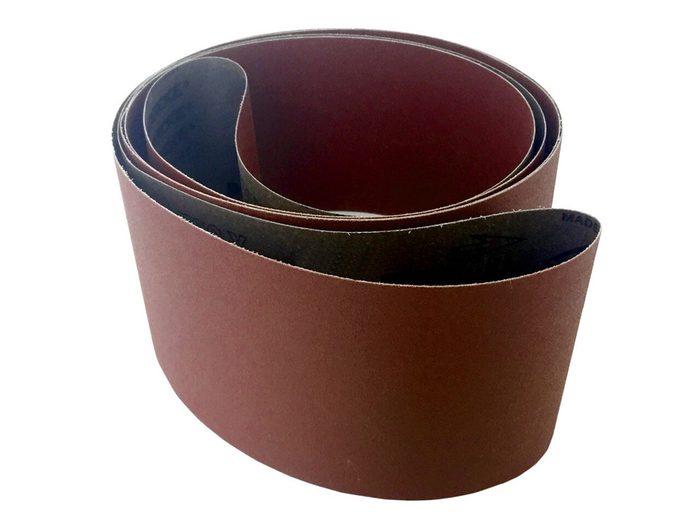
4 Inch x 132 Inch Cloth Aluminum Oxide Sander Sanding Belts
Length: 132 InchWidth: 4 Inch
-
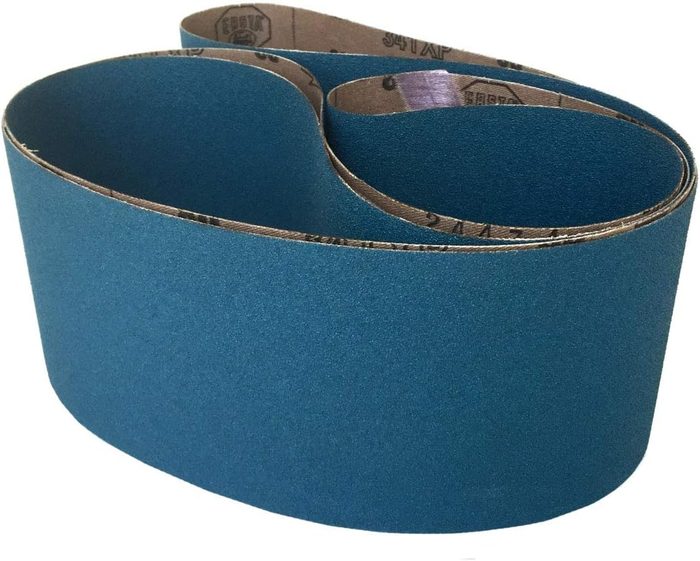
4 X 90 Zirconia Cloth Sander Belts
Length: 90Width: 4
-
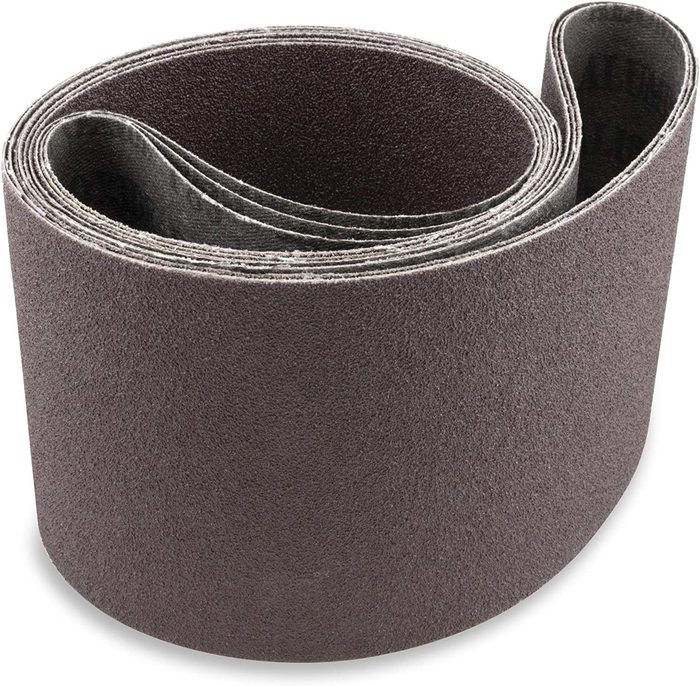
6 inch x 158 inch Abrasive Sanding Belts
Length: 158 inchWidth: 6 inch
-
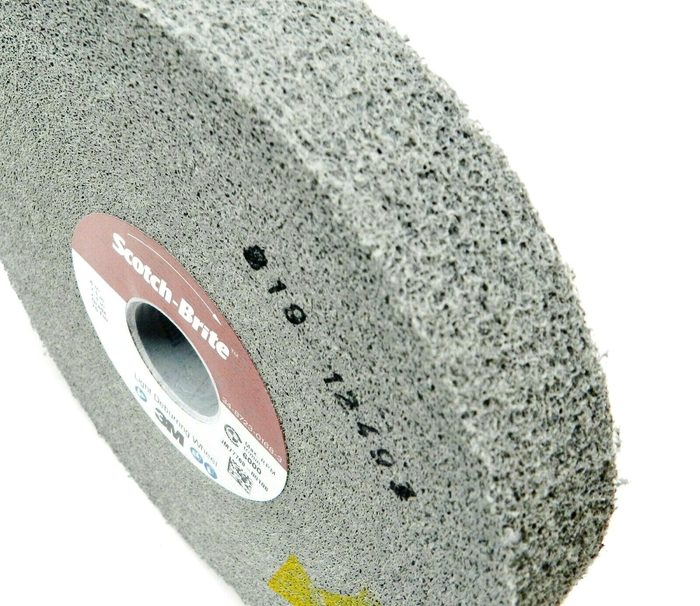
6"X1X1/2" Grinding wheel
Arbor Size: 1/2"Max RPM: 4450Outside Diameter: 6"Thickness: 1"
-
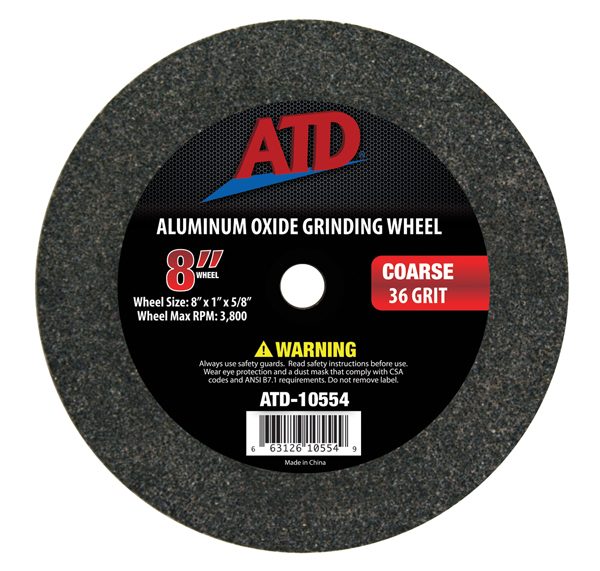
8" Coarse Grit Grinding Wheel
Bore: 5/8"Face Width: 1"Max RPM: 3800Outside Diameter: 8"
-
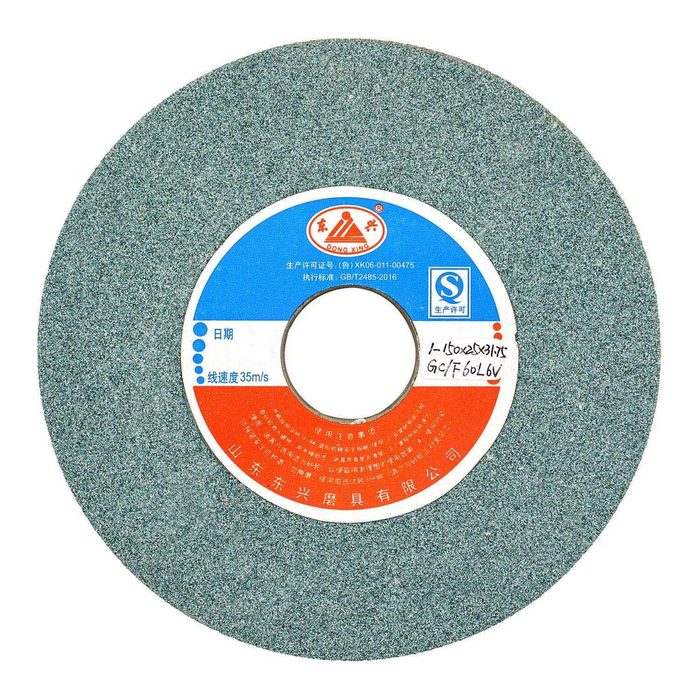
8" x 5/16" x 1-1/4" 80 Grit Grinding Wheel (Type 1A1)
Bore: 1-1/4"Grit: 80Outside Diameter: 8"Thickness: 5/16"
-
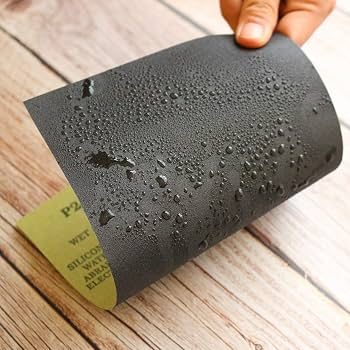
Automotive Sandpaper Waterproof
Application: AutomotiveWaterproof: True
-
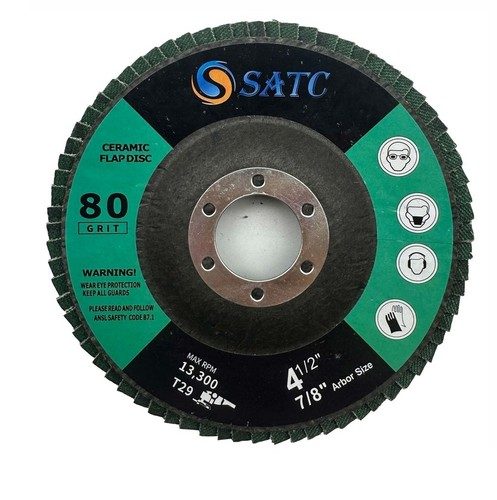
Ceramic Flap Disc
Arbor Size: 7/8 inchDiameter: 4.5 inchGrit: 60Max RPM: 13300
-
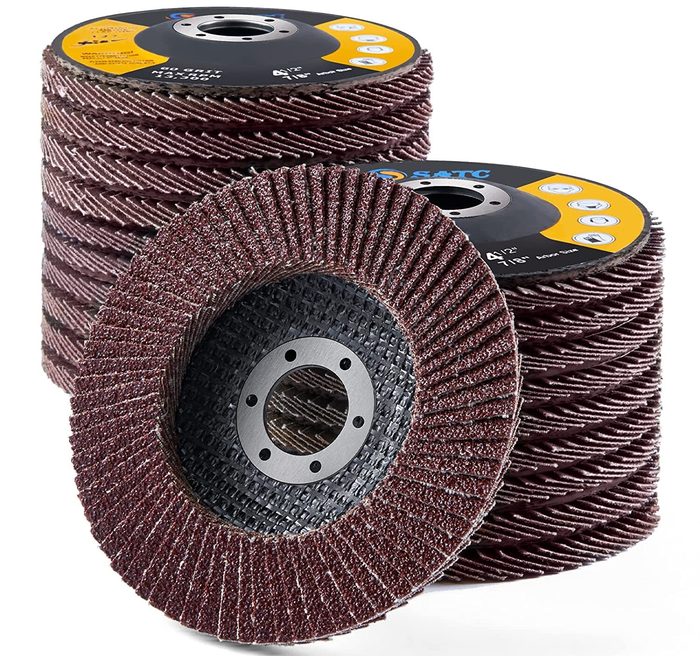
Flap Disc
Arbor Size: 7/8 inchDiameter: 4.5 inchGrit: 80
-
Flap Disc
Diameter: 4.5 inch
-
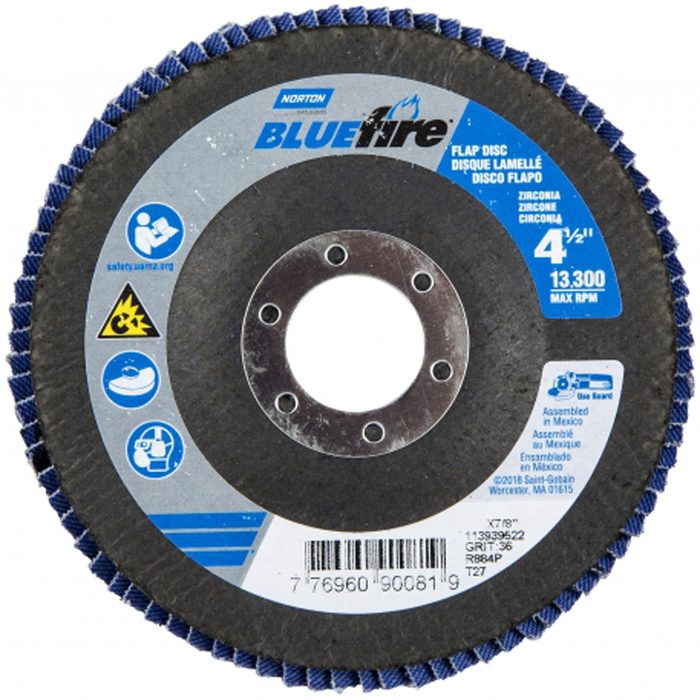
Flap Disc T27
Arbor Size: 7/8 inchDiameter: 4.5 inchGrit: 40
-
Flap Disc T27
Diameter: 4.5 inchGrit: 40, 60, 80, 120
-
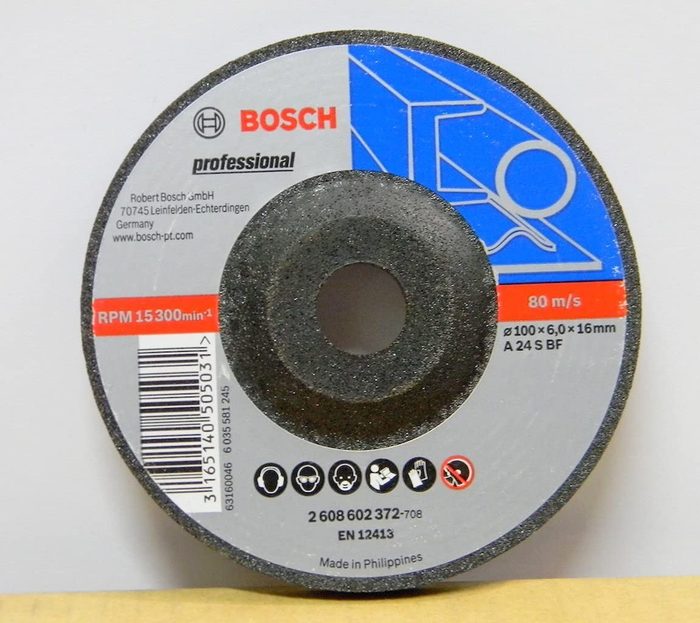
Flap Disc Z40
Arbor Size: 7/8 inchDiameter: 7 inchGrit: 40
-
-
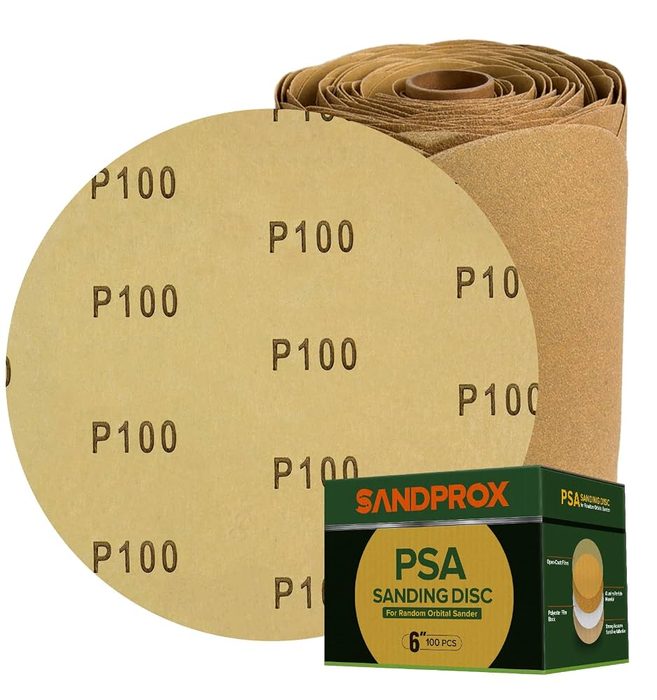
PSA Sandpaper Rolls
Attachment: PSAForm: Rolls
-
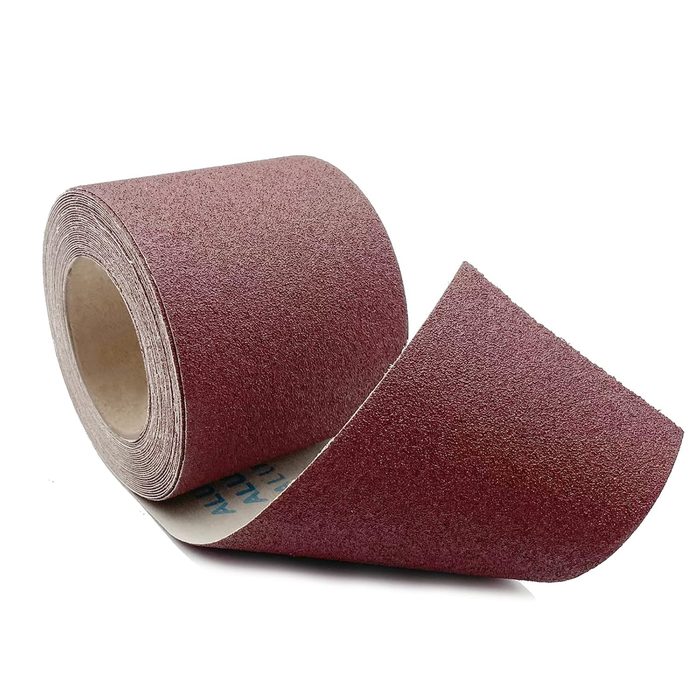
Sand Paper
Size: 9x3.6 inch
-
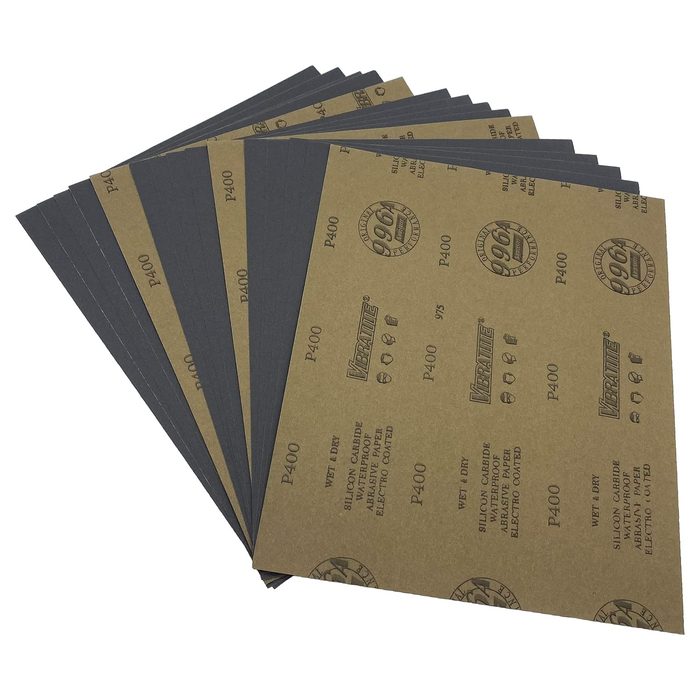
Sand Paper Sanding Sheets Wet Dry Grit Sandpaper
Grits: 60, 100, 150
-
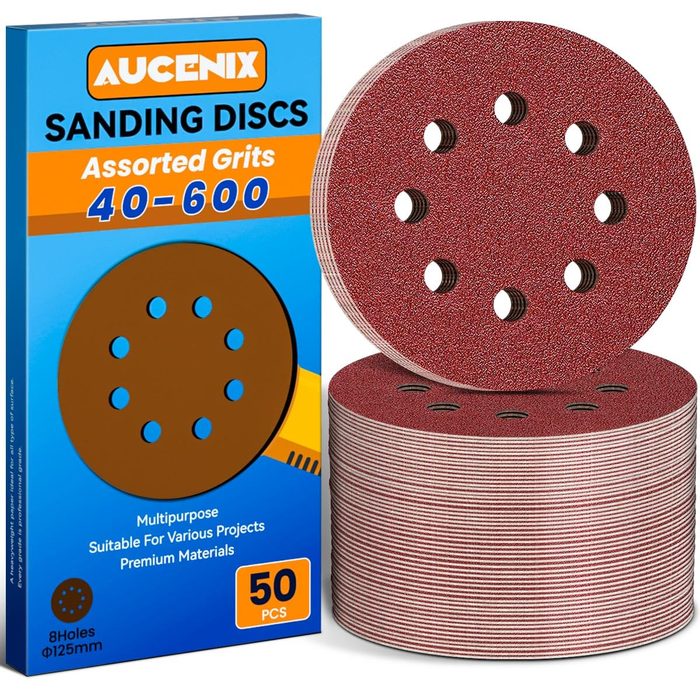
Sand Paper Variety Pack
Grits: 120 to 3000Size: 9 x 3.6 inch
-
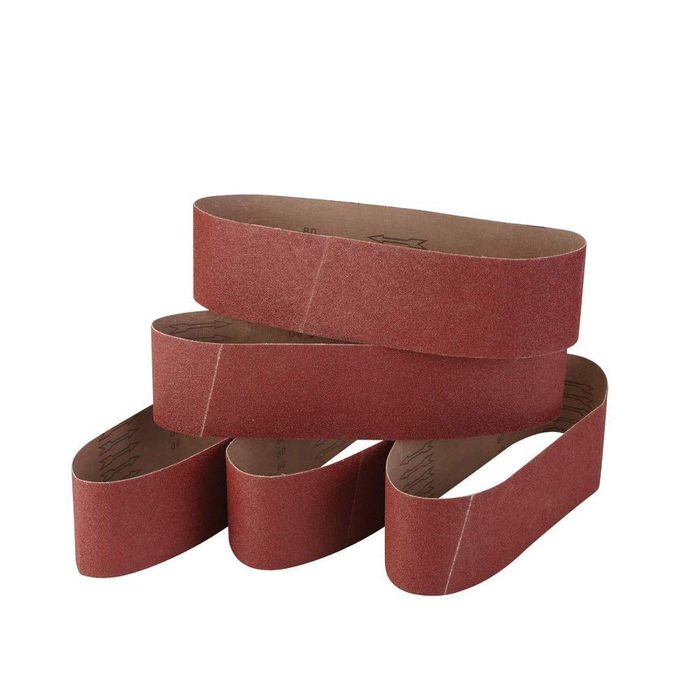
Sanding Belts 40/60/80/100/120 Grit for Floor Sanding
Grit: 40/60/80/100/120
-
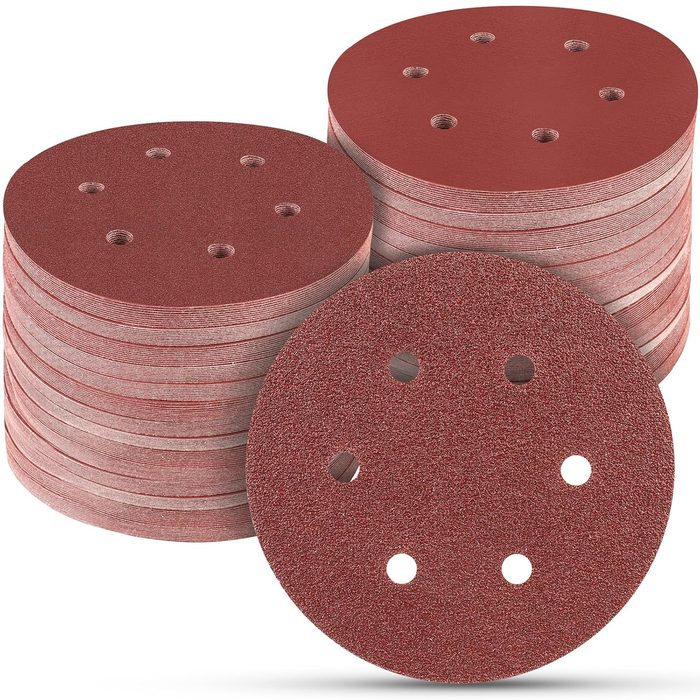
Sanding Disc Sandpaper
Diameter: 6 inchGrits: 60-800
-
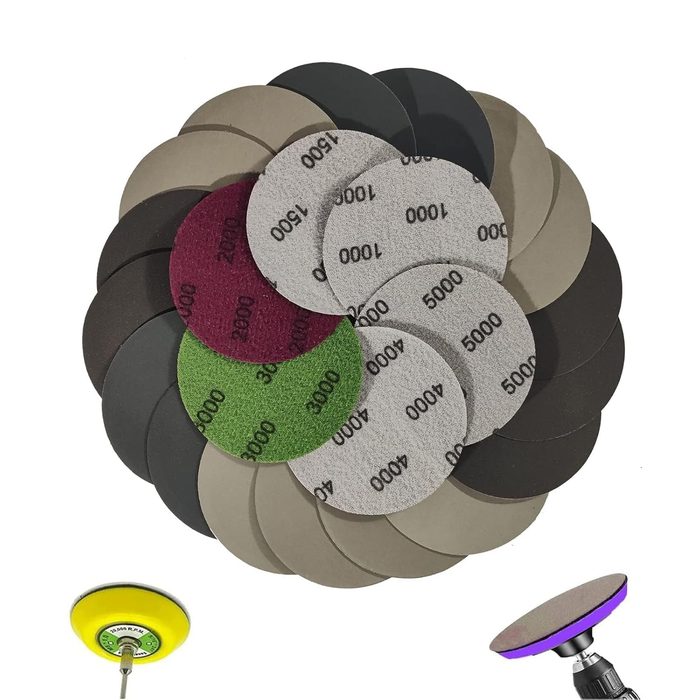
Sanding Discs Wet and Dry
Diameter: 125 mm
-
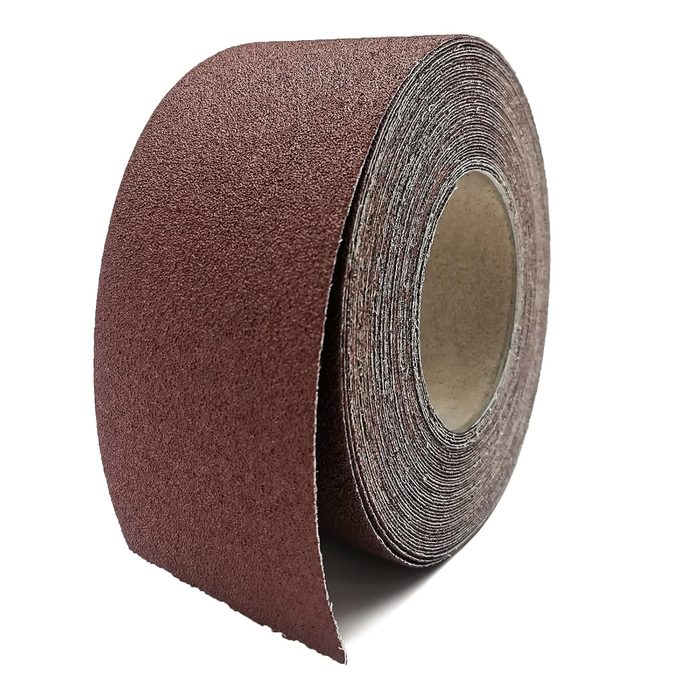
Sandpaper
Grits: 120 to 240
-
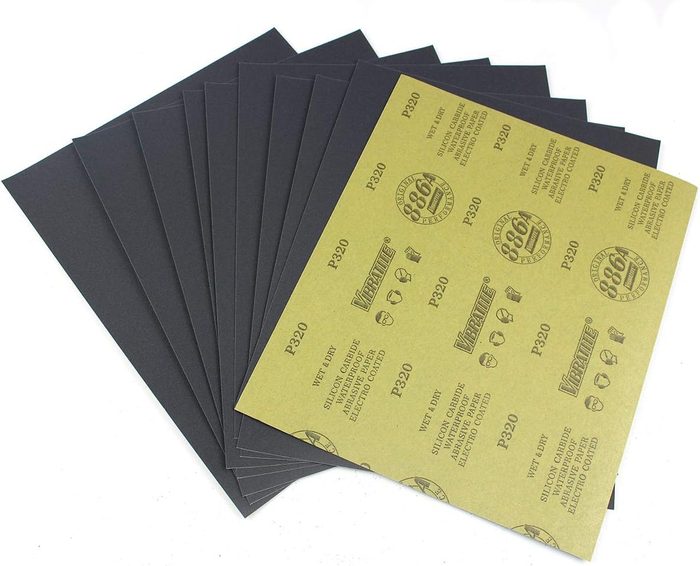
Sandpaper Sheets
Size: 230 x 280 mm
-
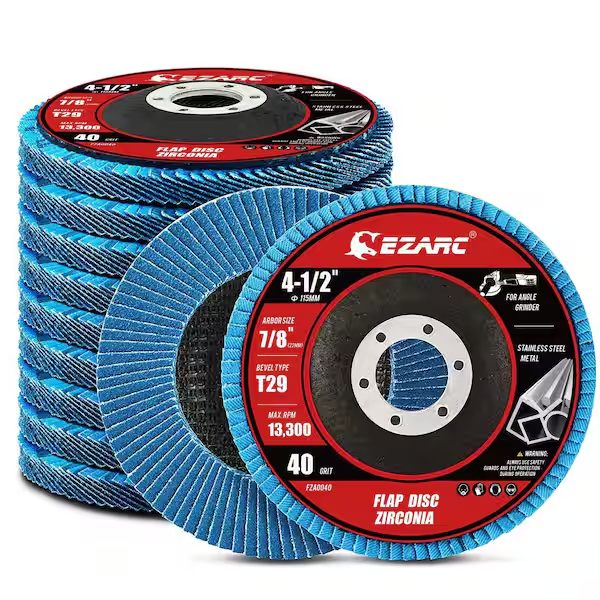
Zirconia Flap Disc
Arbor Size: 7/8 inchDiameter: 4.5 inchGrit: 120
About abrasives
Abrasives are consumable tools used for material removal, surface conditioning, and finishing operations. This category encompasses a range of products including sanding discs, flap wheels, cutoff wheels, abrasive belts, and polishing compounds. Sanding discs, often backed with paper, cloth, or film, are used for general stock removal and surface preparation, available in various grit sizes from coarse (e.g., 24-grit) to very fine (e.g., 2000-grit) and attachment types like PSA (pressure sensitive adhesive) or hook-and-loop. Flap wheels consist of multiple abrasive flaps arranged radially around a central hub, providing a consistent finish and conforming to irregular surfaces, commonly used for deburring and blending. Cutoff wheels, also known as grinding wheels, are thin, resinoid-bonded abrasive discs reinforced with fiberglass, designed for cutting metals and other hard materials, specified by diameter, thickness, and arbor hole size, with common types including Type 1 (flat) and Type 42 (depressed center). Abrasive belts are continuous loops of abrasive material on a flexible backing, used for high-speed stock removal and finishing on belt sanders, defined by length, width, and grit. Polishing compounds, often in solid bar or liquid form, are used with buffing wheels to achieve high-luster finishes, with formulations varying based on the desired finish and workpiece material.
How to choose
When selecting abrasives, first define the application: cutting, grinding, deburring, or finishing. For cutting or heavy stock removal, consider cutoff wheels or coarse-grit belts. For surface conditioning and blending, flap wheels or sanding discs are appropriate. Next, determine the workpiece material; abrasives are formulated for specific materials like metals, wood, or composites. Third, specify the required grit size or compound type based on the desired surface finish, from aggressive material removal (coarse grit) to fine polishing (very fine grit or polishing compound). Finally, confirm the dimensional requirements: diameter, thickness, and arbor hole for discs and wheels, or length and width for belts, to ensure compatibility with existing power tools or machinery.